
Reviewed · TEMPLES & MEDITATION
Tokyo: Meiji Shrine Walking Tour with Local Guide
Meiji Shrine can feel like two worlds in one: Tokyo’s loud youth district sits nearby, but inside the shrine grounds, gravel paths and towering trees create a calm pause. This $20 walking tour gives you the background and small details that are easy to miss when you visit alone.
I like the practical lesson in shrine manners, especially how to bow at the torii, walk on the left side of the approach, cleanse your hands, and pray. I also like the stop at the Imperial Fishing Platform, a quiet corner connected to the Emperor’s pastimes that many first-time visitors would likely miss.
The main thing to consider is that this is a walking tour, not a broad Tokyo sightseeing trip. You’ll need comfortable shoes, and the experience is conducted in English, with Japanese also listed among the available languages.
In This Review
- Key points at a glance
- Why Meiji Shrine feels far from Tokyo
- Meeting the guide at the shrine entrance
- Crossing the torii with the right manners
- Learning to cleanse, bow, and pray
- Looking beyond the front of the main hall
- The Imperial Fishing Platform
- Ending where shrine life meets Harajuku
- What $20 gets you
- Who should book this Meiji Shrine walk
- Practical tips for a better visit
- Should you book this tour?
- FAQ
- How much does the Meiji Shrine walking tour cost?
- Is the tour conducted in English?
- What will I learn during the tour?
- What is the Imperial Fishing Platform?
- Where does the tour end?
- What should I bring?
Key points at a glance
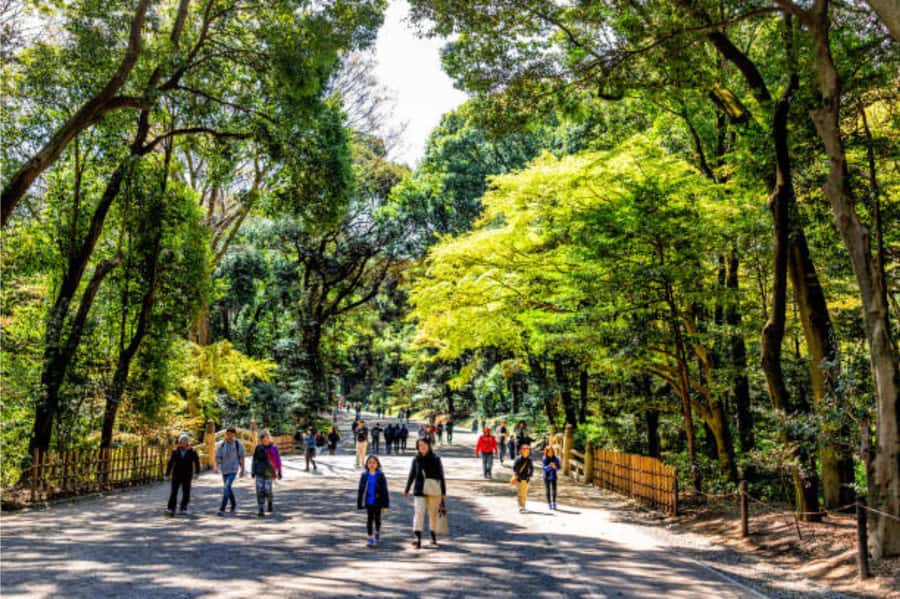
- Learn the left-side approach rule: The middle of the shrine path is traditionally reserved for the gods, so your guide explains why visitors keep to the left.
- Practice shrine customs: You’ll learn how to bow, cleanse, and pray in the traditional manner.
- Visit the Imperial Fishing Platform: This quiet stop adds a personal connection to Japan’s Imperial past.
- See details beyond the main hall: The route can include the back of the main hall, the turtle stone, and the sazare stone.
- End close to Harajuku Station: The tour fits neatly before or after Harajuku’s shops, streets, and other attractions.
- Pay only $20 per person: That is a modest price for a guided cultural introduction, especially on a first visit.
Why Meiji Shrine feels far from Tokyo
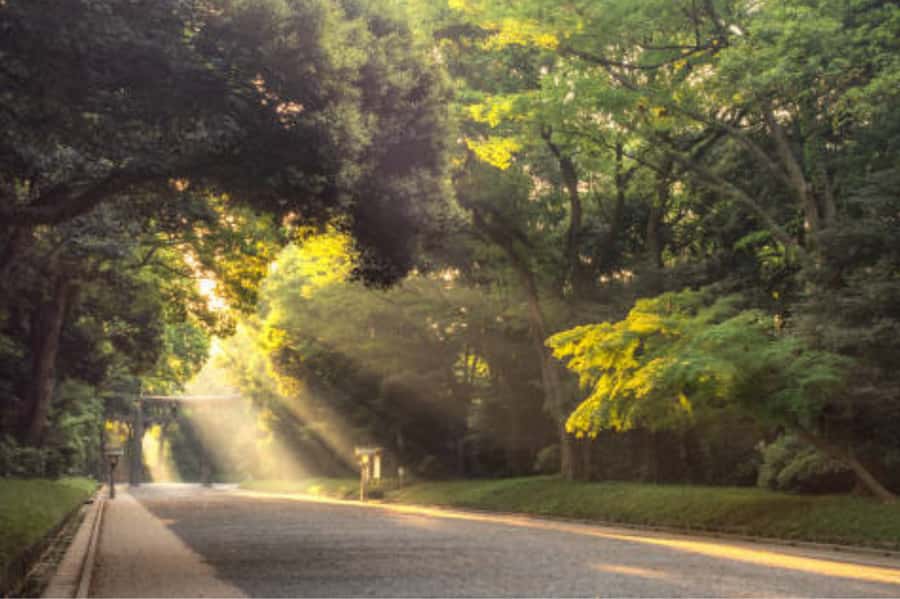
The appeal begins as soon as you enter the shrine grounds. Meiji Shrine is surrounded by a large forested area, and the change from city streets to shaded paths is quick. You are still in central Tokyo, but the setting asks you to slow down.
I like this contrast more than a simple photo stop. The forest is not just scenery. It helps explain why the approach to the shrine feels designed as a transition from ordinary city life to a sacred place. The walking itself becomes part of the visit.
The tour focuses on this change in mood. Instead of hurrying straight to the main hall, you learn how the approach works and why certain actions matter. One useful detail is the custom of keeping to the left side of the path. The center is understood as the route of the gods, so walking to the side is a small way of showing respect.
That kind of explanation gives structure to what might otherwise look like a pleasant walk under trees. You are not simply passing through a forest. You are learning how the space is meant to be used.
A few more Tokyo tours and experiences worth a look

Meeting the guide at the shrine entrance
Look for the guide holding a blue A4-sized board. This detail matters because the shrine area can be busy, and a simple sign is easier to spot than a vague meeting instruction. The guide leads the walk in English, with Japanese also listed as an available language.
No guide name is provided, so you should not expect to meet a named specialist in advance. What you can expect is a local guide who explains both the main history and the less obvious corners of the grounds.
Bring a camera if you want photos, but keep your main attention on the route and explanations. Meiji Shrine is easy to photograph on your own. The value of this experience comes from understanding what you are seeing and learning how to behave in the space.
The tour includes walking, cultural explanations, and photo stops. Since no duration is given, I would avoid planning a tightly timed activity immediately afterward unless you have plenty of room in your schedule. The end point is described as near Harajuku Station, making it useful for continuing to another Tokyo activity.
Crossing the torii with the right manners
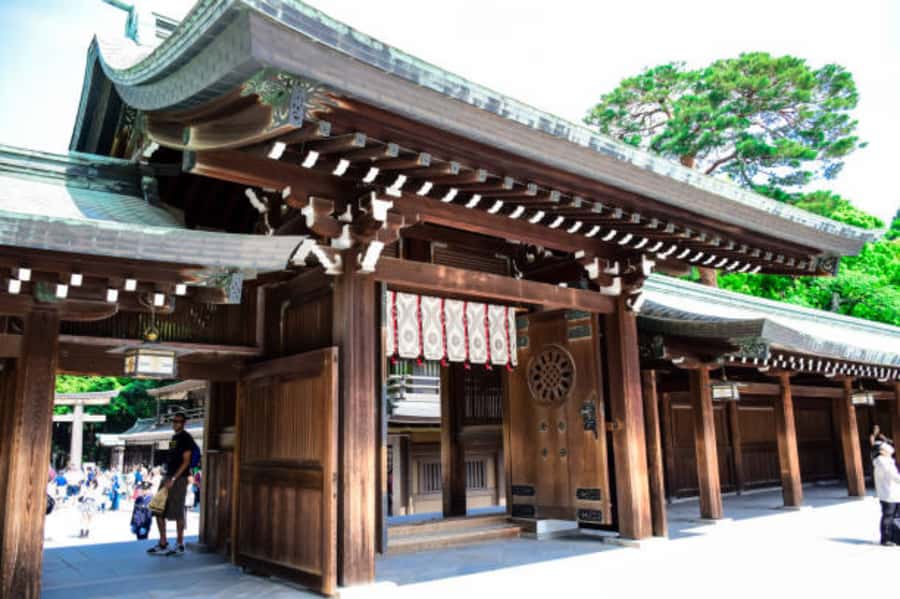
The first lessons concern the torii gate and the approach. A torii marks the movement from an everyday area into a Shinto sacred space. Your guide explains the custom of bowing when passing through, a simple gesture that sets the tone for the rest of the visit.
This is the sort of detail I value on a guided walk. You can enter a shrine, take photos, and follow the crowd without knowing any of the small customs. A short explanation helps you take part with more care instead of treating the site as just another landmark.
The approach itself also receives attention. The guide explains the important features of the torii and the route leading toward the shrine. The path is described as an artificially created space, which gives you another way to read the setting. The trees, gravel, gates, and gradual movement toward the worship hall all help create a sense of separation from the city.
You may find this part especially useful if Meiji Shrine is your first Japanese shrine visit. The customs are not difficult, but they are easier to remember when someone shows you how they fit together.
Learning to cleanse, bow, and pray
At the Outer Worship Hall, the tour turns from walking etiquette to worship. This is where locals come to offer respect and make wishes, and where you learn the traditional sequence for cleansing, bowing, and praying.
The cleansing ritual is practical as well as symbolic. Your guide explains how to use the water basin properly, then shows how to approach the worship area. You learn the traditional way to bow and pray rather than guessing from the people around you.
The tour connects these actions with New Year visits, when shrine worship becomes a major part of Japanese life. That context makes the ritual easier to understand. You are not only learning a set of movements. You are seeing how an old custom remains part of modern Tokyo routines.
I would not expect a long religious lecture here. The strength of this stop is its clear, usable instruction. By the time you reach the worship hall, you have a better sense of what to do and why it matters.
If you prefer to observe quietly rather than participate, the guide’s explanation should still be useful. You can understand the ritual without treating it as a performance. As with any religious site, follow the guide’s instructions and keep your camera use respectful.
Looking beyond the front of the main hall
The main worship area is the obvious focus, but the route can take you to details behind it as well. The guide may show you the back of the main hall, along with the turtle stone and sazare stone.
These are the kinds of features that make a guided visit different from a quick solo walk. The front of the shrine is easy to locate. The smaller stones and the rear of the building are less likely to enter your plan, especially if you are following a map and moving toward the next attraction.
The turtle stone is a particularly useful detail to include in your mental picture of the shrine. Even without a long explanation supplied in advance, seeing these smaller features helps you understand that the site has more to offer than its main gate and worship hall.
The sazare stone adds another layer to the walk. Your guide explains what you are looking at, giving meaning to something that could otherwise blend into the surroundings. I like this approach because it trains you to notice the shrine as a collection of details rather than one grand building.
The stop is also a good reminder to keep your pace measured. If you rush through Meiji Shrine, you may see the famous parts but miss the elements that give the visit its character.
Other walking tours we've reviewed in Tokyo



The Imperial Fishing Platform
The most unusual stop is the Imperial Fishing Platform. It is described as a quiet, almost secret corner of the shrine grounds, connected with the Emperor’s pastimes and Japan’s respect for nature.
This adds a human detail to the visit. Shrines can feel formal and distant when you only see gates, offerings, and large buildings. A place linked to fishing and quiet leisure gives you a different view of the Imperial household and its relationship with the natural setting.
I would not book this tour expecting a dramatic attraction. The appeal is precisely that it is calm and low-key. You visit a less obvious part of the grounds, listen to the explanation, and take a break from the main flow of people.
The stop also supports one of the tour’s central ideas: Meiji Shrine is not only a ceremonial site. It is a carefully shaped environment where nature, ritual, and daily life meet. The Imperial Fishing Platform makes that point in a small but memorable way.
For photographers, this should be treated as a photo stop rather than a major viewpoint. Bring your camera, but expect the interest to come from the setting and story rather than a famous panorama.
Ending where shrine life meets Harajuku
The walk finishes at the bicycle parking area, an ordinary location with an interesting connection to the tour’s theme. Here, everyday Tokyo routines sit close to the shrine’s traditional customs and the youth culture around Harajuku.
That ending works well because it brings you back to modern city life without a sharp break. You have just learned about bowing, cleansing, prayer, and sacred paths. Then you see how those traditions exist beside bicycles, stations, shops, and regular city movement.
The end is described as near Harajuku Station, so you can continue easily to another attraction. You might use the tour as a morning introduction to Meiji Shrine, then head toward Harajuku afterward. You could also schedule it before another central Tokyo activity, provided you allow enough time for the walking tour and station transfer.
There is one small point to clarify before booking. The meeting information also says the activity ends back at the meeting point, while the route description places the finish near the bicycle parking area by Harajuku Station. If your onward plans depend on an exact exit, confirm the final point with the provider.
What $20 gets you
At $20 per person, this is priced as an affordable introduction rather than a full-day private tour. You are paying for a local guide, a walking route, cultural insights, and photo stops. There is no mention of admission fees or extras, so the main value is the interpretation.
I think the price makes the most sense for a first visit. If you already know Shinto shrine etiquette and have spent time at Meiji Shrine, you may prefer to walk independently. But if you want to understand why people bow at the torii, why they keep left, and how to pray, the fee is reasonable.
The strongest value comes from access to details you might not find on your own. The Imperial Fishing Platform, the back of the main hall, the turtle stone, and the sazare stone all give the tour more substance than a simple walk to the front worship area.
The price is also low enough to suit a flexible Tokyo itinerary. You do not need to commit to an expensive private guide to gain a clearer sense of one of the city’s best-known spiritual places.
Who should book this Meiji Shrine walk
I would recommend this tour most strongly to:
- First-time visitors to Meiji Shrine
- People interested in Japanese customs and religious etiquette
- Anyone who wants a calm break from central Tokyo’s busy streets
- Families or couples who prefer a short cultural activity with a local guide
- Visitors who want to combine Meiji Shrine with Harajuku afterward
- Photographers who enjoy small details and quiet spaces more than large viewpoints
It may be less suitable if you want a fast, self-directed visit. The experience is built around listening, walking, and asking questions along the way. It also may not suit you if comfortable shoes are difficult, since walking is central to the activity.
The English-language format is useful for many international visitors. Japanese is also listed, but the supplied details do not identify how language requests are assigned, so check that point when reserving if it matters to you.
Practical tips for a better visit
Wear shoes you can comfortably use for a walking route. This is basic advice, but it matters more here than a stylish outfit or heavy camera gear.
Arrive with enough time to find the guide holding the blue A4 board. A clear meeting marker helps, but the shrine area can still take a moment to navigate.
Keep your camera ready for photo stops, but do not let photography take over the worship areas. The tour teaches respectful behavior, so follow the guide’s instructions around the torii, water basin, and worship hall.
Plan your next activity around Harajuku Station. The tour’s location makes it easy to continue, but do not assume you will finish at a precise minute because no tour duration is provided.
You can reserve now and pay later, which helps if your Tokyo schedule is still changing. Cancellation is allowed up to 24 hours in advance for a full refund, giving you some protection if plans shift.
Should you book this tour?
Book it if you want Meiji Shrine to mean more than a large torii, a forest walk, and a quick photograph. For $20, you get clear instruction in shrine customs, a local perspective, and access to quieter details such as the Imperial Fishing Platform, the turtle stone, and the sazare stone.
Skip it if you prefer to move at your own pace or already understand Japanese shrine etiquette. The route is focused, walking is required, and the tour does not cover all of Tokyo.
For most first-time visitors, I think the balance is good. You begin in a quiet forest, learn how to enter and pray respectfully, see parts of the grounds you might otherwise miss, and finish close to Harajuku Station. That makes this a useful cultural introduction, not simply another stop on a Tokyo checklist.
FAQ
How much does the Meiji Shrine walking tour cost?
The tour costs $20 per person.
Is the tour conducted in English?
Yes. The tour is conducted in English. Japanese is also listed as an available language.
What will I learn during the tour?
You will learn about Meiji Shrine’s history and rituals, including how to bow at the torii, walk on the left side of the approach, cleanse yourself, and pray in the traditional way.
What is the Imperial Fishing Platform?
The Imperial Fishing Platform is a quiet area within the shrine grounds connected with the Emperor’s pastimes and Japan’s respect for nature.
Where does the tour end?
The route description places the end at the bicycle parking area near Harajuku Station. The meeting information also says the activity ends back at the meeting point, so confirm the exact final location if you have a tight onward schedule.
What should I bring?
Bring comfortable shoes for walking and a camera for the photo stops.
More Guided Tours in Tokyo




More Walking Tours in Tokyo
More Temples & Meditation in Tokyo
More tours in Tokyo we've reviewed











Temples & Meditation, compared.
 ★ 4.7Tokyo: Meiji Shrine, Asakusa, Skytree Bus Tour and CruiseFrom $12210 hours
 ★ 4.8Tokyo: Asakusa Walking Tour with Sensoji Temple VisitFrom $222 hours
 ★ 4.6Nikko: Kegon Falls, Lake Chuzenji & Toshogu TempleFrom $8911 hours
 ★ 4.5Tokyo: Kamakura & Enoshima Day Trip including Temple TicketsFrom $589 hours - 570 minutes
 ★ 4.5Tokyo: Nikko Toshogu Shrine and Kegon Waterfall TourFrom $8410h 30m
 ★ 4.5Tokyo Panoramic 1 Day: Meiji Shrine, Asakusa, Odaiba and SKYTREE®From $85