
Reviewed · GUIDED
Unveil Tokyo’s coffee culture with a guide
Tokyo’s coffee culture comes into focus on this small-group walk through Akihabara and Kanda. You move from a Nordic light roast to old-school Japanese coffee, Taiwanese specialty beans, and a dark Viennese cup near a Showa-era café street. It is part tasting tour, part neighborhood walk, with the city’s stories filling the spaces between drinks.
I like the variety of coffee styles, and I like the way the route links cafés with Manseibashi Bridge, confectionery shops, an architecture bookstore, and Japan’s famous bookstore street. Guide Tomoyo also contacts you before the tour to learn what kind of coffee you enjoy. The main drawback is practical: drinks are optional and cost extra, and the takeout format means you usually sip while walking rather than settle in for a long café visit.
In This Review
- Key points at a glance
- Why this tour works for coffee curious people
- Starting near Akihabara Station
- From Manseibashi Bridge into Kanda
- Comparing Japanese, Nordic, and Taiwanese coffee
- The old café tradition and the Showa-era streets
- A bookstore street with a different kind of Tokyo
- What the three and a half hours feel like
- Price, extra costs, and what you receive
- Who should book it
- Should you book this Tokyo coffee walk?
- FAQ
- Where does the tour begin?
- Where does the tour finish?
- How long does the tour last?
- How far do you walk?
- How many people can join the group?
- Are coffee and food included?
- Do I sit down at the cafés?
- Is the tour offered in English?
- Can I cancel the tour?
Key points at a glance
- Seven planned coffee stops: Try Nordic, Japanese, Taiwanese, specialty, blended, and Viennese coffee styles.
- A walk through two very different districts: Start near Akihabara Station and finish at Jimbocho Station after exploring Kanda.
- Showa-era Tokyo remains central: See old café architecture, a retro café street, and long-established shops.
- A very small group: The tour is limited to five people, allowing the guide to adjust the pace and conversation.
- Coffee costs extra: Plan to spend about 1,000 to 3,000 yen if you choose the drinks and snacks.
- Useful for coffee beginners: The guide explains basic coffee ideas while you taste different roast levels and brewing styles.
Why this tour works for coffee curious people
Tokyo is famous for its espresso bars and polished specialty cafés, but its older kissaten tell a different story. These traditional coffee shops often focus on careful brewing, dark roasts, quiet rooms, and long-running family businesses. This tour gives you both sides of the city’s coffee life: modern roasters and older cafés that have served local customers for decades.
The setting helps. Akihabara is known around the world for electronics, anime, and pop culture, yet the route takes you beyond the main shopping lanes. From there, you walk into Kanda, where old streets, bridges, bookstores, confectioners, and cafés sit close together. You get a more varied look at central Tokyo than you would from a café crawl alone.
The tour lasts 210 minutes, or about three and a half hours. That is enough time for a guided introduction without taking over your whole day. I would place it early in a Tokyo visit if coffee matters to you. You will leave with a better sense of what to order elsewhere, plus a short list of districts and shop types worth exploring on your own.
Other guided tours in Tokyo

Starting near Akihabara Station
Meet in front of the Starbucks Coffee Akihabara Station Front store. This is a useful meeting point because it is easy to identify, though you should arrive ready to walk rather than expecting a drink there.
The first stretch leads through Akihabara. You spend about ten minutes walking before the coffee stops begin. The route includes time for photos and a look at the streets around Akihabara, giving the guide a chance to explain how the district changes as you move away from its best-known commercial areas.
Your first planned coffee stop is a Nordic roastery and specialty coffee shop established in 2019. Expect a light roast and an opening brew toast. This is a good starting point because light-roast coffee often lets you notice fruit, acidity, and other flavors more clearly than a heavy dark roast.
The first cup also sets up the teaching side of the tour. You are not simply handed drinks and sent onward. The guide introduces basic coffee ideas, then uses the next stops to show how roast level, brewing method, and café tradition affect the cup.
From Manseibashi Bridge into Kanda
After the first tasting, the route includes a photo stop and a walk toward Manseibashi Bridge. The bridge and nearby streets provide a change of mood from Akihabara’s busy commercial core. An art gallery is also part of the planned sightseeing.
This is where the tour earns its price beyond the coffee itself. You are paying for a guide who connects places that might otherwise seem unrelated. A bridge, an old shop, a bookstore, and a coffee counter become parts of one story about central Tokyo.
The walk continues into Kanda, with time for shopping, local snacks, and sightseeing. You visit long-established Western and Japanese confectionery shops, as well as a Meiji-era art supplies store with a café. These stops are not just filler between coffees. They show how older shops continue to serve everyday customers while newer coffee businesses set up nearby.
You should keep a little cash handy. Food is not included, and coffee orders are optional, but the route includes chances to buy local snacks. A small amount of spending money gives you more freedom to try something beyond the planned drinks.
Comparing Japanese, Nordic, and Taiwanese coffee
One of the tour’s best features is the contrast between its coffee stops. The planned route includes seven shops, each offering a different angle on Tokyo’s coffee culture.
A Japanese classical roastery, dating from around 1940 to 1950, serves blended coffee with a medium roast. This is a useful counterpoint to the Nordic light roast. Blended coffee and medium roasting often produce a rounder, more familiar cup, with less sharp acidity and a fuller feel.
Another planned stop is a well-known specialty roastery founded in 2015. It also focuses on light roast coffee. Here, you can compare a newer specialty approach with the older Japanese roasting tradition. The point is not to decide which style is best. The point is to notice how much coffee can change from one shop to the next.
The Taiwanese coffee shop, opened in 2022, adds another modern perspective. Its specialty coffee is also described as light roast. By this stage, you have tasted enough different cups to make useful comparisons instead of treating each drink as an isolated sample.
Coffee orders are optional at every stop, and that matters. Seven full cups would be too much for many people, especially over three and a half hours. You can choose the stops that interest you most, share less if that is allowed by the shop, or simply follow the discussion without ordering every time. Since the tour description does not promise full seated tastings, ask the guide about current ordering arrangements if you have specific needs.
The old café tradition and the Showa-era streets
The planned second stop is a Showa-era street with a classical music café, known for cloth-drip coffee and light roast beans. The café dates to 1933, but it is temporarily closed because of the owner’s injury. That is an important condition to understand before booking.
The closure does not erase the value of the street itself. You can still see the older architecture and hear about the café tradition that shaped the area. Still, if your main goal is to sit inside a 1933 coffee shop, this tour may disappoint while the closure remains in place.
The route finishes at a retro Showa-era café street and a long-established café dating from 1949. This final planned coffee stop serves Viennese coffee with a dark roast. It makes a fitting final contrast to the lighter cups earlier in the walk.
The older cafés are valuable even if you are not a serious coffee drinker. They offer a look at how Tokyo’s café culture developed through quiet, highly personal businesses rather than only through international chains. One of the tour’s strongest qualities is that the guide treats the streets and shops as part of the experience, not simply as a backdrop for tasting.
A few more Tokyo tours and experiences worth a look

A bookstore street with a different kind of Tokyo
The Kanda area is also known for bookstores, and the route includes a street lined with them plus a bookstore specializing in architecture. This gives the walk a welcome change of pace.
If you like buildings, city planning, design, or old shopfronts, the architecture bookstore should be a highlight. You do not need specialist knowledge to enjoy it. The guide can point out how the neighborhood’s older buildings and businesses fit together, while the bookstore offers a more focused look at Tokyo’s built environment.
This section also makes the tour a better choice for companions who are not devoted coffee fans. The itinerary includes local snacks, confectionery shops, street scenes, a gallery, and bookstores. A non-coffee drinker can still find plenty to notice, as long as they are happy with a walking tour built around café stops.
What the three and a half hours feel like
The tour covers about 3 kilometers. That is not a major hike, but you are on your feet for most of the session. The itinerary includes several ten to fifteen minute walks, coffee stops of fifteen to thirty minutes, and short visits for shopping or sightseeing.
Wear comfortable shoes. A hat, water, and a snack are sensible, especially in warm weather. Cash is worth carrying because additional drinks and food are not included.
The drinks are mainly takeout style. You enjoy them while walking, rather than spending every stop seated inside. This format lets the tour cover more ground and makes seven coffee businesses possible within one afternoon, but it is not ideal if you want long, quiet café sessions.
The pace may change with crowd levels and group size. With a maximum of five participants, the guide can usually keep the group together without the feel of a large organized outing. The small size also makes it easier to ask questions about coffee preferences, Japanese café customs, or the neighborhood.
The tour is available in English and Japanese. Tomoyo’s pre-tour contact through WhatsApp is a useful personal touch. She asks about your preferred coffee before the day begins, which gives her a chance to shape explanations and choices around your interests. During one very rainy outing, she offered the option to cancel the walk, then adapted the route so the group could still visit cafés and bookstores. That suggests useful flexibility when the weather turns poor, though you should still bring suitable clothing.
Price, extra costs, and what you receive
The listed price is $58 per person. At first glance, that may seem high for a walking tour where food and coffee are not included. The value depends on how much guidance you want and how many drinks you order.
The fee covers a 3.5-hour guided session, coffee instruction, the walking route, handouts, and photos from the tour. You also get access to a planned mix of businesses that would be difficult to connect on your own, especially if you do not read Japanese or know the Kanda area.
Plan on roughly 1,000 to 3,000 yen extra for coffee and snacks. You do not need to buy seven drinks. In fact, most people should pace themselves. The extra cost is easier to manage if you pick two or three cups that appeal to you and treat the rest as optional stops.
I see the tour as good value for a solo visitor, a coffee fan, or anyone who wants a guided neighborhood walk with a clear theme. It is less attractive if you want a cheap café breakfast, a seated tasting flight, or an unhurried meal. There are no meals included, and the tour is not designed around restaurant dining.
Free cancellation is available up to 24 hours before the start time, and you can reserve now and pay later. Those terms help if your Tokyo plans are still shifting, but the important choice is the format: this is a walking lesson with tastings, not a formal coffee workshop.
Who should book it
I would recommend this tour to adults who enjoy specialty coffee, old cafés, local shops, and city walking. It is also a good choice for a first visit to Tokyo if you want an introduction to Kanda and Akihabara that goes beyond the usual shopping stops.
You do not need to be a coffee expert. The guide explains the basics, and the range of roast levels makes the differences easier to understand. A non-coffee drinker can still enjoy the bridges, streets, shops, architecture bookstore, and Showa-era setting, though coffee remains the main thread.
The tour is not suitable for children under 18. It is wheelchair accessible, but the route includes about 3 kilometers of walking and multiple streetside stops, so it is sensible to confirm the current route if you have mobility concerns.
Should you book this Tokyo coffee walk?
Book it if you want more than a list of cafés. The strongest part is the combination of coffee education, old and new businesses, and a carefully connected walk from Akihabara through Kanda to Jimbocho.
Go in with the right expectations. You will likely stand or walk while drinking, pay extra for any coffee and snacks, and encounter route changes, including the temporary closure of the 1933 classical music café. If that sounds fine, the small group, personal planning from Tomoyo, varied coffee styles, and shared tour photos make this a thoughtful way to spend half a day in central Tokyo.
FAQ
Where does the tour begin?
The tour begins in front of the Starbucks Coffee Akihabara Station Front store.
Where does the tour finish?
The tour finishes at Jimbocho Station.
How long does the tour last?
The planned duration is 210 minutes, or about three and a half hours.
How far do you walk?
You can expect to walk about 3 kilometers. Comfortable shoes and moderate fitness are recommended.
How many people can join the group?
The group is limited to five participants.
Are coffee and food included?
No. Coffee orders are optional, and drinks and food are not included in the tour price. You should prepare about 1,000 to 3,000 yen for additional purchases.
Do I sit down at the cafés?
The tour is mainly takeout style, with drinks enjoyed while walking. Sit-down coffee experiences are not included.
Is the tour offered in English?
Yes. The tour is offered in English and Japanese.
Can I cancel the tour?
You can cancel up to 24 hours in advance for a full refund. You can also reserve now and pay later.
More Coffee Experiences in Tokyo
More Guided Tours in Tokyo
More tours in Tokyo we've reviewed

Guided, compared.
 ★ 5.0Tokyo 6hr Private Tour with Government-Licensed GuideFrom $155
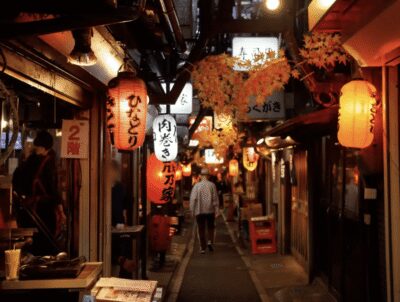 ★ 4.9Tokyo: Shinjuku Local Bar and Izakaya Guided Walking TourFrom $343 hours
 ★ 4.8Tokyo: Private City Highlights Tour with Local GuideFrom $1064 - 8 hours
 ★ 4.9Tokyo: Tsukiji Fish Market Guided Walking TourFrom $222 hours
 ★ 5.0Tokyo 4hr Private Tour with Government-Licensed GuideFrom $109
 ★ 5.0Tokyo Guided Small-Group Biking TourFrom $106