
Reviewed · IMPERIAL PALACE & SHOGUN TOURS
Tokyo Imperial Palace Historical Walk and Food Tasting Tour
The most appealing part of this $19 Imperial Palace walk is the mix of old castle remains and a food stop that you cannot simply pick up at an ordinary Tokyo shop. You follow the former Edo Castle grounds, pass guardhouses and towers, and finish with a traditional snack tied to the Imperial Palace area.
I like the clear focus on Edo-period history, and I like that an English-speaking guide such as Masa or Rini adds the human detail that signs often miss. The main thing to understand before booking is that you will not enter the Emperor’s residence or see the palace interior. Much of the two hours takes place outdoors, so weather and walking comfort matter.
In This Review
- Key points to know before you book
- Why this Imperial Palace walk is more than a garden stroll
- Starting beside Wadakura Fountain Park
- Sakurada Tatsumi Yagura and the first castle clues
- Guardhouses that explain castle security
- Ninomaru Garden and Suwa-no-Chaya
- Trees, palace sites, and the former Ooku area
- Stone Hut and the defensive edge of the gardens
- Honmaru, Nakanomon, and Obansho
- What you will and will not see
- Guide style and language
- Weather, walking, and practical limits
- Is $19 good value?
- Who should book this walk?
- FAQ
- Where does the Tokyo Imperial Palace walk begin?
- Where does the tour finish?
- How long does the experience last?
- Is the Emperor’s residence open during the tour?
- What food and drink are included?
- Is the tour offered in English?
- What should I wear and bring?
- Can wheelchair users join the tour?
- Should you book it?
Key points to know before you book
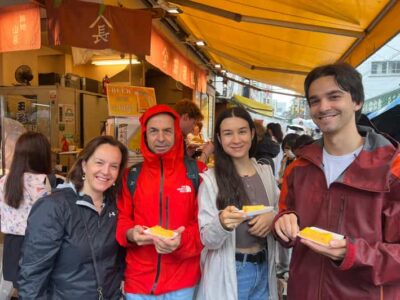
- A special Imperial Palace snack: The tour includes one traditional item available only at the Imperial Palace area, plus one drink from a nearby vending machine.
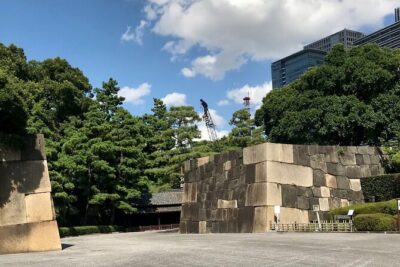
- Edo Castle comes first: Stone walls, guardhouses, defense towers, and former palace sites explain how Tokyo grew from Edo.
- Masa and Rini lead the walk: Recent tour experiences praise Masa for his friendly humor and Edo-period explanations, while Rini is noted for guiding nearly two hours through the gardens.
- The Emperor’s residence is off-limits: You explore the public East Gardens and historic grounds, not the modern residence.
- A photo-friendly route: Sakurada Tatsumi Yagura, Fujimi-yagura, garden paths, gates, and stonework provide many places to stop for pictures.
- Plan for a steady outdoor walk: Wear sports shoes or other comfortable footwear, and dress for rain or sun.
Why this Imperial Palace walk is more than a garden stroll
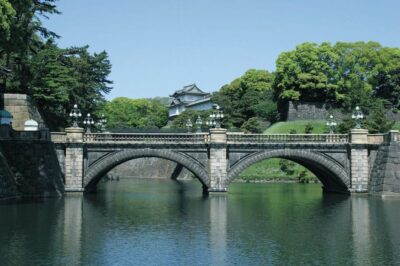
Tokyo’s Imperial Palace can seem quiet and restrained at first glance. That is part of its character. The grand story is not always presented through large interiors or dramatic displays. Instead, it appears in stone foundations, controlled entrances, moats, guard posts, surviving towers, and the layout of the old castle.
This tour helps connect those pieces. The same area once formed the center of Edo Castle, where shoguns governed Japan. Today, the Imperial Palace occupies the site, and the public East Gardens preserve important sections of the former castle grounds.
I like this format for a first visit because you do not have to guess what you are looking at. A stone base becomes the site of a former hall. A guardhouse shows how access was controlled. A tower gives you a sense of how the castle was defended. The guide supplies the links between those places.
The tour lasts two hours and costs $19 per person. That is a modest price for an English-speaking walk in central Tokyo, particularly because it includes a snack and a drink. The value depends on what you want. If you need palace rooms, major art collections, or a long museum visit, this will not satisfy you. If you want historical orientation and an easy way to make sense of the grounds, it is a sensible buy.
A few more Tokyo tours and experiences worth a look

Starting beside Wadakura Fountain Park
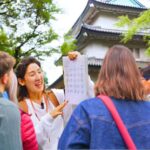
You meet at Starbucks Coffee Imperial Palace Garden Wadakura Fountain Park, at coordinates 35.6831277, 139.7611623. Look for the guide holding an aircraft-logo sign marked Fantasy Travel.
This meeting point is useful because the walk begins near the public Imperial Palace grounds rather than wasting time inside a distant station or on a bus. Still, allow enough time to find the café and guide. The listing gives a precise location, but the guide’s sign is the practical landmark once you arrive.
The route returns to the same Starbucks at the end. That makes the tour easy to fit before another Tokyo activity. You do not need to arrange a second meeting point or work out a complicated return journey.
Sakurada Tatsumi Yagura and the first castle clues
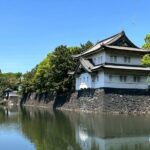
The first stop is Sakurada Tatsumi Yagura, a fortified corner tower. You spend about 10 minutes here with the guide, taking in the structure and learning how towers formed part of the castle’s defenses.
This is a good opening stop because it immediately moves the experience away from a generic park walk. The tower gives you a visible example of the old castle system. Bring your camera, since the route is designed with photo stops in mind.
From here, the walk continues to Ote-Mon Gate. This was one of the major entrances to Edo Castle, and the gate area helps explain the strict movement through the castle grounds. The guide can give the entrance more meaning than a quick photograph alone.
You have about 10 minutes at Ote-Mon Gate. The short stop keeps the tour moving, but it also means you should listen closely and ask questions as you go. The experience is built from several compact explanations rather than one long presentation.
Guardhouses that explain castle security
The Constable Guardhouse and Hyakunin Bansho Guardhouse follow. Each receives about 10 minutes, and these stops are among the most useful for understanding daily life inside a shogun’s castle.
The names can sound similar when you first hear them, but the guide helps you separate the roles and purpose of each place. These were working security points, not decorative garden buildings. Their presence shows how carefully the castle controlled people, goods, and access.
I especially like this portion for anyone who knows little about the Edo period. You do not need prior Japanese history to follow it. The guide’s job is to explain what the buildings meant, how the castle operated, and why the entrances were placed where they were.
Masa has received particular praise for explaining Edo-period history and answering questions about the structures. His approach is described as friendly, informative, and lightly humorous, which can make a two-hour walk feel less formal. Rini is also noted for her warm manner and for guiding the group through the gardens for almost the full duration.
Ninomaru Garden and Suwa-no-Chaya
Ninomaru Garden changes the pace. After gates and guardhouses, you reach a more peaceful part of the East Gardens, with planted areas, paths, and traditional design.
You spend about 10 minutes here. Do not expect a long garden visit with time to wander off alone. This is a guided circuit, so the stop is short, but it gives you a needed pause from the castle defenses and stonework.
The route then reaches Suwa-no-Chaya, a traditional tea house. The visit lasts about five minutes and includes sightseeing and shopping. This is also the part of the walk most closely tied to the food element, although the supplied details do not specify the exact snack until the tour experience itself.
The snack is a limited item available only at the Imperial Palace. That makes it more interesting than a generic convenience-store treat. It is a small detail, but food can help fix a place in your memory, especially after a history-heavy walk.
You also receive one drink from a vending machine near the store. It is a simple inclusion, not a full meal, so eat beforehand if you need something substantial. Think of the food tasting as a small cultural extra rather than lunch.
Other walking tours we've reviewed in Tokyo



Trees, palace sites, and the former Ooku area
The stop called the Prefectural Trees takes around five minutes. It is a brief sightseeing point, but it adds a modern Japanese layer to the older castle setting.
Next comes the former site of Edo Palace Ooku, identified here as the Imperial Kitchen. You spend about five minutes walking and listening. The site connects the public palace grounds with the private and administrative areas of the former castle.
This is one place where a guide adds real value. A bare site can be easy to overlook if you walk alone. With an explanation of what once occupied the area, the ground becomes part of the larger story of the shogun’s residence and court life.
The tour then reaches the Edo Castle Ruins for about 10 minutes. This is a central historical stop. You see the remains rather than a complete castle building, so keep your expectations realistic. There is no reconstructed palace interior waiting inside.
The ruins work best when you want to understand scale and arrangement. They show that present-day Tokyo was built over an older seat of power, with the Imperial Palace preserving selected traces rather than displaying a fully restored castle.
Stone Hut and the defensive edge of the gardens
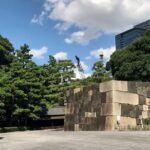
The Stone Hut Imperial Palace East Gardens stop lasts about five minutes. The name itself hints at the practical, defensive side of the site. Like the guardhouses, it reinforces the idea that this was a controlled military and political center.
After that, you reach Fujimi-tamon Defense House for around 10 minutes. The defense house and nearby structures help you picture how watch points protected the castle approaches.
The route continues to Fujimi-yagura, another tower, with about 10 minutes for guided sightseeing. Along with Sakurada Tatsumi Yagura, this gives you a useful comparison between surviving tower structures and their positions around the castle grounds.
You will spend a fair amount of time on paths between these points. The itinerary lists many stops, but the total remains only two hours, so most explanations are focused and compact. That is good for keeping the walk lively, though anyone wanting long photography sessions may feel pressed for time.
Honmaru, Nakanomon, and Obansho
The former Honmaru, or main hall site, is another 10-minute stop. This was the heart of Edo Castle, and the location helps place the castle’s main functions within the wider grounds.
The tour also includes sightseeing and shopping at this stop. The shopping element connects with the traditional snack portion, but do not treat it as a market visit. It is a short stop within a historical walk.
Nakanomon Gate site follows for about five minutes. Like Ote-Mon Gate, it helps you understand how the castle was divided into controlled zones. A short explanation here can make the many walls and entrances feel less repetitive.
The final stop is Obansho Guardhouse, also about five minutes. This brings the security story full circle. You have seen towers, gates, guardhouses, gardens, and former palace sites, then return to the original Starbucks meeting point.
The route is packed. You should expect steady walking rather than long periods sitting in one place. Comfortable shoes are essential, and sports shoes are specifically recommended.
What you will and will not see
The biggest booking issue is simple: the Emperor’s residence is not open to the public. This tour takes place in the Imperial Palace East Gardens and other public historic areas, but it does not provide access to the Emperor’s home.
That is not a flaw in the tour. It is a limit you need to know before you pay. The experience is about the grounds and the former Edo Castle, not an indoor palace tour.
The recent feedback gives useful clues about expectations. One visitor found the palace itself simple but felt that Masa made the day better through his warm conversation and explanations. Another specifically enjoyed the gardens and praised the guide’s quirky humor, while also pointing out that the actual Imperial Palace is not seen.
That balance is fair. You are booking the history under your feet, not a royal residence visit. If that distinction sounds disappointing, choose another activity. If you like old walls, castle planning, gardens, and stories about Japan’s ruling families, the route offers plenty to work with.
Guide style and language
The tour is offered in English with a live guide. Masa is the guide name most often associated with the recent experiences supplied for this activity. He is described as friendly, funny, and well informed about Edo-period history, the Imperial Palace, and the Imperial family.
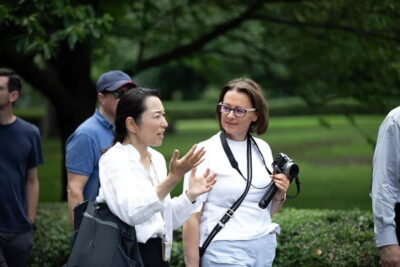
Rini is also identified as a guide, with a warm style and the ability to fill nearly two hours with background information about the gardens. You should expect the guide to explain structures, answer questions, and point out places you might pass without noticing alone.
The exact guide for your departure is not stated in advance. That matters if you are hoping specifically for Masa or Rini. The consistent feature is the live English commentary, not a guaranteed individual guide.
Weather, walking, and practical limits
This is an outdoor walk in all weather. Wear comfortable clothes and proper walking shoes. Rain or sun can change the experience quickly, so check the forecast and dress accordingly.
There are many photo spots, including towers, gates, gardens, and stone remains. Bring a camera or keep your phone ready, but remember that the two-hour schedule includes many stops. You may need to choose between lingering over a picture and staying with the group.
The tour is not suitable for wheelchair users. Pets, except assistance dogs, are not allowed. Bikes, drones, weapons or sharp objects, alcohol, and drugs are also prohibited.
Security checks are required to enter the Imperial Palace grounds. Allow for that step and follow the guide’s instructions. The restrictions are part of visiting an active Imperial Palace site, not simply an open public park.
You can cancel up to 24 hours before the start for a full refund, and you can reserve now and pay later. Starting times vary, so check availability when choosing your date.
Is $19 good value?
At $19, this is priced as an accessible introduction rather than a luxury tour. You receive two hours with an English-speaking guide, a planned route through many historic points, one traditional snack, and one vending-machine drink.
The snack adds a little character, but the real value is the explanation. Alone, you can walk through the East Gardens and see attractive grounds and old structures. With the guide, you get a clearer account of Edo Castle, the shoguns, guardhouses, palace sites, and the Imperial family.
The trade-off is depth. With roughly 17 listed points in two hours, no stop can receive a long lecture. You will get a broad overview with selected details, not a scholarly study or a slow photography tour.
For a first-time Tokyo visitor, I think the price is fair. It is especially useful if you have limited time and want the Imperial Palace area to make sense quickly. You should spend more elsewhere if you want a meal, indoor access, or an unhurried garden visit.
Who should book this walk?
I would recommend it to you if you enjoy history but do not want to spend half a day in a museum. It also suits you if you want a low-cost introduction to the Imperial Palace, prefer an English guide, or like combining sightseeing with a small local food experience.
Families with older children may appreciate the short stops and changing subjects. The castle story gives young visitors something concrete to look for, such as towers, gates, and guardhouses. Still, the walking pace and outdoor exposure may not suit everyone.
Photographers should bring a camera, but accept that this is a guided walk rather than a dedicated photo outing. Food-focused visitors should also keep the snack in proportion. It is a special tasting, not a full culinary tour.
You should skip it if your main goal is entering the Emperor’s residence, seeing palace interiors, or avoiding all outdoor walking. The tour is best for people who want the surviving foundations and garden setting of Edo Castle explained by a friendly English-speaking guide.
FAQ
Where does the Tokyo Imperial Palace walk begin?
It begins at Starbucks Coffee Imperial Palace Garden Wadakura Fountain Park. The meeting coordinates are 35.6831277, 139.7611623. Look for a guide holding a Fantasy Travel sign with an aircraft logo.
Where does the tour finish?
The route returns to the same Starbucks Coffee Imperial Palace Garden Wadakura Fountain Park meeting point.
How long does the experience last?
The walking tour lasts two hours. The listed stops range from about five to 10 minutes each, with walking time between them.
Is the Emperor’s residence open during the tour?
No. The Emperor’s residence is not open to the public. The tour visits public areas of the Imperial Palace East Gardens and historic Edo Castle sites.
What food and drink are included?
You receive one traditional snack available only at the Imperial Palace area and one drink from a vending machine near the store.
Is the tour offered in English?
Yes. It includes a live English-speaking guide.
What should I wear and bring?
Wear comfortable clothes and comfortable shoes, with sports shoes recommended. Bring weather-appropriate clothing because much of the tour is outdoors in rain or sun. A camera is useful for the many photo spots.
Can wheelchair users join the tour?
No. The activity is not suitable for wheelchair users. Pets are not allowed, except assistance dogs. Bikes, drones, weapons or sharp objects, alcohol, and drugs are also prohibited.
Should you book it?
Book this tour if you want a short, affordable introduction to the Imperial Palace grounds and Edo Castle, with a guide to explain the details and a special snack to break up the history. Masa and Rini bring the sort of friendly, personal approach that can make a simple garden walk more memorable.
Do not book it expecting palace interiors or a view of the Emperor’s residence. For old gates, guardhouses, castle ruins, gardens, photo stops, and clear English explanations at $19, this is a practical choice, as long as you arrive ready to walk outdoors.
More Food Experiences in Tokyo



More Walking Tours in Tokyo
More Imperial Palace & Shogun Tours in Tokyo

More tours in Tokyo we've reviewed





Imperial Palace & Shogun Tours, compared.
 ★ 5.0Tokyo: Imperial Palace and Shogun Historical Walking TourFrom $22
 ★ 4.9Tokyo: Imperial Palace Japanese History Walking TourFrom $32
 ★ 4.9Tokyo: Imperial Palace and Shogun Walking TourFrom $162 hours
 ★ 5.0Imperial Palace East Garden and Edo Castle Walking Tour in TokyoFrom $25
 ★ 4.8Tokyo: Imperial Palace East Gardens Walking TourFrom $192h 30m
 ★ 4.5Tokyo: Imperial Palace, Sensō-ji Temple, & Tokyo Tower TourFrom $404 hours