
Reviewed · ASAKUSA TOURS
Tokyo: Asakusa & Tokyo’s Oldest Temple Senso-ji Walking Tour
Asakusa gives you Tokyo with its old coat still on. You pass beneath the huge Kaminarimon Gate, follow lantern-lit Nakamise Street, and reach Senso-ji, Tokyo’s oldest temple, while a guide explains how this neighborhood changed from Edo-era entertainment quarter to a living part of modern Tokyo. I like the clear focus: one historic district, explored on foot, with no long ride between sights.
I also like the small groups of no more than 10 people and the low $11 price. Guides such as Lax and Shoma have earned especially warm praise for their English, humor, and understanding of Japanese culture. The main thing to consider is that this is a short tour centered almost entirely on Asakusa, so its value depends on how much historical explanation and group interaction you want from a two-hour walk.
In This Review
- Key points to know before booking
- Why Asakusa makes such a good first Tokyo walk
- Meeting at Kaminarimon Police Station
- Walking beneath Kaminarimon Gate
- Nakamise Street: snacks, souvenirs, and old Tokyo atmosphere
- Senso-ji, Tokyo’s oldest temple
- Exploring the wider Asakusa district
- What the guide adds to the experience
- Is $11 good value for two hours?
- Who should book this Asakusa walk?
- Should you book the Senso-ji and Asakusa tour?
- FAQ
- Where does the tour meet?
- How long does the tour last?
- What language is the tour offered in?
- How large is the group?
- Is hotel pickup included?
- Does the tour include Senso-ji?
- Does the tour include Nakamise Shopping Street?
- Is shopping included in the price?
- Can I cancel for a full refund?
- Do I have to pay when I book?
Key points to know before booking
- Senso-ji is the centerpiece: Learn about Tokyo’s oldest and best-known Buddhist temple after passing through the famous Kaminarimon Gate.
- Nakamise Street adds flavor: Traditional shops, sweets, snacks, souvenirs, lanterns, and photo stops fill the approach to the temple.
- Small-group format: The group is limited to 10 people, which can make questions and conversation easier.
- English-speaking guides vary by date: Lax, Shoma, and Lak are among the guides praised for clear English and strong cultural explanations.
- Very good price: At $11 per person, the tour is an inexpensive way to get your bearings in one of Tokyo’s key historic districts.
- Allow for a focused visit: You will explore Asakusa rather than cover several parts of Tokyo in one outing.
Why Asakusa makes such a good first Tokyo walk
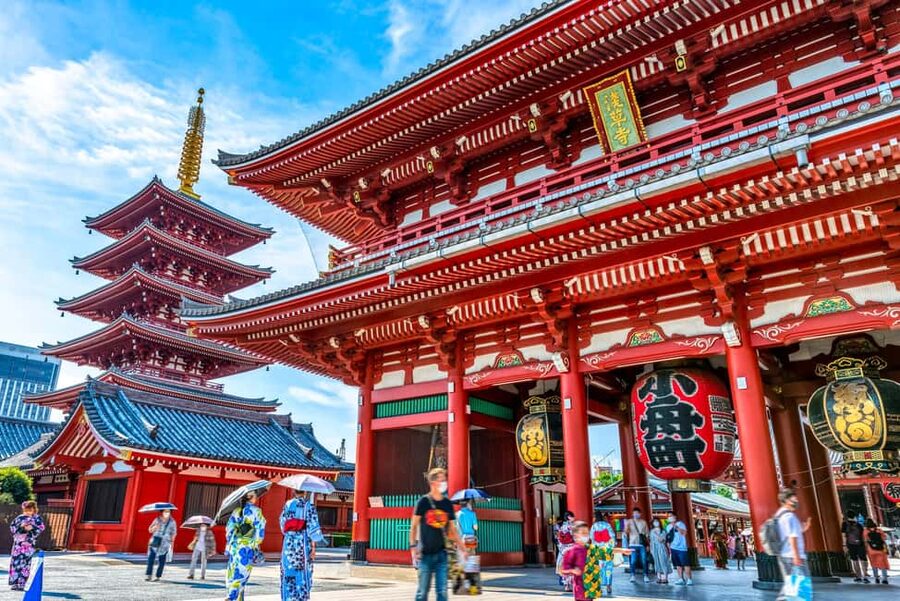
Tokyo can feel overwhelming at first. The city is huge, fast, and full of neighborhoods that each deserve their own day. Asakusa offers a gentler introduction, with a route that links a famous gate, a traditional shopping lane, a major temple, and the surrounding streets.
The district carries strong ties to old Edo, the former name of Tokyo. Your guide connects the buildings and streets to stories of samurai power, geisha quarters, shrines, religion, war, and post-war rebuilding. That context matters. Without it, Senso-ji can become just another impressive temple for a quick photograph. With it, the gates, incense, statues, and shopping street begin to make more sense.
I appreciate the tour’s simple design. You meet at Kaminarimon Police Station, then walk rather than spend time finding transport between stops. At $11, you are paying mainly for orientation and explanation, not an expensive attraction package. That makes it a sensible choice for a first day in Tokyo, especially if you want a local introduction before exploring Asakusa on your own.
A few more Tokyo tours and experiences worth a look


Meeting at Kaminarimon Police Station
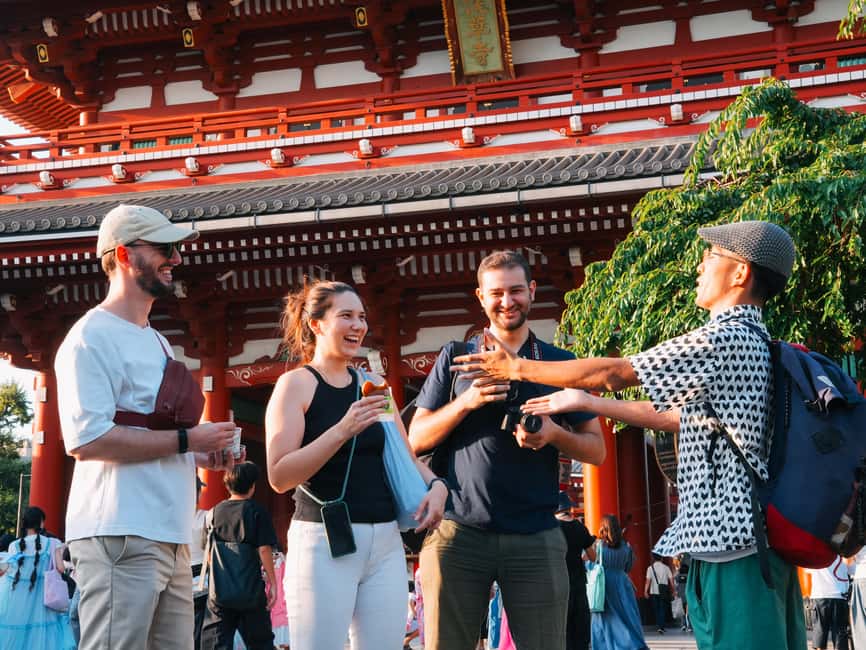
The tour begins at Kaminarimon Police Station, written locally as 雷門交番. This is next to one of Asakusa’s most recognizable landmarks, the Kaminarimon Gate, so the meeting point puts you right at the start of the historic route.
You should plan to arrive ready to walk. Hotel pickup and drop-off are not included, and the tour does not provide transportation between sights. That is not a serious weakness here. Asakusa’s appeal comes from moving through it slowly, and the central sights are connected by walkable streets.
The meeting point also makes practical sense for a small group. With a maximum of 10 people, the guide can usually keep the party together without the feel of a large organized procession. Still, arrive on time. A police station is a fixed public landmark, but the tour itself is on foot and is scheduled for only two hours.
Walking beneath Kaminarimon Gate
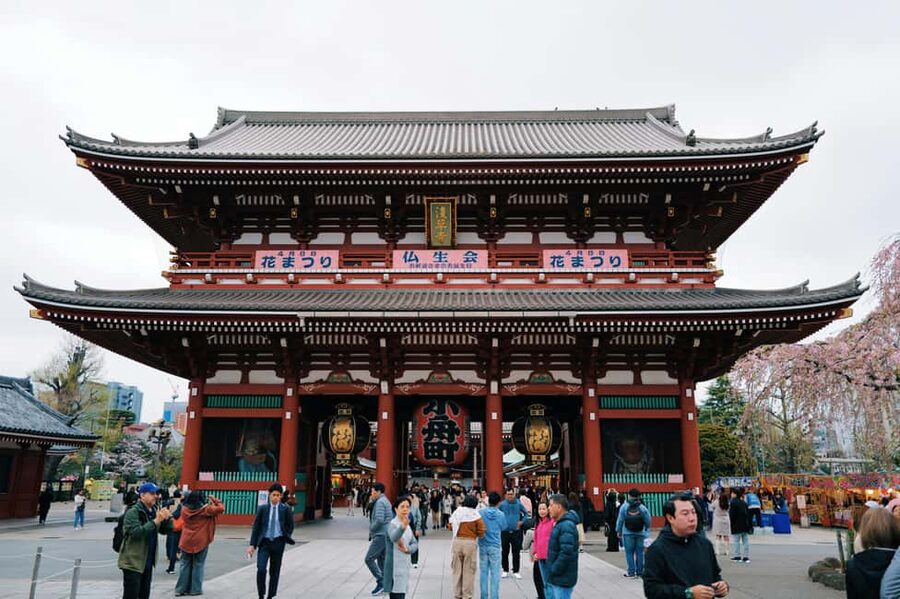
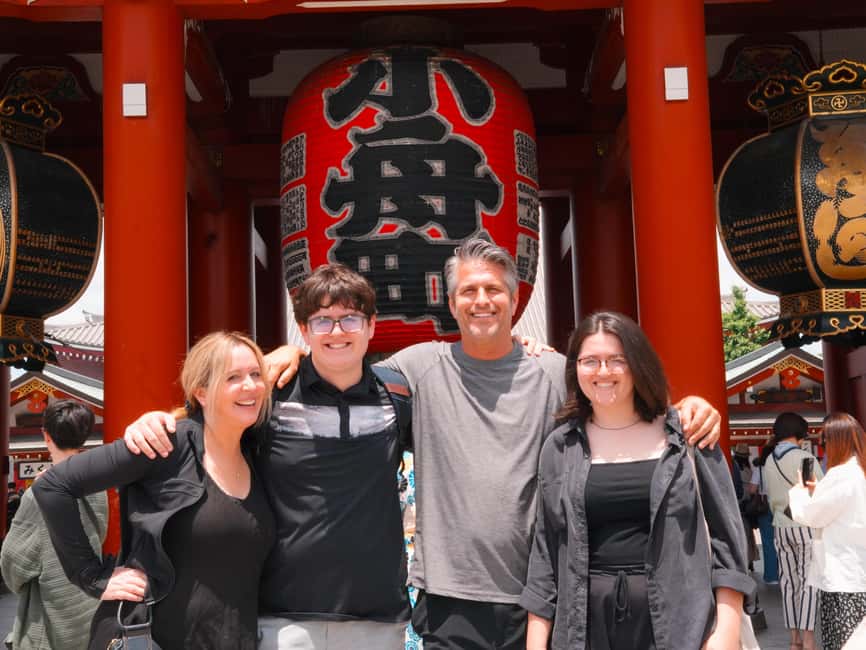
Kaminarimon Gate sets the tone immediately. Its large lantern and bold entrance make it one of the most recognizable photo spots in Asakusa. The gate is not simply a backdrop for a quick picture. It is the ceremonial entrance to Senso-ji and the first place where your guide can explain the temple grounds and the symbols you are about to encounter.
This is where a good guide adds real value. The tour information promises stories and legends, not just directions from one stop to the next. Lax has been praised for making the walk fun while sharing his love of the city. Shoma has also received strong approval for his clear English and explanations of differences between Japanese and Anglo culture and thought.
Those details matter because religious sites can be hard to read from the outside. You may recognize a gate or lantern, but still not know how it fits into Japanese Buddhist practice. The walk is more useful when your guide gives you a simple story to carry from one sight to the next.
Nakamise Street: snacks, souvenirs, and old Tokyo atmosphere
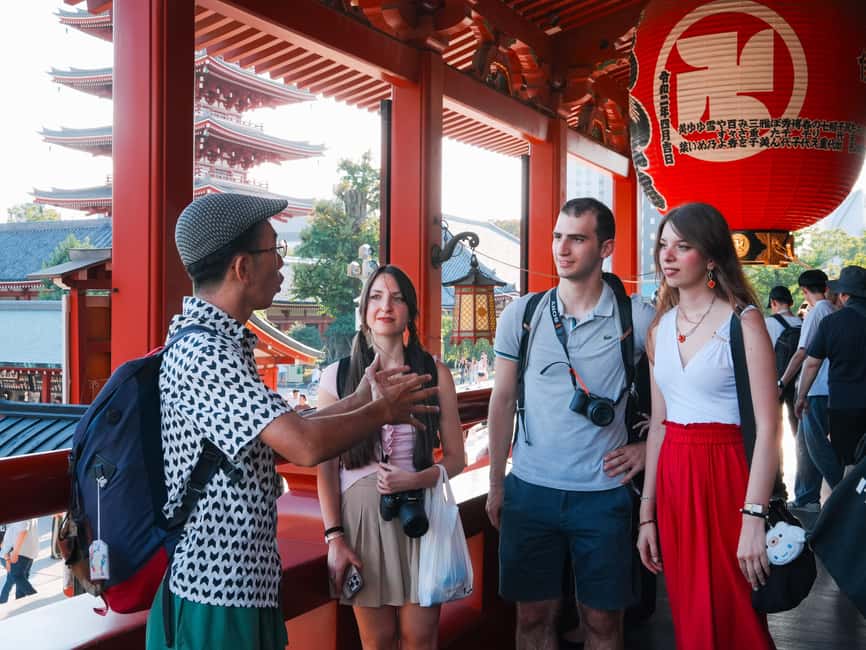
From Kaminarimon, the route follows Nakamise Shopping Street toward Senso-ji. The schedule allows about an hour here, though the complete activity is advertised as two hours and the stops naturally overlap as one continuous walk.
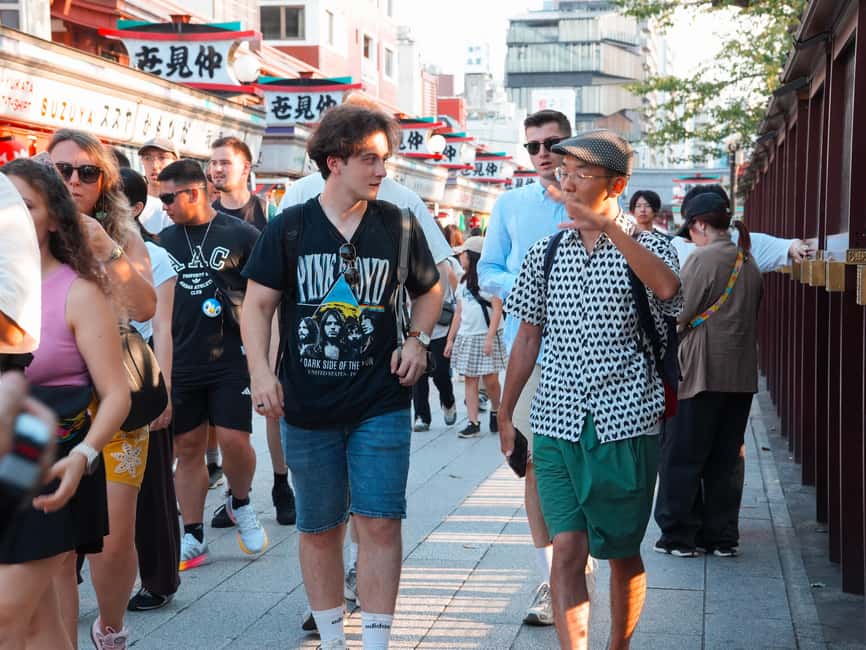
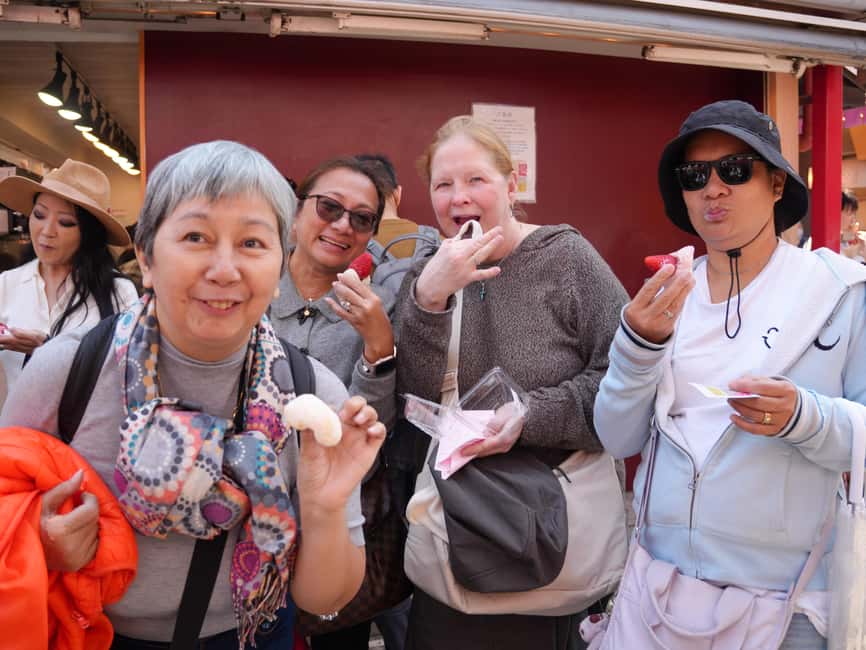
Nakamise is lined with traditional shops selling souvenirs, sweets, snacks, and small items connected with Japanese culture. Even if you are not shopping, it is an enjoyable route because the street acts as a lively approach to the temple. You can look at the shopfronts, notice the lanterns, and catch the smell of freshly prepared treats as you walk.
I like this part because it connects daily commerce with religious tradition. The street is not a separate shopping stop tacked onto a temple visit. It helps explain how Senso-ji has remained part of ordinary Asakusa life. You get a sense of people coming not only to take pictures, but also to eat, browse, pray, and spend time in the district.
There is one practical tradeoff. Nakamise can be visually busy, and a shopping lane naturally contains distractions. If you stop at every shop, you can lose track of the guide or run short on time. I would save serious shopping for after the tour and use this hour to listen, take photographs, and note where you want to return.
The street is also one of the best places to ask your guide for recommendations about the foods and customs you are seeing. The tour does not include food or shopping purchases, so budget separately if you want to try snacks or buy souvenirs.
Senso-ji, Tokyo’s oldest temple
Senso-ji is the heart of the experience. The temple dates to the 7th century and is regarded as Tokyo’s oldest and most celebrated Buddhist temple. Its fame means you will not have the place to yourself, but it also means the site carries unusual weight in the story of the capital.
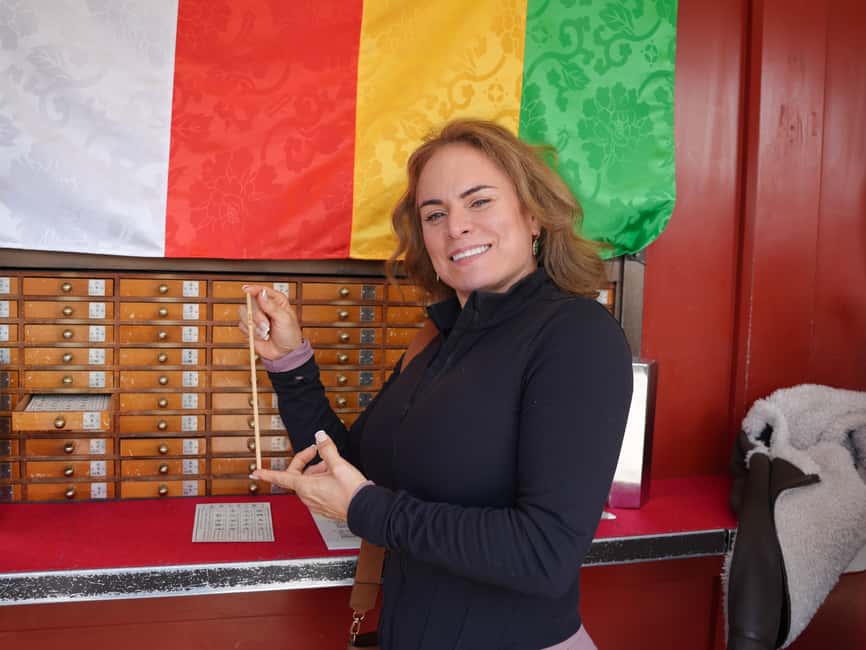
The planned temple visit takes about an hour. That gives you time for photographs, a closer look at the grounds, and an explanation of the temple’s history and legends. The guide can help turn individual features into part of a larger story, from the approach through the gates to the religious center beyond.
The tour includes admission to Senso-ji and Nakamise Street, though those areas do not function like ticketed attractions in the usual sense. The important point for you is that the tour covers the central sights without asking you to arrange extra entry during the walk.
Senso-ji is best understood with patience. You may notice a blend of formal religious architecture, visitor activity, shopping, and local custom. Your guide’s role is to explain what you are looking at and how the temple fits into Japanese culture. Shoma has been praised for clear English and strong explanations of Japanese religion and culture, while Lax has received repeated praise for being friendly, passionate, and engaging.
The experience can vary with the guide. One early guide received a more mixed assessment because the walk felt like a route from place to place and needed a stronger story tying the facts together. That is useful information, not a reason to reject the tour. It tells you that the quality depends partly on the individual guide’s storytelling and group engagement. The strongest reports consistently single out Lax and Shoma, so if guide information is available when you book, it is worth checking.
A few more Tokyo tours and experiences worth a look

Exploring the wider Asakusa district
After the temple, the walk continues through Asakusa itself. The schedule lists about 80 minutes for this district before returning to Kaminarimon Police Station, though the route is best seen as a connected tour rather than four completely separate blocks of time.
This final portion is where the experience can move beyond the standard photograph of Senso-ji. Your guide may point out less obvious streets, small shrines, and traces of the neighborhood’s older identity. The supplied details specifically mention stories of geisha quarters, hidden shrines, samurai strongholds, and Asakusa’s post-war revival.
That range gives the tour its best historical angle. You are not only hearing that Asakusa is old. You are learning how the area changed over time. It once held major entertainment districts, endured the destruction and disruption of war, and later regained its place as one of Tokyo’s most visited historic neighborhoods.
I would keep your expectations realistic. The tour promises an intimate look at traditions and tucked-away places, but it remains a two-hour walk. It cannot provide a full study of every shrine, theater, temple, and street in Asakusa. Think of this segment as a guided introduction that helps you decide where to return later.
What the guide adds to the experience
At this price, the guide is the main reason to book rather than simply walk the route with a map. The sights are easy to find, but their meaning is less obvious.
Lax receives the strongest pattern of praise in the information provided. He is described as fun, friendly, passionate, and generous with his knowledge of Tokyo. One group even had a private experience because no other participants joined that day, creating a more personal visit. That kind of quiet day cannot be guaranteed, but the small-group limit gives you a better chance of asking questions than a large coach tour would.
Shoma is another strong name to note. His English, wide vocabulary, cultural awareness, and clear manner have been praised, along with his ability to explain Japanese religion and culture. Lak is also described as a good guide and a solid choice for a low-cost tour.
You should also understand the limitation. Not every guide will have the same level of experience or storytelling skill. One guide was described as kind but still developing, with a need to engage the group more and connect the facts into a stronger narrative. If you want a polished theatrical performance, this may not always deliver. If you want a friendly local introduction at a low price, the format is more appealing.
Is $11 good value for two hours?
Yes, for most people. At $11 per person, this is one of the easier tours to justify in a city as expensive and sprawling as Tokyo. You receive an English-language guide, a walking route through several major Asakusa sights, and a small-group setting capped at 10 participants.
The value is strongest if you are new to Tokyo. A guide helps you understand why Senso-ji matters, what Nakamise Street represents, and how Asakusa relates to the city’s past. That orientation can save time later because you will know which parts deserve a second visit.
The value is lower if you already know Asakusa well or prefer to explore at your own pace. You will spend the full two hours in one district, and the route is not designed to cover other Tokyo neighborhoods. It is also not a food tour, shopping tour, or private custom tour.
The overall rating is 4.6 from 21 reviews, with several recent five-star ratings. The praise centers on friendly guides, strong English, enthusiasm, and cultural explanation. A four-star assessment called it a good value, while the three-star assessment points to the main risk: the walk can feel like a route rather than a connected story if the guide does not engage the group.
Who should book this Asakusa walk?
I would recommend it to first-time Tokyo visitors, history fans, culture-minded travelers, and anyone who wants a low-cost introduction before exploring alone. Families and couples may also like the short length, since two hours gives you a useful overview without taking up half a day.
It suits you especially well if you enjoy asking questions. A group of up to 10 gives you more room to interact with the guide than a large sightseeing tour. The experience also works for visitors who want photographs but prefer to understand the setting instead of simply collecting landmarks.
You may want to skip it if you have limited mobility, since the activity is entirely a walking tour and no accessibility details are provided. You should also choose another option if you want hotel pickup, a private itinerary, extensive food tasting, or a tour that covers several sections of Tokyo.
Free cancellation is available up to 24 hours before the activity for a full refund, and you can reserve now and pay later. Those terms make it easier to fit the walk into a changing Tokyo schedule.
Should you book the Senso-ji and Asakusa tour?
Book it if you want a cheap, focused introduction to old Tokyo with an English-speaking guide. The route is easy to understand, the sights are genuinely important, and the $11 price leaves plenty of room in your budget for snacks and souvenirs on Nakamise Street.
The best reason to choose it is the chance to hear Asakusa explained by a guide such as Lax or Shoma. The main caution is guide variation and the possibility that the walk may feel more like directions than storytelling. If you accept that limitation, this is a practical way to meet Asakusa, learn the basic history of Senso-ji, and decide what deserves more of your time.
FAQ
Where does the tour meet?
The meeting point is Kaminarimon Police Station, also written as 雷門交番, near the Kaminarimon Gate in Asakusa.
How long does the tour last?
The advertised duration is two hours. The route includes Nakamise Shopping Street, Senso-ji Temple, and the wider Asakusa area before returning to the meeting point.
What language is the tour offered in?
The tour is offered in English with a live English-speaking guide.
How large is the group?
The tour is limited to 10 participants, making it a small-group walking tour.
Is hotel pickup included?
No. Hotel pickup and drop-off are not included, so you must make your own way to Kaminarimon Police Station.
Does the tour include Senso-ji?
Yes. The activity includes a visit to Senso-ji Temple, along with sightseeing and photo opportunities.
Does the tour include Nakamise Shopping Street?
Yes. Nakamise Shopping Street is included as part of the walking route.
Is shopping included in the price?
The tour includes access to Nakamise Shopping Street, but personal purchases and food are not listed as included.
Can I cancel for a full refund?
Yes. You can cancel up to 24 hours in advance for a full refund.
Do I have to pay when I book?
No. The reserve-now, pay-later option allows you to book without paying immediately.
More Walking Tours in Tokyo



More Temples & Meditation in Tokyo
More Asakusa Tours in Tokyo

More tours in Tokyo we've reviewed


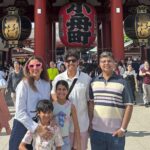



Asakusa Tours, compared.
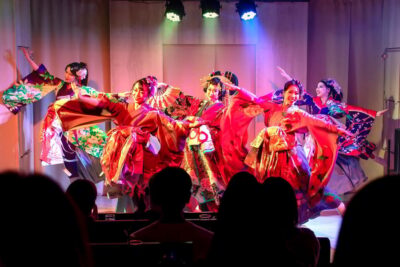 ★ 4.8Tokyo: Japanese Dance Cabaret Theater Asakusa-Kaguwa TicketFrom $492 hours
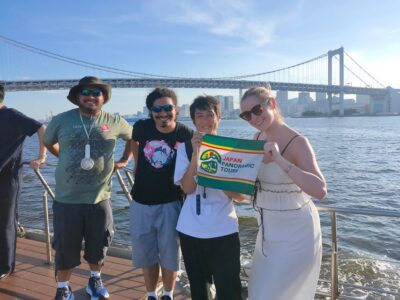 ★ 4.7Tokyo: Meiji Shrine, Asakusa, Skytree Bus Tour and CruiseFrom $12210 hours
 ★ 4.9Tokyo: Roll and Authentic Sushi Making Class in AsakusaFrom $581h 40m
 ★ 4.8Tokyo: Asakusa Walking Tour with Sensoji Temple VisitFrom $222 hours
 ★ 5.0Tokyo Asakusa Rickshaw TourFrom $42
 ★ 4.5Tokyo Panoramic 1 Day: Meiji Shrine, Asakusa, Odaiba and SKYTREE®From $85