
Reviewed · ASAKUSA TOURS
Asakusa: Kimono Tea Ceremony with Matcha and Sweet
The best part of this Asakusa experience is that you do not simply watch a tea ceremony. You first choose a seasonal kimono, have it fitted with an obi and accessories, then sit down to prepare your own bowl of matcha. I like the hands-on tea making and the generous time for photographs, including help from staff if you are traveling alone. I also like the clear English guidance and the chance to learn what Wa, Kei, Sei, and Jaku mean in daily tea practice.
The main consideration is the seating. The ceremony takes place on tatami mats, and the room is quiet and calm rather than lively or theatrical. You can request a bamboo chair in advance, but this is not suitable for children under seven, and a group of about 12 to 14 people is possible because bookings from several sites are combined.
In This Review
- At a Glance
- Choosing Your Kimono in Asakusa
- What the Kimono Means for Your Visit
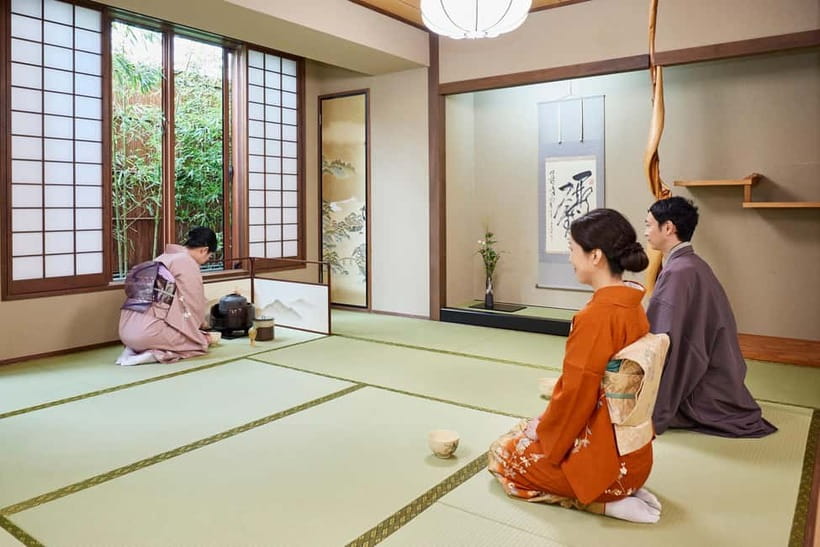
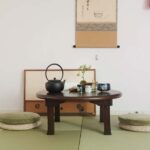
- Entering the Quiet Tea Room
- Watching the Matcha Demonstration
- Whisking Your Own Bowl of Matcha
- Wagashi and the Meaning of Season
- Photos, Couples, and Solo Visitors
- Group Size, Seating, and Pace
- Is $66 Good Value?
- Practical Tips Before You Book
- Should You Book This Asakusa Tea Ceremony?
- FAQ
- How long does the kimono tea ceremony last?
- What does the $66 price include?
- Is transportation to the venue included?
- Can I request a chair instead of sitting on tatami?
- Are children allowed to participate?
- Is the activity conducted in English?
- Can I cancel and receive a refund?
At a Glance
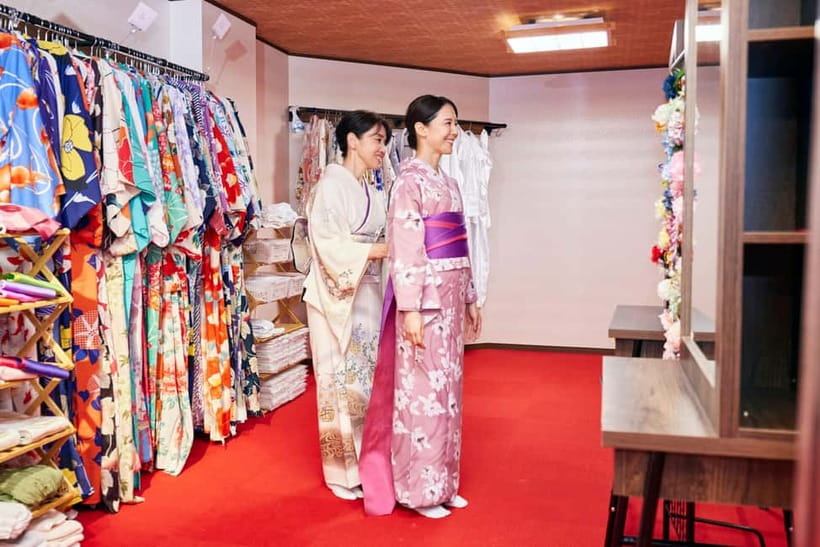
- Seasonal kimono choice: Pick from a wide range of colors and prints, then match your outfit with an obi, hairpiece, and other accessories.
- Professional dressing: Staff handle the many layers and fastenings, so you can focus on enjoying the transformation rather than wrestling with the clothing.
- English-led ceremony: Learn the etiquette, tools, and Zen ideas behind tea from an English-speaking host.
- Make your own matcha: After watching the demonstration, you whisk your own tea and drink it with a seasonal wagashi sweet.
- Photo-friendly setting: Use small garden areas and indoor displays, with staff helping to take pictures when needed.
- Possible same-day outing: Some participants have been allowed to keep the kimono on for nearby sightseeing after the ceremony, subject to the arrangement on the day.
Choosing Your Kimono in Asakusa
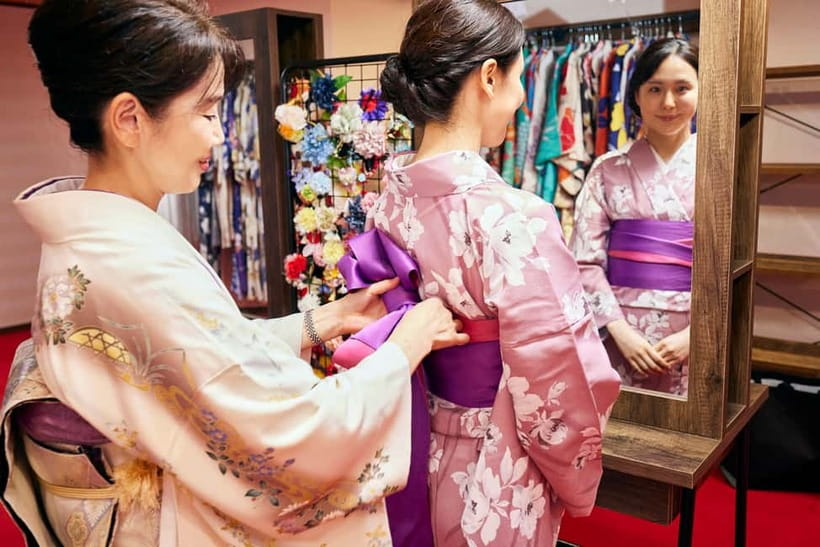
Your visit begins with the part many people have been waiting for: choosing what to wear. The selection includes seasonal colors, different prints, obi belts, accessories, and hair ornaments. Staff help you put the pieces together, which is useful if you do not know how a kimono should be coordinated.
Give yourself a moment to choose. A bold pattern may look wonderful in person, while a quieter design may photograph better against the indoor displays or small garden. If you already know which colors suit you, the process will move faster. If not, ask the staff for help. Their role is not just to hand you a costume, but to create a complete outfit.
The dressing itself is part of the cultural lesson. A kimono is not a loose robe that you can simply tie around yourself. It has layers, careful wrapping, and a firm obi. The staff do the fitting and fastening, allowing you to enjoy the result without worrying about whether everything is sitting correctly.
Women with long hair can also receive hair styling. This adds a lot to the finished look, especially when paired with a hairpiece. The service does not apply to every guest, so check your own needs when booking. Several people have found the hair styling quick and effective, which matters during a 90-minute activity.
The atmosphere during this stage is friendly and helpful. You can take photographs once you are dressed, and the staff can assist with couple pictures or solo portraits. That last point is especially useful if you are traveling alone and do not want to rely only on selfies.
A few more Tokyo tours and experiences worth a look

What the Kimono Means for Your Visit
The kimono is more than a photo prop, though photographs are clearly an important part of the appeal. Wearing it changes how you move and sit, which gives you a small sense of the care and formality built into Japanese dress.
You should expect to take smaller steps and sit with some attention to your clothing. This is not uncomfortable for everyone, but it is not the same as putting on a loose sightseeing outfit. The dressing staff make the experience much easier, yet the layers can still feel snug.
The outfit also makes the tea room feel more special. You are not just dropping in for a quick cup of matcha. You have gone through a formal preparation, and that helps explain why the ceremony places so much weight on appearance, order, and respect.
The setting includes staged areas for photographs inside and a small garden. These spaces give you more variety than a single backdrop. You may also be allowed to wear the kimono outside afterward for nearby sightseeing, although you should confirm the exact arrangement during your session. This can add real value, particularly if you want photographs around Asakusa rather than only inside the venue.
Do not plan a long, complicated walk in the outfit. The activity information confirms that the ceremony lasts about 90 minutes, while individual accounts describe going out afterward for a while. Treat the extra time as a possible bonus, not the central promise of the booking.
Entering the Quiet Tea Room
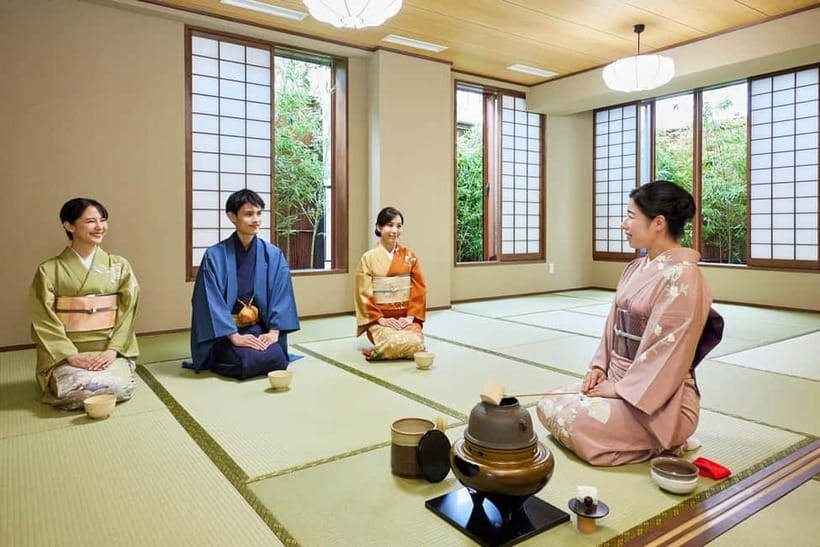
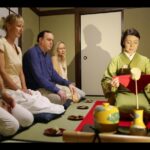
Once dressed, you enter the tea room and take part in a traditional tea ceremony led in English. The host explains the meaning of the ceremony, the order of the movements, and the role of the tools.
This is a calm experience. You will not find a loud show or a rapid rotation of photo opportunities. The quiet is part of the point. Tea ceremony asks you to pay attention to small actions: how utensils are handled, how the bowl is presented, and how the host moves through each stage.
The four principles introduced here are Wa, Kei, Sei, and Jaku:
- Wa, harmony: the feeling of balance between host, participants, setting, and season.
- Kei, respect: consideration for the host, the other people in the room, and the objects being used.
- Sei, purity: cleanliness and careful preparation.
- Jaku, tranquility: the calm that comes when the other principles are practiced.
These ideas give the ceremony more meaning than a simple demonstration. You begin to see why the host handles each tool with such care and why the order matters. Some utensils are cherished artifacts, so the careful movements are not empty choreography.
English guidance is provided throughout, and hosts such as Mia, Wakana, Yoko, and Kyoko have been praised for making the explanations clear, friendly, and engaging. Your own host will depend on the date, but the format is designed for English speakers. If you know some Japanese, the staff may adjust their explanations when they learn that, as happened for one birthday guest who received a special Polaroid photograph.
Watching the Matcha Demonstration
The host first prepares the tea while you watch. This demonstration is valuable because matcha preparation is easy to reduce to a few casual movements if you have only seen it in photographs.
You will see the careful handling of the bowl, whisk, scoop, and other utensils. The host explains what is happening and why. The movements are precise, but the presentation is not meant to intimidate you. You are given enough guidance to understand the sequence before trying it yourself.
Pay attention to the small details. The tea is not prepared as a drink to rush through. The bowl, the utensils, the preparation, and the sweet served with the tea all form one experience. That is why the ceremony feels different from ordering matcha at a café.
This section also gives useful cultural context without asking you to study a long lecture. You learn by watching the host perform the ritual, then by repeating parts of it with your own hands. That balance works well for first-time visitors.
Whisking Your Own Bowl of Matcha
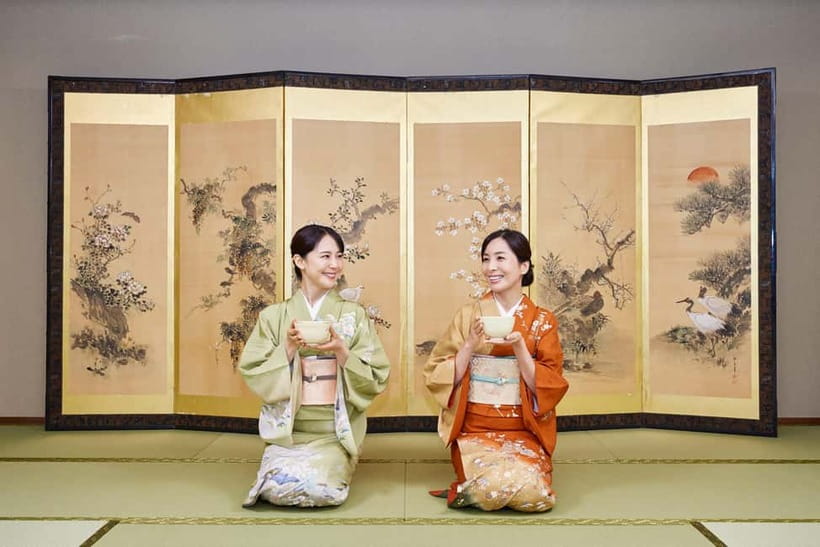
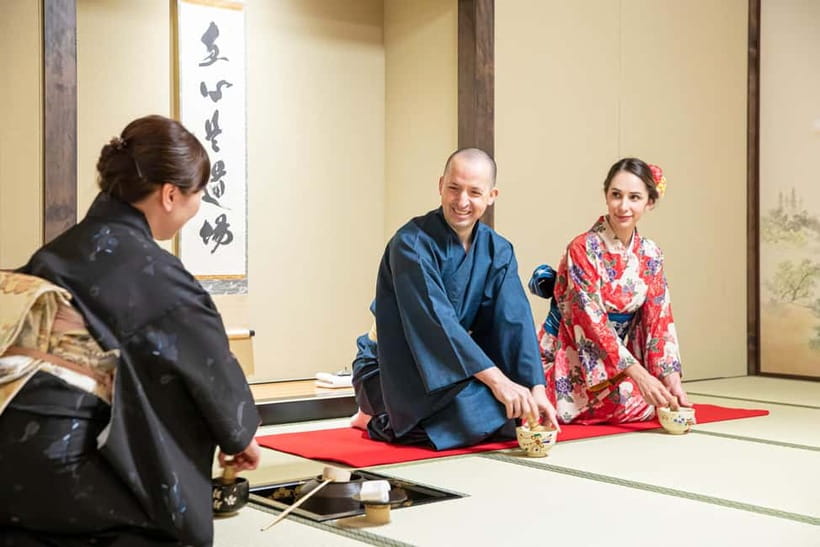
After the demonstration, you prepare your own matcha. This is the most practical part of the activity because you move from observer to participant.
You will whisk the powdered tea in a bowl under the host’s direction. The goal is not to perform perfectly. The host guides you through the movement, and the relaxed approach makes it suitable for beginners.
Matcha has a distinct taste that can be grassy, bitter, and strong if you are not used to it. The seasonal wagashi is served alongside it to balance the flavor. The sweet is not merely a snack added at the end. In Japanese tea practice, the wagashi prepares your palate for the tea and adds another seasonal element to the ceremony.
The sweets change with the season, so you may see different colors and shapes at different times of year. One useful detail for plant-based diners is that the sweets served during at least one session were vegan friendly. Still, if you have a serious allergy or dietary restriction, ask the provider directly before booking, since the exact wagashi is seasonal.
A few more Tokyo tours and experiences worth a look


Wagashi and the Meaning of Season
Wagashi are traditional Japanese sweets made to look as good as they taste. Their colors and forms often reflect the time of year, so this small serving connects the ceremony to the changing seasons.
You receive Japanese sweets rather than a full meal. That distinction matters. The $66 price includes the tea ceremony, kimono rental and dressing, women’s hair styling for long hair, matcha preparation, wagashi, and English instruction. It does not include transportation or any meal beyond the sweet.
If you are comparing this with a simple kimono rental, the added value comes from the dressing service, the hair arrangement, the formal tea lesson, and the staff help with photos. If you are comparing it with a formal meal, this is not a food tour. You are paying for cultural instruction and participation, with one sweet and one bowl of matcha.
Photos, Couples, and Solo Visitors
The photo time is not an afterthought. You can use the small garden and indoor display areas once you are dressed, and the staff may help arrange pictures.
Couples should consider booking this together if they want a shared memory. One participant described the reveal of the completed outfits as a particularly moving moment, and the staff can help photograph couples. The kimono selection also gives each person a chance to choose a look that feels personal rather than identical.
Solo visitors are well served by the photo arrangements. Staff have taken photographs for people traveling alone, which solves the usual problem of trying to capture a full kimono outfit with a phone held at arm’s length.
You should still be realistic about the amount of time. The full activity is approximately 90 minutes, so photographs take place within the schedule unless you are permitted to keep the kimono afterward. If taking pictures is your top priority, move efficiently during the dressing stage and use the indoor areas well.
Group Size, Seating, and Pace
The group can include about 12 to 14 participants because people booking through different sites may share the same session. That is not a private tea ceremony, and the size may affect how much individual attention you receive.
At the same time, the activity can feel fairly intimate. One session had only two couples, while other sessions may be fuller. The exact atmosphere depends on the number booked for your time slot.
Seating is on tatami mats, which fits the setting but may be difficult if you have knee, hip, or mobility concerns. Bamboo chairs are available by advance request. Make that request before arriving, since you should not assume a chair will be available at the last moment.
The quiet tone also deserves emphasis. If you want a lively group activity with constant conversation, this may feel slow. If you like careful demonstrations and a peaceful break from Tokyo’s busy streets, the pace is a strength.
Children under seven are not permitted. Older children may enjoy the colors and the sweet, but the tea ceremony requires sitting quietly and following instructions. Think about your child’s patience, not only the age rule, before reserving.
Is $66 Good Value?
At $66 per person, this is a reasonable cultural activity if you would otherwise pay separately for a kimono rental, professional dressing, hair styling, and a guided tea experience.
The price covers a lot in a short period. You receive the clothing, assistance with the complete outfit, long-hair styling for women, the tea ceremony, your own matcha preparation, wagashi, English instruction, and photography opportunities. That combination makes the experience more useful than a simple dressing session.
The limit is duration. Ninety minutes is enough for an introduction, not a full study of tea ceremony. You will learn the main ideas and practice the central action, but you will not become an expert in the tradition.
The value is strongest for first-time visitors to Japan, couples seeking a shared activity, solo visitors who want good photographs, and anyone curious about Japanese customs but short on time. It is less compelling if you already own a kimono, have extensive tea ceremony experience, or want a full meal.
Free cancellation up to 24 hours before the activity and the option to reserve now and pay later make it easier to fit into a changing Tokyo schedule. Transportation is not included, so allow time to reach the venue in Asakusa.
Practical Tips Before You Book
Wear clothing that is easy to change out of, since you will be dressed by the staff. You must remove your shoes, so choose socks that you will be comfortable wearing in the tea room.
Ask for a bamboo chair in advance if sitting on tatami may be difficult. Do not wait until the ceremony begins.
If you want to walk around in the kimono afterward, ask about the current rental arrangement before you leave the dressing area. Some people have been able to go nearby in their outfits, but the information provided does not promise the same amount of extra time for every booking.
Plan your outfit before the day if you have a strong color preference. The selection is broad, and knowing whether you prefer bright prints or softer colors will save time.
Finally, remember that the activity is quiet. Keep your phone ready for photos during the appropriate moments, but do not treat the ceremony itself like a photo shoot. The respect and calm are central to what you are paying to experience.
Should You Book This Asakusa Tea Ceremony?
I would book this if you want a polished first look at two Japanese traditions in one compact activity. The strongest reasons are the wide kimono choice, professional dressing, long-hair styling, English explanations, and the chance to whisk your own matcha rather than only watch.
You should skip it if you dislike sitting on tatami, want a full meal, or prefer a private and highly specialized tea lesson. The possible group size means this is a shared introduction, not an exclusive ceremony.
For most visitors, $66 is fair because the clothing, preparation, instruction, sweet, and photo help are bundled together. Request a bamboo chair if needed, arrive ready to remove your shoes, and leave room in your Asakusa plans for photographs. This is a good choice for a memorable cultural pause, especially for couples and solo visitors who want more than a quick costume photo.
FAQ
How long does the kimono tea ceremony last?
The entire activity lasts approximately 90 minutes.
What does the $66 price include?
The price includes the traditional tea ceremony, kimono rental and professional dressing, hair styling for women with long hair, matcha preparation, seasonal wagashi, and English guidance.
Is transportation to the venue included?
No. Transportation to the venue is not included.
Can I request a chair instead of sitting on tatami?
Yes. Bamboo chairs are available upon advance request. Standard seating is on tatami mats.
Are children allowed to participate?
Children under seven years old are not permitted to join the activity.
Is the activity conducted in English?
Yes. The instructor and staff provide full English guidance throughout the experience.
Can I cancel and receive a refund?
You can cancel up to 24 hours in advance for a full refund. You can also reserve now and pay later.
More Tea Ceremony & Matcha in Tokyo
More Asakusa Tours in Tokyo


More tours in Tokyo we've reviewed





Asakusa Tours, compared.
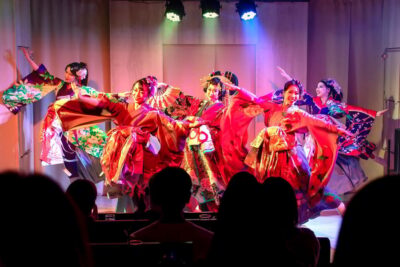 ★ 4.8Tokyo: Japanese Dance Cabaret Theater Asakusa-Kaguwa TicketFrom $492 hours
 ★ 4.7Tokyo: Meiji Shrine, Asakusa, Skytree Bus Tour and CruiseFrom $12210 hours
 ★ 4.9Tokyo: Roll and Authentic Sushi Making Class in AsakusaFrom $581h 40m
 ★ 4.8Tokyo: Asakusa Walking Tour with Sensoji Temple VisitFrom $222 hours
 ★ 5.0Tokyo Asakusa Rickshaw TourFrom $42
 ★ 4.5Tokyo Panoramic 1 Day: Meiji Shrine, Asakusa, Odaiba and SKYTREE®From $85