
Reviewed · WALKING TOURS
Private Nippori Fabric Town Walking Tour
Nippori Fabric Town is the kind of place that can leave a sewing fan thrilled, confused, and carrying far too much cloth. Along roughly 2 kilometers of shops, you’ll find dress fabrics, quilting cotton, sashiko cloth, leather, buttons, notions, woven and knitted materials, and home textiles. This private walk with Momo gives the district some order.
I like the one-to-one attention and the practical help at the counter, especially if Japanese labels or shop routines slow you down. I also like that Momo shapes the route around your craft, rather than marching every visitor through the same fixed list of stores. The main caution is simple: two and a half hours goes quickly, and serious shoppers may need strong self-control, an extra bag, or both.
In This Review
- At a glance
- Why Nippori Fabric Town is worth your morning
- Meeting Momo at Nippori Station
- Walking the district, about 2 kilometers of textile shops
- The shops: from sashiko cloth to leather and buttons
- Shopping help that saves time and confusion
- What the private format adds
- The 10:30 a.m. timing and two-and-a-half-hour limit
- Who will get the most from this tour
- Price, booking, and cancellation details
- Should you book the Nippori Fabric Town walk?
- FAQ
- Where does the tour begin?
- What time does the tour start?
- How long does the experience last?
- How far will I walk?
- What kinds of materials can I shop for?
- Is transportation included?
- Can I cancel for a full refund?
At a glance
- Private route through Nippori Fabric Town: Only your group joins the activity, so the pace and shop choices can match your interests.
- Momo as your shopping guide: She helps connect specific materials with the shops that carry them and can assist during purchases.
- A focused 2.5-hour walk: Expect about 2 kilometers on foot, with shops on both sides of the district.
- Wide textile range: The route can include specialty and general stores, woven and knitted fabrics, buttons, leather, and other sewing supplies.
- Useful for first-time shoppers: You get advice on how to handle a wholesale district without wandering past the best options.
- Easy starting point: Meet at Nippori Station at 10:30 a.m., then return to the same meeting point.
Why Nippori Fabric Town is worth your morning
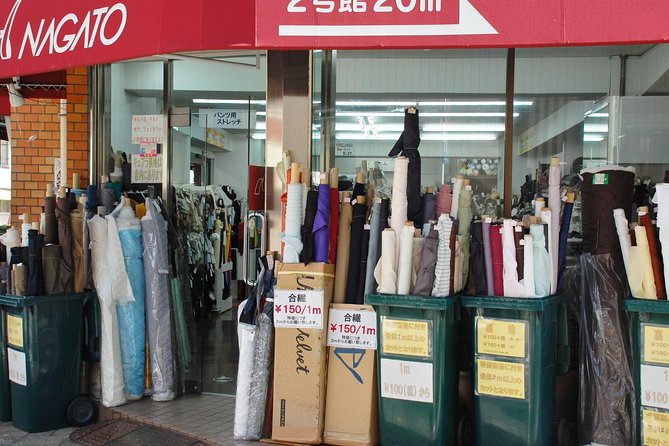
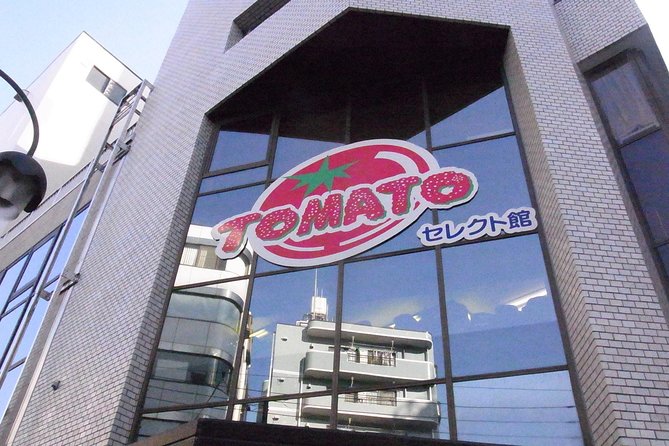
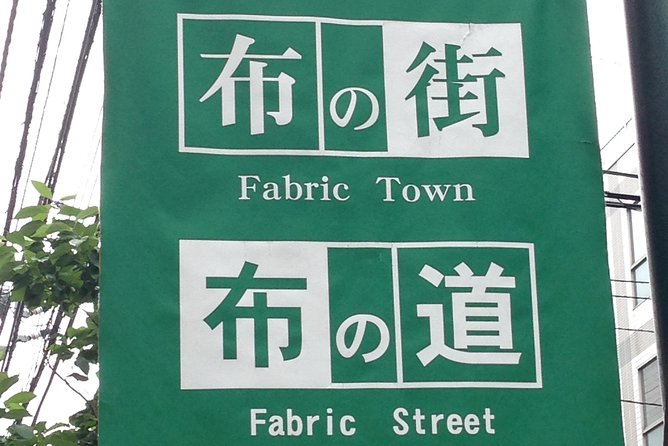
Nippori is not a single market hall with neat rows and a tidy map. It is a shopping district made up of many stores, each with its own stock and personality. That variety is the appeal, but it can also be a lot to take in when you are trying to compare fabric weight, pattern, color, and price in an unfamiliar language.
A private guide changes the experience from random browsing to purposeful shopping. Tell Momo what you sew, what materials you want, and what you hope to take home. She can then steer you toward shops suited to dressmaking, quilting, sashiko, leatherwork, home projects, or general notions.
That matters most if you have a short Tokyo stay. You could spend much of a morning finding your bearings alone, only to realize you have missed a specialty shop that better fits your project. With a guide, your time goes toward seeing materials rather than working out the district’s layout.
The area also offers a look at a working side of Tokyo that has little to do with the city’s famous observation decks and temples. You are shopping in a specialist trade district, not simply visiting a themed attraction. For anyone who makes clothing, quilts, bags, or decorative work, the supplies are the main event.
Other walking tours we've reviewed in Tokyo
Meeting Momo at Nippori Station
The tour begins at Nippori Station, at 10:30 a.m., on 2 Chome-19 Nishinippori in Arakawa City. The meeting point is near public transportation, and the activity ends back where it began. That return is handy if you plan to continue sightseeing or need to sort your purchases before heading elsewhere.
Your guide is Momo, sometimes addressed as Momo-san. She is a professional national licensed guide with extensive experience in the fabric district. Her value here is not just general Tokyo information. It is her familiarity with the different stores and the kinds of goods found in each one.
Before or at the start of the walk, be ready to explain your sewing interests in plain terms. If you want Japanese fabric, sashiko supplies, quilting fabric, leather, buttons, or dressmaking material, say so early. The more specific you are, the more useful the private format becomes.
The tour is offered on weekdays as well, and the provider asks you to make contact if you have particular dates in mind. Since the experience is often booked about 50 days ahead, planning early makes sense, especially if your Tokyo dates are fixed.
Walking the district, about 2 kilometers of textile shops
The route covers around 2 kilometers, with shops on both sides of the district. This is not a sit-down presentation followed by a short browse. You will walk, stop, inspect bolts and small goods, compare options, and move on.
The pace is described as adjustable to your group. That is one of the better reasons to choose a private tour. A dedicated quilter may need time to compare prints, while someone seeking leather or buttons may prefer shorter stops across more stores. Momo can respond to that difference better than a large group tour can.
You should also expect a little decision fatigue. Nippori’s appeal is the sheer amount of choice, but a long line of fabric shops can blur together. A guide helps by explaining the character of each store and pointing out where a particular type of product is more likely to be found.
Wear comfortable shoes and keep your hands free at the start. The walk is not described as difficult, but 2 kilometers plus standing and shopping can add up. Since the tour includes no private transportation, all movement within the district is on foot.
The shops: from sashiko cloth to leather and buttons
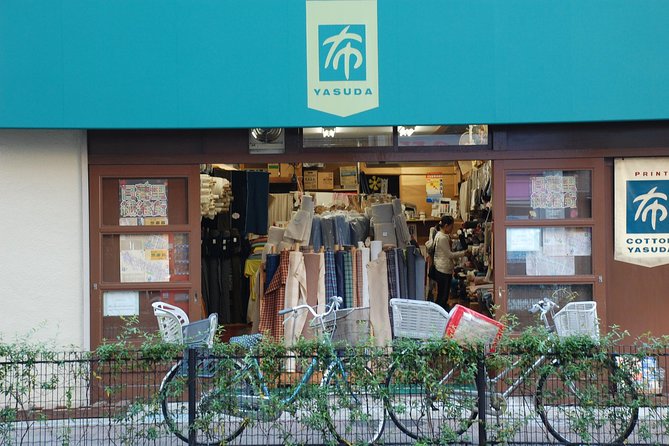
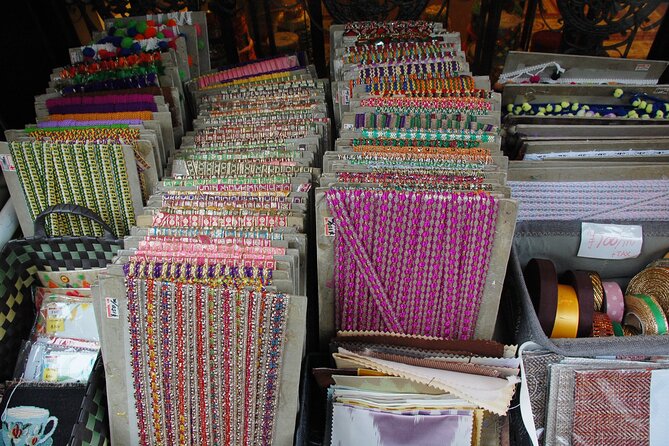
The itinerary includes specialty and general shops, with products ranging from woven and knitted fabric to buttons and leather. The exact selection depends on your interests and the stores that best suit your needs that day.
For a sewer making clothing, the focus may be dress fabrics and useful notions. For a quilter, the route can emphasize quilting fabric and stores with patterns or materials suited to patchwork. Sashiko fans can ask for traditional-style cloth and related supplies. If you make bags or accessories, leather and hardware may be more relevant than a long stop at dressmaking shops.
This flexibility is the strongest feature of the outing. It is not just a walk past famous stores. Momo helps you decide where to spend your limited shopping time. She can also explain how the stores differ, which is useful when two shops seem to carry similar goods at first glance.
The experience is also suitable for a partner or companion who does not sew but wants to understand the appeal. The district gives you a close look at materials and craft culture, though the tour is clearly best suited to someone who has a real interest in textiles. If fabric shopping is not your thing, two and a half hours may feel long.
Shopping help that saves time and confusion
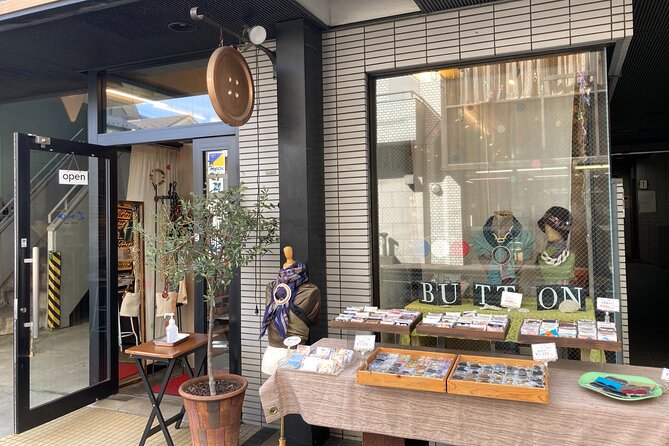
A key part of the tour is assistance with shopping and transactions. You do not have to manage every question alone while trying to communicate with shop staff. Momo can help you understand the options and handle the language barrier during purchases.
That does not mean you should expect a personal shopper who decides everything for you. You still choose what you like and what fits your budget. The benefit is having someone beside you who understands the local stores and can help you ask practical questions.
You will want to arrive with a rough plan. Think about:
- The kind of project you are making
- The amount of fabric you need
- Preferred colors, patterns, or fibers
- Your budget
- Whether you need matching notions, buttons, thread, or hardware
A rough plan keeps the tour from becoming a happy but expensive blur. At the same time, leave some room for surprises. Nippori is rewarding precisely because you may find a material you did not expect to seek.
Bring space for purchases. Shoppers on this tour have needed an extra bag, which is easy to understand once you start visiting several stores. The provider does not list a shopping bag as an inclusion, so bringing a reusable tote is sensible.
Other private tours in Tokyo


What the private format adds
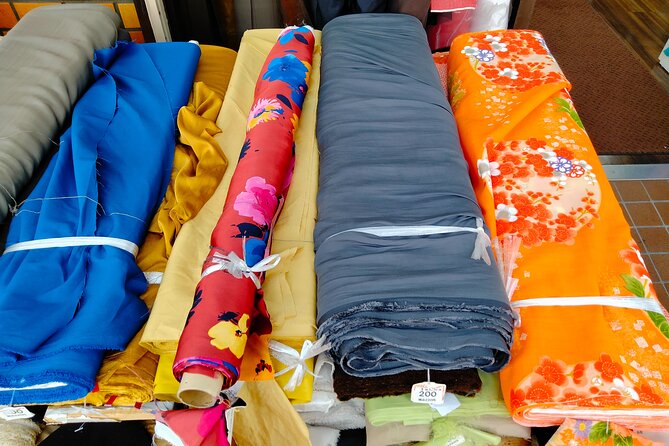
The tour is for your group alone. That means you do not need to follow another party’s pace or wait while strangers examine a fabric rack. If you are an experienced sewer, you can spend more time on specialist materials. If you are new to Japanese textiles, you can ask basic questions without holding up a larger group.
The private setup is also useful for couples or friends with different interests. One person might focus on sashiko while another looks at dress fabric or leather. Momo can help balance the route, though two and a half hours still requires choices.
Group discounts are available, which may improve the price for a small private party. At $98.53 per person, the tour is not the cheapest way to walk through Nippori. You are paying for a dedicated guide, local shop knowledge, language help, and a route shaped to your project.
The value depends on how you shop. If you already know every Nippori store and can manage purchases comfortably in Japanese, you may prefer to explore alone. If this is your first visit and you want to make good use of a short window, the guide fee can be worthwhile, especially if it helps you locate materials you would otherwise miss.
The 10:30 a.m. timing and two-and-a-half-hour limit
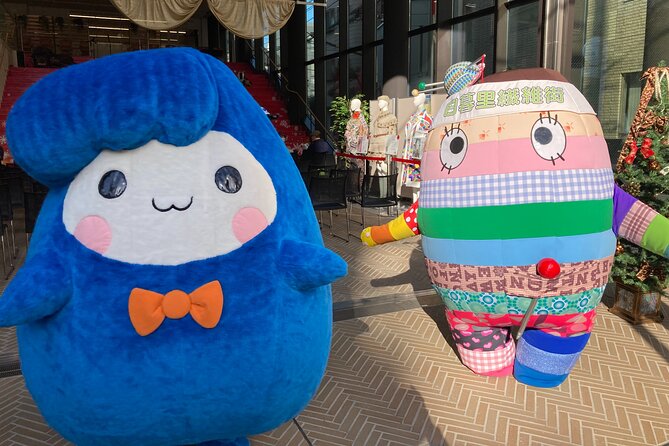
Starting at 10:30 a.m. gives you a full morning and early afternoon in the district. It is a practical time for a shopping tour, but remember that store hours and stock can affect what you find on a particular day. The experience does not promise a specific fabric, sale, or shop selection.
The tour lasts about 2 hours and 30 minutes. That is enough time for several stops, explanations, and purchases, but not enough to inspect every shop in Nippori. Think of it as a guided introduction and a smart first pass, not a complete survey of the whole district.
If you have a long shopping list, rank it before you arrive. Put must-have items first. Save browsing and impulse purchases for later in the route if time allows. This simple approach helps you avoid spending the first hour on one fascinating rack.
The return to Nippori Station gives you a clear finish. Afterward, you can continue shopping independently, stop at nearby cafes for a break, or leave the area with your purchases. Cafes near the district can be useful after a morning of walking and decision-making.
Who will get the most from this tour
I would recommend it most strongly to:
- Quilters seeking specific fabric or a helpful first route
- Sewers shopping for dressmaking materials and notions
- Sashiko enthusiasts looking for suitable cloth
- Textile fans interested in Japanese fabric shopping
- Leatherworkers or bag makers seeking leather and related goods
- First-time Nippori visitors who dislike shopping without a plan
- Couples or small groups who want a private pace
It is less suitable for someone who wants a broad Tokyo sightseeing tour. The subject is fabric shopping, and the guide’s time is best used on that subject. It may also disappoint if you expect private transportation, since none is included and the district is explored on foot.
You should also be ready to buy selectively. The private guide can make shopping easier, but no guide can remove the basic problem of too many attractive choices. Decide how much luggage space and money you want to use before the tour begins.
Price, booking, and cancellation details
The listed price is $98.53 per person, with group discounts available. Confirmation is provided at booking, and the activity is offered as a private experience for your group only.
The tour is often reserved around 50 days ahead. That is a useful planning signal, particularly if you need a specific weekday or are building a detailed Tokyo itinerary. Contact the provider, MOMO Lab, if you have specific dates in mind.
Free cancellation is available if you cancel at least 24 hours before the local start time. Cancellations made within 24 hours are not refunded, and changes inside that window are not accepted. Keep that deadline in mind if your Japan plans are still shifting.
Should you book the Nippori Fabric Town walk?
Book this tour if fabric shopping is one of your Tokyo priorities and you want more than a random stroll through store fronts. Momo’s value is her local store knowledge, patient help, and ability to shape the route around quilting, sewing, sashiko, leather, or another textile interest.
Skip it if you are only mildly curious about fabric or if you prefer to browse alone. At $98.53 per person, the cost makes the most sense when you will use the guidance, ask questions, and make the private format work for your project.
For the right shopper, this is a focused and practical way to meet Nippori. Just bring comfortable shoes, a shopping plan, and an extra bag. The fabric may provide the temptation, but your luggage will make the final decision.
FAQ
Where does the tour begin?
The tour begins at Nippori Station at 2 Chome-19 Nishinippori, Arakawa City, Tokyo 116-0013, Japan.
What time does the tour start?
The scheduled start time is 10:30 a.m.
How long does the experience last?
The walking tour lasts approximately 2 hours and 30 minutes.
How far will I walk?
You should expect to walk about 2 kilometers through Nippori Fabric Town.
What kinds of materials can I shop for?
The route may include woven and knitted fabric, buttons, leather, dress fabrics, quilting materials, sashiko-related cloth, home fabrics, and other sewing supplies.
Is transportation included?
No. Private transportation is not included. The tour takes place on foot, beginning and ending at Nippori Station.
Can I cancel for a full refund?
Yes. You can receive a full refund if you cancel at least 24 hours before the experience start time. Cancellations or changes made less than 24 hours before the start are not accepted for a refund.
More Private Tours in Tokyo
More Walking Tours in Tokyo

More tours in Tokyo we've reviewed




Walking Tours, compared.
 ★ 5.0Tokyo Tsukiji Fish Market Food and Culture Walking TourFrom $99
 ★ 5.0Tokyo: Imperial Palace and Shogun Historical Walking TourFrom $22
 ★ 4.9Tokyo: Shinjuku Local Bar and Izakaya Guided Walking TourFrom $343 hours
 ★ 5.0Tokyo: Tsukiji Fish Market Food and Walking tourFrom $30
 ★ 4.8Tokyo: Asakusa Walking Tour with Sensoji Temple VisitFrom $222 hours
 ★ 4.9Tokyo: Tsukiji Fish Market Guided Walking TourFrom $222 hours