
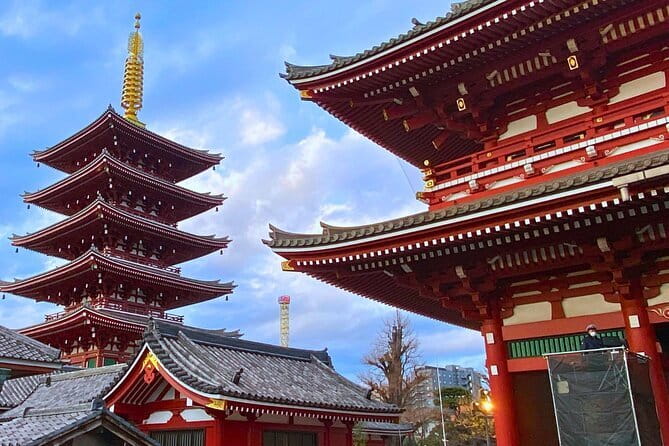
Reviewed · ASAKUSA TOURS
Tokyo: Asakusa Temple & Shrine Walking Tour with Local Guide
Asakusa’s famous Sensoji Temple is easy to see and surprisingly easy to misunderstand. This two-hour walk gives you the rules, stories, and rituals that turn a quick photo stop into a more meaningful visit. You’ll begin by the Sumida River, spot Tokyo Skytree and the golden sculpture locals call the golden poop, then work your way toward Japan’s oldest temple.
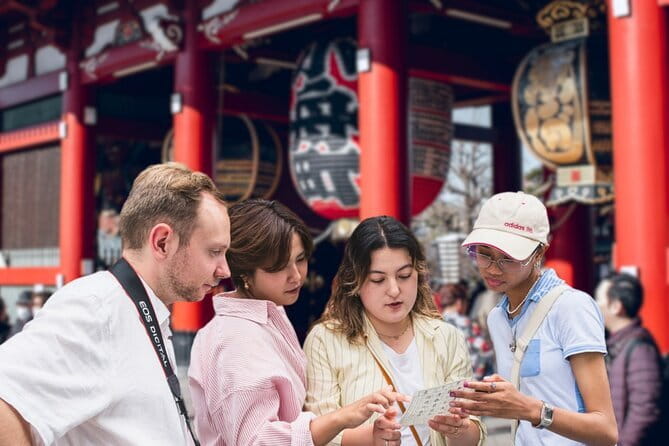
I like the small group limit of eight, which leaves room for questions and makes crowded Asakusa easier to manage. I also like the hands-on approach: your guide shows you temizu hand washing, incense rituals, omikuji fortunes, and the different prayer styles used at Buddhist Sensoji and Shinto Asakusa Shrine.
The main drawback is the walking. The tour lasts two hours, takes place outdoors in all weather, and is not suitable for wheelchair users, people with mobility impairments, or those with a low level of fitness. On hot days, bring water and wear good shoes.
In This Review
- Key points to know before you book
- Why this Asakusa walk is more than a temple photo stop
- Azuma Bridge and the first look at Tokyo Skytree
- The Asakusa Culture Tourist Information Center viewpoint
- Kaminarimon, the Thunder Gate
- Nakamise Shopping Street and the useful side of souvenirs
- Hozomon Gate and the approach to Sensoji
- Sensoji Temple and the rituals visitors often miss
- Asakusa Shrine and the Shinto side of the story
- What the small group changes
- Weather, walking, and practical comfort
- Who will get the most from this tour
- Should you book the Asakusa Temple and Shrine Walking Tour?
- FAQ
- How long does the Asakusa walking tour last?
- How much does the tour cost?
- What places are included in the walk?
- What languages are available?
- How many people are in the group?
- Is there a dress code or a rule about tattoos?
- What should I bring?
- Is the tour suitable for wheelchair users?
Key points to know before you book
- Start with two unusual Asakusa views: See the river, Tokyo Skytree, and the famous golden sculpture before reaching the temple district.
- Learn the difference between Buddhism and Shinto: The guide explains how the two traditions appear side by side in Asakusa.
- Practice real temple and shrine rituals: Try hand washing, incense, fortune telling, and the correct forms of prayer.
- Use the group to your advantage: With no more than eight people, you can ask about Tokyo, shopping, food, customs, or anything else on your mind.
- Allow for weather and crowds: This is an outdoor walking tour, so comfortable shoes, water, and suitable clothing matter.
Why this Asakusa walk is more than a temple photo stop
Asakusa is one of Tokyo’s best areas for seeing old and new Japan together. Tall modern buildings rise beyond traditional gates, souvenir shops fill the approach to Sensoji, and worshippers continue everyday rituals among the sightseeing crowds.
That mix can be confusing on your own. Is this a Buddhist temple or a Shinto shrine? Which gate should you use? How do you pray? What is the incense for? This tour deals with those questions as they arise, instead of saving all the explanation for a long lecture.
The guide team varies, with names such as Nicolas, also called Nico, Erik, Lino, Nana, Diane, Arief, Ayaka, Joe, Somi, and Ariel appearing among recent bookings. The exact guide depends on the day and language option. English and French are offered.
At $30 per person, the tour is priced well for a two-hour small-group walk in central Tokyo. You are not paying for admission to a major attraction, since the listed temples and shrine are visited as part of the public Asakusa area. You are paying for context, help with rituals, local advice, and a smoother route through a district that can feel crowded and sprawling.
A few more Tokyo tours and experiences worth a look


Azuma Bridge and the first look at Tokyo Skytree
The meeting point is at Burger King Asakusa Azumabashi, although the exact meeting details can vary by booking option. From there, the walk begins near Azuma Bridge.
This opening stop gives you a useful visual introduction to the area. You’ll have riverside views toward Tokyo Skytree, one of the city’s most recognizable modern landmarks. You’ll also see the gold sculpture on the Asahi building, known locally by the playful nickname golden poop.
The guide allows about 10 minutes here for photos and an introduction to the neighborhood. That timing is short but useful. You get your bearings before entering the denser temple streets, and the riverside setting provides a welcome change from the packed approach to Sensoji.
I would take a few photos at this point, but I would not expect a long river walk. This is an orientation stop, not a separate sightseeing cruise or extended waterfront outing.
The Asakusa Culture Tourist Information Center viewpoint
Next, the group visits the Asakusa Culture Tourist Information Center. The tour description highlights a viewpoint near the top of the building, offering a broad look over the Sensoji grounds and surrounding streets.
This is one of the cleverest parts of the route. From ground level, Sensoji can feel like a series of gates, stalls, and crowds. From above, you can see how the approach leads toward the temple and how the old religious district fits into modern Tokyo.
The stop lasts about 15 minutes, including guided commentary and photos. Ask your guide where to frame the best pictures. The team specifically encourages questions about photo spots, and several guides have also helped with photographs during the walk.
The viewpoint is especially useful early in your Tokyo visit. It gives you a mental map before you move through the area on foot. The limitation is simple: the visit is brief, and the tour does not promise a long stay inside the information center.
Kaminarimon, the Thunder Gate
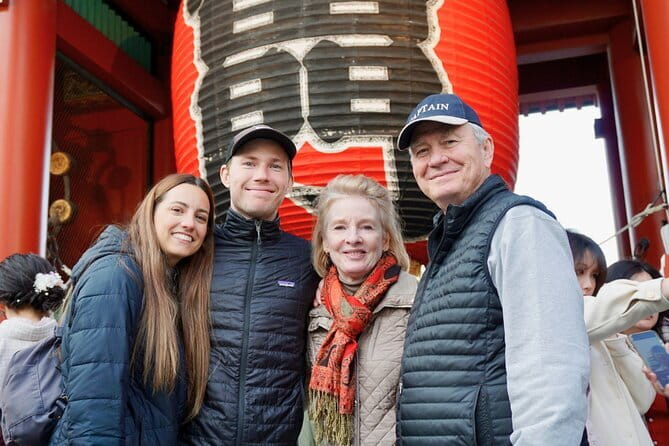
The famous Kaminarimon Gate is the grand entrance to Sensoji. Its huge red lantern weighs about 700 kilograms, and the guide explains both its name and its purpose.
Kaminarimon means Thunder Gate. The gate is associated with the storm deity Raijin and the wind deity Fujin, whose figures guard the entrance. The tour focuses on the story behind the gate and the meaning of the lantern, giving you something to look for beyond its size and color.
You’ll have around 10 minutes for photos, sightseeing, and explanation. This is one of the busiest points on the route, so your guide’s help matters. Stay aware of the group and expect people moving in several directions.
I like that the tour does not rush straight through the gate. A little explanation here helps you read the rest of the temple approach. Without it, Kaminarimon can become just another famous Tokyo backdrop.
Nakamise Shopping Street and the useful side of souvenirs
From Kaminarimon, you walk along Nakamise Shopping Street toward the temple. This is the main shopping approach, lined with snacks, small gifts, traditional items, and plenty of tempting distractions.
The planned time is about 15 minutes. You’ll learn what some of the treats and souvenirs mean, which stalls may be worth your attention, and how to ask for translation help if needed. The guide can also point out practical shopping options, though personal purchases are not included in the $30 price.
Nakamise is fun, but it can also be crowded and commercial. That is not a flaw so much as part of the experience. This is a working tourist street, not a quiet historic lane. I would treat the stop as a first look rather than a shopping session. If something catches your eye, note the location and return after the tour, when you are not trying to keep pace with the group.
The guide’s shopping advice can be particularly helpful for first-time visitors. You get a local explanation of what you are seeing instead of choosing items only because the packaging looks attractive.
A few more Tokyo tours and experiences worth a look
Hozomon Gate and the approach to Sensoji
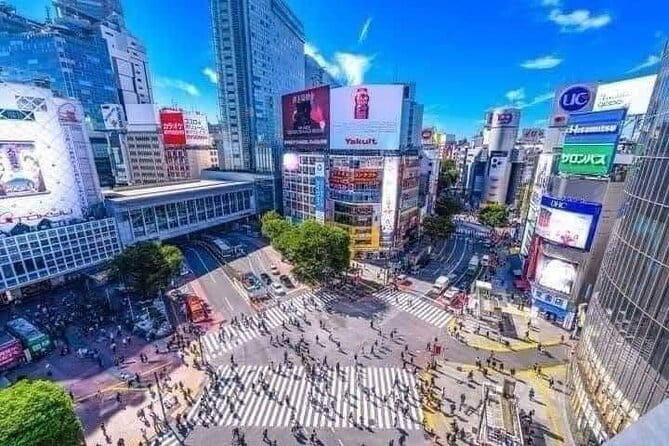
Hozomon Gate is the second major gate on the approach to Sensoji. The walk includes time for photos, sightseeing, and explanation before reaching the main temple.
This section helps you notice how the temple complex unfolds in stages. Kaminarimon introduces the district, Nakamise forms the commercial approach, and Hozomon brings you closer to the main religious space.
The itinerary allows roughly 10 minutes here. As with Kaminarimon, crowds may affect how long you can pause in one exact spot. Follow your guide’s instructions, especially if the walkway is packed or a ceremony is taking place.
The route also includes two additional short visits to smaller temple or shrine sites. The specific names are not given, but these stops are an important part of the tour. They show you that Asakusa is not only one famous temple with a souvenir street in front of it. The neighborhood has a wider network of worship sites and local traditions.
Sensoji Temple and the rituals visitors often miss
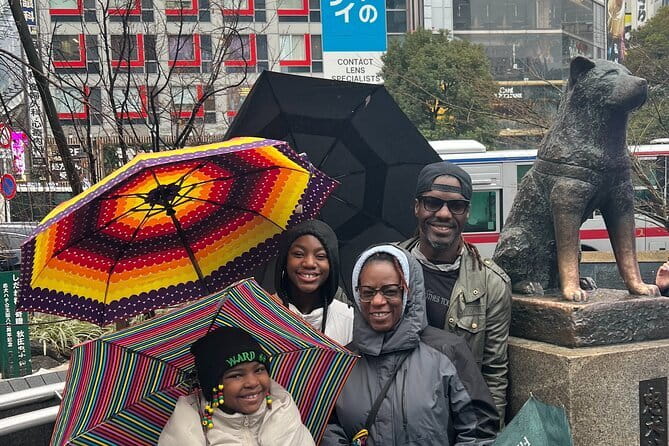
The main Sensoji visit lasts about 30 minutes, making it the longest stop of the tour. That extra time lets the guide explain the temple’s story, architecture, Buddhist practices, and proper etiquette.
You’ll learn how to perform temizu, the hand-washing ritual used before worship. You’ll also see how incense is used for physical and mental healing. The activity is interactive, so you are not only watching other people perform the rituals.
Omikuji fortune telling is another feature. You can learn how the fortunes work and what to do with the result. The guide helps make these customs approachable, especially if you have never visited a Japanese temple before.
Prayer at Sensoji follows Buddhist practice. The guide explains how to pray in the Buddhist style and how to bow correctly. This practical instruction is one of the tour’s strongest points because it helps you visit other temples with more confidence later in your trip.
Expect Sensoji to be busy. The tour takes place in a popular part of Tokyo, and the main temple area can fill with shoppers, worshippers, school groups, and photographers. The guides have shown they can adjust the pace, avoid the worst crowding when possible, and continue in rain or heat. Still, you should not expect a silent spiritual retreat.
Asakusa Shrine and the Shinto side of the story
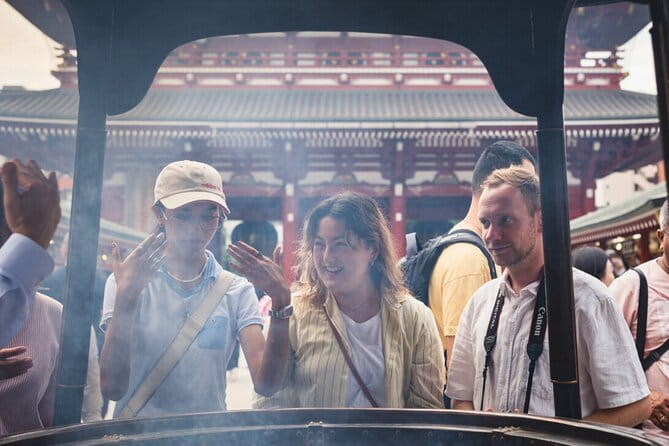
The final major stop is Asakusa Shrine, with about 15 minutes for a visit and explanation. It sits close to Sensoji, yet it follows Shinto customs rather than Buddhist ones.
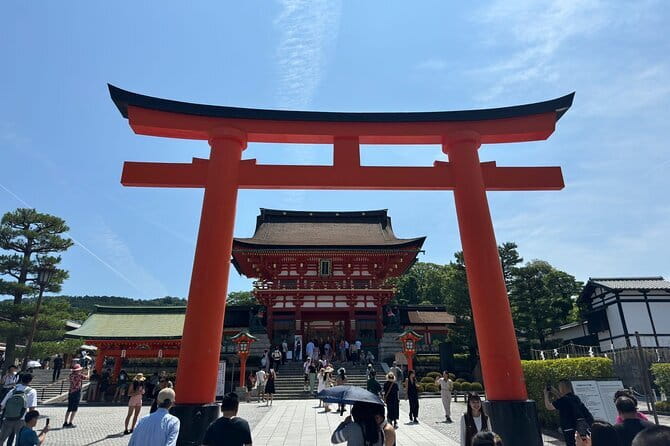
This proximity makes Asakusa an excellent place to learn about Japan’s blended religious life. You can compare the shrine’s torii gate and prayer method with the Buddhist temple next door. Your guide explains details such as how to bow, where to walk near torii gates, and how the rituals differ.
For many first-time visitors, this is the moment when the area begins to make sense. The two traditions are not presented as a simple either-or choice. They coexist in the same neighborhood, and local people may take part in customs from both.
The guide’s explanation is most useful when paired with action. You learn the practice, then try it respectfully. That makes the information easier to remember than a list of terms.
What the small group changes
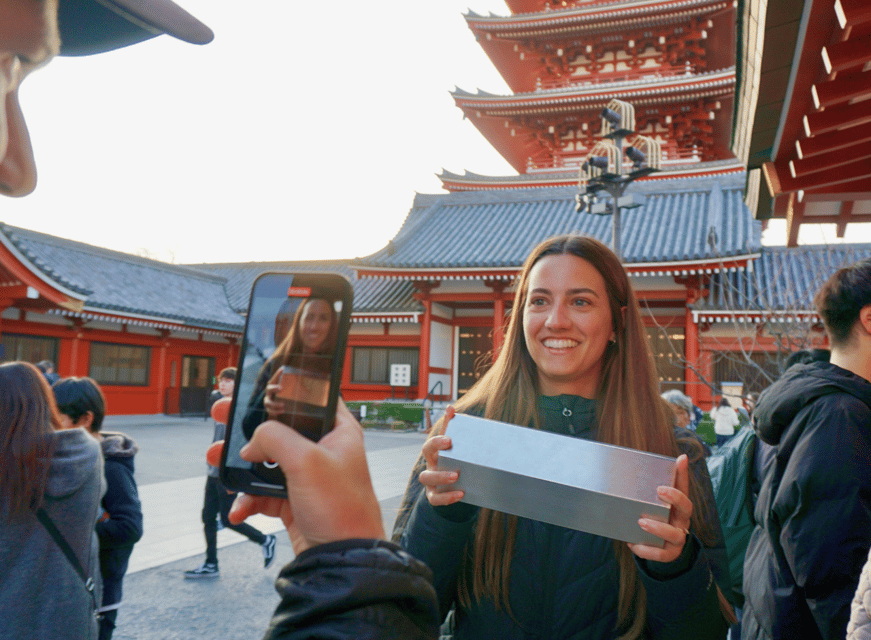
The group is limited to eight people. That number is small enough for a guide to hear your questions, explain a ritual more than once, or adjust the pace when needed.
Several bookings have ended up with only one or a few participants, creating something close to a private walk. You should not count on that, but the small-group format gives you a better chance of personal attention than a large bus or 30-person city tour.
The personal style is also useful for families. Nana, for example, worked patiently with children aged eight and five, explaining the sights in ways they could follow and helping with family photos. Erik also received praise for keeping children interested with history and shopping advice.
Solo visitors can benefit just as much. The group gives you company while leaving space to ask about Tokyo beyond the scheduled route. Guides have helped with restaurant suggestions, translation, shopping directions, and onward plans such as reaching Kappabashi Street.
Weather, walking, and practical comfort
This is an outdoor walking tour in all weather. Comfortable shoes are essential, and water is a good idea, especially in summer. Vending machines are available during the walk, but carrying your own bottle is simpler.
Rain does not automatically cancel the experience. A guide continued at a slower pace during heavy rain, and another kept the group moving during a festival and wet conditions. Even so, bring suitable clothing rather than assuming the weather will cooperate.
The activity is not suitable for wheelchair users, people with mobility impairments, or people with a low level of fitness. The route includes sustained walking and crowded public areas. If you need frequent seating or step-free access, contact the provider before booking.
There is no dress code, and tattoos are welcome. Smoking, drones, alcohol, and drugs are not allowed. Kimono rental is also available through a partner shop about two minutes from the meeting point, but that is an optional separate arrangement.
Who will get the most from this tour
I would recommend this walk to first-time Tokyo visitors who want an introduction to Japanese religious customs before visiting more temples and shrines elsewhere.
It also suits:
- Couples who want guided photos and a relaxed cultural outing
- Families with children who benefit from explanations and interaction
- Solo visitors who want local company and a chance to ask questions
- Shoppers who want help understanding Nakamise’s snacks and souvenirs
- Visitors interested in the difference between Buddhism and Shinto
- Anyone who prefers a short orientation tour rather than a full-day commitment
You may want something else if you already know Asakusa well or prefer exploring entirely at your own pace. The route is structured, and the main temple district is easy to visit independently. The value comes from what you learn and notice with a guide, not from exclusive access.
Should you book the Asakusa Temple and Shrine Walking Tour?
At $30, I think this is a sensible buy for a two-hour introduction to Asakusa. The strongest parts are the small group, the clear comparison between Buddhist and Shinto customs, the riverside and elevated photo stops, and the chance to practice rituals respectfully.
Book it early if your dates are fixed, since the group is limited to eight. Choose comfortable shoes, check the meeting point for your selected option, and keep the rest of your day flexible in case you want to shop on Nakamise or continue toward Kappabashi.
I would book this tour if you want Asakusa to feel like more than a famous gate and temple photo. I would skip it only if you need a low-walking activity or prefer a completely unstructured visit.
FAQ
How long does the Asakusa walking tour last?
The tour lasts two hours.
How much does the tour cost?
The listed price is $30 per person.
What places are included in the walk?
The route includes Azuma Bridge, the Asakusa Culture Tourist Information Center viewpoint, Kaminarimon, Nakamise Shopping Street, Hozomon Gate, Sensoji Temple, Asakusa Shrine, and smaller local temple or shrine sites.
What languages are available?
The tour is offered in English and French.
How many people are in the group?
The small group is limited to eight participants.
Is there a dress code or a rule about tattoos?
There is no dress code, and tattoos are welcome.
What should I bring?
Bring comfortable walking shoes and water. Dress for the weather because the tour takes place outdoors in rain or sunshine.
Is the tour suitable for wheelchair users?
No. The activity is not suitable for wheelchair users, people with mobility impairments, or people with a low level of fitness.
More Walking Tours in Tokyo



More Temples & Meditation in Tokyo
More Asakusa Tours in Tokyo
More tours in Tokyo we've reviewed










Asakusa Tours, compared.
 ★ 4.8Tokyo: Japanese Dance Cabaret Theater Asakusa-Kaguwa TicketFrom $492 hours
 ★ 4.7Tokyo: Meiji Shrine, Asakusa, Skytree Bus Tour and CruiseFrom $12210 hours
 ★ 4.9Tokyo: Roll and Authentic Sushi Making Class in AsakusaFrom $581h 40m
 ★ 4.8Tokyo: Asakusa Walking Tour with Sensoji Temple VisitFrom $222 hours
 ★ 5.0Tokyo Asakusa Rickshaw TourFrom $42
 ★ 4.5Tokyo Panoramic 1 Day: Meiji Shrine, Asakusa, Odaiba and SKYTREE®From $85