
Reviewed · ASAKUSA TOURS
Tokyo Asakusa: Food Sample Making Workshop
The clever trick here is that you do not just watch someone make a plastic-looking dish. You choose a Japanese food sample, shape and decorate your own version, then can order the real dish for a side-by-side comparison. Omelette rice and spaghetti give you different levels of hands-on work, while crepe and jelly parfait offer room for your own design.
I like the take-home souvenir, since it is personal rather than something picked from a shop shelf. I also like the photo opportunity: hold the sample beside the real meal, lift noodles with chopsticks, or write your name in ketchup on the omelette. The main consideration is language support. English and Japanese are available, but one English-language session used very little spoken English, so you should be ready to follow visual demonstrations and simple instructions.
In This Review
- Key Points
- Why Make Fake Food in Asakusa?
- Choosing Between Omelette Rice, Spaghetti, Crepe, and Jelly Parfait
- The One-Hour Crafting Session
- Adding the Real Meal for the Full Comparison
- Taking Photos Without Losing the Point
- What the Limited English Support Means
- Who Gets the Most Value From the $39 Price?
- Timing, Cancellation, and Practical Planning
- Should You Book the Food Sample Making Cafe?
- FAQ
- Where is the Food Sample Making Cafe located?
- How long does the workshop take?
- How much does the experience cost?
- What dishes can I make?
- Is a real meal included?
- What languages are available?
- Can I take my food sample home?
- Can I customize the food sample?
- Are children under five allowed?
- Can I cancel for a refund?
Key Points
- Four dishes to choose from: Make omelette rice, spaghetti with meat sauce, crepe, or jelly parfait.
- Omelette rice has an easy starting point: The omelette is prepared ahead, while you create the filling and finish the presentation.
- Spaghetti offers more hands-on work: You lift the noodles with chopsticks and shape the dish yourself.
- The meal option adds a useful comparison: Eat a real dish that matches the food sample you made.
- Your creation goes home with you: The finished replica makes a light, amusing souvenir from Asakusa.
- Plan about one hour without food: Allow roughly 90 minutes if you choose the meal option.
Why Make Fake Food in Asakusa?
Japanese food replicas are designed to show a dish clearly through shape, color, and arrangement. In restaurant windows, they help you understand what you might order even if you cannot read the menu. This workshop turns that familiar Japanese display tradition into a small craft project.
That makes the activity different from a standard cooking class. You are not preparing lunch from raw ingredients. You are building a visual copy, then deciding how to present it. The result is less about perfect technique and more about creating something that looks convincing and reflects your personality.
I see this as a good change of pace during a day in Tokyo. Asakusa can fill your schedule with temples, shopping, and food stops, but this workshop gives you a quiet, focused hour. You sit with a specific task, make choices as you go, and leave with an object that recalls the day.
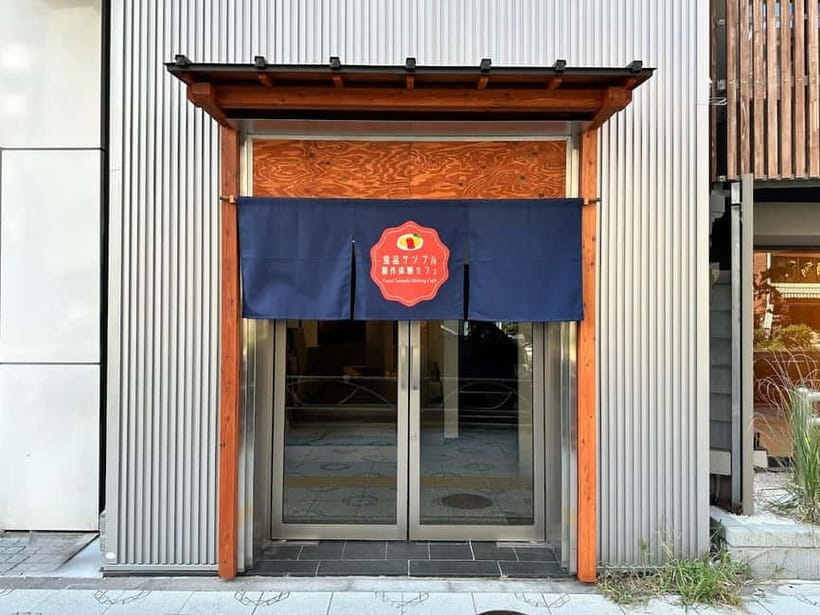
The shop is easy to identify at the meeting point. Look for the entrance curtain, called a noren, marked Food Sample Making Cafe. The entrance faces the main street, so you do not need to search for a hidden rear door or a separate meeting office.
A few more Tokyo tours and experiences worth a look

Choosing Between Omelette Rice, Spaghetti, Crepe, and Jelly Parfait
Your first decision is the dish. The available choices are omelette rice, spaghetti with meat sauce, crepe, and jelly parfait. Each has a different visual character, so your choice affects how much shaping and decorating you will do.
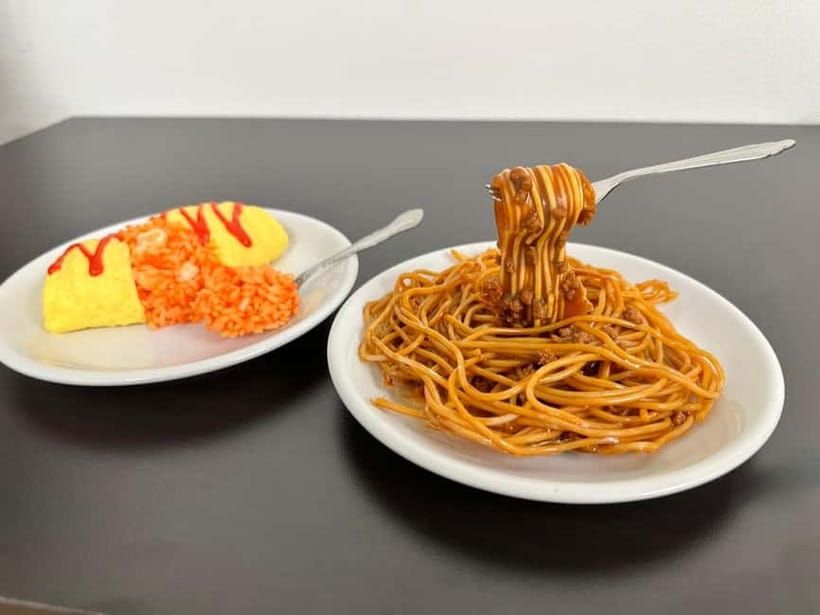
Omelette rice is a good pick if you want a familiar Japanese dish and a clear finishing moment. The omelette itself is already made, and you create the filling. You can then add ketchup, including your name or another personal design. It is a relatively approachable choice, especially if you prefer decorating to building every part from scratch.
Spaghetti with meat sauce involves more action. You can lift the spaghetti with chopsticks and arrange it into the form you want. This gives you more control, but it also means more chances for the noodles to look untidy. That is part of the fun. A perfectly neat replica may look polished, but a slightly dramatic twist of spaghetti can make the souvenir more personal.
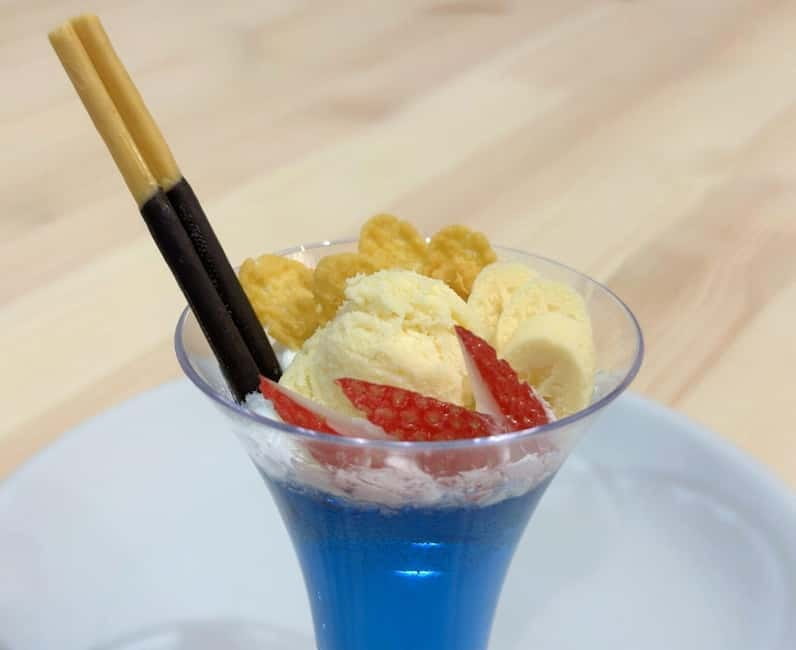
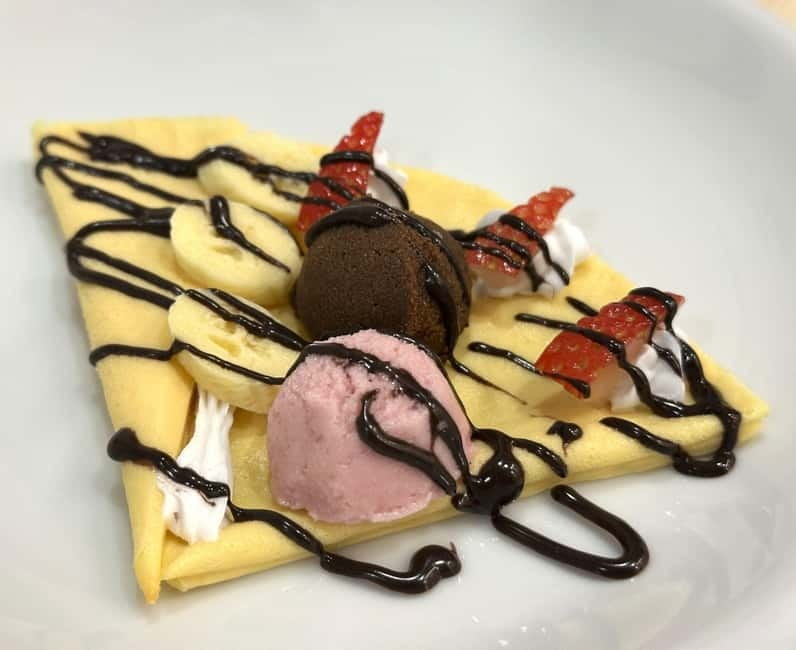
Crepe and jelly parfait are the sweeter choices. The supplied information does not give a separate step-by-step breakdown for either one, so expect the staff to guide you through the available materials and shaping process. Pick one if color, layers, and presentation appeal to you more than the savory dishes.
You do not need to choose the most complicated option to have a good time. The best dish is the one you will enjoy looking at later. If you want a clear before-and-after comparison with a meal, omelette rice or spaghetti offers that most directly.
The One-Hour Crafting Session
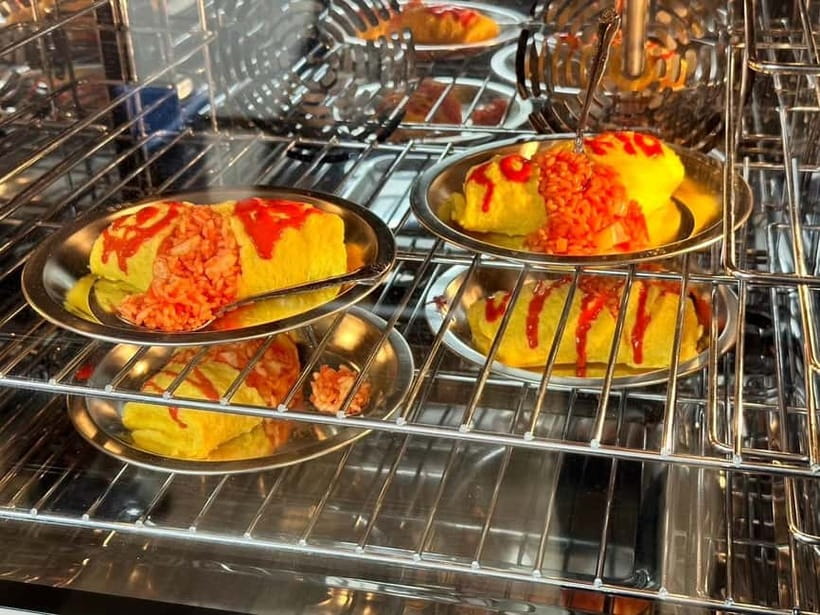
The activity lasts about one hour without the dining option. That is enough time for a focused project, but it is not a long art class with several separate dishes. You choose one sample and work on that creation with guidance from the staff.
The staff explain the process in English and Japanese. Do not expect a long English lecture. One session was handled with only limited spoken English, yet the instructions were still easy to follow. This matters because the work is visual. Demonstrations, gestures, and the shape of the dish help carry much of the explanation.
I would pay attention at the start, especially if you choose spaghetti. The early steps determine how the food sits, and the final arrangement affects how realistic it looks. If you are making omelette rice, the work is more concentrated on the filling and finish.
The workshop also leaves space for small choices. You can add your name in ketchup, adjust the position of noodles, or create an original shape. Those details matter more than technical perfection. They turn a standard food model into your food model.
This is a hands-on activity, but it is not described as suitable for children under five. Young children may find the process interesting, yet the age restriction means families should plan around it. Older children can take part within the stated rules, and the clear dish choices make it easier to understand what they are making.
Adding the Real Meal for the Full Comparison
The dining option extends the experience to about 90 minutes. You receive a real dish that matches the food sample you created, allowing you to compare the replica with the meal in front of you.
This is more than a simple extra snack. It gives the workshop its best visual joke. Pour ketchup on the real omelette in the same way you decorated the sample. Lift the real spaghetti with chopsticks as you did with the replica. Then place both dishes side by side for photographs or a short video.
The comparison also shows what the sample is trying to communicate. The replica presents the dish in a stable, easy-to-read form. The real meal has movement, texture, and food that is ready to eat. Seeing both together helps you understand why Japanese restaurants use display models in the first place.
The meal option makes the most sense if you are hungry or want the activity to feel like a complete outing rather than a short craft stop. It also adds time, so do not book the one-hour estimate if you have a tight appointment immediately afterward.
The provided details do not state the separate cost of the meal option, so check the booking choices carefully before paying. The listed activity price is $39 per person. At that price, the value depends on how much you care about the hands-on souvenir, since you are paying for a guided craft experience rather than only a meal.
Taking Photos Without Losing the Point
Photos are a natural part of this workshop, but the best images come from the contrast between the sample and the real food. A plain picture of the replica will show your work. A side-by-side picture shows the reason for doing the activity.
Try a few simple poses. Hold the chopsticks over the sample as if you are eating spaghetti. Pretend to take a bite from the food replica, then repeat the pose with the actual dish. For omelette rice, compare your ketchup writing on the sample with the sauce on the meal.
The activity information specifically encourages fun photos and videos, so you can treat the process as a small performance. You do not need a complicated setup. The dish comparison supplies the visual punch.
Still, keep the photos secondary to the making. If you spend the whole session recording every movement, you may miss the staff’s instructions or rush the final decoration. Make the dish first, then take the comparison pictures while the work and meal are both in front of you.
A few more Tokyo tours and experiences worth a look

What the Limited English Support Means
English and Japanese are offered, but the practical experience may rely on showing rather than talking. That is not necessarily a problem here. The available review detail says the instructor spoke little English, while the directions remained fairly easy to understand.
I would still prepare for a session where you need to watch closely. The four dish choices are simple to identify, and the actions are concrete: fill, shape, lift, decorate, and arrange. If you are unsure, use the staff demonstration as your guide and ask short questions.
The language point is more important for anyone expecting a detailed cultural talk. This is a making activity, not a lecture about Japanese food displays. You should book it for the craft, the comparison meal, and the souvenir rather than for extended historical explanation.
The provider is Food Sample Making Cafe Inc. No individual instructor names are supplied, so you should not expect to book a particular teacher. Staff guidance is included, with English and Japanese support noted for the activity.
Who Gets the Most Value From the $39 Price?
At $39 per person, this is not the cheapest way to eat in Tokyo. The value comes from combining instruction, materials, a creative task, and a souvenir. If you only want lunch, you can find simpler options. If you want a memorable activity that produces something you can display, the price is easier to justify.
I think it suits families with children over five, couples, friends, and solo visitors who like making things. It is also useful on a rainy day because the main event takes place inside the cafe. The available information does not specify the group size or seating arrangement, so you should not book it based on expectations of a private class.
The meal option improves the value for anyone who wants to eat the finished dish. It also makes the session feel more substantial. Without the meal, you are paying mainly for the craft and souvenir, and the visit takes about one hour.
The handmade replica is the key return. It is small, personal, and tied to a particular moment in Tokyo. You can display it at home or show it to friends as a conversation piece. It will not replace a traditional Japanese craft souvenir, but it has a playful connection to everyday restaurant culture.
Timing, Cancellation, and Practical Planning
The experience can last one hour or about 90 minutes, depending on the meal option. Check the available starting times before you commit, since the activity does not offer one universal schedule.
The shop entrance faces the main street and has the Food Sample Making Cafe noren. Give yourself enough time to locate that curtain, especially if you are coming from another Asakusa activity. The meeting instructions do not provide a station name, street address, or transport details, so use the exact booking information for navigation.
Children under five are not permitted. The activity is offered in English and Japanese, and materials and staff guidance are included. The real matching meal is included only if you select the dining option.
You can cancel up to 24 hours in advance for a full refund. The reserve-now, pay-later option lets you hold a place without paying immediately, which helps if your Tokyo plans are still changing.
Should You Book the Food Sample Making Cafe?
Book this if you want a short, creative Asakusa activity with a souvenir you make yourself. The omelette and spaghetti choices offer clear hands-on moments, and the matching meal creates the best photo opportunity. The experience also works well when you want a break from sightseeing without giving up a distinctly Japanese idea.
Skip it if you are looking for a full cooking lesson, a long cultural talk, or the lowest-cost meal in Tokyo. The English instruction may be brief, and the workshop centers on one food replica rather than several dishes.
For most people, I would choose the meal option if the price fits your plan. It adds the real-food comparison, extends the session to about 90 minutes, and lets you see how your creation measures up. If you mainly want the keepsake and have a busy schedule, the one-hour version is the sharper choice.
FAQ
Where is the Food Sample Making Cafe located?
The meeting point is the shop with a noren curtain that says Food Sample Making Cafe. The entrance faces the main street in Asakusa.
How long does the workshop take?
It takes about one hour without the meal option and about 90 minutes with the meal option.
How much does the experience cost?
The listed price is $39 per person.
What dishes can I make?
You can choose from omelette rice, spaghetti with meat sauce, crepe, or jelly parfait.
Is a real meal included?
A real dish matching your food sample is included if you select the dining option.
What languages are available?
Staff guidance is available in English and Japanese.
Can I take my food sample home?
Yes. You take home the handmade food replica as a souvenir.
Can I customize the food sample?
Yes. You can add personal touches, such as writing your name in ketchup, lifting spaghetti with chopsticks, or creating an original shape and design.
Are children under five allowed?
No. The activity is not suitable for children under five.
Can I cancel for a refund?
You can cancel up to 24 hours in advance for a full refund. A reserve-now, pay-later option is also available.
More Workshops & Classes in Tokyo
More Food Experiences in Tokyo
More Asakusa Tours in Tokyo
More tours in Tokyo we've reviewed











Asakusa Tours, compared.
 ★ 4.8Tokyo: Japanese Dance Cabaret Theater Asakusa-Kaguwa TicketFrom $492 hours
 ★ 4.7Tokyo: Meiji Shrine, Asakusa, Skytree Bus Tour and CruiseFrom $12210 hours
 ★ 4.9Tokyo: Roll and Authentic Sushi Making Class in AsakusaFrom $581h 40m
 ★ 4.8Tokyo: Asakusa Walking Tour with Sensoji Temple VisitFrom $222 hours
 ★ 5.0Tokyo Asakusa Rickshaw TourFrom $42
 ★ 4.5Tokyo Panoramic 1 Day: Meiji Shrine, Asakusa, Odaiba and SKYTREE®From $85