
Reviewed · GUIDED
Private Custom Tour in Tokyo with a Bilingual Japanese Guide
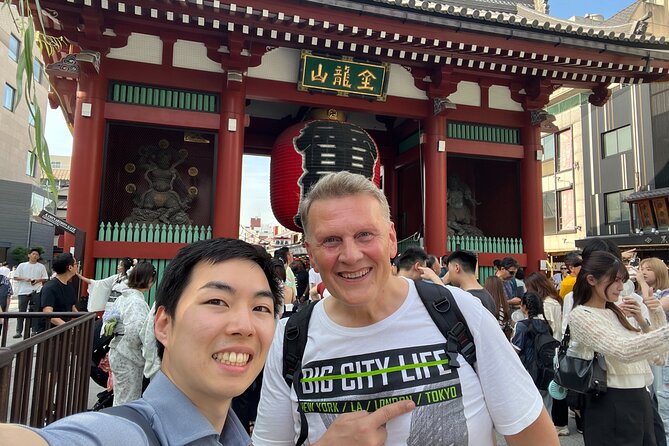
Tokyo is easier to understand when someone helps you connect the dots. With Nobu, a bilingual Japanese guide who knows the city well and has spent years in the West, you can shape a private route around famous sights, local districts, food, shopping, or daily life. The tour can last from three to eight hours, so it works as either a short orientation or a full day out.
I like the custom itinerary, which lets you focus on what matters most instead of following a fixed route. I also like the practical help: Nobu can explain Tokyo’s train system, help with restaurant navigation, and adjust the walking pace as you go.
The main tradeoff is that the $112.75 price does not include trains, taxis, meals, drinks, or attraction admission. You also need moderate fitness, since this is mainly a walking tour, although the route can be changed and taxis can be used when needed.
In This Review
- Key points to know before booking
- A private way to get your bearings in Tokyo
- Meiji Shrine and Takeshita Street: Tokyo in two very different moods
- Shibuya: the crossing, Hachiko, and city-scale energy
- Asakusa and Senso-ji: traditional customs in an old Tokyo district
- Tsukiji: a practical stop for Japanese food
- Ginza and Shinjuku: shopping, views, and modern Tokyo
- Shimokitazawa and the Imperial Palace: two worthwhile alternatives
- What the $112.75 price really buys you
- Timing, walking, and what to plan before you go
- Who will get the most from this Tokyo tour
- Should you book it?
- FAQ
- How long does the private Tokyo tour last?
- What is the price of the tour?
- Is hotel pickup included?
- Who leads the tour?
- Can I customize the itinerary?
- Are train and taxi fares included?
- Are food and drinks included?
- Are entrance fees included?
- Is this a private tour?
- What happens if the weather is poor?
Key points to know before booking
- Nobu leads the tour in bilingual English and Japanese, making it easier to ask about customs, food, neighborhoods, and everyday Tokyo life.
- You choose the focus, from Meiji Shrine and Senso-ji to Shimokitazawa, local markets, shopping, or lesser-known districts.
- Central Tokyo hotel pickup is included, with a meeting in your hotel lobby and the tour beginning on foot.
- Transportation costs are extra, including trains and taxis, so carry a little room in your budget.
- The route can mix major sights with local stops, a useful way to see Tokyo without spending the whole day at only famous landmarks.
- The tour suits private groups, with flexible pacing and no strangers added to your booking.
A private way to get your bearings in Tokyo
A first day in Tokyo can feel like a lot of city at once. Stations are large, neighborhoods change quickly, and the gap between a quiet shrine and a giant advertising screen can be only a few train stops. This private tour gives you a person to help organize that contrast.
Before the tour, you complete a questionnaire about your interests. That matters here. You are not simply handed a standard sightseeing route. You can ask for classic Tokyo, food, shopping, neighborhood life, history, or a blend of those themes.
Nobu can also build a day around your energy level. A group that wants major sights might visit Meiji Shrine, Shibuya, Asakusa, and the Imperial Palace. A group that has already seen the big landmarks might focus on Shimokitazawa, local food, or parts of Tokyo that are less familiar to first-time visitors.
The tour is private, so your group can ask questions without holding back a larger party. That is especially useful in Tokyo, where a simple question about shrine etiquette, train transfers, or ordering food can save time and avoid confusion.
Other guided tours in Tokyo

Meiji Shrine and Takeshita Street: Tokyo in two very different moods
Meiji Shrine offers a calm start. The Shinto shrine sits in a forested area in central Tokyo, giving you a sharp change from the city streets nearby. Nobu can explain the customs practiced at the shrine and help you understand what you are seeing rather than treating the visit as a quick photo stop.
This is a good place to ask about Japanese religious traditions, shrine manners, and the way sacred spaces fit into modern city life. The wooded approach also gives the tour a slower opening before the noise and crowds of Harajuku.
Afterward, Takeshita Street supplies the opposite experience. It is known for colorful clothing, unusual desserts, and animal cafes. The street is aimed at a youthful audience, and its shops can feel much more playful than the polished department stores found elsewhere in Tokyo.
The pairing works well because you see two sides of the same area. One is quiet and ceremonial. The other is packed with fashion, novelty food, and youth culture. The possible drawback is that both stops can be busy, and Takeshita Street may feel overwhelming if you prefer a quiet walk.
Shibuya: the crossing, Hachiko, and city-scale energy
Shibuya is one of Tokyo’s most recognizable districts. The Shibuya Scramble crossing gives you a quick lesson in the city’s scale and rhythm, with people moving in several directions each time the signal changes.
Nearby, the Hachiko statue marks one of Tokyo’s best-known meeting points. Nobu can add local context while guiding you through the surrounding streets, shops, and restaurants. This is more useful than simply seeing the crossing from a viewing spot, since you can also ask how the district fits into Tokyo’s wider shopping and dining scene.
Shibuya works well for first-time visitors who want a clear Tokyo landmark. It is also a practical stop for anyone trying to understand how the city combines dense commercial districts with efficient public transportation.
Give yourself enough energy for walking here. Shibuya is not a single attraction with a short path between points. It is a district, and the value comes from moving through it with someone who can help you decide where to spend your time.
Asakusa and Senso-ji: traditional customs in an old Tokyo district
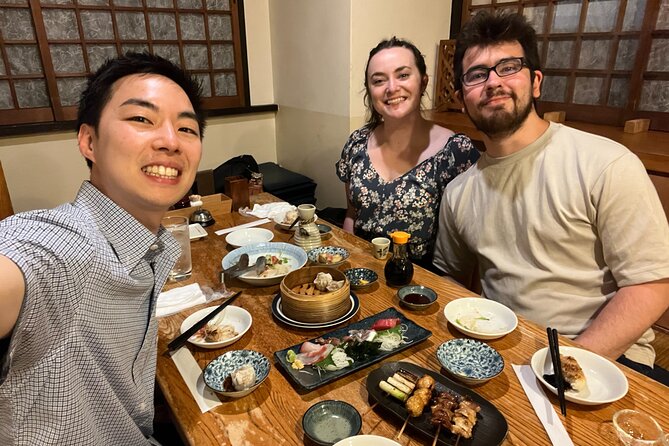
Asakusa brings a different tone. Senso-ji is Tokyo’s oldest temple, and the surrounding area offers a chance to see customs and traditions that remain part of daily visits to religious sites.
Nakamise Shopping Street leads toward the temple with traditional snacks and souvenir shops. It is a useful place to ask Nobu what different items are for, how to approach the temple, and which food or gifts make sense for your interests.
The area is particularly good for a first visit because it combines a major sight with a walkable district. You are not only looking at a temple building. You are moving through a place where food, worship, souvenirs, and local routines overlap.
Asakusa can be a strong choice for families and for anyone who wants more cultural context. It is also a sensible alternative if you find modern shopping districts less appealing. Keep in mind that food and drinks are not included, so anything you sample at Nakamise or elsewhere is paid separately.
Tsukiji: a practical stop for Japanese food
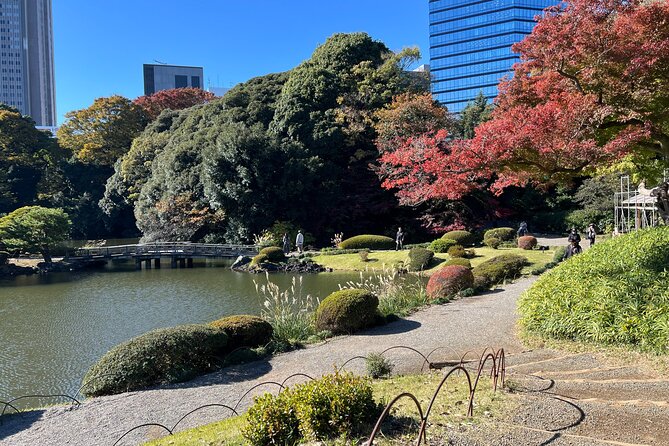
Tsukiji was once the world’s largest fish market. The former market area still draws people for its food stalls and market atmosphere, with fresh sushi, grilled skewers, and other popular Japanese dishes.
This stop is best for an interactive food break rather than a formal meal included in the tour. You can ask Nobu for guidance as you look at unfamiliar foods, and you can use the visit to learn how Japanese market eating differs from a restaurant meal.
Because food is not included, you control the cost and the number of things you try. That is useful for a group with different appetites, but you should plan for extra spending if Tsukiji is one of your priorities.
Tsukiji also adds a practical element to the tour. You get to see how food culture fits into the city, rather than spending the whole day at monuments and observation points. If you want a market-focused route, tell Nobu before the tour so the timing can be built around it.
Other private tours in Tokyo


Ginza and Shinjuku: shopping, views, and modern Tokyo
Ginza is Tokyo’s luxury shopping district, with flagship stores, fine dining, art galleries, and modern architecture. It is a good place for high-quality Japanese gifts and for seeing the city’s polished commercial side.
You do not need to be a luxury shopper to appreciate Ginza. The architecture and department stores offer a look at another part of Tokyo’s economy and style. Still, this stop will be less useful if you mainly want low-cost shopping or small independent stores.
Shinjuku has a more varied feel. Its highlights include the giant Godzilla head, the famous 3D cat billboard, and the free observation deck at the Tokyo Metropolitan Government Building. The observation deck is a strong value because there is no admission fee, and it gives you a broad view of the city.
The district is also packed with dining and shopping. Nobu’s help can be practical here, particularly if you want help choosing a restaurant or understanding how to move through one of Tokyo’s large station areas.
You cannot do every listed district properly in a short tour. If you have only three hours, choose one or two central areas. The eight-hour option gives you more room, but even then, Tokyo’s distances and train transfers make a focused plan wiser than trying to collect every sight.
Shimokitazawa and the Imperial Palace: two worthwhile alternatives
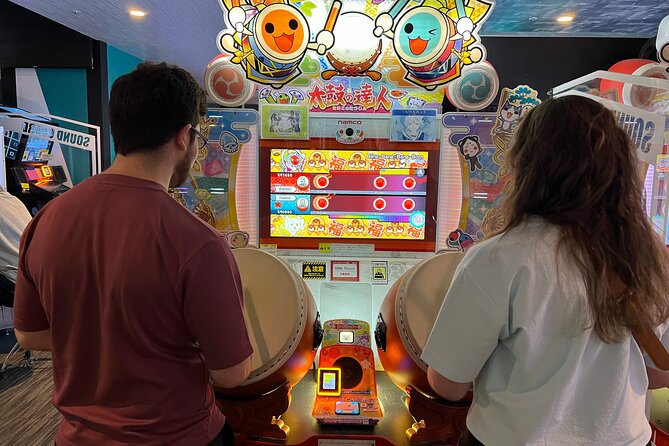
Shimokitazawa is a youthful, creative district with vintage and boutique shops, live music venues, small theaters, and cozy cafes. It offers a less formal side of Tokyo than Ginza and a less famous setting than Shibuya.
Choose Shimokitazawa if you care about independent shops, music, theater, cafes, or neighborhood character. It is also a good fit for repeat visitors who have already seen the biggest landmarks. The area is not the best choice for someone seeking a single famous monument, since its appeal comes from wandering among smaller places.
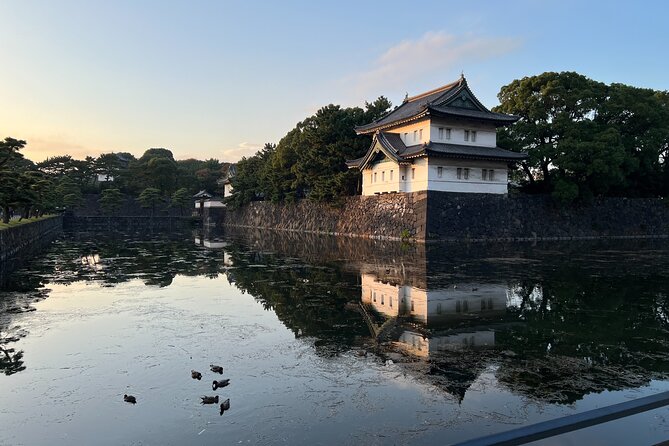
The Imperial Palace provides a history-focused stop. Japan’s Imperial family lives there, and the site occupies the former grounds of Edo Castle, once home to the Tokugawa shoguns who ruled Japan from 1603 to 1868.
That connection gives Nobu an opportunity to explain the shift from the Tokugawa period to modern Japan. The palace grounds are also a natural choice for visitors who want national history alongside Tokyo’s present-day streets.
Some palace areas may have access limits or require careful timing, and admission fees are not included where they apply. Ask Nobu how much time the stop will take before locking it into a short itinerary.
What the $112.75 price really buys you
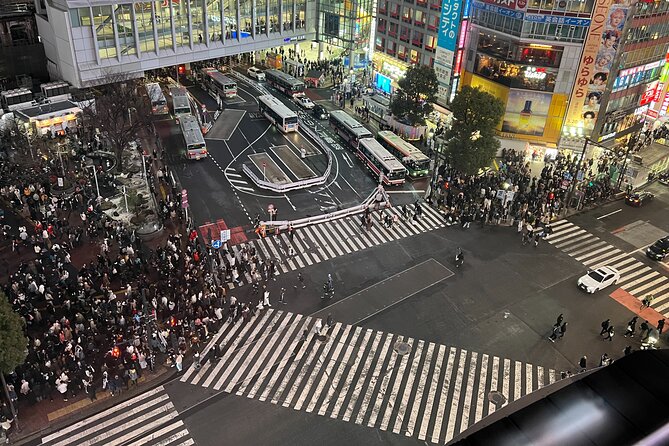
At $112.75 per person, this tour is not the cheapest way to see Tokyo. You are also responsible for transportation, food, drinks, and any entry fees. The price makes more sense when you value private attention and an itinerary built around your group.
For a family or small group, the cost can be easier to justify than booking separate private activities throughout the day. You are paying for planning, local guidance, language support, and the ability to change course when a neighborhood or activity is not working for you.
The practical value may be highest at the start of a Tokyo trip. Learning how to use public transportation, how to approach shrines and temples, and how to navigate restaurant areas can help you manage the rest of your stay on your own.
The tour is less compelling if you already know Tokyo well, are comfortable planning every train route, and want only a low-cost walk. In that case, the guide’s personal help may not add enough value.
Timing, walking, and what to plan before you go
The advertised duration is flexible, from about three to eight hours. Use three hours for a focused introduction, such as Meiji Shrine and Shibuya, or Asakusa and Tsukiji. Choose a longer booking for several districts, food stops, and more time for questions.
Hotel pickup is offered within central Tokyo. You meet Nobu in your hotel lobby, then begin on foot. The tour does not include train fares or taxis, so keep money available for public transportation and remember that a taxi, if needed, is your expense.
This is a walking tour with flexible pacing. You should have moderate physical fitness, but the route can be adjusted and taxis can be used if needed. Tell Nobu about your preferred pace and priorities before the day begins.
The experience requires good weather. If poor weather causes cancellation, you can receive a full refund or choose another date. For other cancellations, you need to cancel at least 24 hours before the start time for a full refund. Changes made within 24 hours are not accepted.
Who will get the most from this Tokyo tour
I would consider this tour for first-time visitors who want a clear introduction without surrendering control of the day. It is also well suited to families, since a private guide can adjust the pace and balance temples, food, shopping, and unusual sights.
Food-focused groups should ask for Tsukiji and restaurant help. Shoppers can build a route around Ginza, Takeshita Street, Shimokitazawa, or a mix of major stores and smaller boutiques.
The tour also fits visitors who feel uneasy about Tokyo’s size. Several people who booked with Nobu especially valued his help with restaurant navigation and public transportation. His background in both Japan and the West may also make cultural explanations easier to relate to.
It is not ideal for people who want a fixed, low-cost group excursion with all admissions and meals included. It is also not the right match if you dislike walking or prefer to spend the day at one attraction.
Should you book it?
Book this tour if you want a personal introduction to Tokyo and have clear interests you want someone to shape into a workable day. Nobu’s bilingual guidance, help with trains and restaurants, and flexible route are the strongest reasons to choose it.
Before booking, decide how many hours you need and how much extra you can spend on trains, taxis, food, and admissions. For the best value, use the pre-tour questionnaire carefully and name your top two or three priorities. That will produce a more satisfying day than trying to visit every district listed.
FAQ
How long does the private Tokyo tour last?
The tour lasts approximately three to eight hours, depending on the itinerary you choose.
What is the price of the tour?
The listed price is $112.75 per person.
Is hotel pickup included?
Pickup is included for hotels within central Tokyo. You meet the guide on foot in your hotel lobby.
Who leads the tour?
The tour is led by Nobu, a bilingual English-speaking Japanese native guide.
Can I customize the itinerary?
Yes. You complete a pre-tour questionnaire, and the itinerary can be shaped around your interests, including major sights, food, shopping, history, or local neighborhoods.
Are train and taxi fares included?
No. Transportation fees, including train and taxi fares, are not included.
Are food and drinks included?
No. Food and drinks are purchased separately.
Are entrance fees included?
No. Entrance fees to attractions, when applicable, are not included.
Is this a private tour?
Yes. Only your group participates in the activity.
What happens if the weather is poor?
The experience requires good weather. If it is canceled because of poor weather, you can receive a full refund or choose a different date.
More Private Tours in Tokyo
More Guided Tours in Tokyo

More tours in Tokyo we've reviewed











Guided, compared.
 ★ 5.0Tokyo 6hr Private Tour with Government-Licensed GuideFrom $155
 ★ 4.9Tokyo: Shinjuku Local Bar and Izakaya Guided Walking TourFrom $343 hours
 ★ 4.8Tokyo: Private City Highlights Tour with Local GuideFrom $1064 - 8 hours
 ★ 4.9Tokyo: Tsukiji Fish Market Guided Walking TourFrom $222 hours
 ★ 5.0Tokyo 4hr Private Tour with Government-Licensed GuideFrom $109
 ★ 5.0Tokyo Guided Small-Group Biking TourFrom $106