
Reviewed · PRIVATE DRIVERS
From Tokyo: Tokyo Private Customize Tour With English Driver
Tokyo is a city of sharp contrasts, and this private tour lets you cross between them without wrestling with the train system all day. You can move from the quiet forest of Meiji Shrine to the neon rush of Shibuya Crossing, then finish near Tokyo Skytree or the old lanes of Asakusa. I especially like the private car and the chance to shape the day around your interests.
I also like the door-to-door pickup, useful when summer heat, rain, luggage, or limited time makes transfers tiring. The main tradeoff is cost: $382 for up to five people is fair for a full private day, but expensive for one or two people, and food plus optional entry fees are extra.
In This Review
- Key points at a glance
- Why a private car makes sense in Tokyo
- Senso-ji and Asakusa: Tokyo’s old face
- Meiji Shrine and the quiet forest
- Harajuku and Takeshita Street: fashion, food, and people-watching
- Shibuya Crossing and modern Tokyo
- Tsukiji Outer Market: a practical food stop
- The Imperial Palace and East Gardens
- Tokyo Skytree and the city from above
- What the guides add to the day
- Price, group size, and overall value
- Who should book this Tokyo tour
- FAQ
- What is included in the private Tokyo tour?
- How many people can join the tour?
- Are food and drinks included?
- Are Tokyo Skytree admission fees included?
- Which languages are available?
- Can the itinerary be customized?
- Is hotel pickup and drop-off included?
- Should you book it?
Key points at a glance
- A private route for up to five people: You can focus on temples, shopping, food, history, technology, or a mix of all four.
- Hotel pickup and drop-off: The driver handles navigation, traffic, and meeting points while you keep your energy for sightseeing.
- Tokyo’s biggest contrasts in one day: Senso-ji, Meiji Shrine, Harajuku, Shibuya, Tsukiji, the Imperial Palace, and Tokyo Skytree are all possible stops.
- English-speaking support: Guides and drivers such as Ali, Adan, Imran, Malik, and Adi have been praised for communication, courtesy, and flexibility.
- Comfort in bad weather: The air-conditioned private vehicle is a real help during heat or rain.
- Watch the added costs: Meals, drinks, and entry fees for optional attractions are not included.
Why a private car makes sense in Tokyo
Tokyo’s train network is excellent. It is also enormous. Stations can involve long walks, confusing exits, and plenty of time underground. A private vehicle will not magically erase traffic, but it can make a packed sightseeing day easier, especially if you want to cover several districts.
You are picked up at your hotel and returned there at the end. Petrol, highway tolls, and the modern air-conditioned vehicle are included, so the price is not just paying for a driver by the hour. You are also paying for the ability to leave bags or purchases in the car instead of carrying them through every stop.
This matters most for families, older visitors, and anyone with only one open day in Tokyo. One especially useful detail is the ability to change the pace. You can spend longer at a temple, shorten a shopping stop, or ask for a different sight if your priorities change.
The vehicle is not a substitute for walking. Senso-ji, Meiji Shrine, Harajuku, and Shibuya all require time on foot. One full day can still become tiring. A private car simply puts the longer journeys, traffic, and route-finding in someone else’s hands.
Other private tours in Tokyo

Senso-ji and Asakusa: Tokyo’s old face
Senso-ji is the natural place to begin if you want Tokyo’s traditional side. You enter through Kaminarimon Gate, marked by its huge lantern, then walk along Nakamise Street toward the main temple.
Nakamise is lined with traditional shops selling snacks, souvenirs, and small craft items. It can be crowded, but that is part of the scene. Give yourself time to look rather than treating the approach as a quick passage to the temple.
The main temple is associated with the year 628, making it one of the city’s oldest Buddhist sites. You can expect a strong visual contrast here: incense, painted gates, temple roofs, and streams of people only a short ride from Tokyo’s glass towers.
I like this stop for first-time visitors because it gives you useful context before the modern sights take over. The drawback is that Senso-ji is one of Tokyo’s most visited places, so quiet reflection may be difficult at busy times. Your driver can get you close, but the actual experience is on foot.
Meiji Shrine and the quiet forest
Meiji Shrine offers a completely different mood. Set in a wooded area, it is dedicated to Emperor Meiji and Empress Shoken. The approach feels removed from the traffic and tall buildings, even though Harajuku is nearby.
The walk through the shrine grounds is part of the appeal. This is not just a photo stop at a gate. You have a chance to slow down, notice the large torii entrances, and see a major Shinto site in a calm setting.
I would give Meiji Shrine more time than a quick roadside visit. Its value comes from the change of pace. After Shibuya or Harajuku, the trees and open paths offer a needed pause.
Your driver can explain the basic background in English, but this remains a guided sightseeing experience rather than a formal specialist lecture. If religious details matter greatly to you, ask your guide to spend more time on the shrine’s customs and meaning.
Harajuku and Takeshita Street: fashion, food, and people-watching
Harajuku is the tour’s best stop for youth culture and street fashion. Takeshita Street is known for trendy shops, colorful clothing, and quick snacks. It is a good place to browse without needing a fixed shopping plan.
You may find the area loud and crowded, especially if you are looking for old Tokyo or polished department stores. That is also why it works well in this itinerary. Harajuku shows a side of the city that temples and imperial grounds cannot.
The route can be adjusted toward shopping, food, or people-watching. Tell the driver what you actually want before arriving. If you have no interest in fashion, you may prefer a shorter stop here and more time at the Imperial Palace or Tsukiji Outer Market.
Shibuya Crossing and modern Tokyo
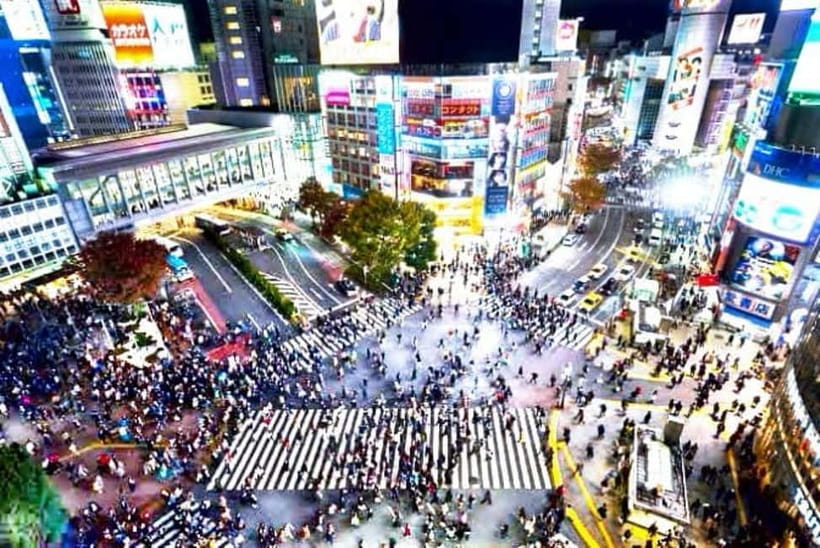
Shibuya Crossing is one of Tokyo’s signature scenes. When the signals change, pedestrians cross from several directions at once. The moment is brief, but the surrounding district gives you plenty to see, from large signs to shops and busy side streets.
The private vehicle is useful here because your driver can coordinate a drop-off and pickup point while you walk around. You should not expect to see Shibuya from the car alone. The point is to get out, cross the intersection, and take in the scale of modern Tokyo on foot.
Some visitors need only a short stop for photographs. Others may want extra time in the district. The customizable format lets you decide, which is more useful than following a rigid schedule.
One practical warning: traffic around central Tokyo can affect the order and length of stops. A good driver can adjust the route, but no private tour can control congestion. Keep your priority sights clear and treat lesser stops as flexible.
A few more Tokyo tours and experiences worth a look

Tsukiji Outer Market: a practical food stop
The original wholesale fish market moved to Toyosu, but Tsukiji’s Outer Market remains active with seafood shops, food stalls, and small restaurants. This is the place to add a food-focused break to the day.
You may find sushi, sashimi, tamagoyaki, and other local foods. Food and drinks are not included, so plan to pay directly for anything you eat. That is a drawback for anyone expecting an all-inclusive tour, but it also gives you control over what and how much you buy.
Tsukiji works especially well when you tell the driver you want lunch advice. One guide, Adan, was specifically praised for helping with lunch selection, which suggests this is a useful part of the conversation to have before you arrive.
The market is not simply a museum stop. It is a working commercial area, so watch your footing, keep bags close, and allow time to browse. If your group has different food preferences, the flexible format is helpful.
The Imperial Palace and East Gardens
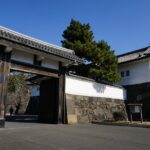
The Imperial Palace is the Emperor of Japan’s residence, surrounded by gates, walls, and gardens. The East Gardens are open to the public and offer a quieter way to see the palace area.
This stop is best for visitors interested in Japanese history, government, gardens, or photography. It also breaks up the more commercial parts of the route. You can walk through the gardens while your driver waits according to the agreed plan.
Do not expect to enter every part of the palace complex. The East Gardens are the public area specifically identified for sightseeing. If palace access is important to you, ask what is possible before booking, since optional entry fees and access arrangements are not included.
Tokyo Skytree and the city from above
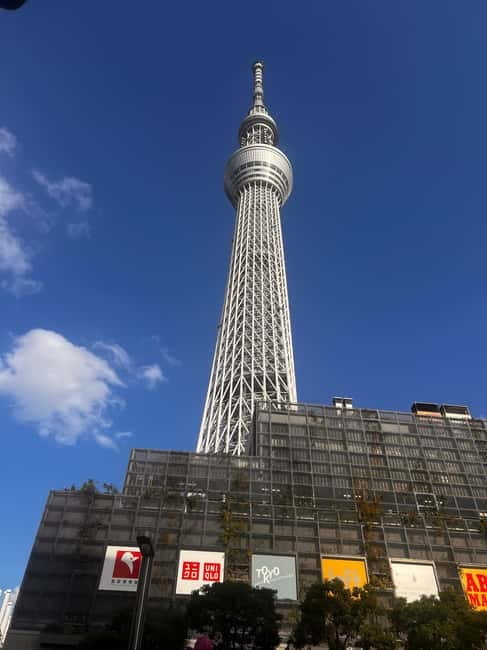
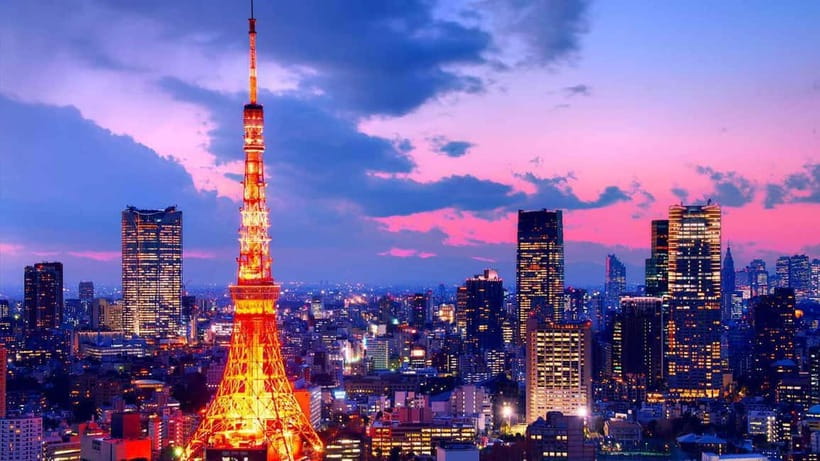
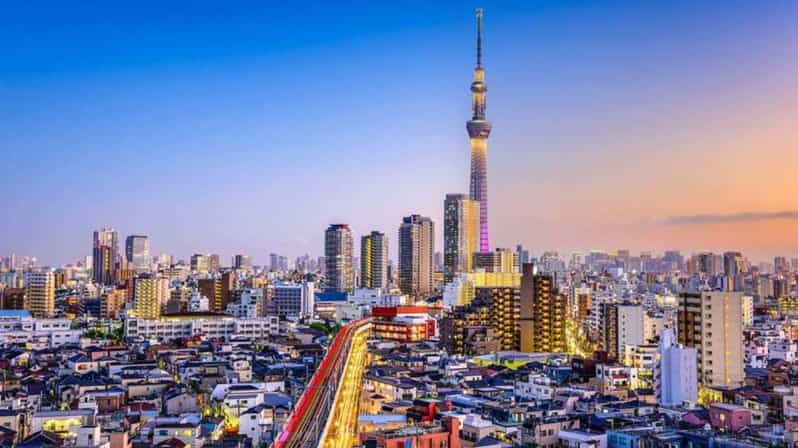
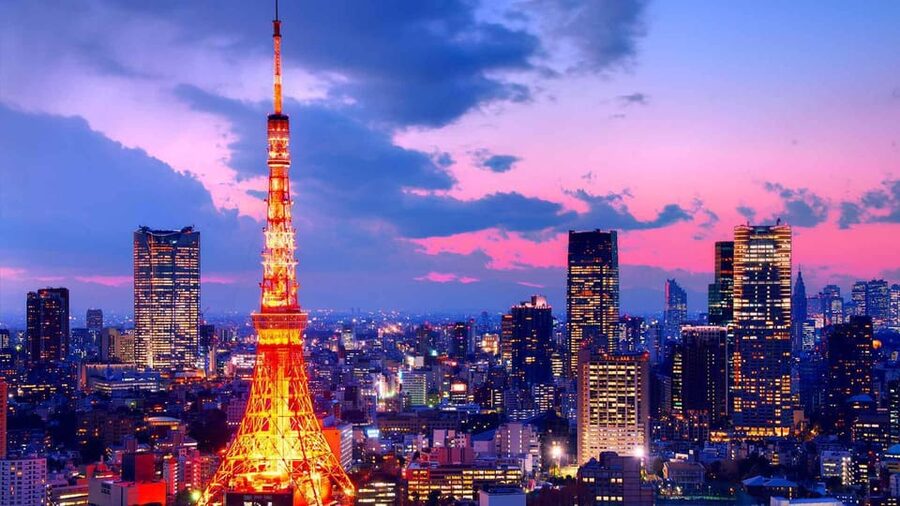
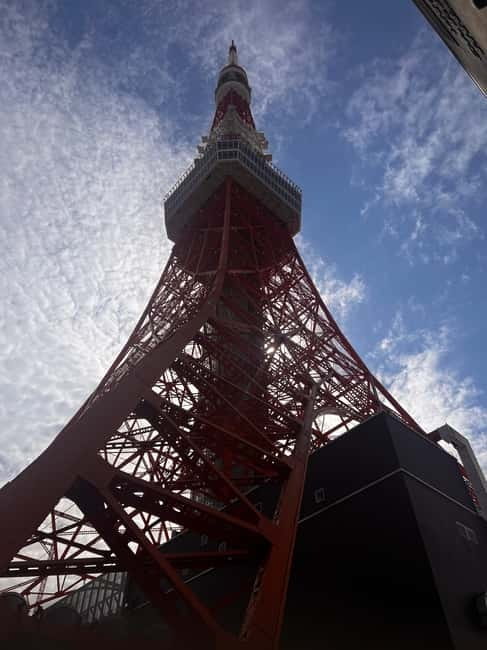
At 634 meters, Tokyo Skytree is Japan’s tallest structure. Its observation decks provide wide views across the city, and on clear days you may see Mount Fuji.
This is the strongest choice for a high viewpoint, but admission is an extra cost. Since optional activity fees are not included, decide in advance if the observation deck fits your budget and schedule.
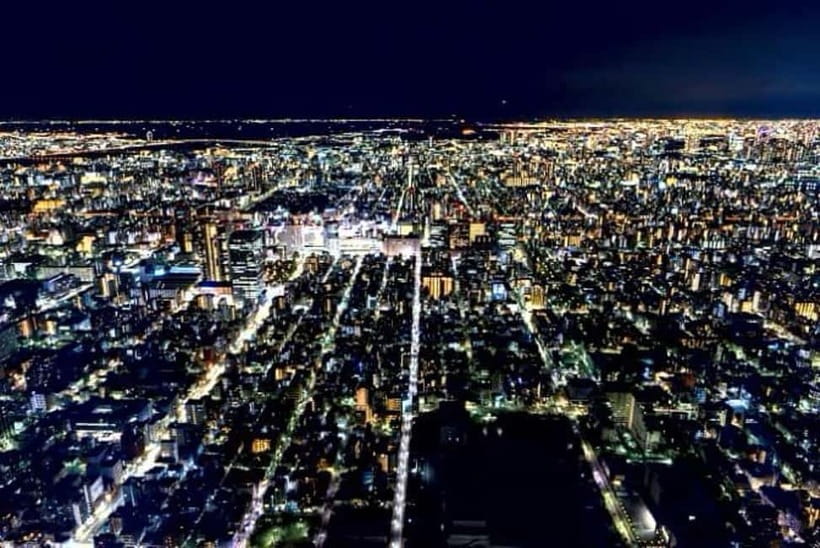
The view changes with weather. On a clear day, Skytree can give you a useful sense of Tokyo’s size and layout. On a hazy or rainy day, the value is lower, so flexibility matters. Your driver can help place this stop when visibility is best, but the tour does not guarantee clear skies.
If you would rather avoid paying for an observation deck, the Tokyo Metropolitan Government Building is another possible viewpoint mentioned by the tour’s past itinerary choices. One guide, Ali, took a group there in time for sunset. The supplied information does not state that this alternative is always included, so treat it as a request, not a promise.
What the guides add to the day
The experience is built around an English-speaking driver, with English, Japanese, and Hindi available. Names connected with successful outings include Ali, Adan, Imran, Malik, and Adi.
The strongest pattern is flexibility. Ali adjusted plans around temple interests and suggested places beyond the standard route. Adan helped shape the day and lunch choice. Drivers were also praised for safe driving, punctuality, clean vehicles, and clear communication.
That does not mean every guide will deliver the same depth of commentary. The role is a mix of chauffeur and sightseeing guide, not necessarily a licensed specialist at every historic site. If you want more explanation, ask direct questions and say which subjects matter to you.
This is also a good tour for families. A private driver can slow down for children, adjust stops, and keep the group together. One family found the pacing comfortable and added small alleys and food stops beyond the main sights.
Price, group size, and overall value
The listed price is $382 per group of up to five people. At full capacity, that works out to $76.40 per person before food and optional admission fees. For five people, that is a reasonable way to buy convenience, especially when hotel transfers and highway tolls are included.
For two people, the per-person cost is much higher. A couple who enjoys trains and prefers to explore one district slowly may get better value from public transport. A family, small group, or visitor with only one day can make a stronger case for the private car.
The value also depends on your priorities. If you want a tight list of major sights, private transport helps. If you want long meals, slow shopping, and extended time at each temple, the number of stops should be reduced.
The clean vehicle, air conditioning, fuel, tolls, and hotel service remove several small costs and hassles. Food, drinks, and optional attraction fees remain your responsibility, so keep room in the budget for Tsukiji purchases or Skytree admission.
Who should book this Tokyo tour
I would consider this tour for:
- Families who need a flexible pace
- Small groups of up to five people
- First-time visitors who want a city overview
- People with limited time in Tokyo
- Visitors concerned about heat, rain, or long station transfers
- Anyone who wants to combine old temples, shopping, food, and city views
- People who prefer a driver to handle navigation and traffic
I would hesitate if you love independent train travel, want a slow neighborhood-by-neighborhood visit, or are traveling alone on a tight budget. Tokyo’s rail system is part of the city experience, and this tour replaces much of that with private transport.
The tour is not suitable for pregnant women, people with high blood pressure, people over 95 years, or people over 70 years according to the supplied restrictions. The two age limits are inconsistent, so anyone over 70 should confirm eligibility before paying. Alcohol and drugs are not allowed.
Cancellation is available up to 24 hours in advance for a full refund, and you can reserve now and pay later. Those terms are useful when weather or family plans remain uncertain.
FAQ
What is included in the private Tokyo tour?
Hotel pickup and drop-off, a private vehicle, petrol or gas, highway tolls, an English-speaking driver, air conditioning, and a modern clean vehicle are included.
How many people can join the tour?
The price covers one private group of up to five people.
Are food and drinks included?
No. Food and drinks are not included, so you pay separately for meals, snacks, and market purchases.
Are Tokyo Skytree admission fees included?
No. Entry fees for optional activities are not included.
Which languages are available?
The available languages are English, Japanese, and Hindi.
Can the itinerary be customized?
Yes. The tour is designed around your interests and pace, with possible themes including history, shopping, technology, food, temples, and city views.
Is hotel pickup and drop-off included?
Yes. Hotel pickup and drop-off are included in the tour.
Should you book it?
Book this private tour if you want to cover several major Tokyo districts in one comfortable, adjustable day. The strongest reasons are the door-to-door service, air-conditioned vehicle, English-speaking support, and ability to shift the plan around your group.
I especially like it for five people sharing the $382 rate, for families, and for a first full day in Tokyo. Ask about the exact route, guide, stop lengths, and optional fees before setting out. If you want a slow, inexpensive, independent Tokyo experience, use the trains instead. If you want to see Senso-ji, Meiji Shrine, Harajuku, Shibuya, Tsukiji, the Imperial Palace, and possibly Skytree without spending the whole day navigating, this is a sensible buy.
More Private Drivers in Tokyo
More Private Tours in Tokyo

More tours in Tokyo we've reviewed




Private Drivers, compared.
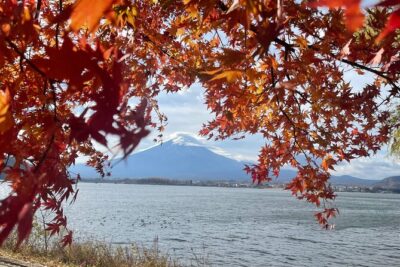 ★ 5.0Mt Fuji Private Tour with English Speaking DriverFrom $415
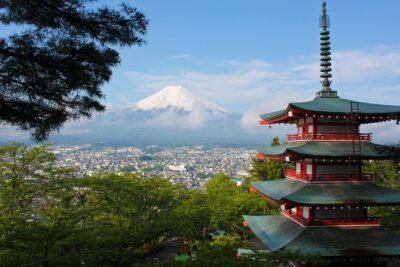 ★ 4.5Mt. Fuji & Hakone Private Day Tour with English-Speaking DriverFrom $453
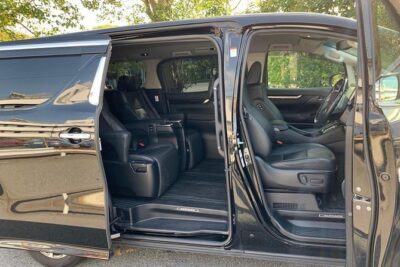 ★ 4.5Haneda Airport (HND) Private Transfer to Central TokyoFrom $104
 ★ 4.5Mt. Fuji, Hakone Full-Day Private Tour with English Driver GuideFrom $495
 ★ 5.0Mt. Fuji Day Trip from Tokyo with English Speaking Driver GuideFrom $497
★ 4.5Mt. Fuji Private Tour with English Speaking DriverFrom $464
★ 5.0Mt. Fuji Day Trip from Tokyo with English Speaking Driver GuideFrom $497
★ 4.5Mt. Fuji Private Tour with English Speaking DriverFrom $464