
Reviewed · SHIBUYA TOURS
Japanese Wine Omakase in Shibuya – Guided Tasting, Not Sake
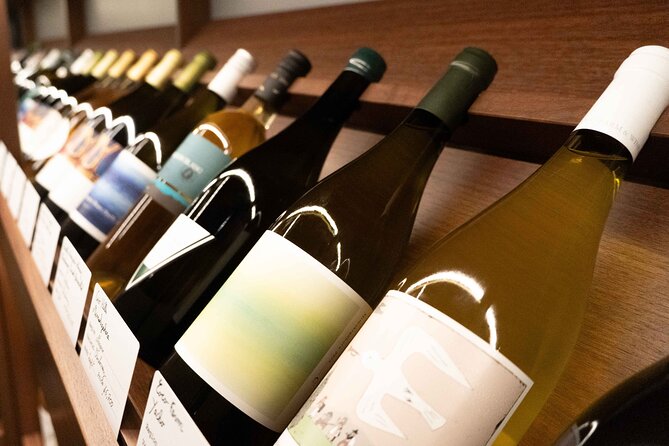
Japanese wine is the real surprise here. Near Meiji Jingu, you taste five bottles made in Japan, including wines from native grapes that are hard to find outside the country. The session is guided in English by a wine expert, with Alex singled out for friendly service and strong suggestions.
I like the small 12-person limit, which gives the tasting a relaxed, personal feel rather than a crowded classroom mood. I also like the focus on Japanese wine rather than sake, especially with small plates designed to fit the wines. The main consideration is price: at $97.98 per person, this is a serious splurge for 75 minutes of tasting, even though the rare bottles and food add value.
In This Review
- Key points at a glance
- Why Japanese wine is worth your time
- Starting near Meiji Jingu in Yoyogi
- What happens during the five-wine tasting
- A small room changes the feel
- Staying for more wine after the session
- Is $97.98 a fair price?
- What I like most about the atmosphere
- Who should book this experience
- Timing, cancellations, and practical planning
- Should you book the Japanese Wine Omakase?
- FAQ
- Is this a sake tasting?
- How many wines are included?
- How long does the tasting last?
- Where does the activity take place?
- How large is the group?
- Is the tasting conducted in English?
- Can I stay for more wine afterward?
- Can I take bottles home?
Key points at a glance
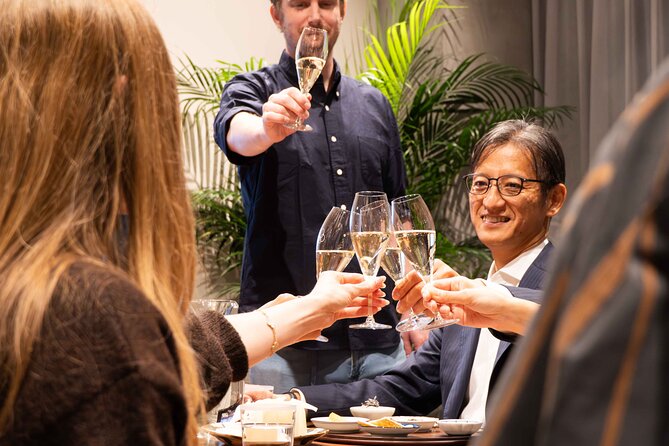
- Five Japanese wines in 75 minutes: The tasting moves through rare local bottles and native Japanese grapes.
- English guidance from wine experts: Alex is praised for clear explanations, friendly service, and useful suggestions.
- Small plates are included: Food is matched with the wines, giving you more than a series of stand-alone sips.
- A maximum of 12 people: The compact group size suits anyone who prefers conversation over a noisy bar scene.
- Optional time at the wine bar: You can stay afterward for extra glasses and choose bottles to take home.
- Delivery is available: Hotel or airport delivery can solve the problem of carrying bottles through the rest of your trip.
Why Japanese wine is worth your time
Most first-time visitors to Japan build their drinking itinerary around sake, beer, and whisky. Those are excellent choices, but Japanese wine offers a different view of the country. It brings together local grapes, regional growing conditions, and winemaking methods that may be unfamiliar even if you already know European, Australian, or American wine.
This tasting is designed to make that contrast clear. You are not simply handed five glasses and left to guess what makes them Japanese. The guide explains the grapes and the character of the wines, while the small plates give you a chance to see how each bottle works with food.
That matters because Japanese wine can be difficult to judge from a single glass. Some bottles may taste familiar, while others may have an unusual balance or fruit profile. A guided flight lets you compare several styles in one sitting. If you are curious but not ready to buy a full bottle, this is an efficient way to learn.
The experience also gives you something that is harder to find in a regular restaurant: access to bottles that may not be exported. The selection changes, so you should not expect a fixed list of labels. That is part of the appeal, but it also means you should book this for the chance to explore Japanese wine, not for one specific bottle unless the provider confirms availability.
A few more Tokyo tours and experiences worth a look


Starting near Meiji Jingu in Yoyogi
The meeting point is the Sangū Building at 3-chōme-38-12 Yoyogi, Shibuya, Tokyo 151-0053. The venue is near public transportation and close to Meiji Jingu, making the tasting easy to pair with sightseeing in the area.
The setting is a useful part of the plan. Meiji Jingu is one of Tokyo’s most visited landmarks, and the surrounding streets can feel calmer than some of the city’s major shopping areas. You can visit the shrine first, then make your way to the wine bar without crossing the city for another appointment.
Allow enough time to find the building. Tokyo addresses can be confusing, and a mobile ticket is convenient, but it does not remove the need to check your route before leaving. The activity ends back at the meeting point, so you do not have to arrange a separate pickup or figure out where the tasting finishes.
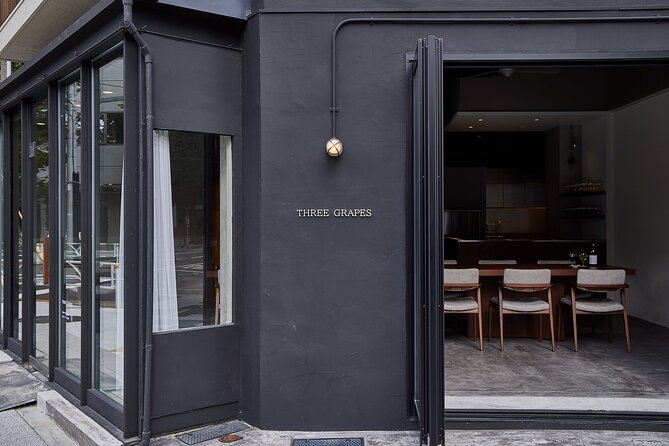
The venue itself is described as stylish and inviting, with distinctive window art and a quieter feel than heavily visited parts of Tokyo. Those details may sound minor, but they affect the mood. Wine is easier to appreciate when you can hear the guide and take your time.
What happens during the five-wine tasting
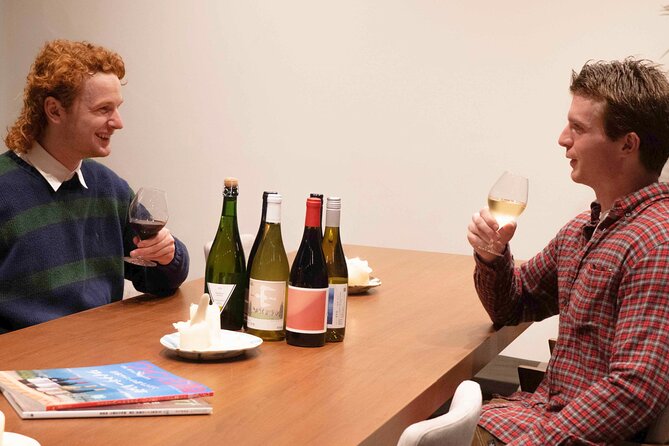
The guided session is described as lasting about 75 minutes, while the overall activity is listed at approximately one hour and 30 minutes. In practical terms, plan on the full 90-minute window, especially if the group talks, finishes the food, or moves into optional bar time.
The core tasting includes five Japanese wines. The exact order and labels are not provided, so I would not promise a particular grape or style. You can expect the selection to include rare local bottles and examples connected to native Japanese grapes.
The guide’s role is central. Alex is specifically praised for speaking clear English, explaining the wines well, and offering useful recommendations. The instruction appears aimed at both wine lovers and complete beginners. One especially useful feature is that you do not need to arrive with a working knowledge of Japanese wine. The session is meant to give you context as you taste.
Pay attention to the comparisons. A native grape may taste unlike the varieties you know from home. That does not automatically make it better or worse. It makes it worth discussing. The point is to understand how local grapes and Japanese growing conditions shape the wine, then decide what you personally enjoy.
The food pairing makes the tasting more useful. Small plates are served with the wines, giving you a chance to test how the flavors change alongside food. The portions are described as refined small plates, so this should not replace lunch or dinner. Think of the food as part of the lesson and the pleasure of the tasting, not as a full meal.
One bottle mentioned in the feedback is an ice wine, which received particular praise. Since the selection can change, treat that as a possible example rather than a guarantee. It does show that the flight may include styles beyond the dry reds and whites many people expect from a basic tasting.
A small room changes the feel
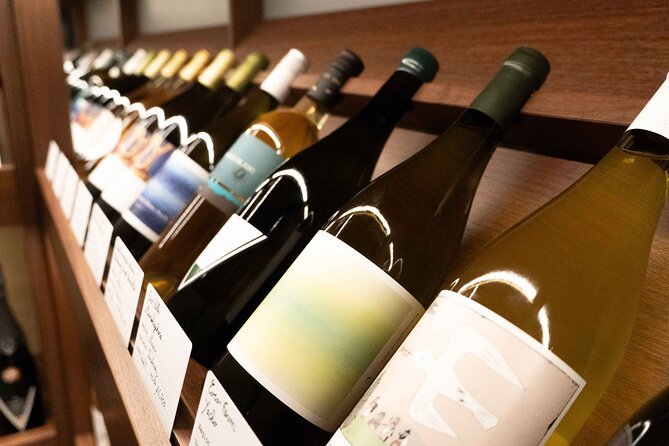
The maximum group size is 12 people. That is small enough for questions and conversation, but not so small that you need to feel exposed if you are new to wine.
I like this format for solo visitors and couples. You have a better chance of hearing the explanation clearly, and the tasting can feel more social than simply ordering a bottle alone. The setting also suits people who prefer a polished bar to a large food hall or crowded nightlife venue.
The tradeoff is that small-group sessions can sell out. The experience is booked an average of 49 days ahead, which is a useful warning for anyone planning a short Tokyo stay. If the tasting fits your schedule, booking early is sensible, especially during busy travel periods.
You should also be comfortable with an age restriction. The session is open to people aged 20 and older. That is Japan’s legal drinking age, and the provider does not present this as a nonalcoholic food or cultural activity.
Staying for more wine after the session
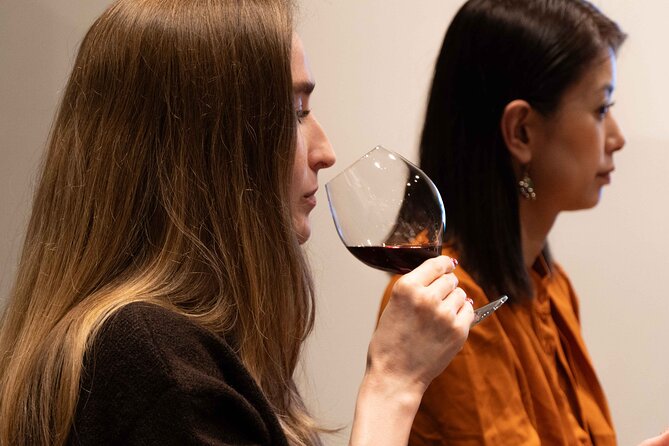
After the guided tasting, you can stay for optional bar time. This is one of the better features for anyone who wants to continue learning rather than rush out after the fifth glass.
You can order additional glasses and ask for suggestions. The bar has a special focus on Japanese wine, so this is a chance to revisit a style you liked or try something outside the guided flight. The exact prices for extra drinks are not provided, so budget separately from the $97.98 booking price.
The optional time is also helpful if you are considering a bottle purchase. Instead of buying on impulse, you can taste first, ask questions, and then decide. Hotel or airport delivery is available for bottles you choose to take home. That service is practical in Japan, where carrying wine through several train changes or fitting it safely into luggage can be inconvenient.
Delivery details and extra costs are not specified here, so ask the bar directly before finalizing a purchase. Still, the option makes the experience more useful for wine collectors and for anyone seeking a distinctive souvenir.
Other guided tours in Tokyo

Is $97.98 a fair price?
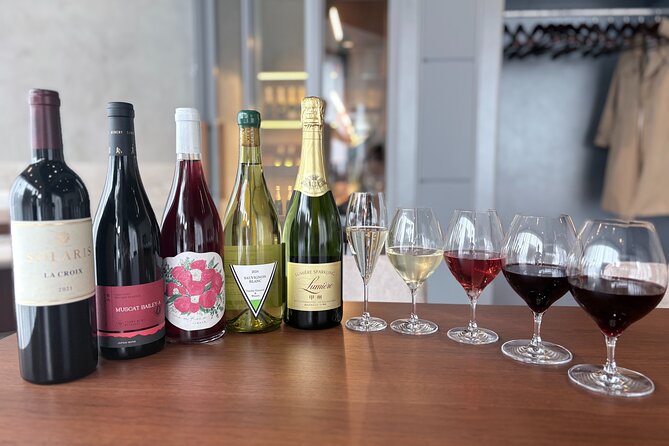
At $97.98 per person, this is not a casual stop for a quick drink. The price needs to cover five wines, small plates, English guidance, and access to bottles that may not be easy to find abroad.
For a visitor who already enjoys wine, the value is fairly strong if the bottles are genuinely unusual and the explanations help you understand them. You are paying for comparison, access, and instruction, not just alcohol. A standard bar flight might cost less, but it would not necessarily provide the same focus on Japanese grapes or the same opportunity to ask questions.
For a beginner, the value depends on your interest. If you want to learn about a less familiar part of Japanese food and drink culture, the structured format can save you from ordering blindly. If you only want one drink near Meiji Jingu, the price will feel high.
The food also affects the calculation. Small plates make the session feel more complete, but you should not count on them as a full meal. Plan to eat before or after, depending on your schedule and appetite.
I would compare the cost with other special-interest activities in Tokyo. It is more expensive than a casual sake tasting or a bar visit, but it is also more focused and limited in size. The right question is not whether it is cheap. It is whether Japanese wine is important enough to you to justify a dedicated session.
What I like most about the atmosphere
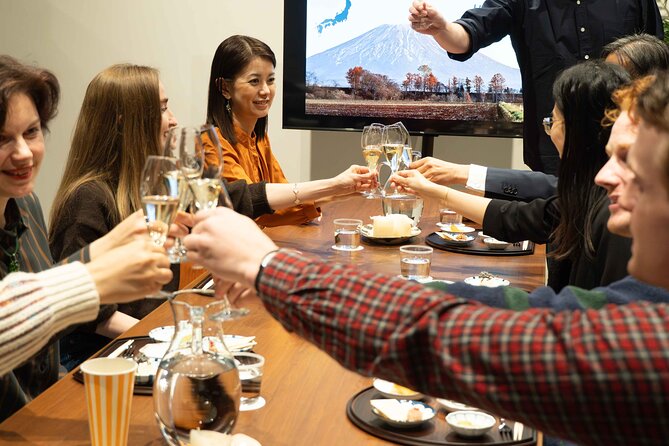
The tone appears to be polished without becoming stiff. The space is described as cute and stylish, with friendly staff and attractive window art. It is also in a quieter area with fewer crowds than some of Tokyo’s most famous sightseeing districts.
That calm setting is a real advantage. After the packed paths around major attractions, you can sit down and pay attention to what is in your glass. The staff’s friendly approach also matters if you are uncertain about wine vocabulary or worried that a formal tasting might feel intimidating.
The experience is not presented as a solemn lecture. It is educational, but it remains social. You can ask questions, compare impressions, and stay for another glass if the subject catches your interest.
One caution: the word refined suggests a more polished presentation, so this may not be the right choice if you want a loud, casual drinking night. The format is built around tasting and conversation. You will get more from it if you are willing to slow down.
Who should book this experience
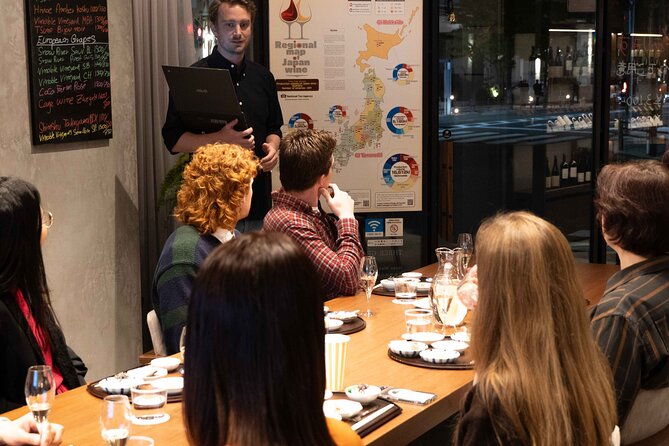
I would recommend it to wine drinkers who want something beyond the usual Japanese beverage list. It is also a good choice for people who have already visited Meiji Jingu and want a nearby activity that feels less standard than another observation deck or shopping street.
Beginners can benefit, too. You do not need to know Japanese wine in advance, and the English guidance gives you a clear starting point. The tasting may be especially useful if you are curious about native grapes but do not know how to find them on your own.
It suits:
- Couples looking for a compact food-and-drink activity
- Solo visitors who enjoy meeting people in a small group
- Wine fans seeking bottles rarely exported
- Visitors who have already tried sake, beer, and whisky
- People planning time around Meiji Jingu and Yoyogi
I would think twice if you do not drink alcohol, have no interest in wine, or are trying to keep daily costs low. The experience is not designed as a general sightseeing tour, and the price is hard to justify if the wine itself is not part of your travel plans.
Timing, cancellations, and practical planning
Confirmation is provided when you book, and the mobile ticket makes entry simple. The experience is near public transportation, and most people can participate.
Book ahead rather than relying on a spontaneous opening. A small maximum of 12 people is part of the appeal, but it also limits last-minute availability. The provider offers daily sessions, though the time that suits you may still fill quickly.
Free cancellation is available until 24 hours before the start time. Cancel at least 24 hours ahead for a full refund. Changes or cancellations inside that window are not accepted and are not refunded.
The activity may also be canceled because of poor weather or because the minimum number of participants is not met. In those cases, you are offered another date or experience, or a full refund.
Should you book the Japanese Wine Omakase?
Book it if you want to understand Japan through a less familiar drink and can spare nearly 90 minutes near Meiji Jingu. The five-wine format, small plates, English guidance, and compact group make this more useful than simply ordering an unfamiliar Japanese bottle and hoping for the best.
The strongest reasons to go are the focus on native grapes, the chance to taste bottles rarely found abroad, and the friendly guidance associated with Alex. Optional bar time and bottle delivery add practical value, especially if you find a wine you want to remember.
Skip it if $97.98 feels too steep for a tasting, or if your Tokyo plans are already packed with sake breweries, whisky bars, and other drinking experiences. For everyone else, this is a thoughtful way to add Japanese wine to your trip without giving up an entire afternoon.
FAQ
Is this a sake tasting?
No. This is a Japanese wine tasting focused on local bottles and native Japanese grapes.
How many wines are included?
The guided tasting includes five Japanese wines.
How long does the tasting last?
The guided session is described as 75 minutes. The overall activity is listed as approximately one hour and 30 minutes, with optional bar time afterward.
Where does the activity take place?
It starts and ends at the Sangū Building, 3-chōme-38-12 Yoyogi, Shibuya, Tokyo 151-0053, Japan, near Meiji Jingu.
How large is the group?
The activity accepts a maximum of 12 people.
Is the tasting conducted in English?
Yes. The tasting is English-guided, and Alex is identified as an English-speaking wine expert.
Can I stay for more wine afterward?
Yes. Optional bar time is available after the session, and you can order additional glasses.
Can I take bottles home?
Yes. You can choose bottles to take home, with hotel or airport delivery available. Any delivery details or additional charges should be confirmed at the venue.
More Guided Tours in Tokyo
More Shibuya Tours in Tokyo


More tours in Tokyo we've reviewed



Shibuya Tours, compared.
 ★ 5.0Official Street Go-Kart in ShibuyaFrom $76
 ★ 4.9Tokyo: Street Kart Experience in ShibuyaFrom $741 hour
 ★ 5.0Shibuya Meltdown Nightlife Tour: All-You-Can-Drink Bar HoppingFrom $106
 ★ 5.0Shibuya Official Street Go-Kart in Shibuya AnnexFrom $69
 ★ 5.0Tokyo: Shibuya Food Tour (13 dishes and 4 Eateries)From $77
 ★ 5.0Best of Shibuya Food TourFrom $217