
Reviewed · SHINJUKU TOURS
Sake Pairing Workshop with Japanese Food in Shinjuku
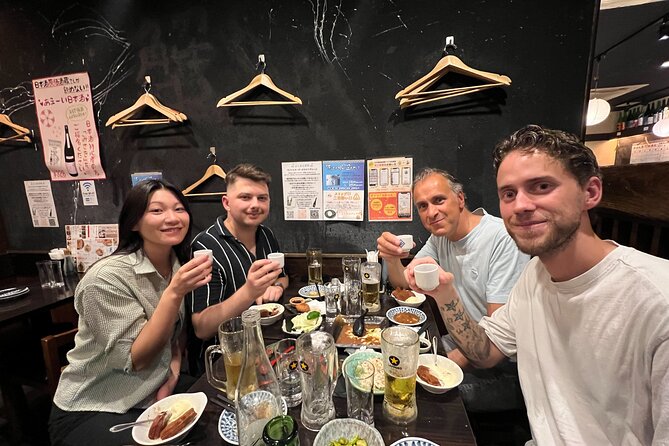
The clever part of this Shinjuku experience is that it treats sake as part of a meal, not just a drink to sample. You learn how aroma, temperature, and sweetness change the taste, then test those lessons with chicken nanban, miso-butter dishes, sea urchin croquettes, and fried vanilla taiyaki.
I like the small maximum group of 12, which gives a bilingual guide such as Anika room to explain the pairings without turning the evening into a lecture. I also like the unusual range: your four-sake flight has a clear structure, while the 20-sake all-you-can-drink plan lets you compare beyond the set menu.
The main consideration is pace. Two hours can pass quickly when you are tasting, eating, asking questions, and choosing more drinks. This suits curious adults who want an introduction with dinner, but it may feel too fast if you want a long, quiet meal.
In This Review
- Key points to know before booking
- Why this Shinjuku workshop works better than a simple sake tasting
- Meeting in Shinjuku and settling into the workshop
- The first lesson: aroma, temperature, and kanpai
- Chicken nanban meets crisp sake
- Miso butter and the fuller side of sake
- Nigori sake and sea urchin cream croquettes
- Fried vanilla taiyaki closes the meal
- Twenty sakes, plus beer and highballs
- How much time two hours really gives you
- Who will get the most from this experience
- Booking timing, cancellation, and weather notes
- Should you book the Shinjuku sake workshop?
- FAQ
- Where does the sake workshop meet?
- Where does the activity end?
- How long does the workshop last?
- How many people can join the workshop?
- What food is included?
- How many sakes can I taste?
- Can I cancel for a full refund?
Key points to know before booking
- Four sakes paired with a full course meal: Taste specific styles alongside chicken nanban, miso-butter dishes, sea urchin cream croquettes, and fried vanilla taiyaki.
- Temperature is part of the lesson: You learn how warm and chilled sake can show different flavors from the same rice-based drink.
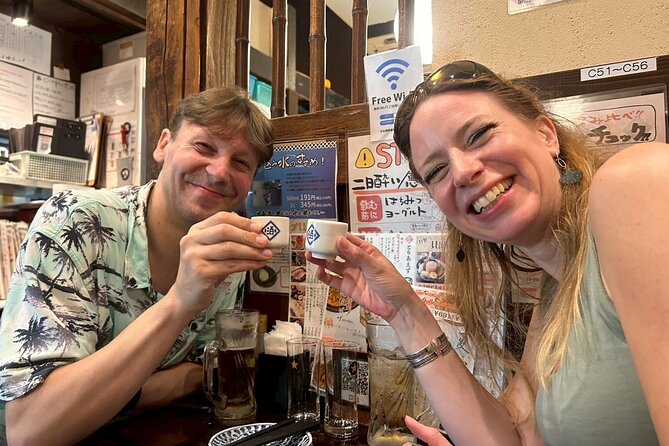
- Twenty sakes are available after the guided flight: You can continue comparing sake brands, along with beer, highballs, and soft drinks.
- Anika leads the experience in English and Japanese: The bilingual guidance helps with tasting terms, drinking manners, and reading Japanese labels.
- The group is capped at 12 people: This keeps the workshop more personal than a large bar crawl.
- The meeting point is in Shinjuku: Meet at H&M, 3-chōme-5-4 Shinjuku, and return to the same point at the end.
Why this Shinjuku workshop works better than a simple sake tasting
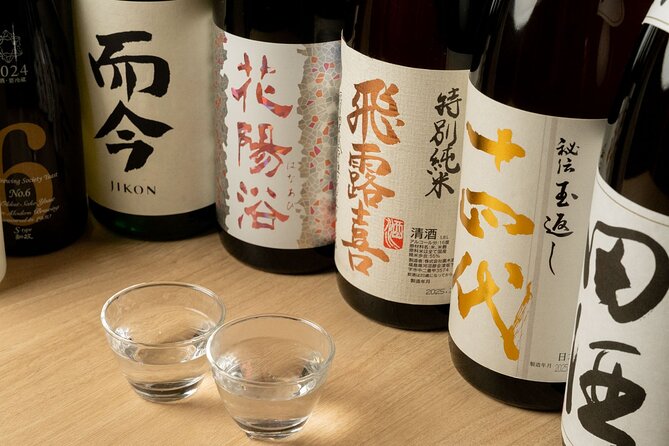
Sake can seem hard to approach in Japan. Menus may list unfamiliar names, labels may be written mostly in Japanese, and the same drink can taste quite different depending on how it is served. This workshop gives you a useful starting point before you face that menu on your own.
The lesson begins with the basics. You learn kanpai etiquette, the Japanese custom of raising your glass for a toast, and the simple mechanics of sake tasting. The focus is not on memorizing technical terms. It is on noticing aroma, texture, sweetness, and the effect of temperature.
I especially like that the food is built into the lesson. A sake that seems sharp by itself may work well with tangy chicken nanban. A fuller drink may make more sense beside a buttery dish. You are not asked to accept the guide’s opinion blindly. You get to taste the food and drink together and decide what changes.
That makes the workshop useful for both beginners and people who already enjoy sake. If you have tried sake only as a warm drink in a Japanese restaurant, you will see a much wider range. If you already know a little, the food pairings give you a practical way to sharpen your palate.
A few more Tokyo tours and experiences worth a look
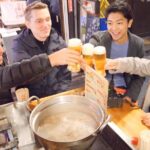
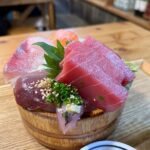
Meeting in Shinjuku and settling into the workshop
The meeting point is H&M at 3-chōme-5-4 Shinjuku, in Shinjuku City. The activity ends back at the meeting point, so you do not need to arrange a separate return transfer or find your way to a different neighborhood afterward.
The location is near public transportation, which matters in Shinjuku, where it is easy to lose time among large stations, department stores, and crowded streets. Give yourself extra time to locate the exact meeting point. Your mobile ticket should be ready on your phone, and booking confirmation is issued at the time of booking.
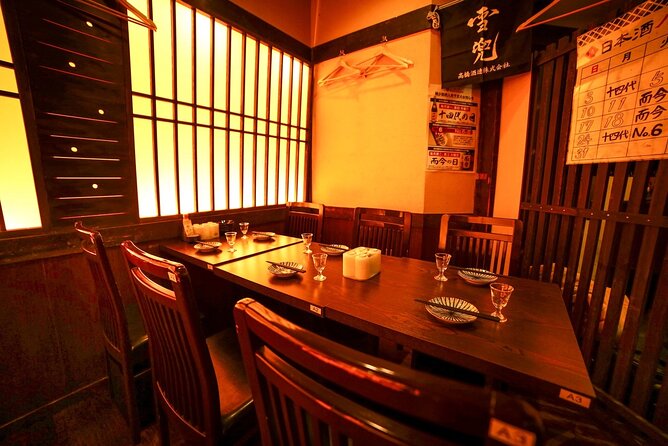
The group can have no more than 12 people. That is a sensible size for a tasting lesson. You can hear the explanations, ask about a label, and keep track of your own reactions without the event feeling like a stage show.
Anika is specifically praised for explaining the history and varieties of sake and for being friendly during the experience. The available feedback also refers to a neighborhood walk with her. The published details focus on the workshop, so you should treat the walk as part of the guide’s personal hosting rather than assume it is a long sightseeing tour.
The first lesson: aroma, temperature, and kanpai
Before the meal gets underway, you learn the basic habits that make sake easier to understand. This includes how to raise a glass for kanpai and how to pay attention before taking a sip.
Temperature is one of the most useful ideas in the session. Warm sake can feel softer or fuller, while chilled sake may show a crisper side. The exact impression depends on the sake, but the point is clear: serving temperature is not just a matter of preference. It can change what you notice.
For you, this lesson has value beyond the two-hour activity. Later in Japan, you may see the same style offered warm, room temperature, or chilled. Knowing that the choice affects flavor gives you a better question to ask at a restaurant or izakaya.
The guide also helps you read Japanese sake labels. You will not become a specialist in one sitting, but you can begin recognizing that labels hold useful clues. This is one of the more practical parts of the workshop because it helps you make sense of future menus instead of choosing at random.
Chicken nanban meets crisp sake
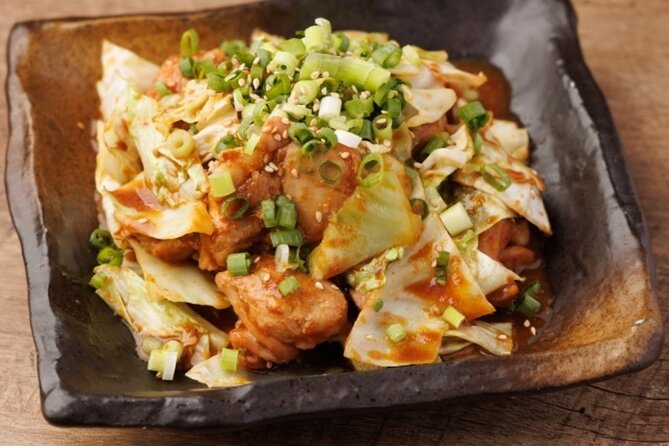
The first food pairing centers on chicken nanban. This Japanese dish is known for fried chicken served with a sweet and tangy sauce, often with a creamy element. Here, it gives you a clear contrast with crisp sake.
The pairing lesson is not simply about finding a drink you like. You pay attention to what happens when the sake meets the sauce and fried chicken. A cleaner, sharper sake can cut through richness and refresh your mouth after each bite.
This is a smart first pairing because chicken nanban is familiar enough to understand quickly, but it still has several competing flavors. The tangy sauce, savory chicken, and fried texture can make a drink seem different than it did on its own.
You also get a chance to test the guide’s explanation against your own taste. I would not assume the recommended pairing will be your personal favorite. The useful lesson is learning what to look for: acidity, weight, sweetness, and how well the drink resets your palate.
Miso butter and the fuller side of sake
The next pairing moves toward miso-butter dishes and richer sake. Miso brings salt and fermented depth, while butter adds a smooth, heavy texture. Together, they need a drink that can hold its own rather than disappear beside the food.
This is where the workshop becomes more than a sequence of samples. You see how a sake with more body can match a substantial dish, while a light sake might feel thin or overly sharp. The guide explains why the pairing works, giving you a simple framework to use later.
The meal also keeps the tasting grounded. Alcohol can be hard to judge on an empty stomach, especially when you are comparing several drinks. Having food served through the session makes the evening more comfortable and gives each pour a real purpose.
You should still pace yourself. The four-sake flight is only one part of the drink program, and the larger menu remains available. Eating helps, but it does not remove the need to drink slowly and keep track of what you prefer.
A few more Tokyo tours and experiences worth a look
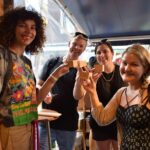
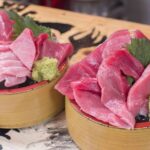

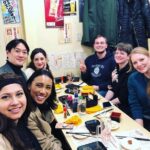
Nigori sake and sea urchin cream croquettes
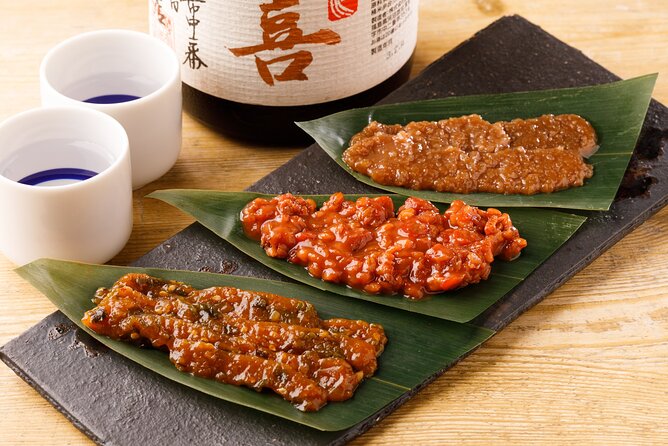
The creamy course is one of the more unusual combinations. Soft Nigori sake is paired with sea urchin cream croquettes, bringing together a cloudy, textured drink and a rich seafood filling.
Nigori sake contains more of the rice solids left in the drink, which gives it a softer and creamier feel than a clear sake. It can also seem sweeter or more substantial. That texture makes sense beside a croquette, where the crisp outside gives way to a smooth filling.
Sea urchin adds a distinct ocean flavor. If you already enjoy uni, this is a chance to see how sake handles it. If you are cautious about sea urchin, the croquette format may be easier than eating it plain, though the seafood character is still part of the dish.
The published schedule sets aside about 30 minutes for the creamy and sweet section. That longer pause is useful because this combination deserves more attention than a quick sip and bite. It also gives you time to compare the Nigori with the clearer sakes from earlier.
Fried vanilla taiyaki closes the meal
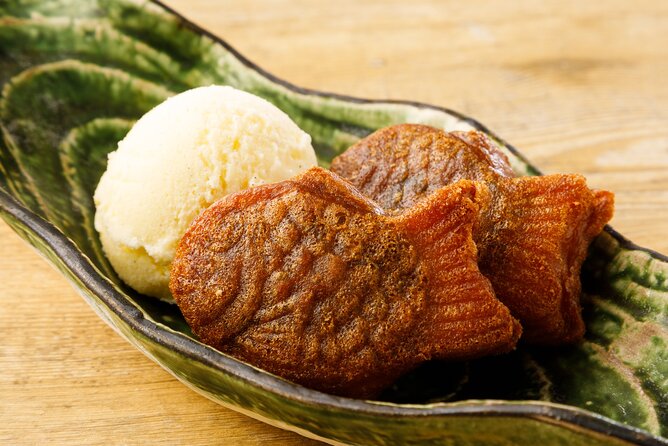
The final food pairing changes direction again. You finish with crispy fried vanilla taiyaki and a sweet sake.
Taiyaki is a fish-shaped Japanese cake, often filled with sweet ingredients. In this version, the vanilla filling and fried exterior provide a dessert-like finish. The sweet sake continues that theme instead of trying to create a sharp contrast.
This is a good reminder that sake does not have to stay with savory food. Many people first meet sake alongside sushi or grilled dishes, but sweeter styles can work with dessert. The final pairing helps round out the lesson by showing a different use for the drink.
The fried coating also adds texture. After several liquid comparisons, you get a crisp bite and a clear ending to the meal. It is a small detail, but it helps the experience feel like dinner rather than a bar tasting with snacks.
Twenty sakes, plus beer and highballs
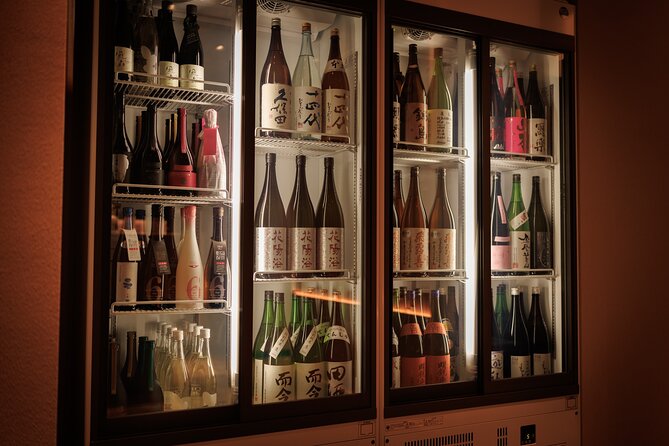
The four guided pours give the evening its teaching structure. The all-you-can-drink plan gives you freedom afterward. Up to 20 sakes are available, along with beer, highballs, and soft drinks.
This is where the $73.17 price can make sense, provided you plan to use the drink selection. You are paying for a two-hour guided food experience, a course dinner, four planned sake pairings, and access to a broad drink menu. For someone who would otherwise order several drinks with dinner, the package offers solid value.
The value is weaker if you do not drink alcohol or expect only one or two small samples. Soft drinks are included, but the main appeal is clearly the sake range and the chance to compare different bottles.
The large menu can also create a small problem: too much choice. You might be tempted to sample everything, but that defeats the lesson and can make the flavors blur together. I would use the guide’s suggestions first, then choose a few contrasting sakes rather than trying to work through all 20.
For instance, you could compare a clear sake with Nigori, or a chilled pour with a warm version. You can also ask about the Japanese labels as you choose. The goal is to leave with a better sense of your preferences, not a record number of samples.
How much time two hours really gives you
Two hours is enough for a focused introduction, but not enough for a slow restaurant evening. The schedule has to cover the basic lesson, four pairings, the creamy and sweet course, and the wider drink menu.
I would book this on an evening when you want a structured activity rather than an open-ended night out. It works well as a starting point in Shinjuku before you continue elsewhere, or as a complete dinner plan if you are happy to stay with the workshop until it ends.
The small group helps the time go further. A bilingual guide can explain the taste differences as they appear, instead of leaving you to decode a printed sheet. Still, a group of 12 can create different levels of interest. Some people may ask many questions, while others may focus mainly on eating and drinking.
If you want a very quiet meal, this may not be your ideal setting. If you like learning by tasting and do not mind conversation around the table, the format should suit you better.
Who will get the most from this experience
I would recommend this workshop to you if you want a practical introduction to sake without committing to a formal class. The food makes the information easier to remember, and the all-you-can-drink plan lets you explore after the guided portion.
It is also a good choice if you are nervous about Japanese drink menus. Learning how to read labels, ask about temperature, and notice differences between styles can make later meals less intimidating.
The format suits couples, friends, and solo visitors who are comfortable joining a small group. Most people can participate, and the activity is near public transportation. The maximum group size of 12 keeps it intimate enough for conversation without promising a private class.
This is less suitable if you want a major sightseeing tour, a long neighborhood history walk, or a highly specialized sake certification lesson. The focus is food, drink, and basic tasting skills. It is social and hands-on, not academic.
Anika’s friendly approach is a plus if you want a guide who can explain the subject in clear English and help you relax around unfamiliar drinks. Her role is especially useful for questions about varieties, pairing choices, and Japanese drinking customs.
Booking timing, cancellation, and weather notes
This activity is often booked about 31 days ahead, so I would not leave it until the final day of a short Tokyo visit. The mobile ticket makes access simple, but you still need to reach the H&M meeting point on time.
Free cancellation is available if you cancel at least 24 hours before the local start time. Changes or cancellations inside that 24-hour window are not refunded or accepted.
The activity requires good weather and a minimum number of participants. If poor weather or insufficient participation causes a cancellation, you are offered another date or experience, or a full refund. These conditions are worth checking if you are arranging the workshop around a tightly timed evening.
Should you book the Shinjuku sake workshop?
Book it if you want dinner and a lesson in one compact activity. The strongest reasons are the clear four-sake progression, the unusual food pairings, the 20-sake selection, and the chance to learn practical points such as temperature and label reading.
At $73.17 per person, the price is easiest to justify if you intend to sample several drinks. It is less compelling for a non-drinker or for someone seeking only a quick sake introduction.
My advice is to arrive ready to taste slowly, ask questions, and compare rather than simply consume. If that sounds like your kind of evening, this is a friendly, useful way to understand sake in Shinjuku, with enough food to make the lesson feel like a proper night out.
FAQ
Where does the sake workshop meet?
Meet at H&M, 3-chōme-5-4 Shinjuku, Shinjuku City, Tokyo 160-0022, Japan.
Where does the activity end?
The activity ends back at the meeting point.
How long does the workshop last?
The workshop lasts approximately two hours.
How many people can join the workshop?
The maximum group size is 12 people.
What food is included?
The course dinner includes chicken nanban, miso-butter dishes, sea urchin cream croquettes, fried vanilla taiyaki, and other listed course items.
How many sakes can I taste?
The guided portion includes a flight of four sakes. The all-you-can-drink plan also provides access to 20 sakes, along with beer and highballs. Soft drinks are available as well.
Can I cancel for a full refund?
Yes. You can cancel at least 24 hours before the local start time for a full refund. Cancellations within 24 hours are not refunded.
More Workshops & Classes in Tokyo

More Food Experiences in Tokyo
More Shinjuku Tours in Tokyo
More tours in Tokyo we've reviewed










Shinjuku Tours, compared.
 ★ 5.0Tokyo: Shinjuku Food Tour (13 Dishes at 4 Local Eateries)From $86
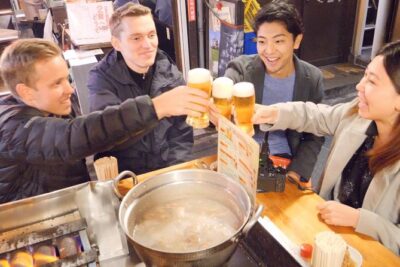 ★ 5.0Tokyo Bar Hopping Tour in Shinjuku (All-You-Can-Drink + Dinner)From $106
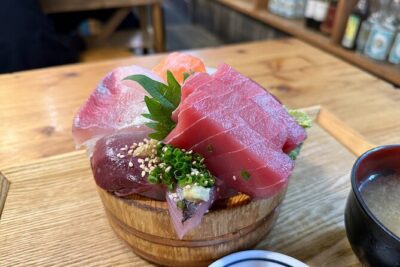 ★ 4.9Tokyo: Shinjuku Food Tour (15 Dishes and 4 Eateries)From $853 hours
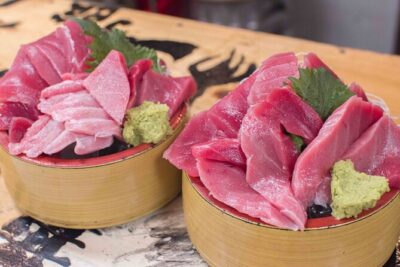 ★ 5.0Best of Shinjuku: Izakaya Food Tour (4 Stops, 14+ Tastings)From $92
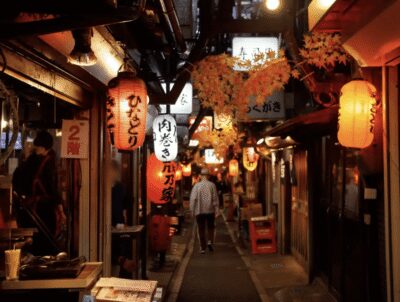 ★ 4.9Tokyo: Shinjuku Local Bar and Izakaya Guided Walking TourFrom $343 hours
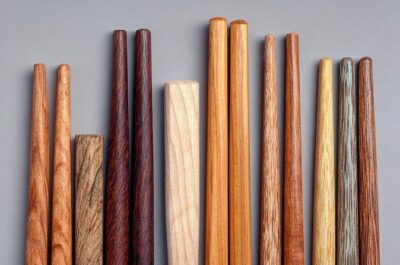 ★ 5.0Tokyo Shinjuku Chopsticks Making ClassFrom $20