
Reviewed · SUMO EXPERIENCES
Seat B Ticket Tokyo Sumo Wrestling Tournament in Ryogoku
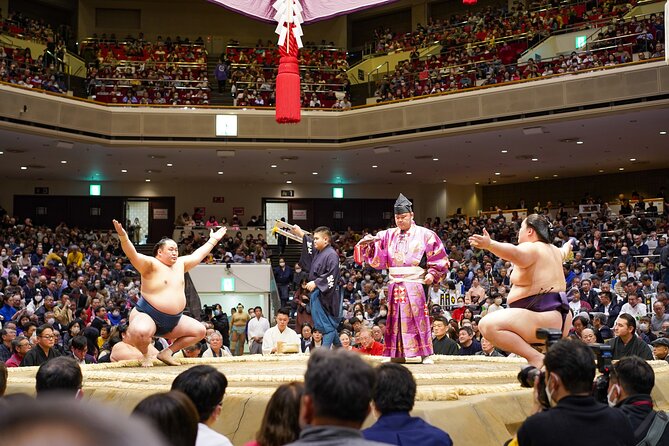
The best part of this experience is the short walk through Ryogoku, Tokyo’s sumo district, before you enter the enormous Kokugikan arena. A guide explains the sport’s rules, symbols, customs, and links to local temples, so the bouts make more sense once you take your seat. I especially like the stop at Ekoin Temple and the chance to learn from guides such as Mark, Hina, or Masao, who bring real enthusiasm to the subject.
I also like the B-rank ticket, with a second-floor seat in rows 7 through 11, and the small group size of no more than five people. The main thing to plan around is timing: the guided walk ends at about 3 p.m., but the strongest matches continue until roughly 6 p.m. Sumo may not become your new favorite sport, and the $117.61 price is easier to justify if you stay for the full tournament.
In This Review
- Key points to know before you book
- Why the Ryogoku introduction matters
- Starting at Ryogoku Edo Noren
- Walking through sumo landmarks in Ryogoku
- Ekoin Temple and the spiritual side of sumo
- Entering Ryogoku Kokugikan for the tournament
- Understanding the B-rank seat and the price
- What the guides add
- Practical planning for the afternoon
- Who will enjoy this sumo experience
- Should you book the Ryogoku sumo ticket?
- FAQ
- What is included in the ticket?
- How long does the guided tour last?
- How long does the sumo tournament continue?
- Where does the tour begin?
- Where does the experience end?
- Are food and drinks included?
- What happens if I arrive late?
Key points to know before you book
- A pre-match walk makes sumo easier to follow: You learn basic rules, customs, and Ryogoku’s connection to the sport before entering the arena.
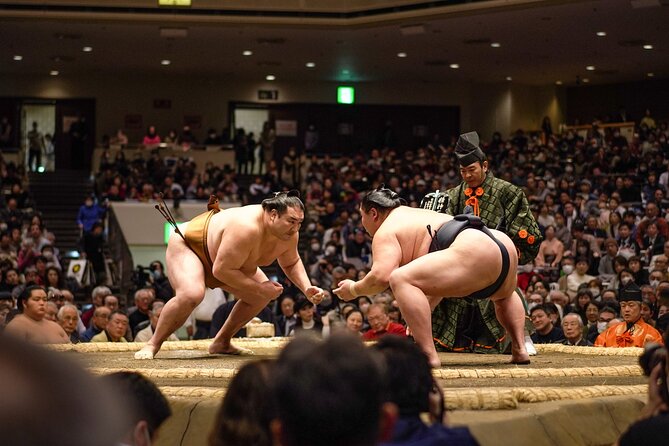
- Your ticket is a B-rank second-floor seat: The assigned area is rows 7 through 11, giving you a view of the full dohyo and the wider arena.
- The tour group is capped at five people: That gives you a better chance to ask questions during the walk.
- The guided portion lasts about 90 minutes: It begins at 1:30 p.m. and finishes near 3 p.m., while the tournament continues until around 6 p.m.
- The arena atmosphere is part of the attraction: On a full day, Kokugikan can hold about 11,000 people, creating a powerful setting for the bouts.
- Food and drinks cost extra: Bring money for refreshments if you plan to remain inside for the rest of the afternoon.
Why the Ryogoku introduction matters
Sumo looks simple at first: two wrestlers, one circular ring, and a match that can end in seconds. The details are less obvious. Rituals, flags, rankings, gestures, ring rules, and the wrestlers’ daily lives all add meaning to what you see.
That is why I think the walk before the tournament is worth more than a basic ticket pickup. A guide such as Hina has explained the culture, the sport, and the life of sumo wrestlers in a way that helps you watch with more interest. Shogun has also been praised for explaining what the flags mean and identifying the professionals in the ring.
You do not need to arrive as a sumo expert. You only need enough curiosity to ask questions and pay attention. Once you understand what is happening, the matches stop looking like a series of brief shoves and become tactical contests with strict traditions around them.
The guide also gives you a local view of Ryogoku. This is not a general Tokyo sightseeing walk with a quick photo outside the arena. The route focuses on places tied to sumo and the district’s religious and cultural past.
A few more Tokyo tours and experiences worth a look

Starting at Ryogoku Edo Noren
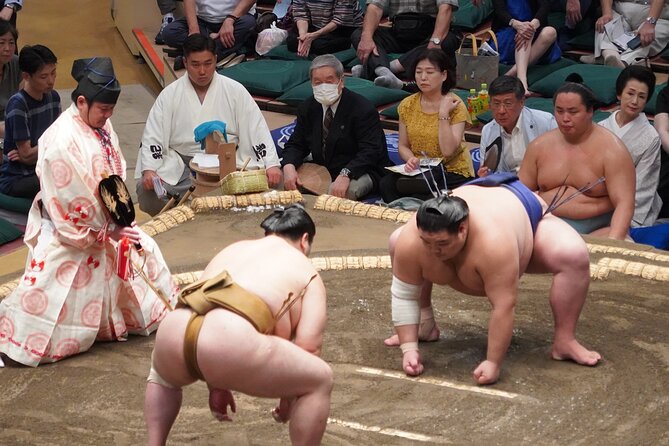
The meeting point is Ryogoku Edo Noren, at 1-3-20 Yokoami, Sumida City. The tour begins at 1:30 p.m., and you should arrive early. The operator is clear that a late arrival can mean missing the group with no refund or rescheduling.
Edo Noren is a practical starting point because it puts you close to the center of Ryogoku. The first 20 minutes are used to get oriented and hear the guide’s advice for the afternoon. You will not pay an additional admission fee for this part.
This opening is also where you can ask basic questions that may feel too obvious once you are seated in the arena. Ask about the order of bouts, what determines a win, or how to read the signs and flags. Guides including Mark and Emmy have been noted for speaking clearly and making time for questions.
The pace should suit most people. The activity is a short walking tour rather than a long city hike, though you should still wear comfortable shoes and prepare for the weather. Tokyo can be very hot in summer, with listed highs reaching 40°C, while winter temperatures can fall to about -5°C.
Walking through sumo landmarks in Ryogoku
The next 15 minutes take you around historical sumo locations in Ryogoku. This is brief, but it gives the district a sense of place before you enter the arena.
The value here is connection. Sumo is not simply an event that happens inside Kokugikan. The surrounding neighborhood is part of the sport’s identity, and your guide explains why Ryogoku became its home. You get a better sense of the district as a place shaped by sumo rather than just a convenient location for the stadium.
Do not expect a long museum visit or a detailed architectural tour. The route is compact and designed to prepare you for the tournament. If you already know a great deal about sumo, this section may feel basic. For a first visit, it gives you useful context without taking too much time away from the matches.
The small group limit helps here. With no more than five people, the guide can adjust the explanation to your interests. Mark, Hina, Masao, Emmy, and Shogun are among the guides associated with especially strong explanations, though the guide assigned to your date may differ.
Ekoin Temple and the spiritual side of sumo
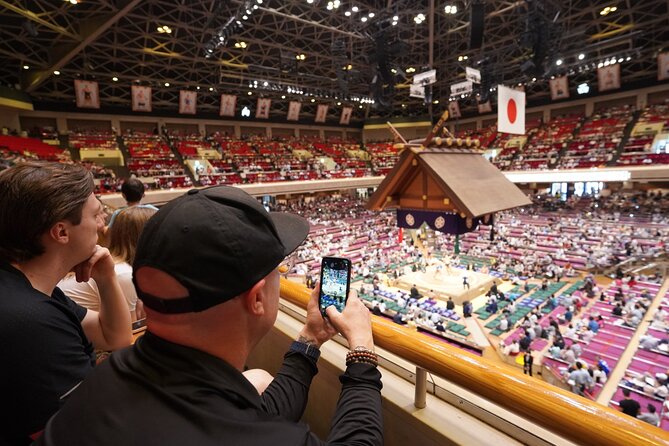
The 20-minute visit to Ekoin Temple adds a different layer to the afternoon. It is an important temple in the area, and the stop helps explain that sumo has long been linked with religious ceremony and tradition.
This is one of my favorite parts of the route because it slows the experience down. The arena will later be loud and crowded, while the temple offers a quieter place to consider the older customs behind the sport.
The information provided does not promise a private ceremony or extended temple access, so keep your expectations sensible. You are taking a short tour of an important local site, not attending a separate temple program. Still, it gives the walk more substance than a simple route from the station to the ticket entrance.
If you enjoy cultural context, this stop helps justify choosing the guided option instead of buying a seat alone. If you only want to see the matches and care little about customs, you may prefer to go directly to Kokugikan.
Entering Ryogoku Kokugikan for the tournament
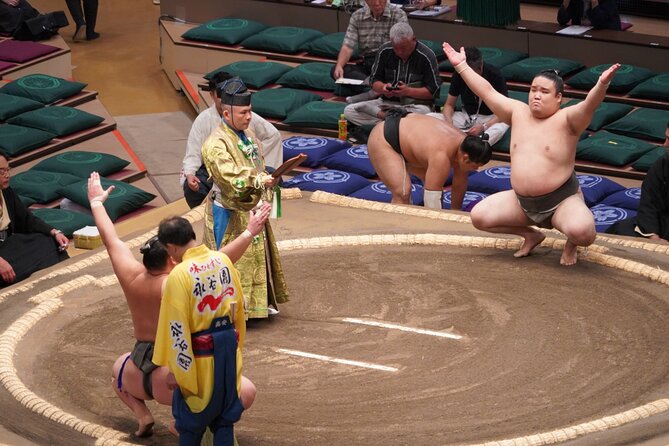
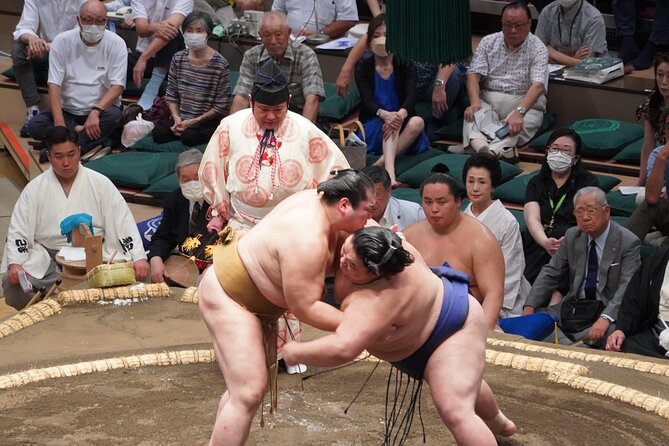
The final guided stop is Ryogoku Kokugikan, where the sumo tournament takes place. About 30 minutes of the experience is set aside for entering the arena and helping you understand how to enjoy the event.
The ticket included with this experience is a B-rank second-floor seat, listed as rows 7 through 11. That is not a ringside seat, but it should give you a broad view of the dohyo and the action around it. A second-floor position can be useful for seeing the full layout, especially when you are still learning the structure of the event.
The main guided portion ends around 3 p.m. Your ticket allows you to remain for the tournament, which is expected to continue until about 6 p.m. The later bouts feature stronger wrestlers, so leaving as soon as the walk ends would mean missing the part many people find most exciting.
That timing is important when planning your day. Treat this as an afternoon commitment, not a 90-minute activity. If you have a dinner reservation, theater ticket, or evening train, allow enough time after 6 p.m. for the arena to empty and for you to reach your next stop.
The arena itself is a major part of the experience. A full day can bring an audience of around 11,000 people, and the scale changes how the sport feels. Even if the individual bouts are short, the ceremony, crowd reaction, and repeated rhythm of the tournament create a strong sense of occasion.
A few more Tokyo tours and experiences worth a look


Understanding the B-rank seat and the price
At $117.61 per person, this is not a cheap way to spend an hour and a half. It becomes a better value when you think of it as a guided neighborhood walk plus an event ticket that lasts through the afternoon.
The ticket is the biggest part of the value. You receive a B-rank second-floor seat in rows 7 to 11, rather than paying separately for a ticket and then arranging your own introduction to the sport. You also receive tour photos, though the details of when or how those photos are delivered are not specified.
I would book this for the full tournament, not just the guided walk. The tour itself finishes at about 3 p.m., but the matches continue for another three hours. The later bouts are described as stronger, and that is when your new understanding of rankings, flags, and match rules becomes most useful.
The price may feel less worthwhile if you are unsure you like sports or Japanese cultural events. One person found the guide friendly and informative but decided sumo was not really for them. That is a fair warning: excellent explanations cannot guarantee that the sport will hold your attention.
On the other hand, if you enjoy any kind of sport, the price is easier to defend. You are paying for access to a major national sporting event, a local introduction, and a seat in one of Tokyo’s most important sumo venues.
What the guides add
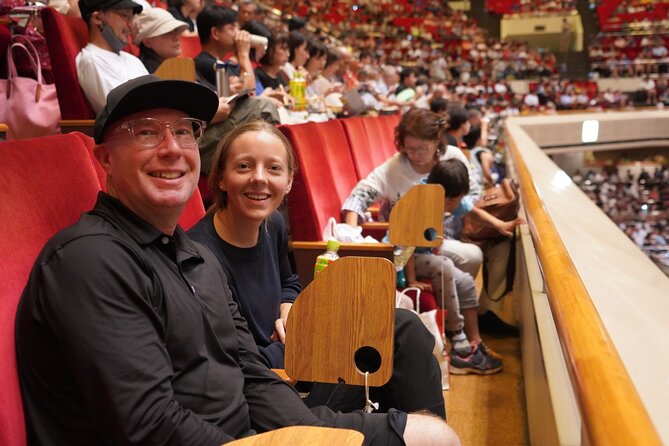
The guide can make or break the first half of the day. The strongest guide experiences described here come from people who explain clearly and show genuine interest in sumo.
Mark has been praised for his English and for making the origins of sumo understandable. Hina brings enthusiasm and explains the sport, culture, and wrestlers’ lives before you enter the arena. Masao’s personal interest in sumo adds energy to the walk, while Shogun has helped first-time viewers understand the professionals and the meaning of the flags.
Emmy has been noted for engaging with each person in the group and answering questions. That matters in a group capped at five. You are not simply listening to a speech. You have a better chance to shape the conversation around what puzzles you.
Your assigned guide may be someone else, so do not book on the assumption that one particular person will lead your date. The consistent benefit is the format: a local guide gives you a framework for watching, then leaves you to enjoy the tournament inside the arena.
The guide does not accompany you through the full event. One guide led people through the arena entrance but did not remain for the matches. Plan to watch independently after the guided portion ends.
Practical planning for the afternoon
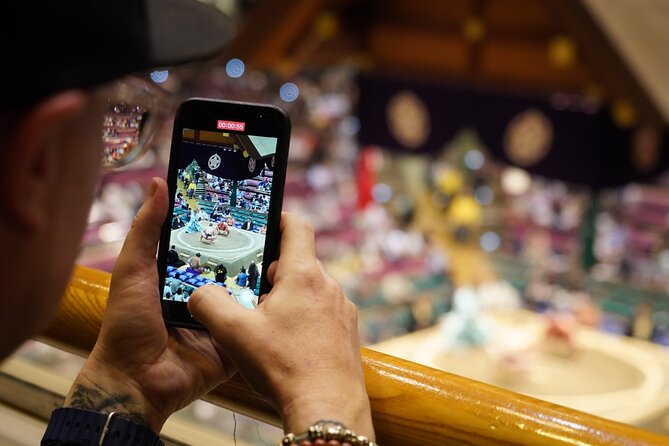
Start at Ryogoku Edo Noren at 1:30 p.m. Confirm the meeting point carefully because the address is in the Yokoami area of Sumida City, close to the Kokugikan but not the same as the arena entrance.
Arrive early enough to find the exact meeting place. The no-late-arrival rule is strict. If you miss the group, you cannot join later, receive a refund, or reschedule.
Wear shoes suitable for walking and clothing suited to the season. The operator warns of more extreme temperatures in Japan, including very hot summer afternoons and cold winter days. You should also remember that weather conditions can affect how comfortable the outdoor portions feel.
Food and drinks are not included. Since you may remain at the arena until about 6 p.m., plan for refreshments separately. The supplied information does not specify which food options are available or their prices, so do not count on a particular meal arrangement.
The ticket is mobile, which keeps the booking simple. Confirmation is issued at booking, and the activity can accommodate most people. No special accessibility details are provided, so anyone who needs specific assistance should confirm arrangements before booking.
Free cancellation is available if you cancel at least 24 hours before the start time. Changes or cancellations inside that window are not accepted for a refund.
Who will enjoy this sumo experience
I would recommend it most strongly to a first-time sumo spectator. The rules and ceremonies can be hard to read on your own, and the short walk gives you just enough background without turning the day into a classroom lesson.
It also suits people who want a cultural activity with a real local setting. Ryogoku, Ekoin Temple, and Kokugikan tell a more complete story together than the arena would on its own.
Sports fans should find the format especially rewarding. The later matches are stronger, and the explanations about flags, professionals, and match details give you more to watch for.
Families and small groups may appreciate the five-person limit, though the activity information does not give a specific minimum age or detailed child policy. Anyone who dislikes crowds, scheduled starts, or sports may want to think twice. The arena can be full, the meeting time is firm, and the guided walk cannot be skipped after booking.
Should you book the Ryogoku sumo ticket?
Book this if you want more than a seat. The guided walk through Ryogoku, the Ekoin Temple stop, and the pre-match explanations turn an unfamiliar sport into something you can follow. The arena atmosphere, especially during the stronger later bouts, is the real payoff.
Skip it if you only want a quick glimpse of sumo or are doubtful that live sport interests you. The $117.61 cost is easier to defend when you stay until around 6 p.m. and use the guide’s background throughout the tournament.
For a first sumo experience in Tokyo, this is a practical choice: small group, mobile ticket, useful local context, and a B-rank seat already arranged. Just arrive on time, dress for the weather, and reserve the rest of your afternoon.
FAQ
What is included in the ticket?
The experience includes a Tokyo Grand Sumo Tournament ticket at Ryogoku Kokugikan, in a B-rank second-floor seat listed as rows 7 through 11. Tour photos are also included.
How long does the guided tour last?
The guided portion lasts about 1 hour and 30 minutes. It begins at 1:30 p.m. and ends around 3 p.m.
How long does the sumo tournament continue?
The tournament continues until about 6 p.m. The later matches are expected to feature stronger wrestlers.
Where does the tour begin?
The meeting point is Ryogoku Edo Noren, at 1-3-20 Yokoami, Sumida City, Tokyo 130-0015.
Where does the experience end?
The guided experience ends at Ryogoku Kokugikan Sumo Arena, at 1-3-28 Yokoami, Sumida City, Tokyo 130-0015. You can remain for the tournament after the tour ends.
Are food and drinks included?
No. Additional food and drinks are not included in the price.
What happens if I arrive late?
You must arrive on time. If you miss the group because you are late, you cannot join the tour later, receive a refund, or reschedule.
More Tickets in Tokyo


More Tickets & Passes in Tokyo
More Sumo Experiences in Tokyo

More tours in Tokyo we've reviewed




Sumo Experiences, compared.
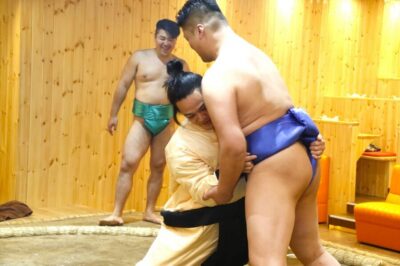 ★ 4.8Tokyo: Sumo Show Experience with Chicken Hot Pot and a PhotoFrom $1032 hours
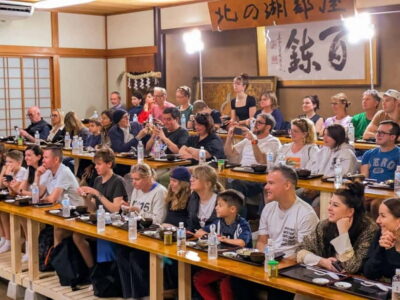 ★ 4.8Tokyo: Sumo Show and Dining ExperienceFrom $7990 minutes - 2 hours
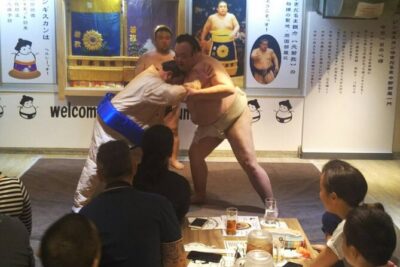 ★ 5.0the SUMO showFrom $89
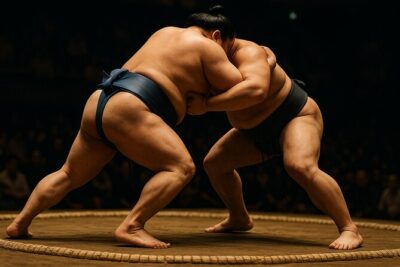 ★ 5.0Tokyo Shinjuku Sumo Show & Experience with PhotoFrom $79
 ★ 4.8Tokyo: Sumo Show and Experience in ShinjukuFrom $691h 30m
 ★ 4.6Tokyo: Sumo Tournament Tour with Chair Seat TicketsFrom $141