
Reviewed · SAMURAI & NINJA EXPERIENCES
Tokyo: Ninja Sword Fighting Experience
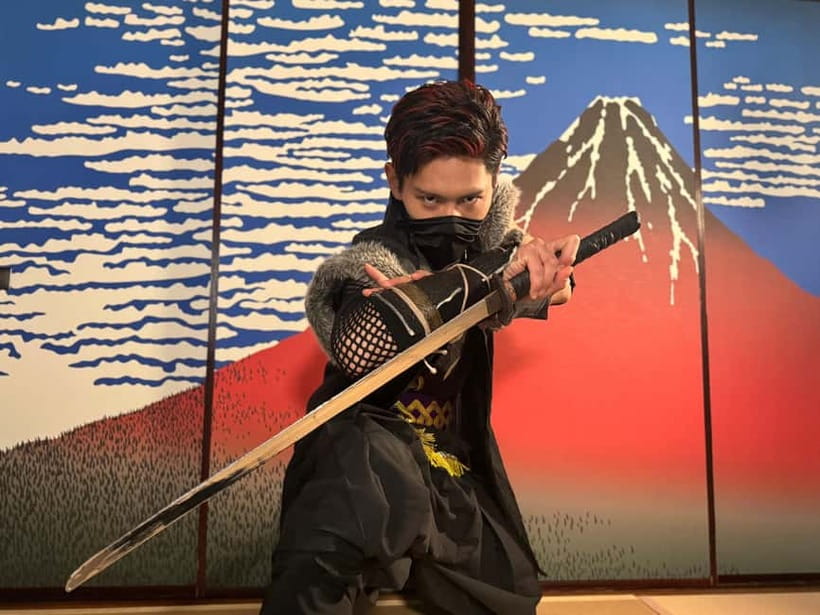
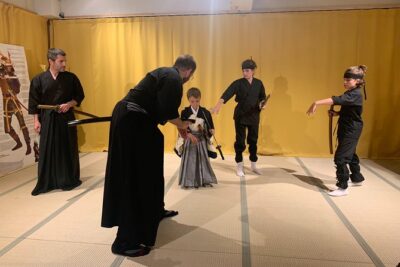
You do not just watch a ninja show in this central Tokyo workshop. You warm up, learn basic movements, handle a practice sword, and work with an instructor on a short action scene. The session is friendly and hands-on, with professional ninja instructors, including Master Dai, guiding beginners step by step.
I like the small six-person limit, which gives you room to practice without getting lost in a crowd. I also like the mix of history, training, demonstration, and photos, all packed into one hour for $22. The main drawback is that this is a short introductory class, not serious martial arts training, and a ninja costume is not included.
In This Review
- Key points to know before you book
- A one-hour introduction to ninja movement
- Warm-up and the first ninja movements
- Paired training with a professional ninja
- The live ninja demonstration
- Photos and the short movie-style finish
- What the $22 price really buys
- Getting to the studio in central Tokyo
- Who will enjoy this experience most
- The most useful booking tips
- Should you book the Tokyo ninja workshop?
- FAQ
- How long does the ninja sword fighting experience last?
- How much does the experience cost?
- Where is the meeting point?
- Is the class taught in English?
- Is a ninja costume included?
- Can I cancel my booking?
Key points to know before you book
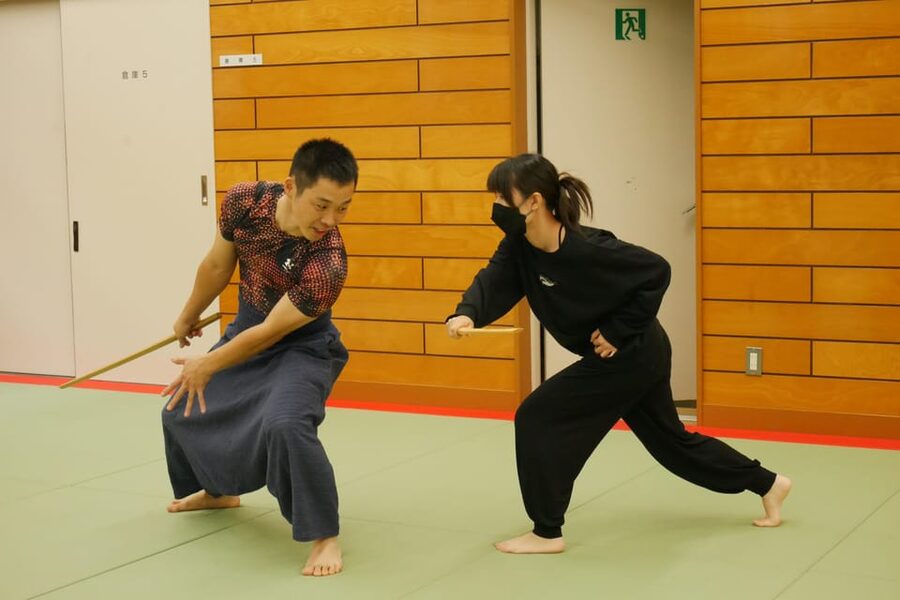
- You learn with a practice sword: Work on safe, basic ways to hold, pose, and strike.
- The class is limited to six people: Small numbers allow more direct help from the instructors.
- Master Dai may lead the session: His class includes basic sword work, paired training, and action choreography.
- You get both instruction and a demonstration: Watch a trained ninja perform techniques at close range after you practice.
- The experience costs $22 for one hour: That is a strong price for an activity with training and a photo opportunity.
- Central Tokyo access is simple: The studio is near Tokyo Station, Ginza, and Tsukiji, though you arrange your own transportation.
A one-hour introduction to ninja movement
This experience works best if you think of it as a lively stage-combat workshop with a ninja theme. You are not signing up for a long martial arts course. Instead, you get a compact session that lets you try the main ingredients: movement, sword handling, partner work, and performance.
The class begins when you arrive at Samurai Experience Photo Studio ICHI, the name to search for on Google Maps. The meeting point is in central Tokyo, at coordinates 35.6658949, 139.7852608. Since the activity lasts only an hour, arrive 15 minutes early. That gives you time to find the studio and settle in before the action starts.
Your instructors speak English and Japanese. That matters here because sword positions and body movements are easier to learn when you can see them demonstrated and receive quick corrections. The class is designed for beginners, and you can take part actively or mainly observe if you prefer.
A few more Tokyo tours and experiences worth a look
Warm-up and the first ninja movements
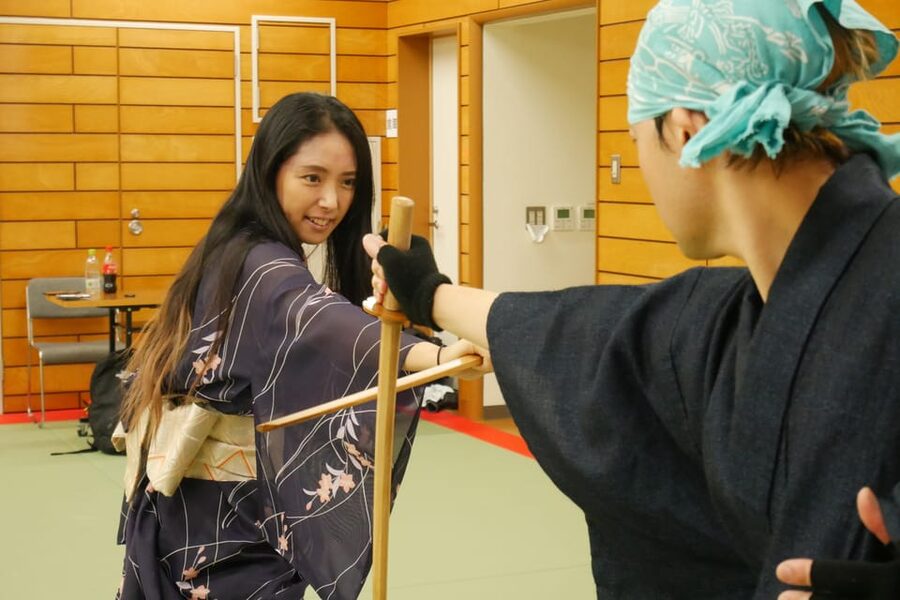
The session opens with a warm-up. This is a useful start rather than filler, since you will be standing, moving, posing, and practicing controlled strikes. Wear comfortable clothing and shoes that let you move easily. You do not need to bring special equipment.
After warming up, the instructors introduce the basic movements of a ninja. Expect simple positions and actions rather than a long technical lesson. You learn how to hold the practice sword, how to set your body for a pose, and how to make a basic strike.
I like this part because it gives you something concrete to do right away. Many themed activities ask you to watch a performance and take a photo. Here, you get involved before the demonstration, so you have a better sense of what requires timing, balance, and control.
The sword is for practice, and the activity focuses on basic techniques. Still, you should follow the instructor closely and avoid treating it like a free-play sword fight. The paired work is guided and choreographed, not an invitation to swing wildly.
Paired training with a professional ninja
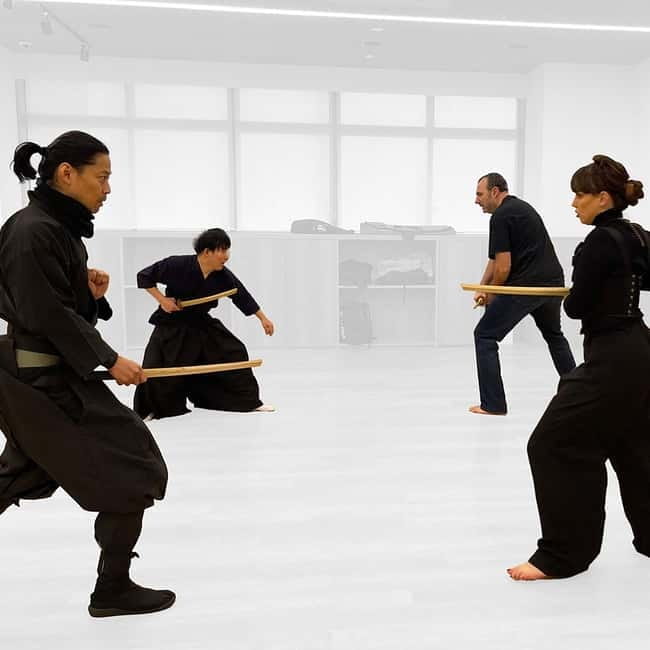
Once you have the basic movements, you work with a professional ninja in a paired exercise. This is the most active portion of the class and the part most likely to make you feel like you have stepped into an action scene.
The pair work gives you a chance to practice timing. You respond to an instructor, repeat a movement, and learn how the basic poses and strikes fit together. The point is not to defeat your partner. The point is to perform a short sequence with control and enough style for the camera.
The small group helps here. With no more than six participants, the instructor can watch what you are doing and guide you through the sequence. That is especially helpful if you have never handled a practice sword or performed choreographed movement.
One useful expectation: this is not a physically demanding combat course. The information describes basic movements and action choreography, so you should expect a light activity rather than strenuous exercise. It still requires comfortable clothes and shoes, and the experience is not suitable for pregnant people or those with mobility impairments.
The live ninja demonstration
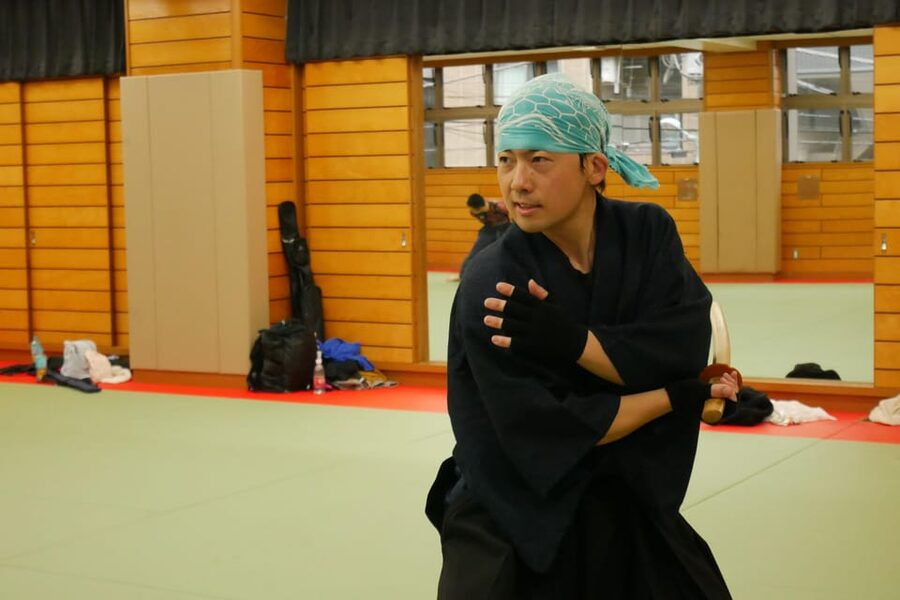
After you practice, a skilled ninja performs a live demonstration. You get to watch refined technique at close range, which gives the class a clear before-and-after rhythm: first you learn the building blocks, then you see how a trained performer uses them.
This demonstration is valuable because some ninja movements can look simple until you try them. A clean pose or strike depends on position and timing. Seeing the instructor perform helps put your own practice in context without requiring the class to become a long lecture.
The workshop also includes an introduction to ninja history and culture. The supplied details do not promise a full historical seminar, so keep your expectations measured. You will receive background as part of the session, but the main focus is participation and performance.
That balance suits a short Tokyo activity. You get cultural context, but you are not giving up most of the hour to a talk. If your main interest is detailed Japanese military history, you will need a separate museum visit or longer cultural program. If you want a memorable activity with a bit of context, the format makes sense.
Photos and the short movie-style finish
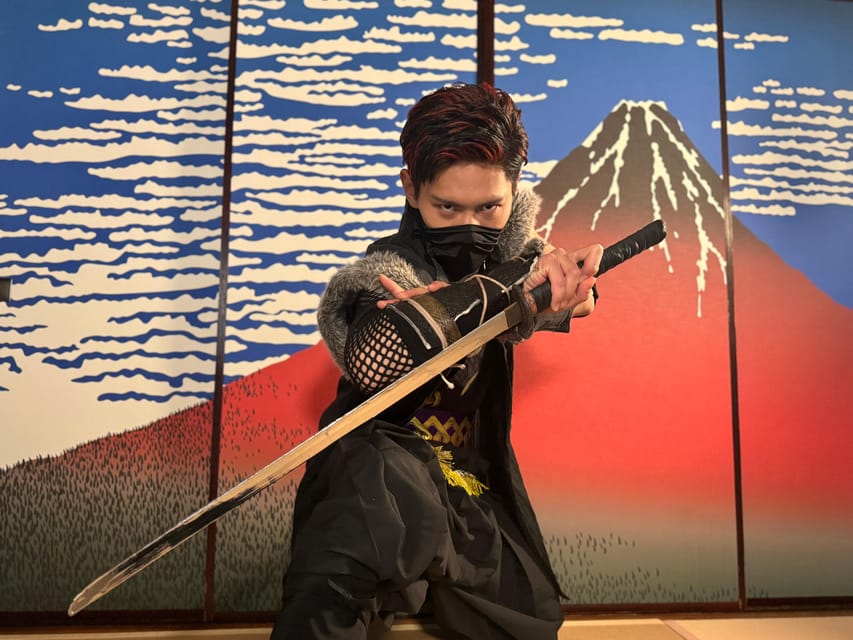
The session ends with photos alongside the ninjas. This is more than a quick souvenir snapshot. The workshop is built around poses, sword movements, and action choreography, so the photos help preserve the part of the class that feels most different from an ordinary sightseeing stop.
One especially useful detail comes from the experience with Master Dai: the basic sword lesson can lead into making your own small ninja movie. That gives the final part a clear purpose. You are not simply standing beside an instructor. You are using the movements you just learned in a playful action sequence.
The available information says that photos are included, and one account also describes pictures and videos taken during the class. Since the formal inclusions specifically list a photo opportunity, I would treat photos as guaranteed and video as something that may depend on the session or instructor. If having video matters to you, confirm it when booking.
You do not need a ninja costume. Costumes are not included, so plan on wearing your own comfortable clothes. That keeps the price down, but it also means the photos will have a more casual studio-workshop feel rather than a full costume portrait.





What the $22 price really buys
At $22 per person, this is inexpensive by Tokyo activity standards. You receive a one-hour ninja training session, hands-on practice, use of a practice sword, a live demonstration, and a photo opportunity. The small group size adds value because you are not paying to watch from the back of a large room.
The price is strongest for families, couples, friends, and solo visitors who want a short activity between sightseeing stops. It is also a sensible choice if you are curious about martial arts but do not want to commit to a full class.
There are limits. Meals and drinks are not included, transportation is not included, and you supply your own clothing. The session is also too short for anyone seeking serious instruction. Think of the $22 as the cost of a guided cultural activity and a fun performance workshop, not a professional training course.
The perfect value calculation depends on what you want from Tokyo. If you want a low-cost activity with personal instruction and photos, this is a good use of an hour. If you would rather spend your money on a longer class with more technical detail, this may feel brief.
Getting to the studio in central Tokyo
The studio is conveniently placed for a day that includes central Tokyo. It is described as easy to reach from Tokyo Station, Ginza, and Tsukiji. You must arrange your own transportation, so allow enough time for the walk and for finding the exact entrance.
Search Google Maps for Samurai Experience Photo Studio ICHI. Using the registered name is more practical than searching only for a general term such as Tokyo ninja experience. The coordinates are 35.6658949, 139.7852608 if you want to check the location before leaving your hotel.
Arrive 15 minutes early. This is particularly important for a one-hour class because arriving late could cut into the warm-up and instruction. Wear shoes and clothing suitable for physical activity, and do not smoke at the venue.
The activity is not suitable for pregnant people or those with mobility impairments. The supplied information does not give details about wheelchair access or specific modifications, so contact the provider before booking if you have access concerns.
Who will enjoy this experience most
I would recommend this workshop to you if you want to take part in something rather than simply look at another Tokyo sight. It is a good fit for:
- First-time visitors who want a distinctly Japanese themed activity
- Families with participants who can manage light physical activity
- Couples and friends looking for memorable photos
- Solo visitors who appreciate a small class and guided instruction
- Beginners curious about sword movement and action choreography
- Fans of ninja films who understand that this is a staged introductory workshop
The experience also suits people who are nervous about martial arts. The instruction is designed for beginners, and the format moves from warm-up to basic movements before partner work. You are not expected to arrive with prior skill.
It is less suitable if you want authentic combat training, a long history lesson, or a fully costumed theatrical show. It is also a poor choice if standing and moving are difficult for you, or if you are pregnant.
The most useful booking tips
Book a time that leaves you some breathing room before your next activity. A one-hour class can fit neatly into a Tokyo itinerary, but add time for arrival and local transportation.
Keep your clothing simple. Loose, comfortable clothes are more useful than a polished sightseeing outfit, and practical shoes will help you move through the warm-up and paired exercises.
The class is limited to six people, so reserve ahead if your schedule is tight. You can reserve now and pay later, which helps if you are still arranging several Tokyo days. Free cancellation is available up to 24 hours before the start time for a full refund.
At the start, listen carefully to the safety instructions. The experience is meant to feel exciting, but the best results come from controlled movement and following the instructor’s pace. The instructors are described as friendly and helpful, and Master Dai’s step-by-step approach is a strong reason for beginners to feel comfortable.
Should you book the Tokyo ninja workshop?
Book it if you want a low-cost, compact activity where you can learn a few sword movements, train with a professional ninja, watch a demonstration, and leave with photos. The six-person limit and English-language instruction make the $22 price especially appealing.
Skip it if you are looking for advanced martial arts training, a costume rental, or an extended study of ninja history. For most visitors, though, this is an easy activity to fit near Tokyo Station, Ginza, or Tsukiji, and the chance to make a short ninja movie gives it more substance than a standard photo stop.
FAQ
How long does the ninja sword fighting experience last?
The workshop lasts one hour. You should arrive 15 minutes before the scheduled start time.
How much does the experience cost?
The price is $22 per person.
Where is the meeting point?
The venue is registered as Samurai Experience Photo Studio ICHI on Google Maps. The coordinates are 35.6658949, 139.7852608.
Is the class taught in English?
Yes. The instructors speak English and Japanese.
Is a ninja costume included?
No. A ninja costume is not included. You should bring comfortable clothes and shoes suitable for physical activity.
Can I cancel my booking?
Yes. You can cancel up to 24 hours in advance for a full refund. You can also reserve now and pay later.
More Samurai & Ninja Experiences in Tokyo
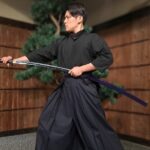
More tours in Tokyo we've reviewed








Samurai & Ninja Experiences, compared.
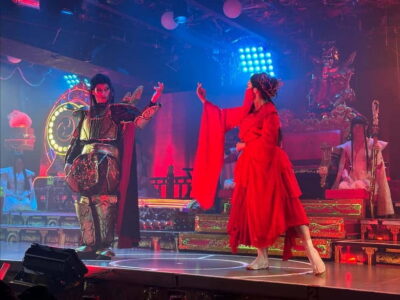 ★ 4.5Tokyo: Samurai Restaurant Show Ticket with 2 DrinksFrom $551h 30m
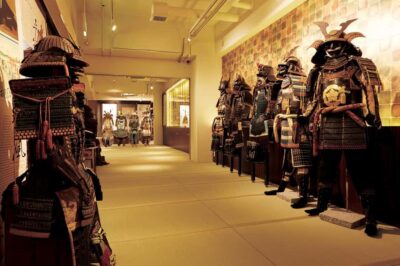 ★ 4.6Tokyo: Samurai Ninja Museum Guided tour and ExperienceFrom $27
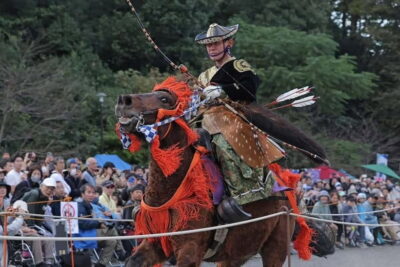 ★ 5.0Tokyo: Samurai Sword & Archery Class from Samurai DescendantFrom $1933 hours
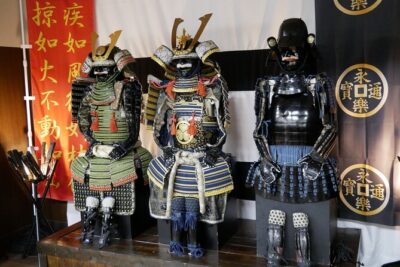 ★ 5.0Best Samurai Experience in TokyoFrom $65
 ★ 5.0Ninja Experience (Family Friendly) at Samurai Ninja Museum TOKYOFrom $47
 ★ 4.6Tokyo: Samurai Entertainment Night Show in Kanda ShrineFrom $412 - 3 hours