
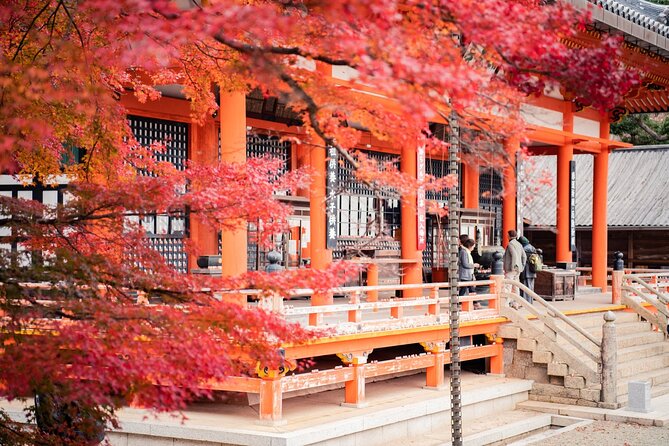
Reviewed · KAMAKURA & ENOSHIMA DAY TRIPS
Private Full-Day Kamakura-Enoshima Tour with Bilingual Driver
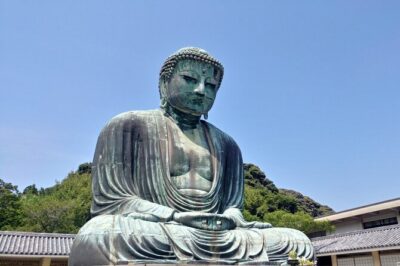
Kamakura’s Great Buddha is the star here: a huge bronze Amitābha statue sitting outdoors, where you can walk right up to one of Japan’s best-known religious icons. In one long day, you also reach historic shrines, Hasedera Temple, Yokohama’s Chinatown, and the shore at Enoshima without figuring out several train lines.
I like the private car and pickup from your Tokyo address, especially for families or groups of up to six. I also like the freedom to spend more time at a favorite stop, something driver Mukarram did for one group, while Abdul added friendly guiding and useful background. The drawback is the pace: ten hours covers a lot, and admission fees are not included.
In This Review
- Key points at a glance
- Why this private day trip works from Tokyo
- The Great Buddha: Kamakura’s unforgettable first stop
- Tsurugaoka Hachimangu puts Kamakura in context
- Hasedera adds gardens and a quieter temple mood
- Komachi Street brings food and shopping into the day
- Yokohama Chinatown widens the day beyond Kamakura
- Crossing Enoshima Benten Bridge
- Enoshima Beach and the chance of Mount Fuji
- What the private vehicle adds
- Is $448.10 fair for up to six people?
- Who should book this Kamakura and Enoshima day?
- Should you book it?
- FAQ
- How long does the tour last?
- How many people can join the private tour?
- Is pickup from Tokyo included?
- Is transportation private?
- Is the tour ticket available on a mobile device?
- Is the Great Buddha admission included?
- Does the tour include bottled water?
- What happens if bad weather cancels the tour?
Key points at a glance
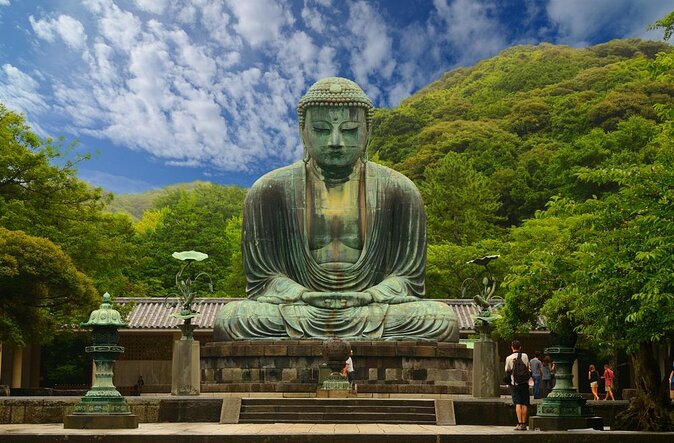
- The Great Buddha of Kamakura: Spend about an hour with Kamakura’s famous outdoor bronze statue. The ¥300 admission fee is extra.
- Private transport from Tokyo: An air-conditioned vehicle and round-trip pickup remove the need to manage public transport across several destinations.
- A six-person maximum: The $448.10 rate is per group, not per person, making the arithmetic more favorable for larger parties.
- Three different settings in one day: Move from temple grounds and shrine paths to Komachi Street, Enoshima Bridge, and the beach.
- Flexible time at stops: The driver can adjust the day to your interests, though the full route still makes for a busy schedule.
- Possible Mount Fuji sighting: Clear conditions may bring a view of Mount Fuji from Enoshima.
Why this private day trip works from Tokyo
Kamakura and Enoshima are close enough to visit from Tokyo, yet the day becomes harder when you must connect several rail routes, locate each site, and keep a group moving. This tour solves that problem with private transportation from your address in Tokyo and a bilingual driver.
That convenience is the main reason to consider it. You are not buying a slow, leisurely visit to one town. You are buying a full day of transport and sightseeing that links Kanagawa’s major stops in a logical way.
The tour lasts about ten hours. That gives you time for the Great Buddha, Tsurugaoka Hachimangu Shrine, Hasedera Temple, Komachi Street, Enoshima Benten Bridge, and Enoshima Beach, with Yokohama and its Chinatown included in the overall description. The listed stop schedule adds up to about five hours, leaving the rest of the day for driving, pickup, meals, traffic, and transitions.
That matters because the route covers a lot of ground. I would choose this for a first look at the area, not for a quiet, deep visit to every temple. You will see a useful range of places, but you should expect a full day rather than a relaxed local outing.
A few more Tokyo tours and experiences worth a look
The Great Buddha: Kamakura’s unforgettable first stop
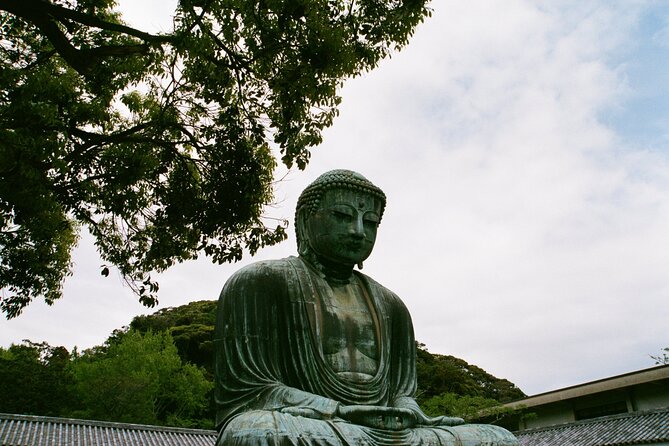
Kotoku-in Temple contains the Great Buddha of Kamakura, an outdoor bronze image of Amitābha and a designated National Treasure. The statue is the kind of sight that works even when you know exactly what to expect. Its size, open setting, and direct access give it a strong visual impact.
The planned visit lasts about one hour. That is enough time to see the statue, take photographs, and look around the temple grounds without letting one stop swallow the day.
Admission is not included. The supplied information lists the Great Buddha fee as ¥300 per person. Since this is the only entrance price specifically given, you should plan to pay separately for any other site that charges admission.
A private car is useful here because the group can arrive together and leave when ready. You do not need to make everyone meet at a station or rush away because of a train timetable. The tradeoff is that one hour may feel short if you want a slower look at the grounds.
Tsurugaoka Hachimangu puts Kamakura in context
Tsurugaoka Hachimangu is Kamakura’s most important Shinto shrine and sits at the city’s cultural center. The scheduled two hours make this the longest stop, which is sensible. The shrine is not just a quick photograph. You have time to walk through the grounds, take in its architecture, and pause in the gardens and open spaces.
This is also the stop that best explains Kamakura as a historic city. The Great Buddha is a single powerful image, while Tsurugaoka Hachimangu gives you a broader sense of how religion and civic life meet in the city.
Two hours can work well for a mixed group. One person can focus on the shrine buildings, another can take a slower walk, and nobody needs to sprint back to the vehicle. Still, anyone wanting a detailed temple-by-temple visit may find the overall tour too broad.
The shrine grounds involve walking, and the day includes several other sites with paths and stairs. One person specifically noted the stairs as a consideration. If anyone in your group tires easily, use the driver’s flexibility wisely and do not feel obliged to linger equally at every stop.
Hasedera adds gardens and a quieter temple mood
Hasedera is connected with an approximately 1,300-year-old tradition involving two Kannon statues carved from a sacred tree. The statue enshrined here is commonly called the Eleven-Headed Kannon.
The planned hour gives you a focused visit rather than a long temple study. This stop is especially useful after the larger Great Buddha and shrine because it brings a different religious setting into the day. The grounds include beautiful gardens, giving you a chance to slow down and enjoy more than major architecture.
Stairs are part of the practical picture. You should be ready for some uphill or stepped walking, and comfortable shoes will help. The tour is described as suitable for most people, but that does not mean every part will be easy for every body.
Hasedera is also where the private format can help. If your group prefers the Buddha and shrine, you can keep this visit concise. If the gardens catch your attention, you have some room to linger, depending on the day’s traffic and timing.
Komachi Street brings food and shopping into the day
Komachi Street gives the itinerary a change of rhythm. This popular shopping street is known for daytime crowds, new noodle shops, and bargains. You have about 45 minutes here, with no admission fee.
That short slot is best for a snack, a quick look at local shops, or a bit of people-watching. Do not treat it as a full shopping afternoon. The street is frequently crowded, so moving with a group may take longer than expected.
I like having this stop because temple-heavy days can begin to blur together. Komachi Street gives you an ordinary, commercial side of Kamakura, even if the visit is brief. It also offers a natural chance to buy food or small items, though the tour data does not specify a meal stop or restaurant.
Keep your expectations practical. You are not getting a guided food tour, and the time may pass quickly if you stop often. Use it as a break between cultural sites.
Other private tours in Tokyo

Yokohama Chinatown widens the day beyond Kamakura
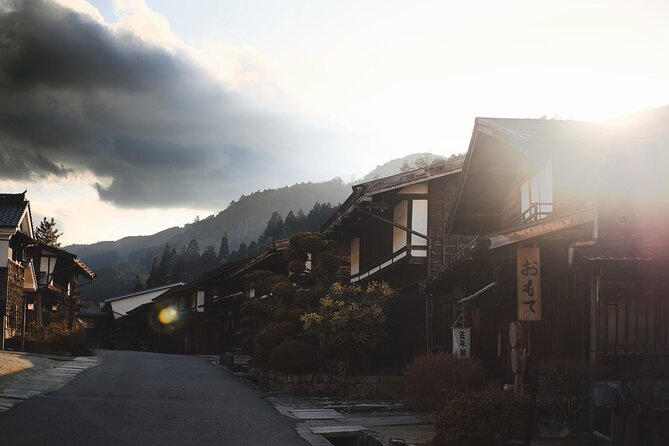
The tour also includes Yokohama, with a walk through one of the world’s largest Chinatown districts. This is an important part of the route because it takes you beyond Kamakura’s shrines and temples and adds a different urban setting.
The supplied stop list does not assign a separate duration to Chinatown, so the exact time can depend on traffic, the group’s interests, and the rest of the schedule. That uncertainty is worth noting. The advertised route includes many major sights, but not every place receives a long, fixed visit.
For me, this makes the tour appealing to first-time visitors who want a broad introduction to the area. You get religious landmarks, shopping, city culture, and the coast in one day. If Chinatown is your top priority, ask the provider how much time is expected there before booking.
Crossing Enoshima Benten Bridge
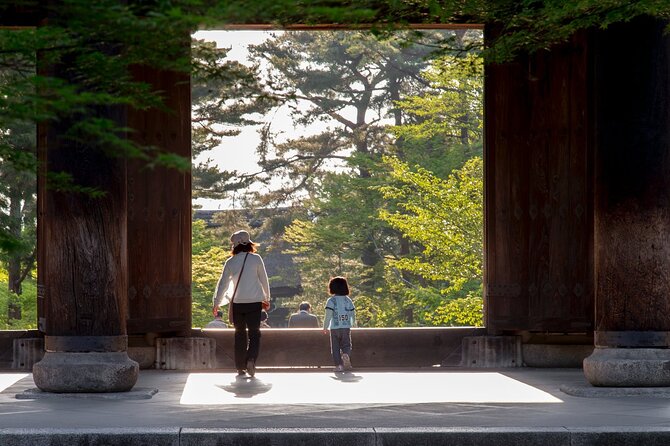
Enoshima Benten Bridge links Enoshima Island with Katase Town in Fujisawa City and is the only route onto the island. The tour allows about 30 minutes here, with no admission fee.
This is a simple stop, but it helps you understand the island’s setting. The bridge gives you an open view toward Enoshima and creates a clear transition from mainland sightseeing to the island itself.
Do not expect half an hour to cover every corner of Enoshima. Think of this as a scenic crossing and orientation stop. The bridge may be more meaningful to you if you enjoy coastal views and photographs than if you prefer monuments with long historical explanations.
Enoshima Beach and the chance of Mount Fuji
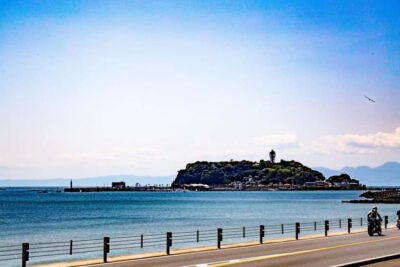
The final listed stop is Enoshima Beach, with about one hour to enjoy the shore and the island setting. Enoshima is a small offshore island at the mouth of the Katase River, with a circumference of about four kilometers.
The beach gives the day a welcome change from stone paths, shrine grounds, and city streets. You can take in the coast, walk a little, and enjoy the open air before returning to Tokyo.
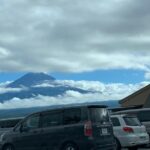
Clear weather may also bring an unexpected view of Mount Fuji from Enoshima. That is a bonus, not a promise. The tour requires good weather, and poor conditions can lead to a different date or a full refund. Even on a clear day, visibility determines how much of Mount Fuji you see.
Because this is the last part of a long day, the one-hour allowance feels useful. You can enjoy the shore without turning the visit into a demanding island hike. The tour does not promise an extensive exploration of Enoshima, so keep the focus on the bridge, beach, and views.
What the private vehicle adds
The tour includes an air-conditioned vehicle, private transportation, bottled water, and pickup from your address in Tokyo. Only your group participates, with space for up to six people.
That setup is most valuable when your group has mixed ages or different sightseeing speeds. You can leave luggage or day bags in the vehicle, avoid repeated station transfers, and stay together. A private driver also gives you one person to contact when plans need a small adjustment.
The bilingual driver is central to the experience. Abdul is identified as both driver and guide, with a friendly manner and useful site knowledge. Mukarram is described as obliging and willing to let a group take its own time at the places that mattered most to them.
Do not assume the service is the same as a specialist temple tour led by a licensed local historian. The strongest benefit is flexible transport with bilingual assistance and guiding along the way. If you need detailed religious or architectural interpretation at every stop, confirm what level of guiding is included.
Is $448.10 fair for up to six people?
The price is $448.10 per group, up to six people. Split six ways, that is about $74.68 per person before admission fees. For four people, it is about $112.03 each, and for two people, about $224.05 each.
Those figures show where the value lies. A full group gets a much better deal than a couple. You are paying for a ten-hour private vehicle, pickup and return transport from Tokyo, air conditioning, bottled water, and the ability to visit several destinations without managing public transport.
The price does not include the Great Buddha’s ¥300 admission fee per person. Other entrance costs are also not specified as included, so keep a little extra money ready for any site fees, food, or shopping.
I would call this fair for a group of five or six that wants convenience and broad coverage. For one or two people, public transport will likely be less expensive, though it will require more planning and less flexibility. The tour’s value is time and ease, not simply getting from Tokyo to Kamakura.
Who should book this Kamakura and Enoshima day?
This tour suits you if you want to see the area in one day and prefer a private vehicle to trains and buses. It is a good match for families, small groups, and anyone who values pickup at their Tokyo address.
It also works well for first-time visitors who want a sampler: Kamakura’s major religious sights, Komachi Street, Yokohama Chinatown, and Enoshima’s coast. The route gives you enough variety to decide which place deserves a longer return visit.
I would hesitate if you want a slow day at one or two temples, a serious food itinerary, or a long walk around all of Enoshima. The ten-hour schedule is full, and traffic can affect how much time remains at each place.
The average booking lead time is 21 days, so planning ahead is sensible. Free cancellation is available if you cancel at least 24 hours before the start time. Changes made inside that window are not accepted, and poor weather can lead to a new date or full refund.
Should you book it?
Book this private day trip if your priority is coverage without transport stress. A full group of six gets the best value, and the flexible approach described by drivers Abdul and Mukarram can make the long route feel more personal.
Skip it if you want to explore Kamakura slowly or keep costs as low as possible. The tour gives you a broad, practical introduction to Kanagawa, but it asks you to accept a busy day, separate admission fees, and limited time at some stops.
FAQ
How long does the tour last?
The tour lasts approximately 10 hours.
How many people can join the private tour?
Up to six people can participate in the private group.
Is pickup from Tokyo included?
Yes. Round-trip transfers from your address in Tokyo are included.
Is transportation private?
Yes. The tour includes private transportation in an air-conditioned vehicle.
Is the tour ticket available on a mobile device?
Yes. A mobile ticket is offered.
Is the Great Buddha admission included?
No. The Great Buddha admission fee is listed separately at ¥300 per person.
Does the tour include bottled water?
Yes. Bottled water is included.
What happens if bad weather cancels the tour?
Because the experience requires good weather, you will be offered a different date or a full refund if poor weather causes cancellation.
More Full-Day in Tokyo
More Private Tours in Tokyo
More Kamakura & Enoshima Day Trips in Tokyo
More tours in Tokyo we've reviewed

Kamakura & Enoshima Day Trips, compared.
 ★ 4.5Tokyo: Kamakura & Enoshima Day Trip including Temple TicketsFrom $589 hours - 570 minutes
 ★ 4.5Tokyo: Mt. Fuji, Kamakura, Big Buddha, & Lake Ashi Day TripFrom $4910 - 11 hours
 ★ 4.5From Tokyo: Kamakura & Enoshima 1-Day Bus TourFrom $66
 ★ 5.0Kamakura Historical Walking Tour with the Great BuddhaFrom $98
 ★ 5.0Kamakura Private Tour: Temples, Nature, and the Great BuddhaFrom $98
 ★ 5.0Kamakura Walking Tour – The City of ShogunFrom $35