
Reviewed · MT FUJI DAY TRIPS
From Tokyo: Mount Fuji Full-Day Customized Private Tour
Mt. Fuji is the star, but the best part of this private day tour is the range of views and local stops packed into one long outing. You can see the mountain from Oshino Hakkai, Chureito Pagoda, Lake Kawaguchi, and the famous 5th Station, then continue toward Hakone and Lake Ashi.
I like having a private vehicle and a National Government Licensed English-speaking guide. I also like the choice of pickup and drop-off points, plus the chance to shape the day around family photos, gardens, shrines, shopping, or nature. The main drawback is distance: ten hours can feel rushed if you try to fit every listed stop into one day, and Mt. Fuji may disappear behind clouds.
In This Review
- Key points
- Why a private Mt. Fuji day can make sense
- Starting from Tokyo, or another pickup point
- First views of Fuji at the 5th Station
- Oshino Hakkai and the Fuji village setting
- Chureito Pagoda and Arakura Fuji Sengen Shrine
- Lake Kawaguchi, Oishi Park, and the famous station stop
- Kitaguchi-hongu Fuji Sengen Shrine
- Hakone and Owakudani Valley
- Lake Ashi and the Hakone Open-Air Museum
- Gotemba Premium Outlets as an optional change of mood
- Guides, vehicles, and the value of a small private group
- Weather, timing, and the Fuji gamble
- How the feedback affects my decision
- Who should book this Fuji and Hakone route?
- Should you book it?
- FAQ
- How long does the tour last?
- How many people can join the private group?
- How much does the tour cost?
- Where can I be picked up?
- Where can I be dropped off?
- Is Mt. Fuji guaranteed to be visible?
- Is lunch included?
- What languages are available?
- Can I cancel for a full refund?
Key points
- Private group for up to six: The $321 group price works best when shared by a full party.
- Several Mt. Fuji viewpoints: Oshino Hakkai, Chureito Pagoda, Lake Kawaguchi, Oishi Park, and the 5th Station offer different angles.
- A flexible route: The day may include Hakone, Owakudani, Lake Ashi, the Open-Air Museum, or Gotemba Premium Outlets.
- Named guides praised for personal service: Malik and Ali are specifically identified in the feedback, with Ali taking one family to Fuji-Q Highland’s children’s play area.
- Weather matters: Clear views of Fuji are never guaranteed, and poor conditions can change the plan.
- Good for families and small groups: A private car makes photo stops and pacing easier than a large coach tour.
Why a private Mt. Fuji day can make sense
Mt. Fuji is close enough to Tokyo for a day trip, but the sightseeing area is spread across a wide part of Honshu. Public transport can get you there, yet connecting several viewpoints, shrines, villages, and Hakone attractions takes planning. A private car removes much of that work.
You also avoid the fixed pace of a large bus. If your group wants more time at Chureito Pagoda, less time shopping, or a quick stop for photos by Lake Kawaguchi, a private guide can adjust the day. The tradeoff is that the route still covers a lot of ground, so you should agree on priorities early.
The advertised price is $321 per group of up to six, not per person. That works out to about $53.50 each if six people share the cost, before any optional extras. For a couple, the per-person price is much higher, but the privacy and direct transport may still appeal if you value comfort and flexibility.
A few more Tokyo tours and experiences worth a look
Starting from Tokyo, or another pickup point
Pickup is available from Tokyo, Shinjuku City, Chiba, or Fujikawaguchiko. Drop-off is offered in Shinjuku City, Tokyo, Fujikawaguchiko, or Chiba. Confirm the exact meeting point and return location when booking, since these choices can affect how much sightseeing time remains.
A ten-hour day sounds generous, but the route involves long transfers between Tokyo, the Fuji Five Lakes area, and Hakone. I would not try to treat every listed stop as mandatory. The itinerary gives you many possible places, but a realistic private tour should be shaped around a smaller set of priorities.
Ask your guide at the start which stops are planned and how long you can spend at each one. This is especially important if you want both the Fuji viewpoints and the Hakone sights, since trying to include every attraction could turn a pleasant day into a checklist.
First views of Fuji at the 5th Station
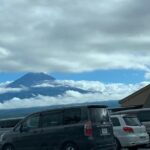
The listed Mt. Fuji stop includes sightseeing, a self-guided visit, and a safety briefing for about 30 minutes. The 5th Station is one of the classic stopping points on the mountain, giving you a close look at Fuji and a sense of the scale of the peak.
This is a good place to take warm clothing. Temperatures can be cooler at elevation, and the advice to bring comfortable shoes is worth following even if you are not planning a serious hike. The stop is about viewing and atmosphere, not climbing the summit.
Visibility is the big catch. Clouds can cover the mountain, even on a day that feels bright in Tokyo. The tour can provide alternate plans in poor weather, but no guide can guarantee a clear Fuji. If the mountain is hidden, the other viewpoints and cultural stops become more important.
Oshino Hakkai and the Fuji village setting
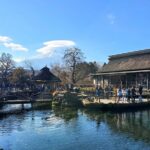
Oshino Hakkai is scheduled for about 30 minutes. This stop gives the day a more local, traditional feel after the broad mountain views. The site is known for its village setting and clear spring ponds, and one family specifically appreciated visiting this area along with several photo stops.
Thirty minutes is enough for a look around and pictures, but not for a slow visit. If you want time to browse, eat, or study the setting, ask if the schedule can be adjusted. The private format gives you a better chance of doing that than a fixed group excursion.
A Japanese-style lunch is available if you select that option. Check exactly what the lunch option includes before booking, since it is not automatically part of every package. If food is a major part of your day, make it one of your early requests rather than hoping to fit it in later.
Chureito Pagoda and Arakura Fuji Sengen Shrine
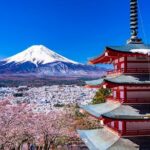
Chureito Pagoda is allotted about 45 minutes, followed by a visit to Arakura Fuji Sengen Shrine. Together, they create one of the most recognizable Fuji photo settings: the pagoda, hillside trees, and mountain can appear in the same frame when conditions cooperate.
The pagoda viewpoint involves steps, so this is not the easiest stop for every visitor. The tour information says a moderate amount of walking is involved, and comfortable shoes are essential. The effort is worthwhile for many people, but anyone with mobility concerns should ask for a clear description of the route before reserving.
The nearby shrine adds a cultural stop rather than another photo platform. I like this pairing because it keeps the morning from being only about snapping the same mountain picture from different places. Still, the amount of time at the shrine is not specified, so the guide may need to balance it against the rest of the route.
Other private tours in Tokyo


Lake Kawaguchi, Oishi Park, and the famous station stop
Lake Kawaguchi receives about an hour, with another hour listed for Oishi Park. These stops give you open views across the water and a chance to see Fuji from a lower, broader angle. Oishi Park is particularly useful for gardens and seasonal scenery, and the private vehicle makes it easier to move between viewpoints.
The itinerary also lists LAWSON Kawaguchiko Station for 30 minutes. This is a recognizable photo stop for people who want the familiar combination of a convenience store, street, and Fuji in the background. It is more of a quick urban photo opportunity than a major cultural attraction, so I would place it below the lake and shrine stops if time becomes tight.
Shimoyoshida Honcho Street is another 30-minute visit. It offers a different view of the Fuji area through an ordinary town street, rather than a formal park. The contrast is useful: you see how the famous mountain fits into everyday life, not just postcard viewpoints.
Kitaguchi-hongu Fuji Sengen Shrine
The itinerary allows about an hour at Kitaguchi-hongu Fuji Sengen Shrine. This is one of the more meaningful cultural stops on the route, especially if you want a break from scenic lookouts and shopping.
The shrine is tied to Fuji worship, giving the mountain a spiritual setting as well as a visual one. Your guide can add context in English, Hindi, or Arabic, depending on the guide assigned. The activity specifically promises a National Government Licensed English-speaking guide, while the listed driver languages also include Hindi and Arabic.
Because shrine visits are calmer and less predictable than a quick viewpoint, this is a stop I would protect if cultural interest matters to you. If your group mainly wants the mountain, lake, and Hakone rides, you may prefer to shorten it.
Hakone and Owakudani Valley
The Hakone portion begins with a general visit of about 30 minutes, followed by around an hour at Owakudani Valley. Owakudani is a volcanic area with dramatic geothermal features and a strong sense of the earth at work. The stop also includes shopping, so it can serve as a quick place to browse local products.
The air and ground conditions at volcanic sites can vary, and the tour includes safety briefings at several stops. Follow your guide’s instructions and wear shoes with a firm sole. The itinerary does not promise every part of the Hakone transport network, so ask specifically how the day handles the ropeway.
The overview describes a ropeway ride to the summit of Mt. Komagatake and a boat cruise on Lake Ashi. Yet the detailed stop list names Owakudani, the Open-Air Museum, and Lake Ashi without clearly assigning a ropeway or cruise duration. This is an important point to confirm before booking. The exact mix may depend on weather, timing, and the customized route.
Lake Ashi and the Hakone Open-Air Museum
Lake Ashi is listed for a 30-minute visit, while the Hakone Open-Air Museum receives about an hour. The lake is the relaxed part of the Hakone section, with the broader experience described as including a sightseeing boat cruise. A cruise can be a welcome change after hours in the car, but confirm that the boat ride is included in your selected option and not simply a general description of the possible route.
The Hakone Open-Air Museum gives the day an art stop among the mountain scenery. An hour is enough for a focused visit, but not for every gallery and outdoor work. If your group has children or mixed interests, the museum can provide variety after the shrines and viewing platforms.
You may need to choose between the museum, the cruise, Owakudani, and Mt. Komagatake if the day runs behind. I would decide in advance which two matter most. That small bit of planning can prevent the final hours from feeling hurried.
Gotemba Premium Outlets as an optional change of mood
Gotemba Premium Outlets is listed for one hour. It is a practical addition for shoppers, and the setting can offer more Fuji views when the weather is clear. For everyone else, it may be the first stop to remove from the plan.
The outlet stop also shows the strength and weakness of a customizable private tour. You can replace a shopping hour with more time at a shrine or park, but only if you make your preferences clear. Do not assume the route will automatically focus on temples and scenery simply because the tour is marketed around Fuji and Hakone.
Guides, vehicles, and the value of a small private group
The experience includes a private group and a professional guide in a comfortable car. That matters most for families, older relatives, and small groups that want to stay together without learning several train and bus connections.
Two guide names appear in the available feedback: Malik and Ali. Julie’s group had Malik for a private Fuji day, while Ali helped another family include Fuji-Q Highland’s children’s play area along with Oshino Hakkai and family photo stops. Those details suggest the private format can work well when you state what your group actually enjoys.
The guide service is a major part of the value. A private driver who simply follows a long route is less useful than someone who helps you choose between stops and explains the places you see. At the beginning, tell the guide your must-see attraction, your preferred lunch plan, and how much walking your group can handle.
There is one notable inconsistency in the practical information. The activity is marked wheelchair accessible, but it is also listed as not suitable for wheelchair users. The itinerary includes steps, shrines, and uneven walking areas, so anyone using a wheelchair should ask the provider for a current, specific accessibility assessment before paying.
The activity also says it is not suitable for pregnant women or people with back problems. Smoking is not allowed. Bring warm clothing, comfortable shoes, and a camera, and be ready for a moderate amount of walking.
Weather, timing, and the Fuji gamble
This is a weather-dependent outing. Fuji’s visibility can change quickly, and a cloud-covered mountain is a real possibility rather than a rare fluke. The operator may provide an alternative itinerary during poor conditions.
I would book this tour for the wider day, not only for one perfect Fuji photograph. Oshino Hakkai, the shrines, Lake Kawaguchi, Hakone, Owakudani, and the museum still provide reasons to go when the peak is hidden. If seeing Fuji clearly is the only goal of your Japan trip, keep your schedule flexible enough to try again on another day.
The 10-hour duration also calls for sensible expectations. You can see a lot, but you cannot linger everywhere. A private tour gives you control, not extra daylight.
How the feedback affects my decision
The overall rating is five out of five from 26 reviews, and the strongest praise centers on pickup, comfortable transport, helpful guides, family-friendly adjustments, and varied viewpoints. The named experiences with Malik and Ali suggest that good guide matching can make the day feel personal rather than mechanical.
One verified review reports that the guide did not arrive. That is a serious service concern, even though the overall score is very high. Confirm your pickup time and meeting point in writing, and keep the provider’s contact details handy on the morning of the tour.
Another short review says simply that everything was fine. That is not detailed, but it fits the broader picture of a straightforward private outing. I would book with realistic expectations, confirm the exact route, and avoid assuming every advertised attraction will fit into one day.
Free cancellation is available up to 24 hours before departure for a full refund, and you can reserve now and pay later. Those terms help when the weather forecast is uncertain, but check the current booking conditions for your chosen date and option.
Who should book this Fuji and Hakone route?
This tour suits you best if you are traveling with up to six people, want door-to-door transport, and prefer a guide to handle the geography. Families can benefit from flexible photo stops and child-friendly adjustments, while first-time visitors can cover several major sights without building the route themselves.
It is also a good fit if your group has mixed interests. One person can prioritize shrines, another can look forward to gardens or the museum, and someone else can request shopping at Gotemba. The private setting makes those compromises easier.
I would hesitate if you dislike long road days, want a slow visit at each location, or need a fully accessible route. I would also hesitate if the ropeway and Lake Ashi cruise are essential unless the provider confirms that both are included in your selected package.
Should you book it?
Book this tour if you want maximum variety in one day and the cost can be shared among several people. Its best features are the private vehicle, flexible pickup options, several Fuji viewpoints, and a guide who can adapt the route to families and personal interests.
Before booking, ask for the exact day plan, confirm the Lake Ashi cruise and Mt. Komagatake ropeway, clarify the optional lunch, and check accessibility if needed. If you accept the weather risk and the brisk pace, this is a practical way to see Fuji and Hakone without managing the transport yourself.
FAQ
How long does the tour last?
The tour lasts 10 hours.
How many people can join the private group?
The price covers a private group of up to six people.
How much does the tour cost?
The listed price is $321 per group of up to six people.
Where can I be picked up?
Pickup options are Tokyo, Fujikawaguchiko, Chiba, and Shinjuku City.
Where can I be dropped off?
Drop-off options are Shinjuku City, Tokyo, Fujikawaguchiko, and Chiba.
Is Mt. Fuji guaranteed to be visible?
No. Weather can affect visibility, and a clear view of Mt. Fuji is not guaranteed.
Is lunch included?
A Japanese-style lunch is available if you select that option. It is not stated as included in every booking.
What languages are available?
The listed languages are English, Hindi, and Arabic. The activity specifically describes a National Government Licensed English-speaking guide.
Can I cancel for a full refund?
You can cancel up to 24 hours in advance for a full refund, according to the stated cancellation terms.
More Full-Day in Tokyo
More Private Tours in Tokyo
More Mt Fuji Day Trips in Tokyo
More tours in Tokyo we've reviewed




Mt Fuji Day Trips, compared.
 ★ 5.0Mt Fuji and Hakone 1-Day Bus Tour Return by Bullet TrainFrom $163
 ★ 4.0Mt Fuji & Hakone Cruise, Drum Show Bullet Train 1 Day from TokyoFrom $149
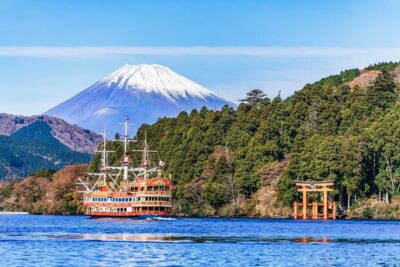 ★ 4.4Tokyo Mt Fuji 5th St & Hakone Cruise Bus Tour w/Bullet TrainFrom $15410 hours
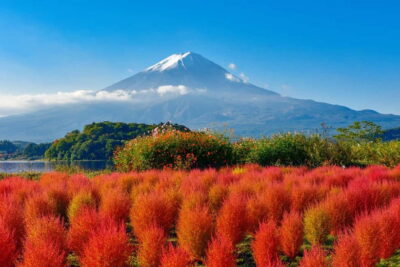 ★ 4.5From Tokyo: Mount Fuji Full-Day Sightseeing TripFrom $6810 hours
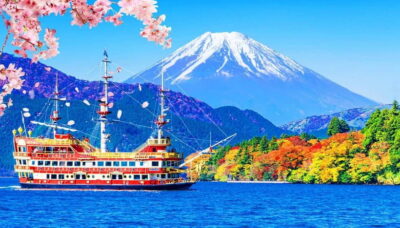 ★ 4.7Tokyo: Mt. Fuji Tour, Hakone Ropeway, Owakudani, Lake AshiFrom $5410 hours
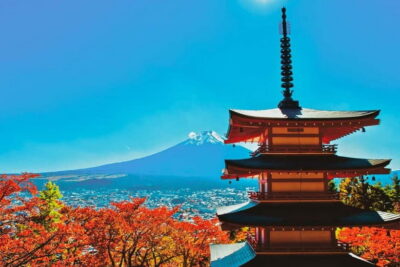 ★ 4.4Tokyo:Mt.Fuji,Kawaguchiko Oishi Park,Arakurayama Sengen ParkFrom $5410 hours