
Reviewed · MT FUJI DAY TRIPS
Mt Fuji Private Tour with English speaking driver
The best thing about this private Mt Fuji tour is the range. In about nine hours, you move from a high mountain viewpoint to a pagoda, clear spring ponds, a lakeside flower park, and two important shrines. It gives you far more than a quick photo stop.
I like the freedom of having an English-speaking driver and your own vehicle. I also like the mix of famous viewpoints and quieter cultural sites, especially Kitaguchi Hongu Fuji Sengen Shrine. The main drawback is that two major stops cost extra, and Mt Fuji weather can easily affect the day.
In This Review
- Key points at a glance
- Why this private route works well from Tokyo
- Mt Fuji 5th Station: the high viewpoint
- Arakura Fuji Sengen Shrine and the famous pagoda view
- Oshino Hakkai: clear ponds and a touristy village
- Mt Fuji Panoramic Ropeway: a paid outlook over Kawaguchiko
- Oishi Park: flowers, lake, and mountain in one frame
- Lake Kawaguchiko: the main resort area
- Kitaguchi Hongu Fuji Sengen Shrine: a quieter cultural stop
- What $160 gets you, and where extra costs appear
- Weather, timing, and the limits of a full day
- Who will get the most from this tour
- Should you book the Mt Fuji private tour?
- FAQ
- Where does the tour start?
- Where does the tour finish?
- How long does the tour last?
- Is the tour private?
- Is an English-speaking driver included?
- Is hotel pickup available?
- Is transportation included?
- Are Mt Fuji 5th Station tickets included?
- Is the Mt Fuji Panoramic Ropeway included?
- What happens if the weather is poor?
Key points at a glance
- Private vehicle from Asakusa: Your group travels together in an air-conditioned vehicle, with fuel and tolls included.
- Seven very different stops: The route covers Mt Fuji 5th Station, shrines, ponds, a ropeway, two lake areas, and a flower park.
- Flexible personal service: The driver can adjust the day to suit your group, with time spent where the views are best.
- Optional paid highlights: Admission to Mt Fuji 5th Station and the Mt Fuji Panoramic Ropeway is not included.
- Weather matters: The experience requires good weather, and poor conditions may lead to a new date or a full refund.
- Strong value for small groups: At $160, the price is most appealing when shared by several people who value privacy and direct transport.
Why this private route works well from Tokyo
Mt Fuji is close enough to visit from Tokyo, but the area is spread out. That is the key reason to consider a private vehicle. You are not building the day around separate trains and buses, and you do not need to keep your group moving at the same pace as strangers.
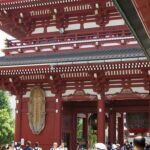
The tour starts at Kaminarimon Gate in Asakusa and returns there at the end. That is useful if you are staying in or near eastern Tokyo, and it gives you a clear meeting point beside one of the city’s best-known landmarks.
The day lasts about nine hours. That sounds generous, but the schedule is full. The listed stops add up to several hours before driving time is counted, so you should expect a busy day rather than a slow retreat in the countryside.
I like the balance of the route. You get the big-name views, but also places with religious and local importance. The driver’s role matters here. The strongest praise connected with this experience focuses on flexibility, humor, good timing, and an effort to find the best available views of Mt Fuji.
No driver’s name is provided, so you should not book this expecting a named guide or a specialist historian. You can expect an English-speaking driver, practical help, and commentary, but the depth of explanation may depend on the person assigned to your group.
A few more Tokyo tours and experiences worth a look


Mt Fuji 5th Station: the high viewpoint
The first listed stop is Mt Fuji 5th Station, with about two hours set aside. It is an optional stop, and admission is not included, so check the extra cost before you go.
This is the highest point on the route and the closest you get to the mountain itself. Mt Fuji rises to 3,776 meters, making it Japan’s highest mountain. Its near-perfect volcanic shape has made it a national symbol, but the mountain can look very different from day to day.
At 5th Station, you may get a close view of the upper slopes and a broad outlook toward the surrounding area. The altitude also gives this stop a different feel from the lakes and villages below. If the summit is hidden by cloud, the visit may be less rewarding, which is why weather and visibility matter so much.
Two hours is a useful amount of time if you want to look around without rushing. It is also a long time for a stop where the view is limited, so your driver’s judgment becomes important. If conditions are poor, you may prefer more time at a shrine or lake viewpoint.
Arakura Fuji Sengen Shrine and the famous pagoda view
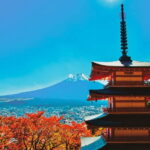
Arakura Fuji Sengen Shrine and Arakurayama Sengen Park receive about two hours. Admission is free, but there is a climb through the park to reach the well-known view of the five-storied Chureito Pagoda with Mt Fuji behind it.
This is one of the most recognizable scenes in Japan. In spring, cherry blossoms frame the pagoda and mountain. Other seasons bring different flowers and colors along the park paths, so the view is not limited to cherry blossom season.
I like this stop because it gives you more than a mountain photograph. The shrine adds a spiritual setting, while the park explains why Mt Fuji is often seen as both a natural wonder and a sacred presence. The combination feels distinctly Japanese rather than simply scenic.
The practical catch is the climb. The route to the main viewpoint includes many steps, and the two-hour allowance may feel short if you want to take your time. The supplied information confirms that most people can take part, but it does not give specific accessibility details. If stairs are a concern, ask about the route before booking.
Oshino Hakkai: clear ponds and a touristy village
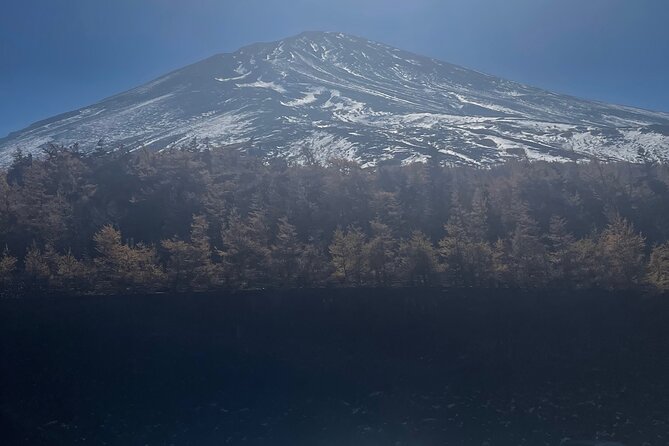
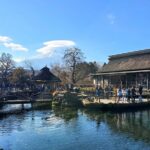
Oshino Hakkai is scheduled for about 30 minutes. The admission is listed as free, and the stop takes you to a group of eight ponds in Oshino, between Lake Kawaguchiko and Lake Yamanakako.
The ponds occupy the site of an older lake that dried up several hundred years ago. Their spring water is linked to Mt Fuji’s snow and rain, which gives the place a natural connection to the mountain rather than making it just another village stop.
You should set your expectations correctly. Oshino Hakkai is described as touristy, so this is not the quietest stop on the route. Thirty minutes is enough for a look at the ponds and a few photographs, but not enough for a long visit.
I see this as a useful short break between the larger viewpoints. It adds water, village scenery, and a little geological context. If your priority is solitude, it may not be your favorite stop, but the brief timing keeps it from taking over the day.
Mt Fuji Panoramic Ropeway: a paid outlook over Kawaguchiko
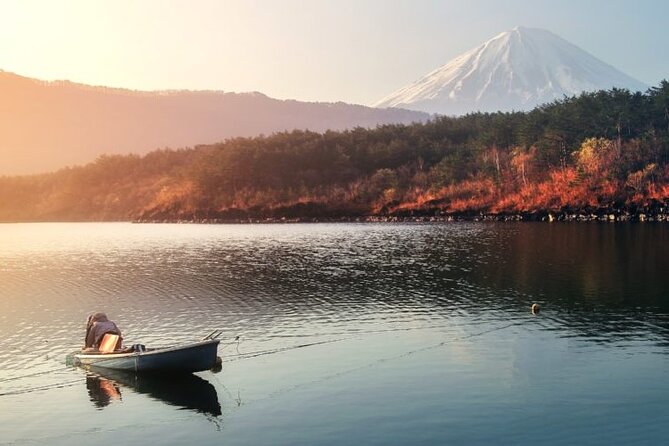
The Mt Fuji Panoramic Ropeway is another optional stop, with about two hours planned. The ticket is not included.
The ropeway climbs 400 meters from the eastern shore of Lake Kawaguchiko to an observation deck near the top of Mt Tenjo. From there, you can look across the lake toward Mt Fuji when conditions are clear.
This is one of the stronger paid additions for people who want a wide, elevated view. It gives you a different angle from the lakeshore and from Arakura Sengen Park. The change in height also makes the stop feel like an activity, not only a photograph.
Still, you should factor in the cost and the weather. If clouds cover Mt Fuji, the ropeway may still provide a lake view, but the main reason for taking it becomes less certain. Since two hours are allocated, it is worth confirming whether that includes time for queues and how the driver plans to handle the stop.
Other private tours in Tokyo


Oishi Park: flowers, lake, and mountain in one frame
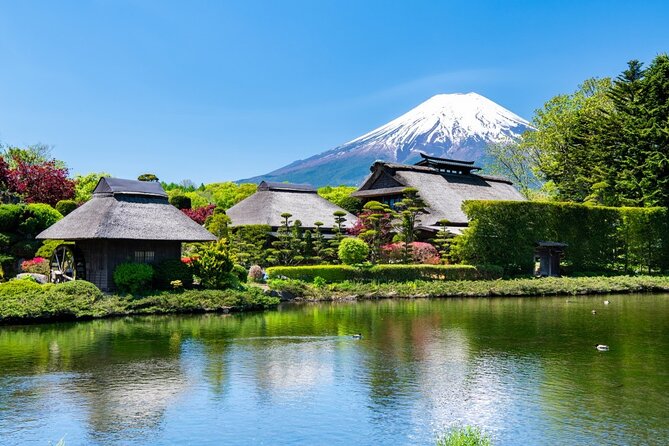
Oishi Park sits on the north shore of Lake Kawaguchiko and has about 30 minutes in the schedule. Admission is free.
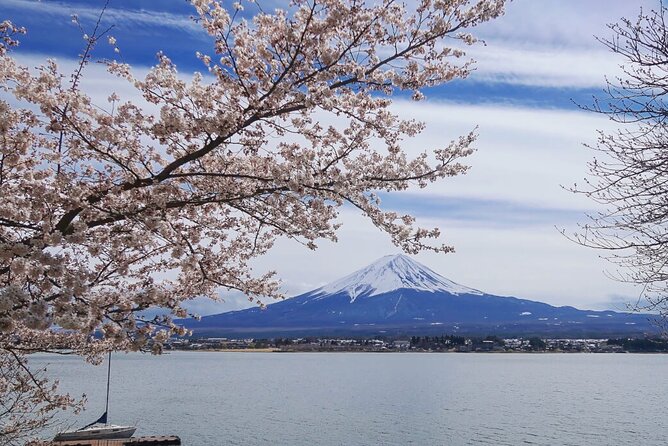
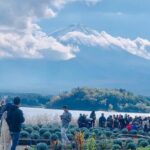
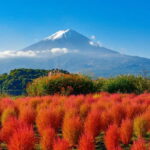
The appeal is simple: you can see the lake and Mt Fuji together, with seasonal flowers along the promenade. That makes it a quick, efficient photo stop. You do not need a long walk to understand why this part of Kawaguchiko is popular.
The seasonal planting is important. The exact view depends on the time of year, so you should not expect the same flowers shown in every photograph. Even without peak blooms, the open lakeside setting gives you another chance to see Mt Fuji from below.
Thirty minutes is enough for a stroll and photographs. It is not enough for a full visit to the wider lake area. I would treat this as a carefully chosen viewpoint, not a park day.
Lake Kawaguchiko: the main resort area
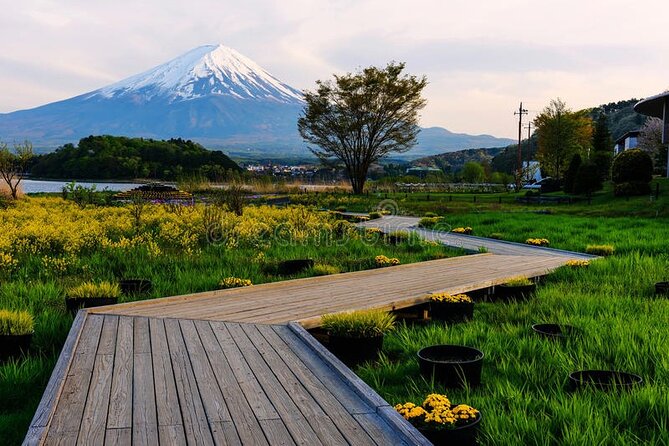
Lake Kawaguchiko receives another 30-minute stop. It is one of the Fuji Five Lakes and the easiest of the five to reach by train and direct bus from Tokyo.
The eastern end of the lake has a hot spring resort town and a range of attractions. On this tour, you will get only a short introduction rather than an extended stay. That is useful for seeing the lake, but it limits your chance to explore the resort area or spend time beside the water.
The lake is also the thread connecting several stops. Oishi Park shows you the northern shore, while the ropeway begins on the eastern side. Together, these stops give you several angles on the same body of water and Mt Fuji.
If you want a relaxed hot spring visit, this itinerary is not designed for that. If you want a broad sample of the Fuji area in one day, the short lake stop fits the plan.
Kitaguchi Hongu Fuji Sengen Shrine: a quieter cultural stop
Kitaguchi Hongu Fuji Sengen Shrine is scheduled for 30 minutes and has no admission charge. It is one of roughly 1,300 Asama shrines in Japan, which are linked to the worship of volcanoes and Mt Fuji in particular.
The shrine forms part of the Mt Fuji UNESCO World Cultural Heritage site. That gives the stop cultural weight beyond its appearance. It helps explain the long relationship between the mountain, pilgrimage, and religious practice.
A half hour is enough to enter, look around, and take in the setting. It is not enough for an extended visit or a slow study of every detail. Still, this may be the most valuable stop for you if you want the day to include something beyond scenic outlooks.
I would pay attention to the driver’s explanation here. The listed service is an English-speaking driver rather than a dedicated shrine guide, so the amount of historical detail can vary. The route itself, though, makes room for a meaningful cultural pause.
What $160 gets you, and where extra costs appear
The advertised price is $160. The value depends on your group size and on how much you value privacy. Fuel and tolls are included, and you get an air-conditioned vehicle for a full day, which removes several transport tasks from a complicated regional trip.
For one person, $160 is a sizeable day-trip cost. For a private group splitting the amount, it can be sensible, especially if you want to move between seven stops without managing several connections.
You should budget separately for Mt Fuji 5th Station and the Panoramic Ropeway. Neither admission is included. The other listed stops have free admission, so the two optional attractions are the main additions to the advertised price.
I would also compare this tour with the cost and effort of arranging a private vehicle independently. The value here is not only the car. It is the driver’s local route planning, the ability to change the order, and the chance to linger at a viewpoint when Mt Fuji appears clearly.
Weather, timing, and the limits of a full day
Mt Fuji is a weather-dependent sight. The tour requires good weather, and if poor conditions force cancellation, you can receive a different date or a full refund. That policy is helpful, but it does not guarantee a clear mountain view on an otherwise operating day.
This matters because the route is built around Mt Fuji. Arakura, the ropeway, Oishi Park, Lake Kawaguchiko, and 5th Station all gain much of their appeal from visibility. You can still enjoy the shrines and ponds in cloud, but the main mountain photographs may not happen.
The driver’s flexibility is therefore one of the most important parts of the experience. If conditions improve in one area, your group may benefit from changing the order or spending more time at the best viewpoint. That is a practical advantage of a private tour.
The route is also ambitious. Seven stops in nine hours means regular movement and short visits at several places. I would choose this schedule if you want a broad first look, not if you prefer to sit beside one lake for half a day.
Who will get the most from this tour
This tour suits families, couples, and small groups who want to see the Mt Fuji region without renting a car or managing regional transport. It also suits anyone who values having an English-speaking driver and a day shaped around their own group.
It is a good fit if you want variety. You will see a mountain station, a pagoda view, ponds, a ropeway, lake scenery, flowers, and shrines in one outing.
You may want another plan if you need a fully guided historical tour, guaranteed summit views, or a slow schedule. The information provided does not name the driver or promise specialist guiding, and the route leaves limited time for long visits.
The best results will come from booking with realistic expectations. Mt Fuji may be hidden. Oshino Hakkai can feel touristy. The day can be busy. But you also get a private vehicle, a flexible driver, and a well-chosen set of viewpoints that would be awkward to connect on your own.
Should you book the Mt Fuji private tour?
I would book it if you want maximum variety in one day and are traveling with enough people to share the $160 cost. The strongest reasons are the private transport, the English-speaking driver, and the flexibility praised by people who enjoyed the driver’s humor, care with viewpoints, and willingness to adjust the day.
Before booking, confirm the extra cost for 5th Station and the ropeway, and remember that clear views are never certain. If you can accept a full schedule and weather risk, this is a practical way to see the Mt Fuji area from several angles while adding important shrines and village scenery.
FAQ
Where does the tour start?
The tour starts at Kaminarimon Gate, 2-chōme-3-1 Asakusa, Taito City, Tokyo 111-0032, Japan.
Where does the tour finish?
The activity ends back at the starting meeting point.
How long does the tour last?
The tour lasts approximately nine hours.
Is the tour private?
Yes. Only your group participates in the private tour.
Is an English-speaking driver included?
Yes. The experience includes an English-speaking driver.
Is hotel pickup available?
Pickup is offered, but the listed meeting point is Kaminarimon Gate in Asakusa. Confirm the pickup arrangement when booking.
Is transportation included?
Yes. An air-conditioned vehicle is included, along with fuel and tolls.
Are Mt Fuji 5th Station tickets included?
No. Admission to Mt Fuji 5th Station is not included.
Is the Mt Fuji Panoramic Ropeway included?
No. The ropeway is optional, and its admission ticket is not included.
What happens if the weather is poor?
Because the experience requires good weather, it may be canceled. You will then be offered a different date or a full refund. Cancellation at least 24 hours before the start time also qualifies for a full refund, while cancellations within 24 hours are not refunded.
More Private Drivers in Tokyo

More Private Tours in Tokyo
More Mt Fuji Day Trips in Tokyo
More tours in Tokyo we've reviewed









Mt Fuji Day Trips, compared.
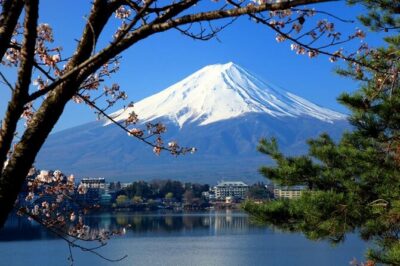 ★ 5.0Mt Fuji and Hakone 1-Day Bus Tour Return by Bullet TrainFrom $163
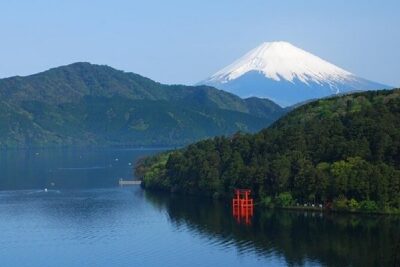 ★ 4.0Mt Fuji & Hakone Cruise, Drum Show Bullet Train 1 Day from TokyoFrom $149
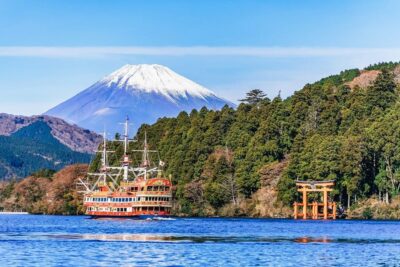 ★ 4.4Tokyo Mt Fuji 5th St & Hakone Cruise Bus Tour w/Bullet TrainFrom $15410 hours
 ★ 4.5From Tokyo: Mount Fuji Full-Day Sightseeing TripFrom $6810 hours
 ★ 4.7Tokyo: Mt. Fuji Tour, Hakone Ropeway, Owakudani, Lake AshiFrom $5410 hours
 ★ 4.4Tokyo:Mt.Fuji,Kawaguchiko Oishi Park,Arakurayama Sengen ParkFrom $5410 hours