
Reviewed · JDM & CAR CULTURE
Private Drifting Lesson w/ OG Instructor Tokyo Drift Japan
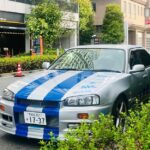
A proper JDM drift lesson is very different from watching a car slide at a show. Here, you take the wheel yourself, with an OG Matenro Drift Racing instructor beside you, and work step by step toward a donut, figure eight, or more advanced technique. The day also includes a playful police-car pursuit using a replica undercover vehicle.
I like two things right away: the lesson is fully private, so the coaching can match your ability, and pickup and drop-off in Tokyo remove a fair bit of transport hassle. The English-speaking staff are another real plus. Guides such as Takeshi and Hiro have helped international visitors get settled, while instructors including Ross and Risa have taught everyone from first-time manual drivers to more experienced enthusiasts.
The main consideration is time and price. At $708 per person, this is a serious splurge, and about two hours of the five-to-six-hour outing are spent driving between Tokyo and Minami Chiba Circuit. You also need long sleeves, long pants, and sneakers, and the activity is not a casual ride-along.
In This Review
- What makes this drift day special
- From Tokyo streets to Minami Chiba Circuit
- Your first minutes in a real drift car
- Learning a donut in three hours
- More power and more technique for intermediate drivers
- The graduation challenge and police-car pursuit
- Why the private format matters
- Is $708 per person good value?
- What to wear and what to know before booking
- Who should book this experience?
- FAQ
- Where does the drifting lesson take place?
- Is pickup and drop-off included?
- How long does the full activity last?
- How much time do I spend driving?
- Which cars might I drive?
- Can complete beginners take part?
- What should I wear?
- Should you book the Matenro Drift Racing lesson?
What makes this drift day special
- Three hours behind the wheel: You get hands-on practice rather than a short demonstration followed by a photo.
- A private instructor match: Beginners may use a Mazda MX-5 Miata NB, while stronger drivers may move into a Nissan 350Z, Mazda RX-8, or Nissan 180SX.
- A clear skill path: Start with a donut, then try a figure eight. Intermediate drivers can work on e-brake use and higher-gear changes.
- Tokyo pickup in a Lexus LS460: The organizer collects you at your chosen Tokyo location, preferably within 5 kilometers of central Tokyo.
- A police pursuit finale: A replica undercover police car adds a bit of movie-style fun after the main coaching session.
- English and Japanese support: The guides and translators help you follow technical instruction even if your Japanese is limited.
From Tokyo streets to Minami Chiba Circuit
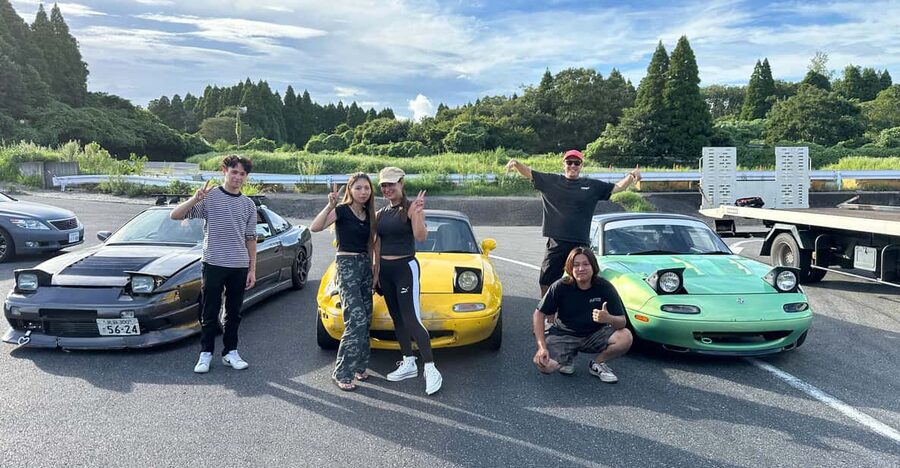
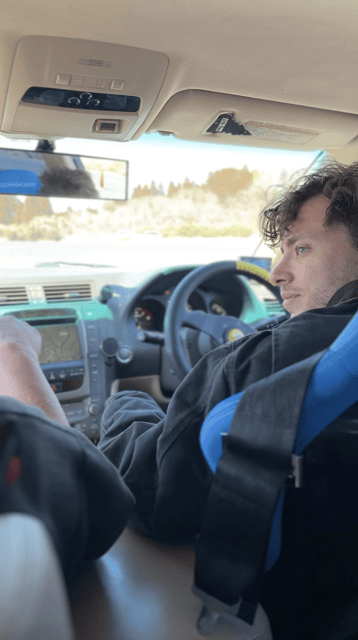
The day begins with pickup at your preferred location in Tokyo, ideally within 5 kilometers of the city center. The organizer drives a Lexus LS460, and the transfer to Minami Chiba Circuit takes about an hour. After the lesson, you return to Tokyo in the same way.
That transfer is part of the value. You do not need to work out a train, taxi, or rental-car plan for a circuit outside the city. Hiro has also helped make the ride useful by offering suggestions for shops and places to visit in Japan. Still, you should allow most of a day for the outing. With about an hour each way and three hours of driving practice, the stated five-to-six-hour duration is realistic.
The ride also gives you time to meet the team before the serious part begins. This is a small benefit, but it matters when you are about to drive a rear-wheel-drive car under instruction. You can ask questions, settle your nerves, and explain your experience level before reaching the circuit.
Pickup details should be confirmed carefully when you book. The activity says pickup is included from your desired Tokyo location, with a preference for the area within 5 kilometers of the center. If your hotel is farther out, contact the operator before relying on the included transfer.
A few more Tokyo tours and experiences worth a look

Your first minutes in a real drift car
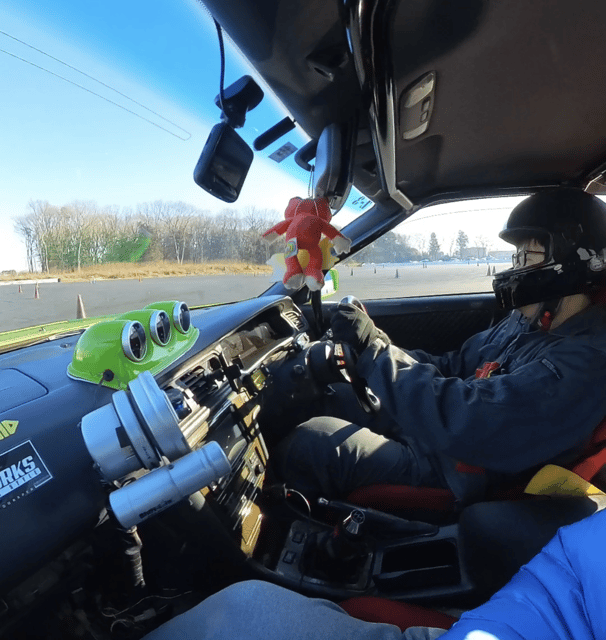
At the circuit, the lesson moves from talk to practice. You wear the supplied helmet and gloves, meet the instructor assigned to you, and begin with the car suited to your ability and the day’s availability.
For beginners, the likely car is a Mazda MX-5 Miata NB. It is a smaller, more approachable starting point than the larger cars used for more advanced practice. The aim is not to make you look fast on the first lap. The instructors build the movement in stages, helping you understand steering, throttle, weight transfer, and the timing needed to keep the car sliding.
This is especially useful if your background is limited to road driving, car games, or simulators. One participant arrived without having driven a manual car and progressed to reliable donuts and an almost complete figure eight. That does not promise the same result for everyone, but it shows how the lesson is designed: you are given a clear target instead of being left to guess at the technique.
The staff have also taught people who had never tried drifting before. Risa was specifically praised for helping a first-time driver learn to pop the clutch. If you are uneasy about the clutch, tell the organizer in advance. It lets the team plan the right car and teaching pace.
Learning a donut in three hours
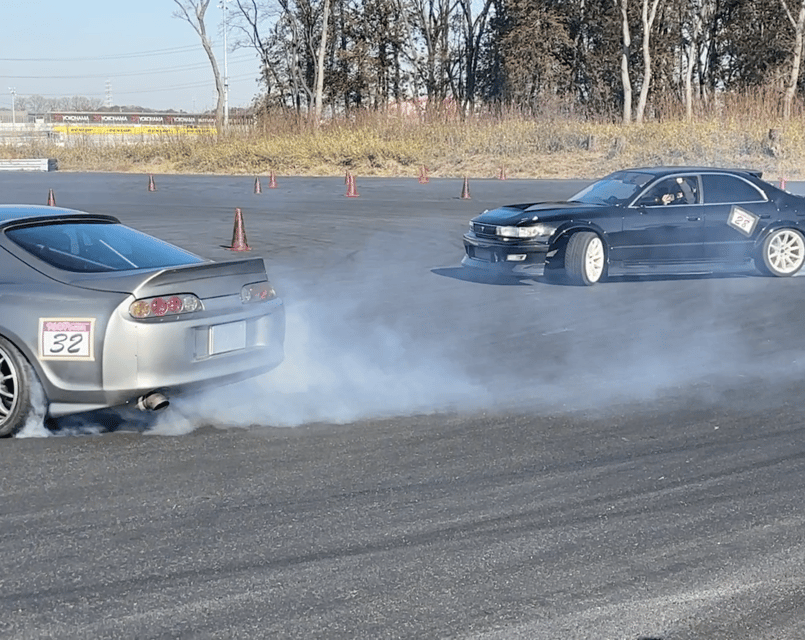
The beginner course starts with the donut, a basic but demanding drifting exercise in which the car rotates around a tight circle while the rear tires slide. It looks simple when an expert does it. From the driver’s seat, it requires quick coordination and a feel for how much steering and throttle the car will accept.
The instructor sits with you and explains what to change after each attempt. That private format is the heart of the activity. You do not have to wait behind a large group, and the teacher can focus on your clutch work, hand position, throttle control, or timing.
Once you can hold the donut, you may progress to a figure eight. This adds a change of direction, so you must manage the car as it transitions from one circle to the next. It is a useful test because it asks for more than simply keeping the rear wheels spinning.
I like this structure because it gives you a visible measure of progress. You can arrive with only a vague wish to drift and leave with a specific new skill. Some participants managed donuts and figure eights by the end, while others came close to completing the figure eight after starting from zero.
Do not expect a polished competition run in one session. Your result will depend on your driving background, clutch experience, comfort with the car, and how quickly you respond to coaching. The instructors can give you a strong first step, but drifting takes repeated practice.
More power and more technique for intermediate drivers
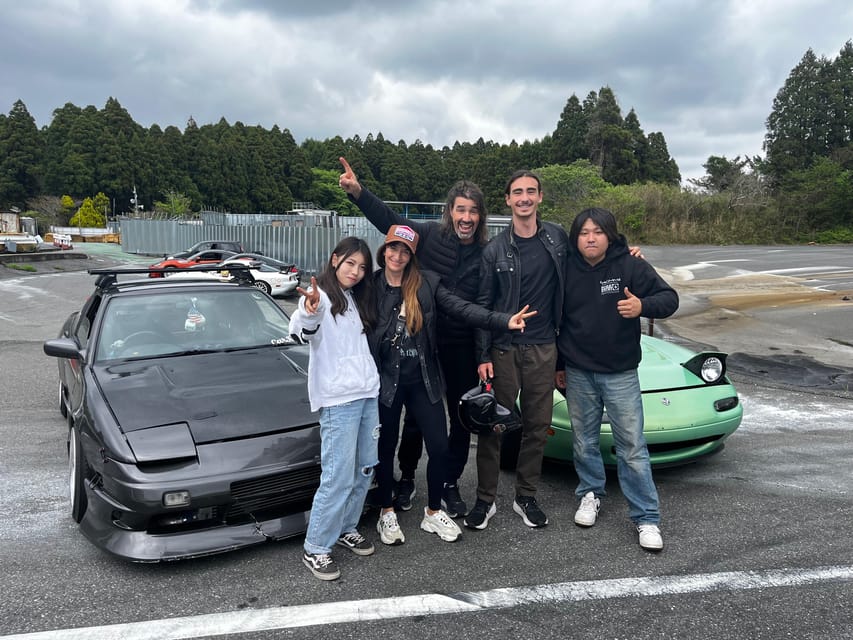
If you already have some experience, the lesson does not stop at the beginner exercises. Intermediate drivers can work on e-brake techniques and higher-gear changes, using one of the stronger or more specialized cars available that day.
The possible cars include a Nissan 350Z, Mazda RX-8, and Nissan 180SX. The exact car and instructor can vary, so do not book expecting a particular model. That flexibility is sensible because the team needs to match the vehicle to your ability and the day’s conditions.
The Nissan 350Z will appeal to drivers who want the classic rear-wheel-drive JDM feel and a more powerful car than the Miata. The RX-8 and 180SX bring their own character, but the important point is that you are driving actual drift cars with an instructor in the passenger seat, not a road car being pushed beyond its normal use.
Intermediate coaching is valuable because technique becomes more precise as speed and gear choice rise. Using the e-brake at the right moment and shifting into a higher gear are not just tricks. They change how the car carries speed and how long you can hold a slide.
Tell the organizer honestly where you are starting. If you overstate your ability, you may be placed into a car or exercise that makes the day less productive. The private setup gives the team room to adjust, but clear communication makes that easier.
The graduation challenge and police-car pursuit
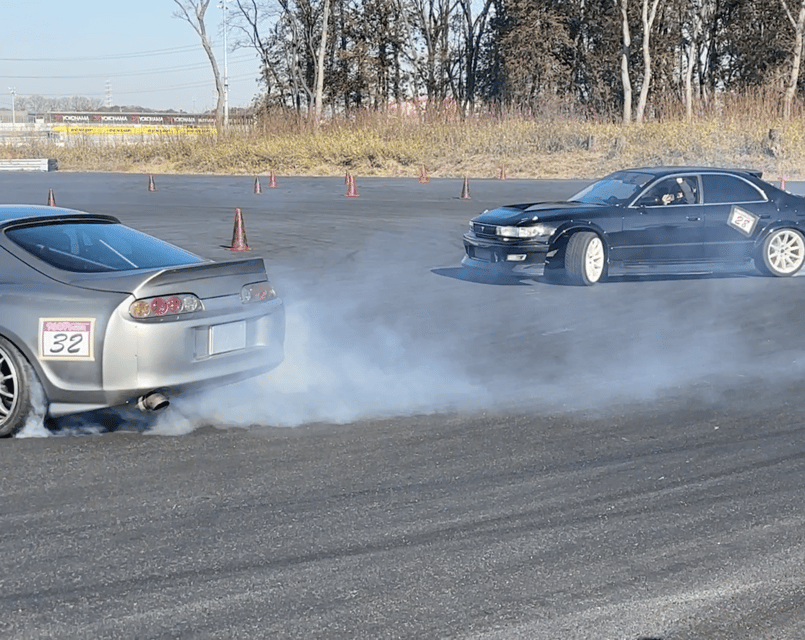
The lesson finishes with a graduation challenge course for everyone. This gives the day a proper ending and lets you test the skills you have been practicing. For a beginner, that may mean linking the donut or attempting the figure eight. For an intermediate driver, it can provide a chance to combine e-brake work, steering, and gear changes.
The challenge is a good reason to pay attention during the earlier drills. You are not simply collecting separate techniques. You are working toward a final run that shows how much control you gained during the session.
Then comes the replica undercover police vehicle and the drift pursuit. It is a playful extra, not a real police operation, and it gives the outing a clear Tokyo Drift flavor without asking you to drive on public roads. You get the sensation of being chased around the circuit while staying within a controlled motorsport setting.
This section will appeal most to fans of Japanese car culture and action films. The stronger value, though, remains the driving lesson. The pursuit is the fun finale, while the private coaching is what makes the price easier to justify.
Other private tours in Tokyo



Why the private format matters
A private group changes the feel of the day. You are not one person in a long queue waiting for a brief turn. The lesson gives you three hours of practice, and the instructor can adjust the explanation as you improve.
The language support helps too. The experience is offered in English and Japanese, with fluent English-speaking translators and staff available. That matters when instructions involve clutch timing, steering angle, throttle control, and weight transfer. A small misunderstanding can make a technique frustrating or unsafe.
The personal approach also extends beyond the driving. Takeshi has handled questions and scheduling before the activity, while Hiro has served as a friendly pickup guide and helped with local recommendations. Ross has demonstrated the cars and coached drivers from the passenger seat. These names may not be the exact team assigned to your booking, but they show the type of staff involved: working drift drivers who also know how to explain the sport to newcomers.
You may also receive photos or videos during the session, depending on the day and the team. One group had footage captured from inside and outside the car, which made a useful record of their first attempts. Do not treat filming as a guaranteed inclusion, but it is worth asking about before the lesson.
Is $708 per person good value?
At $708, this is not a budget activity. The cost makes sense only if you want to drive a JDM drift car and value private instruction. If you only want to watch drifting, a shorter spectator experience would be a better fit.
The price includes the expert lesson, private group format, three hours of practice, helmet, gloves, Tokyo pickup and drop-off, and the chance to meet local OG drift drivers. You are also paying for the organizer’s time on the road, the circuit setting, the cars, and the instructor’s direct attention.
For a group of friends, the value improves because you share the day with people who already enjoy cars. A group of three friends had enough time for each person to take a turn while the others watched and filmed. You should still confirm how the session is divided if your party includes several drivers, since three hours of total practice is not three hours per person.
This is also a memorable choice for a special occasion. A car enthusiast may prefer it to another standard city tour, and one couple even returned home and bought an older 350Z to practice. That is an extreme response, but it captures the activity’s effect on people who already like JDM culture.
What to wear and what to know before booking
Wear long sleeves, long pants, and sneakers. Sandals are not allowed. These are simple requirements, but do not leave them until the morning of pickup, especially if you are packing light for Tokyo.
You do not need to bring a helmet or gloves, as those are supplied. The activity is conducted at the circuit rather than on public roads, and the police-car segment also takes place as part of the controlled driving experience.
The cars and instructors vary according to your skill and the day. Ask about your likely vehicle if the model matters to you, but understand that the team may change the assignment. The advertised duration is six hours, while the practical estimate is about five to six hours.
Cancellation is free up to 24 hours before the activity for a full refund. You can also reserve now and pay later, which helps if your Tokyo schedule is still moving around. Starting times depend on availability, so check the date before building the rest of your itinerary around it.
Who should book this experience?
I would recommend it most strongly to:
- Someone who already follows drifting, JDM cars, or Japanese motorsport
- A beginner who wants real instruction instead of a passenger ride
- An intermediate driver looking to work on e-brake use and higher gears
- A couple or small private group seeking an unusual full-day activity from Tokyo
- A simulator player who wants to understand how different real car control feels
- A parent booking a memorable experience for an older teenager, with the operator’s age rules confirmed before booking
I would be more cautious if you dislike manual cars, have no interest in driving, or want a relaxed sightseeing day. This is noisy, physical, technical, and focused on one activity. The pickup is comfortable, but the circuit session demands attention.
FAQ
Where does the drifting lesson take place?
The lesson takes place at Minami Chiba Circuit, about a one-hour drive from Tokyo.
Is pickup and drop-off included?
Yes. Pickup and drop-off are included from your preferred location in Tokyo, preferably within 5 kilometers of the city center. The organizer drives a Lexus LS460.
How long does the full activity last?
The activity lasts about five to six hours in total. This includes roughly one hour of driving to the circuit, three hours of instruction, and the return trip to Tokyo.
How much time do I spend driving?
The practical lesson lasts three hours. Your exact driving time within those three hours can depend on the size of your private group.
Which cars might I drive?
Beginners may drive a Mazda MX-5 Miata NB. More skilled drivers may use a Nissan 350Z, Mazda RX-8, or Nissan 180SX. The car and instructor can vary by skill level and day.
Can complete beginners take part?
Yes. Beginners are taught step by step, with the goal of learning a proper donut and then progressing to a figure eight if ready. The team has also taught people who had never driven a manual car.
What should I wear?
Bring a long-sleeve shirt, long pants, and sneakers. Sandals are not permitted. Helmets and gloves are provided.
Should you book the Matenro Drift Racing lesson?
Book it if driving is the point of your Japan trip, not just another item on a Tokyo checklist. The three hours of private instruction, real JDM cars, English support, and circuit setting offer far more than a quick drift demonstration.
At $708, it is a specialist experience and a major spend. But for a committed car fan, a curious beginner, or a small group that wants a story worth telling after returning home, the direct coaching and genuine local drift-team setting make a strong case. Schedule it on a day when you have time to spare, wear the right clothes, and arrive ready to practice rather than simply pose beside a Nissan.
More Workshops & Classes in Tokyo




More Private Tours in Tokyo
More JDM & Car Culture in Tokyo

More tours in Tokyo we've reviewed





JDM & Car Culture, compared.
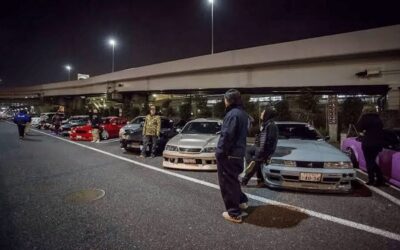 ★ 4.7FAST&FURIOUS EXPERIENCE Tokyo Car Club membershipFrom $138
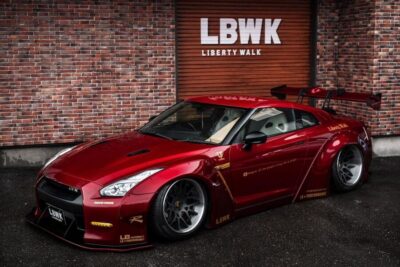 ★ 4.8GT-R35 800hp Club Membership – secret underground car meetFrom $205
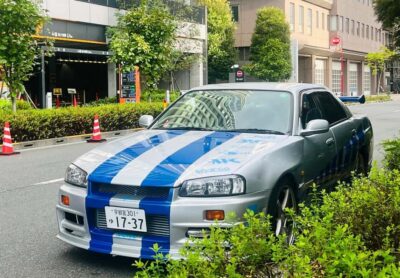 ★ 4.8Tokyo: Fast & Furious Tokyo Drift 3 Experience (Kaila Yu SP)From $157
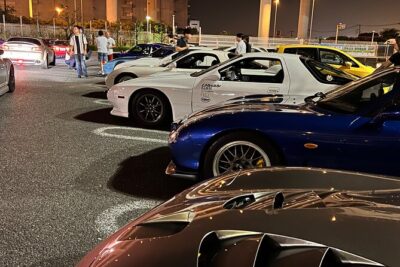 ★ 4.8Tokyo: Daikoku JDM Car Meet & Night Car Culture TourFrom $984 hours
 ★ 4.8Secret Car Meet: R34 Skyline Car Club MembershipFrom $236
 ★ 4.7Tokyo Drift: Daikoku PA Supreme Car Experience 大黒PAFrom $583 hours