
Reviewed · JDM & CAR CULTURE
Tokyo: Fast & Furious Tokyo Drift 3 Experience (Kaila Yu SP)
Tokyo’s car culture is best seen after dark, from the passenger seat of a tuned sports car. This roughly four-hour outing takes you along the C1 and Wangan routes, through tunnels, across Rainbow Bridge, and out to Daikoku Parking Area, where modified cars gather.
I like the free Daikoku PA entry and the 30-minute stop at A PIT Autobacs, Japan’s giant car-supply store. I also like the human touch: drivers such as Kei, Ken, Kuroda, Masa, and Yuki do more than steer, they explain the cars and the city when communication allows.
The main drawback is that you do not choose your car on the standard booking. Cars depend on the date, driver availability, and daily conditions, and this is a shared outing with roughly 10 to 30 cars rather than a private ride.
In This Review
- Key points to know before booking
- Tokyo’s car scene begins after dark
- What the shared car format feels like
- The Wangan, C1, and Tokyo’s tunnel network
- Daikoku Parking Area, the reason many people book
- A PIT Autobacs gives the night a practical stop
- Rainbow Bridge and Tokyo Bay from the road
- Tokyo Tower, Shibuya Crossing, and the city after dark
- Is $157 a fair price?
- Who will enjoy this most?
- Should you book the Fast and Furious Tokyo Drift 3 experience?
- FAQ
- How much does the experience cost?
- Where does the experience start?
- What cars might be available?
- Can I choose my car?
- How many people ride in each car?
- Is hotel drop-off included?
- What happens if the weather affects Daikoku Parking Area?
Key points to know before booking
- Daikoku PA is the main event: Entry is free, and the parking area is a meeting place for Japanese domestic market cars and modified vehicles.
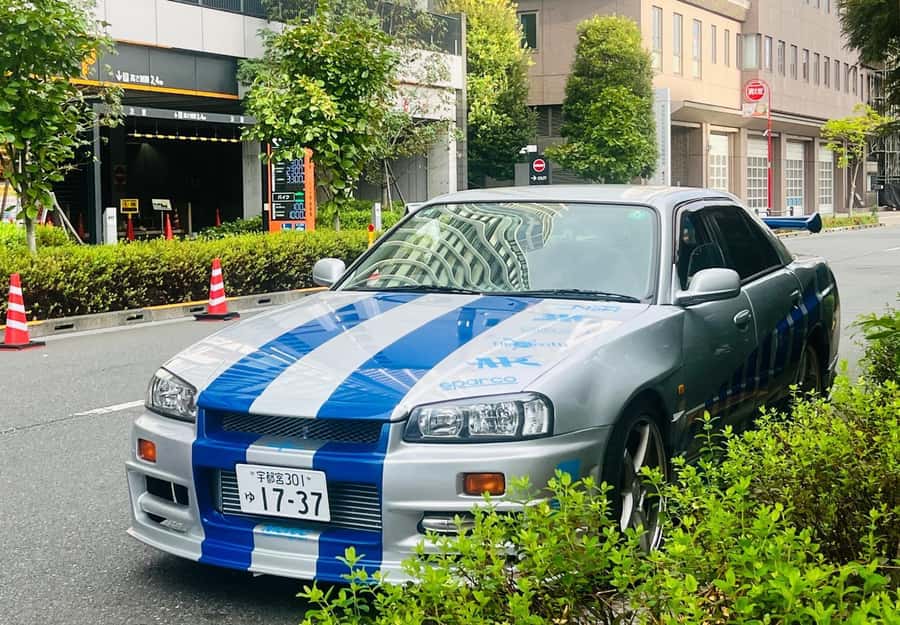
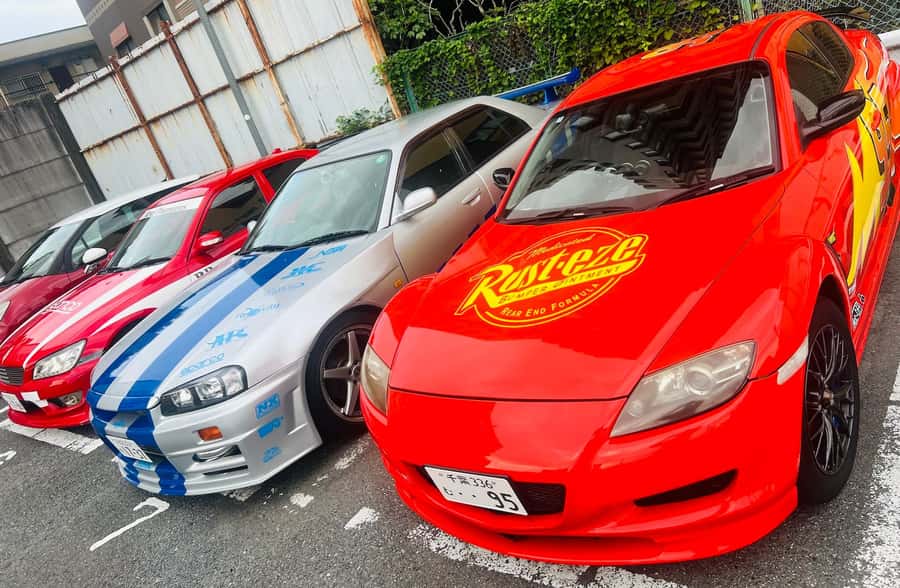
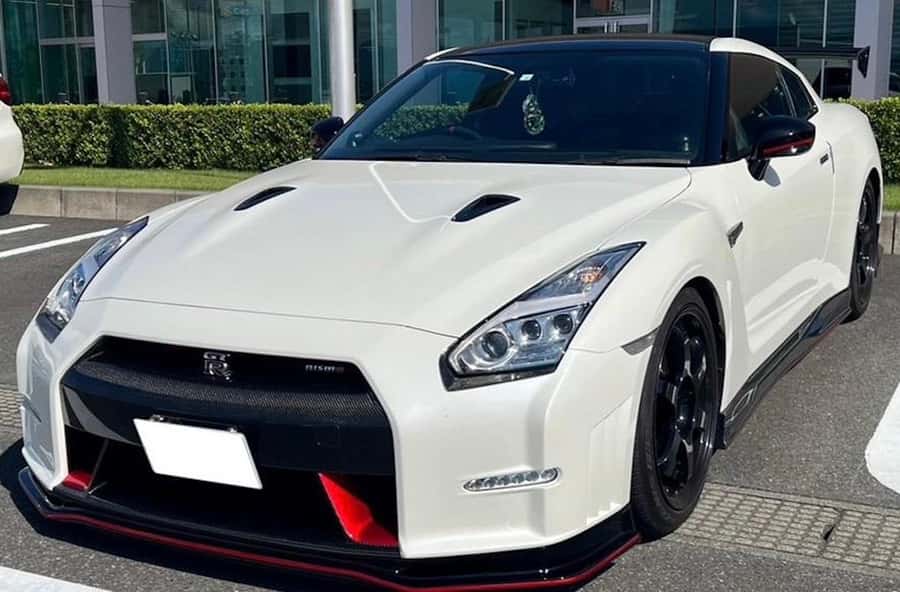
- You ride in a sports car, not a tour bus: The fleet may include a Mitsubishi Evolution 10, Nissan Skyline, GT-R, Subaru STI, Toyota Chaser, Silvia, RX-8, or other tuned cars.
- The route mixes cars and classic Tokyo views: Expect Wangan and C1 highways, tunnels, Rainbow Bridge, Tokyo Tower, Shibuya Crossing, and possibly other city sights.
- A PIT Autobacs adds a useful shopping stop: You get about 30 minutes inside Tokyo’s largest car-supply shop.
- Shared groups keep the price reasonable: At $157 per person, you get fuel, tolls, guides, stops, and hotel drop-off, but not a private car or guaranteed model.
- The ride finishes where you need it: Drop-off is included at a hotel, Airbnb, or another place inside Tokyo’s 23 wards.
Tokyo’s car scene begins after dark
This experience is built around a simple idea: Tokyo looks different from the road. Instead of viewing the city from a train window or a high observation deck, you ride through its tunnel network, highway loops, and waterfront roads in a modified car.
The meeting point is Tokyo Video Gamers. You are asked to arrive at least 15 minutes early, and the venue gives you a free Guaraná drink and free arcade play before departure. That is a clever start for a night aimed at fans of racing games, Japanese cars, and the Fast and Furious films.
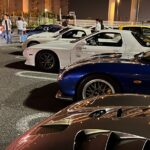
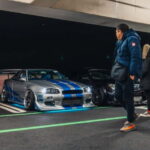
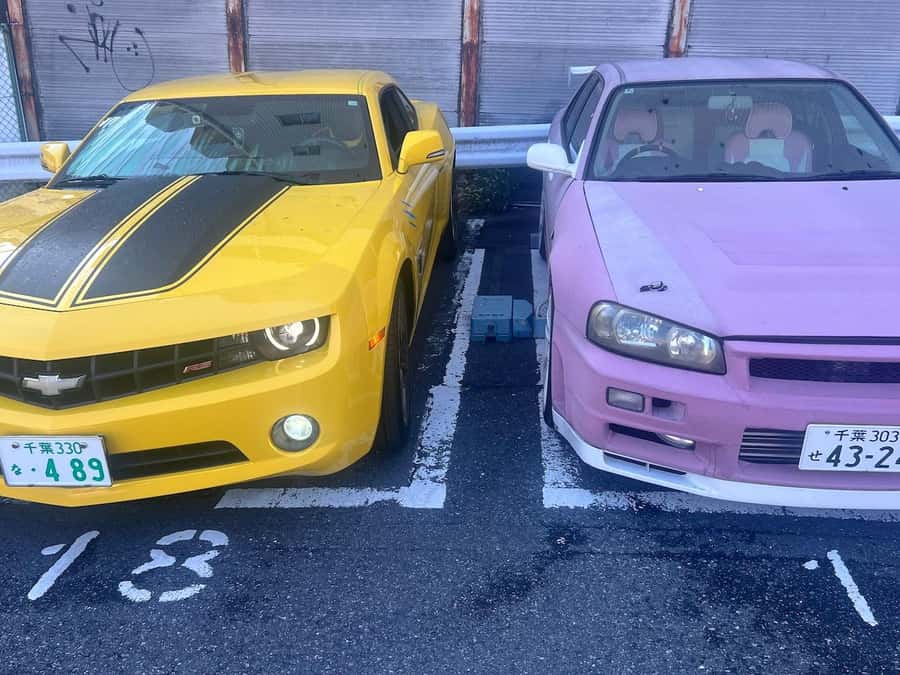
From there, you meet your driver and learn which car you have been assigned. The standard experience does not promise a particular model. The fleet can include a Mitsubishi Evolution 10, Nissan Skyline GTR34 or GTT34, Nissan GT-R R35 Nismo, Lexus RC F, Subaru STI, Toyota Chaser drift car, Nissan Silvia S14 or S15, Toyota Celica, Mazda RX-8, BMW M3, Chevrolet Camaro, and other Japanese or modified cars.
That uncertainty is worth understanding before you pay. You may be hoping for an R34 or an R35, but your booking does not guarantee one. If choosing a specific car matters, the company says to arrange a private booking at least a week ahead and purchase its higher-priced private option.
A few more Tokyo tours and experiences worth a look
What the shared car format feels like
Each car carries two or three people, and the overall group can run with 10 to 30 cars. That gives the night a convoy feel, with many different vehicles moving through Tokyo together, but it also means the experience is not designed around one car or one driver alone.
I see this as the right format for people who want the social side of Japanese car culture. You can compare cars at the stops, see how different owners modify them, and feel part of a larger group. It is less suitable if you want a quiet, custom itinerary or a long personal conversation with one guide.
The drivers are described as local car enthusiasts and professional guides. English, Portuguese, Japanese, Spanish, and Tagalog support is available, although your individual driver may not speak much English. That is not necessarily a problem, but you should keep WhatsApp notifications active because the company uses WhatsApp for updates and communication.
Drivers named in the feedback include Kei, Ken, Kuroda, Masa, Yuki, Koki, Kay, Kohei, Jeff, Sakamoto, Taiga, Vinnie, Victor, and others. The strongest part of the experience appears to be the driver connection. Kei is repeatedly praised for a friendly manner and careful driving, while Masa is noted for explaining the route and stops from a Subaru WRX STI.
Kuroda made a strong impression by using translation tools to share stories about Tokyo’s car culture. Sakamoto, driving a Toyota Chaser, also made an effort to welcome passengers despite limited English. These details matter because the car itself is only half the experience. A tuned machine is more fun when the person behind the wheel wants to talk about it.
The Wangan, C1, and Tokyo’s tunnel network
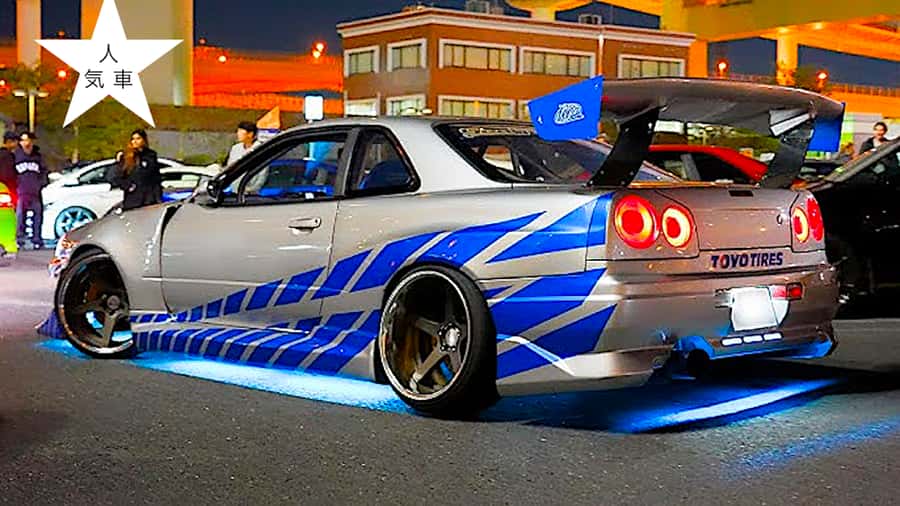
The first stretch takes you onto Tokyo’s major expressways, including the Wangan and C1 routes. These roads are a key reason to book this outing. They connect central Tokyo with the waterfront and create the fast-moving, neon-lit setting associated with Japanese street-racing films.
You will pass through tunnels and along long highway sections. The ride is meant to feel exciting, but your driver remains responsible for safe driving. Some feedback describes strong acceleration and high speeds, while other comments focus on feeling secure. You should treat the experience as a guided drive, not a promise of racing or a chance to drive the car yourself.
The view from inside a sports car also has limits. You are not guaranteed a clear view from every seat, and back seats in cars such as a GT-R can be tight. One passenger specifically pointed out the limited rear-seat size in a GT-R, so larger adults may prefer to request a more spacious seat if the operator can accommodate it.
The highway sections are valuable even when the cars are not moving dramatically fast. You see Tokyo as an interconnected city of ramps, lights, concrete walls, and waterfront openings. For someone who has spent the day on trains, being on the road is a welcome change.
Daikoku Parking Area, the reason many people book
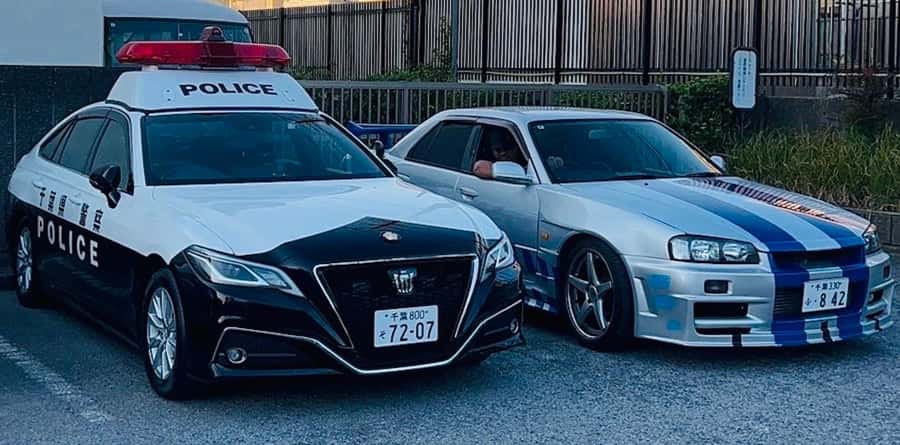
Daikoku Parking Area is the signature stop. It is a gathering point for Japanese domestic market cars, performance vehicles, and modified machines. Entry is free, but the real value is getting there with a group that knows how to reach the site and understands why it matters.
This is not a museum with a fixed display. The cars present can change, and weather may affect the number of vehicles at the meeting. You should arrive with flexible expectations. Some nights may offer a fuller scene than others.
At Daikoku, you get time to look around and take photographs. It is a good place to study the small details that make Japanese car culture interesting: wheels, exhausts, body kits, engine choices, paint, and the different ways owners personalize similar models.
The scene also gives context to cars you may recognize from games and films. Seeing an R32, R34, Chaser, Silvia, Evo, or STI in its home country feels different from seeing one at a motor show. The setting is informal, and the vehicles are part of a living enthusiast culture rather than a formal exhibit.
Weather is an important practical point. The company says it operates under a no-cancellation policy and may use other options when conditions affect highways or Daikoku. That means the outing can still run, but you should not assume the full car-meeting scene will look the same in snow, heavy weather, or road closures.
A PIT Autobacs gives the night a practical stop
The stop at A PIT Autobacs in Shinonome lasts about 30 minutes. It is described as the largest car-supply shop in Tokyo, and it gives the tour a different pace after the highway ride.
You can browse car parts, accessories, tools, maintenance products, and other motoring goods. Even if you are not shopping, the store shows how broad Japan’s car market is. It is a useful stop for anyone who enjoys the equipment and styling side of the hobby, not just horsepower.
Thirty minutes is enough to look around, but not enough for a careful shopping trip. If you see something you want, keep an eye on the clock. The group needs to leave together, and the rest of the route includes several major views.
Rainbow Bridge and Tokyo Bay from the road
The return route includes Rainbow Bridge, with views toward Tokyo Bay and Odaiba. This is one of the best changes of mood in the itinerary. Daikoku is about cars and enthusiasts, while Rainbow Bridge gives you a broad city view and a sense of Tokyo’s waterfront scale.
Night conditions make the bridge especially effective. City lights reflect across the bay, and the road itself becomes part of the view. You may not have long to stop, since some sights are seen while passing, but the crossing is a memorable part of the drive.
The route may also include Tokyo Tower, Shibuya Crossing, and Tokyo Skytree. Tokyo Tower works well as a night photo stop or passing landmark. Shibuya Crossing adds the familiar city spectacle, while Skytree offers another recognizable point on the skyline.
These stops are not full sightseeing visits. Think of them as scenic chapters between the car-focused sections. If you want extensive time at Tokyo Tower or Shibuya, book a separate visit during the day. Here, the appeal is seeing those places as part of a moving night route.
Tokyo Tower, Shibuya Crossing, and the city after dark
The city sights help make this more than a specialist car outing. A companion who does not know much about JDM cars can still enjoy the skyline, bridges, tunnels, and central Tokyo streets.
Shibuya Crossing is particularly useful for first-time visitors because it connects the car experience with one of Tokyo’s best-known public spaces. You do not have to spend another evening planning transport between several sights. The route links them with the car scene in one continuous outing.
I would still rank the landmarks behind Daikoku and the drive itself. If you are booking mainly for Tokyo Tower or Shibuya, there are cheaper and more flexible ways to see them. If you are booking for Japanese cars and want those sights along the way, they add real value.
Is $157 a fair price?
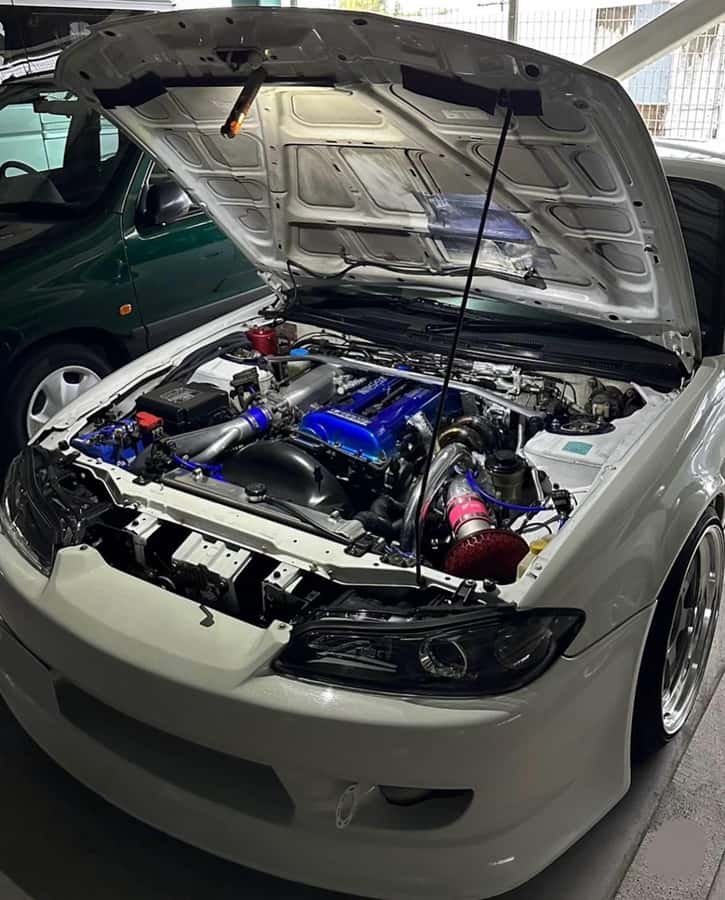
At $157 per person, this is not a budget sightseeing ride. The price makes more sense when you count what is bundled in: a sports-car seat, professional driver, fuel, expressway tolls, several stops, multilingual support, and drop-off anywhere within Tokyo’s 23 wards.
A normal taxi or rideshare would not reproduce the group atmosphere, the car selection, or the stop at Daikoku. Renting a performance car yourself would bring its own costs, rules, insurance questions, and navigation headaches. For a car enthusiast, the package can be good value.
The calculation changes if you only want a guaranteed specific model. The standard booking cannot promise an R34, R35, STI, or Evo. You are paying for the overall night, not a particular badge.
The free hotel or Airbnb drop-off also matters. Tokyo’s highway districts and waterfront areas are not always convenient to leave late at night, especially if you are unfamiliar with the city. Drop-off inside the 23 wards saves you from arranging a second ride after the group ends.
Cancellation is flexible up to 24 hours before the start for a full refund, and you can reserve and pay later. Bring a passport or ID card, wear comfortable clothes and shoes, and keep WhatsApp alerts on. A message is sent at least one hour before the start time, and delays are tolerated for up to 15 minutes.
Who will enjoy this most?
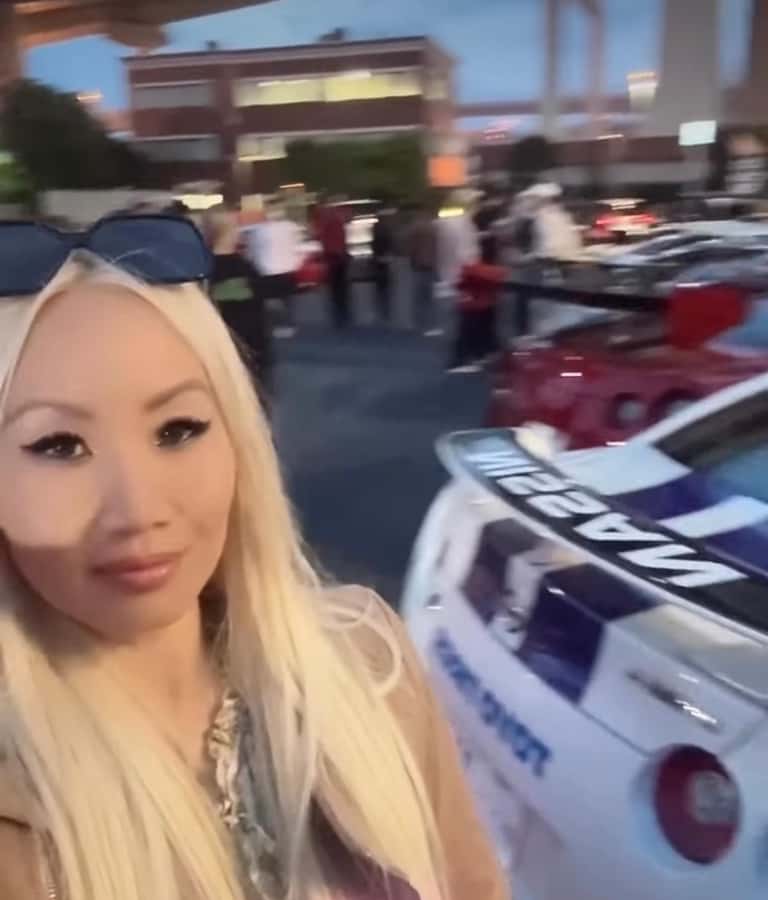
This is a strong match for you if you:
- Follow JDM, tuning, drifting, or Japanese performance cars
- Want to see Daikoku PA without planning the route yourself
- Enjoy meeting fellow enthusiasts in a large group
- Like night drives, tunnels, bridges, and city lights
- Are happy to accept whatever car is available
- Want hotel drop-off after a late evening
Families can also enjoy it. One parent and a 13-year-old had a memorable ride in a Nissan Skyline, and another family booked it for an eight-year-old’s birthday. Still, check the seating carefully if you are traveling with larger children or adults, since some sports-car back seats are small.
This is less ideal if you dislike cars, motion, shared groups, or uncertain vehicle assignments. It is also not the right choice if your main goal is to drive the car yourself. You ride as a passenger with a professional driver.
Should you book the Fast and Furious Tokyo Drift 3 experience?
Book it if Japanese car culture is one of your reasons for visiting Tokyo. The mix of a tuned car, Daikoku PA, A PIT Autobacs, Wangan and C1 roads, Rainbow Bridge, and Tokyo’s night landmarks gives you something difficult to arrange independently.
Go in with realistic expectations. You may not get the car you hoped for, the Daikoku meeting can vary with weather, and a shared convoy is less personal than a private tour. The reward is the atmosphere: a night on Tokyo’s roads with drivers such as Kei, Ken, Kuroda, or Masa, surrounded by cars that carry real enthusiast appeal.
At $157, I would call it a worthwhile splurge for a genuine car fan. If you are only mildly interested in cars, spend the money on a more traditional Tokyo night tour instead.
FAQ
How much does the experience cost?
The listed price is $157 per person.
Where does the experience start?
You meet the drivers at Store Tokyo Video Gamers. You are asked to arrive at least 15 minutes before the start time.
What cars might be available?
The fleet may include Mitsubishi Evolution 10, Nissan Skyline GTR34 and GTT34, Nissan GT-R R35 Nismo, Lexus RC F, Subaru STI, Toyota Chaser, Nissan Silvia S14 and S15, Toyota Celica, Mazda RX-8, BMW M3, Camaro, and other JDM cars.
Can I choose my car?
The standard experience does not guarantee a chosen car. Vehicle availability depends on the reservation date, driver availability, and daily conditions. A private booking with a higher ticket is offered for guests who want to choose cars.
How many people ride in each car?
Each car carries two to three people. The overall outing may include 10 to 30 cars.
Is hotel drop-off included?
Yes. Drop-off is included at your hotel, Airbnb, or another requested place inside Tokyo’s 23 wards.
What happens if the weather affects Daikoku Parking Area?
The company says it continues to operate and may use alternative options if weather or road closures affect the normal route. The number of cars at the meeting can be reduced by weather, and that does not qualify for a refund under the stated conditions.
More JDM & Car Culture in Tokyo
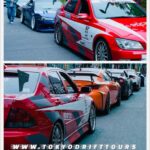
More tours in Tokyo we've reviewed











JDM & Car Culture, compared.
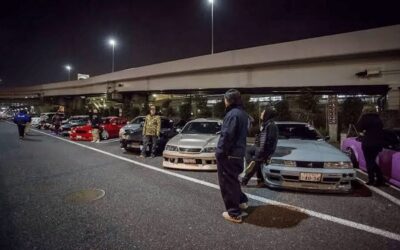 ★ 4.7FAST&FURIOUS EXPERIENCE Tokyo Car Club membershipFrom $138
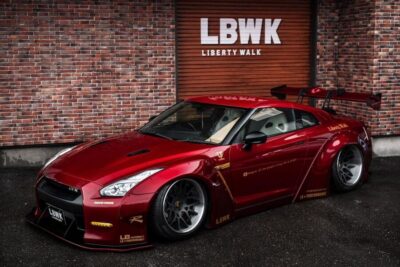 ★ 4.8GT-R35 800hp Club Membership – secret underground car meetFrom $205
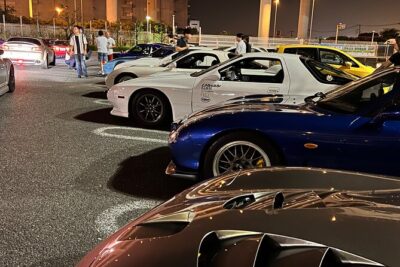 ★ 4.8Tokyo: Daikoku JDM Car Meet & Night Car Culture TourFrom $984 hours
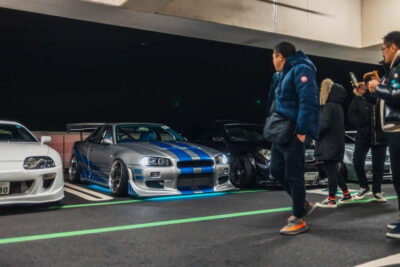 ★ 4.8Secret Car Meet: R34 Skyline Car Club MembershipFrom $236
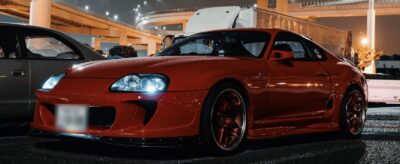 ★ 4.7Tokyo Drift: Daikoku PA Supreme Car Experience 大黒PAFrom $583 hours
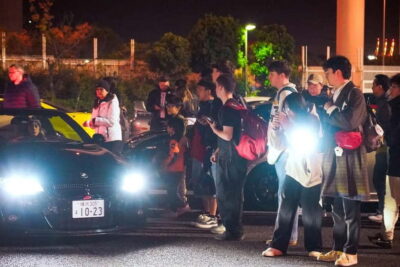 ★ 4.9Tokyo: Legendary JDM CAR Daikoku Underground MeetupFrom $824 hours