
Reviewed · HAKONE DAY TRIPS
Private Daikoku Parking Area, Hakone turn Pike, Umihotaru Tours
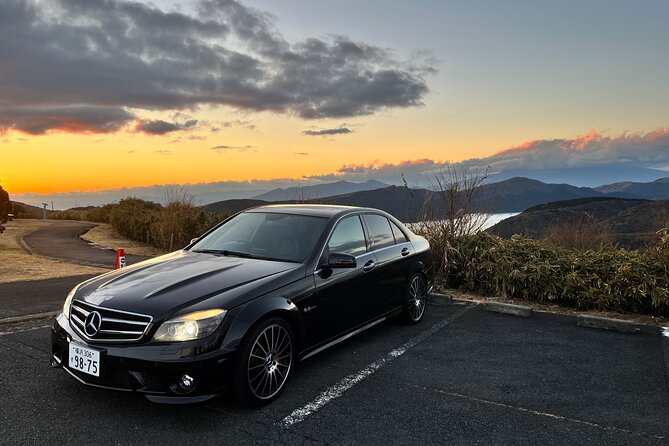
Daikoku Parking Area is the main event here: a famous meeting point for Japan’s customized cars, reached in a private vehicle with a local enthusiast at the wheel. I like the small-group format, since up to four people share one car and one price, and I like that guide Fred, also called Frederick, explains the local car scene in English rather than simply dropping you at a car park.
You also get more than a car-spotting run. Umihotaru, a man-made island reached by bridge or an undersea tunnel, adds food and ocean views, while Hakone Turnpike brings a winding mountain drive and a chance to see Mount Fuji. The catch is timing: car activity and Fuji visibility depend on conditions, and the full outing may last anywhere from two to six hours.
In This Review
- Key points at a glance
- Why Daikoku Parking Area is the draw
- What the private price really gets you
- Setting out from Yokohama Station area
- Umihotaru, an island in the middle of Tokyo Bay
- Hakone Turnpike and the Mount Fuji chance
- A guide who treats cars as more than a backdrop
- Who will enjoy this most
- Practical planning before you book
- Should you book the Daikoku and Hakone outing?
- FAQ
- How much does the private tour cost?
- Where does the tour begin and end?
- Which places are included?
- Is food included?
- How long does the experience last?
- What happens if the weather is poor?
Key points at a glance
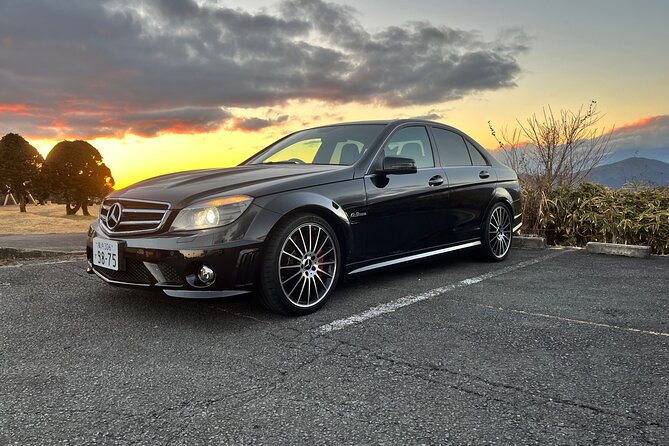
- Daikoku Parking Area: See customized Japanese cars at one of the country’s best-known car gathering spots.
- One price for four: The $130.64 rate covers your whole private group, not each passenger.
- Fred’s local guidance: Fred or Frederick is an English-speaking car enthusiast who helps explain how the evening works.
- Umihotaru island: Stop on a man-made island above the ocean for views, food, and drinks.
- Hakone Turnpike: Ride the twisty road to Daikanyama Parking Lot for a possible Mount Fuji view.
- Weather matters: Poor weather can cancel the outing, and cloudy skies may block Fuji.
Why Daikoku Parking Area is the draw
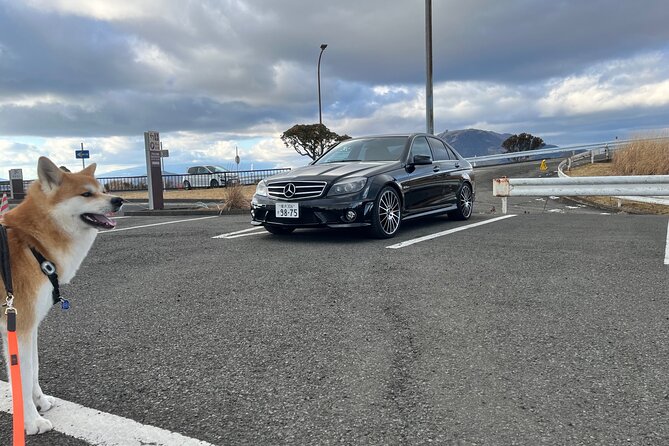
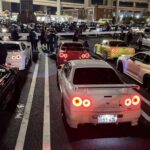
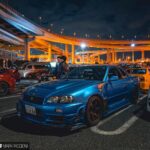
For anyone who follows Japanese cars, Daikoku Parking Area is not just a rest stop. It is a place to see the country’s custom-car culture in person, with modified vehicles gathering in a setting that feels far removed from a standard sightseeing loop.
The appeal is the mix of machines and atmosphere. You are not walking through a museum display where every car sits behind a rope. You are visiting a working parking area known for Japanese cars, so what appears can vary by day and by time. That uncertainty is part of the fun, but it also means you should not expect a fixed lineup.
This is where having Fred or Frederick matters. The guide is described as a local enthusiast who knows when to go and can explain how the night usually unfolds. That is useful because the experience is less about checking off a monument and more about understanding what you are seeing, how the gathering works, and where to get the best views.
The private setup keeps the mood easy. Your party does not have to match the pace of strangers, and you can ask questions as you go. The group limit is four people, which works well for friends or a family that wants to share the outing without paying four separate tour rates.
A few more Yokohama tours and experiences worth a look
What the private price really gets you
The listed cost is $130.64 per group of up to four people. That is an important detail. For four passengers, the effective cost is about $32.66 each, which makes the private vehicle and guide access quite appealing. For one person, the same rate feels much less economical, though the private arrangement still offers a level of control that a shared tour may not.
The price includes bottled water and admission for the listed stops. It does not include lunch, dinner, snacks, alcohol, or other food and drinks. Umihotaru has places to eat, so plan to buy anything you want there rather than expecting a meal to be covered.
I see the best value for a group of three or four, especially if Daikoku is a major reason for your Yokohama visit. You are paying for a private outing with a guide who has a personal interest in cars, not just transportation to a viewpoint.
The experience is listed as lasting roughly two to six hours. That is a wide range, so ask for the expected schedule when you book. The supplied route includes Daikoku, Umihotaru, and Hakone Turnpike, but the provider offers three different tours, all of which stop at Daikoku. Confirm which version you are selecting and how much time is planned at each location.
Setting out from Yokohama Station area
The meeting point is at Foodies Port, 1-chome 6-31 Minamisaiwai, Nishi Ward, Yokohama, Kanagawa 220-0005. It is near public transportation, which helps if you are staying in central Yokohama or arriving by train.
The activity ends back at the same meeting point. That makes planning easier than a one-way outing, especially if you have dinner plans or need to return to your hotel after the drive.
This is a private activity, so only your own group takes part. That matters on a route where timing can shape the experience. You can focus on cars at Daikoku, spend time at Umihotaru, or ask for more explanation without keeping pace with a large bus group.
Confirmation is sent within 48 hours of booking, subject to availability. Since the activity is often booked about 41 days ahead, I would not leave it until the last minute if Daikoku is high on your list.
Umihotaru, an island in the middle of Tokyo Bay
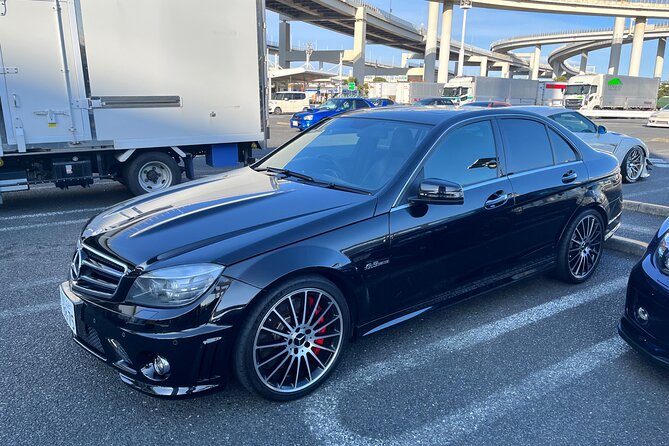
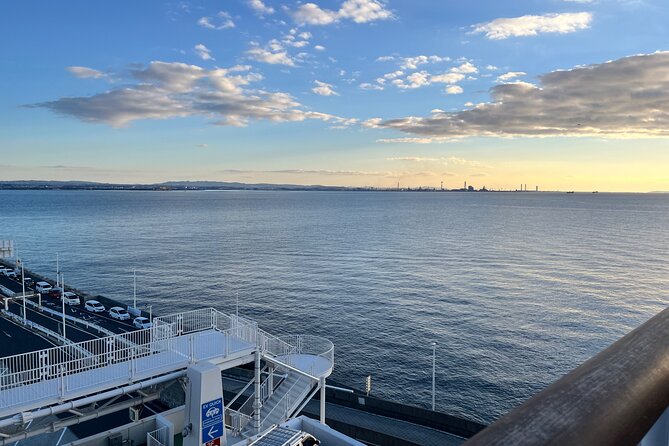
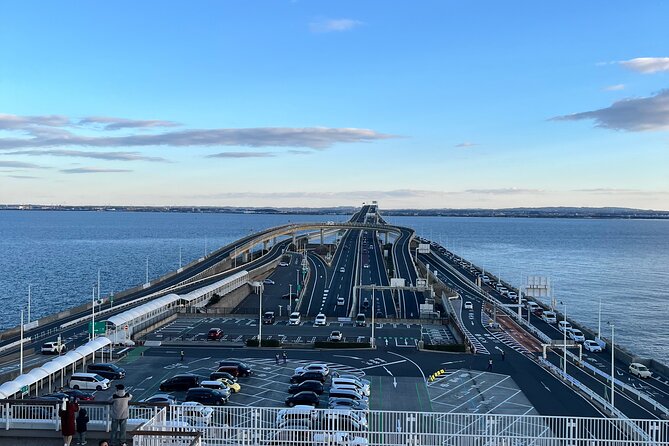
Umihotaru is one of the most unusual stops on this outing. It is a man-made island reached either by bridge or by a tunnel running beneath the ocean. Even the journey there gives the stop a sense of occasion, since you are not simply pulling into an ordinary roadside rest area.
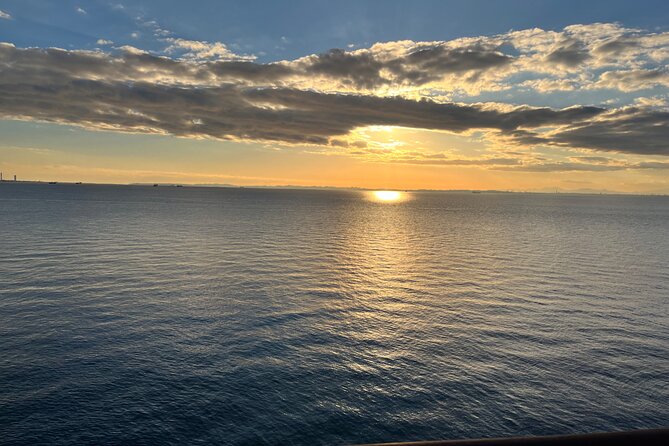
From the island, you can enjoy views over the water and buy food or drinks. This gives the tour a useful change of pace after the car-focused stop at Daikoku. You can stretch your legs, grab a bite, and take photographs without the visit feeling like another quick roadside pause.
Admission to Umihotaru is included. Food and drinks are not, so carry a payment method and allow room in your budget if you want a meal, snack, or alcohol.
The exact weather will affect how much you see. On a clear day, the open views are the reason to linger. On a gray or cloudy day, Umihotaru still offers an unusual piece of infrastructure and a place to eat, but the view may not be the star.
Hakone Turnpike and the Mount Fuji chance
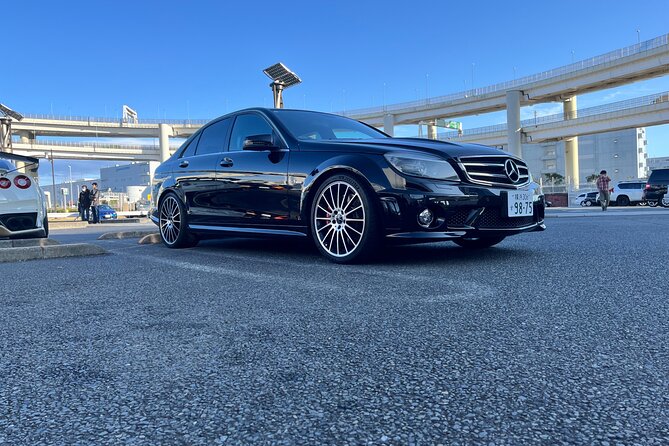
The Hakone portion takes you along twisty roads toward Hakone Turnpike Daikanyama Parking Lot. If you enjoy driving routes, this is a welcome contrast to the flat, engineered setting of Daikoku and Umihotaru. The road itself becomes part of the outing.
The main reward is the view toward Mount Fuji, weather permitting. You should treat Fuji as a possibility, not a guarantee. Some days are cloudy, and low visibility can block the mountain entirely. The stop can still offer a pleasant outlook, but you should not book this tour solely on the promise of a clear Fuji photograph.
The route also gives you a look at how varied the Yokohama area can be within one short private excursion. You move from urban car culture to a man-made island and then toward a mountain road. That variety is a strong reason to choose the full route instead of a simple transfer to Daikoku.
The turnpike stop is listed as an included admission stop. Since the total tour length can vary, check how much time is scheduled for the Hakone drive and viewpoint. If you have a strict evening appointment, the flexible two-to-six-hour range deserves attention.
A few more Yokohama tours and experiences worth a look


A guide who treats cars as more than a backdrop
The most praised part of this experience is Fred’s approach. He is described as friendly, communicative, and easy to talk with, including for English-speaking visitors. He does not simply act as a driver. He helps you understand the local car scene and gives practical advice about how the night at Daikoku usually works.
That personal interest can change the quality of the visit. At a car gathering, a person who knows what to watch for can point out details you might otherwise miss. You can also ask questions in real time, which is far more useful than trying to identify every modified car later from photographs.
The guide also appears to give the group room to take its time. That is important for this kind of experience. You may want five minutes with one car and twenty minutes with another, or you may prefer to move on quickly and spend more time at Umihotaru.
I would still keep your expectations sensible. No guide can control which cars appear, how busy the parking area is, or how long the weather stays clear. Fred’s value comes from local timing, communication, and enthusiasm, not from guaranteeing a particular vehicle lineup.
Who will enjoy this most
This tour suits people who already care about Japanese cars, custom builds, driving roads, or automotive photography. It is also a good pick if you want an evening that feels more local and specific than a standard Yokohama sightseeing trip.
Friends can make especially good use of the price. Four people sharing $130.64 receive much better value than a solo passenger paying the same group rate. Couples may still appreciate the privacy, but the cost per person is higher.
Families can participate because most visitors can take part, and service animals are allowed. Still, the experience is built around parking areas, driving, views, and car culture. If your children have no interest in cars, Umihotaru may be the part they enjoy most.
I would be cautious about booking if you need a tightly fixed schedule or guaranteed scenery. The duration is approximate, the weather can cancel the activity, and Mount Fuji may be hidden by clouds. This is best for people who can accept a little uncertainty in exchange for a more personal outing.
Practical planning before you book
Wear comfortable clothing for getting in and out of the vehicle and walking around the stops. The provided information does not specify a dress code, but Umihotaru and the parking areas are places where you will likely want to move around rather than remain seated.
Bring money for food and drinks. Bottled water is supplied, but lunch, dinner, snacks, and alcohol are not included. Umihotaru is the natural place to buy something, though the exact meal plan depends on your timing.
Think carefully about the weather forecast. The activity requires good weather, and poor conditions may lead to a different date or a full refund. Even if the tour runs, clouds can reduce visibility at Hakone and hide Mount Fuji.
The cancellation terms are simple but firm. You receive a full refund if you cancel at least 24 hours before the start time. Cancellations or changes made within 24 hours are not accepted for a refund. Cut-off times use local time in Japan.
Should you book the Daikoku and Hakone outing?
Book it if you want Japanese car culture with a personal guide, especially if your group has three or four people. Fred’s enthusiasm, the private format, and the mix of Daikoku, Umihotaru, and Hakone make this more interesting than a basic ride to a parking area.
The strongest reason to choose it is the guide’s ability to add context and timing to a place that can otherwise be hard to visit on your own. The best supporting feature is the route variety, with cars, an undersea tunnel and man-made island, and a mountain drive in one outing.
Skip it if you need guaranteed Mount Fuji views, a set duration, or a food-inclusive tour. For everyone else, particularly car fans visiting Yokohama, the group price and private format make this a sensible way to see a side of Japan that standard city tours rarely cover.
FAQ
How much does the private tour cost?
The listed price is $130.64 per group, with up to four passengers included. You do not pay a separate tour price for each person.
Where does the tour begin and end?
It begins at Foodies Port, 1-chome 6-31 Minamisaiwai, Nishi Ward, Yokohama, Kanagawa 220-0005. The activity ends back at the same meeting point.
Which places are included?
The route includes Daikoku Parking Area, Umihotaru, and Hakone Turnpike Daikanyama Parking Lot. The provider offers three different tours, all of which include a stop at Daikoku, so confirm the exact tour option when booking.
Is food included?
No. Bottled water is included, but lunch, dinner, snacks, alcohol, and other drinks are not. You can buy food and drinks at Umihotaru.
How long does the experience last?
The approximate duration is two to six hours. The exact length depends on the selected tour and schedule.
What happens if the weather is poor?
The activity requires good weather. If it is canceled because of poor conditions, you are offered another date or a full refund. You can also cancel for a full refund up to 24 hours before the start time.
More Private Tours in Yokohama

More JDM & Car Culture in Yokohama
More Hakone Day Trips in Yokohama
More tours in Yokohama we've reviewed
Hakone Day Trips, compared.
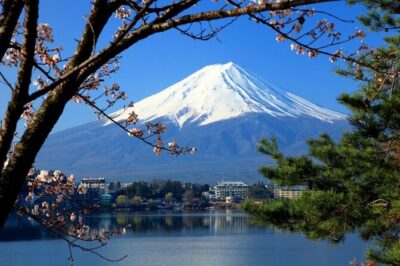 ★ 5.0Mt Fuji and Hakone 1-Day Bus Tour Return by Bullet TrainFrom $163
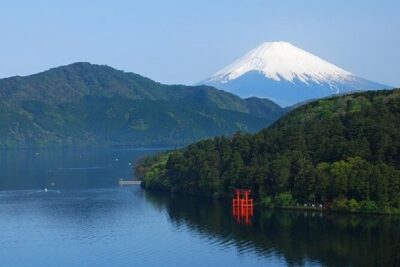 ★ 4.0Mt Fuji & Hakone Cruise, Drum Show Bullet Train 1 Day from TokyoFrom $149
 ★ 4.4Tokyo Mt Fuji 5th St & Hakone Cruise Bus Tour w/Bullet TrainFrom $15410 hours
 ★ 4.7Tokyo: Mt. Fuji Tour, Hakone Ropeway, Owakudani, Lake AshiFrom $5410 hours
 ★ 4.2Tokyo: Mt. Fuji 5th Station & Hakone Cruise 1-Day Bus TourFrom $12911 hours
 ★ 5.0Private Tour to Mt. Fuji and Hakone (Fully Licenced Operator)From $497