
Reviewed · TOKYO FOOD TOURS
Kawagoe Japanese Food Tour : Unagi Kaiseki and Sake near Tokyo
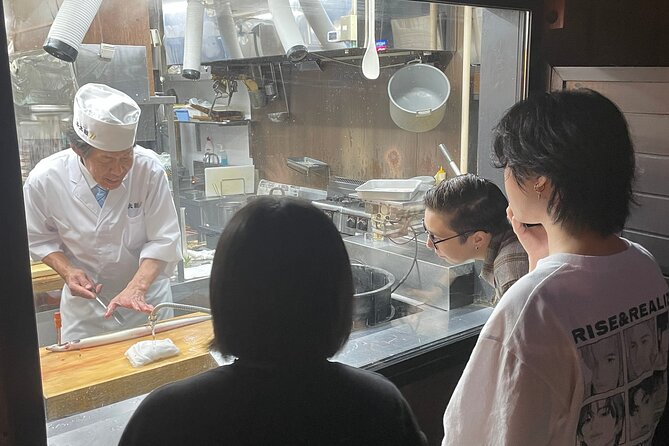
The most unusual part of this Kawagoe outing is right on the plate: you watch a chef with more than 40 years of eel experience prepare live unagi, then eat it in several traditional forms. You also grate fresh wasabi yourself, a small hands-on task that changes the heat depending on how you work the grater.
I like the close look at a Japanese food tradition that you will not usually find on a standard food walk. I also like the small group, capped at eight, and the help from an English-speaking guide such as Mr. Kusuda, whose lively humor and clear translation have made the chef’s demonstration easier to follow.
The main consideration is cost. At $181.19 per person, this is a special-occasion meal rather than a cheap dinner. Sake, transport, and tips cost extra, and the 5 pm start leaves little room for a rushed visit to Kawagoe beforehand.
In This Review
- Key points to know before you book
- Why Kawagoe is a smart setting for an eel meal
- What happens when you arrive at 5 pm
- Watching the chef prepare live unagi
- Grating fresh wasabi at the table
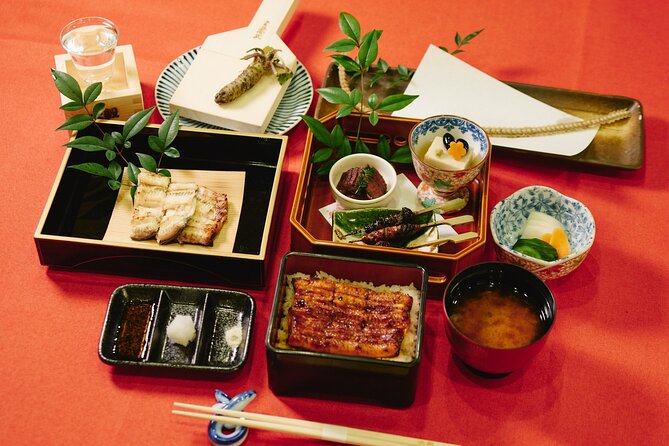
- The three-part eel meal: shirayaki, unajū, and more
- Adding Saitama sake to the evening
- Is $181.19 a fair price?
- How to fit it into a day in Kawagoe
- Who will enjoy this most
- Booking, cancellation, and practical details
- Should you book this Kawagoe unagi experience?
- FAQ
- Where does the Kawagoe unagi tour begin?
- What time does the activity start?
- How long does the experience last?
- Where does the tour end?
- What food is included?
- Is sake included in the price?
- Is wasabi included?
- Is transportation included?
- How many people can join?
- Can solo participants join?
- What is the cancellation policy?
Key points to know before you book
- A 40-year eel master cooks in front of you: Watch the preparation of live unagi and learn how this premium ingredient becomes dinner.
- Fresh wasabi is part of the meal: Grate it yourself and notice how your technique affects the heat.
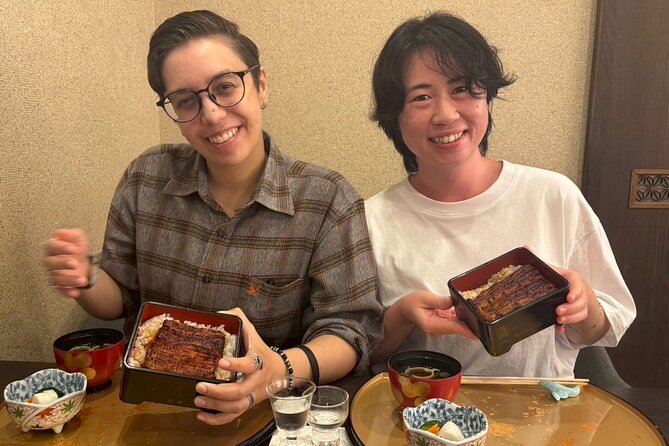
- The meal includes three main stages: An appetizer, plain grilled eel called shirayaki, and unajū, grilled eel served over rice.
- The guide adds context and humor: Mr. Kusuda has been praised for lively English translation, quizzes, and storytelling.
- The group stays small: A maximum of eight people makes it easier to see the chef and ask questions.
- Sake is optional: Three sake varieties can be added for an extra fee, but alcohol is not included in the standard price.
Why Kawagoe is a smart setting for an eel meal
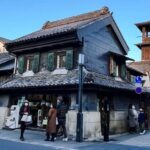
Kawagoe gives this dinner more character than a meal in central Tokyo. The town is known for its old-fashioned streets and buildings linked with Japan’s samurai-era past, and it is roughly 30 minutes from central Tokyo by train.
That short journey matters. You can leave Tokyo’s dense center in the afternoon and arrive in a place with a slower feel before dinner. Kawagoe is also generally less crowded than major sightseeing stops such as Kyoto, Osaka, Mt. Fuji, or central Tokyo, although the exact mood will depend on the day.
I like the pairing of an old town and a traditional eel meal. Unagi is not an everyday bargain food in Japan. It is often saved for celebrations or occasions when people want something special, so the setting and meal fit each other well.
The meeting point is Eccola Resona Koedoterrace, at 41 Saiwaicho, Kawagoe. The tour begins at 5 pm and returns to the same meeting point after about two and a half hours. Public transportation is not included, so allow for your train fare and the walk or local connection to the meeting point.
If you're still narrowing it down, here are other tours in Kawagoe we've reviewed.
What happens when you arrive at 5 pm
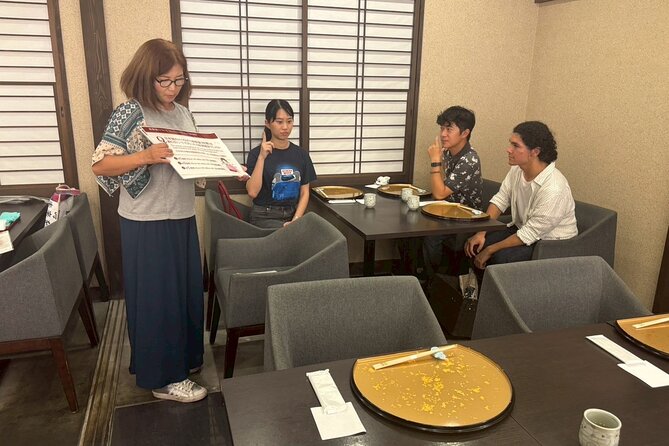
Your guide meets you at Eccola Resona Koedoterrace and helps set the stage for the meal. This is not simply a restaurant reservation with a guide attached. The format is built around explanation, demonstration, and tasting.
The English-speaking guide introduces the food and its place in Japanese dining. Eel can be unfamiliar to visitors who know Japanese cooking mainly through sushi, ramen, tempura, or soba. Here, you get an explanation of why unagi is treated as a premium ingredient and why it has such a strong place in local dining culture.
Expect some quizzes and questions during the presentation. That keeps the talk from becoming a long lecture, especially for people who know little about eel. Mr. Kusuda has received particular praise for his lively translation and candid humor, which is useful when the chef’s explanations need to move between Japanese and English.
The group limit of eight is important. A smaller party should give you a better view of the preparation and a more relaxed chance to ask questions. This is still a restaurant setting, not a private class, so you should not assume that every minute will be one-on-one.
Watching the chef prepare live unagi
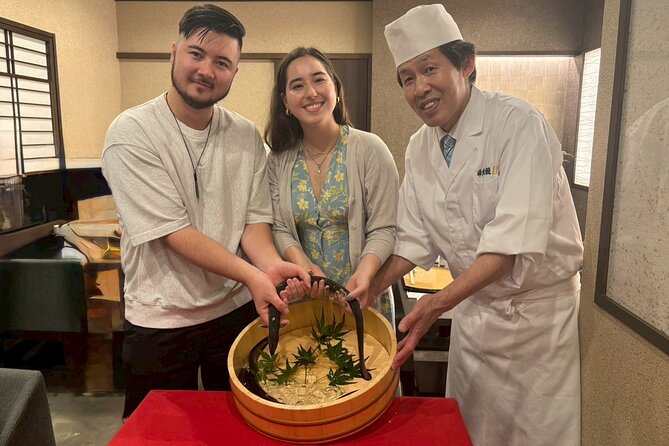
The central event is the eel demonstration. You can see the live eel before it is prepared, and the presentation explains the process from the ingredient itself to the cooked dish. For some people, handling a live eel is the most memorable part. For others, it may be confronting.
That is worth considering honestly. This is a food experience that shows where the dish begins. If you prefer not to see or touch live seafood, the demonstration could be uncomfortable. The tour’s appeal depends partly on your interest in food preparation, not just on the final taste.
The chef’s long career gives the presentation a sense of craft. Traditional eel cookery requires more than simply putting fish over a flame, and the demonstration lets you see the care behind a dish that can look simple when it arrives at the table.
The chef also explains different ways to enjoy the eel. That is a useful part of the meal because it helps you compare texture and flavor rather than treating every serving as the same. The presentation is designed to show the full preparation process, from handling the eel to grilling and serving it.
Grating fresh wasabi at the table
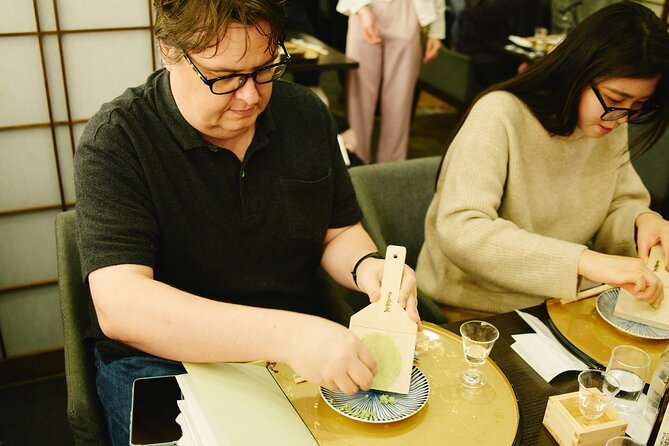
The wasabi activity is a small detail, but it makes the meal more personal. You grate fresh wasabi yourself and then use it with the food.
Your technique affects the result. The tour explains that the level of spiciness changes depending on how you grate it, so this is not just a decorative side dish. You get a direct lesson in how preparation changes flavor.
Fresh wasabi is different from the familiar bright green paste served in many casual Japanese restaurants. The tour does not require you to become a wasabi expert, but the activity gives you a practical reason to pay attention to aroma, heat, and texture.
I especially like this part for people who enjoy tasting small differences. It also breaks up the chef’s demonstration with something you do yourself. The only drawback is that people looking for a fast meal may find the guided steps slower than an ordinary dinner.
The three-part eel meal: shirayaki, unajū, and more
The listed course begins with an appetizer, followed by shirayaki and unajū. The appetizer starts the meal, while the two eel dishes let you compare different presentations.
Shirayaki is eel grilled without the usual sweet sauce. It gives you a clearer sense of the eel itself, including its texture and smoky flavor. The freshly grated wasabi is especially relevant here because it adds heat without covering the eel with a heavy glaze.
Unajū is grilled eel served over rice, usually presented in a lidded box or bowl-style setting. In this meal, the eel and rice provide a more filling, familiar combination after the plain grilled portion.
The course also includes traditional Japanese cuisine and kaiseki-style dishes. The supplied details do not give a complete item-by-item menu, so you should not book expecting a fixed list of many courses beyond the appetizer, shirayaki, and unajū named here.
The meal is best understood as a guided tasting rather than a large banquet. You are paying for the food, but also for the preparation demonstration, the explanation, the wasabi activity, and the chance to see a specialist at work.
Adding Saitama sake to the evening
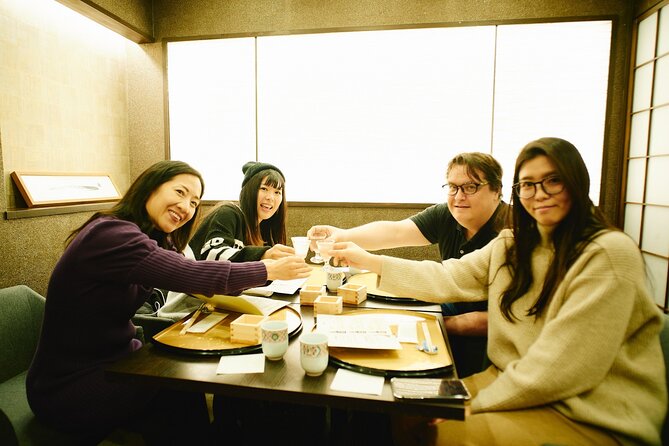
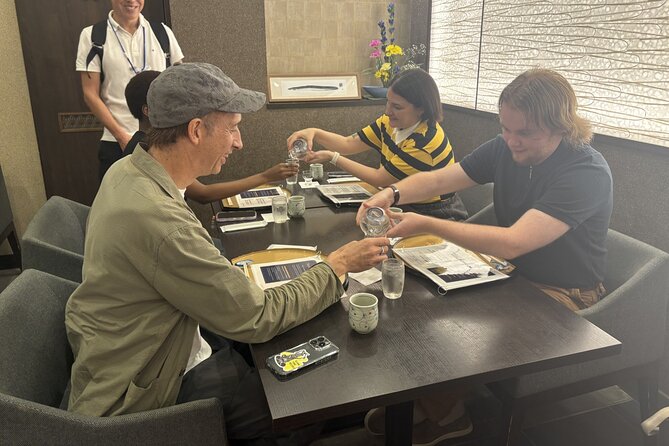
Alcohol is not included in the $181.19 standard price. You can add a sake pairing with three varieties for an extra fee, and the selections are chosen for this experience.
That option makes sense if you already enjoy sake or want help comparing styles with eel. The pairing gives the meal another layer, particularly because shirayaki and sauced eel do not have exactly the same flavor profile.
If you do not drink, you can still take part in the full food program. The sake is an add-on, not a requirement. You should check the final booking details for the current pairing charge, since the supplied price only covers the standard experience.
Remember to budget for your return transportation and tip as well. Those costs are separate from the tour price.
Is $181.19 a fair price?
The price is high for a two-and-a-half-hour food outing, especially before transport, alcohol, and tips. I would not compare it with the cost of an ordinary unagi lunch. This is closer to a chef demonstration and premium tasting built around one ingredient.
The value improves if you care about process. You see the live eel, watch an experienced chef prepare it, learn about the dish through an English-speaking guide, grate fresh wasabi, and taste both shirayaki and unajū.
The price may feel less worthwhile if you mainly want a full dinner with many different dishes or a long sightseeing tour. The meal focuses strongly on eel, and the time is limited. You are buying depth on one subject, not broad coverage of Kawagoe food.
I would also avoid treating the optional sake as part of the advertised price. If you want the three-sake pairing, add that cost before deciding. For a birthday, anniversary, food-focused day, or special evening in Kawagoe, the price can make sense. For a budget-conscious meal, it is a stretch.
How to fit it into a day in Kawagoe
The 5 pm start works best as the evening anchor of a larger day. The suggested plan combines a morning visit to Chichibu or Moominvalley Park with an evening in Kawagoe, though transportation between these places is not included.
You could also spend the afternoon exploring Kawagoe’s historic townscape before meeting the guide. Leave enough time to reach Eccola Resona Koedoterrace without rushing, since the tour begins at a fixed time.
A kimono stroll through Kawagoe before dinner is another suggested option. The old-style streets suit that plan, but the food tour itself does not state that kimono rental is included. Treat it as a separate activity and arrange it independently if you want that look.
Because the activity ends where it starts, it is easy to continue your evening from the same part of town or make your way back toward Tokyo. The return train fare remains your responsibility.
Who will enjoy this most
I would recommend this to you if you like food traditions, chef demonstrations, and meals that explain why a dish matters. It is also a good fit if you have already tried common Japanese foods and want something more specialized.
Solo participants are welcome, and the eight-person maximum should make joining alone feel manageable. Couples and small groups may appreciate the relaxed format as well.
This is less suited to you if you dislike seafood preparation, want a quick dinner, or need a low-cost activity. It may also be a poor match if you expect a broad food tour with many stops around town. The experience stays focused on one restaurant, one ingredient, and one guided meal.
Most people can participate, and the meeting point is near public transportation. Still, you should plan your route in advance because transport is not included and the start time is firm.
Booking, cancellation, and practical details
You receive confirmation when booking, and the mobile ticket makes it easy to keep the admission details on your phone. The activity has an average booking lead time of 57 days, so popular dates may need planning well ahead.
Free cancellation is available up to 24 hours before the local start time for a full refund. Changes or cancellations made inside that 24-hour window are not accepted or refunded.
The tour provider is 大穀 川越菓子屋横丁店. The activity starts and ends at Eccola Resona Koedoterrace, 41 Saiwaicho, Kawagoe, Saitama 350-0063.
Should you book this Kawagoe unagi experience?
Book it if you want a focused, unusual food lesson rather than a routine Japanese dinner. The strongest reasons are the chef’s four decades of eel work, the live preparation, the chance to grate fresh wasabi, and the comparison between shirayaki and unajū.
Skip it if $181.19 feels too high for a short meal, if you do not want to see live eel handled, or if your main goal is sightseeing rather than dining. If you decide to go, arrive with time to spare, budget for transport and optional sake, and consider exploring Kawagoe before the 5 pm meeting.
FAQ
Where does the Kawagoe unagi tour begin?
It begins at Eccola Resona Koedoterrace, 41 Saiwaicho, Kawagoe, Saitama 350-0063, Japan.
What time does the activity start?
The start time is 5 pm.
How long does the experience last?
The activity lasts approximately 2 hours and 30 minutes.
Where does the tour end?
It ends back at the meeting point, Eccola Resona Koedoterrace.
What food is included?
The course includes an appetizer, shirayaki, which is plain grilled eel, and unajū, grilled eel served over rice.
Is sake included in the price?
No. Alcoholic drinks are not included in the standard price. A three-variety sake pairing is available for an additional fee.
Is wasabi included?
Yes. Grinding wasabi is included in the experience, and you grate fresh wasabi yourself.
Is transportation included?
No. Public transportation costs are separate from the tour price.
How many people can join?
The activity has a maximum of eight participants.
Can solo participants join?
Yes. Solo participants are welcome.
What is the cancellation policy?
You can cancel up to 24 hours before the local start time for a full refund. Cancellations or changes made less than 24 hours before the start are not accepted or refunded.
More tours in Kawagoe we've reviewed
Tokyo Food Tours, compared.
 ★ 5.0Tokyo: Shinjuku Food Tour (13 Dishes at 4 Local Eateries)From $86
 ★ 4.9Tokyo: Shinjuku Food Tour (15 Dishes and 4 Eateries)From $853 hours
 ★ 5.0Best of Shinjuku: Izakaya Food Tour (4 Stops, 14+ Tastings)From $92
 ★ 5.0Tokyo Night Foodie Tour in Shinjuku – Seasonal Sushi, Wagyu BeefFrom $111
 ★ 5.0Eat and Drink Like a Local: Tokyo Ueno Food Tour-Taverns&RamenFrom $95
 ★ 5.0Tokyo: Shibuya Food Tour (13 dishes and 4 Eateries)From $77