
Reviewed · ASAKUSA TOURS
Asakusa’s Historic Treasures
Asakusa is one of Tokyo’s best places to see the old city and the modern one share the same streets. This four-hour experience moves from temples, shrines, and buildings that survived the war to festival-style photos, karaoke, and monja cooking, with guide Miley adding local history and customs along the way.
I like the clear change of pace: the first part gives you a useful timeline from Asakusa’s early days through 1945, while the second part lets you join in rather than simply watch. I also like that one drink is included with the monja meal, and karaoke comes with a free drink bar.
The main consideration is the price, $164.72 per person. That is a serious outlay for four hours, so this makes the most sense if you want a small-group social experience with food, singing, and a guide, not just a standard walking tour of Asakusa.
In This Review
- Key points to know before booking
- Why this Asakusa experience feels different
- Beginning near the Azumabashi crossing
- Seeing Asakusa in chronological order
- Asakusa Yokocho and festival-style photos
- One hour of karaoke with a free drink bar
- Learning to cook Asakusa-style monja
- Finishing at Ninja House
- What the $164.72 price includes
- Who should book this tour
- Practical details before you reserve
- Should you book Asakusa’s Historic Treasures?
- FAQ
- Where does the tour start?
- What time does the experience begin?
- How long does the tour last?
- What activities are included?
- Where does the tour finish?
- Can I cancel for a refund?
Key points to know before booking
- Asakusa’s past comes first: Visit temples, shrines, and buildings connected with the area’s long story, including structures that survived the war.
- Miley leads the experience: She has worked in both Asakusa and Akihabara, and brings information about local customs and history.
- Karaoke is part of the schedule: You get one hour with a free drink bar, making this more than a sightseeing walk.
- Monja is hands-on: You eat a dish born in Asakusa, and the guide teaches you how to cook it.
- The group is capped at nine: This should feel more personal than a large coach tour, though you still need to enjoy group interaction.
- The tour starts at 2:00 pm: It finishes near Ninja House, with an optional chance to continue for a drink.
Why this Asakusa experience feels different
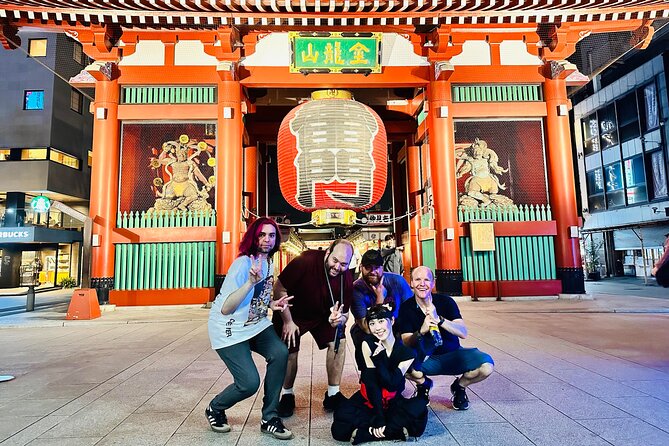
Many Asakusa walks focus on Senso-ji, the Kaminarimon gate, and a few quick facts before sending you on your way. This experience takes a less formal route. It treats Asakusa as a place where different eras sit side by side, then adds activities that show how people enjoy Tokyo today.
The idea is a time-slip journey through Asakusa, beginning with the area’s early history and moving forward through 2012. The dates in the program range from 628 to 2012, so you get a broad sweep rather than an hour-by-hour academic lecture.
That broad approach should suit you if you want context without spending an entire afternoon in a museum. You will hear about temples and shrines, compare their roles, and see buildings that made it through the 1649 to 1945 period. The exact amount of walking and the precise monuments visited can vary, so you should think of this as a guided introduction rather than a fixed architectural survey.
Miley is an important part of the appeal. The information provided describes her as someone who has worked in Asakusa and Akihabara, two parts of Tokyo with very different identities. That background helps explain the tour’s mix of old neighborhoods, pop culture, food, and nightlife-style entertainment.
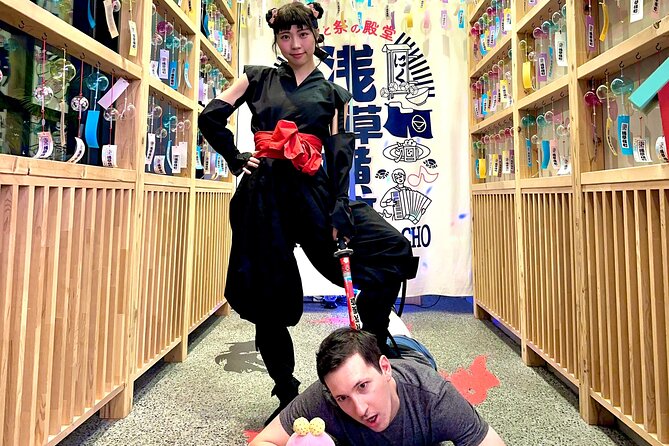
The tone is lively. Several comments about the experience point to Miley’s humor, high energy, and ability to keep the group engaged, even in rainy weather. That matters because this is not a quiet, solemn temple walk. You need to be comfortable with a guide who performs a little, jokes with the group, and encourages participation.
A few more Tokyo tours and experiences worth a look

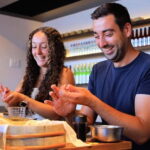
Beginning near the Azumabashi crossing
The meeting point is Burger King Asakusa Azumabashi, at Cross Bil Royal Palace, 2-chome-20-6 Kaminarimon, Taito City. The start time is 2:00 pm, so plan to arrive early enough to find the exact spot without rushing.
The location is near public transportation, which helps if you are coming from another part of Tokyo. The experience ends at 2-chome-4-3 Asakusa, in front of Ninja House. Since the starting and ending points differ, avoid leaving anything you need at the meeting point or assuming you will return to the same station.
A maximum of nine people keeps the group small. That is a useful size for questions and conversation, especially during the food portion. It also means the social side is real. If you prefer to walk alone and keep to yourself, a private temple visit may suit you better.
The tour begins in the afternoon and lasts about four hours. The timing is well suited to a day when you want to see Asakusa in daylight and finish with food and drinks, though the itinerary does not specify the precise time spent walking between stops.
Seeing Asakusa in chronological order
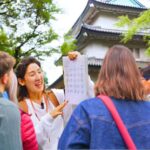
The first major part is about Asakusa’s past. Instead of treating the district as a collection of attractive streets, Miley presents it as a sequence of changes. You start with the area’s early story and work toward the present.
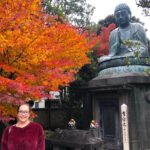
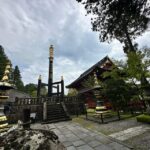
The tour includes temple and shrine visits, with attention to the difference between the two. That distinction is useful if you are still learning how Japanese religious sites function. You will also see buildings that survived the war, giving the walk a physical link to the period from 1649 through 1945.
I like this structure because it helps you read the neighborhood. A temple roof, a shrine gate, and an old building can look impressive without making much sense. A guide who explains how each place fits into Asakusa’s timeline gives those sights a practical connection.
The program refers to a journey from 628 through 2012. That does not mean you will receive a detailed account of every year. Instead, expect selected moments and places that help you understand why Asakusa still feels different from districts built around offices, department stores, or nightlife.
Rain is a factor. The experience requires good weather, and poor conditions can lead to a different date or a full refund. Even on a dry day, wear shoes suitable for walking and be ready for time outdoors before the indoor activities begin.
Asakusa Yokocho and festival-style photos
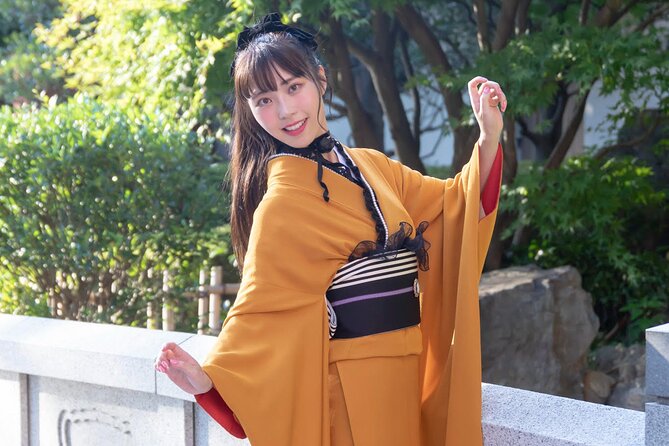
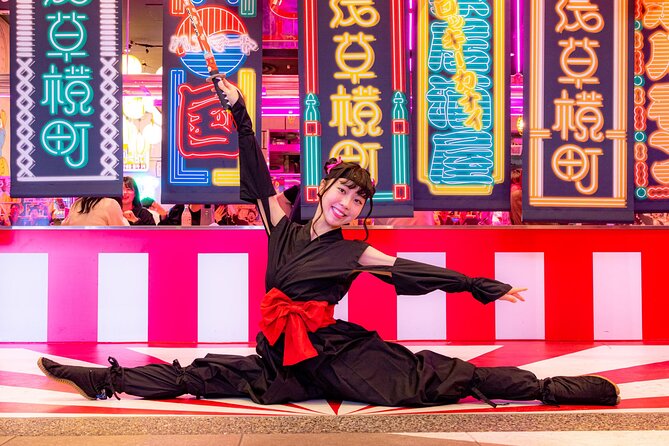
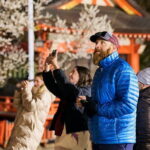
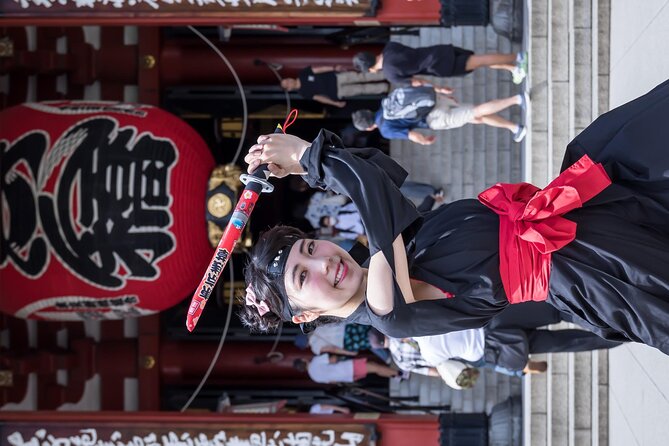
The first listed stop is Asakusa Yokocho, described as a photogenic theme-park-style setting based on Japanese festivals. You get about 20 minutes there, with admission included.
This is not the same sort of experience as visiting an old temple or a surviving historic building. It is a deliberately staged place, designed for photographs and colorful festival atmosphere. That contrast is part of the point. Asakusa mixes traditional imagery with modern entertainment, and this stop shows the playful side of that mix.
Twenty minutes is enough for a quick look and some photos, but not enough for a long visit. I would treat it as a transition between the history walk and the more social part of the afternoon. If you want a serious museum visit or an extended cultural demonstration, this stop will feel brief.
For many people, though, the short stop works well. You get a change of setting without spending too much of the four-hour schedule on a single attraction. Your guide can also help connect the festival look with the customs and imagery discussed earlier.
One hour of karaoke with a free drink bar
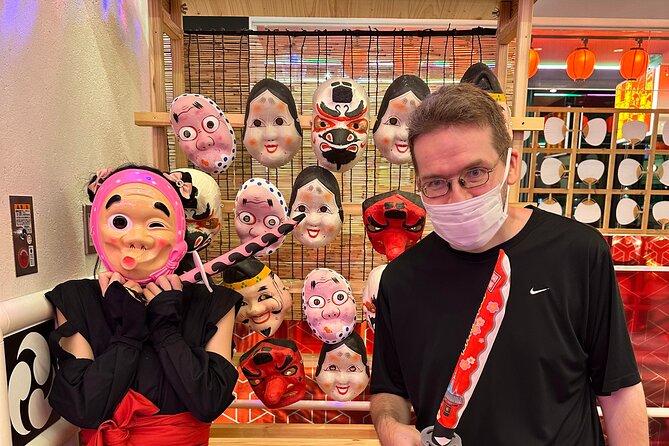
Karaoke follows, with a full hour set aside for the experience. Japan is identified as the birthplace of karaoke in the tour description, and this is your chance to take part rather than simply hear about it.
The free drink bar adds value within the activity. You are not paying separately for each drink during this hour, at least within the inclusions described. The exact drink selection is not given, so you should not assume alcoholic drinks or any particular brand.
This is likely the most personality-driven section of the afternoon. You may sing, encourage others, or simply enjoy the group’s energy. The schedule gives enough time for more than one person to take a turn, but the experience will work best if you are willing to participate in some way.
I would not book this tour expecting a private karaoke room for your own party unless that is confirmed separately. The group can include up to nine people, and the activity is presented as part of a shared tour. If you dislike singing in front of others, this is the main point to consider before paying the full price.
The karaoke stop also changes the rhythm of the day. After temples and historical explanations, you get a comfortable indoor break. That can be welcome in Tokyo’s heat or during a damp afternoon, although poor weather may prevent the overall tour from operating.
Other historical tours in Tokyo
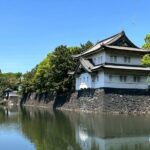
Learning to cook Asakusa-style monja
The final main activity is a monja meal. Monja is described as a distinctive food born in Asakusa. It has a soft, loose texture that may look unusual at first, but the tour leans into that fact with humor rather than pretending it is familiar to everyone.
You do not simply receive a plate and eat. The guide teaches you how to make it, so the meal becomes an activity and a small lesson in local food culture. That hands-on element is valuable because it gives you something to remember beyond a list of dishes.
One drink is included with the meal. Again, the information does not specify the drink type, so check the final booking details if that matters to you. Food preferences, allergies, and dietary limits are not described, so you should ask the operator before booking if you have restrictions.
The monja stop lasts about one hour. That is enough time for a relaxed meal and instruction, but this is not presented as a broad tasting tour. You should expect one focused food experience, not a full survey of Asakusa cuisine.
I especially like the way this stop completes the historical section. You have seen places tied to Asakusa’s past, then tried a food associated with the neighborhood in a social setting. It feels more personal than simply photographing a restaurant sign.
Finishing at Ninja House
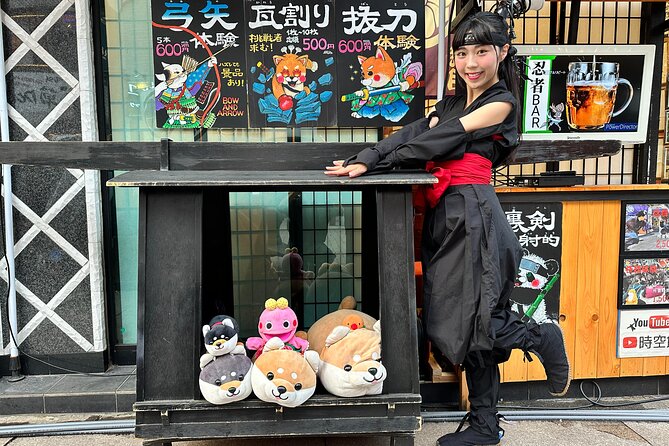
The scheduled ending point is in front of Ninja House at 2-chome-4-3 Asakusa. The tour description also offers an option to continue with the guide for a drink at Ninja House.
That continuation is optional, not part of the core four-hour program. No additional cost or drink details are supplied, so treat it as a possible extra rather than part of the value calculation.
The ending location gives you a useful choice. You can finish after the included activities and make your own evening plans, or ask about staying longer if you want more time with the guide. Since the tour starts at 2:00 pm, the finish should leave you with time for dinner or another Asakusa activity, though the exact end time may vary.
What the $164.72 price includes
At $164.72 per person, this is not a budget walking tour. The price needs to cover more than temple commentary to make sense.
You are paying for about four hours of guiding, a small group capped at nine, karaoke with a free drink bar, a monja meal with one drink, and the guide’s effort in linking historical places with contemporary entertainment. Admission to Asakusa Yokocho is listed as free, so that stop is not a major part of the cost.
The value depends on what you want from Tokyo. If you only need an explanation of Asakusa’s temples and shrines, you can find less expensive ways to walk the district. If you want a hosted afternoon that combines history, singing, food, and social interaction, the price is easier to defend.
Miley’s role also matters. The experience is built around her knowledge of Asakusa and Akihabara, her humor, and her ability to keep the pace lively. That kind of personal guiding is hard to measure in a ticket price, but it is central to the experience.
I would compare this with the cost of booking separate activities. Here, the food and karaoke are bundled into one short outing, and you do not need to arrange each part yourself. Still, the tour is best for someone who values convenience and company, not someone seeking the lowest possible cost.
Who should book this tour
I would recommend it to first-time visitors who want a lively introduction to Asakusa without spending the whole day on formal sightseeing. It also suits repeat visitors who have already seen the main temple and want a more social way to revisit the district.
Fans of Japanese food, karaoke, and local stories will get the most from it. Families with older children may enjoy the mix of photos, singing, and cooking, although the tour’s suitability for young children is not specifically stated.
Solo visitors can also find value here because the group format creates conversation and shared activities. Couples and friends should book it if they want something playful rather than a private, quiet afternoon.
I would hesitate if you want a highly detailed architectural tour, a strict historical lecture, or a food tour with many dishes. The schedule gives each activity a clear block, and the experience favors energy and participation over exhaustive detail.
The 100 percent recommendation rate and five-star score from 30 posted ratings point to a consistently strong response, especially for Miley’s warmth, humor, and ability to explain local history. The repeated praise centers on fun, interaction, and her skill at keeping the group engaged. Those are useful signals, but they also tell you what kind of tour this is: personal and entertaining, not restrained or purely academic.
Practical details before you reserve
Confirmation is provided when you book, and a mobile ticket is available. Most people can participate, and the meeting point is near public transportation.
Free cancellation is available up to 24 hours before the 2:00 pm start for a full refund. Changes or cancellations made less than 24 hours before the start are not accepted for a refund.
The operator may cancel for poor weather or because the minimum number of participants is not reached. In either case, you are offered another date or experience, or a full refund.
Because food, walking, karaoke, and weather all matter here, read the final terms carefully before you commit. Bring a phone with the mobile ticket ready, arrive early at Burger King Asakusa Azumabashi, and leave room in your evening schedule in case the social part runs a little longer than expected.
Should you book Asakusa’s Historic Treasures?
Book this experience if you want Asakusa with a human guide, a short history lesson, karaoke, and a hands-on monja meal in one afternoon. Miley’s energy is a major part of the appeal, and the small group should make it easier to ask questions and join in.
Skip it if your priority is a low-cost walking tour or a quiet, detailed study of temples and historic buildings. At $164.72, you need to value the food, drinks, hosted activities, and social atmosphere. For the right person, this is a memorable way to connect Asakusa’s old streets with Tokyo’s playful present.
FAQ
Where does the tour start?
It starts at Burger King Asakusa Azumabashi, Cross Bil Royal Palace, 2-chome-20-6 Kaminarimon, Taito City, Tokyo 111-0034, Japan.
What time does the experience begin?
The start time is 2:00 pm.
How long does the tour last?
The experience lasts approximately four hours.
What activities are included?
The schedule includes an Asakusa history walk with temples, shrines, and surviving historic buildings, a visit to Asakusa Yokocho, one hour of karaoke with a free drink bar, and a monja meal with one drink.
Where does the tour finish?
It finishes at 2-chome-4-3 Asakusa, in front of Ninja House. Continuing for a drink at Ninja House is listed as an optional extra.
Can I cancel for a refund?
Yes. You can cancel at least 24 hours before the experience start time for a full refund. Poor weather or failure to meet the minimum number of participants may also lead to a different date or a full refund.
More Historical Tours in Tokyo
More Asakusa Tours in Tokyo
More tours in Tokyo we've reviewed




Asakusa Tours, compared.
 ★ 4.8Tokyo: Japanese Dance Cabaret Theater Asakusa-Kaguwa TicketFrom $492 hours
 ★ 4.7Tokyo: Meiji Shrine, Asakusa, Skytree Bus Tour and CruiseFrom $12210 hours
 ★ 4.9Tokyo: Roll and Authentic Sushi Making Class in AsakusaFrom $581h 40m
 ★ 4.8Tokyo: Asakusa Walking Tour with Sensoji Temple VisitFrom $222 hours
 ★ 5.0Tokyo Asakusa Rickshaw TourFrom $42
 ★ 4.5Tokyo Panoramic 1 Day: Meiji Shrine, Asakusa, Odaiba and SKYTREE®From $85