
Reviewed · UENO & YANAKA WALKS
Tokyo Yanaka Old Town Walking Tour (Private/Local guide)
Yanaka is where Tokyo trades neon and train crowds for temple bells, narrow lanes, family gardens, and a shopping street lined with small food shops. This private walk with Narumi takes you through Yanaka, Nezu, and Sendagi, three old neighborhoods that still feel tied to daily life. I like the calm pace and the way the tour connects Shinto, Buddhism, art, cafés, and ordinary homes. I also like that a drink, an omikuji fortune slip, and 2 to 3 street foods are included.
The main consideration is that this is a walking tour, not a grand sightseeing sweep. You will spend three hours on foot, with time for small discoveries rather than a long list of major monuments. Shops and food stops may vary, and souvenirs cost extra.
In This Review
- Key points at a glance
- Why Yanesen feels unlike central Tokyo
- Starting at Nezu Station and entering Nezu Shrine
- The quiet fifteen-minute route into local life
- A café break in a renovated old house
- Yanaka’s galleries, antiques, and craft shops
- Eating your way along Yanaka Ginza
- What $58 buys you
- Who will enjoy this slower Tokyo walk
- The best reasons to book with Narumi
- Should you book the Yanaka Old Town Walking Tour?
- FAQ
- Where does the tour begin?
- Where does the tour finish?
- How long does the tour last?
- Is the tour private?
- What language is the tour conducted in?
- Is a café drink included?
- How much street food is included?
- Is the omikuji fortune slip included?
- Do I pay extra for souvenirs?
- Can I cancel for a full refund?
Key points at a glance
- Nezu Shrine and its torii gates: Learn about Shinto customs, try an omikuji, and explore one of the area’s key religious sites.
- A close look at everyday Tokyo: Walk past schools, daycares, elderly homes, gardens, balconies, and quiet residential lanes.
- A café inside an old private house: Take a 15-minute break with coffee, matcha latte, tea, or another available drink.
- Yanaka’s art and craft scene: Browse galleries, antique shops, and craft stores near Japan’s most renowned art university.
- Yanaka Ginza street food: Sample 2 to 3 local snacks along a nostalgic 170-meter shopping street with around 70 shops.
- A genuinely private format: You get an English-speaking guide for your own group, ending near Nippori Station.
Why Yanesen feels unlike central Tokyo
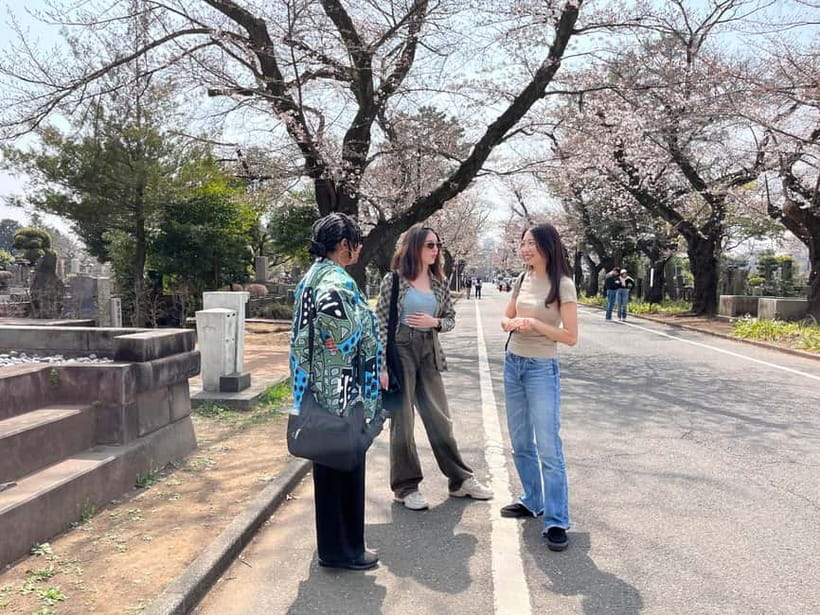
The three neighborhoods of Yanaka, Nezu, and Sendagi are often grouped together as Yanesen. They sit in eastern Tokyo, about 15 minutes by train from Tokyo Station, but the mood changes quickly once you leave the station area.
This part of town took shape during the Edo period, when more than 60 temples were moved into the district as Tokyo expanded. Those temples helped give Yanesen its unusual layout and its quieter character. Religious buildings, old homes, small stores, and lanes that bend away from the main roads sit close together.
I like this setting because the history is not kept behind museum glass. You see it in the number of temples, in the shrine customs, in old buildings used as cafés, and in the way local streets still serve residents. You may pass a daycare, school, or elderly home before turning into an alley with potted plants and balconies.
That makes the tour a good choice if you want a side of Tokyo that is easy to miss on a first visit. It is less about ticking off famous sights and more about understanding how a neighborhood works.
A few more Tokyo tours and experiences worth a look

Starting at Nezu Station and entering Nezu Shrine
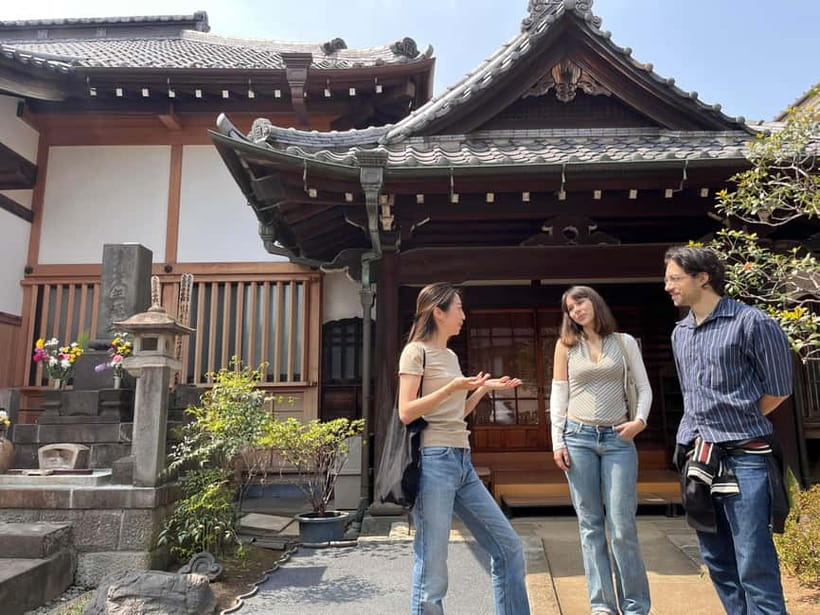
The tour begins at Exit 1 of Nezu Station. That is a useful starting point because you move quickly from the modern transit system into the historic district.
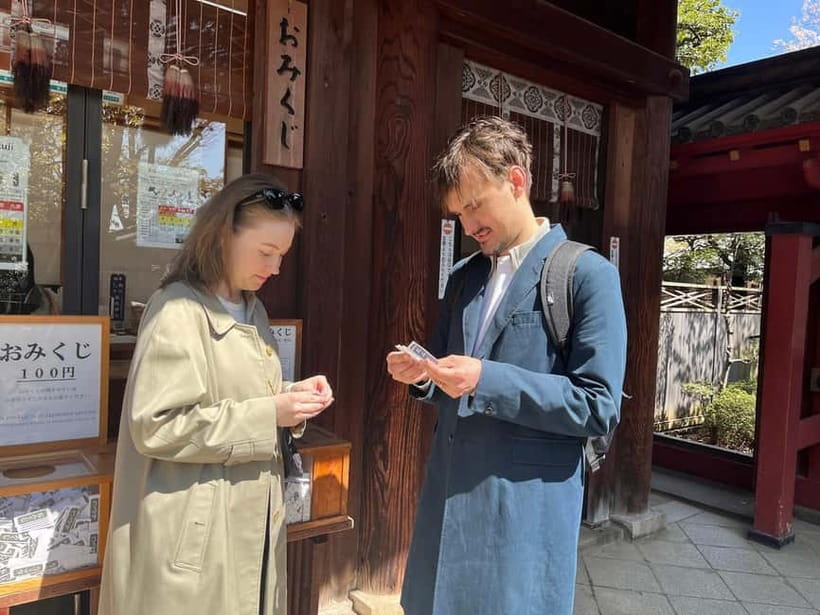
Nezu Shrine is the first major stop, with about 30 minutes set aside for a guided visit. You walk through its recognizable torii gates and take in the quiet grounds. Narumi explains Shinto traditions in plain English, including the role of shrine visits, charms, and fortune slips.
The included omikuji gives you a hands-on way to take part. You draw a fortune slip, read your result with help from the guide if needed, and learn how this small ritual fits into Japanese religious life. The charm shop also gives you a chance to see the practical side of shrine culture, where visitors buy objects connected with wishes, protection, or good fortune.
I especially like this part for first-time visitors who find Japanese religion hard to decode. Shinto and Buddhism often appear close together in Japan, and a short explanation can make later temple and shrine visits much easier to understand. The tour also helps you notice the difference between a place of worship and a simple tourist stop.
Do not expect a full religious studies lesson in half an hour. The shrine visit is an introduction, not an exhaustive tour of every building or ritual. Its value comes from setting up the rest of the walk.
The quiet fifteen-minute route into local life
After Nezu Shrine, the group walks for about 15 minutes toward the café and Yanaka area. This transition matters. Instead of jumping from one attraction to another by train or vehicle, you see the neighborhood change block by block.
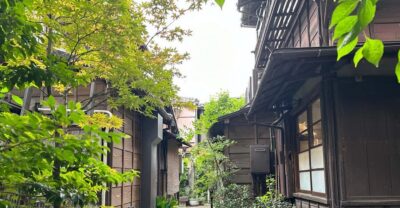
The route leads through back streets and residential areas. You might pass local daycares, schools, elderly homes, gardens, and balconies used by residents. These details may sound ordinary, but they are exactly what separates this outing from a standard city highlights tour.
I like that the guide draws attention to daily life without turning local homes into a spectacle. The point is not to photograph private spaces. It is to understand the scale of the streets, the way residents use limited space, and the quiet routines that continue beyond Tokyo’s main shopping districts.
This is also where the private format helps. With your own group, you can ask why a street is laid out in a certain way, how a particular building is used, or what you are seeing near a home or local institution. The information will be shaped around your questions instead of delivered as a fixed speech.
A café break in a renovated old house
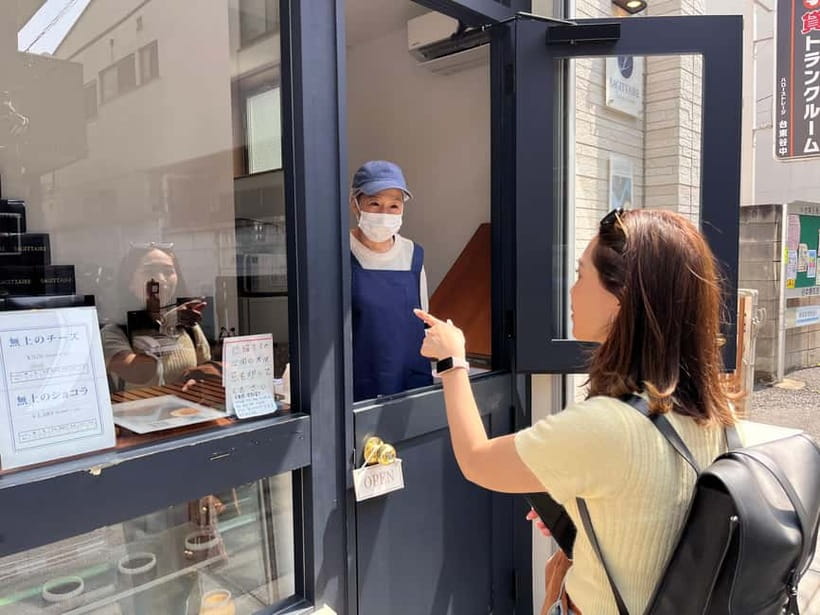
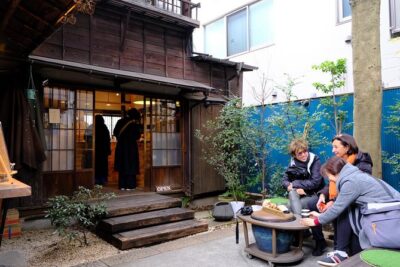
The café stop lasts about 15 minutes and includes one drink. Depending on the local spot used that day, you might choose coffee, tea, matcha latte, or another available beverage. The setting may be a cozy café in a renovated old private house or another tucked-away local café.
This is a small part of the tour, but it gives the walk a welcome pause. Three hours on foot can feel long if every minute is spent moving, especially in warm or crowded seasons. A seated drink gives you time to reset before the longer Yanaka section.
The old-house setting is also part of the story. Reusing an older residence as a café shows how Yanesen’s past is being adapted for present-day life. You are not simply stopping at a generic chain for caffeine.
Still, keep your expectations practical. The café break is short, and the tour includes one drink rather than a full meal. If you want a slow, extended coffee session, you may prefer to return to the area later and explore on your own.
Yanaka’s galleries, antiques, and craft shops
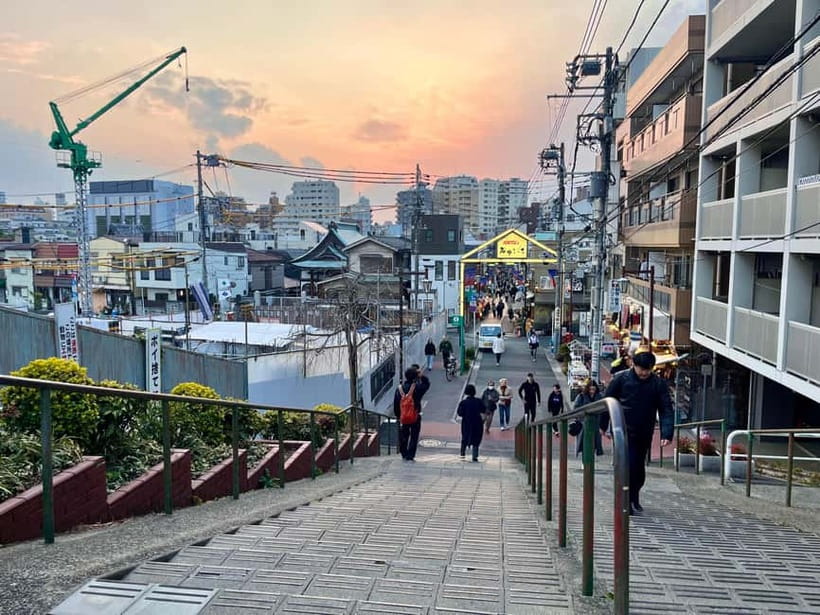
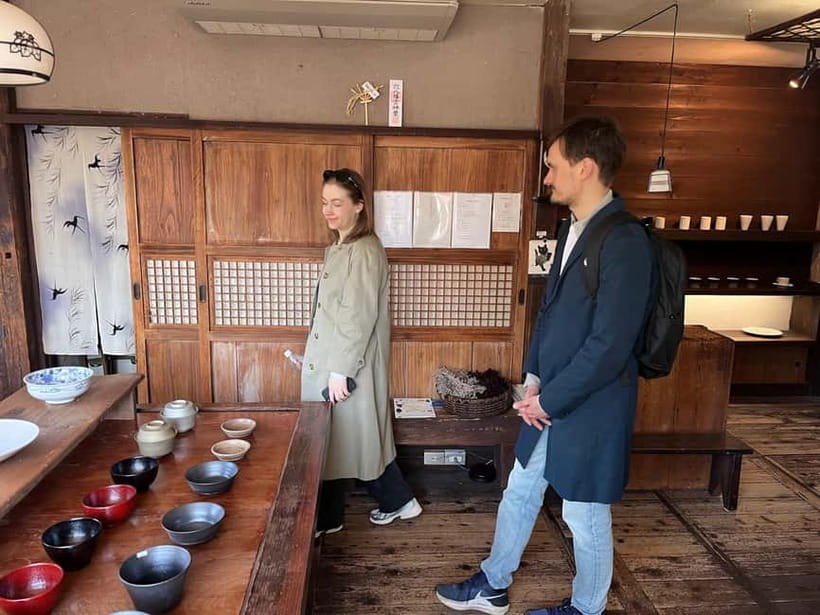
The longest part of the outing takes place in Yanaka, with about two hours for walking, food, shopping, and guided exploration. This is where the neighborhood’s artistic side comes into focus.
Yanaka has galleries, antique shops, and craft stores, helped by its location near Japan’s most renowned art university. More than 60 temples are scattered around the wider area, so art and religious heritage often appear within the same short walk.
You might find small objects, handmade goods, older household pieces, or souvenirs with more character than the usual airport purchase. The tour is useful here because a local guide can explain what kind of area you are seeing and point out shops that are easy to walk past.
I like this portion for shoppers who prefer small-scale finds to department-store brands. It also suits anyone curious about Japanese craft traditions but unsure where to begin. The tour does not promise a specific shop or purchase, so you should treat shopping as exploration rather than a guaranteed buying opportunity.
Remember that souvenirs are not included in the $58 price. That is fair, since personal shopping tastes vary, but budget extra if you hope to buy antiques, crafts, or artwork.
Other walking tours we've reviewed in Tokyo



Eating your way along Yanaka Ginza

Yanaka Ginza is the most lively stop on the route. This nostalgic shopping street stretches about 170 meters and has around 70 distinctive shops. The tour includes 2 to 3 street food items from local shops, so you can sample the area without planning a full meal.
The food walk adds flavor, literally and culturally. Small savory snacks and sweet treats let you experience the street as a place where people shop and eat, not just as a backdrop for photographs. Your guide can help explain what you are trying and how the food fits into local shopping-street culture.
I like the balance here. You get enough included food to make the stop meaningful, but you are not locked into a large meal or a set restaurant menu. If something catches your eye, you can buy it separately.
Yanaka Ginza can also be busier than the residential lanes and temple approaches. That contrast is part of the appeal, but it means the tour does not remain quiet from start to finish. The street is compact, and the group may move at a careful pace around shops and other shoppers.
The tour finishes at Nippori Station, giving you a practical place to continue your day. You can also use the station connection to return toward other parts of Tokyo.
What $58 buys you
At $58 per person, this is not the cheapest way to walk through Yanaka. You can visit the shrine and shopping street independently for much less. The value comes from the private English guidance and the way the stops are tied together.
Your fee includes:
- A private three-hour tour
- An English-speaking local guide
- One café drink
- An omikuji fortune slip at Nezu Shrine
- Two to three local street food items
The guide is the key part of the calculation. Narumi brings together Shinto and Buddhist customs, neighborhood history, art, food, and local routines. That combination is harder to assemble from a map alone, especially if you want context rather than a self-guided walk between points.
The private format is also worth considering for couples, families, or friends who want to ask questions freely. You are not paying for a large group atmosphere or a rushed commentary. On the other hand, solo visitors may find the per-person price harder to justify unless they place a high value on personal guidance.
The reserve-now, pay-later option keeps your money free until closer to the activity. Free cancellation is available up to 24 hours before the tour for a full refund. Starting times depend on availability, so check the schedule before building your day around it.
Who will enjoy this slower Tokyo walk
I would choose this tour for you if you like old neighborhoods, temples, shrines, small shops, and the feel of ordinary city life. It is especially useful early in a Tokyo trip, when you want a gentle introduction to Japanese customs and neighborhood culture.
It also suits repeat visitors who have already seen the major sights and want something quieter. Yanesen offers a change of pace without requiring a long journey from central Tokyo.
Families may appreciate the private setup because the guide can adjust explanations and stops to the group. Art lovers and shoppers should also find plenty to browse, though no particular store or purchase is guaranteed.
You may want a different activity if your priority is Tokyo’s tallest buildings, major museums, nightlife, or a long temple sightseeing list. This tour has a relaxed rhythm, and some of its best moments are small: an alley, a balcony garden, a local snack, or a question answered while walking.
Wear comfortable shoes and leave room in your schedule after the tour if you want to shop or eat more along Yanaka Ginza. The tour ends at Nippori Station, but the neighborhood deserves extra time if you find a craft store or café worth revisiting.
The best reasons to book with Narumi
The strongest part of this experience is the connection between place and explanation. Nezu Shrine is not treated as an isolated photo stop. The torii gates, omikuji, charm shop, temples, galleries, cafés, and food stalls all become pieces of the same neighborhood story.
Narumi’s style, based on the available feedback, is warm and easy to follow. The praise centers on her ability to explain how Buddhism and Shinto fit into Japanese culture without making the subject feel difficult. The slow pace also receives clear approval, which matters in a district best seen on foot.
I would book this if you want a guide who helps you notice what you might otherwise pass by. Yanaka rewards attention, not speed.
Should you book the Yanaka Old Town Walking Tour?
Book it if you want a private, relaxed look at Tokyo’s older residential side, with useful cultural explanations and a few included tastes along the way. The $58 price makes the most sense when you value Narumi’s guidance, the private group format, and the convenience of having the café drink, omikuji, and street food covered.
Skip it if you prefer to explore alone, want a bargain walk, or need a packed schedule of major landmarks. For everyone else, this is a thoughtful way to spend three hours in Yanaka, Nezu, and Sendagi, especially if you want Tokyo to feel like a lived-in city rather than a checklist of sights.
FAQ
Where does the tour begin?
The tour begins at Nezu Station, Exit 1.
Where does the tour finish?
The tour finishes at Nippori Station.
How long does the tour last?
The walking tour lasts three hours.
Is the tour private?
Yes. It is offered as a private group experience.
What language is the tour conducted in?
The live tour guide speaks English.
Is a café drink included?
Yes. One drink at a local café is included, such as coffee, tea, or a matcha latte.
How much street food is included?
The tour includes 2 to 3 street food items from local shops in the Yanaka area.
Is the omikuji fortune slip included?
Yes. An omikuji at Nezu Shrine is included in the tour fee.
Do I pay extra for souvenirs?
Yes. Any souvenirs from antique shops, craft stores, galleries, or other shops must be paid for separately.
Can I cancel for a full refund?
You can cancel up to 24 hours in advance for a full refund.
More Guided Tours in Tokyo



More Walking Tours in Tokyo
More Ueno & Yanaka Walks in Tokyo

More tours in Tokyo we've reviewed





Ueno & Yanaka Walks, compared.
 ★ 5.0Eat and Drink Like a Local: Tokyo Ueno Food Tour-Taverns&RamenFrom $95
 ★ 4.5The Old Quarter of Tokyo – Yanaka Walking TourFrom $40
 ★ 5.0Yanaka Walking Tour: Historic and Traditional District of TokyoFrom $72
 ★ 4.8Tokyo: Old Quarter Yanaka Walking TourFrom $323 hours
 ★ 5.0Tokyo: Food Tour in Ueno with 10+ Tastings of Japanese ClassicsFrom $142
 ★ 4.9Tokyo:Stroll in Old traditional culture towns~Yanaka & NezuFrom $293h 30m