
Reviewed · TEA CEREMONY & MATCHA
Tokyo: Tea Ceremony & Japanese Sweets Making
The best part of this Tokyo workshop is that you do not simply watch a tea ceremony. You learn the steps behind the matcha, see the formal Otemae demonstration, then whisk your own bowl and pair it with a sweet you have shaped yourself.
I like the small maximum of 10 people and the clear English guidance. I also like the price, $32.58 for about an hour of instruction and hands-on making. The main consideration is the short format: this is a focused introduction, not a long, formal tea gathering.
In This Review
- Key Points
- A Short Matcha Lesson With Something to Do
- Watching the Otemae Demonstration
- Preparing Your Own Matcha
- Shaping a Seasonal Japanese Sweet
- Why the Small Group Size Helps
- The Location in Hakusan, Bunkyo City
- Is $32.58 a Fair Price?
- Who Will Enjoy This Tokyo Activity
- Practical Tips Before You Go
- Should You Book the Hakusan Tea Workshop?
- FAQ
- Where does the tea ceremony and sweets activity take place?
- How long does the experience last?
- What happens during the activity?
- Is the activity conducted in English?
- How experienced is the tea master?
- How many people can join?
- Where does the activity end?
- Can I cancel for a full refund?
Key Points
- Hands-on matcha making: You prepare and whisk your own tea after watching the tea master.
- A formal Otemae demonstration: You see the careful movements of a traditional Japanese tea ceremony before trying the process yourself.
- Seasonal sweets you design: The Japanese sweet is not just served to you. You take part in making it.
- Tea master with 10+ years of experience: The class is led by an instructor with substantial practice in the craft.
- Small group setting: The activity accepts a maximum of 10 people, which should keep the demonstration easy to follow.
- One-hour Tokyo activity: The compact schedule works well between sightseeing plans, though it leaves little room for a slow, extended ceremony.
A Short Matcha Lesson With Something to Do
Many tea experiences in Tokyo place you in the role of a quiet observer. This one gives you a job. You watch the tea master perform the formal movements, then prepare matcha yourself and taste it with a Japanese sweet you have helped create.
That difference matters. Matcha can look simple from a distance: green powder, hot water, a whisk. The class shows you that the result depends on method and attention. You get a clearer sense of why the preparation is treated as a ceremony rather than just a quick drink.
The activity is guided in English, which makes the process easier to follow if you do not know Japanese. The tea master has more than 10 years of experience, so you are not left trying to copy gestures without explanation. The supplied information does not give the instructor’s name, but it does identify the teacher’s background and role.
The workshop lasts about one hour. That is enough time for a useful introduction, but you should set your expectations correctly. You are not signing up for an all-afternoon study of tea culture. Think of it as a compact, practical lesson with a tasting at the end.
A few more Tokyo tours and experiences worth a look
Watching the Otemae Demonstration
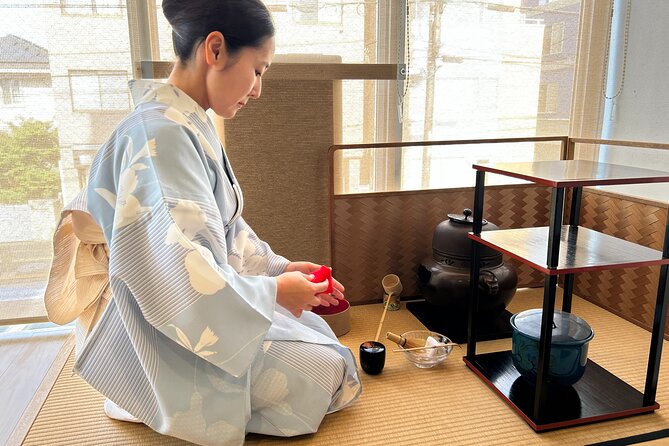
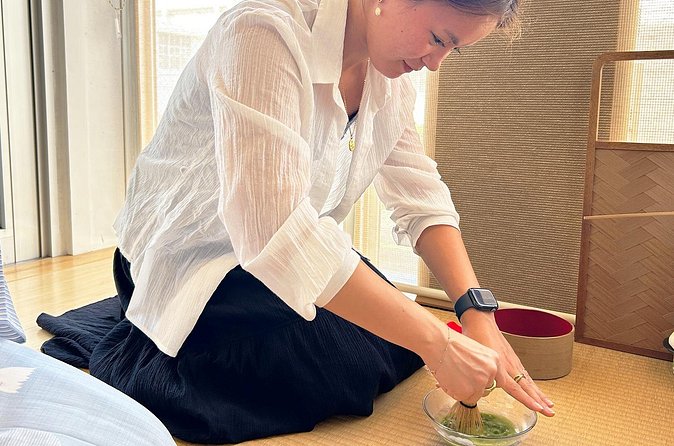
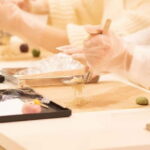
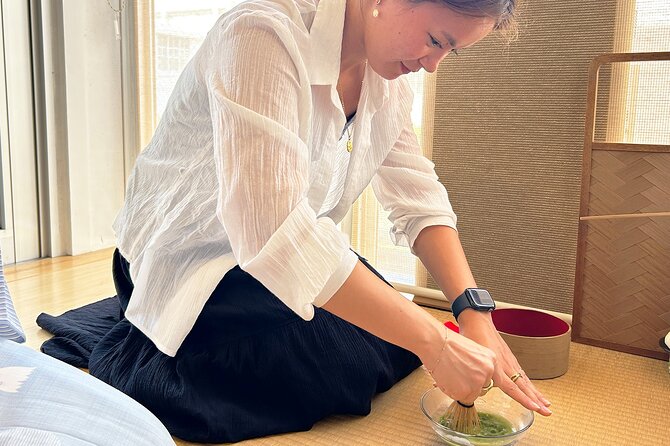
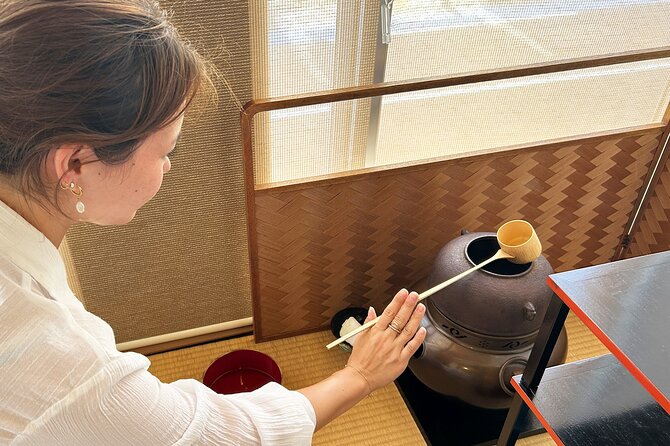
The formal Otemae demonstration is the cultural center of the class. Before you make your own tea, you watch the tea master handle the preparation in the traditional manner.
This opening demonstration gives the activity shape. You see the order of the movements and the care given to each part of the process. It also gives you a chance to watch before your own turn, which is helpful if you have never handled matcha equipment.
A tea ceremony is not only about drinking tea. The preparation, presentation, and attention to the moment all matter. Even in a short class, the demonstration helps explain that the bowl in front of you is part of a wider Japanese custom, not simply a green latte served in a smaller cup.
I would pay close attention here rather than treating the demonstration as a passive show. Watch how the tea master moves, listen to the English explanation, and notice the sequence. You will understand your own preparation better once you begin.
The experience is described as traditional and peaceful. That mood is one of its strongest attractions. Tokyo can be loud and fast, so an hour devoted to careful movements and a warm bowl of tea offers a useful change of pace without requiring a full day away from the city.
Preparing Your Own Matcha
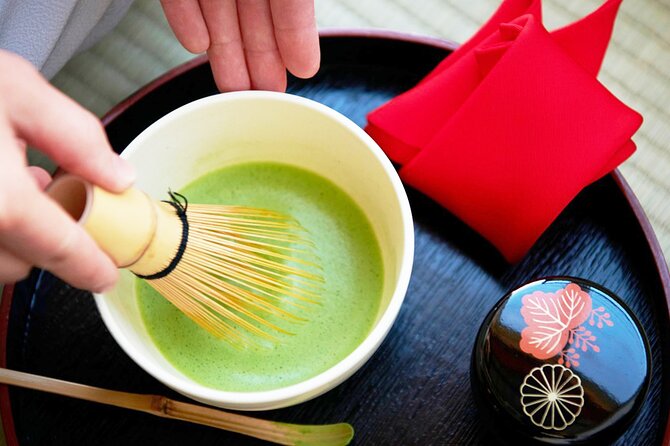
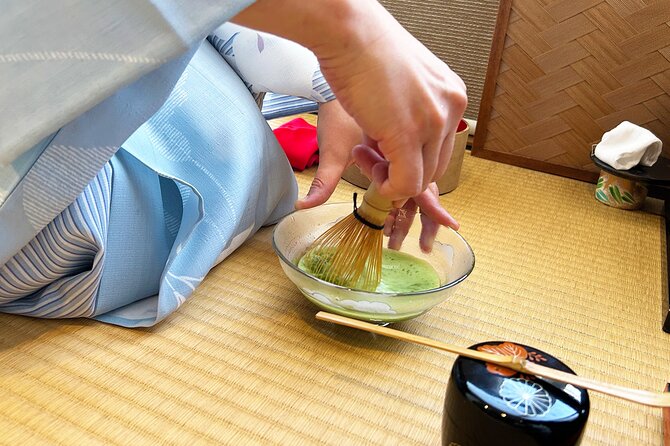
After the demonstration, you prepare matcha yourself. This is the point where the class becomes more memorable than a standard tasting.
You get to feel the process rather than only hear about it. The tea master can show you how to approach the preparation, while the English guidance helps you follow the sequence. The information provided does not list every tool or technique used, so I would not book this expecting a detailed technical course in every aspect of tea preparation.
Still, the hands-on element has real value. You can taste the result of your own work, which makes the lesson easier to remember. Matcha has a distinct flavor, and preparing it yourself gives you a better connection to the drink than receiving a finished bowl at a café.
The description promises a taste of the tea’s rich flavor. That does not mean the matcha will appeal to every palate. Its flavor can be unfamiliar if you normally drink sweetened tea or coffee. The Japanese sweet served alongside it provides a contrasting taste and helps make the tasting feel like a complete pairing.
This is also a good activity for first-time visitors who want cultural context without committing to a highly formal ceremony. You can learn the basic idea, try the preparation, and leave with a clearer understanding of what you experienced.
Shaping a Seasonal Japanese Sweet
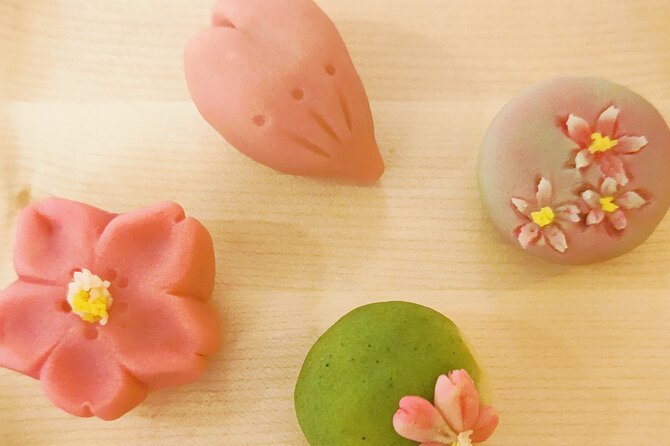
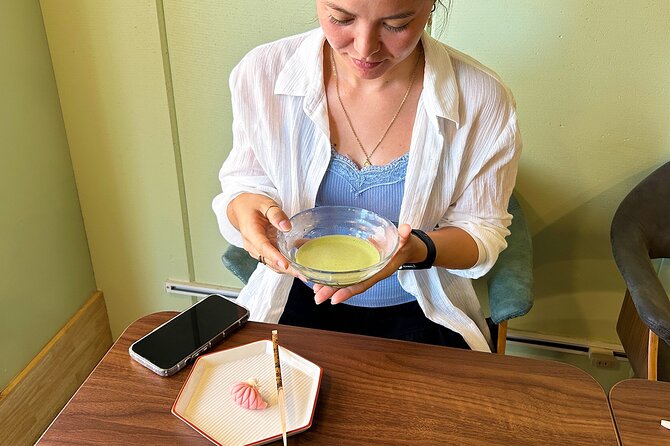
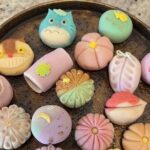
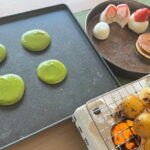
The second hands-on part is the Japanese sweets making. You prepare a seasonal sweet and design it yourself before eating it with the matcha.
That creative step adds a lighter, more playful side to the ceremony. The tea preparation asks you to copy a careful method. The sweet lets you make something personal. Together, the two activities balance discipline and creativity.
Seasonality is important in Japanese food culture, and the mention of seasonal sweets gives this workshop more character than a generic cooking class. The exact sweet is not specified, so the design, shape, and ingredients may depend on the session. You should treat that flexibility as part of the experience rather than expect one fixed menu.
I like the fact that the sweet is made for the tasting rather than added as an unrelated snack. You prepare the tea, create the accompaniment, then enjoy the two together. That gives the hour a clear beginning, middle, and end.
If you are booking for children or anyone who enjoys making things, this part may be the biggest draw. The supplied information does not state a minimum age or describe special child-focused instruction, so families should confirm suitability before booking. The same caution applies to anyone with food allergies, since no ingredient information is provided.
Why the Small Group Size Helps
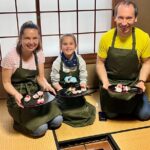
The maximum group size is 10 people. That is small enough to keep the activity personal without making it feel like a private lesson.
For a demonstration involving hand movements and preparation tools, group size matters. You need a clear view of the tea master, and you may want a chance to follow along without feeling lost in a crowd. A group capped at 10 should make the English instructions easier to hear and the practical portion easier to manage.
A small group can also make the atmosphere calmer. Tea ceremony depends on focus, and a packed room would work against that. The available rating is 4.8 from 10 reviews, with 90 percent recommending the experience. One detailed review especially praised the traditional ceremony, the peaceful feeling, and the friendly instructor. Those points match the basic strengths of the format: close guidance, a calm setting, and direct participation.
Do not confuse a 10-person limit with a private experience. It is still a shared class. If you want complete control over timing or a personal tea lesson, this may not be the right format. If you want a social activity that remains fairly contained, the group size is a sensible middle ground.
A few more Tokyo tours and experiences worth a look

The Location in Hakusan, Bunkyo City
The meeting point is in Hakusan, in Tokyo’s Bunkyo City, at:
文京区白山のダイエット和食付きパーソナルトレーニングジムVaLerio LuanaJapan
113-0001 Tokyo, Bunkyo City, Hakusan, 1-chōme2617 フィル・パーク 白山ヒルズ 2階
The address identifies the venue as being on the second floor of Fil Park Hakusan Hills, inside the VaLerio Luana Japan facility. This is a practical detail to take seriously. The venue name is not presented as a famous tea house, so you should allow time to locate the correct building and floor rather than assuming the activity takes place in a historic-looking teahouse.
The meeting point is near public transportation, but no specific station or route is provided. Use the full address when planning your trip and check the meeting instructions after booking. Confirmation is issued at the time of booking, so keep that information available on the day.
The activity ends back at the meeting point. That makes it easy to plan a nearby meal, another Bunkyo stop, or a return to central Tokyo after the class. Since the whole activity lasts about an hour, you can fit it into a larger sightseeing day, but avoid scheduling something immediately afterward if you need time to find the venue.
Is $32.58 a Fair Price?
At $32.58 per person, this is priced as an accessible cultural activity rather than a luxury tea event. The value comes from the combination of instruction, a formal demonstration, matcha preparation, and seasonal sweet making.
If you only want to drink matcha, you can find cheaper options in Tokyo. You are paying here for the explanation and participation. The tea master’s 10-plus years of experience also gives the class a stronger foundation than a simple café tasting.
The one-hour duration keeps the cost manageable and makes the experience easy to add to an itinerary. At the same time, the short schedule limits how much detail the teacher can cover. If you already know how to prepare matcha or have attended a formal ceremony, you may find the lesson basic.
For a first introduction, I think the price is reasonable. You receive two activities, not one: tea preparation and sweet making. The small group limit adds value because the class should be easier to follow than a large demonstration.
The free cancellation policy also reduces the risk of booking ahead. You can cancel for a full refund if you do so at least 24 hours before the local start time. Changes or cancellations made less than 24 hours before the start are not accepted, and the payment is not refunded.
Who Will Enjoy This Tokyo Activity
I would recommend this class to you if you want a cultural activity that is short, calm, and practical. It suits first-time visitors who want more context than a restaurant order can provide, especially if you enjoy learning by doing.
It is also a good choice for:
- Tea and food enthusiasts: You get both matcha and a Japanese sweet in one session.
- Short-stay visitors: The one-hour format fits neatly into a busy Tokyo schedule.
- Small groups and couples: The 10-person limit keeps the class from becoming a mass activity.
- Visitors seeking a quiet break: The traditional ceremony offers a slower hour away from Tokyo’s constant movement.
- Creative participants: You design your own seasonal sweet rather than only tasting prepared food.
I would think twice if you want a long, highly formal ceremony with extensive cultural history. The available details point to a hands-on introductory workshop, not an advanced tea school or a full formal gathering.
You should also confirm any food concerns before booking. The activity includes Japanese sweets, but ingredients and allergy arrangements are not provided. The same goes for age requirements, which are not stated.
Practical Tips Before You Go
Arrive with enough time to identify the building and reach the second floor. The meeting point’s full address is useful, but the venue name is long and may not be immediately obvious from the street.
Wear something that lets you sit and handle tea-making equipment comfortably. No dress code is given, so there is no need to assume formal clothing. I would simply choose practical clothing that will not make the hands-on portion awkward.
Keep the confirmation details handy. Booking confirmation is provided immediately, and the activity returns you to the same location at the end.
Most of all, treat the class as an introduction. Watch the Otemae demonstration closely, follow the tea master’s instructions, and do not worry about making your first bowl perfect. The point is to understand the process and enjoy the tea and sweet together.
Should You Book the Hakusan Tea Workshop?
Book it if you want a fairly priced, English-guided introduction to matcha with genuine participation. The strongest reasons are the tea master’s 10-plus years of experience, the formal Otemae demonstration, the chance to whisk your own tea, and the seasonal sweet you make yourself.
Skip it if your main goal is a long ceremony, a famous historic venue, or advanced instruction. For most first-time visitors, though, this one-hour class offers a neat balance of culture, food, and practical fun. The 4.8 rating from 10 reviews and 90 percent recommendation figure support the idea that it delivers its compact format well, while the short duration remains the main limitation to keep in mind.
FAQ
Where does the tea ceremony and sweets activity take place?
It takes place at VaLerio Luana Japan, on the second floor of Fil Park Hakusan Hills in Hakusan, Bunkyo City, Tokyo. The listed address is 1-chōme2617, 113-0001 Tokyo, Bunkyo City, Hakusan.
How long does the experience last?
The activity lasts approximately one hour.
What happens during the activity?
You watch an Otemae tea ceremony demonstration, learn how to prepare matcha, make your own matcha, and prepare a seasonal Japanese sweet to enjoy with the tea.
Is the activity conducted in English?
Yes. The experience includes clear English guidance from an expert host.
How experienced is the tea master?
The tea master has more than 10 years of experience.
How many people can join?
The activity has a maximum of 10 participants.
Where does the activity end?
The activity ends back at the meeting point in Hakusan.
Can I cancel for a full refund?
Yes, if you cancel at least 24 hours before the experience start time. Cancellations or changes made less than 24 hours before the start are not accepted and are not refunded.
More Dessert Tours in Tokyo
More Tea Ceremony & Matcha in Tokyo
More tours in Tokyo we've reviewed











Tea Ceremony & Matcha, compared.
 ★ 5.0Matcha Making Class in Tokyo with Authentic Japanese Sweets SetFrom $21
 ★ 5.0Tokyo: Traditional Tea Ceremony with a Tea MasterFrom $381 hour
 ★ 4.5Dynamic Tokyo: Tokyo Tower, Tea Experience, Bay Cruise Day TourFrom $99
 ★ 4.9Tokyo: Matcha Making Experience with Mochi Sweets in AsakusaFrom $221 hour
 ★ 4.7Tokyo: Matcha and Kimono ExperienceFrom $57
 ★ 5.0Tea Ceremony Workshop in Tokyo by the Experienced InstrucorFrom $38