
Reviewed · TEA CEREMONY & MATCHA
Kamkura: Private Zazen, Matcha at Bamboo Temple & Mindful Cuisine
Kamakura’s best moments often come when you slow down. This small-group Zen day pairs meditation with a bamboo-grove tea service, then adds a carefully prepared Buddhist lunch and a walk through Kamakura’s less obvious corners. It is a thoughtful change of pace from Tokyo’s packed streets.
I especially like the chance to practice zazen with a Buddhist priest, with English interpretation from the guide, and the simple pleasure of matcha among the tall bamboo at Hokoku-ji. Lunch gives the day real substance rather than making it just a temple sightseeing trip. The main caution is that meditation is relatively brief, and winter temple rooms can feel cold.
In This Review
- Key points at a glance
- Why this Kamakura day feels different
- Hokoku-ji and matcha among the bamboo
- Hokaiji Temple and a first lesson in zazen
- Shojin ryori: lunch as part of the practice
- A guided walk through Kamakura’s quieter side
- Timing, trains, and the real value of $170
- Who should book this experience
- Practical advice before you go
- Should you book the Kamakura Zen day?
- FAQ
- Where does the experience begin?
- How long does the experience last?
- Is lunch included?
- Is matcha included?
- Are train fares to Shinjuku included?
- Can vegetarians and vegans join?
Key points at a glance
- Zazen with a Buddhist priest: Learn the basics of seated Zen meditation at historic Hokaiji Temple, with English interpretation.
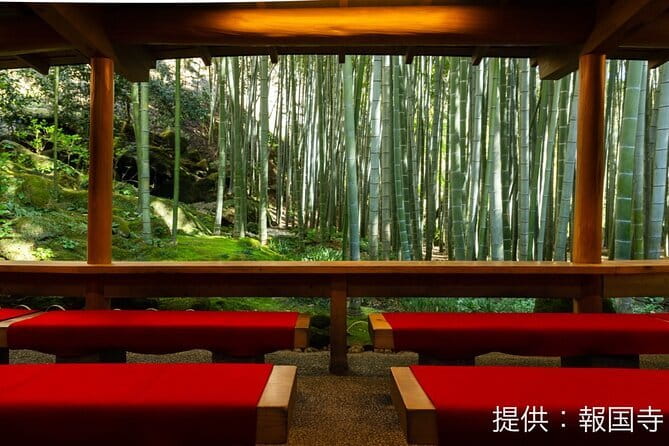
- Matcha in a bamboo grove: Sip a bowl of matcha at Hokoku-ji, one of Kamakura’s most peaceful temple settings.
- Shojin ryori lunch: Eat a seasonal Buddhist vegan meal built around vegetables, tofu, and careful presentation.
- A local walk after lunch: Use the guide’s knowledge to see Kamakura beyond its most famous sights.
- Small group size: The tour is limited to a maximum of 10 people, which suits a quiet, personal experience.
- A full day from Kamakura: The tour runs about 8 hours and 45 minutes, with a scheduled arrival at Shinjuku at 5:15 p.m. if you continue with the guide.
Why this Kamakura day feels different
Many Kamakura outings are built around famous temples, a giant Buddha, and a quick lunch. This experience takes another route. It uses Kamakura’s Zen tradition as the main subject, then lets you experience that tradition through posture, tea, food, and quiet observation.
Kamakura became a major center for Zen practice during the era of the samurai government. Powerful warrior families supported Zen temples, and that connection still shapes the city’s religious buildings, gardens, and atmosphere. You are not simply looking at old architecture here. You are given a few practical ways to understand how Zen is practiced.
I like that the day does not treat meditation as a vague wellness exercise. At Hokaiji, a Buddhist priest explains zazen, and your guide interprets the teaching into English. You sit, focus on your breathing, and work with the basic challenge of staying present. That can be calming, but it is also worth setting sensible expectations. This is an introduction, not a long residential retreat.
The maximum group size is 10. That is large enough to make the day social, but small enough for the guide to keep the pace under control. One guide named in the experience feedback is Yoriko, who led a particularly well-received day, although guide assignments can vary.
A few more Tokyo tours and experiences worth a look

Hokoku-ji and matcha among the bamboo
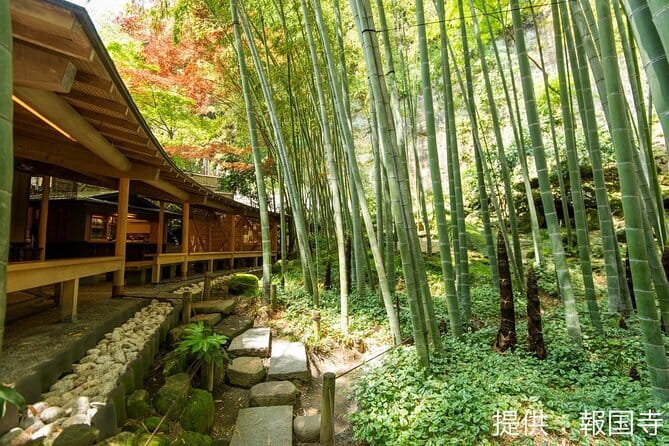
The first major stop is Hokoku-ji, often called the Bamboo Temple. You have about 50 minutes here, including admission and the matcha service.
The bamboo grove is the visual star. Tall green stalks gather close around the walking paths, filtering the light and muting the noise from outside. It is not a vast forest, so do not arrive expecting a long hike. Its appeal is concentrated: a short walk, a quiet tea setting, and a strong sense of separation from ordinary city traffic.
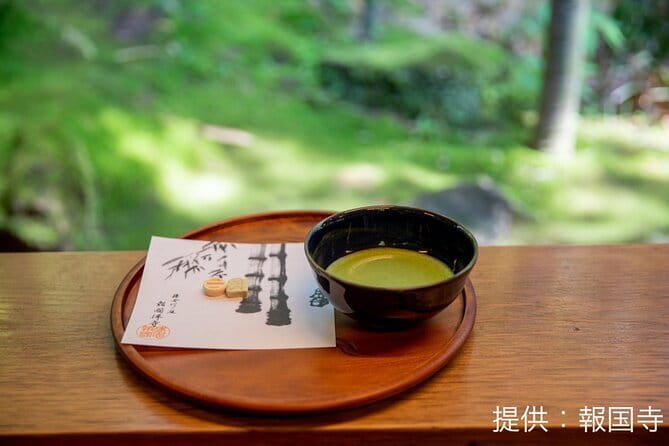
The tea service is a bowl of matcha, with traditional Japanese sweets included in the experience described by participants. Sitting with tea while looking toward the bamboo is the kind of small, focused activity that makes the day work. You are asked to pay attention to the color, bitterness, sweetness, and setting instead of rushing to the next photograph.
This is also the tour’s most popular stop, so timing matters. Matcha service is offered on a non-reservation basis. If the tea venue becomes too crowded, service may be suspended. That is an important limitation, especially if the tea is your main reason for booking. The bamboo grove itself remains the draw, but the exact tea experience is not guaranteed.
Rain can suit this stop particularly well. Wet bamboo takes on a stronger green color, and the quiet tea room can feel especially atmospheric. Winter brings the opposite concern: temple spaces may be chilly. Wear warm layers if you are visiting in the colder months, even if the day looks mild in Tokyo.
Hokaiji Temple and a first lesson in zazen
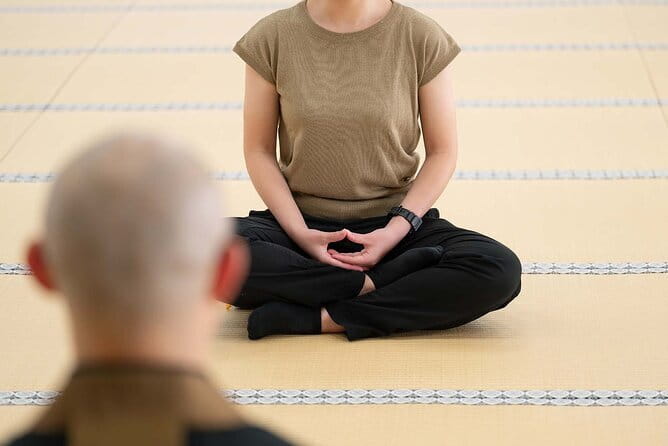
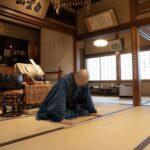
Next comes Hokaiji Temple, where you spend about an hour practicing zazen. Zazen means seated meditation, a central practice in Zen Buddhism. The basic work is direct: sit in a cross-legged position, pay attention to the breath, and notice when the mind wanders.
The Buddhist priest leads the session and explains its purpose. Your guide interprets into English, so you do not need prior knowledge of Japanese or Zen. That interpretation is a major part of the value. Without it, you might simply sit in a quiet room and wonder if you are doing anything correctly.
I like the practical nature of this stop. Zazen is not presented as a performance, and you do not need to arrive as a meditation expert. The goal is awareness, not a perfect empty mind. Even a short period of steady breathing can give you a clean break from the noise and speed of Tokyo.
Still, the session may feel short if meditation is your central interest. One hour includes instruction and practice, so the actual silent portion is not likely to fill the entire hour. That is enough for a first experience, especially when combined with the quiet temple setting, but serious meditation students may want a longer sitting elsewhere.
Clothing matters more here than at an ordinary temple visit. Loose-fitting clothes are recommended, and short skirts are not suitable for seated meditation. You should also be ready to sit on the floor in a traditional temple environment. The experience is open to most people according to the supplied participation information, but anyone who finds floor sitting difficult should consider that before booking.
Shojin ryori: lunch as part of the practice
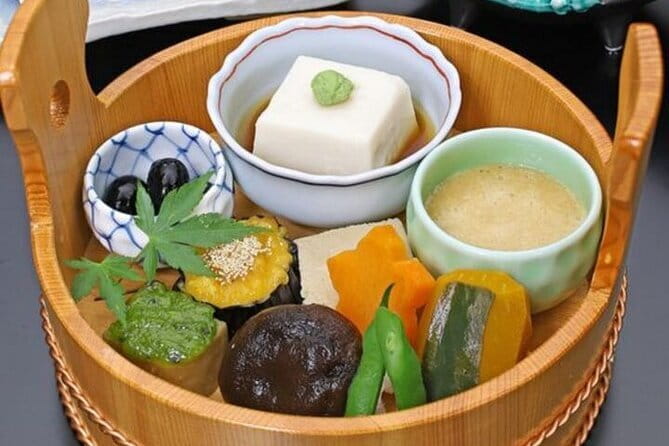
Lunch lasts about 90 minutes and centers on shojin ryori, the Buddhist vegan cuisine associated with temple life. This is not a token salad added to a sightseeing package. It is a meal designed around seasonal vegetables, tofu, and other plant-based ingredients, with care given to balance, texture, and presentation.
The restaurant changes from April 2025, so the exact setting and menu may differ depending on your date. The central idea remains the same: lunch extends the Zen theme into eating. You can expect a healthy, entirely plant-based meal, and vegetarian and vegan participants can be accommodated.
One appealing detail is the presentation in traditional lacquerware, which helps turn lunch into a cultural experience rather than a simple break between temples. Shojin ryori often asks you to notice modest ingredients and careful arrangement. Tofu, vegetables, and grains may sound plain on paper, but the meal’s interest comes from freshness, seasoning, color, and the way each item is served.
The 90-minute lunch period is generous enough to eat without rushing. It also gives you a chance to talk with the guide and fellow participants. That social pause keeps the day from becoming too solemn. You can enjoy the calm without having to maintain silent concentration from morning to afternoon.
The one thing I would not promise is a feast for every appetite. Buddhist cuisine favors balance and restraint rather than heavy portions or bold restaurant-style richness. If you need a very large meal, keep expectations practical. For most people, the appeal is the setting, the presentation, and the connection to Zen practice.
A guided walk through Kamakura’s quieter side

After lunch, you spend about 80 minutes exploring Kamakura with a local guide. This part gives the day some movement and helps connect the separate experiences: temple, meditation, tea, and food.
The guide is expected to share favorite local places and less obvious corners rather than simply lead you from one famous landmark to another. That is useful in Kamakura, where the best experience can depend on how you move between major sights. A local guide can also explain details you might otherwise pass without noticing.
The walk is not described as a strenuous hike or a long list of admissions. It is a free exploration on foot, so comfortable shoes make sense. Because the day already includes two temple settings and a long lunch, this final section works well as a gentle cultural walk rather than another major attraction.
I would think of this stop as flexible time with local context. If you want a packed checklist of Kamakura’s biggest sights, this may feel light. If you want to understand the city’s mood and find places beyond the standard route, it is more useful.
A few more Tokyo tours and experiences worth a look

Timing, trains, and the real value of $170

The price is $170 per person, and the full experience lasts about 8 hours and 45 minutes. The day begins at 8:30 a.m. The published schedule has the guide accompanying you back toward Shinjuku, with arrival planned for 5:15 p.m.
That price includes lunch, the matcha service at Hokoku-ji, admission fees, activity fees, and transportation from Kamakura Station during the tour. Private transportation is not included, so you should not expect a private car or door-to-door transfer from Tokyo.
The train fare from Kamakura back to Shinjuku is also not included, even though the guide can accompany you. This is a small but important budget detail. You should allow extra money and extra time for the return trip, particularly because the end time can shift with traffic or other unexpected delays.
I see the value in the package if you would otherwise need to arrange several pieces yourself. A temple visit, priest-led meditation, tea service, vegan lunch, local walk, and in-tour transportation would take planning, and the English interpretation adds practical help. The cost is less compelling if you mainly want to see the bamboo grove and drink tea. For that, a simpler Kamakura visit will cost less.
The group limit of 10 improves the value for people who want interaction with the guide and a calmer pace. It also keeps the meditation session from feeling like a large public class. This is not a private car tour, despite the private wording attached to the zazen experience, so clarify your expectations if you want a fully exclusive day.
Who should book this experience

I would recommend this tour to you if you want a meaningful pause from Tokyo and enjoy learning through participation. It suits first-time visitors to Zen practice, solo bookers who want a structured day, couples seeking a quiet cultural outing, and anyone interested in Japanese food beyond sushi and ramen.
It is also a good fit if you have visited Kamakura before. The combination of a local walk and a temple-based activity can show you a different side of a city you may already know.
You should think twice if your priority is speed. This is a full day with a calm rhythm. You will not race through a dozen attractions, and the meditation and lunch require you to slow down.
You should also be comfortable with some uncertainty around the matcha service. It is not reserved in advance and can pause when the tea venue is too crowded. The tour still has value without it, but the bamboo and tea pairing is one of its most appealing features.
Book early only if your schedule is firm. The experience is non-refundable and cannot be changed after booking for any reason. If the operator cancels because too few people sign up, you are offered another date or experience, or a full refund. That exception does not apply to your own cancellation.
Practical advice before you go
Wear loose, comfortable clothing that allows you to sit on the floor. Avoid short skirts, and bring an extra layer in winter because temple interiors can be cold.
Plan for a full day, not just the listed time at each attraction. Travel between stops accounts for much of the experience, and the return to Shinjuku may run late. Do not schedule a tight evening reservation.
The tour accepts vegetarian and vegan participants. Since lunch is shojin ryori, the meal is already built around Buddhist vegan principles.
Keep your phone available for the mobile ticket, but expect the day to reward putting it away at times. The strongest moments come from the bamboo, the tea bowl, the breath during zazen, and the careful meal in front of you.
Should you book the Kamakura Zen day?
Book it if you want Kamakura to be more than a quick temple stop. The strongest parts are the priest-led zazen, the bamboo setting at Hokoku-ji, and the shojin ryori lunch. Together, they form a coherent day rather than a loose collection of attractions.
Skip it if you want guaranteed matcha service, a private vehicle, a long meditation retreat, or a packed sightseeing schedule. For everyone else, $170 buys a well-organized introduction to Zen culture, with enough free walking and good food to keep the experience grounded. Just dress for floor sitting, leave room in your schedule, and treat the day as a pause rather than a race.
FAQ
Where does the experience begin?
The activity starts at 8:30 a.m. in Kamakura. The supplied information identifies Kamakura Station as the point from which included transportation begins, but it does not provide a more specific meeting location.
How long does the experience last?
The experience lasts approximately 8 hours and 45 minutes. The guide is scheduled to accompany you toward Shinjuku, arriving at about 5:15 p.m., though the end time can be delayed.
Is lunch included?
Yes. Lunch is a shojin ryori meal, a Buddhist vegan cuisine based on seasonal vegetables, tofu, and other plant-based ingredients.
Is matcha included?
Yes. A bowl of matcha is included at Hokoku-ji Temple. The service is provided without a reservation and may be suspended if the venue becomes too crowded.
Are train fares to Shinjuku included?
No. The train fare from Kamakura to Shinjuku is not included. The guide can accompany you back, with arrival scheduled for 5:15 p.m.
Can vegetarians and vegans join?
Yes. Vegetarian and vegan participants can be accommodated, and the included shojin ryori lunch is Buddhist vegan cuisine.
More Private Tours in Tokyo


More Temples & Meditation in Tokyo
More Tea Ceremony & Matcha in Tokyo

More tours in Tokyo we've reviewed





Tea Ceremony & Matcha, compared.
 ★ 5.0Matcha Making Class in Tokyo with Authentic Japanese Sweets SetFrom $21
 ★ 5.0Tokyo: Traditional Tea Ceremony with a Tea MasterFrom $381 hour
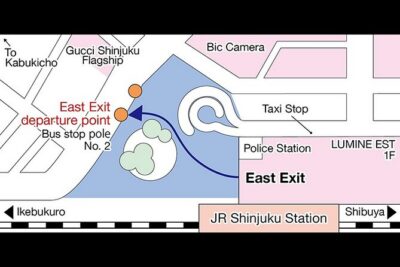 ★ 4.5Dynamic Tokyo: Tokyo Tower, Tea Experience, Bay Cruise Day TourFrom $99
 ★ 4.9Tokyo: Matcha Making Experience with Mochi Sweets in AsakusaFrom $221 hour
 ★ 4.7Tokyo: Matcha and Kimono ExperienceFrom $57
 ★ 5.0Tea Ceremony Workshop in Tokyo by the Experienced InstrucorFrom $38