
Reviewed · HAKONE DAY TRIPS
Hakone Full-Day Private Tour
Hakone packs volcanic scenery, sacred shrines, lake views, art, and mountain travel into one busy day. This private seven-hour tour gives you a guide to handle the public transport and shape the day around your group, with Akira and Harry among the guides praised for clear explanations and a friendly manner. I like the chance to see four major sights without joining a large group, and I like that you can choose your morning start time. The tradeoff is pace: four stops in seven hours leave little room for lingering.
I especially like the practical help here. Hakone’s buses, trains, ropeways, and boats can feel confusing on a first visit, while a guide can keep you moving and explain what you are seeing along the way. The main consideration is cost. At $256.89 per person, plus the ¥1,400 Open-Air Museum admission, this makes the most sense for families or small groups who value private guiding more than saving every yen.
In This Review
- Key points to know before booking
- Why a private day works well in Hakone
- Hakone Shrine and Kuzuryu Shrine Singu
- Lake Ashi and the one-hour cruise
- Owakudani Valley and Hakone’s volcanic power
- The Hakone Open-Air Museum
- Public transport, timing, and comfort
- What the $256.89 price really buys
- Who should book this Hakone tour
- Should you book the Hakone Full-Day Private Tour?
- FAQ
- Where does the Hakone Full-Day Private Tour start?
- Where does the tour end?
- How long does the tour last?
- Is this a private tour?
- Which attractions are included in the itinerary?
- Is transportation included?
- Is the Hakone Open-Air Museum admission included?
- Can I choose the tour start time?
- Can I cancel for a full refund?
Key points to know before booking

- Four major Hakone sights in one day: Visit Hakone Shrine, Lake Ashi, Owakudani Valley, and the Hakone Open-Air Museum.
- Private guiding: Only your own group participates, so you can ask questions and keep a more personal pace.
- Public transport made easier: The tour includes a Hakone Free Pass listed at ¥6,000 per person for both customers and guides.
- Strong guide feedback: Akira is praised for careful research, clear English, and a steady pace. Harry is also described as pleasant company who helped fit in the major sights.
- Meeting point at Hakone-Yumoto: The tour starts and ends at Hakone-Yumoto Station, making the transport plan simple.
- Allow extra money for art admission: The Open-Air Museum costs ¥1,400 per person and is not included.
Why a private day works well in Hakone
Hakone is not one compact attraction. Its highlights are spread around a mountain area, with public transport linking the sites. That makes a private guide useful in a very practical way. You are not just paying for facts about shrines and volcanoes. You are paying for someone to lead you from one part of Hakone to the next while keeping an eye on the clock.
The private format also helps if your group has a particular mix of interests. One person may care about Japanese religious sites, another about volcanic activity, and another about modern art. The scheduled stops cover all three themes, instead of locking you into a single kind of sightseeing.
You choose a preferred morning start time when booking. The exact time is not provided here, so check the available options before you reserve. Starting earlier may give you more breathing room, but the day still has a fixed seven-hour shape.
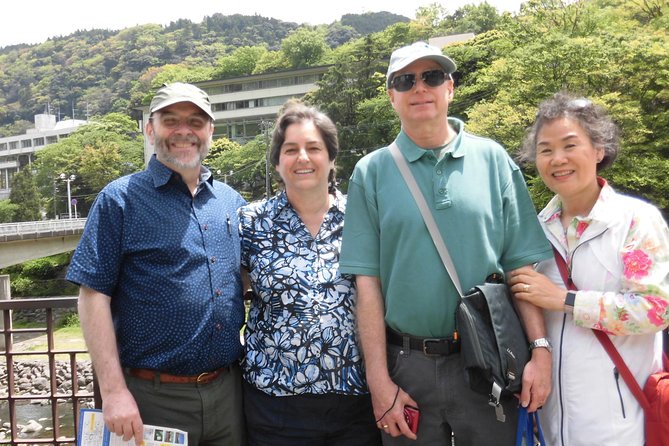
The guides receive especially warm praise for their personal approach. Akira is described as having very good English and doing careful research before the tour. Another family found him kind and well informed, while a separate group said he kept the day at a comfortable pace. Harry is also praised as good company who helped the group reach Hakone’s main spots.
That personal attention is the central reason to choose this tour. If you are happy to read maps, manage transport, and research each stop yourself, you can probably spend less. If you want someone beside you who can explain the area and remove much of the day’s planning work, the price becomes easier to defend.
A few more Hakone tours and experiences worth a look
Hakone Shrine and Kuzuryu Shrine Singu
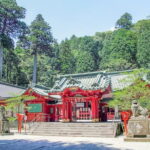
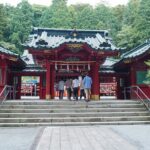
The first stop is Hakone Shrine, founded in 757. The shrine is tied to mountain worship and has long been regarded as a sacred place. Kuzuryu Shrine Singu is included with this stop, adding another religious site to the opening part of the day.
You can expect about one hour here. That is enough to take in the setting and listen to the guide’s explanation, but it is not a long, unhurried shrine visit. Admission is not included, though no specific admission price is supplied for the shrine.
This stop gives the day a strong cultural beginning. Hakone is not only a place for views and hot springs. Its identity also comes from worship connected with the mountains. The shrine is associated with good fortune, safe travel, and the fulfillment of wishes, so your guide can help place the site within local belief rather than treating it as a quick photo stop.
The drawback is time. A one-hour visit may feel short if you want to study every detail or spend a long while in quiet reflection. Still, with four major stops ahead, the compact timing helps keep the whole route possible.
Lake Ashi and the one-hour cruise
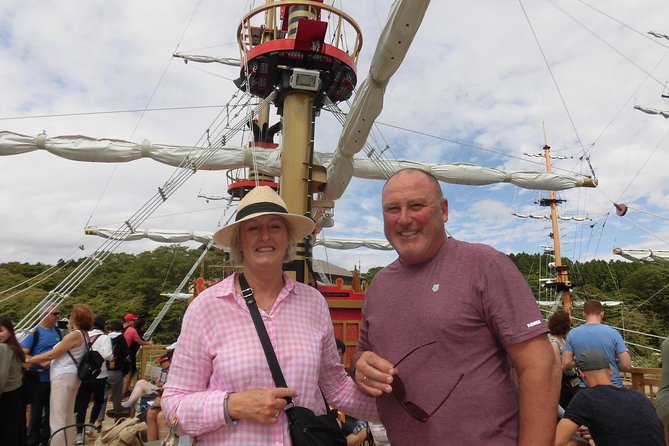
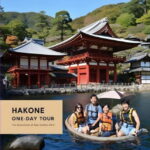
Lake Ashi, also called Ashinoko, was formed roughly 3,000 years ago after an eruption in the Hakone area sent debris into the valley and blocked the Hakone River. The lake is one of the region’s signature sights, and the tour includes a cruise so you can see it from the water.
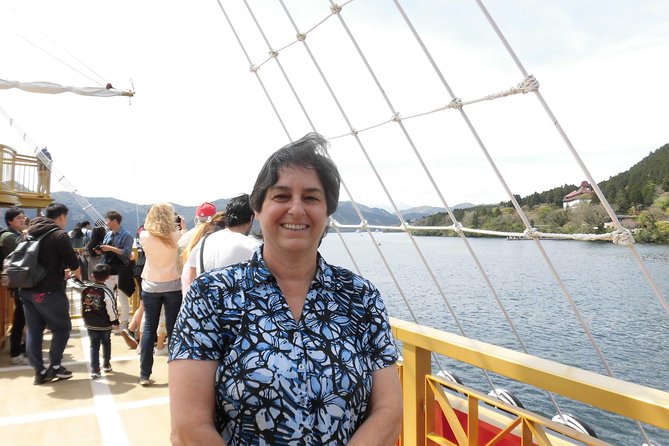
The cruise is an important part of the day because Hakone is best understood through movement. From the shoreline, you see a lake. From a boat, you get a broader sense of its size and surrounding volcanic setting. The tour allows about one hour for this stop, including the lake experience.
Admission is not included, and the supplied details do not give a separate cruise fare. The Hakone Free Pass is listed as included at ¥6,000 per person for customers and guides, so confirm exactly which transport services that pass covers when booking.
Weather will affect this stop. The lake is still worth visiting in poor weather, but clear conditions make the scenery more rewarding. The tour information does not promise views of Mount Fuji, so you should not book it with that single expectation. The lake cruise itself is the reliable focus.
I like the contrast between this stop and the shrine. You move from a quiet religious setting to open water and wide views. The route also gives you a break from walking, which matters on a full day that includes several attractions.
Owakudani Valley and Hakone’s volcanic power
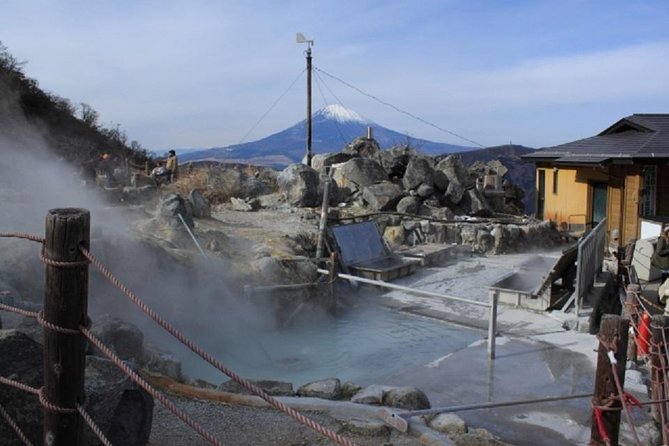
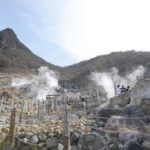
Owakudani was formed during Hakone’s last eruption, about 3,000 years ago. White smoke rises from the stone valley, and the smell of sulfur makes the volcanic activity clear. This is not a polished garden or a passive viewpoint. It is a place where the earth still feels active.
You have about one hour here, and admission is free. That makes Owakudani the simplest stop financially, though the strong sulfur smell may not suit everyone. The supplied information does not specify walking distances or any restrictions, so ask your guide about the best route for your group on the day.
This is one of the most memorable parts of the tour because it gives the history of Hakone a physical presence. You do not need a long lecture to understand that this is a volcanic region. The smoke and odor make the point immediately, while a guide can explain how the valley formed.
Owakudani also keeps the tour from becoming a string of cultural attractions. After a shrine and a lake, the volcanic valley changes the mood completely. I would give this stop your full attention rather than treating it as a quick transfer point.
Again, the one-hour limit matters. You will see the main area, but this is not a free afternoon for exploring every path. The benefit is that Owakudani fits into a wider Hakone day instead of taking over the entire schedule.
The Hakone Open-Air Museum
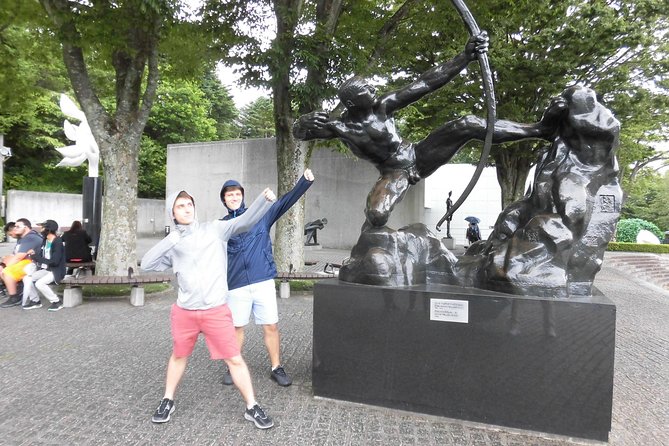
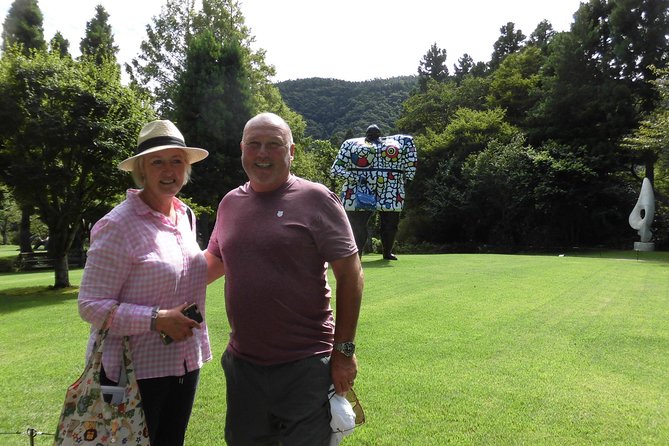
The final listed stop is the Hakone Open-Air Museum, with about one hour set aside for the visit. The museum combines sculpture and other artworks with outdoor settings, and its collection includes both Japanese and Western artists. The setting is part of the experience, not just a backdrop.
Admission costs ¥1,400 per person and is not included in the tour price. Set that amount aside for each member of your group. The museum also has a foot bath, giving you a chance to rest your feet after a day of moving around Hakone.
One hour is enough to get a useful taste of the museum, but I would not call it a full museum visit. The collection is varied, and you may find yourself wanting longer with certain works. If art is your main reason for visiting Hakone, you may prefer a tour that gives this museum more time, or you may want to return independently.
For a general Hakone day, though, this is a smart final stop. The outdoor art and mountain scenery provide a calm finish after the sulfur and smoke of Owakudani. The combination also shows why Hakone attracts more than sightseers looking for a lake cruise.
The museum is the one clear extra admission cost listed for the day. Since the transport pass is included, the ¥1,400 ticket is easy to plan for. Ask your guide how the timing will work if you want to focus on a particular section of the museum.
Other private tours in Hakone

Public transport, timing, and comfort
The tour starts at Hakone-Yumoto Station and ends back at the same meeting point. That is helpful if you are making a day trip into Hakone and want a clear place to begin and finish. The experience is built around public transport, not a private vehicle.
That arrangement has two sides. You avoid the stress of working out the network yourself, and you get to experience the way most people move around Hakone. On the other hand, public transport brings schedules, transfers, and possible waiting into the day. A private guide can lead the way, but the tour cannot control every delay.
The included Hakone Free Pass is listed at ¥6,000 per person for both customers and guides. Since the tour price already includes transportation, you do not need to budget separately for the listed public transport costs. The details do not specify every train, bus, boat, or other service used, so confirm the exact coverage before booking.
Seven hours is a useful middle ground. It is long enough to connect the area’s main themes, but short enough to fit into a single day. The tradeoff is a fairly firm schedule. If you stop often for photos, meals, shopping, or long shrine visits, one of the four main stops may receive less time.
Most people can participate, and the meeting point is near public transportation. No specific accessibility details are provided, so you should ask the provider about walking, stairs, station transfers, and access at each attraction if those issues matter to your group.
What the $256.89 price really buys
The listed cost is $256.89 per person. That is a substantial price for a seven-hour outing, especially because the Open-Air Museum admission is extra at ¥1,400 per person. The value comes from the private guide and the included Hakone transport pass, not from low-cost sightseeing.
For a couple, the total can add up quickly. For a family or small group, the private format may be easier to justify because you are sharing the guide’s time within your own party. Group discounts are available, though the exact discount structure is not provided.
I would compare this with the cost of arranging the same day yourself. You would need to research the route, understand the transport network, buy the right pass, keep track of time, and find reliable information about each site. If that sounds enjoyable, self-guiding gives you more freedom and may cost less. If it sounds like work, this tour buys you simplicity.
The guide’s contribution is especially valuable at the shrine and Owakudani. A quick visit alone can leave you with attractive photographs but little context. An English-speaking guide can connect the shrine to mountain faith and explain the volcanic forces that shaped the valley.
The price also buys flexibility within limits. Your group is private, so you do not need to match the interests of strangers. But this is not an entirely custom itinerary. The planned day centers on four specified stops, and the seven-hour duration limits major changes.
Who should book this Hakone tour
I would point this tour toward first-time Hakone visitors who want the main sights in a single day. It also fits families, since the private setting makes it easier to ask questions, adjust the pace, and keep everyone together.
It is a good match for anyone uneasy about Japanese public transport. You still use the local network, but you have a guide to show you where to go. That can save more time and worry than a guidebook map can.
Art lovers should note the one-hour museum visit. You will see the Open-Air Museum, but the schedule may feel brief if you want a slow, serious look at the collection. The same is true for visitors who prefer long walks or quiet time at shrines.
The tour may not suit independent planners who want to choose every stop. It may also feel expensive if your main goal is simply a lake cruise or a visit to Owakudani. The strength here is the combination of four different Hakone experiences with personal guidance.
Free cancellation is available if you cancel at least 24 hours before the start time. Cancellations made less than 24 hours in advance are not refunded, and late changes are not accepted. Confirmation is normally sent at booking, though bookings made within two days of travel may be confirmed within 48 hours, subject to availability.
Should you book the Hakone Full-Day Private Tour?
Book it if you want Hakone’s cultural, volcanic, lake, and art highlights in one organized day, and you value having an English-speaking guide beside you. Akira’s clear explanations and steady pace sound particularly useful for families and first-time visitors, while Harry’s friendly approach suits groups looking for a pleasant companion as well as a guide.
Skip it if you want the lowest possible cost, a slow museum visit, or complete control over your route. At $256.89 per person, this is a convenience-focused experience, not a budget outing. For the right group, though, the private format and transport help turn a complicated area into a manageable, rewarding day.
FAQ
Where does the Hakone Full-Day Private Tour start?
The tour starts at Hakone-Yumoto Station in Yumoto, Hakone, Ashigarashimo District, Kanagawa.
Where does the tour end?
The activity ends back at the meeting point at Hakone-Yumoto Station.
How long does the tour last?
The tour lasts approximately seven hours.
Is this a private tour?
Yes. Only your group participates in the activity.
Which attractions are included in the itinerary?
The tour visits Hakone Shrine and Kuzuryu Shrine Singu, Lake Ashi, Owakudani Valley, and the Hakone Open-Air Museum.
Is transportation included?
Yes. The tour includes transportation through a Hakone Free Pass listed at ¥6,000 per person for customers and guides.
Is the Hakone Open-Air Museum admission included?
No. Admission costs ¥1,400 per person and is paid separately.
Can I choose the tour start time?
You can choose a preferred morning start time when booking, subject to the available options.
Can I cancel for a full refund?
Yes, if you cancel at least 24 hours before the experience start time. Cancellations made less than 24 hours in advance are not refunded.
More Full-Day in Hakone
More Private Tours in Hakone
More Hakone Day Trips in Hakone
More tours in Hakone we've reviewed
Hakone Day Trips, compared.
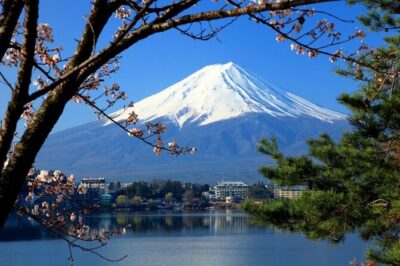 ★ 5.0Mt Fuji and Hakone 1-Day Bus Tour Return by Bullet TrainFrom $163
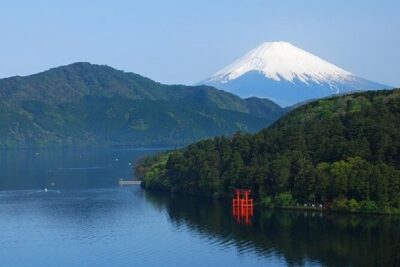 ★ 4.0Mt Fuji & Hakone Cruise, Drum Show Bullet Train 1 Day from TokyoFrom $149
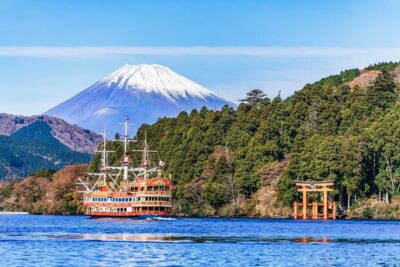 ★ 4.4Tokyo Mt Fuji 5th St & Hakone Cruise Bus Tour w/Bullet TrainFrom $15410 hours
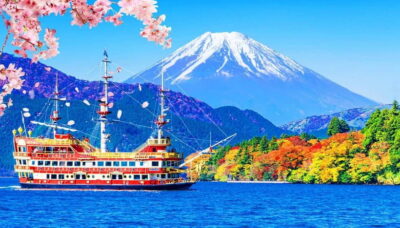 ★ 4.7Tokyo: Mt. Fuji Tour, Hakone Ropeway, Owakudani, Lake AshiFrom $5410 hours
 ★ 4.2Tokyo: Mt. Fuji 5th Station & Hakone Cruise 1-Day Bus TourFrom $12911 hours
 ★ 5.0Private Tour to Mt. Fuji and Hakone (Fully Licenced Operator)From $497