
Reviewed · WALKING TOURS
Tokyo: Private Walking Tour with a Local Guide
Tokyo is too large for a one-size-fits-all sightseeing day. This private walk lets you choose your route, then connects major sights such as Senso-ji Temple, Shibuya Crossing, Meiji Jingu, and Tsukiji with local neighborhoods that may otherwise be skipped.
I like the custom itinerary, since you can focus on temples, food, anime, shopping, or a first look at Tokyo’s train system. I also like having a guide beside you on public transportation. Tokyo stations can be enormous, and guide Saya was praised for making the city easier to navigate. The main drawback is that train fares, food, drinks, and extra attractions cost more, and long distances between districts can reduce actual walking time.
In This Review
- Key points to know before booking
- A private Tokyo day that bends to your interests
- Starting in Asakusa at Senso-ji Temple
- Ueno for museums, shrines, and an old-style market
- Akihabara for games, manga, and electronics
- Shibuya, Hachiko, and the city’s famous crossing
- Omoide Yokocho and Shinjuku after dark
- Harajuku’s Takeshita Street and Meiji Jingu
- Tsukiji for seafood and market flavors
- The Imperial Palace East Garden for a quieter finish
- Why the train help may be worth the price
- Who gets the most from this tour
- Practical details that affect your decision
- Should you book Tokyo Vibes?
- FAQ
- How much does the private Tokyo tour cost?
- How long does the tour last?
- Is hotel pickup available?
- Is this a private tour?
- How do you get around Tokyo during the tour?
- Are food and drinks included?
- Are temple and shrine entrance tickets included?
- Are museums, zoos, and other additional attractions included?
- Can most people participate?
- What is the cancellation policy?
Key points to know before booking
- Choose four, six, or eight hours to match your energy and sightseeing plans.
- Meet at your hotel or accommodation, then travel around Tokyo on foot and by public transportation.
- Shape the day around your interests, from temples and gardens to manga, electronics, markets, and nightlife districts.
- Expect a private experience, with only your group taking part.
- Use the guide for Tokyo’s giant stations, a particularly useful benefit on your first day.
- Plan for extra costs, since trains, food, drinks, private cars, and additional attractions are not included.
A private Tokyo day that bends to your interests
The strongest feature here is control. Instead of following a fixed route at a fixed pace, you can ask to concentrate on certain parts of Tokyo or build a broad introduction to the city. The advertised areas range from old temples and imperial gardens to anime shops, seafood stalls, fashion streets, and neon nightlife.
You can book about four, six, or eight hours. Four hours works best for one compact part of the city, or for a first look at two nearby areas. Six hours gives you room to combine culture and food. Eight hours is the better choice if you want to cross several districts and still have time for stops.
The price is listed at $132.91 per person. That is a meaningful cost, but the value depends on group size and your priorities. For one or two people, the price buys private planning, a local guide, and help with Tokyo’s public transportation. For a larger group, the per-person cost can make more sense, especially since group discounts are offered.
The 100 percent recommendation and current five-star rating from 11 reviews point to a strong early record, though the sample is small. The most consistent praise centers on flexibility. The day can be adjusted to your interests, and guides named Saya and Gabriel received special credit for practical help, cultural information, and accommodating changes.
Other walking tours we've reviewed in Tokyo

Starting in Asakusa at Senso-ji Temple
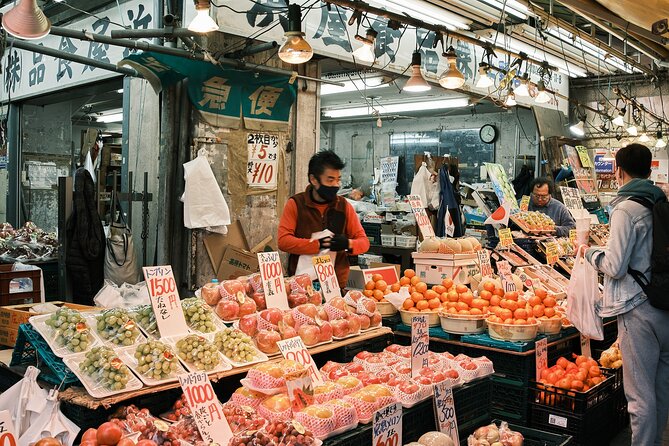
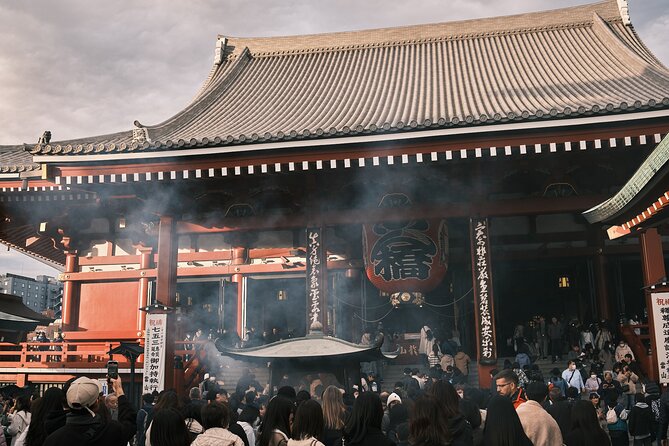
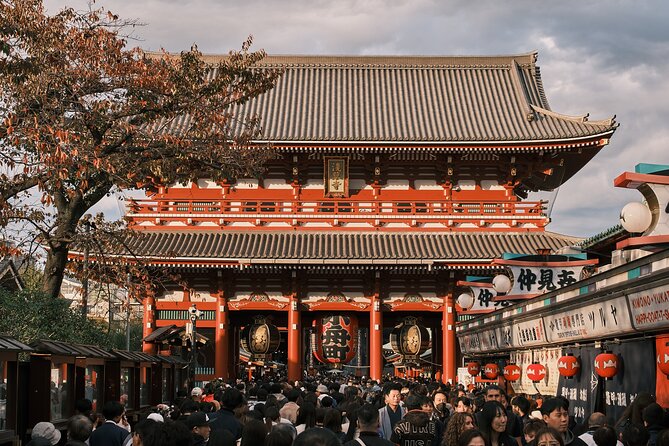
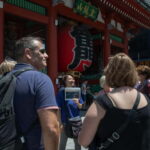
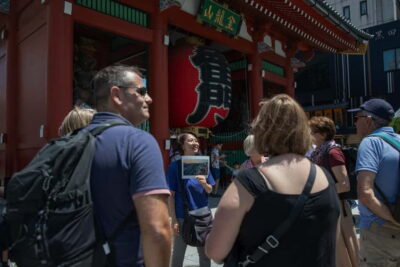
Asakusa is the natural choice if you want to begin with old Tokyo. Senso-ji is Tokyo’s oldest temple, and its grounds offer a clear introduction to Japanese religious architecture and city tradition.
The route includes Nakamise-dori, the shopping street leading toward the temple. You can browse traditional snacks and souvenirs here, though its central location means it can be crowded. I would treat this as a place to look, taste, and get your bearings rather than a quiet shopping stop.
A guide adds value in Asakusa because temples and shrines have customs that are not always obvious at first glance. You can ask about the setting, the buildings, and the role of the temple in Tokyo’s past. Entrance tickets for temples and shrines are included, which helps keep this part of the day simple.
Ueno for museums, shrines, and an old-style market
Ueno gives the tour a different tone. The area includes the Tokyo National Museum, National Museum of Western Art, Ueno Zoo, Ueno Toshogu Shrine, and other historic temples.
The trade-off is choice. You cannot properly cover every museum, the zoo, the shrine, and the market during one short visit. If Ueno is your priority, tell the guide early which attraction matters most. Additional attractions are not included, so check any admission costs before committing to a museum or zoo visit.
The Ameya Yokocho market adds a more everyday side of Tokyo. Its open-air stalls, standing bars, and street food create an old-fashioned feel often described as 1980s Tokyo. This is a good stop if you want food and local shopping instead of another formal sight.
Food is not included, so tastings and drinks come from your own budget. That is also useful: you can choose what appeals to you rather than pay for a set food plan.
Akihabara for games, manga, and electronics
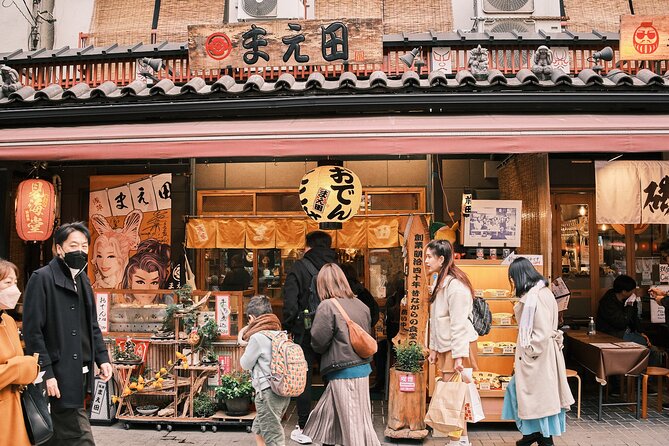
Akihabara is the specialist stop. Here you can look through retro and modern game centers, search for anime figures and manga, and browse electronics with possible tax-free shopping for eligible purchases.
This district works best when you have a clear interest. If you collect figures, like Japanese games, or want to compare electronics, a guide can help you make better use of limited time. If anime and electronics are not your priorities, Akihabara may feel less rewarding than Ueno, Meiji Jingu, or the Imperial Palace gardens.
The route description does not promise admission to game centers or other extra attractions. Ask what is covered before entering any paid venue. Shopping itself is also separate from the tour price.
Shibuya, Hachiko, and the city’s famous crossing
Shibuya supplies Tokyo’s big urban moment. The district is known for Shibuya Crossing, one of the world’s busiest intersections, and the tour includes a brief stop at the Hachiko statue.
Hachiko’s story gives the area more meaning than a quick photograph. The Akita dog became a symbol of loyalty after continuing to wait for his owner. You can hear that story at the statue, then watch modern Tokyo move around it.
The stop is likely to be short, especially on a route that also includes Shinjuku or Harajuku. If Hachiko is important to you, say so when planning the day. Otherwise, you may get the landmark and its story without spending too much time in one crowded corner.
Other guided tours in Tokyo


Omoide Yokocho and Shinjuku after dark
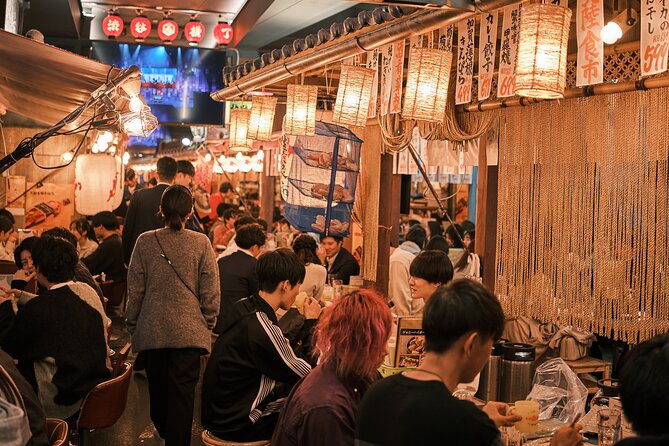
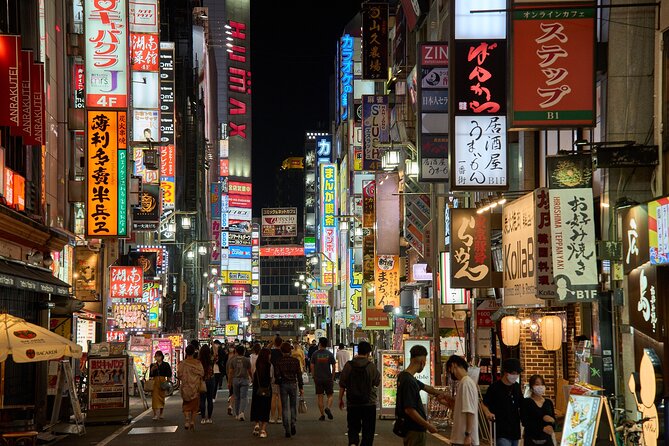
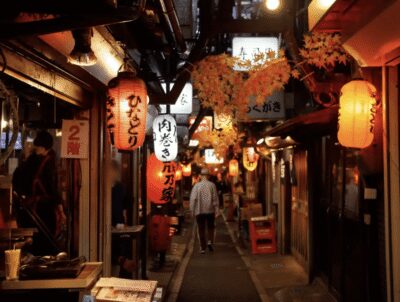
Omoide Yokocho offers a sharp contrast with Shibuya’s wide streets and giant screens. This historic alley is lined with narrow lanes, small izakayas, and street food. It gives you a glimpse of older Tokyo dining in a very compact space.
Space is tight, and food and drinks are not included. You might find this atmospheric, but it is not the place for a long, formal meal during a packed walking day. Ask the guide how much time is planned here and decide if you want to eat or simply walk through.
Shinjuku brings shopping, dining, entertainment, and neon-lit streets. It is a useful place to finish a day because it shows Tokyo’s modern energy at full volume. It can also be tiring after several districts, particularly on an eight-hour route that uses many trains.
I would not try to force every listed district into a four-hour booking. Tokyo’s travel time varies, and the city’s scale is the practical limit. A private guide can change the plan, but cannot make distant neighborhoods sit next to one another.
Harajuku’s Takeshita Street and Meiji Jingu
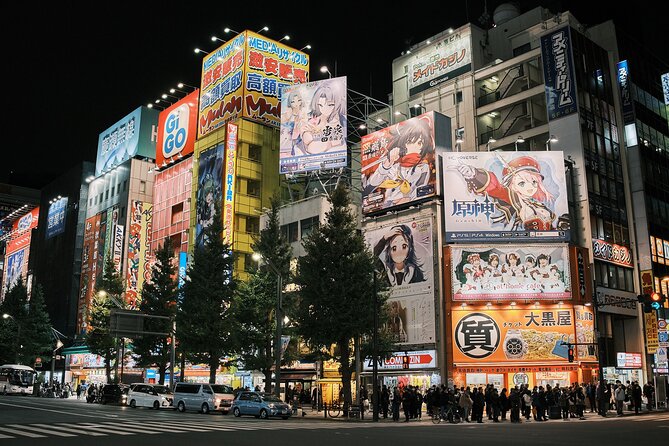
Takeshita Street is the colorful, youthful side of Harajuku. The pedestrian street is packed with trendy boutiques, unusual shops, and street food. It suits visitors looking for fashion, snacks, and a loud change of pace.
The nearby Meiji Jingu offers the opposite experience. Its grounds are peaceful, with large torii gates and wooded paths in the middle of Tokyo. The shrine honors Emperor Meiji and Empress Shoken, giving you a chance to connect modern city life with Japan’s imperial past.
Pairing these two stops makes sense. You get Harajuku’s shopping and food, then a quieter shrine setting. The amount of time available will determine if you make a proper visit or just pass through both.
Tsukiji for seafood and market flavors
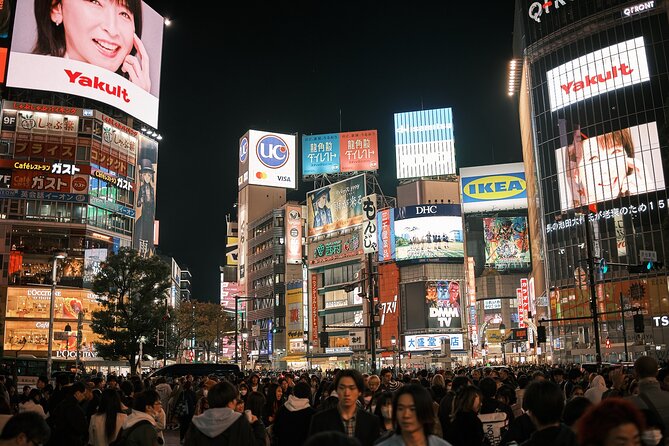
Tsukiji Fish Market is the food-focused choice. Its aisles offer fresh seafood, unusual ingredients, and local delicacies. This is one of the better places to build the day around eating, but your food budget is separate from the tour price.
The market can also be a useful introduction to Japanese ingredients even if you do not want a full meal. You can ask the guide what you are seeing and how the market fits into Tokyo’s food culture.
Keep in mind that markets reward a flexible schedule. Crowds, stall hours, and the time spent choosing food can affect the rest of your route. If Tsukiji is your main goal, give it a generous time slot instead of treating it as a quick stop between far-flung districts.
The Imperial Palace East Garden for a quieter finish
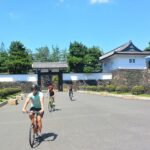
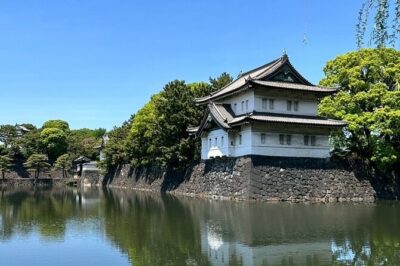
The East Garden of the Imperial Palace gives the tour a calmer final chapter. You can walk among carefully maintained gardens, old stone walls, and historic ruins while learning about Japan’s imperial past.
This is a good choice if you want gardens and history rather than shopping or nightlife. It also provides a break from train stations and crowded commercial streets.
As with any multi-stop day, you should decide what kind of experience you want before booking. The East Garden, Tsukiji, Akihabara, and Shinjuku all offer something different. A private tour is most useful when you select a few priorities, not when you try to collect every stop.
Why the train help may be worth the price
The tour uses walking and public transportation. Train fares are not included, and there is no private car or airport transfer built into the standard service. That keeps the format closer to normal Tokyo life, but it also means you need to budget for transport.
The practical benefit is guidance. Tokyo stations can be confusing, with long corridors, many exits, and different train operators. One person specifically valued having a guide while using the stations, and Saya was praised for helping with city navigation that remained useful for the rest of the trip.
Gabriel was also praised for flexibility, including accommodating a last-minute booking and meeting at the airport in that particular case. Airport pickup and drop-off are not included in the stated package, so do not assume that example is part of the normal service. Treat airport meetings as a request that needs confirmation, with any private car or extra cost checked in advance.
Pickup at your hotel or accommodation is offered. That saves you from finding a starting point in an unfamiliar district and makes the first morning easier.
Who gets the most from this tour
I would recommend this for a first day in Tokyo, especially if you want to learn how the city works before exploring alone. It is also a good match for families, couples, or friends who have different interests and want one person to shape the day around the group.
It suits you particularly well if you want:
- A private guide rather than a fixed group
- Help using Tokyo’s trains
- A mix of traditional sights and modern districts
- A plan built around anime, food, shopping, temples, or architecture
- A flexible schedule that can change by neighborhood
I would hesitate if you want a low-cost tour with all admissions and meals covered. I would also hesitate if you prefer a slow visit to one museum or shrine, since crossing Tokyo between districts can take time.
Practical details that affect your decision
Confirmation is provided at booking, and the meeting point can be your accommodation. The tour is near public transportation, and most people can participate.
The private format means only your group takes part. That gives you room to ask questions and request changes, but the guide cannot guarantee every listed stop in a short booking. Travel time varies across Tokyo, so tell the provider which two or three sights matter most.
Temple and shrine entrance tickets are included. Trains, food, drinks, private cars, airport transfers, and additional attractions are not included. You can cancel for a full refund up to 24 hours before the local start time. Changes or cancellations inside that window are not accepted for a refund.
Should you book Tokyo Vibes?
Book this tour if you want a flexible first look at Tokyo and value help with trains, neighborhood choices, and cultural context. At $132.91 per person, it is not a budget walk, but private planning and a larger group can improve the value.
Choose four hours for a focused half-day. Choose six hours for a balanced mix. Choose eight hours only if you are ready for a full day with substantial walking and public transportation.
My best advice is to send your priorities before the day begins. Ask for Asakusa and Ueno if old Tokyo matters most, Akihabara and Harajuku for pop culture and shopping, or Tsukiji and Omoide Yokocho for food. If you want to see everything, you may end up seeing Tokyo mainly through station corridors.
FAQ
How much does the private Tokyo tour cost?
The listed price is $132.91 per person. Group discounts are offered, so the final value may improve for larger parties.
How long does the tour last?
You can choose a four-hour, six-hour, or eight-hour option. The approximate duration range is four to eight hours.
Is hotel pickup available?
Yes. Convenient pickup at your hotel or accommodation is offered.
Is this a private tour?
Yes. Only your group participates in the activity.
How do you get around Tokyo during the tour?
The experience is a walking tour that uses public transportation. Train fares are not included.
Are food and drinks included?
No. Food and drinks are separate from the tour price.
Are temple and shrine entrance tickets included?
Yes. Entrance tickets for temples and shrines are included.
Are museums, zoos, and other additional attractions included?
No. Additional attractions and special requests are not included.
Can most people participate?
Yes. Most people can participate, and the tour is located near public transportation.
What is the cancellation policy?
You can cancel up to 24 hours before the local start time for a full refund. Cancellations or changes made less than 24 hours before the start time are not accepted for a refund.
More Private Tours in Tokyo


More Guided Tours in Tokyo
More Walking Tours in Tokyo

More tours in Tokyo we've reviewed











Walking Tours, compared.
 ★ 5.0Tokyo Tsukiji Fish Market Food and Culture Walking TourFrom $99
 ★ 5.0Tokyo: Imperial Palace and Shogun Historical Walking TourFrom $22
 ★ 4.9Tokyo: Shinjuku Local Bar and Izakaya Guided Walking TourFrom $343 hours
 ★ 5.0Tokyo: Tsukiji Fish Market Food and Walking tourFrom $30
 ★ 4.8Tokyo: Asakusa Walking Tour with Sensoji Temple VisitFrom $222 hours
 ★ 4.9Tokyo: Tsukiji Fish Market Guided Walking TourFrom $222 hours