
Reviewed · KAMAKURA & ENOSHIMA DAY TRIPS
Kamakura and Yokohama Private Tour with Bilingual Chauffeur
Kamakura’s 13.35-meter Great Buddha is the star here, but this private day trip gives you much more than a quick statue stop. You’ll move through samurai-era shrines, a bamboo garden, flower-filled temple grounds, seaside Enoshima, and possibly Yokohama Chinatown.
I like the private vehicle for up to six people, which makes a long day outside Tokyo easier to manage. I also like having choices: you can spend more time in Kamakura, or add Enoshima or Yokohama if your group still has energy. The drawback is simple: eight to ten hours is a lot of ground to cover, and admission fees are extra.
In This Review
- Key points to know before booking
- Why Kamakura makes a better day trip than another Tokyo neighborhood
- Kotoku-in and the Great Buddha
- Hokoku-ji’s bamboo grove and matcha break
- Tsurugaoka Hachimangu and the samurai connection
- Hasedera, flowers, and coastal views
- Komachi Street for sweets, lunch, and souvenirs
- Enoshima, the optional seaside extension
- Yokohama Chinatown as an alternate finale
- What the private vehicle adds
- The guide can shape the whole day
- How I would plan the eight to ten hours
- Who should book this Kamakura and Yokohama tour?
- Should you book it?
- FAQ
- How long does the tour last?
- How many people can join the private tour?
- Is pickup available?
- Is transportation included?
- Is an English-speaking guide included?
- Are admission fees included?
- Is the Great Buddha included in the route?
- Are Enoshima and Yokohama Chinatown required stops?
- Is Komachi Street included?
- What happens if bad weather cancels the tour?
Key points to know before booking
- The Great Buddha anchors the day: Allow about 40 minutes at Kotoku-in Temple to see Kamakura’s best-known monument.
- Hokoku-ji offers a quiet change of pace: Its bamboo grove and matcha service give the tour a calm, reflective stop.
- The itinerary is flexible: Komachi Street, Enoshima, and Yokohama Chinatown are optional additions.
- You get a private ride: The air-conditioned vehicle includes fuel, parking, tolls, and bottled water.
- The guide can add real context: Ask if Abdul is available, since he is praised for making the Buddha’s story easy to follow and answering questions clearly.
- Budget for entrance fees: Kotoku-in, Hasedera, Hokoku-ji, and Enoshima admission are not included.
Why Kamakura makes a better day trip than another Tokyo neighborhood
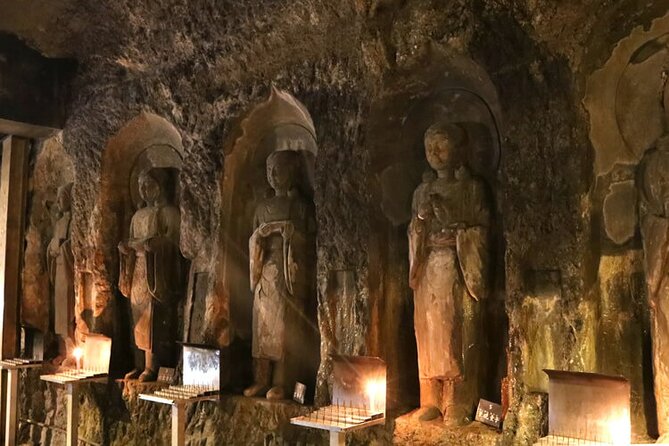
Tokyo can fill your schedule with towers, shopping, and polished modern districts. Kamakura gives you a different Japan: stone paths, shrine gates, Buddhist temples, old military stories, sweets, seafood, and the sea close by.
Kamakura was Japan’s political center during the Kamakura shogunate, beginning in the late 12th century. The city’s importance came from the samurai government, and several stops on this tour still point back to that age.
The private format matters here. Kamakura’s sights are spread across town, so you can save time by riding between them instead of figuring out several train connections. You also have room to adjust the day. If one temple captures your attention, you can spend less time shopping. If everyone wants food and souvenirs, Komachi Street can take the place of another stop.
That flexibility is useful, but it needs a little discipline. The full route includes four main Kamakura sights, then optional stops in Komachi Street, Enoshima, or Yokohama. You probably cannot give every place a long, unhurried visit within eight to ten hours.
A few more Tokyo tours and experiences worth a look
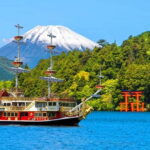
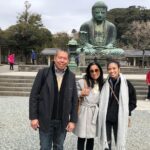
Kotoku-in and the Great Buddha
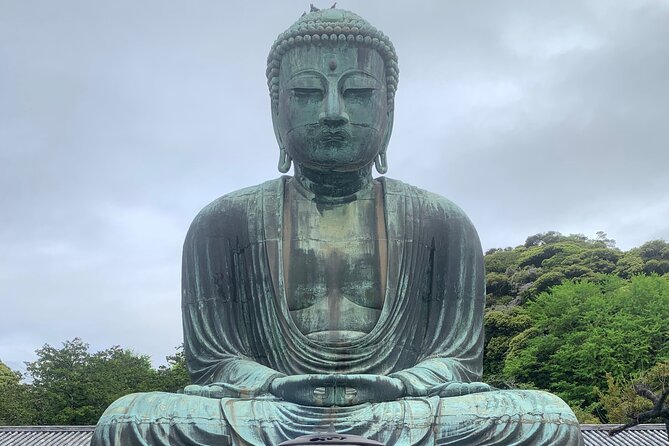
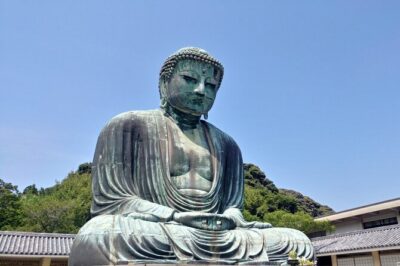
Your first major stop is Kotoku-in, home of Kamakura’s famous outdoor bronze Amida Buddha. The statue rises about 13.35 meters and has watched over the city for centuries.
The setting is part of its appeal. This is not a Buddha hidden inside a dim hall. It sits outdoors, where you can take in its full shape and see how large it is against the temple grounds. The scheduled visit lasts about 40 minutes, enough for photographs, a close look, and a short explanation of the statue’s place in Kamakura’s religious story.
The entry ticket is not included, so keep a little cash or payment method ready for the temple admission. The tour does include help with taking pictures or making videos if you need it, a small but useful touch for couples, families, or groups trying to get everyone into one frame.
This is also the stop where a good guide can make the difference. Abdul is specifically associated with the tour and praised for explaining the Buddha’s background in an easy, engaging way. If he is your guide, ask him to connect the statue to Kamakura’s samurai period rather than treating it as a stand-alone photo stop.
Hokoku-ji’s bamboo grove and matcha break
Hokoku-ji Temple shifts the mood completely. Founded in 1334, this Zen temple is known for its narrow bamboo grove, where tall green stalks create a cool, shaded path.
You are scheduled to spend about an hour here. That is enough time to walk through the grove and pause for matcha, the traditional powdered tea associated with the temple’s tea garden. The tea is not listed as an included item, so confirm any purchase with your guide or at the temple.
I like this stop because it gives the day some breathing room. The Great Buddha is grand and immediately photogenic. Hokoku-ji is quieter and more about atmosphere, careful walking, and the feel of a Zen temple.
There is a practical point to remember: the bamboo path is not the whole temple experience. You are visiting a functioning Buddhist site, so keep your voice low and follow local signs. Admission is extra, and the grove can feel brief if your group wants to linger for photos.
Tsurugaoka Hachimangu and the samurai connection
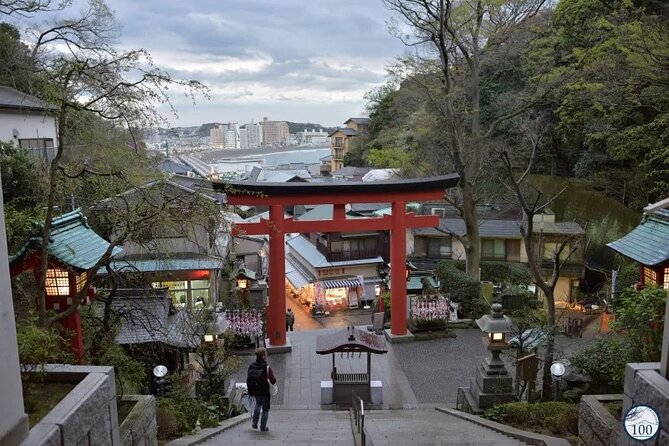
Tsurugaoka Hachimangu is Kamakura’s central Shinto shrine and one of the day’s most important cultural stops. It is dedicated to Hachiman, the patron deity of the samurai, and was founded in 1063 by Minamoto no Yoritomo’s family.
The shrine’s broad approach and formal layout give it a different character from the compact temple grounds. You’ll have about an hour to walk through the complex, look at the gates and buildings, and take in its role in Kamakura life.
This is where the historical pieces begin to line up. The Great Buddha represents Buddhist devotion, Hokoku-ji shows Zen practice, and Tsurugaoka Hachimangu connects the city directly to the samurai rulers who made Kamakura their base.
You should not expect a quiet, isolated shrine experience. It is Kamakura’s major Shinto center, so the grounds may feel active, particularly at popular times. Still, the scale and setting make it worth keeping on the schedule. Ask your guide to explain the difference between the Buddhist and Shinto sites, since seeing both in one day helps you understand Japan’s layered religious traditions.
Hasedera, flowers, and coastal views
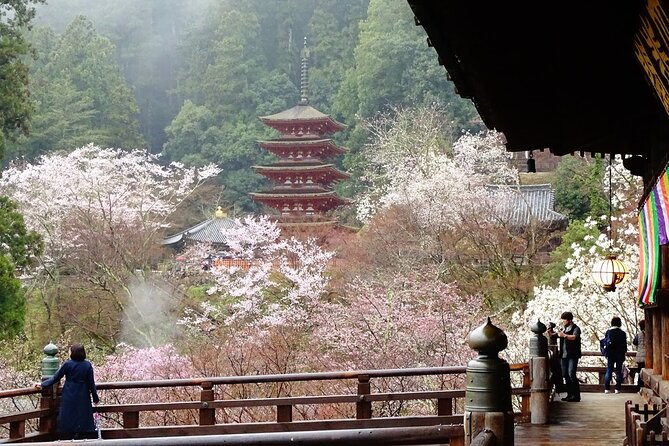
Hasedera Temple receives the longest scheduled visit, about an hour and a half. That extra time makes sense. The temple is known for seasonal flowers, Buddhist images, and views toward the coast.
Compared with the Great Buddha, Hasedera rewards slower exploring. You may find gardens, religious statues, temple buildings, and viewpoints that invite you to stop rather than rush through. The exact flowers depend on the season, so do not book this stop expecting one particular bloom.
The temple admission is not included. Plan for the added cost, especially if you are traveling with a full group of six. The private tour price covers transportation and guide service, but the sights remain separate expenses.
Hasedera is a strong choice for people who enjoy gardens and temple details more than checking off famous monuments. It is also a good place to ask for a slower pace. The schedule allows more time here than at the Great Buddha, and I would use it. A rushed temple visit can turn into a blur of roofs and stone lanterns.
Other private tours in Tokyo


Komachi Street for sweets, lunch, and souvenirs
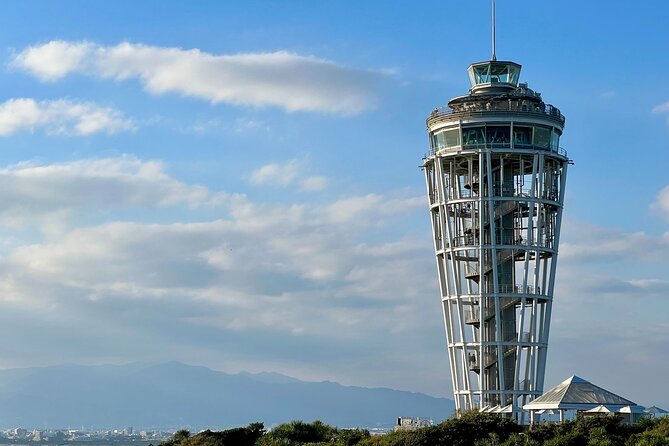
Komachi Street is the day’s most casual stop. Running toward Tsurugaoka Hachimangu, this shopping road is lined with small stores, food counters, traditional sweets, and souvenir shops.
About an hour is set aside here, though the stop is optional. That makes sense because shopping preferences vary widely. One person may want local snacks, another may want small gifts, and someone else may prefer to keep moving toward the coast.
I like using Komachi Street as a food break rather than treating it as a formal sightseeing stop. Kamakura is known for seafood and traditional sweets, and this is a practical place to sample something or pick up a snack for the ride.
Do not expect a silent old street. It is a popular commercial area, and the appeal comes from its mix of food, local goods, and access to the shrine. If your group wants a more temple-focused day, skip it. If you want to bring home edible souvenirs, keep the hour.
Enoshima, the optional seaside extension
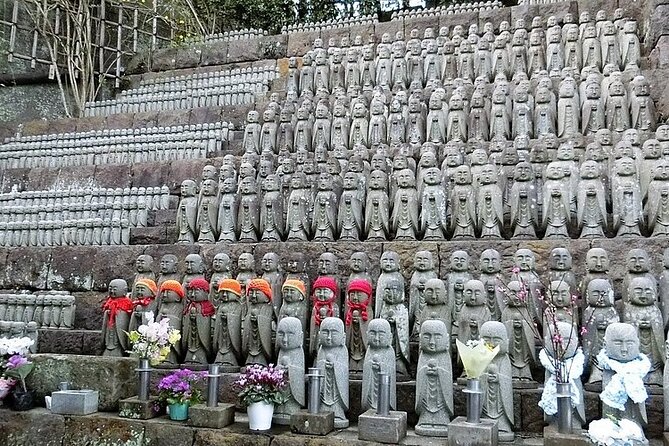
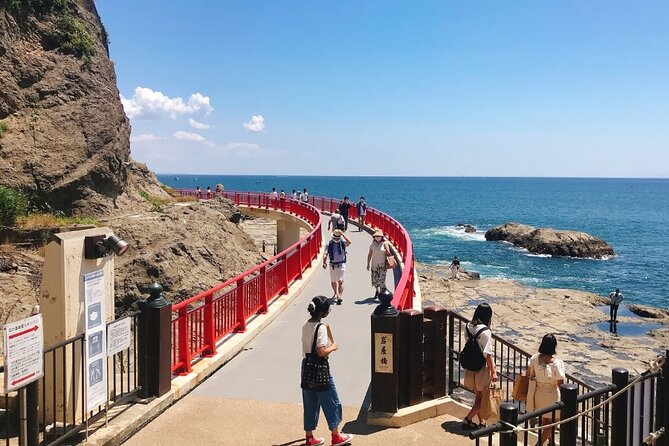
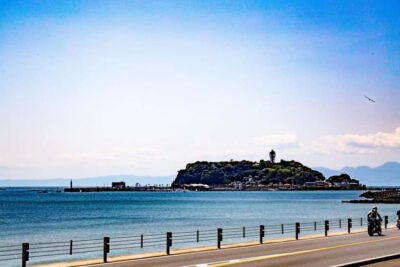
Enoshima is the most scenic optional addition. The island sits near Kamakura and is known for ocean views, shrines, and seaside culture. The plan allows about an hour and a half here.
That sounds generous, but Enoshima can easily absorb more time than you expect. Even without adding extra activities, you may want to walk, look out toward the water, visit shrine sites, and stop for food. Admission to the island attractions is not included, so ask exactly what your guide plans to visit before you arrive.
Enoshima works best if your group wants a coastal finish to the Kamakura portion. It is less useful if everyone is already tired after four temples and a shopping street. Since the route is private, you can discuss the tradeoff with your chauffeur and decide based on the day’s pace.
If you choose Enoshima, be realistic about Yokohama. Adding both can turn the final hours into a checklist. The tour offers variety, but variety is not the same as depth.
Yokohama Chinatown as an alternate finale
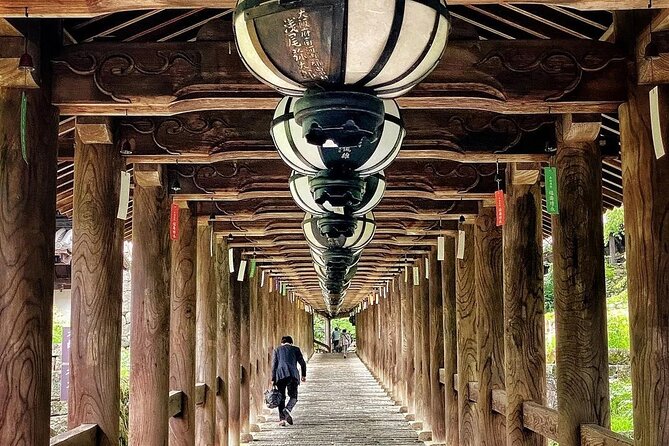
Yokohama Chinatown is another optional stop, with about an hour and a half planned. It is Japan’s largest Chinatown, with more than 600 restaurants, shops, and cultural sites.
This gives the tour a sharp change of scene. After Kamakura’s shrines and temples, Yokohama brings Chinese food, storefronts, and a strong blend of Eastern and Western influences. It is a good choice if your group prefers eating and city streets to gardens and coastal views.
The stop is free to enter, but meals and purchases are your responsibility. The name provided for the stop is China Town 80, so confirm the exact meeting point and plan with your guide on the day.
I would choose Yokohama Chinatown over Enoshima if food is your main interest. I would choose Enoshima if you want sea air and views. Trying to do both after a full Kamakura circuit may leave you with short visits everywhere.
What the private vehicle adds
The tour costs $435.71 per group of up to six people. That is not a cheap individual excursion, but the pricing looks more reasonable when shared by a larger group. Split six ways, the base cost is about $73 per person before entrance fees and food. For two people, it is much less attractive than for a family or group of friends.
The air-conditioned vehicle, private transportation, fuel, parking, and tolls are included. Those details matter because Kamakura and Yokohama are not next door to central Tokyo, and a long day with several stops can be tiring when you are handling every transfer yourself.
Pickup is offered, and confirmation arrives at booking. The tour is listed as suitable for most people and near public transportation, though no specific accessibility details are provided. If anyone in your group has mobility needs, ask about walking distances and temple paths before paying.
The private setup also means only your group participates. You can ask for photo help, request a little more time at a favorite stop, and decide between Enoshima and Chinatown without negotiating with strangers.
The guide can shape the whole day
The included in-person guide is English-speaking, and the tour is described as having bilingual chauffeur service. That combination should make the day easier for visitors who want both driving help and historical context.
The strongest praise attached to this experience centers on Abdul. He is described as arriving on time, being courteous, making the Great Buddha’s history fun to learn, and answering questions beyond the basic sightseeing script. You can ask at booking if Abdul will lead your day, since guide assignment is important when a tour depends on explanation as much as transport.
The offer of free picture-taking and video-making assistance is especially useful for a private group. It will not replace a professional photo session, but it can spare you from handing your phone to a stranger at every temple.
How I would plan the eight to ten hours
I would not try to force every optional stop into the day. Start with Kotoku-in, Hokoku-ji, Tsurugaoka Hachimangu, and Hasedera. These four places give you the strongest picture of Kamakura’s Buddhist, Shinto, samurai, and natural sides.
Then use Komachi Street for lunch or sweets if your group wants it. After that, choose one final extension:
- Pick Enoshima for the sea, shrines, and coastal atmosphere.
- Pick Yokohama Chinatown for Chinese food, shops, and a more urban finish.
- Skip both if your group prefers a slower Kamakura day.
The tour’s stated duration is approximate, eight to ten hours. Traffic, temple visits, meals, and shopping can all affect the timing. Tell your guide early which stops matter most to you. That is the best way to use the private format.
Who should book this Kamakura and Yokohama tour?
I would recommend it to families, small groups, and first-time visitors who want Kamakura without managing a complicated day of trains and local transfers. It also suits people who want a guide to explain what they are seeing, rather than simply being dropped at famous sites.
It is less suitable if you want a tightly fixed historical tour with every minute planned. The optional stops create flexibility, but they also require choices. It may not be the best value for a solo visitor or couple unless private transport and convenience are top priorities.
The weather requirement is worth noting. If poor weather cancels the experience, you are offered another date or a full refund. You can cancel for a full refund up to 24 hours before the start time, but changes or cancellations inside that window are not accepted.
Should you book it?
Book this tour if you value door-to-door convenience, private space, and an English guide more than the lowest possible price. The strongest plan is to focus on the four main Kamakura sights, then choose either Enoshima or Yokohama Chinatown.
The $435.71 group price is most convincing when shared by four to six people. Add entrance fees and food to your budget, and confirm which optional stops fit the day. If Abdul is available, his clear, friendly approach could add real value to the historical stops.
FAQ
How long does the tour last?
The tour lasts approximately eight to ten hours.
How many people can join the private tour?
The price covers one private group of up to six people.
Is pickup available?
Yes, pickup is offered.
Is transportation included?
Yes. The tour includes private transportation in an air-conditioned vehicle, along with fuel charges, parking fees, and toll charges.
Is an English-speaking guide included?
Yes. An in-person English guide is included, and the service is described as bilingual chauffeur assistance.
Are admission fees included?
No. Admission to Kotoku-in, Hasedera Temple, Hokoku-ji Temple, and Enoshima is not included.
Is the Great Buddha included in the route?
Yes. Kotoku-in, home of the Great Buddha of Kamakura, is scheduled for about 40 minutes.
Are Enoshima and Yokohama Chinatown required stops?
No. Enoshima and Yokohama Chinatown are optional stops.
Is Komachi Street included?
Komachi Street is listed as an optional stop and has no admission fee.
What happens if bad weather cancels the tour?
You will be offered a different date or a full refund if poor weather causes the experience to be canceled.
More Private Car with Driver in Tokyo
More Private Tours in Tokyo
More Kamakura & Enoshima Day Trips in Tokyo
More tours in Tokyo we've reviewed









Kamakura & Enoshima Day Trips, compared.
 ★ 4.5Tokyo: Kamakura & Enoshima Day Trip including Temple TicketsFrom $589 hours - 570 minutes
 ★ 4.5Tokyo: Mt. Fuji, Kamakura, Big Buddha, & Lake Ashi Day TripFrom $4910 - 11 hours
 ★ 4.5From Tokyo: Kamakura & Enoshima 1-Day Bus TourFrom $66
 ★ 5.0Kamakura Historical Walking Tour with the Great BuddhaFrom $98
 ★ 5.0Kamakura Private Tour: Temples, Nature, and the Great BuddhaFrom $98
 ★ 5.0Kamakura Walking Tour – The City of ShogunFrom $35