
Reviewed · UENO & YANAKA WALKS
Japanese Katsu Curry Cooking Class–near YANAKA, Tokyo!
Japanese curry gets its best lesson here by skipping the familiar boxed roux. At YUZU WASHOKU STUDIO, Yuki shows you how to build the sauce yourself, then helps you fry golden-brown tonkatsu and prepare a seasonal vegetable side dish. You finish with a proper Japanese lunch and recipes you can use at home.
I like two things right away: the small maximum of six people, which keeps the class personal, and the setting in a quiet residential part of old Tokyo near Yanaka. You are not just watching a demonstration. You are cooking, asking questions, and learning how to adjust the curry to your own taste.
The main consideration is price. At $111.67 per person, this is not a cheap meal, especially if you are mainly looking for lunch. Its value depends on how much you want the cooking lesson, the home-style setting, and the chance to make the dishes again later.
In This Review
- Key points at a glance
- A curry class with more than a packet of roux
- Meeting Yuki near old Tokyo
- The opening lesson from 10:15 to 10:30
- Building the curry roux from scratch
- Frying tonkatsu without losing the crunch
- A seasonal vegetable dish and a proper lunch
- What the $111.67 price really covers
- Who will enjoy this class most
- Practical details before you book
- Should you book the YUZU WASHOKU STUDIO class?
- FAQ
- Where does the Japanese Katsu Curry Cooking Class take place?
- What time does the class begin?
- How long does the experience last?
- What food will I make?
- What is included in the price?
- Can the menu accommodate dietary needs?
- Can pork tonkatsu be replaced?
- What is the cancellation policy?
Key points at a glance
- Make curry roux from scratch: You control the flavor instead of relying on store-bought curry cubes.
- Learn the tonkatsu technique: Yuki explains how to fry pork cutlets until crisp and golden.
- Cook in a quiet Yanaka-area neighborhood: The studio offers a look at everyday life away from Tokyo’s major sights.
- Small-group format: The class accepts no more than six people, so you should have room to participate.
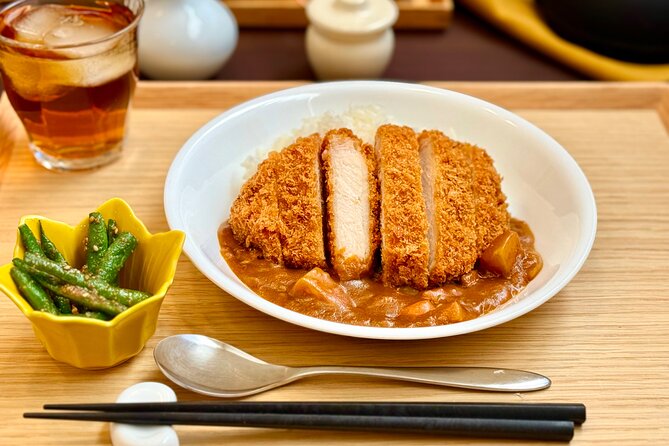
- A full lunch is included: You eat curry rice with tonkatsu, a seasonal vegetable dish, green tea, and water.
- Dietary changes are possible: Pork can be replaced with chicken or tofu, with other needs discussed before booking.
A curry class with more than a packet of roux
Japanese curry is often treated as the easiest meal in the Japanese home kitchen. Open a box, add the cubes, stir, and serve. This class takes a more useful route by showing you what those cubes are trying to do.
You learn to prepare curry roux from basic ingredients, giving you control over the final taste. You can adjust the flavor to suit your preference, and you receive simple recipes plus advice on finding substitute ingredients in your own country.
That last point matters. A cooking class is only useful if you can repeat it after your holiday. Yuki’s approach is aimed at the home cook, not at restaurant professionals. One participant who already knew a lot about cooking still picked up useful pointers, which suggests the class has something to offer beyond the very basics.
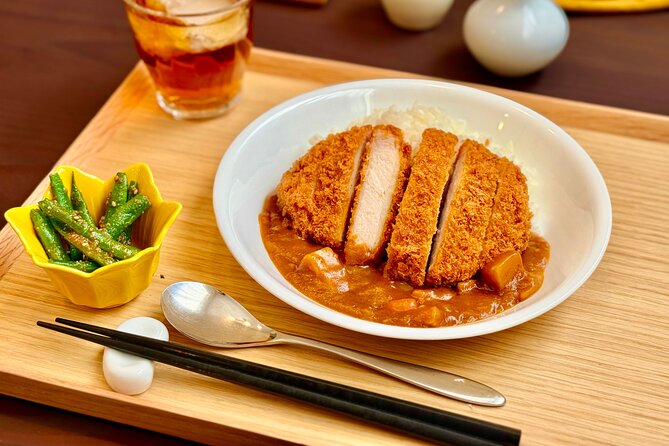
The curry is only half of the meal. You also prepare tonkatsu, the Japanese breaded pork cutlet that gives katsu curry its satisfying crunch. The lesson covers how to fry it properly, a skill that can be harder than it looks. Timing and heat matter, and a cutlet that appears golden on the outside can still disappoint if the cooking is off.
A few more Tokyo tours and experiences worth a look
Meeting Yuki near old Tokyo
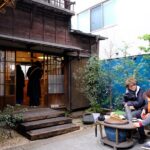
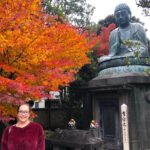
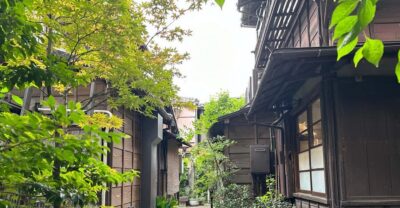
The class begins at 10:00 a.m. at YUZU WASHOKU STUDIO, at 1-chōme-58-4 Nishinippori, Arakawa City, Tokyo 116-0013. The studio is near public transportation and close to Yanaka, an area known for its quieter streets and old downtown character.
Do not expect a large cooking school with a polished commercial feel. The studio is in a residential neighborhood, and that is part of the appeal. You get a small look at ordinary Tokyo life while cooking in a warm, home-style kitchen.
That setting can be a nice change after crowded stations, department stores, and major sightseeing areas. It also means you should allow time to find the exact meeting point. Your mobile ticket confirms the booking, but the experience does not include hotel pickup, so you make your own way there.
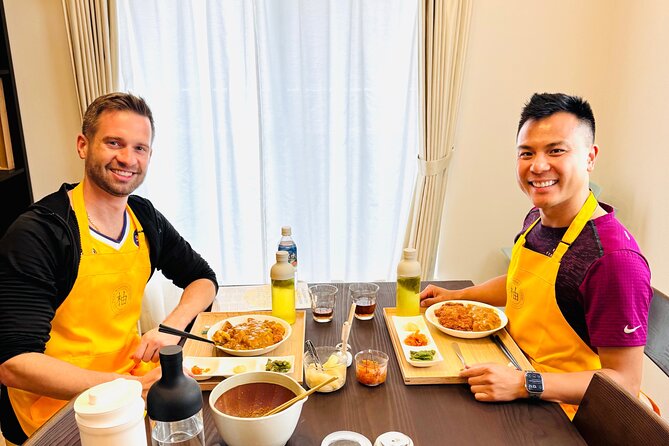
The class has a maximum of six people. That limit is important. It gives Yuki a fair chance to watch your cooking, answer questions, and explain small points that can get lost in a large demonstration. If you prefer a lively class with dozens of people, this will feel quiet. If you want direct help, the size is a strong advantage.
The opening lesson from 10:15 to 10:30
After meeting at 10:00, the class begins with a short lecture on Japanese home cooking and a Tokyo guide. This opening lasts about 15 minutes, so it should give you context without taking over the morning.
The home-cooking focus helps explain why curry is such a useful dish to learn. It is familiar, adaptable, and eaten by people of all ages in Japan. You are not studying a rare ceremonial recipe. You are learning a comfort food that fits easily into an ordinary kitchen.
The Tokyo portion adds local context to the setting. Since the studio sits near Yanaka in the old downtown district, the introduction can help you notice the difference between this area and Tokyo’s more commercial centers.
Do not expect a long walking tour. The information is part of the cooking experience, not a separate sightseeing stop. If you want a full guided tour of Yanaka, plan that for another part of your day.
Building the curry roux from scratch
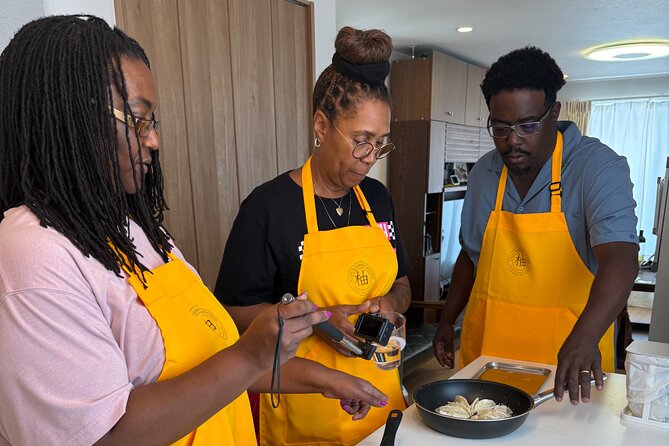
The main lesson starts at 10:30. Instead of opening a packet of prepared roux, you work through the process yourself.
That gives you a clearer idea of how Japanese curry gets its body and flavor. It also lets you change the result. You might prefer a gentler curry, a stronger spice profile, or a different balance between sweetness and savory notes. The point is not to force everyone toward one fixed result.
Yuki provides straightforward recipes, which is good news if you want to recreate the dish at home. You also receive guidance on substituting ingredients that may be hard to find outside Japan. This is one of the most practical parts of the class because Japanese supermarkets and overseas grocery stores do not always stock the same products.
The lesson should suit mixed skill levels. A beginner can follow a clear recipe and receive hands-on direction. An experienced home cook can pay closer attention to technique, proportions, and the small choices that change a familiar dish.
Cooking from scratch does take more time than using curry cubes. That is the trade-off. You are paying for the process, not just a faster lunch. If your main goal is to eat curry quickly, this is not the efficient option. If you want to understand the dish and repeat it, the extra work has a purpose.
Frying tonkatsu without losing the crunch
Tonkatsu turns the curry into katsu curry, adding a crisp coating and a hearty center. The class explains how to fry the cutlet so it becomes golden-brown and crunchy.
This is a valuable lesson even if you never make curry again. Fried cutlets can go wrong in several ways: the coating can turn greasy, the crust can darken too fast, or the meat can be undercooked. A hands-on class gives you the chance to see the process rather than rely on a recipe alone.
Tonkatsu is normally made with pork. If you prefer chicken or tofu, Yuki can substitute them if you make the request when booking. That flexibility makes the class more useful for people who do not eat pork.
The same advance notice applies to other dietary needs, including vegetarian, gluten-free, and halal requirements. You should provide the details at reservation time rather than waiting until you arrive. The available menu may need adjustment, and the organizer needs time to prepare.
Other cooking classes in Tokyo

A seasonal vegetable dish and a proper lunch
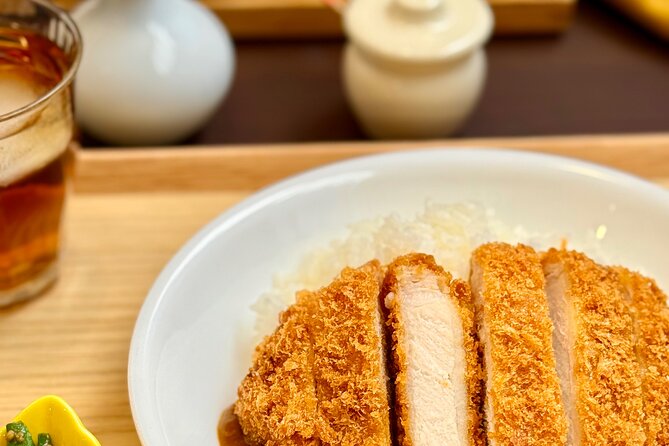
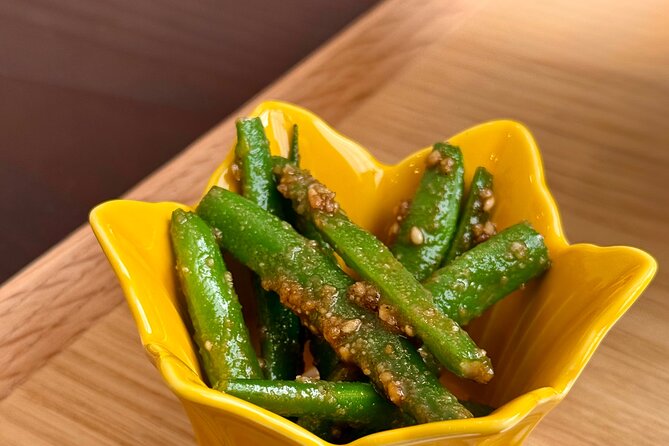
Along with curry and tonkatsu, you prepare a seasonal vegetable side dish. The vegetables vary during the year, so this part of the meal is not fixed to one ingredient list.
That seasonal change gives the lunch a more home-style feel. The side dish brings something fresh and lighter to a meal built around rice, curry, and fried cutlet. It also shows how a Japanese meal can balance a rich main dish with a simple vegetable accompaniment.
The class includes the finished Japanese curry rice, tonkatsu, seasonal vegetable dish, green tea, and water. You also receive a rental apron and hand towel, so you do not need to pack special cooking gear.
The cooking and tasting portion runs until 12:30, making this a morning activity that ends with lunch. That timing works well if you want to spend the afternoon around Yanaka or another part of northeast Tokyo. Keep in mind that the activity ends back at the studio, with no hotel drop-off.
What the $111.67 price really covers
At $111.67 per person, the class costs far more than buying a plate of katsu curry in Tokyo. You should not judge it as a restaurant meal alone.
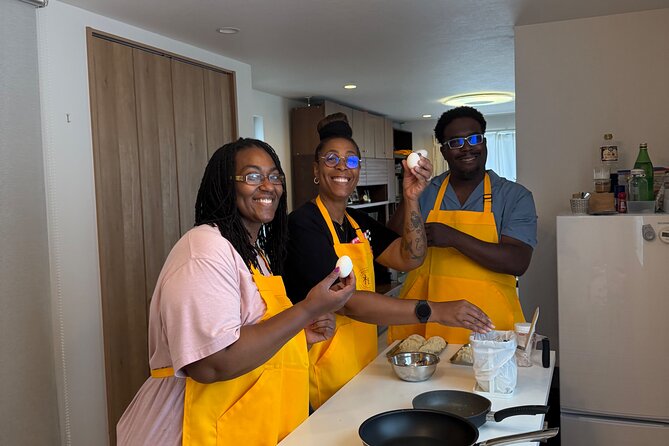
The price includes about two and a half hours with a home chef, ingredient preparation, instruction, a small group capped at six, the complete lunch, drinks, an apron, a hand towel, and recipes you can use later. You are also paying for access to a private cooking setting in a residential neighborhood.
The best value comes if you cook at home after returning. One person who took the class went on to make the dishes again, which is exactly how this experience earns its keep. A recipe that becomes part of your regular cooking is worth more than a meal that disappears after an hour.
I would consider the price reasonable for a visitor who specifically wants a hands-on food experience and values personal instruction. I would hesitate if you are watching every yen, have little interest in cooking, or simply want to sample Japanese curry. Tokyo has less expensive ways to eat lunch.
The small group helps justify the cost. With no more than six people, this should feel more personal than a large cooking event. Still, no group experience can guarantee the same amount of individual attention for everyone, so your level of participation may depend on the group on your date.
Who will enjoy this class most
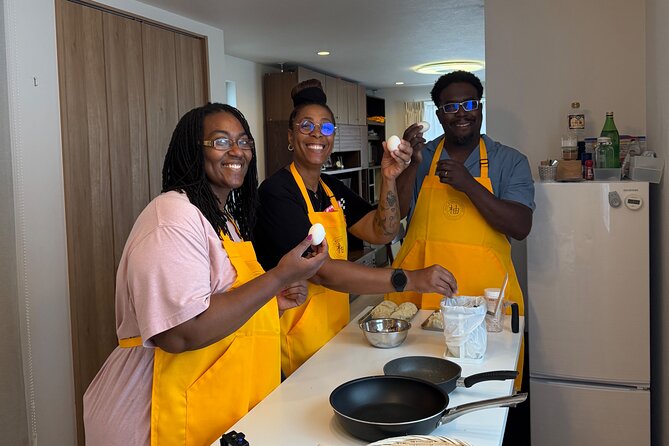
This is a strong choice for home cooks, food-focused visitors, couples, and people who want an activity that feels connected to daily Japanese life. It also suits a honeymoon itinerary. Yuki has welcomed honeymooning couples, and the meal gives you a shared task rather than another sightseeing stop.
Families and mixed-age groups may also find the format appealing, though the supplied details do not specify a minimum age. If you are booking for children, ask the provider about age suitability before confirming.
Vegetarians and people with dietary restrictions should not assume the standard menu fits their needs, but the class does offer advance substitutions. Pork can be changed to chicken or tofu, and gluten-free or halal needs can be discussed ahead of time.
Experienced cooks should not dismiss the class as too simple. The focus on curry roux and frying technique leaves room for useful details, and one experienced home cook still found ways to improve. Beginners, meanwhile, get a clear path through a dish that can seem more complicated than its casual reputation suggests.
Practical details before you book
The experience is confirmed at booking, and it uses a mobile ticket. It is near public transportation, but hotel pickup is not included, so you need to reach the studio independently.
Plan on being at the meeting point for the 10:00 a.m. start. The opening talk begins at 10:15, followed by cooking and tasting from 10:30 to 12:30. Since the studio is in a quiet residential area, arriving early gives you a little breathing room if the last part of the journey takes longer than expected.
You can cancel for a full refund up to 24 hours before the start time. Changes or cancellations inside that window are not accepted and are not refunded. The class may also be canceled if poor weather affects the experience or if the minimum number of bookings is not reached. In those cases, you are offered another date or experience, or a full refund.
It is booked on average 44 days ahead, so popular dates may disappear well before your trip. That is not a reason to book blindly, but it is a good reason to decide early if the class fits your schedule.
Should you book the YUZU WASHOKU STUDIO class?
Book it if you want to understand Japanese curry rather than simply eat it. The scratch-made roux, tonkatsu frying lesson, seasonal side dish, and small home-kitchen setting make this more useful than a standard meal stop.
I especially recommend it if you plan to cook Japanese food at home, want a calm morning near Yanaka, or appreciate direct instruction from a host such as Yuki. The recipes and ingredient-substitution advice give the experience a life beyond your Tokyo visit.
Skip it if $111.67 feels too high for lunch, if you have no interest in cooking, or if your schedule is too tight for a two-and-a-half-hour morning. For everyone else, this is a focused, personal way to connect food with everyday Tokyo life.
FAQ
Where does the Japanese Katsu Curry Cooking Class take place?
The class takes place at YUZU WASHOKU STUDIO, located at 1-chōme-58-4 Nishinippori, Arakawa City, Tokyo 116-0013, Japan, near the Yanaka area.
What time does the class begin?
You meet at the studio at 10:00 a.m. A short lecture begins at 10:15, and cooking and tasting run from 10:30 to 12:30.
How long does the experience last?
The class lasts approximately two hours and 30 minutes.
What food will I make?
You will prepare Japanese curry with roux made from scratch, tonkatsu, and a seasonal vegetable side dish.
What is included in the price?
The class includes lunch with katsu curry rice, the seasonal vegetable dish, green tea, water, a rental apron, and a hand towel.
Can the menu accommodate dietary needs?
Yes. Vegetarian, gluten-free, halal, and other dietary needs can be discussed, but you must provide the information when booking.
Can pork tonkatsu be replaced?
Yes. Pork can be replaced with chicken or tofu if you request it in advance.
What is the cancellation policy?
You can cancel up to 24 hours before the start time for a full refund. Cancellations or changes made less than 24 hours before the start are not accepted or refunded.
More Cooking Classes in Tokyo
More Cooking Classes in Tokyo
More Ueno & Yanaka Walks in Tokyo

More tours in Tokyo we've reviewed






Ueno & Yanaka Walks, compared.
 ★ 5.0Eat and Drink Like a Local: Tokyo Ueno Food Tour-Taverns&RamenFrom $95
 ★ 4.5The Old Quarter of Tokyo – Yanaka Walking TourFrom $40
 ★ 5.0Yanaka Walking Tour: Historic and Traditional District of TokyoFrom $72
 ★ 4.8Tokyo: Old Quarter Yanaka Walking TourFrom $323 hours
 ★ 5.0Tokyo: Food Tour in Ueno with 10+ Tastings of Japanese ClassicsFrom $142
 ★ 4.9Tokyo:Stroll in Old traditional culture towns~Yanaka & NezuFrom $293h 30m