
Reviewed · COOKING CLASSES
Japanese Cooking Class and Cultural Experience Around Tokyo
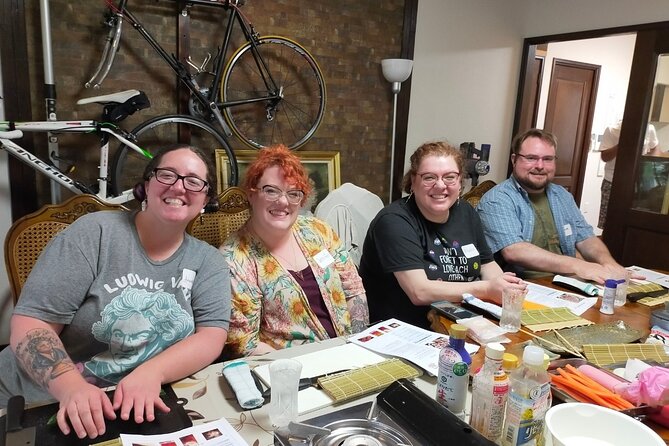
Japanese home cooking is the heart of this Chiba experience. You learn to make dashi, the basic soup stock behind countless Japanese dishes, then prepare three or four familiar home-style foods with a local host. The final half-hour brings sake tasting, Japanese tea, or calligraphy.
I like the hands-on format and the choice of a nonalcoholic activity. I also like the small maximum of eight people, which should give you room to ask questions and take part rather than watch from the edge.
The main consideration is menu flexibility. You can choose from menus A, B, C, or D only when your party is the sole booking that day. If another group joins, the host may set the menu for everyone.
In This Review
- Key points at a glance
- Why the dashi lesson matters
- Three hours of cooking, tasting, and cultural activities
- Choosing from menus A, B, C, or D
- Eating what you prepare
- Sake, tea, or calligraphy after lunch
- Meeting at Chiba Station
- A small group with a friendly teaching style
- Is $100.11 a fair price?
- Who should book this Chiba cooking class?
- Booking, cancellations, and practical planning
- Should you book it?
- FAQ
- Where does the class begin?
- How long does the experience last?
- How many dishes will I prepare?
- Can I choose the cooking menu?
- Can I take part without drinking alcohol?
- Can food allergies be accommodated?
- Is pickup available?
- What is the cancellation policy?
Key points at a glance
- Learn dashi from the start: You get a practical introduction to Japanese soup stock and the ingredients used in home cooking.
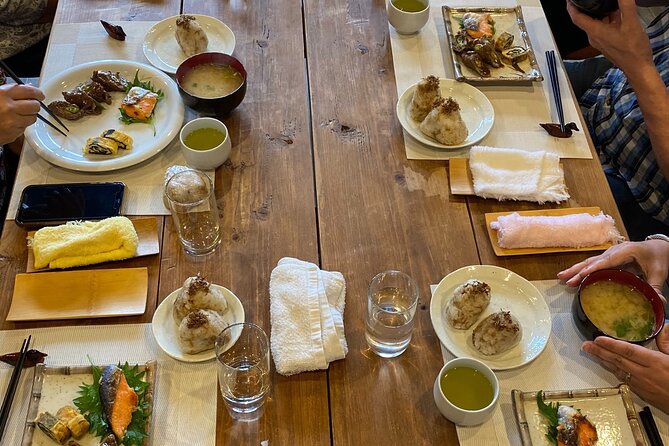
- Prepare 3 to 4 dishes: The class focuses on basic, authentic food rather than restaurant-style showpieces.
- Choose your final activity: Sake tasting can be replaced with Japanese tea tasting or calligraphy.
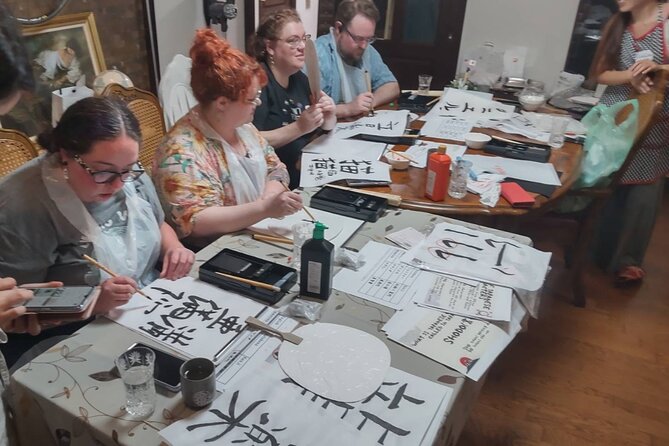
- Calligraphy may include fan decoration: A previous class included writing practice followed by decorating a fan.
- Meet at Chiba Station: The starting point is convenient for public transportation and easy to identify.
- Small group format: The class accepts a maximum of eight people, with pickup offered and group discounts available.
Why the dashi lesson matters
Many Japanese cooking classes focus on sushi rolling or a single famous dish. This one starts with dashi, a more useful foundation if you want to understand Japanese food beyond the tourist menu.
Dashi is a soup stock made from Japanese ingredients, and the host uses it to explain how flavor is built in home cooking. The supplied details do not specify the exact stock ingredients, so you should expect an introduction rather than a technical culinary course. Still, this is the kind of lesson you can carry home and use in soups, sauces, and simmered dishes.
I like that the class is described as basic but authentic. That wording sets a sensible expectation. You are not signing up for professional chef training. You are learning how ordinary Japanese meals come together, with attention to ingredients and cooking methods.
The menu choices are organized into four options, labeled A through D. The actual dishes are not listed in the available information, so ask about the choices if a particular food matters to you. If you have an allergy, tell the host before the class. The menus can be discussed in advance, but do not wait until you arrive.
If you're still narrowing it down, here are other tours in Chiba we've reviewed.
Three hours of cooking, tasting, and cultural activities
The total visit lasts about three hours. Roughly two and a half hours go to cooking and eating, followed by about thirty minutes devoted to sake tasting, tea tasting, or calligraphy.
That division works well. You get enough time to take part in several recipes without turning the class into an all-day commitment. The meal at the end also gives the cooking a clear purpose. You are not simply practicing techniques and then walking away hungry.
The pace will depend on the menu and the group. With a maximum of eight people, you should have a better chance to handle ingredients and cooking tools than in a large demonstration class. Still, a shared class can mean that you do not control every step or recipe.
The host prepares ingredients beforehand after receiving your menu selection. This should save time and keep the class moving, but it also means the session is not designed as a full market visit or ingredient-shopping lesson. The emphasis is on cooking together.
Choosing from menus A, B, C, or D
The menu system deserves a little attention before you book. If you or your group are the only participants that day, you can choose your favorite option from A, B, C, or D. That is useful for families, couples, and small groups with a clear preference.
If another party attends, your first choice may not be available. The host can use one menu for the combined group, so keep an open mind. This is a normal tradeoff in a small shared class, but it is worth knowing before you promise children or picky eaters a particular dish.
Since the precise menu contents are not provided, contact the host if you need to avoid a certain ingredient. The same applies to food allergies. The host says menus can be discussed, but advance notice is essential for any adjustment.
I would choose based on the style of meal rather than chasing the most famous Japanese dish. The value here comes from learning how a household meal is built, not from collecting a single postcard recipe.
Eating what you prepare
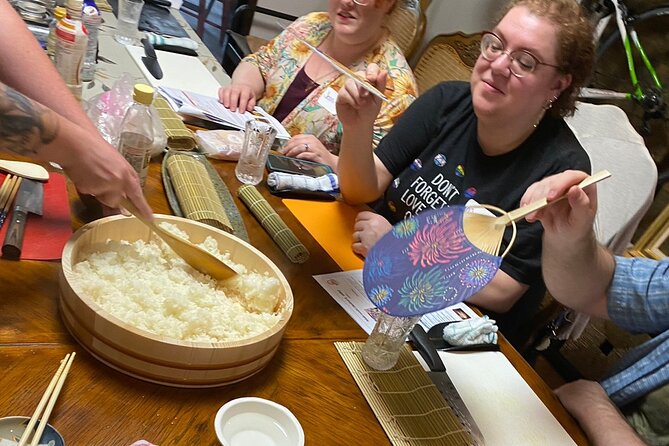
After cooking, you eat the dishes made during the class. This is the moment when the lesson becomes practical. You can see how the separate ingredients and techniques work together, then ask questions while the meal is still fresh.
The food is described as Japanese home-style cuisine, with three or four dishes prepared during the session. The supplied information does not name the recipes, so you should not expect a fixed list of famous specialties unless the host confirms one before booking.
That uncertainty is a drawback for anyone booking around a specific food goal. On the other hand, it may appeal to you if you want a broader look at everyday cooking. Home-style food can tell you more about daily eating habits than a single restaurant dish.
The class also gives you a chance to learn about Japanese ingredients as you cook. I would pay close attention to how the host describes their use, texture, and role in the meal. Those small explanations are often more useful than a long lecture.
Sake, tea, or calligraphy after lunch
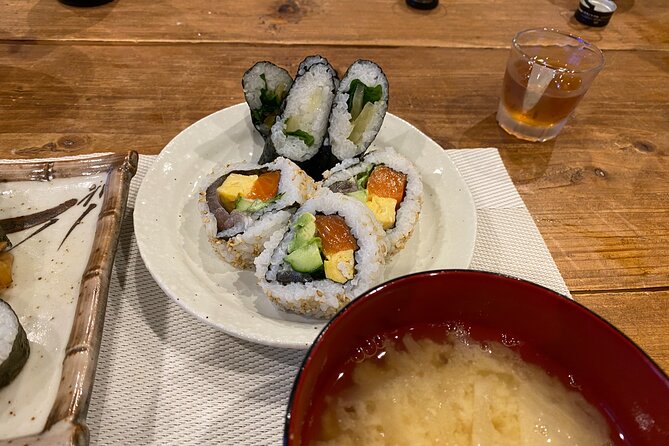
The final thirty minutes add a cultural activity beyond the kitchen. The standard choice is sake tasting, featuring locally distilled Japanese sake described as rare and high quality.
The information does not specify the number of pours, the breweries, or the sake region, so treat this as a tasting introduction rather than a formal sake seminar. You may get a useful taste of local production, but you should ask for details if sake is the main reason you are booking.
You do not need to drink alcohol. The host can replace sake with Japanese tea tasting or calligraphy. This makes the class workable for children, nondrinkers, and anyone who simply prefers a quieter finish.
The tea option also has some depth. The host points out that Japan has many kinds of tea, not just green tea. That is a helpful correction to the usual visitor shortcut, though the exact teas served are not specified.
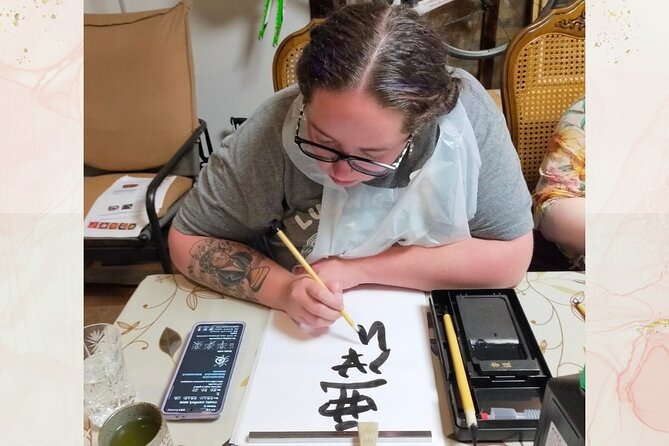
Calligraphy offers the most hands-on souvenir. You can write your name or kanji with special brushes and ink. A previous class also included a calligraphy lesson followed by decorating a fan, giving participants something personal to take away. Fan decoration is not listed as a guaranteed part of every booking, so ask if that particular activity is important to you.
Meeting at Chiba Station
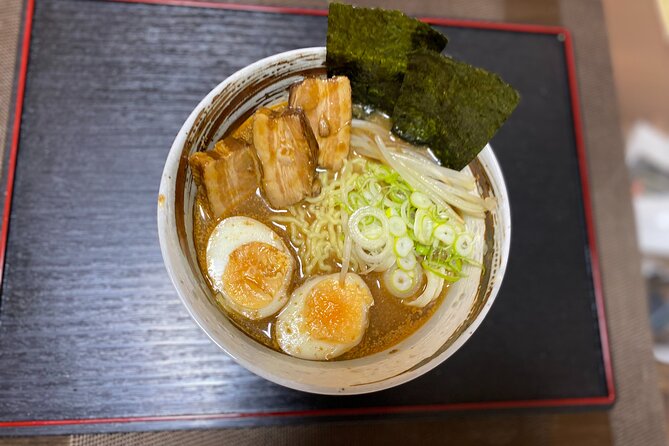
The class begins at Chiba Station, at 1 Chome Shinchiba in Chuo Ward, Chiba. The station is near public transportation, and pickup is offered, though the available details do not explain the pickup area, cost, or range.
Chiba is outside central Tokyo, so check the journey from your hotel before booking. The meeting point is clear, but the practical value of the class depends on how easily you can reach the station and return afterward. If your itinerary already includes Chiba, the location is convenient. If you are staying in central Tokyo and have only a short visit, allow extra travel time.
Arrive with the station address saved on your phone. A mobile ticket is available, and confirmation is sent within 48 hours, subject to availability. Those details are small but useful when you are coordinating a day around train times.
Because the class lasts about three hours, it can fit neatly into a half-day plan. Do not pack the schedule too tightly, especially if you are relying on public transportation or arranging pickup.
A small group with a friendly teaching style
The maximum group size is eight people. That is large enough for a social class but small enough to avoid the feel of a cooking auditorium.
The strongest praise goes to the hosts themselves. One class included kind and engaging instruction, simple Japanese dishes, a calligraphy lesson, and fan decoration. The tone was described as very fun, which matters here because the cooking is meant to be shared rather than performed at a distance.
I would choose this class if you like asking questions and taking part. You may enjoy it less if you want a highly formal culinary lesson with exact measurements, advanced knife work, or professional kitchen equipment. None of those features is promised.
The class suits couples, families, and small groups particularly well. Children and adults who do not drink can choose tea or calligraphy instead of sake. Group discounts may also improve the value for a larger booking, though the exact discount is not specified.
Is $100.11 a fair price?
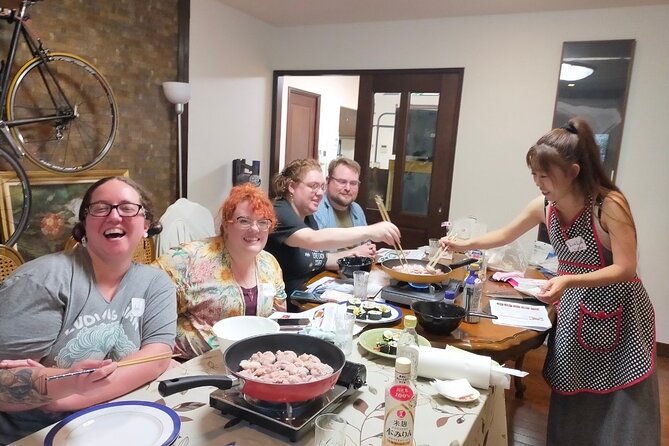
At $100.11 per person, this is not a cheap meal. You are paying for about three hours of instruction, the ingredients for three or four dishes, the meal you prepare, and a closing cultural activity.
The value looks strongest if you want participation rather than a simple food tasting. You get a cooking lesson, a shared meal, and a choice of sake, tea, or calligraphy. For someone who wants to understand basic Japanese food at home, the dashi lesson adds real usefulness.
The value is weaker if you mainly want to eat a large meal or see a long list of famous dishes. The exact menu is not published, and the experience centers on simple home cooking. You are buying access to a host and a practical cultural session, not a high-end restaurant meal.
Group discounts may help families and friends. Pickup is offered, but because the details are not provided, confirm how it works before counting it as part of the price.
Who should book this Chiba cooking class?
Book it if you want to:
- Learn the basics of Japanese home cooking
- Understand how dashi supports many dishes
- Prepare food instead of only watching a demonstration
- Meet a small group near a major station
- Choose between sake, tea, and calligraphy
- Include children or nondrinkers in the same activity
- Ask about allergies before the class
Think twice if you need a guaranteed recipe list, a particular dish, or a fully private class. Menu choice depends on group arrangements, and the class may include another party.
I also would not book it as a substitute for a Tokyo sightseeing tour. The meeting point is in Chiba, and the focus is cooking and cultural practice. It works best as a planned half-day activity, not as a quick stop between major central Tokyo attractions.
Booking, cancellations, and practical planning
You receive confirmation within 48 hours, subject to availability. The class requires a minimum number of participants, so if the host cancels because that minimum is not reached, you can receive a different date or experience, or a full refund.
You can cancel for a full refund up to 24 hours before the start time. Cancellations or changes made less than 24 hours in advance are not accepted for a refund. Cutoff times use local Japanese time, so check the clock carefully if you are changing plans from another time zone.
Tell the host your preferred menu and final activity when booking. Also send any allergy information in advance. That one message can prevent confusion and gives the host time to discuss suitable options.
Should you book it?
I would book this class if your idea of a good food activity includes learning, cooking, and talking with a local host. The dashi lesson, small group size, and choice of sake, tea, or calligraphy give it more substance than a quick recipe demonstration.
The $100.11 price is reasonable for three hours of hands-on cooking and cultural activities, but only if you value the lesson as much as the meal. Confirm the available menu, ask about pickup, and check the trip to Chiba Station before paying.
For families, small groups, nondrinkers, and curious home cooks, this is an appealing choice. For a strict food itinerary or a private professional cooking course, it may not be the right fit.
FAQ
Where does the class begin?
The meeting point is Chiba Station in Chuo Ward, Chiba, at 1 Chome Shinchiba, postal code 260-0031.
How long does the experience last?
The experience takes about three hours. Cooking lasts roughly two and a half hours, followed by about thirty minutes of sake tasting, tea tasting, or calligraphy.
How many dishes will I prepare?
You will cook three to four Japanese home-style dishes during the class.
Can I choose the cooking menu?
You can choose from menus A, B, C, or D when your group is the only booking that day. If another group attends, you may not be able to choose the menu.
Can I take part without drinking alcohol?
Yes. Sake tasting can be replaced with Japanese tea tasting or calligraphy. This option is also available for people who are not adults.
Can food allergies be accommodated?
Tell the host about food allergies in advance. The menus can then be discussed before the class.
Is pickup available?
Pickup is offered, but the provided details do not specify the pickup location, cost, or service area. Confirm those details before booking.
What is the cancellation policy?
You can cancel at least 24 hours before the start time for a full refund. Changes or cancellations made less than 24 hours before the start time are not accepted for a refund.
More tours in Chiba we've reviewed
Cooking Classes, compared.
 ★ 5.0Ramen & Gyoza Cooking Class in Tokyo with Local Supermarket VisitFrom $122
 ★ 5.0Ramen and Sushi Cooking Class with Sake Pairing Set in TokyoFrom $79
 ★ 4.9Tokyo: Wagyu and 7 Japanese Dishes Cooking ClassFrom $673 hours
 ★ 5.0Tokyo Washoku 4-hour Cooking Class: From Market to TableFrom $79
 ★ 5.0Professional Ramen & Gyoza with Ramen Chef in a restaurant!From $159
 ★ 5.0Small-Group Wagyu Beef and 7 Japanese Dishes Tokyo Cooking ClassFrom $72