
Reviewed · COOKING CLASSES
Gyoza Making from Scratch- Tokyo Ultimate Cooking Class
The best part of this Tokyo class is that you make the entire gyoza, not just the easy final step. You knead the dough, prepare the filling, shape the dumplings, and cook them in a pan. You also compare handmade wrappers with store-bought ones, which gives you a useful lesson you can repeat at home.
I like the hands-on format and the friendly English-speaking instruction. I also like that your meal includes soup, a side dish, and several dipping sauces, so this feels like a small Japanese cooking lesson rather than a quick dumpling demonstration.
The main consideration is time. At about 1 hour 50 minutes, this is a focused class, not a slow culinary workshop with a long market visit or several separate dishes. The price of $92.24 per person also makes the class best suited to people who value instruction, a meal, and a lasting recipe.
In This Review
- Key points at a glance
- Why this gyoza class is more than a folding lesson
- At Patia Kitchen, the setting keeps things simple
- Kneading the wrappers from scratch
- Preparing the filling and learning the juicy secret
- Folding gyoza without losing your patience
- Pan-frying yaki-gyoza and building the meal
- What the $92.24 price really covers
- Photos and the recipe give the class a longer life
- Who should book this Tokyo cooking experience
- Booking timing, cancellation, and practical planning
- Should you book this gyoza class?
- FAQ
- How long does the gyoza-making class last?
- Where does the cooking class take place?
- What will I make during the class?
- Can I use chicken instead of pork?
- Are store-bought and handmade wrappers both included?
- Is food included in the price?
- Will I receive anything to use at home?
- What is the cancellation policy?
Key points at a glance
- Make every part of the gyoza: Knead wrappers, prepare filling, fold dumplings, and pan-fry them.
- Compare two wrappers: Taste and texture differ between handmade dough and store-bought wrappers.
- Learn the juicy filling method: The instructor explains the technique behind moist, flavorful gyoza.
- Enjoy a complete meal: Your dumplings come with soup, a side dish, and several dipping sauces.
- Cook in central Tokyo: Patia Kitchen studios are near public transportation and fully equipped.
- Take the lesson home: You receive an English recipe and downloadable photos from the class.
Why this gyoza class is more than a folding lesson
Gyoza are familiar to many visitors in Japan, but eating them in a restaurant tells you only part of the story. This class shows you how the dumpling comes together from the beginning. You work with the dough and filling before learning how to fold and cook the finished pieces.
That order matters. You can see how the wrapper affects the final bite, and you get to compare handmade wrappers with ready-made ones. It is a practical lesson for anyone who expects to cook Japanese food after returning home.
The instructor leads the class in English and explains each stage step by step. The format is designed for all age groups, from young children to seniors, so you do not need previous cooking experience. You only need enough curiosity to work with dough, filling, and a hot pan.
The class receives a perfect five-star rating from 26 posted ratings, with 100 percent recommending it. That is a small sample, but it supports the strongest point of the experience: the teaching is patient, clear, and built around participation.
Other cooking classes in Tokyo
At Patia Kitchen, the setting keeps things simple
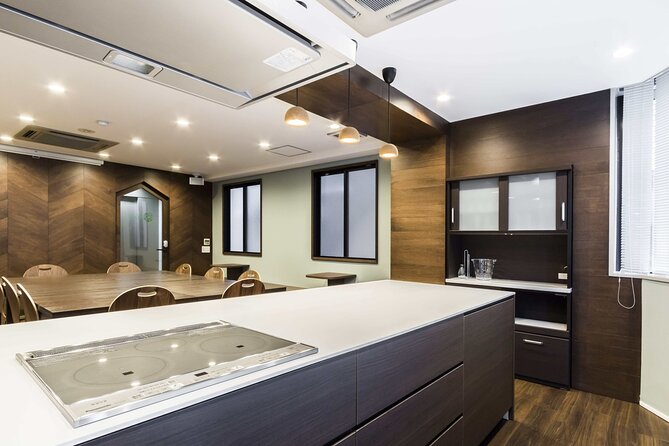
You meet in central Tokyo and move into a modern Patia Kitchen studio. The location is near public transportation, which helps when you are fitting the class into a busy day of sightseeing.
The studio is spacious and fully equipped. That means you can concentrate on the cooking instead of worrying about finding tools, preparing a kitchen, or managing a cramped demonstration area. The activity ends back at the meeting point, so you do not need to arrange a separate return transfer.
There is no hotel pickup or drop-off. That is normal for a central Tokyo cooking class, but you should allow enough time to reach the meeting point on your own. A mobile ticket is provided, and confirmation arrives when you book.
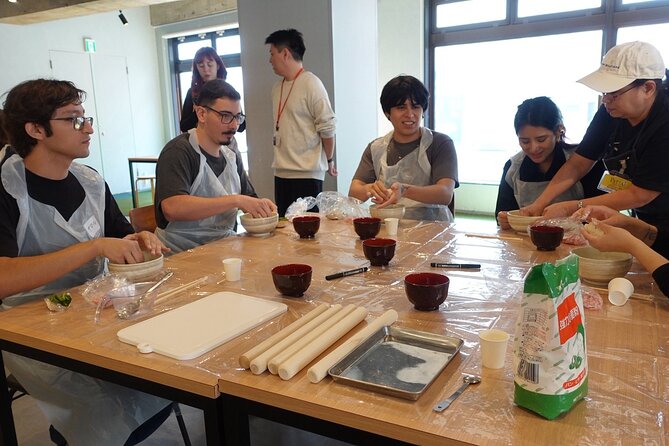
The group can include up to 12 people. That is large enough to give the class some social energy, but still small enough for a guided lesson rather than a stage show. Since the instructor works through the process step by step, the group limit matters.
Kneading the wrappers from scratch
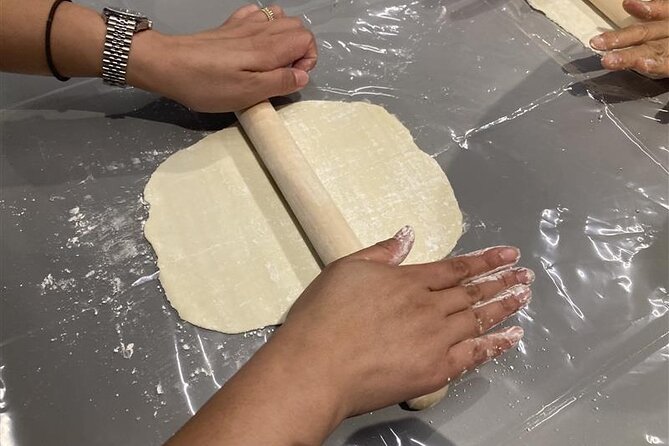
The class begins with the gyoza wrapper dough. You knead it from scratch, learning the basic process that gives the wrapper its structure and texture.
This is one of the most valuable parts of the lesson because it makes the finished dumpling easier to understand. A wrapper is not just a neutral envelope. Its thickness and texture affect how the gyoza folds, cooks, and feels when you eat it.
You also work with store-bought wrappers during the class. The comparison is especially useful for home cooks. Handmade wrappers take more work, while ready-made wrappers save time. By tasting both, you can decide which approach suits your own kitchen and schedule.
The class does not force you into one idea of proper cooking. Instead, it shows you what changes when you make the wrapper yourself. That practical comparison gives the price more value than a class that only teaches a single finished recipe.
Preparing the filling and learning the juicy secret
Next comes the filling, made with fresh ingredients. The standard filling is pork, but you can request chicken if you notify the provider more than 48 hours in advance.
The instructor explains how to prepare a juicy filling rather than simply handing you a prepared mixture. That technique is central to good gyoza. You learn not only what goes into the dumpling, but also how the filling should come together before it is wrapped.
This is a good point to make your dietary needs clear during booking. The supplied information confirms a chicken option with advance notice, but it does not list other substitutions or allergy arrangements. If you need changes beyond pork to chicken, ask the provider before reserving.
Because the lesson combines preparation and cooking, you can connect the filling mixture to the final result. If your dumplings turn out moist and satisfying, you know which stage helped create that texture. If you plan to recreate them at home, this is more useful than memorizing a list of ingredients alone.
Folding gyoza without losing your patience
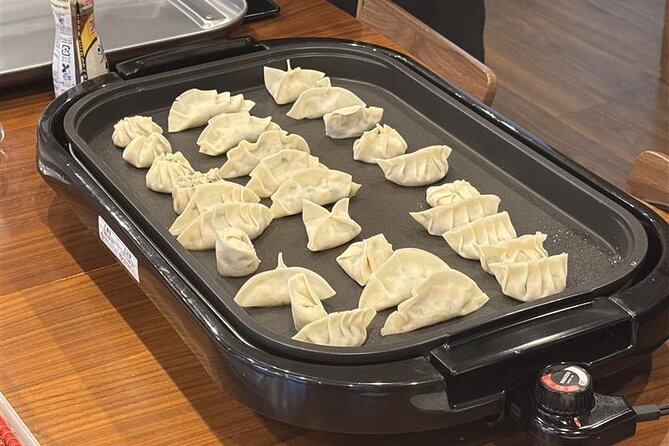
Folding is where the class becomes playful. The instructor teaches you the folding techniques, then gives you time to practice.
Gyoza folding looks simple when someone else does it. In your own hands, it takes a little care. The class gives you a chance to work through that process instead of presenting a finished dumpling as if it appeared by magic.
You will make both handmade and store-bought-wrapper dumplings. That gives you two chances to see how the dough behaves. A handmade wrapper may feel different to shape from a packaged one, and the final texture offers another comparison at the table.
The class is described as suitable for young children through seniors, which suggests the folding stage is approachable for mixed-age groups. Still, the pace is limited by the roughly 1 hour 50 minute duration. You should expect guided practice, not an extended professional dumpling seminar.
Other cooking classes in Tokyo

Pan-frying yaki-gyoza and building the meal
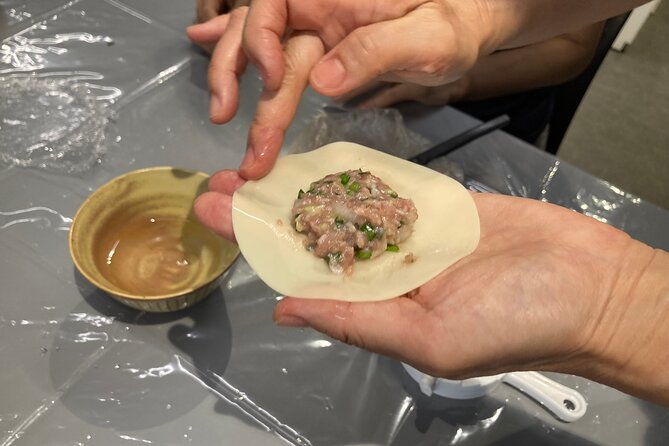
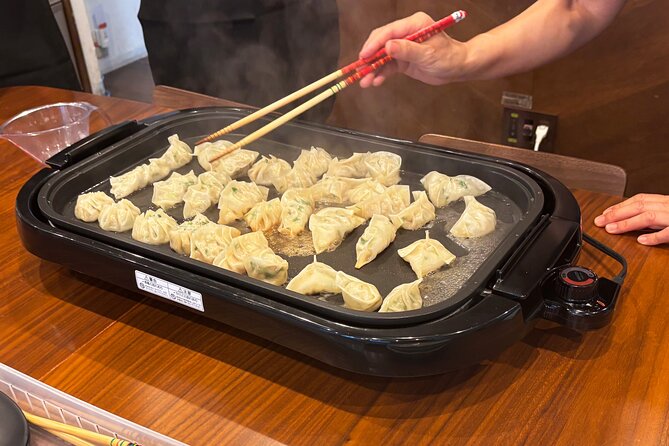
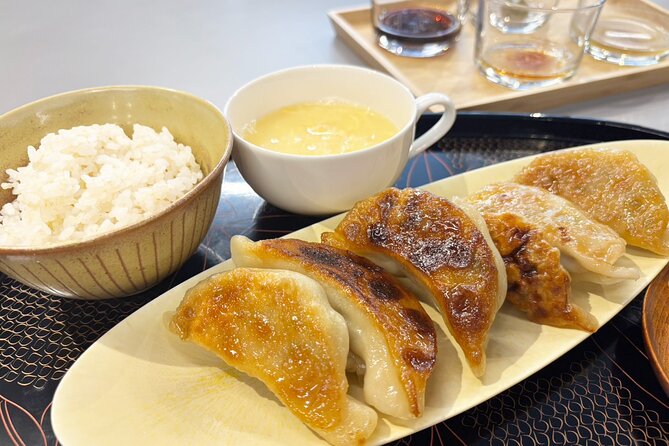
After folding, you cook the dumplings as yaki-gyoza, the pan-fried style. This gives the class a satisfying finish because you see the dumplings change from soft folded parcels into a cooked dish with a browned pan-fried surface.
Cooking your own food also helps you understand timing. The instructor guides you through the process, so you are not left guessing when the gyoza are ready. Exact cooking details are best learned in the room, where the instructor can demonstrate them directly.
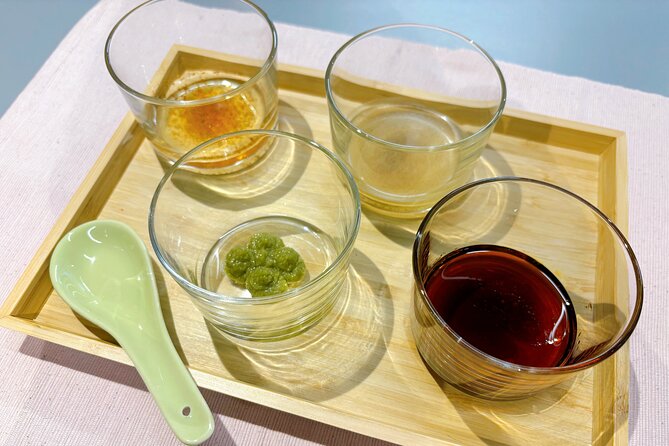
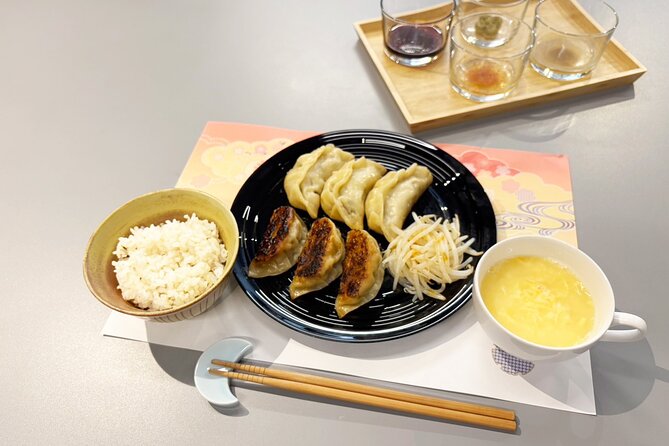
The meal includes more than gyoza. You prepare soup and a side dish to eat with the dumplings. Several dipping sauces are also available, giving you different ways to taste the finished food.
That extra food makes the class feel more complete. You are not paying only for a snack and a recipe. You are taking part in the preparation of a small meal, then sitting down to enjoy what you made.
The class does not list alcoholic drinks, dessert, or a wider menu, so you should book it for the gyoza lesson rather than expect a full restaurant-style feast. The focus stays firmly on dumplings and the dishes that accompany them.
What the $92.24 price really covers
At $92.24 per person, this is not the cheapest way to eat gyoza in Tokyo. A restaurant meal will cost less, and you could buy packaged wrappers and attempt the recipe at home.
The value comes from the combination of instruction and participation. Your fee covers the cooking experience, the meal, the recipe, and downloadable photographs taken during the class. You also get the chance to compare two wrapper styles and learn the filling technique directly from an English-speaking instructor.
That makes the class a stronger choice for a visitor who wants a useful activity, not just lunch. It is also a good option if you enjoy food souvenirs that do not take up space in your luggage. The English recipe can help you repeat the dish after your trip.
The price is harder to justify if you already cook gyoza regularly or only want a quick tasting. The session is under two hours, and the information does not promise a market visit, a tour of Japanese food culture, or a broad menu.
I would think of the cost as part meal, part lesson, and part travel memory. For couples, families, and food-focused visitors, that mix can be worthwhile. For budget-conscious visitors, compare it with other cooking classes before booking.
Photos and the recipe give the class a longer life
The downloadable photographs are a thoughtful addition. You do not need to stop cooking to take pictures, and you receive a record of the activity afterward.
Photos are especially useful in a hands-on class because your hands are busy with dough, filling, and folding. They can also help preserve the small details of the session that disappear quickly during a busy Tokyo trip.
The English recipe matters even more. It turns the class into something you can repeat at home, provided you can find the needed ingredients. You can use the lesson as a reference point when making gyoza with handmade wrappers, or take the quicker route with store-bought wrappers.
The recipe does not replace practice, but the class gives you the practical memory behind it. You will have shaped the dumplings, cooked them, and tasted the sauces yourself.
Who should book this Tokyo cooking experience
I would recommend this class to you if you want a short, practical food activity in central Tokyo. It suits first-time cooks because the instructor guides you step by step, and it works well for families because the activity is suitable for a wide age range.
It also fits visitors with a tight schedule. At around 1 hour 50 minutes, you can add it to a day of sightseeing without giving up an entire morning or afternoon. The central location and nearby public transportation make that easier, although you still need to reach the meeting point independently.
Food-focused couples and small groups will likely get the most from the comparison between handmade and store-bought wrappers. That detail gives the lesson a useful question to answer: is the extra work of making dough worth it for your taste and cooking habits?
You should think carefully if you need extensive dietary accommodations. Chicken is available on request with more than 48 hours of notice, but no other substitutions are confirmed. The standard filling is pork.
The maximum group size is 12 people. If you prefer private instruction or a one-on-one lesson, this may not be the right format. If you enjoy cooking beside other people and learning in a relaxed group, the size should be manageable.
Booking timing, cancellation, and practical planning
This activity is booked an average of 35 days in advance, so I would not leave it until the last minute, especially if your Tokyo dates are fixed. Confirmation is provided at booking, and the class uses a mobile ticket.
You can cancel for a full refund up to 24 hours before the start time. Changes or cancellations made less than 24 hours before the start time are not accepted for a refund. The cut-off follows local Tokyo time.
The class requires a minimum number of participants. If that minimum is not met and the activity is canceled, you are offered another date or experience, or a full refund.
Plan your route to the central Tokyo meeting point before the day of the class. There is no hotel transfer, and the activity finishes where it begins. Since the class includes food, you may want to avoid booking it immediately after a large meal.
Should you book this gyoza class?
Book it if you want to make a Japanese dish from the beginning, eat what you cook, and leave with a recipe you can use again. The patient instruction, hands-on format, wrapper comparison, full meal, and downloadable photos give the class a clear purpose.
Skip it if you only want a cheap gyoza lunch, need a long culinary tour, or require dietary changes beyond the confirmed chicken option. For most food-loving visitors, though, the under-two-hour format makes this a sensible Tokyo activity, and the perfect five-star record from 26 ratings supports its reputation for clear teaching and tasty results.
FAQ
How long does the gyoza-making class last?
The class lasts approximately 1 hour and 50 minutes.
Where does the cooking class take place?
The class takes place at a modern Patia Kitchen studio in central Tokyo, near public transportation.
What will I make during the class?
You will make gyoza wrappers and filling from scratch, fold the dumplings, and cook pan-fried yaki-gyoza. You will also prepare soup and a side dish.
Can I use chicken instead of pork?
Yes. Chicken filling is available if you request it more than 48 hours before the class.
Are store-bought and handmade wrappers both included?
Yes. You will fold and cook gyoza using handmade wrappers and store-bought wrappers, then compare their taste and texture.
Is food included in the price?
Yes. Meals and the cooking experience are included.
Will I receive anything to use at home?
Yes. You receive an English recipe, along with downloadable photographs taken during the experience.
What is the cancellation policy?
You can cancel at least 24 hours before the start time for a full refund. Cancellations or changes made less than 24 hours before the start time are not refunded or accepted.
More Workshops & Classes in Tokyo

More Cooking Classes in Tokyo
More Cooking Classes in Tokyo
More tours in Tokyo we've reviewed



Cooking Classes, compared.
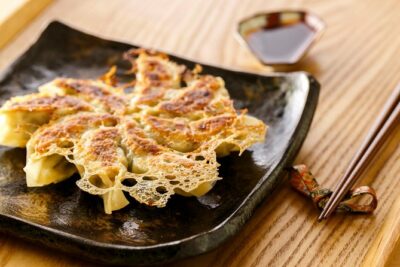 ★ 5.0Ramen & Gyoza Cooking Class in Tokyo with Local Supermarket VisitFrom $122
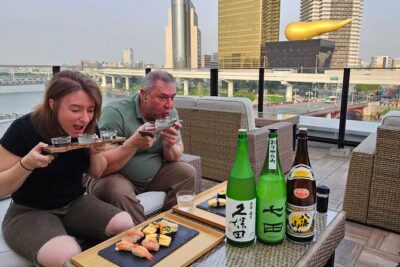 ★ 5.0Ramen and Sushi Cooking Class with Sake Pairing Set in TokyoFrom $79
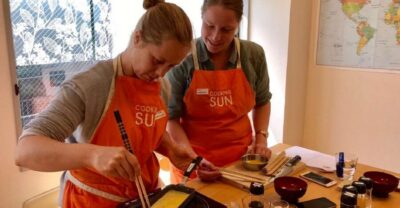 ★ 4.9Tokyo: Wagyu and 7 Japanese Dishes Cooking ClassFrom $673 hours
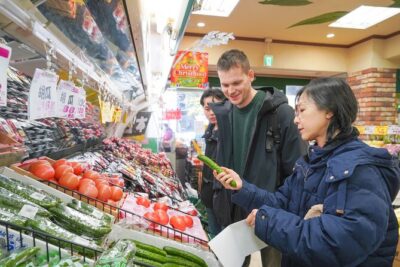 ★ 5.0Tokyo Washoku 4-hour Cooking Class: From Market to TableFrom $79
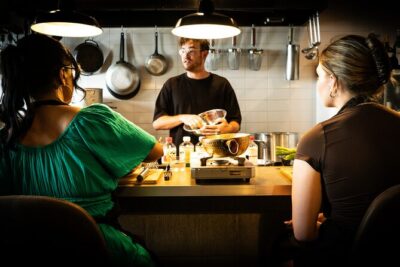 ★ 5.0Professional Ramen & Gyoza with Ramen Chef in a restaurant!From $159
 ★ 5.0Small-Group Wagyu Beef and 7 Japanese Dishes Tokyo Cooking ClassFrom $72