
Reviewed · MT FUJI DAY TRIPS
Mount Fuji Full Day Sightseeing Tour from Tokyo
Mt. Fuji is a shy superstar, and this tour gives you eight chances to catch it in the act. In one long day from Tokyo, you visit Lake Kawaguchi, flower-filled Oishi Park, Oshino Hakkai, the famous Chureito Pagoda, and several photo spots that would be awkward to link by public transport.
I like the easy coach transport and the sheer number of viewpoints. I also like that guides such as Keiko, Winnie, Betty, Joey, and Tim have helped guests with food tips, photo angles, local customs, and timing. The trade-off is a full schedule, a possible group of up to 45 people, and occasional difficulty understanding a guide’s English.
In This Review
- At a glance
- Why this day trip works from Tokyo
- Lake Kawaguchi, the first big Fuji view
- Oishi Park and the Kawaguchiko Natural Living Center
- The famous Lawson photo stop
- Oshino Hakkai and its eight springs
- Arakurayama Sengen Park and Chureito Pagoda
- Arakura Fuji Sengen Shrine and Fuji’s sacred side
- Fujiyoshida Retro Shopping Street
- Guides can make or break the day
- Timing, comfort, and group size
- Who should book this Fuji tour
- Final call: a strong-value Fuji sampler
- FAQ
- How long does the Mount Fuji tour from Tokyo last?
- How many sightseeing stops are included?
- Is lunch included in the price?
- Does the tour include transportation?
- How large can the tour group be?
- Can I cancel for a full refund?
At a glance
- Eight Fuji-area stops: You see the mountain from lakeside, village, shrine, park, street, and pagoda viewpoints.
- Chureito Pagoda included: Allow time for the uphill walk and roughly 400 steps at Arakurayama Sengen Park.
- Around 10 hours from Tokyo: This is a proper day trip, with significant coach time between central Tokyo and Yamanashi.
- Price of $67: Transport, guide service, air conditioning, fees, and planning are included, while lunch and personal purchases are extra.
- Weather matters greatly: On a clear day, the many angles make the trip special. Clouds can hide Fuji at any stop.
- Up to 45 people: You get convenience and coverage, but not the quiet pace of a private outing.
Why this day trip works from Tokyo
Tokyo makes a poor base for casual Fuji sightseeing. The mountain sits well outside the city, and the best views are scattered around the Fuji Five Lakes and nearby towns. You can plan the route yourself, but that means sorting out trains, buses, transfers, local timing, and the return journey.
I like this tour because it removes that planning job. You meet at one of two central Tokyo pickup points, board an air-conditioned vehicle, and let the day’s route unfold. The listed duration is about 10 hours, so you should keep the rest of your evening light.
The $67 price is strong for a full-day outing if you value convenience. You are paying for transport, a guide, taxes, and the ability to reach eight places in one circuit. Lunch is not included, and you will also pay for snacks, drinks, souvenirs, or anything else you buy along the way.
The route is designed for coverage rather than solitude. You get many chances at a Fuji photograph, but each stop has a set return time. That keeps the bus moving and helps the group fit everything in, though it can feel brisk if you want a long, quiet visit at one place.
A few more Tokyo tours and experiences worth a look
Lake Kawaguchi, the first big Fuji view
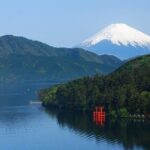
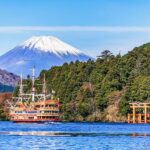
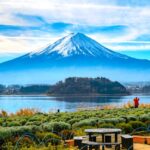
Lake Kawaguchiko is the natural opening act. Its irregular shoreline gives you several possible angles toward Mt. Fuji, and the water adds a classic Japanese postcard element to the view.
The scheduled stop is 20 minutes, which is enough to step out, take photographs, and get your first sense of the area. It is not enough for a long lakeside walk, so think of this as a scenic introduction rather than a full visit to the lake.
The quality of this stop depends heavily on the sky. Clear weather can reveal the entire mountain, while cloud cover may leave you photographing only the lake and nearby hills. Guides often help direct the group to the strongest available view, but no tour can control Fuji’s curtain call.
Oishi Park and the Kawaguchiko Natural Living Center
Oishi Park brings color and texture to the day. Its 350-meter Flowers Road is planted with seasonal flowers, so the appearance changes through the year. The park is a pleasant contrast to the broad lake view, especially when the flower beds are at their best.
You have about 25 minutes here. That gives you time for photographs and a quick walk, but not a leisurely garden visit. I would keep your camera ready and avoid wandering too far from the meeting point.
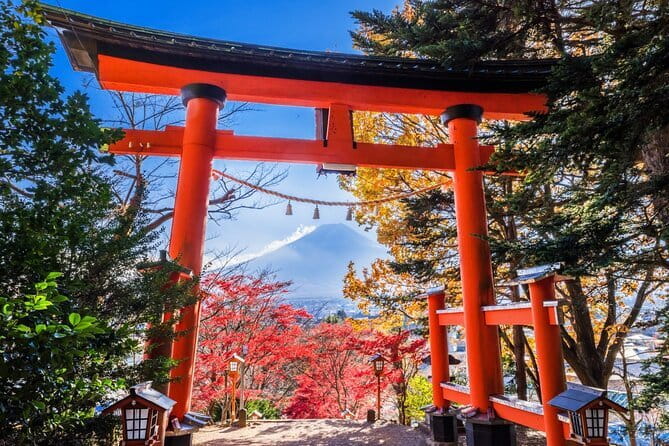
The nearby Kawaguchiko Natural Living Center adds a short photo stop. From its second floor, you can frame a red torii gate with Mt. Fuji. The visit lasts about 10 minutes, so this is a focused viewpoint, not a museum-style stop.
The two stops work well together: Oishi Park gives you flowers and open views, while the Natural Living Center offers a more carefully framed composition. If Fuji is hidden, the park still has visual interest. If the mountain is clear, the second-floor angle can produce one of the day’s more distinctive photographs.
The famous Lawson photo stop
The Lawson Fujikawaguchiko Town Hall stop is built around a modern Japanese travel image: a blue convenience-store facade in the foreground and Mt. Fuji behind it.
You have 15 minutes to take photographs. The appeal is simple and slightly comic. A familiar convenience-store sign becomes part of a Fuji composition, showing how modern Japan and its sacred mountain share the same frame.
This stop is more about a specific photograph than a broad cultural visit. Follow your guide’s instructions about where to stand and when to return. Similar-looking roadside locations can make it easy to lose track of the group.
Some visitors may find a convenience store an odd use of limited sightseeing time. I understand that complaint. Still, if you enjoy photography, this stop gives you an image that differs from the usual lake-and-mountain postcard.
Oshino Hakkai and its eight springs
Oshino Hakkai is one of the day’s more substantial visits, with about an hour to explore. The village is known for eight clear springs formed by snowmelt from Mt. Fuji. It is also recognized among Japan’s famous waters and carries World Heritage status as part of the Fuji area.
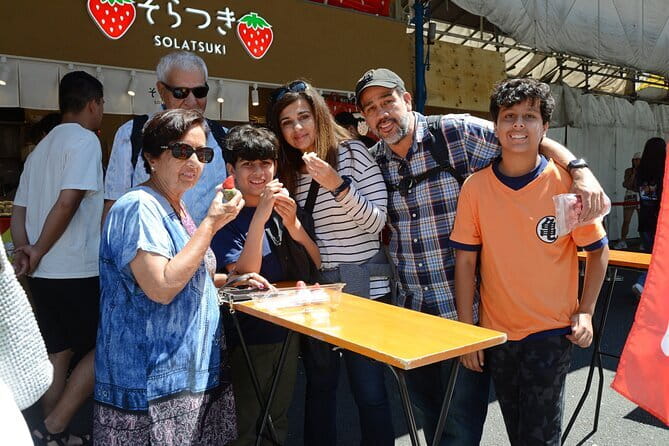
Here, the mountain’s presence is less about a single grand vista and more about water, village scenery, food, and small lanes. You can taste the spring water and browse for local snacks or souvenirs. The hour gives you room to do more than take one photograph.
I would use this stop to eat something if food is available and appealing, since lunch is not part of the tour price. Several guides, including Keiko, Joey, and Winnie, have been praised for useful food recommendations. Treat those tips as a helpful bonus, not as a promised meal arrangement.
Oshino Hakkai can feel busy because it is a popular attraction, and the schedule may not allow a slow exploration of every corner. Still, it adds a more local, village-based experience to a day otherwise shaped by viewpoints.
A few more Tokyo tours and experiences worth a look

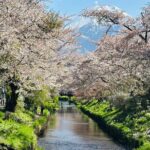
Arakurayama Sengen Park and Chureito Pagoda
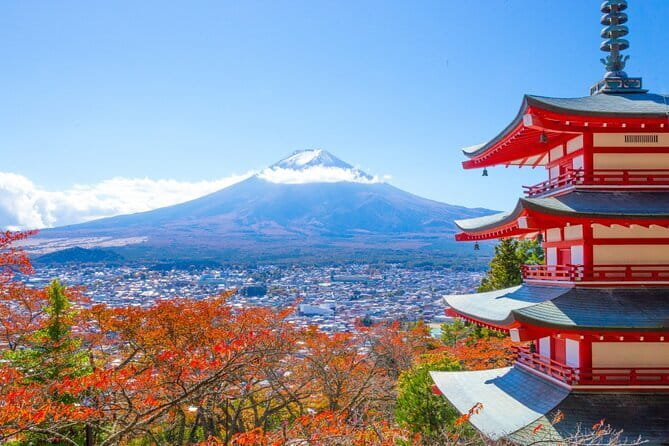
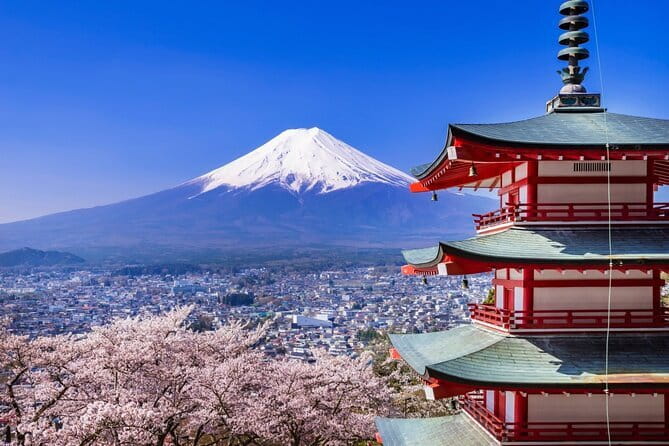
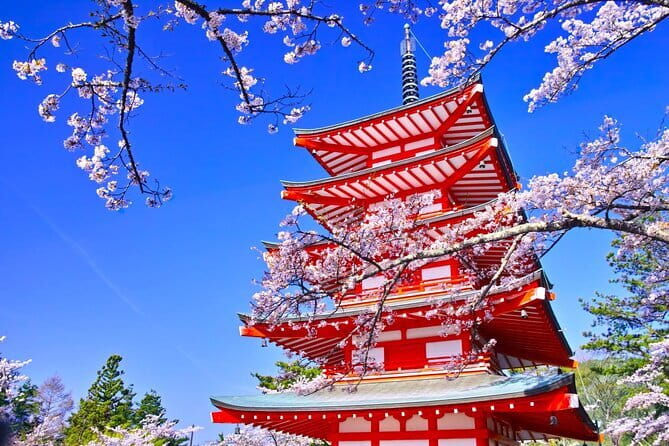
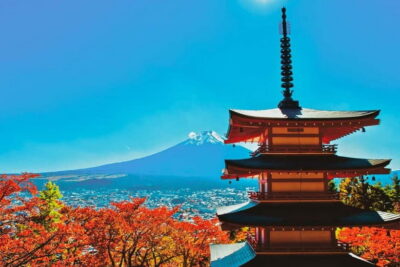
This is the stop most closely linked with the classic Fuji photograph: the five-story Chureito Pagoda rising in front of Mt. Fuji. The setting at Arakurayama Sengen Park is beautiful, but you must work for the view.
The visit lasts about an hour. Expect an uphill walk and roughly 400 steps to reach the main pagoda viewpoint. Good shoes are important. The steps may feel especially demanding if the stop comes after a full morning of walking, and one travel account specifically questioned the timing of placing the climb immediately after lunch.
The effort is worthwhile on a clear day. From above, the pagoda, city, and mountain form a layered image that is different from anything at Lake Kawaguchi. You also have time to pause, take photographs, and recover before returning to the vehicle.
This is the tour’s main physical challenge. Most people can participate, but the schedule is not ideal for anyone who needs to avoid stairs or steep uphill paths. If you have a stroller or large luggage, state that when booking so the operator can plan appropriately.
Arakura Fuji Sengen Shrine and Fuji’s sacred side
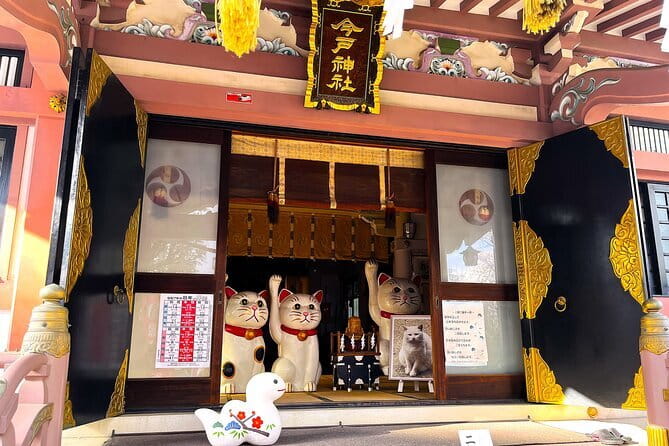
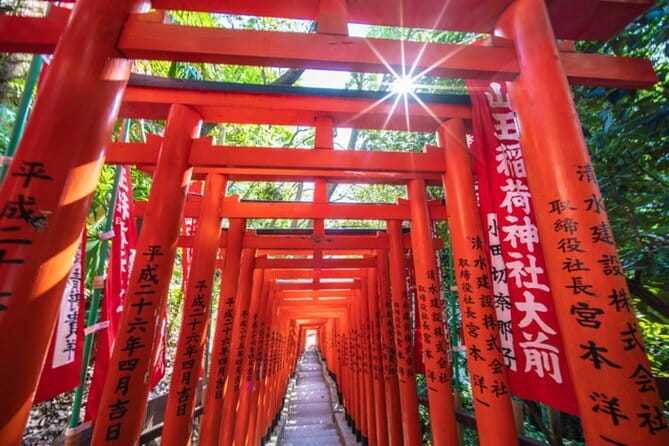
Arakura Fuji Sengen Shrine offers a quieter change of tone after the pagoda park. The shrine was built in 705 and has more than 1,300 years of history. Its purpose includes prayers for well-being and family happiness, and its traditions are tied closely to Mt. Fuji’s religious importance.
The visit is only about 15 minutes, so you will not have time for a long shrine tour. I would use those minutes to notice the architecture, the approach, and the way the site connects everyday prayer with the mountain above.
The shrine’s story also includes a response to a major Fuji eruption in 807, when the community gathered for prayer. That background gives the mountain a meaning beyond scenery. The trip is stronger when your guide explains such details clearly, rather than simply pointing out another photo location.
This is one area where guide quality matters. Well-informed guides such as Betty, Winnie, Keiko, and Tim have been praised for explaining Japanese culture and local history. At the same time, some people have found certain guides difficult to understand in English. If cultural context is your main reason for booking, that uncertainty is worth considering.
Fujiyoshida Retro Shopping Street
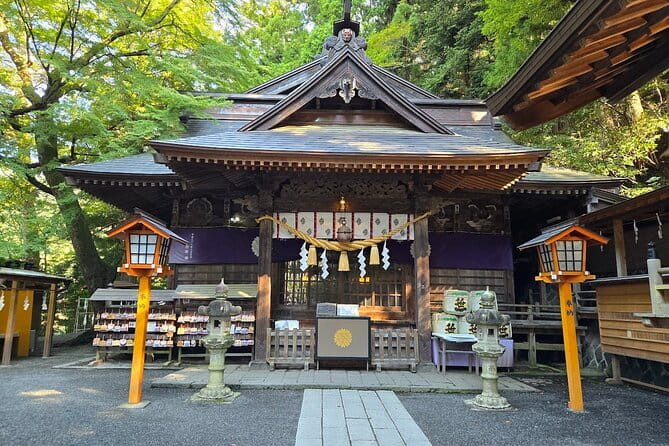
The final listed stop is Shimoyoshida Honcho Street, near the Hikawa Clock Shop. The street leads toward what is often called the Stairway to Mt. Fuji, creating another carefully framed view toward the mountain.
You have around 20 minutes here. The scene combines older shopfronts, a straight street, and Fuji in the distance. It is a good place for a final set of photographs and perhaps a quick look at local shops.
As with the Lawson stop, this is a planned photo location rather than a long neighborhood walk. Stay aware of traffic and the group’s meeting time. The street’s appeal comes from its composition, so a few minutes may be enough if Fuji is visible.
Together, these final stops show how Fujiyoshida has adapted its streets and public spaces around the mountain’s image. You are not simply looking at Fuji from wilderness. You are seeing it woven into ordinary town life.
Guides can make or break the day
The strongest praise for this experience has gone to the guides. Keiko is repeatedly described as patient, friendly, and well informed. Winnie and Betty have been singled out for finding good photo spots, suggesting food, explaining local customs, and helping people who lose their way. Joey and Tim have also been praised for keeping the day organized and offering practical advice.
That kind of help matters on a tightly timed group tour. A good guide tells you where to stand, when to return, what a shrine detail means, and where to find a useful snack. Tim was also praised for communicating through WhatsApp before and during the trip, though you should not assume every guide uses the same approach.
The weak point is consistency. At least one person felt the guide mainly announced bus return times and did not provide enough background. Another found the English explanations hard to follow. The operator says it is working on guide selection and training, but language clarity can vary from one departure to another.
If you mainly want transport and viewpoints, this may not matter much. If you want a full cultural lesson, keep your expectations measured and ask questions when you can.
Timing, comfort, and group size
The air-conditioned coach is a major practical benefit. You avoid piecing together regional trains and buses, and you have a place to return to after the long day. The vehicle can hold up to 45 people, so this is a shared outing, not a small personal guide experience.
The stop lengths range from 10 to 60 minutes. That pattern keeps the itinerary moving, but it also means you need to watch the clock. Lake Kawaguchi and the Natural Living Center are quick looks. Oshino Hakkai and Arakurayama Sengen Park receive the most time.
Road conditions can affect the day. The route between Tokyo and the Fuji area takes time, and the listed 10 hours is approximate. A clean, comfortable coach helps, but you should not plan a fixed Tokyo dinner reservation immediately after the scheduled return.
Wear good walking shoes. The pagoda stairs are the clearest challenge, but you will also walk through parks, village areas, shrine grounds, and town streets. Bring space for a drink and snacks, since lunch is not included.
Who should book this Fuji tour
I would choose this trip if you are staying in Tokyo, have only one day for Mt. Fuji, and want to see several famous viewpoints without managing regional transport. It is also a good fit for first-time visitors who prefer a ready-made route and clear meeting times.
Photographers should like the range of compositions: lake reflections, flowers, a torii gate, a convenience store, clear springs, a pagoda, a shrine, and a retro street. The mountain may not appear at every stop, but the varied settings give you more than one chance.
Families and older visitors should think carefully about the stairs at Arakurayama Sengen Park. Most people can take part, but the itinerary includes walking and the group cannot wait indefinitely. Mention a stroller or large luggage when booking.
I would skip this tour if you want to spend a whole day at one lake, hike at your own pace, or receive a detailed private lecture in fluent English. A private guide or overnight stay near Fuji would offer more time and control, but it would not match this price.
The tour allows free cancellation up to 24 hours before the start time for a full refund. Cancellations or changes made less than 24 hours ahead are not accepted for a refund.
Final call: a strong-value Fuji sampler
At $67, this is a practical way to reach Mt. Fuji’s most photographed sights from Tokyo. The best parts are the number of viewpoints, the air-conditioned coach, and the chance to see both scenic and cultural sites in one day.
The main cautions are clear: weather may hide Fuji, the group can be large, lunch costs extra, and guide communication is not always equally strong. Still, if your goal is to get out of Tokyo and see the mountain from many angles, I would book it, especially on a day with a favorable forecast and no tight evening plans.
FAQ
How long does the Mount Fuji tour from Tokyo last?
The experience lasts approximately 10 hours, including transportation between central Tokyo and the Mt. Fuji area.
How many sightseeing stops are included?
The route includes eight stops: Lake Kawaguchiko, Oishi Park, the Kawaguchiko Natural Living Center, Lawson Fujikawaguchiko Town Hall, Oshino Hakkai, Arakurayama Sengen Park, Arakura Fuji Sengen Shrine, and Fujiyoshida Retro Shopping Street.
Is lunch included in the price?
No. Lunch is not included, and personal expenses such as food, drinks, and souvenirs are also separate.
Does the tour include transportation?
Yes. Transportation is provided in an air-conditioned vehicle. The tour also includes all fees and taxes.
How large can the tour group be?
The vehicle and tour can accommodate a maximum of 45 travelers.
Can I cancel for a full refund?
Yes. You can cancel at least 24 hours before the experience start time for a full refund. Cancellations or changes made less than 24 hours before the start time are not accepted for a refund.
More Full-Day in Tokyo
More Mt Fuji Day Trips in Tokyo
More tours in Tokyo we've reviewed











Mt Fuji Day Trips, compared.
 ★ 5.0Mt Fuji and Hakone 1-Day Bus Tour Return by Bullet TrainFrom $163
 ★ 4.0Mt Fuji & Hakone Cruise, Drum Show Bullet Train 1 Day from TokyoFrom $149
 ★ 4.4Tokyo Mt Fuji 5th St & Hakone Cruise Bus Tour w/Bullet TrainFrom $15410 hours
 ★ 4.5From Tokyo: Mount Fuji Full-Day Sightseeing TripFrom $6810 hours
 ★ 4.7Tokyo: Mt. Fuji Tour, Hakone Ropeway, Owakudani, Lake AshiFrom $5410 hours
 ★ 4.4Tokyo:Mt.Fuji,Kawaguchiko Oishi Park,Arakurayama Sengen ParkFrom $5410 hours