
Reviewed · TOKYO
Japan Classic 10 Day – One Life Adventures
Japan Classic 10 Day packs Japan’s biggest sights and some hands-on surprises into one fast-moving trip. You’ll make sushi, sleep in a mountain guesthouse, ride bullet trains, walk through thousands of red torii gates, practice kendo, and finish with food and karaoke in Osaka. The route from Tokyo to Osaka makes good use of your time.
I like the mix of major city sights and smaller places such as Hakone and Takayama. I also like the practical help at the start, including simple Japanese phrases and customs, which can make your first days less confusing. The main catch is clear: this is an active backpacking tour, with long days, frequent train rides, stairs, and plenty of walking.
In This Review
- Key points at a glance
- Why this route works for a first visit
- Tokyo begins with temples, pop culture, and neon
- Sushi, skyline views, and Tokyo after dark
- Hakone brings mountains and a traditional dinner
- Takayama adds countryside and sake
- Kyoto begins in Gion and continues through shrine paths
- Golden Pavilion, Zen gardens, and a kendo lesson
- Arashiyama and Osaka close the trip loudly
- What $6,629 gets you, and what it does not
- The physical demands are real
- Who should book Japan Classic 10 Day?
- FAQ
- Where does the Japan Classic 10 Day tour start?
- Where does the tour finish?
- How long does the tour last?
- What is the maximum group size?
- Is the tour physically demanding?
- Are meals included?
- Are international flights included?
- Are arrival and departure transfers included?
- Is the tour refundable if I cancel?
Key points at a glance
- Tokyo to Osaka in 10 days: The route covers Japan’s major first-time highlights without backtracking to Tokyo.
- Hands-on cultural stops: You make sushi, taste sake, try kendo, eat nabe, and explore traditional districts.
- Early starts matter: Fushimi Inari and Arashiyama are scheduled early to help you see them before the heaviest crowds.
- A real transport experience: Romance Cars, local trains, bullet trains, subways, boats, and the Hakone Ropeway all feature.
- Small enough for group support: The maximum group size is 22, useful when navigating busy stations and unfamiliar cities.
- Price versus pace: At $6,629, the value depends on how much you want arranged for you and how comfortable you are with a packed schedule.
Why this route works for a first visit
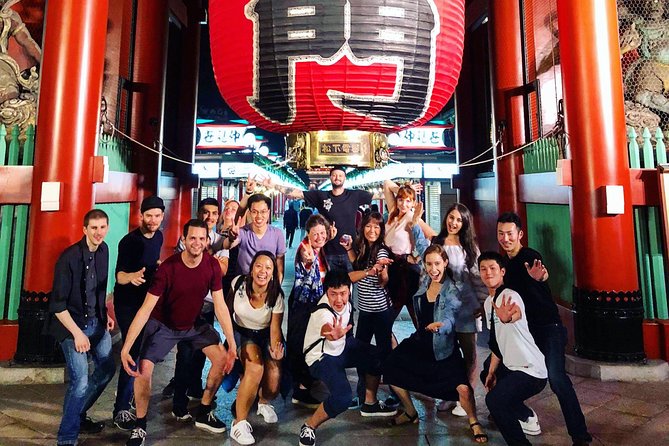
Japan can feel like several countries in one. Tokyo gives you neon districts and vast city views. Hakone brings mountain scenery and hot-spring-town atmosphere. Takayama offers a slower look at old Japan, while Kyoto provides temples, shrine paths, traditional streets, and martial arts. Osaka finishes the trip with bright signs, street food, and nightlife.
The one-way route is a smart feature. You begin in Tokyo and finish in Osaka, avoiding the need to return to the capital before flying home or continuing your trip. The tour ends at accommodation in Osaka, and detailed instructions are provided for reaching the airport. A bullet train back to Tokyo can also be arranged for an extra charge.
You should still think of this as a guided introduction, not a leisurely holiday. A day may begin early, include several train changes, and end with a group meal or evening activity. That rhythm lets you see a lot, but it leaves little spare time for wandering alone.
If you're still narrowing it down, here are other tours in Tokyo we've reviewed.

Tokyo begins with temples, pop culture, and neon
The first evening starts with Japanese food and an introduction to the group before heading to Senso-ji in Asakusa. This is one of Tokyo’s major Buddhist temples, known for its striking red gate and traditional setting. Seeing it at the beginning helps you step out of the airport-and-hotel routine and into Japan’s older cultural world.
Day two opens with an orientation class covering basic customs and phrases. This is a useful touch. Japan’s transport system is efficient but can seem intimidating at first, and knowing a few simple expressions and expected manners helps you move with more confidence.
Harajuku shows another side of Tokyo. The area is tied to Japanese youth fashion and pop culture, then the route shifts into Yoyogi Park and Meiji Jingu Shrine. That contrast is one of the day’s best features: one moment you are among shops and colorful street culture, and the next you are walking toward a major Shinto shrine surrounded by trees.
Akihabara changes the mood again. Tokyo’s electric district is packed with electronics, anime, manga, games, and bright shopfronts. You have about three hours here, enough to look around without treating the district as a quick photo stop. If you are not interested in pop culture, the length of this visit may feel less rewarding than the temple and food sections.
Sushi, skyline views, and Tokyo after dark
Day three starts at Tsukiji, long associated with Tokyo’s seafood trade and sushi culture. The current market experience is more about food shops, small eateries, and the surrounding district than watching the wholesale market in its former main location. The schedule gives you an hour to explore before a sushi-making class.
The class adds value because you are not simply eating a meal. You learn how to roll sushi and prepare teriyaki, then eat what you have made. It is one of the most social parts of the tour and gives the group something to do together beyond following a guide through city streets.
After a short break back at the hostel, you head to the Tokyo Metropolitan Government Building observation decks. These free decks offer a broad view across Tokyo and are a good counterpoint to the close-up streets of Harajuku and Akihabara.
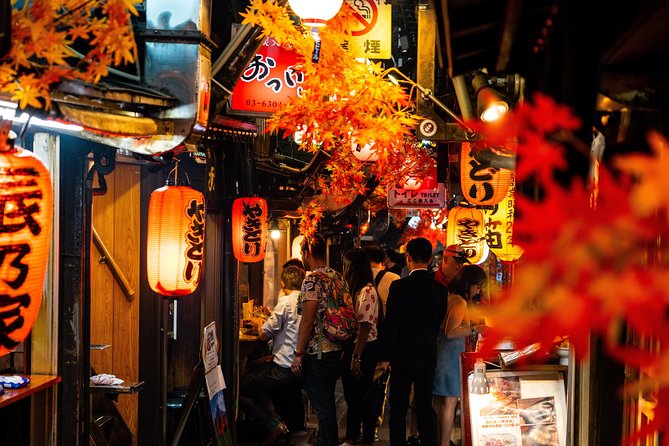
The evening continues at Omoide Yokocho, a narrow alley known for yakitori and beer. The informal setting suits the tour’s backpacking style, though the area is compact and can feel crowded. You then visit Shibuya Crossing, one of Tokyo’s famous street scenes. It is a quick, memorable finish to a day that has already included food, city views, and several very different neighborhoods.
Hakone brings mountains and a traditional dinner
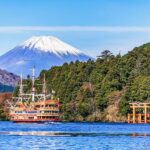
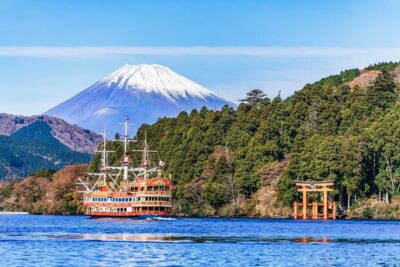
On day four, you leave Tokyo by Romance Car for Hakone, a mountain town known for its views and scenic transport. The Hakone Ropeway provides a high route over the surrounding area, followed by a cruise on Lake Ashi aboard a boat designed like a pirate ship.
On a clear day, you may see Mount Fuji from the lake. That wording matters. Fuji views depend on weather, and cloud can hide the mountain completely. The area is still worth seeing without the famous peak, but you should treat the Fuji view as a possibility rather than a promise.
The overnight stay is at a traditional mountain guesthouse, where dinner is a Japanese nabe meal. Nabe is a shared hot-pot style dinner, making it a fitting group meal after a day of moving between ropeway, lake, and mountain roads.
Hakone is one of the tour’s strongest changes of pace. You get a break from Tokyo’s hard surfaces and bright signs, but not from activity. The day still involves transfers, walking, and getting in and out of transport, so it is not a full rest day.
Takayama adds countryside and sake
Day five is a major travel day. You take a bullet train to Nagoya, then continue by scenic train toward Takayama through mountainous country. The bullet train is part of the appeal, but the longer train journey also shows how quickly Japan changes once you leave Tokyo.
Takayama is a useful choice because it adds a smaller regional setting to a route otherwise dominated by famous cities. The town is linked with traditional buildings, local food, and a slower pace. The schedule includes a sake tasting at Harada Sake Brewery, with the option to try Hida beef at your own expense.
The overnight accommodation has a traditional feel, and the plan describes it as a chance for a more mindful stay. Details about the exact sleeping arrangements can vary, so you should be ready for accommodation that is different from a standard city hotel. If you need a private room or have strong preferences about beds, ask before booking.
Kyoto begins in Gion and continues through shrine paths
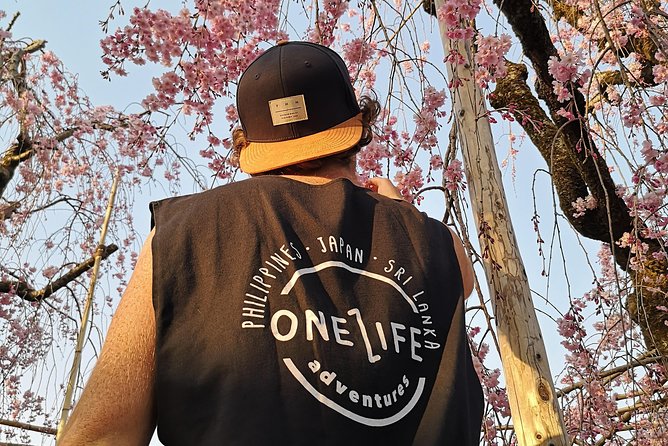
On day six, you visit the Miyagawa Morning Market beside the river. A guide-led walk through Takayama’s old town and market helps you understand the place rather than simply passing through it on a train connection.
You then return toward Nagoya and take another bullet train to Kyoto. It is efficient, but this is another day when the schedule keeps moving. By evening, you are walking in Gion, Kyoto’s famous traditional district, with its narrow lanes and associations with geisha culture.
The Gion visit is best approached with care. You are walking through a living neighborhood, not a stage set. Keep voices low, avoid blocking lanes, and treat people working in the area with respect. The tour’s group format can help you see the district, but it can also make quiet wandering harder.
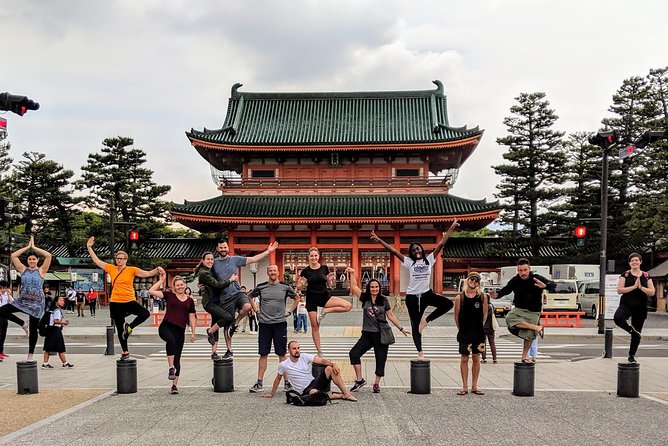
Day seven starts early at Fushimi Inari-taisha. This is one of Kyoto’s most recognizable shrines, famous for its long corridors of orange-red torii gates climbing into the wooded hills. The early start is one of the itinerary’s smartest choices. Arriving before the main crowds gives you a better chance to enjoy the upper paths at your own pace.
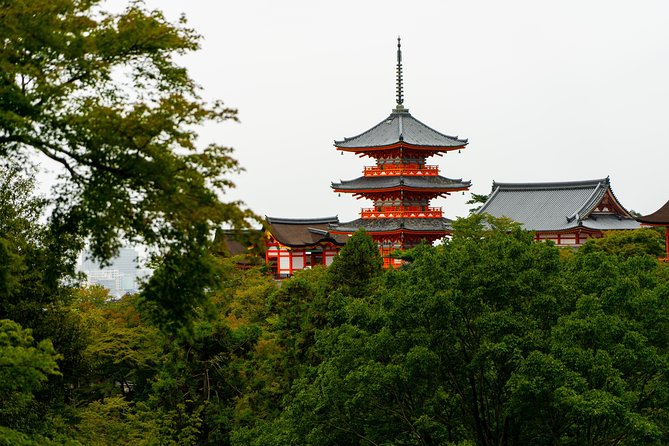
Next comes Kiyomizu-dera, a major temple complex set on the hillside. Its wooden structures and elevated position provide some of Kyoto’s best views over the surrounding city. The approach includes slopes and stairs, so comfortable shoes are essential.
The schedule says you return to the hostel for breakfast after the morning visits, with free time later in the day. That open period is valuable. Kyoto has enough small streets, shops, and temples to reward an independent walk, and you may welcome a chance to slow down after two early starts.
Golden Pavilion, Zen gardens, and a kendo lesson
Day eight focuses on Kyoto’s temple culture. Kinkakuji, the Golden Pavilion, is visually striking, especially when the gold-covered building reflects in the pond. It is also one of Kyoto’s most photographed sights, so expect a set route around the grounds rather than a quiet private visit.
Daitoku-ji offers a calmer contrast. The complex includes several temples and a Zen garden, giving you a more restrained setting after the brightness of Kinkakuji. The pair works well together because one is about immediate visual impact and the other about space, proportion, and quiet.
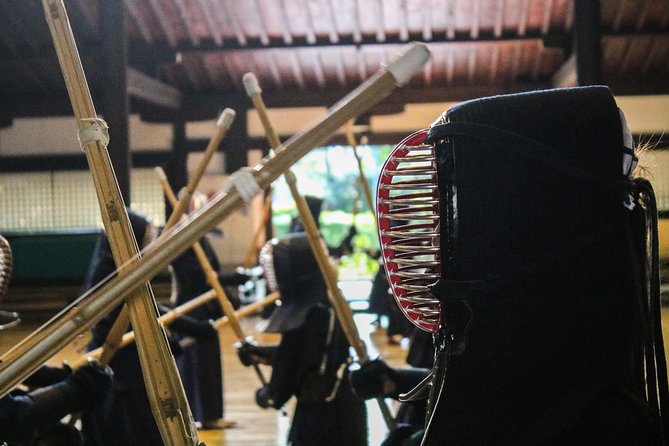
In the afternoon, you take a traditional kendo class at the Kyoto Budo Center. The session is taught by a Bushido instructor described as a descendant of a Japanese samurai warrior. This is one of the tour’s more unusual inclusions, offering a direct physical connection to a martial tradition rather than another passive sightseeing stop.
Kendo requires attention and respect, and the class lasts about three hours. It may be a highlight if you enjoy trying unfamiliar activities. If your legs are already tired from temple steps and walking, it can feel demanding. The packed schedule means you should not expect every activity to suit every person equally.
Arashiyama and Osaka close the trip loudly
Day nine starts in Arashiyama, west of central Kyoto. The plan is to reach the Bamboo Forest Street early, before the largest crowds. The bamboo path is short, so the value comes from seeing it as part of a wider morning in the district rather than expecting a long hike through endless forest.
You then climb to Monkey Park Iwatayama to see Japanese macaques. The uphill walk makes this another physical stop, and the combination of bamboo paths, stairs, and the monkey park can be tiring by late morning.
Back in Arashiyama, a private rowboat gives you a slower view of the river valleys. The boat ride lasts about 30 minutes, so it is a brief change of pace rather than a full afternoon cruise.
Afterward, you take the train to Osaka and head into Dotonbori, often called the kitchen of Japan. This is the trip’s most theatrical food stop, with bright signs, restaurants, crowds, and plenty of visual noise. A food tour introduces you to the area, then the final evening ends with karaoke.
That ending makes sense. After nine days of shared trains, meals, temple walks, and group activities, karaoke gives everyone a relaxed way to celebrate. You do not need to be a good singer. In fact, the less seriously you take it, the better.
What $6,629 gets you, and what it does not
The listed price is $6,629, which places this firmly in the premium group-tour bracket. The value comes from the number of included experiences and the amount of planning handled for you: city transfers, bullet trains, the Hakone Ropeway, the Lake Ashi boat, sushi making, sake tasting, kendo, the Arashiyama boat, selected admissions, and group meals.
Four breakfasts, three dinners, and lunch are included. You will still need money for other meals, drinks, Hida beef, personal purchases, and tips. International flights, insurance, arrival and departure transfers, and accommodation before and after the tour are also separate.
The price makes the most sense if you want a tightly arranged trip and would otherwise spend substantial time working out train routes, tickets, sightseeing order, and accommodation. It makes less sense if you are comfortable planning Japan independently or want long stretches of free time.
The group can reach a maximum of 22 people. That is large enough to affect the pace at stations and narrow streets, but small enough for a guide to keep track of the group. Tour leadership can make a major difference here. Ashleigh is praised for her energy, humor, organization, and cultural guidance, while George is also noted for taking care of the group. Guide assignments can change, so do not book solely around one person.
The physical demands are real
This tour requires moderate fitness, but the description understates how much movement is packed into ten days. You will walk through major city districts, climb shrine and temple paths, manage train stations, board several types of transport, and hike uphill at Monkey Park.
You should pack light enough to handle your own luggage through stations and accommodation changes. Comfortable walking shoes are more important than stylish footwear, and a small day bag will make temple visits and train transfers easier.
The itinerary also contains several early starts. Fushimi Inari and Arashiyama are scheduled early for good reason, but the benefit comes at the cost of sleep. People who want a slow breakfast and a late start may find the trip exhausting.
The tour’s strongest qualities are also its source of strain. You see famous sights, but you rarely have an entire day to explore one place. The schedule is rewarding for an energetic first-time visitor and less suitable for someone who prefers lingering in cafés, browsing shops, or making spontaneous changes.
Who should book Japan Classic 10 Day?
I would choose this tour if you are visiting Japan for the first time, want Tokyo, Kyoto, Osaka, Hakone, and Takayama in one trip, and prefer company while handling a complex rail route. It also suits solo visitors who want an instant social setting and a guide to help with customs, food, and transport.
You should think twice if you dislike hostels or varied accommodation, need a quiet schedule, have difficulty with stairs, or want control over every meal and sightseeing choice. The non-refundable booking terms also mean you should be certain about your dates before paying.
Book it if your ideal Japan trip is active, social, and full of famous sights plus a few activities you would not arrange alone. Skip it if you want a gentle pace. Ten days is enough to introduce you to Japan, but this tour will leave you wanting more time in Kyoto, Takayama, or the mountains.
FAQ
Where does the Japan Classic 10 Day tour start?
The tour starts in Tokyo, Japan.
Where does the tour finish?
It finishes at the accommodation in Osaka. Detailed instructions are provided for reaching the airport, and a bullet train back to Tokyo can be arranged for an additional cost.
How long does the tour last?
The tour lasts approximately 10 days, ending on day 10 after the group says goodbye in Osaka.
What is the maximum group size?
The maximum group size is 22 people.
Is the tour physically demanding?
Yes. A moderate level of physical fitness is recommended, and the tour includes substantial walking, stairs, early starts, train transfers, and activities such as the climb to Monkey Park Iwatayama.
Are meals included?
The tour includes lunch, four breakfasts, and three dinners. Other meals, drinks, and personal food purchases are not included.
Are international flights included?
No. International flights are not included.
Are arrival and departure transfers included?
No. Arrival and departure transfers are not included.
Is the tour refundable if I cancel?
No. The experience is non-refundable and cannot be changed after booking.
More tours in Tokyo we've reviewed











Tokyo, compared.
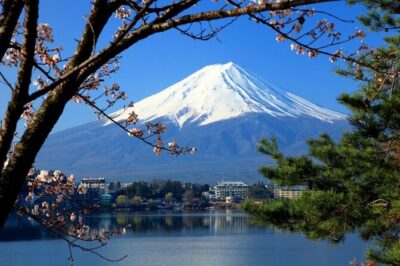 ★ 5.0Mt Fuji and Hakone 1-Day Bus Tour Return by Bullet TrainFrom $163
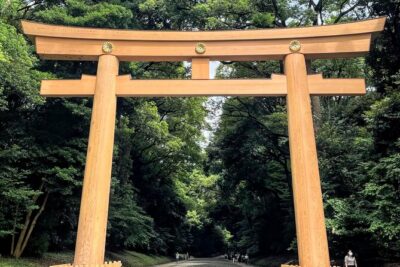 ★ 5.01-Day Tokyo Bus TourFrom $129
 ★ 4.6Tokyo: teamLab Planets TOKYO Digital Art Museum Entry TicketFrom $251 day
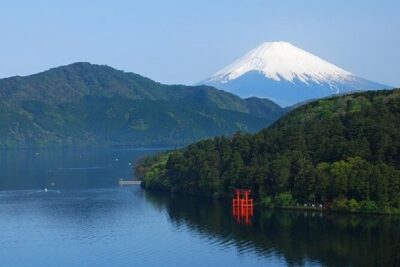 ★ 4.0Mt Fuji & Hakone Cruise, Drum Show Bullet Train 1 Day from TokyoFrom $149
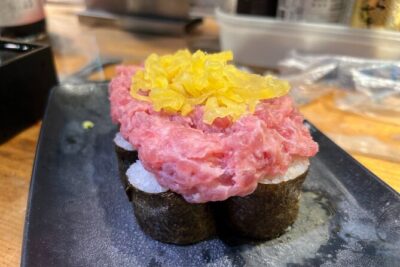 ★ 5.0Tokyo: Shinjuku Food Tour (13 Dishes at 4 Local Eateries)From $86
 ★ 4.4Tokyo Mt Fuji 5th St & Hakone Cruise Bus Tour w/Bullet TrainFrom $15410 hours