
Reviewed · HAKONE DAY TRIPS
Hakone Full-Day Private Tour By Public Transportation
Hakone’s best sights are spread across mountains, lake shores, and volcanic valleys, which makes a private guide especially useful. This 10-hour day trip from Tokyo takes you to Hakone Shrine, Lake Ashinoko, Owakudani Valley, and the Hakone Open-Air Museum without asking you to sort out every train, bus, and local connection yourself.
I like two things right away: you get a private English-speaking guide, and you see Hakone by public transportation, not from behind a coach window. That is a practical match for anyone with a JR Rail Pass, and guides such as Akira and Yumiko Sano have helped guests adjust the day around weather and personal priorities.
The trade-off is a long day with plenty of walking and several transport changes. Mt. Fuji may appear, but it is never promised. Rain can hide the mountain and soften the lake views, so this tour suits flexible sightseers more than anyone demanding a perfect postcard day.
In This Review
- Key points at a glance
- Why Hakone works as a private day trip
- Hakone Shrine and Kuzuryu Shrine Singu
- Lake Ashinoko and the volcanic story beneath it
- Owakudani Valley and Hakone’s active volcanic side
- The Hakone Open-Air Museum’s art and mountain setting
- Public transportation with a private guide
- What $221.12 per person really buys
- Rain, Fuji views, and keeping expectations sensible
- Walking, timing, and who will enjoy this most
- Should you book this Hakone day?
- FAQ
- Where does the Hakone tour begin?
- What time does the tour start?
- How long does the experience last?
- Is this a private tour?
- Is an English-speaking guide included?
- Which Hakone sights are visited?
- Does the tour use public transportation?
- Are my public transportation fares included?
- Are admission fees included?
- Can I cancel for a full refund?
Key points at a glance
- Four major Hakone stops: Visit Hakone Shrine, Lake Ashinoko, Owakudani Valley, and the Hakone Open-Air Museum in one packed day.
- Private guiding from Tokyo: Meet an English-speaking guide in your hotel lobby if you are staying in Tokyo’s 23 wards.
- Public transport is part of the experience: Your guide handles the routes, while you pay your own transport fares.
- Good use of a JR Rail Pass: The tour is particularly useful if you already have rail coverage and want help with the Hakone portion.
- Weather matters: Clear conditions can bring views of Mt. Fuji, while rain may limit the scenery, though the cultural and indoor elements still remain.
- Budget for extras: Food, drinks, admission fees, and your own public transportation are not included in the $221.12 price.
Why Hakone works as a private day trip
Hakone is close enough to visit from Tokyo, but it is not one tidy attraction. The area spreads around Lake Ashinoko and the slopes of volcanic Mt. Hakone. You may need to combine several forms of public transport to connect the shrine, lake, volcanic valley, and museum.
That is the real service being sold here. You are not simply paying for admission to a monument. You are paying for a person to keep the day moving, explain what you are seeing, and help you avoid getting turned around in an unfamiliar transport system.
I find that useful for a first visit, especially if you have only one day. You can focus on the cedar-lined shrine, the lake, volcanic steam, and sculpture rather than spending your best sightseeing hours reading route maps.
The private format also matters. Only your group takes part, so the pace can respond to your interests. If you care most about nature, the lake and Owakudani can receive more attention. If art is your priority, the Open-Air Museum gives you a strong final stop.
Still, this is not a relaxed resort day. A start time of 8:00 a.m. and an approximate duration of 10 hours create a full schedule. You should expect walking, waiting, and changes between public transport services.
A few more Tokyo tours and experiences worth a look

Hakone Shrine and Kuzuryu Shrine Singu
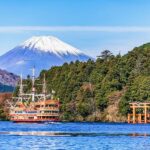
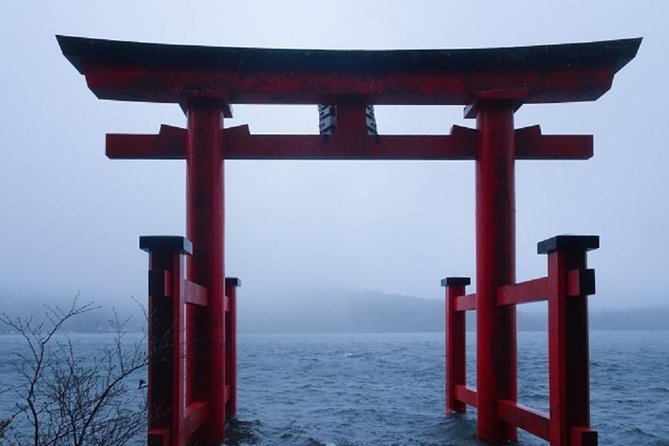
The first listed stop is Hakone Shrine, founded in 757. Its setting near Lake Ashinoko gives the visit much of its appeal. The shrine is also known as a power spot, a place many people visit for its spiritual atmosphere and symbolic importance.
You have about an hour here. That is enough for a meaningful visit, though not an unhurried exploration of every corner. Admission is not included, so keep some money available for any charge connected with the visit.
The nearby Kuzuryu Shrine Singu is included in the stop title, giving the opening portion of the day a second spiritual focus. Your guide can provide context and help you understand the connection between the shrine area and Hakone’s long religious tradition.
The practical point is footwear. The full tour involves quite a bit of walking, and shrine grounds can include uneven paths and steps. Wear shoes you can use comfortably for a full day rather than choosing purely for photographs.
Lake Ashinoko and the volcanic story beneath it
Lake Ashinoko is not just a scenic pause. It was formed about 3,000 years ago, after debris from a Hakone volcanic eruption blocked the Hakone River. That fact helps explain why the lake sits so naturally within the surrounding mountains while remaining part of an active volcanic region.
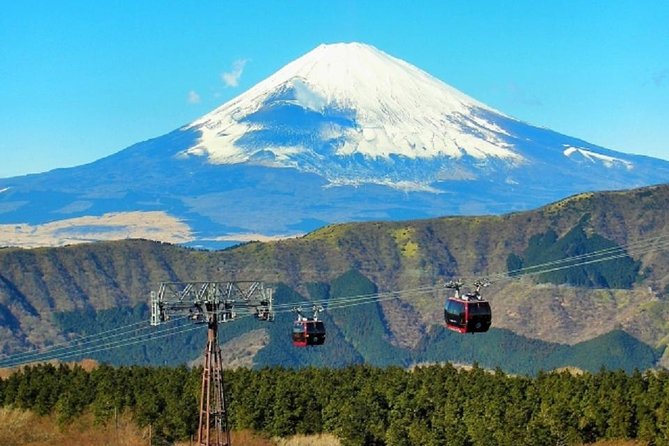
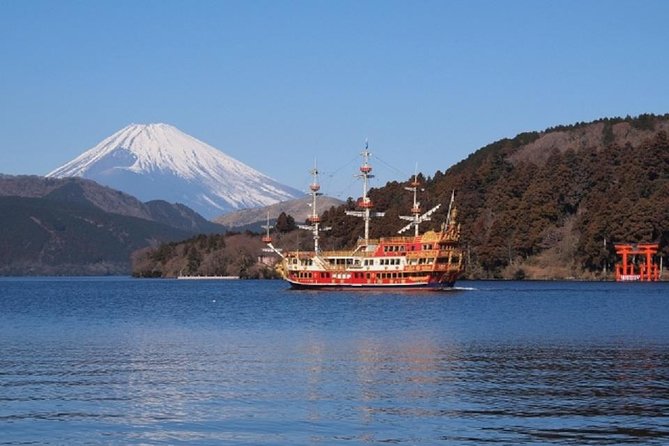
You receive about an hour at the lake. The exact feel of this stop depends heavily on the weather. On a clear day, you may get broad views across the water and possible glimpses of Mt. Fuji. On a rainy day, the mountain can disappear completely, as happened during one wet visit.
That weather risk is worth taking seriously. Do not book this day solely for a Fuji photograph. The mountain is an added reward, not a guaranteed part of the tour. Lake Ashinoko and the shrine still offer a worthwhile visit under cloud, but the visual experience will be quieter and less dramatic.
The tour information suggests enjoying scenery from the lake, but it does not include a lake cruise. Do not assume a boat ride is part of your day. Your guide will manage the planned public transport route, and any optional activity or personal expense should be confirmed before booking.
Owakudani Valley and Hakone’s active volcanic side
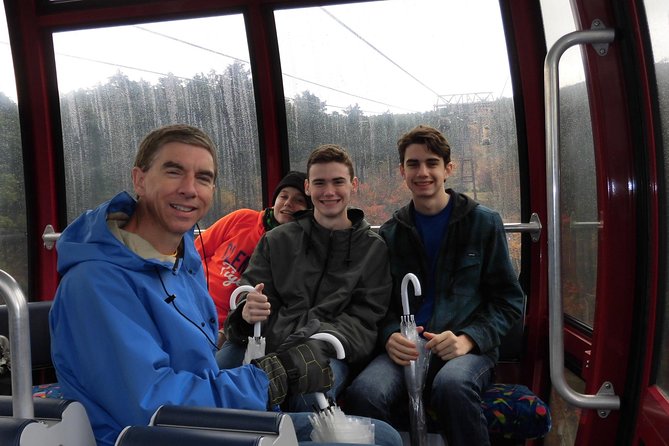
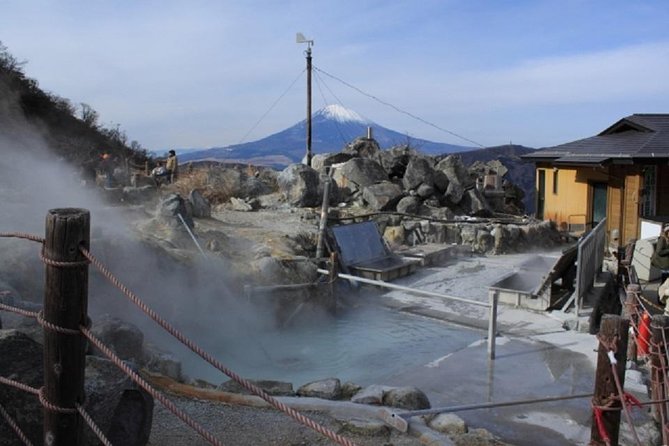
Owakudani was created during the last eruption of Mt. Hakone, about 3,000 years ago. White smoke and the smell of sulfur give the valley a very different character from the shrine and lake.
You have about an hour here, with admission listed as free. This is the stop for visitors who want to see Hakone as a living volcanic area rather than only as a scenic mountain retreat. The steam rising from the rocky valley makes the geology visible and immediate.
The sulfur smell is part of the experience, not a flaw in the tour. If you are sensitive to strong odors, keep that in mind. The guide can add useful context as you move through the area, but the main attraction is the setting itself: hot volcanic activity, stone, smoke, and open mountain views.
The route may also feel exposed compared with the museum or shrine. Your comfort here will depend on the day’s weather and conditions. Since the tour already includes a great deal of walking, a light day pack and sensible shoes will help.
The Hakone Open-Air Museum’s art and mountain setting
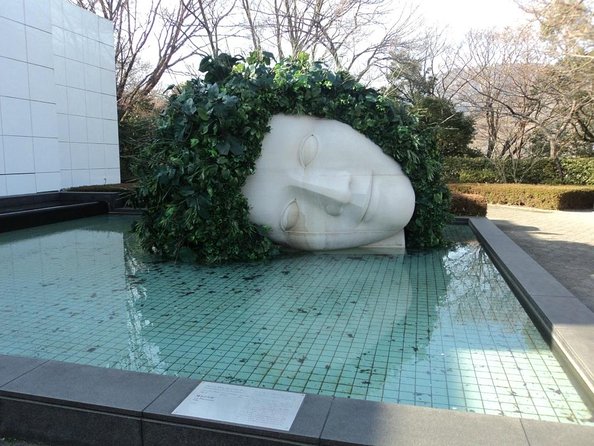
The Hakone Open-Air Museum gives the day a welcome change of pace. Instead of looking at art inside a city gallery, you see works by Japanese and Western artists spread through an outdoor setting with mountain views.
You have roughly an hour at the museum, and admission is not included. That time allows you to see a selection of the grounds, but it is short for anyone who wants to examine every work carefully. Art lovers may wish the itinerary allowed more time here.
The collection is described as varied, and the combination of sculpture and nature is one of the tour’s strongest pairings. This stop also offers a useful balance after the shrine, lake, and volcanic valley. You are no longer just moving between viewpoints. You are considering how artists use open space, weather, and the surrounding scenery.
There is also a foot bath at the museum, according to the available details. That can be a pleasant break after hours on your feet. The tour does not list towels, food, drinks, or admission as included, so treat those as your own responsibility.
Other private tours in Tokyo


Public transportation with a private guide
This tour is best understood as guided route management. Your guide accompanies you on public transportation and plans the connections, while you avoid the stress of working out Hakone alone.
That help can be especially valuable if you do not read Japanese or are uneasy with local route information. One visitor specifically credited guide Akira with making the Tokyo-to-Hakone logistics possible. That is a useful clue about the tour’s main strength: not luxury transport, but confidence and direction.
The arrangement also gives you a more local way to move through the region. You use the same public system as residents and other visitors, rather than staying inside a private vehicle all day. The cost is some waiting, boarding, and walking, but the benefit is a closer feel for how Hakone actually connects.
The fine print matters. Public transportation for the guide is included, but your own transportation to and from the sights is not. If you are using a JR Rail Pass, this may improve the value. If you are paying every fare separately, add those costs before comparing this tour with a vehicle-based option.
Hotel pickup is offered from lobbies in Tokyo’s 23 wards. The start time is 8:00 a.m. The available information does not promise pickup outside those wards, so confirm your hotel location before paying.
What $221.12 per person really buys
At $221.12 per person, this is not the cheapest way to see Hakone. The value depends on how much you would pay for private planning, language help, and the chance to cover several major sights in one day.
You receive an English-speaking professional guide, private participation for your group, and a planned route. You do not receive food, drinks, admission fees, or your own public transportation. Those exclusions can add to the final cost, especially at the Open-Air Museum and any other site requiring payment.
The price makes the most sense for a small group that wants personal attention. A group discount is available, though the exact saving is not stated. For two or more people, sharing the benefit of one private guide can feel more reasonable than paying for the same level of help alone.
I would compare it this way: if you are confident with Japanese public transport and enjoy planning, you can likely create your own Hakone day for less. If route changes, language barriers, and time management worry you, the guide may be worth the premium.
The fact that it is often booked 182 days ahead suggests you should not leave it until the last week if your dates are fixed. Confirmation is normally received at booking, though reservations made within two days of departure may take up to 48 hours and remain subject to availability.
Rain, Fuji views, and keeping expectations sensible
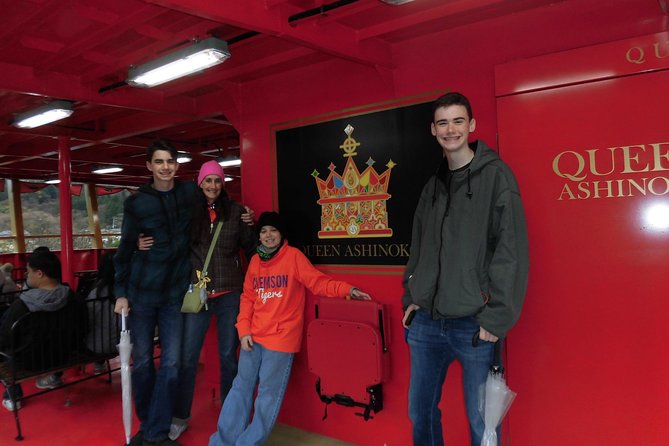
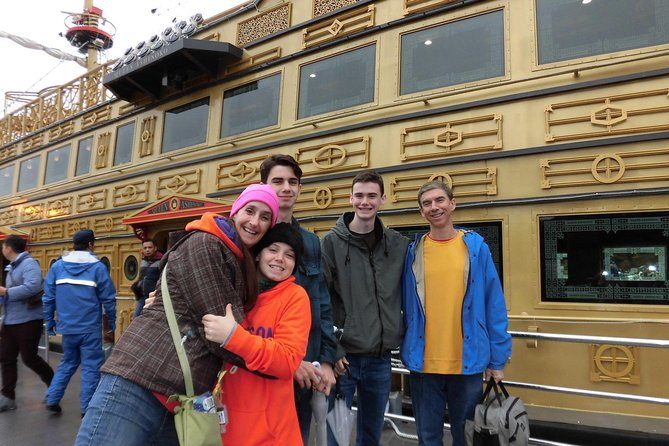
Hakone can change character quickly in poor weather. One rainy visit brought torrential conditions and no view of Mt. Fuji, yet the guide, Yumiko Sano, still adjusted the day around the group’s priorities and made sure key sights were not missed.
That is a good reason to think of this as a four-part Hakone visit, not a Fuji-viewing expedition. The mountain is a major bonus in clear weather, but the shrine, volcanic valley, museum, and lake remain the core of the experience.
Ask yourself what you would still enjoy on a cloudy day. If the answer includes Japanese religious sites, geology, outdoor sculpture, and guided public transport, you have the right expectations. If your only goal is a clear Fuji view, this tour carries too much weather risk.
The private format helps here. A guide can respond to your list of priorities in a way a fixed large-group schedule usually cannot. That flexibility was one of the strongest features associated with Yumiko Sano’s handling of a difficult day.
Walking, timing, and who will enjoy this most
The tour lasts about 10 hours, begins at 8:00 a.m., and includes several stops of about one hour each. That leaves the day shaped by transport time, so you should not expect long, leisurely stays at every site.
Prepare for substantial walking. One account specifically described the day as involving quite a bit of it. Comfortable shoes are more important than stylish ones, and you should be ready for outdoor conditions at the lake and Owakudani.
This experience suits:
- First-time Hakone visitors based in Tokyo
- Small private groups that want their own guide
- People who already have a JR Rail Pass
- Visitors uneasy about Japanese route planning
- Nature and art lovers who want both volcanic scenery and sculpture
- Flexible sightseers who can accept changing weather
It may not suit you if you want a slow spa day, a private car, or a guaranteed Fuji photograph. It is also a less obvious choice if you are already expert at planning Hakone’s public transportation and want to minimize cost.
Should you book this Hakone day?
Book it if you want to see the main Hakone highlights in one organized day and would rather spend your energy looking around than navigating. The private guide, hotel-lobby meeting in Tokyo’s 23 wards, and route support are the main reasons to pay more.
I would be especially inclined to book if you have a JR Rail Pass, a small group, limited time in Japan, or concerns about language and transfers. Akira and Yumiko Sano are named guides associated with particularly strong experiences, though you should not assume either person will lead your date.
Skip it if you need a guaranteed Mt. Fuji view, dislike walking, or want every admission and transport fare included. For everyone else, this is a focused, practical way to meet Hakone’s spiritual, volcanic, lakeside, and artistic sides in one demanding but rewarding day.
FAQ
Where does the Hakone tour begin?
The tour begins with a meeting in your hotel lobby in Tokyo’s 23 wards.
What time does the tour start?
The start time is 8:00 a.m.
How long does the experience last?
The tour lasts approximately 10 hours.
Is this a private tour?
Yes. Only your group participates in the private activity.
Is an English-speaking guide included?
Yes. An English-speaking professional guide is included.
Which Hakone sights are visited?
The planned stops are Hakone Shrine and Kuzuryu Shrine Singu, Lake Ashinoko, Owakudani Valley, and the Hakone Open-Air Museum.
Does the tour use public transportation?
Yes. The guide accompanies you on public transportation and plans the routes.
Are my public transportation fares included?
No. Public transportation for the guide is included, but your own transportation costs are not included.
Are admission fees included?
No. Admission fees for customers are not included. The Owakudani stop is listed as free, while Hakone Shrine and the Open-Air Museum are listed without included admission.
Can I cancel for a full refund?
You can cancel at least 24 hours before the experience start time for a full refund. Cancellations or changes made less than 24 hours before the start time are not accepted for a refund.
More Full-Day in Tokyo

More Private Tours in Tokyo
More Hakone Day Trips in Tokyo
More tours in Tokyo we've reviewed










Hakone Day Trips, compared.
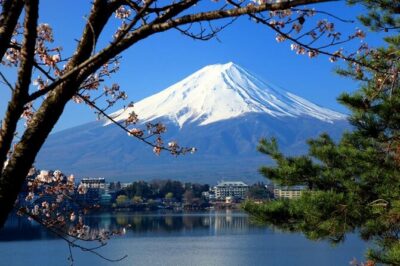 ★ 5.0Mt Fuji and Hakone 1-Day Bus Tour Return by Bullet TrainFrom $163
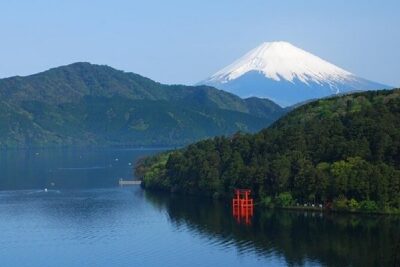 ★ 4.0Mt Fuji & Hakone Cruise, Drum Show Bullet Train 1 Day from TokyoFrom $149
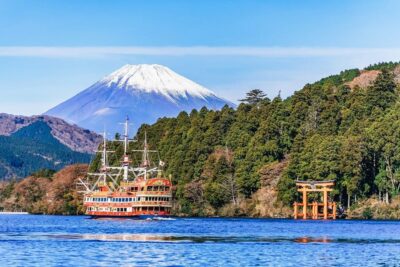 ★ 4.4Tokyo Mt Fuji 5th St & Hakone Cruise Bus Tour w/Bullet TrainFrom $15410 hours
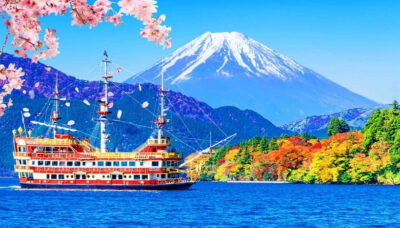 ★ 4.7Tokyo: Mt. Fuji Tour, Hakone Ropeway, Owakudani, Lake AshiFrom $5410 hours
 ★ 4.2Tokyo: Mt. Fuji 5th Station & Hakone Cruise 1-Day Bus TourFrom $12911 hours
 ★ 5.0Private Tour to Mt. Fuji and Hakone (Fully Licenced Operator)From $497