
Reviewed · SUMO EXPERIENCES
Exclusive Sumo Morning Practice in Tokyo with Photo Opportunity
At this sumo morning practice, you see the sport without the noise and ceremony of a tournament. Near Tokyo Skytree, wrestlers warm up, clash, and repeat their drills at close range while you sit on the stable’s tatami area. It is a rare look at the work behind sumo’s public face.
I like two things right away: the small group of no more than 10 people, which gives the guide room to explain what you are seeing, and the chance to take photos with the wrestlers and, when permitted, the whole stable and its coach. The early start also leaves most of your day free.
The main consideration is seating. Places are first come, first served, so arriving late can put you two or three rows back. Practice can also become repetitive after the first hour, especially if you are hoping for the drama of a formal tournament.
In This Review
- Key points to know before booking
- Why watching practice beats seeing only a tournament
- Meeting at Oshiage Station at 8:00 am
- Entering a working sumo stable
- What the morning practice looks and feels like
- Photo time with the wrestlers
- Guide quality and the small-group advantage
- Is $99.10 a fair price?
- Timing, comfort, and what to bring
- Who will enjoy this most?
- The bottom line: book it for access, not spectacle
- FAQ
- Where does the sumo morning practice begin?
- Where does the sumo practice take place?
- How long does the activity last?
- How many people can join the group?
- Can I take photos with the sumo wrestlers?
- Can I walk around inside the sumo stable?
- What happens if I arrive late?
- Can I cancel for a full refund?
Key points to know before booking
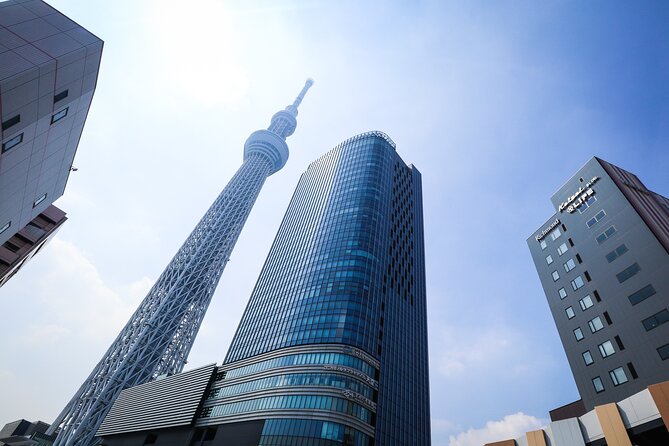
- Morning access near Tokyo Skytree: Meet at the Oshiage Station taxi stand at 8:00 am, then walk to a sumo stable in the area.
- Real training, not a staged show: Watch warm-ups, sparring, and intense repeated drills during the wrestlers’ normal practice.
- Small-group setting: The maximum group size is 10, allowing for personal explanations and a calmer viewing experience.
- Photo opportunity included: You may photograph the wrestlers and pose with them, including a group photo with the stable and coach when available.
- Tatami-only access: You may sit in the designated straw-floored area, but the rest of the stable is off-limits.
- Plan for the heat: Tokyo summers are hot and humid, so bring water and wear a hat for the walk and wait outside.
Why watching practice beats seeing only a tournament
A sumo tournament gives you bright banners, formal introductions, a packed arena, and bouts that last only a few minutes. This visit gives you something different: the unpolished daily work that makes those bouts possible.
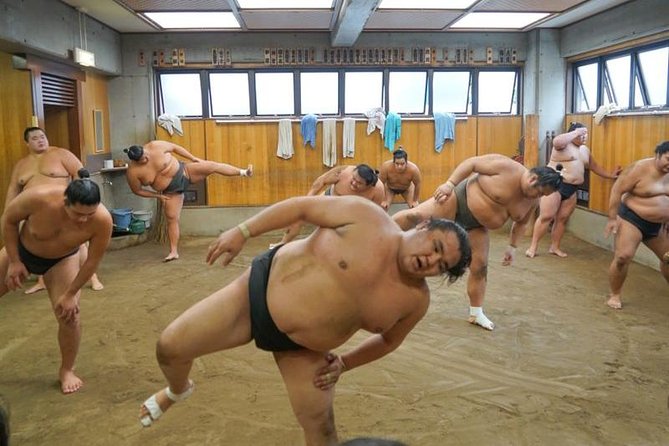
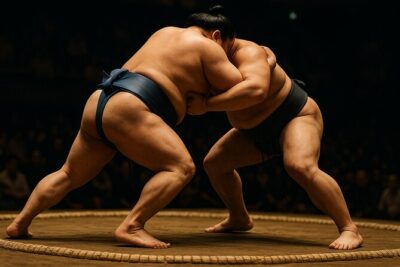
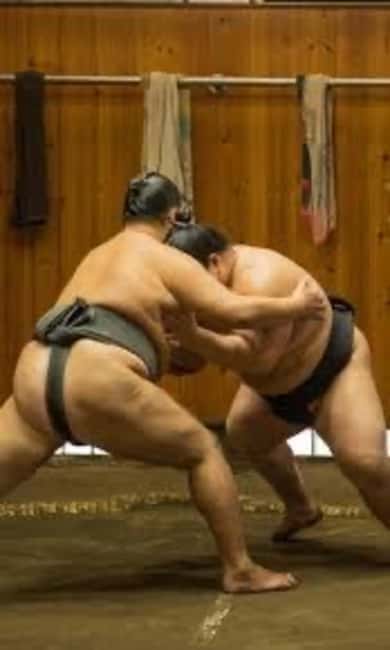
You watch wrestlers stretch, warm up, and test one another again and again. The attacks can be startlingly forceful, but the setting is quiet and focused. That contrast is the heart of the experience. You are not watching a performance built for tourists. You are seeing athletes concentrate on technique, balance, power, and endurance.
The practice also helps explain why sumo is more than two large men pushing each other out of a ring. The wrestlers are young, disciplined athletes working within an old training system. Their size is only part of the story. The speed of an attack, the control needed to stay upright, and the force of the collision are easier to understand from a few rows away than from a distant arena seat.
I especially value the chance to see the moments between bouts. A tournament can move quickly, and a first-time viewer may miss why a wrestler steps, stamps, bows, or resets in a certain way. Here, your guide can provide the cultural and historical background while the action is happening in front of you.
A few more Tokyo tours and experiences worth a look

Meeting at Oshiage Station at 8:00 am
The tour begins at the Oshiage Station taxi stand, listed at the Japan Taxi Stand in the station rotary, 1-chōme 1, Oshiage, Sumida City, Tokyo 131-0045. This is a central meeting point near Tokyo Skytree, but give yourself extra time to find the correct station exit and taxi stand.
One guide described the meeting place as confusing at first, so do not treat the 8:00 am start as a suggestion. Tokyo stations can have several exits, nearby streets, and signs in different directions. Have the meeting address ready on your phone, and arrive early enough to get your bearings without rushing.
From the station, the group visits one of the sumo stables around Tokyo Skytree. The exact stable is not specified in the tour details, which is normal for a working training facility. The activity ends back at the meeting point, giving you a clear beginning and end near public transportation.
The early hour works well for a sightseeing day. You can attend practice, return toward the Skytree area, and still have much of the afternoon for museums, shopping, neighborhoods, or another planned activity. The tradeoff is simple: you must be ready to leave your hotel early.
Entering a working sumo stable
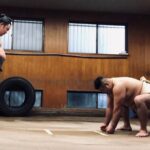
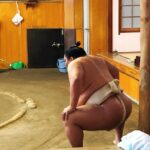
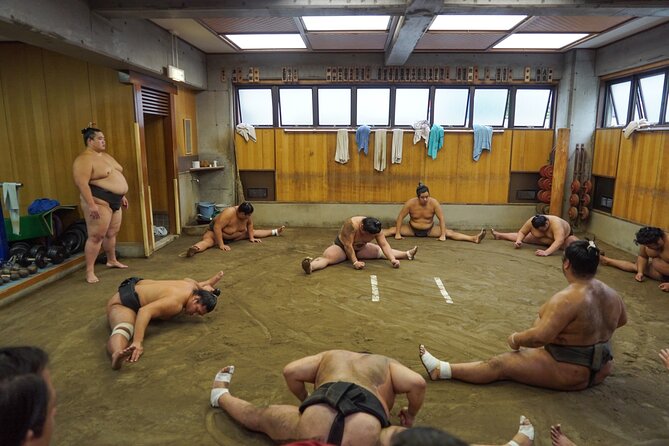
The stable is not a theater with assigned rows and a polished visitor route. It is a working place, and your access is limited to the tatami, or straw-floored, viewing areas.
That limitation matters. You cannot wander around, approach the wrestlers during practice, or inspect every part of the building. The rules protect the training space and the wrestlers’ concentration. Treat the room as a place of practice first and a sightseeing stop second.
Seating is first come, first served because several tour companies may visit the same stable. If you arrive late, you may sit two or three rows from the front. That is not a disaster, but the closer seats make it easier to see facial expressions, footwork, and the details of each exchange.
I would arrive early and listen carefully once inside. Keep your voice low, follow the guide’s instructions, and wait for a clear invitation before taking photographs or posing with the wrestlers. The rules are part of the experience. Sumo is built around respect and discipline, and your conduct should match the setting.
What the morning practice looks and feels like
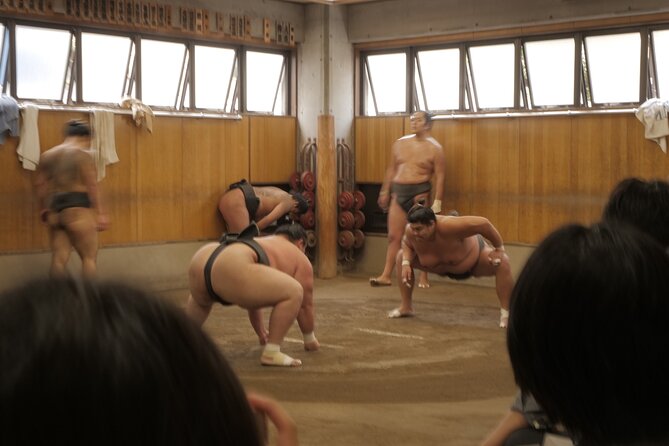
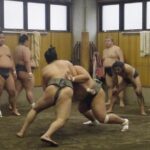
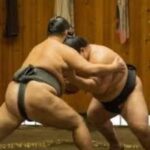
The practice begins with warm-ups and drills, then develops into harder bouts and repeated attacks. You may see wrestlers prepare their bodies, work on balance, and spar with serious focus. The physical contact is close enough to make the strength involved plain.
One of the most useful parts of the visit is seeing that the practice is not arranged for your entertainment. The wrestlers do not stop to explain a move or repeat a collision because a visitor missed it. They work through their routine, and you learn by watching closely.
That authenticity is also the source of the main drawback. Practice may feel repetitive. After an hour, you may have seen many similar pushes, charges, and resets. If you want a compact introduction to sumo, the roughly two-hour activity is a good fit. If you are less interested in the training process, the repeated drills may test your patience.
Your guide helps prevent the action from becoming a blur. Guides named Hana, Kentake, and Yuki have been associated with especially clear explanations of sumo customs, history, and training philosophy. The assigned guide may vary, so do not book on the assumption that one particular person will lead your departure. Still, the strongest part of the guide role is clear: explaining what you are seeing turns a series of collisions into a lesson in sport and culture.
Kentake is described as fluent in English and proactive about sharing information. Yuki is noted for explaining the background and philosophy in detail, while Hana is described as enthusiastic and well informed about sumo practice. These details are useful when comparing this visit with a simple viewing ticket. You are paying for context as well as access.
Photo time with the wrestlers
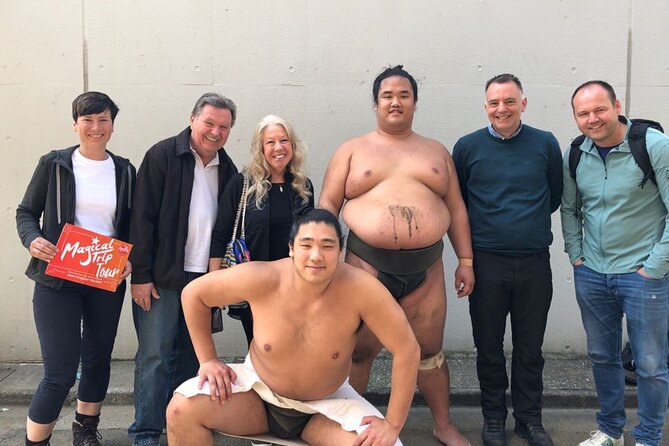
The photo opportunity comes after the practice, when you may photograph the wrestlers and pose with them. Some departures have included a picture with the whole stable and the coach, or sensei.
This is a pleasant extra, but it should not be the reason you forget the setting. The wrestlers have just completed serious work. Follow the guide’s directions, keep the photo session brief, and do not assume that every pose or picture will be available at every departure.
The chance to take a picture is still valuable because the access is unusually close. Most people in Japan, and nearly all first-time visitors to Tokyo, will not see a stable practice from inside the viewing area. A photo gives you a souvenir, but the better memory is the sight of young athletes concentrating through hard training.
Bring your phone fully charged. The activity includes a mobile ticket, and your phone may also be your meeting address, confirmation, and camera. The tour does not list special camera equipment or professional photography, so plan to use your own device.
A few more Tokyo tours and experiences worth a look

Guide quality and the small-group advantage
A group capped at 10 people is a meaningful benefit here. In a larger group, the guide would have to speak over more people, questions could be harder to ask, and the photo session might feel crowded. With fewer people, you have a better chance to hear the explanations and see the guide’s demonstrations or signals.
The best guide contribution is interpretation. You need someone to explain the difference between a warm-up and a serious bout, why certain rituals matter, and how the stable functions as a training community. Clear English also matters because the action is fast and the setting is quiet. A good explanation lets you notice more.
This is not a long lecture tour. The guide cannot control the practice, and the wrestlers are not there to provide a scripted presentation. Think of the guide as a bridge between you and the room. You watch, listen, and ask questions when the timing is right.
The small group does not guarantee a front-row seat. Seating is controlled by arrival order and the stable’s own arrangements. It does, however, make the experience easier to manage and more personal than a large bus-style outing.
Is $99.10 a fair price?
At $99.10 per person, this is not a bargain attraction in the usual Tokyo sense. You are paying more than you would for a museum entry or a self-guided walk. The value comes from access that is difficult to arrange independently, plus the guide, cultural explanation, and photo opportunity.
A sumo tournament can be hard to fit into a trip. Official tournaments take place only at certain times, tickets may be limited, and the schedule may not match your dates. This practice visit gives you a way to see active sumo training even when no tournament is scheduled.
The price makes the most sense if you care about sumo, Japanese customs, or unusual behind-the-scenes experiences. It is also practical for a short Tokyo stay because the activity lasts about two hours and starts near a major landmark. You can combine it with time around Tokyo Skytree without giving up a full day.
The value is weaker if you expect a full tournament atmosphere. There is no promise of a particular wrestler, a fixed sequence of dramatic bouts, or nonstop action. You are buying access to practice, not a competition ticket.
Timing, comfort, and what to bring
The start time is 8:00 am, so plan your route the night before. Public transportation is nearby, but the meeting point itself is specific. Arriving at Oshiage Station is not the same as arriving at the taxi stand, so allow a few extra minutes.
Tokyo’s summer weather deserves attention. The tour information warns of heavy heat and humidity, and that is especially important for an early walk or wait outdoors. Carry water and wear a hat. Light clothing and comfortable shoes are sensible, though the stable itself requires you to follow its rules for the tatami viewing area.
The activity is suitable for most people, but it is not a free-roaming attraction. You will sit in the allowed area and watch quietly. If you need to move often or dislike sitting through repeated practice, ask yourself if the format suits you before booking.
The mobile ticket is convenient, and booking confirmation arrives at the time of reservation. Keep the confirmation accessible on your phone, along with the meeting address. If your plans change, free cancellation is available up to 24 hours before the local start time. Cancellations or changes made inside that window are not accepted for a refund.
Who will enjoy this most?
I would choose this for a first visit to Tokyo if you want one cultural activity that feels less polished and more personal than a standard attraction. It suits sports fans, photographers, and anyone curious about the discipline behind a traditional Japanese sport.
It is also a strong choice when no sumo tournament is scheduled. You still see real wrestlers training, and the guide’s explanations give you a better way to understand the sport when you later watch a bout on television or attend an arena event.
Families and mixed-interest groups may find the short format helpful, though the quiet viewing and repetitive drills will not suit every child. The small group can make questions easier, but nobody should expect a hands-on activity.
I would hesitate if you are booking mainly for an elaborate show. The practice is serious and sometimes repetitive. I would also think twice if the early meeting time is likely to make you late, since late arrival can mean poorer seating and a rushed start.
The bottom line: book it for access, not spectacle
Book this experience if you want to watch sumo from close range, hear useful explanations, and take a respectful photo after practice. The combination of rare stable access, a maximum of 10 people, and a two-hour morning schedule gives it solid value for a culture-focused Tokyo itinerary.
Skip it if you need a tournament’s ceremony, cheering crowd, and changing matchups. This is quieter, more repetitive, and less predictable. But if you can sit still, arrive early, and appreciate athletes working rather than performing, the morning offers a memorable view of sumo’s demanding daily life.
FAQ
Where does the sumo morning practice begin?
The meeting point is the Japan Taxi Stand at the Oshiage Station rotary, 1-chōme 1, Oshiage, Sumida City, Tokyo 131-0045. The activity starts at 8:00 am.
Where does the sumo practice take place?
The group visits one of the sumo stables around Tokyo Skytree. The specific stable is not identified in the tour details.
How long does the activity last?
The experience lasts approximately two hours.
How many people can join the group?
The activity has a maximum of 10 travelers.
Can I take photos with the sumo wrestlers?
Yes. You have the chance to photograph the wrestlers and pose for pictures with them. A photo with the whole stable and the coach may also be possible.
Can I walk around inside the sumo stable?
No. All areas are off-limits except for the designated tatami, or straw-floored, areas.
What happens if I arrive late?
Seating is first come, first served because several tour companies may visit the stable. Late visitors may be seated two or three rows from the front.
Can I cancel for a full refund?
Yes, if you cancel at least 24 hours before the experience’s local start time. Cancellations or changes made less than 24 hours in advance are not accepted for a refund.
More Morning in Tokyo
More Sumo Experiences in Tokyo

More tours in Tokyo we've reviewed






Sumo Experiences, compared.
 ★ 4.8Tokyo: Sumo Show Experience with Chicken Hot Pot and a PhotoFrom $1032 hours
 ★ 4.8Tokyo: Sumo Show and Dining ExperienceFrom $7990 minutes - 2 hours
 ★ 5.0the SUMO showFrom $89
 ★ 5.0Tokyo Shinjuku Sumo Show & Experience with PhotoFrom $79
 ★ 4.8Tokyo: Sumo Show and Experience in ShinjukuFrom $691h 30m
 ★ 4.6Tokyo: Sumo Tournament Tour with Chair Seat TicketsFrom $141