
Reviewed · SUMO EXPERIENCES
Tokyo Sumo Morning Practice Tour w/ Ring-Side Seat + Photo Shoot
Tokyo Sumo Morning Practice Tour w/ Ring-Side Seat + Photo Shoot
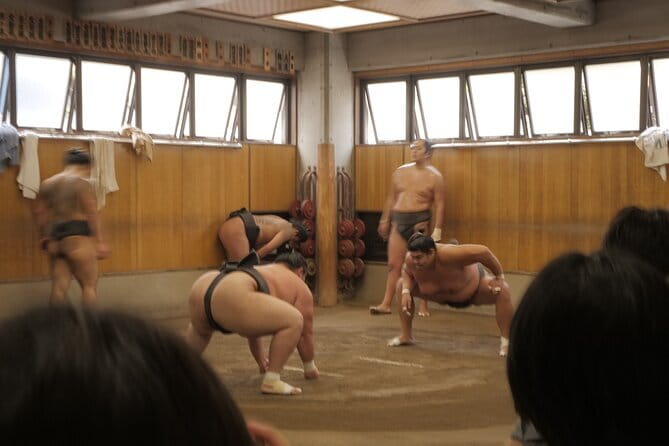
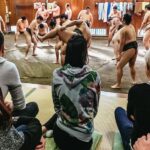
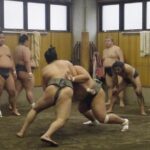
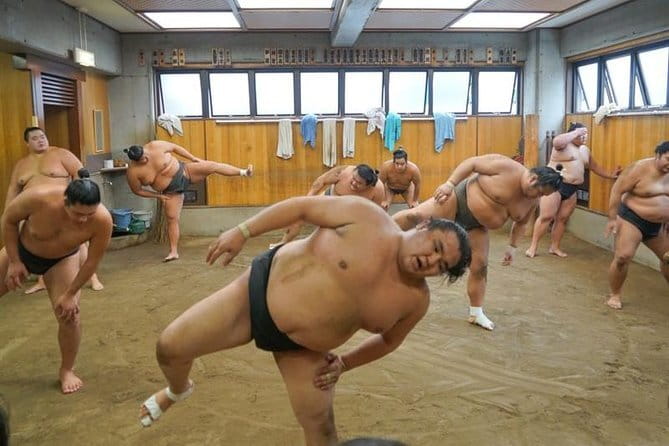
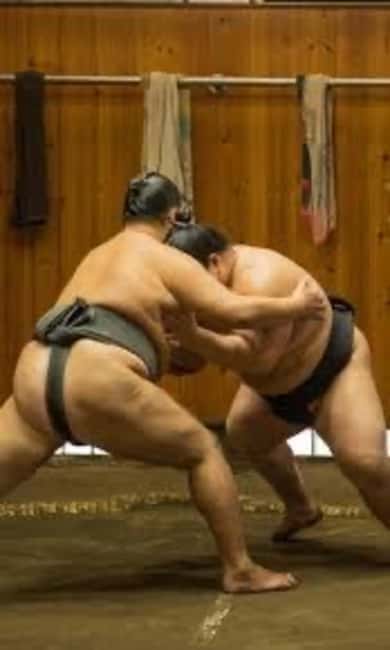
The most compelling part of this Tokyo tour is that you watch real sumo practice inside a working stable, not a staged demonstration. Wrestlers stretch, repeat drills, grapple, and answer to the stable master while you sit close enough to feel the force of each bout.
I like two things here. First, the small group, capped at 10, gives the guide room to explain what you are seeing. Second, the session shows sumo as hard physical work, with discipline and repetition at its core. The main catch is that seating is first come, first served, and stable rules can limit photography or cancel the photo session.
In This Review
- Key points to know before you book
- Why a sumo stable is more revealing than a tournament
- Meeting at Kiyosumi Shirakawa at 8:30 am
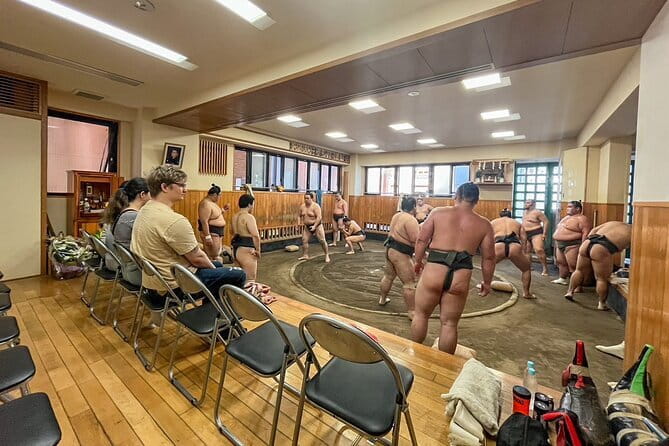
- Inside the stable: what you actually watch
- Marie and the value of a guide
- The photo shoot comes with an important condition
- Kiyosumi Gardens offers a quieter second stop
- Is $99.10 a fair price?
- Who will enjoy this most?
- Practical rules that shape the morning
- My verdict on the Tokyo sumo morning practice
- FAQ
- Where does the tour begin?
- What time does the tour start?
- How long does the experience last?
- How many people can join the tour?
- Is a photo with sumo wrestlers guaranteed?
- Can children join the tour?
- Can I leave the stable during practice?
- What is the cancellation policy?
Key points to know before you book
- Real training, not a theatrical show: You watch wrestlers work through a normal morning practice.
- Meet at 8:30 am: The tour begins promptly at Kiyosumi Shirakawa Station, so late arrival means missing the activity.
- Tatami seating is close but limited: Only the tatami areas are open, and late arrivals may sit farther back.
- Guide support matters: A local guide, including guide Marie on some departures, helps explain the training and answers questions.
- Photo opportunity included: A photo shoot is planned, but the stable can restrict photos on a particular day.
- Kiyosumi Gardens adds a quiet finish: The tour allows about 30 minutes to cool down after the practice.
Why a sumo stable is more revealing than a tournament
A tournament gives you the polished public version of sumo. This morning visit shows the work that comes before it: stretching, repeated exercises, practice bouts, and close attention from the stable master and senior trainers.
That difference matters. You are not watching a short performance built for tourists. The wrestlers are focused on their own training, and the small audience is expected to watch quietly and respectfully. The atmosphere is serious because the practice is serious.
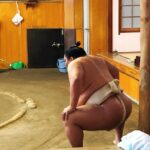
You may see wrestlers of very different builds working in the same space. Some are enormous, while others look closer to ordinary athletic men until the practice begins. The contrast helps you understand that sumo is not simply about size. Strength, balance, timing, agility, and resolve all show up in the ring.
I find this especially useful if you already follow sumo but cannot visit Tokyo during a tournament. Practice can feel like the closest available look at the sport’s daily discipline. If you know little about sumo, the guide’s explanations help turn a powerful but unfamiliar display into something you can follow.
A few more Tokyo tours and experiences worth a look

Meeting at Kiyosumi Shirakawa at 8:30 am
You meet at 3-chōme-11-1 Kiyosumi, near Kiyosumi Shirakawa Station, at 8:30 am. The guide then leads the group on a short walk to the stable in the Kiyosumi area.
The timing is not flexible. The tour starts promptly, and late arrivals cannot join, with no refund or rescheduling for a missed start. I would build in extra time for the train, station exits, and finding the meeting point. Tokyo transit is reliable, but a wrong exit or a delayed connection can ruin an otherwise simple morning.
The early start works in your favor. Morning practice is the point of the tour, and the first stop is scheduled before the day becomes crowded with other plans. It also leaves you with useful time in the afternoon for another Tokyo neighborhood.
Wear clothes suited to the weather. Tokyo summers can reach 40°C, while winter temperatures can fall to around -5°C. You should also use the restroom before meeting the guide, since access may not be available once practice begins.
Inside the stable: what you actually watch
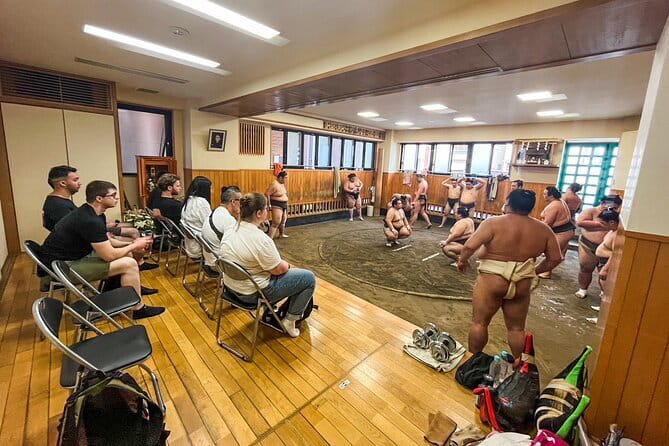
The main visit takes about 90 minutes, though the exact practice length can change. You sit in the available tatami area and watch the wrestlers train at close range.
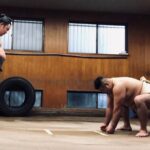
The session can include stretching, repetitive exercises, practice bouts, and interaction with the stable master, head trainer, and other wrestlers. The most interesting moments may not be the largest collisions. Repeated movements, controlled warmups, and the quiet attention given to instruction reveal how much routine supports the spectacle seen during competition.
Expect a respectful setting. Only the tatami areas are accessible, while other parts of the stable are off-limits. You must follow the stable’s rules, avoid disruptive behavior, and remain aware that this is the wrestlers’ workplace rather than an attraction designed around visitor comfort.
The close seating is a major reason to choose this experience. You can watch the wrestlers’ footwork, posture, and physical effort without the distance of a stadium. Still, ring-side seat should not be read as a guaranteed reserved place at the very front. Seating is first come, first served, and late arrivals may be placed farther away.
Depending on the number of participants, the operator may divide the group between different stables. The advertised maximum is 10 people, which keeps the core group small, but stable arrangements can affect exactly where you watch.
Marie and the value of a guide
A guide is more than a person who walks you from the station. Sumo has its own vocabulary, customs, training patterns, and rules. Without context, you may see a sequence of intense movements without knowing what to watch for.
Marie is specifically praised in the supplied tour material as a passionate guide who explains the sport clearly and helps participants understand the dedication behind it. Her role is useful before practice, during the visit when appropriate, and afterward when you have questions.
The tour moves fairly directly from the station to the stable, with a short explanation before practice begins. That is good news if you want the bulk of your time spent watching wrestlers rather than sitting through a long lecture.
If this is your first exposure to sumo, I would save a few questions for the end. You can ask about the basic rules, the history of the sport, or what you just saw in training. The supplied information notes that a short explanation after practice can be especially helpful for newcomers.
The guide’s commentary also helps you read the mood of the room. You will know when to remain silent, when photography is acceptable, and how to show respect for the stable’s routines.
The photo shoot comes with an important condition
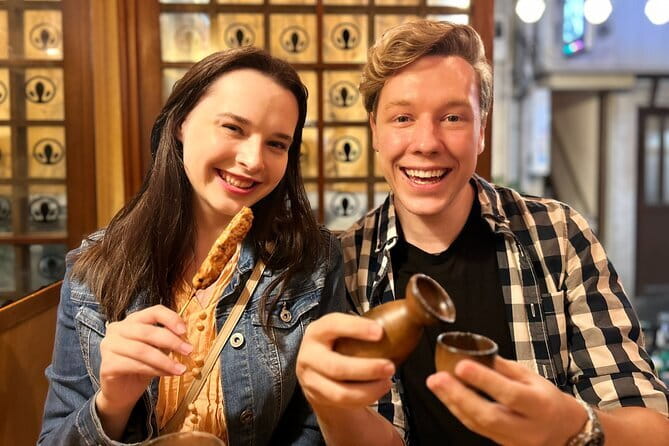
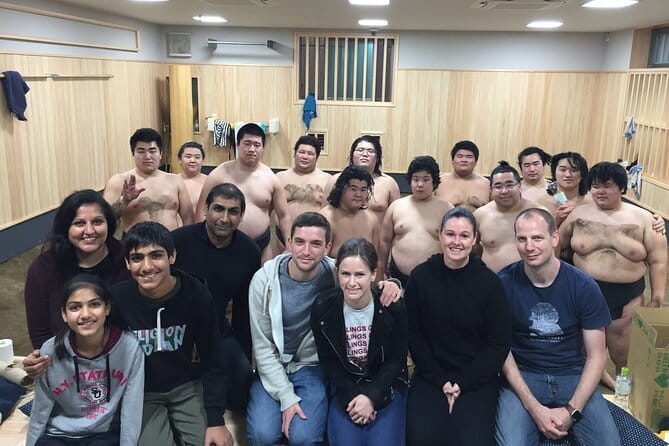
A photo session with sumo wrestlers is included as part of the experience, which adds a personal souvenir to an otherwise observational tour. It can be a memorable finish, especially if you are visiting Japan with family or want a clear reminder of the day.
But the photo opportunity is not absolute. Photography during practice depends on the stable’s policy, and on some days photos of wrestlers or photos with wrestlers may not be allowed. The stable’s decision takes priority.
This is one reason I would book the tour for the practice itself, not for the photograph. Treat the photo as a welcome extra. If it happens, you have a special keepsake. If it does not, the central experience remains the training session.
You should also avoid assuming that you can photograph throughout practice. Follow the guide’s instructions and the stable’s rules. A camera or phone is useful only when it can be used without disturbing the wrestlers.
A few more Tokyo tours and experiences worth a look

Kiyosumi Gardens offers a quieter second stop
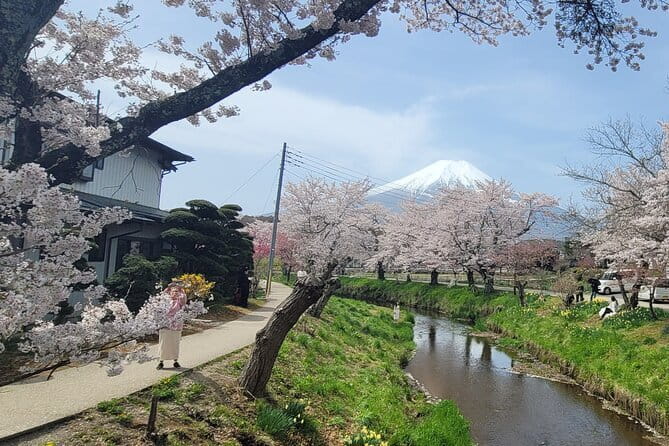
After the stable, the tour includes about 30 minutes at Kiyosumi Gardens. This is a useful change of pace after the noise, movement, and close quarters of practice.
The garden stop gives you time to cool down and ask final questions. It also prevents the morning from feeling like a quick walk to a room, 90 minutes of viewing, and an abrupt departure. The stop is shorter than the stable visit, so think of it as a calm ending rather than a full garden tour.
The supplied meeting details say the activity ends back at the meeting point, while the route description identifies Kiyosumi Gardens as the final stop. Since the practice length can vary, I would keep your schedule afterward somewhat open and confirm the exact finish point with the operator if you have a tight reservation.
Is $99.10 a fair price?
At $99.10 per person, this is not a cheap way to fill two hours. You are not paying an entrance fee to a regular attraction, since there is no separate admission charge for the morning practice.
You are paying for access arranged through the operator, a guide, a small group, and the chance to watch training in a place that is normally not open for casual public viewing. That makes the price easier to justify than a simple sightseeing stop, particularly for sumo fans who cannot attend a tournament.
The value depends on what you want. If you care about authentic sports culture, the cost buys a rare kind of access. If you mainly want a photo with a wrestler, the uncertain photo policy makes the price harder to defend.
I would compare it with the cost of a tournament ticket, but not as a direct replacement. A tournament offers live competition, a larger public setting, and the excitement of official bouts. This tour offers the training room, the rituals of preparation, and a much closer view of the athletes’ work.
The 4.9 rating from 93 ratings and 99 percent recommendation figure suggest strong satisfaction, but I would still read the conditions carefully. The experience depends on the stable’s schedule, seating availability, and rules on the day you visit.
Who will enjoy this most?

This tour is a strong choice for:
- Sumo fans between tournaments: You get a close look at daily training instead of a staged activity.
- First-time visitors to Japan: The guide gives you a way into a sport that can seem mysterious at first.
- Families with older children: Participants must be at least 12 years old, and the physical display can be memorable for teenagers.
- Sports-minded visitors: The focus is on strength, agility, repetition, and coaching.
- Visitors who value small groups: The maximum group size is 10, though the operator may assign people to different stables.
It is less suitable if you need a guaranteed front-row seat, a guaranteed photo with wrestlers, or a relaxed arrival window. It is also not right for anyone under 12, since children below that age are not permitted inside the stable.
Practical rules that shape the morning
You may leave the stable before practice ends if necessary, but you cannot re-enter once you leave. I would avoid scheduling another early appointment nearby unless it can wait. Practice may finish earlier or later than the estimated two-hour duration.
Same-day changes and requests cannot be handled. The operator may also ask you to change your date or time if stable availability requires it. Most important, the stable can cancel or adjust practice at short notice because of wrestler condition or tournament commitments. If the stable cancels, a full refund is issued.
The cancellation policy for your own plans is simpler: cancel at least 24 hours before the start time for a full refund. Cancellations or changes made less than 24 hours before the tour are not refundable.
These rules may sound strict, but they reflect the fact that you are entering a working sumo stable. The schedule belongs to the wrestlers and trainers, not to the tour company. Go in expecting a real practice session first, and the firm policies will make more sense.
My verdict on the Tokyo sumo morning practice
I would book this tour if you want to understand sumo as a demanding sport rather than a photo-friendly novelty. The training is the heart of the morning, and the close setting lets you notice the athleticism, repetition, and respect that a stadium seat can hide.
The strongest features are the authentic stable visit, the small group, and the guide’s help with context. Marie’s clear passion for sumo can make a real difference, especially if you are new to the sport. The Kiyosumi Gardens stop also gives the morning a pleasant, quieter finish.
Go in with three expectations: arrive early, sit where space allows, and accept that the stable controls photography and scheduling. If those conditions suit you, $99.10 is reasonable for rare access to a working sumo environment. If your priority is a guaranteed wrestler photo or a polished show, choose something else.
FAQ
Where does the tour begin?
You meet at 3-chōme-11-1 Kiyosumi, Koto City, Tokyo, near Kiyosumi Shirakawa Station.
What time does the tour start?
The tour starts at 8:30 am and begins promptly. Late arrivals cannot join, and missed tours are not refunded or rescheduled.
How long does the experience last?
The estimated duration is about two hours. Sumo practice can run shorter or longer than expected, so the finish time may change.
How many people can join the tour?
The tour has a maximum of 10 participants. Depending on the number of participants, the group may be divided between different sumo stables.
Is a photo with sumo wrestlers guaranteed?
No. A photo session is included in the planned experience, but each stable sets its own photography policy. Photos with wrestlers may not be allowed on a particular day.
Can children join the tour?
Only people aged 12 and over may participate. Children under 12 are not permitted inside the sumo stable.
Can I leave the stable during practice?
You may leave before practice ends if needed, but you cannot re-enter after leaving.
What is the cancellation policy?
You can receive a full refund by canceling at least 24 hours before the local start time. Cancellations and changes made less than 24 hours before the start are not accepted for a refund.
More Morning in Tokyo
More Sumo Experiences in Tokyo

More tours in Tokyo we've reviewed






Sumo Experiences, compared.
 ★ 4.8Tokyo: Sumo Show Experience with Chicken Hot Pot and a PhotoFrom $1032 hours
 ★ 4.8Tokyo: Sumo Show and Dining ExperienceFrom $7990 minutes - 2 hours
 ★ 5.0the SUMO showFrom $89
 ★ 5.0Tokyo Shinjuku Sumo Show & Experience with PhotoFrom $79
 ★ 4.8Tokyo: Sumo Show and Experience in ShinjukuFrom $691h 30m
 ★ 4.6Tokyo: Sumo Tournament Tour with Chair Seat TicketsFrom $141