
Reviewed · TSUKIJI MARKET TOURS
【Spanish/ English】Tsukiji Matcha at a 100-Year old Japanese shop
Four cold-brewed matchas served in wine glasses make this 90-minute Tsukiji experience more than a quick tea stop. You begin at Tsukiji Hongwan-ji Temple, then enter a Japanese tea shop with nearly a century of history for a guided tasting paired with seasonal wagashi.
I like the quiet, private format, especially after the noise of Tsukiji’s food streets. I also like the clear beginner-friendly focus: you taste four varieties while learning how growing regions and cultivation styles affect flavor. The main drawback is the price, $65.04 per person, for an experience that does not include lunch or transportation.
In This Review
- Key points to know before booking
- Starting at Tsukiji Hongwan-ji Temple
- Four cold matchas in a nearly 100-year-old shop
- Wagashi, tea, and the Japanese sense of season
- Why the private format makes a difference
- What the tasting teaches you about Japanese tea
- Photos and personal attention
- Timing, meeting point, and what to plan around it
- Who will get the most from this Tsukiji tasting
- Is $65.04 a fair price?
- Should you book this experience?
- FAQ
- How long does the Tsukiji matcha experience last?
- Where does the activity start and finish?
- Is the guide available in English or Spanish?
- What is included in the price?
- Is this a private activity?
- Can I cancel for a full refund?
Key points to know before booking
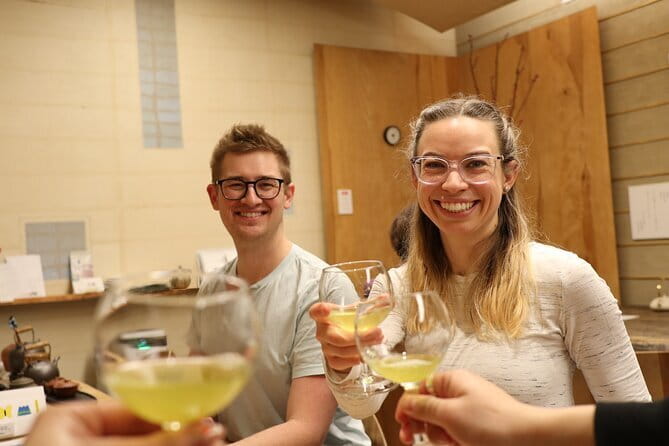
- Four matchas in wine glasses: Taste premium cold-brewed matcha varieties side by side, with explanations of their flavor differences.
- A century-old Tsukiji tea shop: The setting gives the tasting a sense of place that a modern café cannot provide.
- Private and bilingual: Only your group participates, with a local Japanese English or Spanish-speaking guide.
- Temple visit first: Spend about 30 minutes at Tsukiji Hongwan-ji Temple before the one-hour tea session.
- Seasonal wagashi included: Traditional Japanese sweets balance the tea and add a small seasonal detail.
- Calm alternative to the market crowds: This suits you if you want Tsukiji culture without making the whole visit about seafood.
Starting at Tsukiji Hongwan-ji Temple
The experience begins outside Tsukiji Hongwan-ji Temple at 3-chōme-15-1 Tsukiji, Chuo City. The temple visit lasts about 30 minutes and admission is free, so the opening portion adds cultural context without adding another ticket cost.
Tsukiji Hongwan-ji is one of Tokyo’s largest and most striking temples. It gives you a useful first look at Japanese religious architecture before the tasting shifts to tea, sweets, and the quieter traditions of hospitality.
The temple stop is brief, not a full guided temple tour. You should think of it as an introduction and meeting point rather than the main event. If you want a long visit for prayer, photography, or architectural study, allow extra time before or after the scheduled activity.
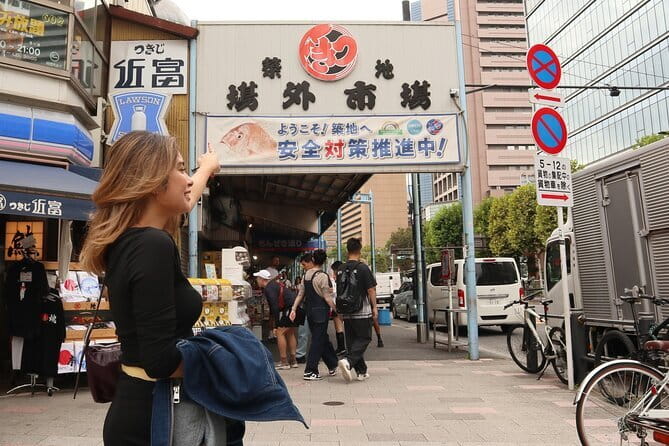
The starting point is practical for a day in Tsukiji. The area is near public transportation, and the tour finishes at the Tsukiji Outer Market around 4-chōme and 6-chōme. That makes it easy to continue exploring the market afterward, though your lunch is not included.
A few more Tokyo tours and experiences worth a look



Four cold matchas in a nearly 100-year-old shop
The tea session lasts about one hour and takes place in a traditional Japanese shop with nearly 100 years of history. The setting matters. Tea is not presented as a generic green drink here, but as part of a long-running local trade in Tsukiji.
You taste four premium cold-brewed matchas. Serving them in wine glasses is a useful choice because it lets you compare color, aroma, and flavor more easily than you might with one large bowl of tea.
Cold matcha may be a pleasant surprise if your only reference is hot matcha prepared in a tea ceremony. The tasting format also makes it easier for beginners. You can compare the four cups while the guide explains what you are noticing, rather than trying to remember one flavor from ten minutes earlier.
The focus is on origins and cultivation. You learn how tea-growing regions and farming styles shape the taste of matcha. That gives the tasting some substance: you are not simply told which cup is expensive or popular, you are given a way to understand why the teas differ.
The guide is described as a certified tea master and a local Japanese English or Spanish-speaking guide. Specific guide names are not provided, but the language choice is useful for visitors who want more than a demonstration. You can ask questions in English or Spanish and receive explanations aimed at beginners.
Wagashi, tea, and the Japanese sense of season
Traditional sweets, including seasonal wagashi, are served with the matcha. Wagashi are not just a sugary side dish. Their shapes, colors, and ingredients often relate to the season, and they are designed to work with tea rather than overpower it.
The sweets help balance matcha’s grassy, bitter, or savory notes. If you are new to matcha, this pairing makes the tasting friendlier. You can try a sip, take a bite of wagashi, and then taste the tea again to see how the flavor changes.
The information provided also lists coffee and/or tea among the inclusions. The central drink is clearly the four premium matchas, so you should book this for the matcha tasting rather than expecting a broad café menu.
A small souvenir is also included. The exact item is not specified, but it gives you a modest reminder of the session. Do not treat it as a major part of the value. The real benefit is the guided comparison and the chance to ask questions in a private setting.
Why the private format makes a difference
This is a private activity, meaning only your group participates. That is a useful distinction in a neighborhood where public food tours can become crowded and noisy.
A private setting lets the guide adjust the pace. If one person in your group knows little about tea, the explanations can stay basic. If someone already enjoys matcha, there is room to ask about growing regions, flavor, or cultivation methods without holding up a larger group.
The calm pace was one of the strongest features of this experience. It offers a pause from the packed streets around Tsukiji’s Outer Market. You still get the neighborhood, but you are not pushed from stall to stall with a long list of foods to sample.
There is a trade-off. A private activity often costs more per person than a large shared tour. At $65.04, this is not the cheapest way to drink tea in Tokyo. You are paying for the certified tea master, four premium samples, traditional sweets, the historic shop setting, photos, and the private bilingual attention.
Group discounts are available, though the amount is not specified. If you are traveling with family or friends, check the final price for your party. The private format may make more financial sense for a small group than for one person traveling alone.
What the tasting teaches you about Japanese tea
The best reason to book is the chance to learn how tea flavor begins before the drink reaches your cup. The session ties taste to location and cultivation, giving you a clearer sense of why two matchas can look similar but taste quite different.
You should expect the guide to explain the four varieties as you taste them. The supplied details do not give the names of the tea-growing regions or the exact cultivation methods, so I would not book expecting a technical lecture with a fixed list of farms.
Instead, think of this as a guided introduction. You get a framework for noticing differences, plus a chance to connect tea with Japanese aesthetic traditions beyond museums and temples.
That connection is important. The visit is not only about caffeine. It brings together the shop, the presentation, the sweets, the quiet pace, and the careful attention given to flavor. These details show how ordinary acts such as drinking tea can carry ideas about season, balance, craft, and hospitality.
A few more Tokyo tours and experiences worth a look

Photos and personal attention
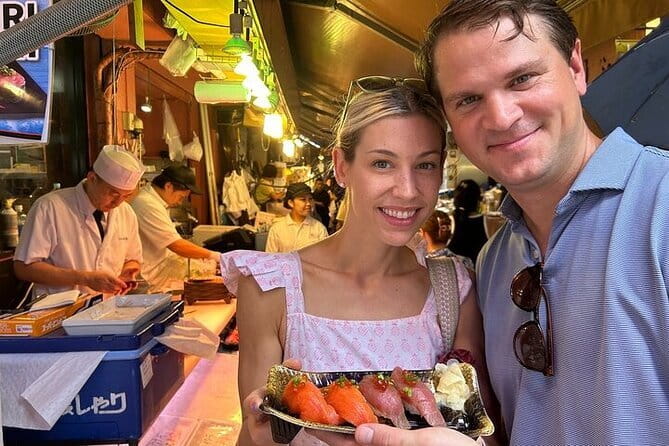
Photos taken by the guide are included. That is helpful if you want a record of the temple visit and tasting but do not want to spend the whole session managing your phone.
The private format should also make the photos less awkward than they can be in a large group. Still, the exact number and style of photographs are not specified, so consider this a useful extra rather than a professional photo session.
The strongest praise for the experience centers on the guide’s friendly manner and the way the session became a highlight of a Tokyo trip. Another account describes the matcha portion as authentic and peaceful, with the small-group setting making the activity feel personal.
Those comments fit the design of the tour. The experience has a clear subject, a limited number of samples, and enough time to explain each one. It is not trying to cover all of Tsukiji in a single morning. That narrow focus is a strength if you want to understand one Japanese tradition properly.
Timing, meeting point, and what to plan around it
The scheduled opening hours listed for this experience are Mondays from noon to 3 p.m., for the period from November 5, 2024, through February 17, 2027. Confirm the available date when booking, since the listed operating window is narrow.
The total duration is about one hour and 30 minutes. The first 30 minutes are at Tsukiji Hongwan-ji Temple, followed by about one hour at the tea shop.
You meet at the temple and finish at the Tsukiji Outer Market. Private transportation is not included, so you need to make your own way to the temple and continue from the market afterward.
Because lunch is not included, plan your food around the activity. You could eat before the noon start, or use the ending point as a natural launchpad for exploring Tsukiji’s market stalls and restaurants later. The tasting includes sweets, but it should not replace a full meal.
The market can be crowded, and the tour’s calm indoor portion may feel especially welcome after walking outside. Wear comfortable shoes for the temple and neighborhood walking, even though the listed itinerary is short.
Who will get the most from this Tsukiji tasting
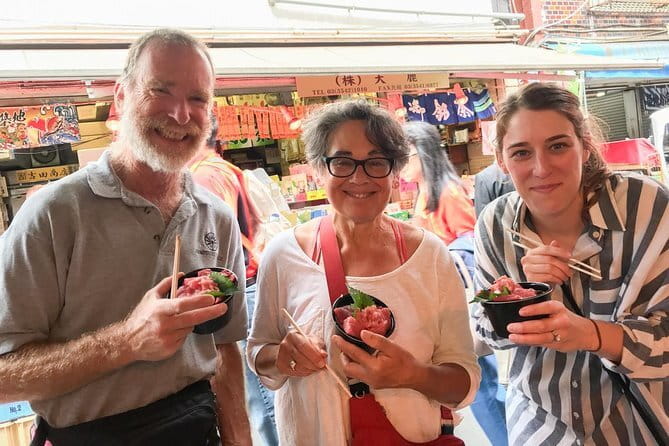
I would recommend this experience to you if you like food and culture but prefer a focused activity to a long checklist of stops. It suits first-time matcha drinkers because the guide explains the basics while giving you four samples for comparison.
It also works well for an experienced matcha drinker who wants to taste cold-brewed varieties and learn how growing areas and cultivation affect flavor. The private format is a plus for couples, families, and friends who want to keep the pace personal.
Spanish-speaking visitors may find the bilingual option particularly useful. So may English speakers who want clear explanations without relying on a translated menu or a quick demonstration.
The tour is less suitable if your main goal is a large meal, extensive market tasting, or a full tea ceremony. Lunch is not included, and the supplied details do not describe a formal whisking ceremony. This is a tasting workshop with cultural explanation, not an all-day food tour.
It is also not the best match if you have only a few hours in Tokyo and want to see many major sights. The experience is deliberately slow and narrow. That is its appeal, but it means giving up time that could be spent elsewhere.
Is $65.04 a fair price?
At $65.04 per person, the cost is reasonable only if you value the setting and instruction, not just the drinks. Four cups of matcha alone would not justify the price for many people.
The package adds several layers: a certified tea master, a private group, bilingual guidance, four premium matchas, seasonal wagashi, photos, a temple visit, and a small souvenir. You also get a reserved hour in a shop with nearly a century of tea-trade history.
I see the value most clearly for a small group that wants a quiet cultural activity in Tsukiji. The price is harder to justify for a solo visitor focused mainly on tasting quantity or market food.
Free cancellation up to 24 hours before the start lowers the booking risk. Cancel later than that, or make changes within 24 hours, and the amount paid is not refunded. The cut-off follows Tokyo local time.
Should you book this experience?
Book it if you want to slow down in Tsukiji, compare four matchas, and understand how tea flavor connects to place and cultivation. The private English or Spanish setting, seasonal wagashi, and old shop give the hour a clear sense of purpose.
Skip it if you want lunch, a large seafood tasting, or a formal tea ceremony. For everyone else, especially matcha beginners and culture-minded food fans, this is a thoughtful way to see a quieter side of Tsukiji before ending at the Outer Market.
FAQ
How long does the Tsukiji matcha experience last?
The experience lasts about one hour and 30 minutes. You spend around 30 minutes at Tsukiji Hongwan-ji Temple and about one hour at the tea shop.
Where does the activity start and finish?
You meet at Tsukiji Hongwan-ji Temple at 3-chōme-15-1 Tsukiji, Chuo City, Tokyo. The activity finishes at the Tsukiji Outer Market in the Tsukiji 4-chōme and 6-chōme area.
Is the guide available in English or Spanish?
Yes. A local Japanese English or Spanish-speaking guide leads the experience.
What is included in the price?
The price includes the local guide, photos taken by the guide, the matcha workshop, traditional sweets, four types of premium cold matcha, and coffee and/or tea. A small souvenir is also described as part of the experience.
Is this a private activity?
Yes. Only your group participates in the activity. Group discounts are available.
Can I cancel for a full refund?
Yes, if you cancel at least 24 hours before the experience start time. Cancellations or changes made less than 24 hours in advance are not refunded or accepted.
More Tea Ceremony & Matcha in Tokyo
More Tsukiji Market Tours in Tokyo
More tours in Tokyo we've reviewed











Tsukiji Market Tours, compared.
 ★ 5.0Tokyo Tsukiji Fish Market Food and Culture Walking TourFrom $99
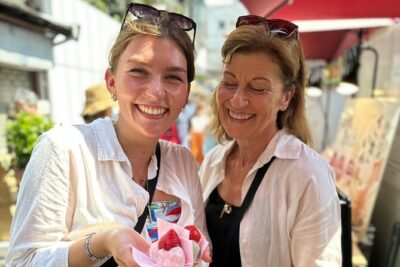 ★ 5.0Tokyo: Tsukiji Fish Market Food and Walking tourFrom $30
 ★ 4.9Tokyo: Tsukiji Fish Market Guided Walking TourFrom $222 hours
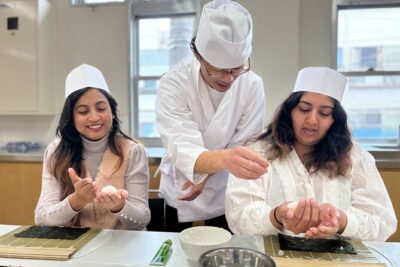 ★ 5.0Tokyo Sushi Making Class in Tsukiji with Professional ChefFrom $49
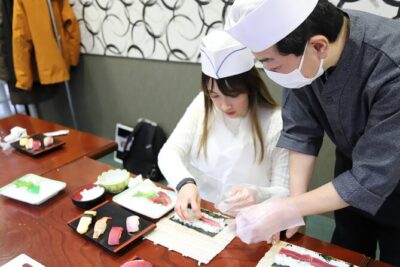 ★ 5.0Tsukiji Fish Market Guided Tour and Sushi Making with Pro ChefFrom $104
★ 4.7Tokyo: Tsukiji Fish Market Food and Culture Walking TourFrom $963 hours
★ 5.0Tsukiji Fish Market Guided Tour and Sushi Making with Pro ChefFrom $104
★ 4.7Tokyo: Tsukiji Fish Market Food and Culture Walking TourFrom $963 hours