
Reviewed · SUMO EXPERIENCES
Ultimate Sumo Tournament: Tokyo, Osaka, Nagoya, Fukuoka
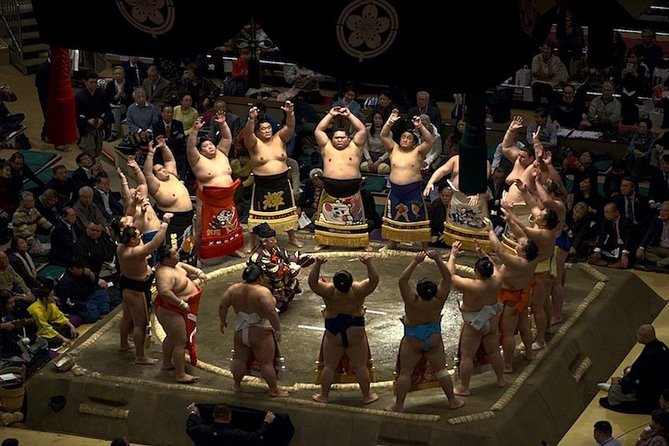
Sumo makes far more sense once someone explains what you are seeing. At the arena, bouts can last only seconds, yet every clap, bow, salt toss, and foot stamp carries meaning. This tour places you in reserved seats and gives you an English-speaking guide to explain the rituals, wrestlers, rankings, and techniques as the tournament unfolds.
I like the reserved tournament ticket, since official seats can disappear quickly, and I like the audio headset commentary, which lets you hear guides such as Hiro, Myoko, Yumi, or Taku above the arena noise. The optional chanko dinner adds a tasty link to wrestler life. The main catch is that seat quality, venue, group size, and even the type of activity change with the date, so read your booking details carefully.
In This Review
- Key points before you book
- Why a sumo tournament is worth your afternoon
- Choosing the right tournament city
- Entering the arena and getting oriented
- What the four-hour guided viewing adds
- Understanding the day’s sumo schedule
- Adding chanko nabe after the matches
- The off-season stable morning option
- Is $184.38 a fair price?
- The drawbacks to keep in mind
- Who should book this sumo experience?
- FAQ
- How long does the sumo tournament tour last?
- Where does the Tokyo tournament take place?
- Which cities are available for the official tournaments?
- When are the official sumo tournaments held?
- What seats are included in the standard tour?
- What seats are included in the private tour?
- Is an English-speaking guide included?
- Is dinner included?
- What happens on an off-season date?
- Is transportation included?
- Should you book it?
Key points before you book
- Six official tournaments each year: Tokyo hosts January, May, and September; Osaka hosts March; Nagoya hosts July; Fukuoka hosts November.
- About four hours at the basho: You watch the action from a reserved second-floor seat on the standard tour, with commentary from a local sumo expert.
- Standard and private seating differ: Group bookings use B or C seats on the second floor, while private bookings use closer S or A seats.
- Chanko dinner is optional: Add a sumo-style hot pot meal after the tournament, with a vegetarian request available if made in advance.
- Off-season dates are different: You visit a working sumo stable near Warabi Station for morning practice, not an official tournament.
- The meeting point arrives later: Exact meeting details are sent by email at least one week before the date, and transport to the meeting point is not included.
Why a sumo tournament is worth your afternoon
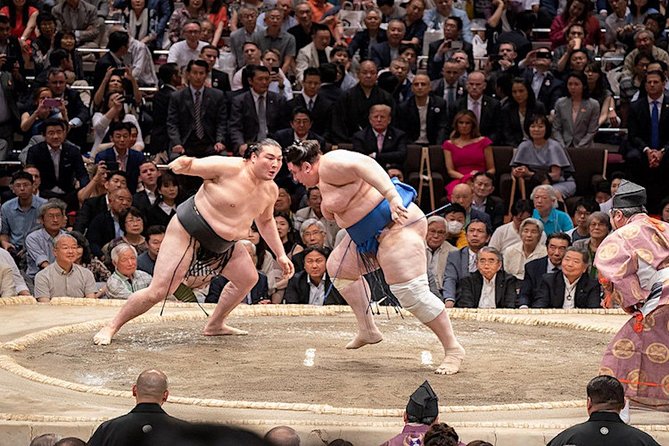
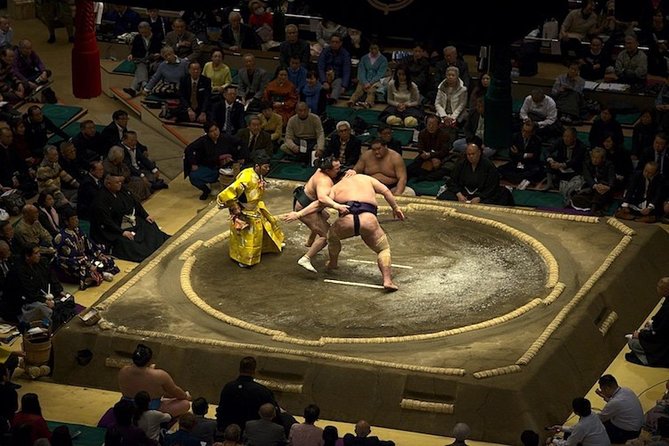
The tournament is not simply two large men pushing one another out of a ring. Sumo combines sport, ceremony, rank, religion, costume, and strict etiquette. Before a bout begins, wrestlers may spend longer preparing than fighting. They face one another, stamp their feet, throw salt, and perform ritual movements that can seem puzzling if you do not know what to watch for.
That is where the guide earns the fee. A good guide does not just translate announcements. The guide can tell you why a wrestler is ranked where he is, explain winning techniques, point out different wrestling styles, and help you follow the tournament structure. Guides including Hiro, Myoko, Izumi, Shunsuke, and Yumi have been praised for clear explanations and real enthusiasm for the sport.
You also receive a banzuke-hyo, the official ranking table. Keep it handy. Sumo bouts move quickly, and the ranking sheet helps you follow the wrestlers and understand why a particular match matters. An audio receiver keeps the guide’s voice in your ear while you watch the ring, buy a snack, or focus on a bout.
The tournament days run for many hours, but this tour covers about four hours. That is a sensible slice for most people. You get the major action and atmosphere without committing your entire day to a sport you may still be learning.
A few more Tokyo tours and experiences worth a look
Choosing the right tournament city
You do not visit all four arenas on one booking. You choose a date and city that fits your Japan plans and the annual sumo calendar.
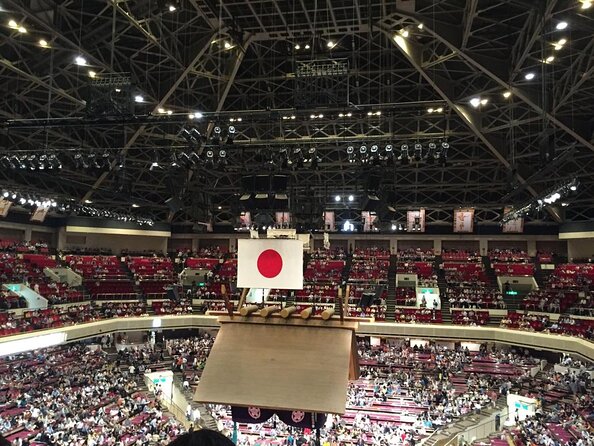
Tokyo is the main choice for visitors staying in the capital. The venue is Ryogoku Kokugikan, Japan’s official sumo hall and the most natural setting for a first tournament. The Tokyo dates are in January, May, and September. The Ryogoku area also has strong links to sumo culture, including the Sumo Museum and chanko restaurants.
Osaka hosts the March tournament at EDION Arena Osaka. This is a good choice if your itinerary already includes Osaka, Kyoto, or nearby cities. The tour duration is about four hours, though the ticket, meeting procedure, and exact seating details can vary by date.
Nagoya hosts the July tournament at IG Arena. Summer heat can matter here, especially if you are moving around before or after the event. Confirm the final meeting instructions and venue information in your email, since the general start time is listed as 2 p.m. but the exact plan depends on the date.
Fukuoka hosts the November tournament at Fukuoka Kokusai Center. It is the final official basho of the year. If your Japan trip reaches Kyushu, this is a rare chance to pair a regional visit with a major Japanese sporting tradition.
Each tournament lasts 15 days, beginning and ending on a Sunday. The exact dates change each year, but the months remain the same. If sumo is a priority, build your trip around the calendar rather than hoping a tournament happens to overlap with your holiday.
Entering the arena and getting oriented
The meeting time is generally 2 p.m., but your exact meeting point is sent at least one week before the tour. Hotel pickup and transport are not included, so you need to reach the meeting point yourself using public transportation.
After meeting the guide, expect a short orientation before taking your seats. This may include an introduction to the arena, the sport, and the day’s structure. At Ryogoku, the Sumo Museum can be part of the visit, though congestion may mean your guide asks you to see it independently rather than walking through as one large group.
The timing can feel a little loose at first. There may be a wait before seating because the operator must wait for earlier matches to finish. That is worth knowing if you arrive expecting to walk straight into your chair at the start time.
Once seated, you have access to the arena atmosphere: calls from the announcer, traditional ceremonies, local fans cheering for favorite wrestlers, and vendors selling food and drinks. Outside food and drinks are not allowed inside, but refreshments are available for purchase within the venue. One useful Tokyo tip is to dress lightly, since the arena can feel warm. A soft-serve ice cream on the second floor has also earned its share of affection.
What the four-hour guided viewing adds
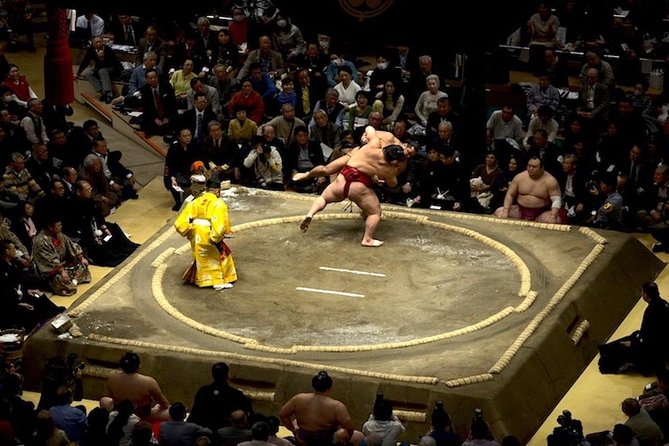
The best part of this tour is the commentary during the bouts. Sumo techniques have names, and the action can be over before you work out what happened. A guide can tell you whether a wrestler used a belt throw, a push-out, or another technique, then explain how rank, weight, experience, and style affect the contest.
The audio headset matters. The arena is noisy, and a guide speaking to a group of up to 20 people would otherwise be hard to hear. Several guides have used the headset to provide short comments before bouts and play-by-play explanations during the action.
The equipment may be very loud at its lowest setting, so bring earplugs or ear loops if you are sensitive to sound. You can still watch the match directly while listening at a comfortable volume.
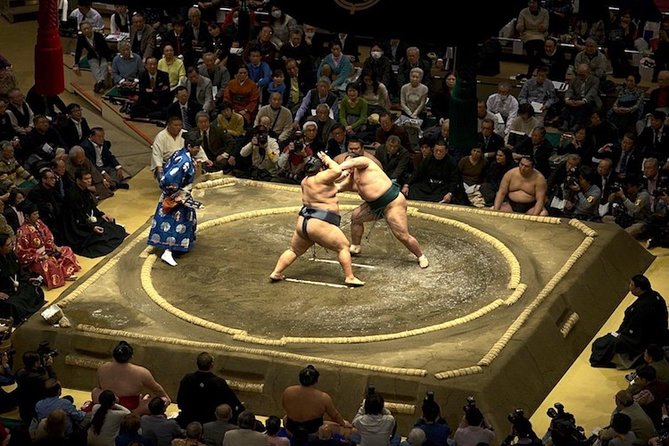
The standard join-in option puts the group together in second-floor B chair seats, often rows 7 through 11, or in C chair seats. These are not the closest positions to the ring, but they give you a broad view of the arena and the tournament flow. For many first-time visitors, that wider perspective helps.
A private booking includes S or A seats closer to the ring. The price and availability can differ, so do not assume that the advertised rate applies to the closest seats. If watching the wrestlers at close range is your main goal, ask which seating category your selected option includes.
There is also free time to buy food, drinks, or souvenirs. The guide may not speak continuously through every second of the afternoon. That is not necessarily a flaw. Sumo is also about sitting quietly, watching the ceremonies, and absorbing the crowd.
Understanding the day’s sumo schedule
A full tournament day includes several divisions, with the top division appearing later. The exact bout schedule is not provided in advance in the tour details, but the experience includes the top-division matches and part of the second division on the standard tournament visit.
That late-day timing is useful. The higher-ranked wrestlers bring more attention from the crowd, and the arena grows more charged as the day advances. You should not expect every bout from the entire day to be covered during the four-hour visit, but you do get the major portion of the program.
This is also why you should not treat the tour as a simple stadium entrance. The value lies in having a ticket arranged, finding the correct seats, and gaining enough explanation to understand what is happening. If you already follow professional sumo closely, you may prefer to attend independently. If you are new to the sport, the guide can save you a lot of confusion.

Adding chanko nabe after the matches
The optional dinner is at a local chanko hot pot restaurant. Chanko nabe is associated with sumo stables and is designed to feed many people at once. It usually includes chicken stock, vegetables, and other ingredients cooked together in a shared pot.
The meal gives the tournament a satisfying cultural follow-up. Instead of leaving the arena with only photographs and a new set of wrestler names, you sit down to eat food linked to the wrestlers’ daily life. Guides may join the meal and help explain the dishes and choices.
Vegetarian meals can be requested, but do it in the special requirements field when booking. Traditional chanko broth is usually made with pork or chicken, and changes cannot be made one week before the tour date once the restaurant request has been accepted. Drinks are not included.
The dinner is not part of the basic price unless you select it. If you are watching your budget, the arena vendors provide a simpler option. If you want the full cultural afternoon, the meal is one of the more appealing additions.
The off-season stable morning option
No tournament takes place outside the six official basho periods. On off-season dates, the alternative is a morning practice visit to a sumo stable near Warabi Station, about 30 minutes from Tokyo Station.
This is a different activity, not a substitute ticket for a tournament. You meet near Warabi Station, watch wrestlers train at an authentic stable, and hear the guide through an audio headset. The practice runs from 8 a.m. to noon and includes chanko lunch.
The stable visit may suit you better if you care about training, discipline, and daily life rather than the spectacle of a tournament. You may see the repetitive work behind the public bouts, but you will not have a seat at Ryogoku Kokugikan or any other official basho venue.
Read the date description carefully. The off-season option includes the guide, headset, stable practice, and lunch, but specifically does not include a tournament seat ticket. That distinction is important.
Is $184.38 a fair price?
At about $184.38 per person, this is not a cheap afternoon. The price covers a reserved seat, ticket arrangement, seating allocation, an English-speaking guide, the ranking sheet, and the audio equipment. Dinner is extra unless selected, and transport is not included.
For a visitor who cannot secure a ticket directly, the price may be reasonable. Official tickets can sell out very quickly, and the tour removes the stress of navigating the ticket system and Japanese-language details. The guide also adds value that an ordinary ticket cannot provide.
The standard seat is the key factor. You are usually on the second floor in B or C seating, not close to the ring. That is a fair position for seeing the full arena, but do not book at this price expecting ringside proximity. Choose the private option if the closer S or A seats matter to you, then compare the higher cost.
Group discounts may help families or larger parties. The standard group can include up to 20 people seated in the same area. A large group gives you a social outing, though it may feel less personal than a private booking.
Book early. Three months before your date is recommended, with one month as the minimum practical target. Group tickets are released by the Sumo Association about four to seven weeks before the event. If seats cannot be obtained, the operator says it will notify you within four weeks and offer another date or a full refund.
The drawbacks to keep in mind
This is a non-refundable booking, and amendments are not allowed. That makes the timing of your reservation important, especially if you are still changing your Japan itinerary.
The meeting point arrives by email only at least one week before the date. That is workable, but it gives you less time to plan than a tour with a fixed public meeting point. Check your inbox and confirm how you will reach the venue.
Guiding quality may depend on the individual guide and the style of the day. Many guides, including Hiro, Junka, Taku, and Seizo, are praised for clear explanations, but one disappointing guiding experience is possible. If you want constant instruction, tell the guide early. If you prefer quiet viewing, use the free time and listen only when you need help.
A weather-related cancellation policy also applies, despite the indoor venue. If the operator cancels for poor weather or because the minimum number of participants is not reached, you are offered another date, another experience, or a full refund.
Who should book this sumo experience?
I would choose this tour if you are new to sumo, want an official tournament ticket, or are visiting Japan during one of the six basho months. Families can benefit from the ranking chart and headset, since the rules and ceremonies are easier to follow with help.
It also suits visitors who want a cultural activity rather than another standard sightseeing stop. The tournament gives you a look at a living Japanese tradition that is still practiced according to firm rules and old rituals.
I would think twice if your schedule cannot handle a fixed date, if you expect first-floor or ringside seats at the standard price, or if you dislike non-refundable bookings. I would also avoid booking an off-season date by mistake if a tournament is your main goal.
FAQ
How long does the sumo tournament tour last?
The guided tournament visit lasts about four hours.
Where does the Tokyo tournament take place?
The Tokyo tournament takes place at Ryogoku Kokugikan.
Which cities are available for the official tournaments?
Dates are available in Tokyo, Osaka, Nagoya, and Fukuoka, depending on the tournament season.
When are the official sumo tournaments held?
The official tournaments take place in January, March, May, July, September, and November. Tokyo hosts January, May, and September; Osaka hosts March; Nagoya hosts July; Fukuoka hosts November.
What seats are included in the standard tour?
The standard join-in tour uses B-class or C-class chair seats on the second floor. B seats are generally in rows 7 through 11, or nearby C seating.
What seats are included in the private tour?
The private tour uses S-class or A-class seats, which are closer to the ring.
Is an English-speaking guide included?
Yes. An English-speaking local sumo expert guides the visit and explains the sport, traditions, wrestlers, and matches.
Is dinner included?
Dinner is optional. If selected, it is a chanko hot pot meal without drinks. A vegetarian option can be requested at checkout.
What happens on an off-season date?
The off-season option visits a sumo training stable near Warabi Station. It runs from 8 a.m. to noon and includes a guide, headset, and chanko lunch, but no tournament ticket.
Is transportation included?
No. Hotel pickup and transportation are not included. You must reach the meeting point yourself, and the exact location is sent at least one week before the tour.
Should you book it?
Book it if you want sumo explained as you watch it and need help obtaining an official ticket. The reserved seat, ranking chart, headset, and guide make a major difference when the rituals and bouts are new to you.
Before paying, confirm the city, tournament date, seat category, dinner choice, and whether the date is an off-season stable visit. With those details clear, this is a strong choice for a first sumo outing, especially when your trip lines up with a tournament and the optional chanko meal fits your budget.
More Sumo Experiences in Tokyo
More tours in Tokyo we've reviewed


Sumo Experiences, compared.
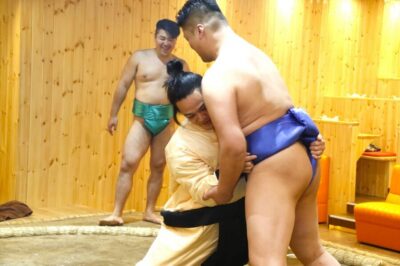 ★ 4.8Tokyo: Sumo Show Experience with Chicken Hot Pot and a PhotoFrom $1032 hours
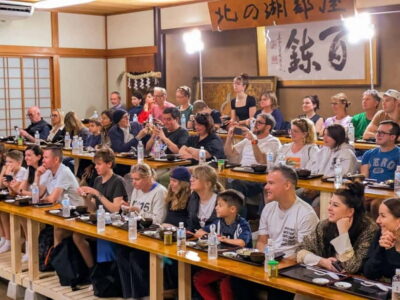 ★ 4.8Tokyo: Sumo Show and Dining ExperienceFrom $7990 minutes - 2 hours
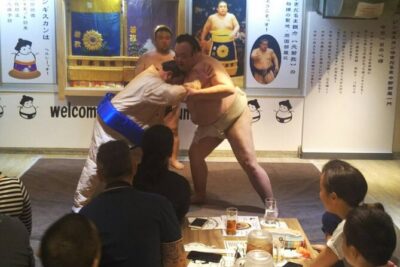 ★ 5.0the SUMO showFrom $89
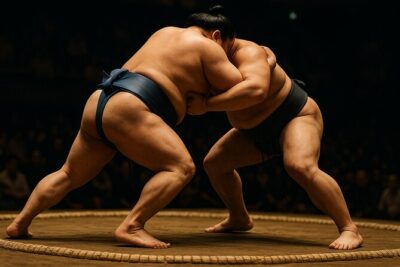 ★ 5.0Tokyo Shinjuku Sumo Show & Experience with PhotoFrom $79
 ★ 4.8Tokyo: Sumo Show and Experience in ShinjukuFrom $691h 30m
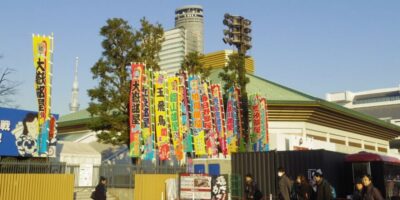 ★ 4.6Tokyo: Sumo Tournament Tour with Chair Seat TicketsFrom $141