
Reviewed · TSUKIJI MARKET TOURS
Tsukiji Food Strolling and Hama Rikyu Garden Walking Tour
Tsukiji is at its best when you take it slowly, one food stall and narrow lane at a time. This 2.5-hour walking tour pairs the market with Hama-rikyu Gardens, giving you Tokyo’s seafood-and-snack side before a quiet garden walk beneath the city’s towers.
I like the small group size of up to 12 people, which should make it easier to hear your guide and ask questions. I also like the useful contrast between places: Tsukiji Hongwanji’s unusual architecture, the food stalls of Tsukiji Jogai Market, and the calm garden paths at Hama-rikyu.
The main consideration is cost at $32.32 per person, with all food and drinks extra. If you want a full food tour with a set tasting menu, this is not that. It is a guided introduction to the area, with the freedom to choose and pay for your own bites.
In This Review
- Key points to know before booking
- Why this Tsukiji tour works as a Tokyo introduction
- Starting at Tsukiji Hongwanji Temple
- One hour among Tsukiji’s food stalls
- Walking from food stalls to garden paths
- Matcha and wagashi at the tea house
- What the $32.32 price really buys
- Group size, pace, and physical demands
- Who will enjoy this experience most
- Should you book the Tsukiji and Hama-rikyu walk?
- FAQ
- How long is the Tsukiji Food Strolling and Hama Rikyu Garden Walking Tour?
- What is the price of the tour?
- What is included in the tour price?
- Are food and drinks included?
- How much does the optional matcha experience cost?
- Where does the tour begin?
- Where does the tour end?
- How many people can join the tour?
- Is Hama-rikyu Gardens admission included?
- Can I cancel for a full refund?
Key points to know before booking
- Tsukiji and Hama-rikyu in one morning: You see a famous food district and an Edo-period garden without arranging separate visits.
- Food is purchased separately: Sushi, wagyu, fruit, snacks, and drinks are not included in the tour price.
- Optional tea experience: Matcha and wagashi at the garden tea house cost about 1,000 yen on site.
- A guide-led introduction: Guides have included Masumi, Miyuki, Erica, Pepito, and Yuko, with language ability and guiding style varying by assignment.
- A compact group: The maximum is 12 people, a sensible size for crowded market lanes.
- Easy finish at Hama-rikyu: The tour ends at the garden tea house, with an escort to the entrance gate for those who want it.
Why this Tsukiji tour works as a Tokyo introduction
I like this outing because it gives you two very different views of central Tokyo in a short stretch of time. Tsukiji presents Japan through ingredients and eating habits. Hama-rikyu shows how an older garden can still provide a quiet pause beside modern buildings.
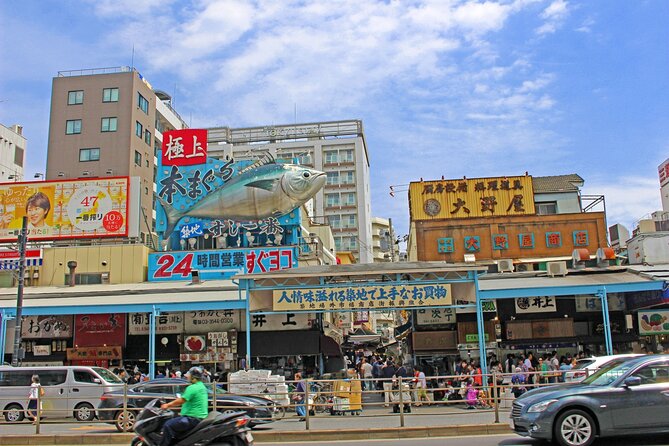
The market is the main draw. Tsukiji handles around 480 types of seafood and 270 types of produce, so the point is not simply to walk past a few famous counters. You get a sense of the scale of Japan’s food supply and the variety that reaches Tokyo from around the country and overseas.
Your guide helps turn a food stop into a cultural visit. The tour includes explanations of Tsukiji’s 83-year history, so you are not left to guess what you are seeing or why the market matters.
The experience is also practical for a first visit. You meet near Tsukiji Station at the Starbucks Coffee on the first floor of the Taiko Building, then finish at Hama-rikyu Gardens. You do not need to work out the route between the two places yourself.
A few more Tokyo tours and experiences worth a look



Starting at Tsukiji Hongwanji Temple
The first stop is Tsukiji Hongwanji Temple, about 10 minutes. Its exterior uses Indian and Western influences, making it unlike the traditional temple image many people expect in Tokyo.
Inside, the mood changes. The city noise gives way to a peaceful setting, and this short stop gives your guide a chance to explain the area before you enter the market.
Ten minutes is enough for an introduction and a quick look around, but it is not a full temple visit. If religious buildings are a major interest for you, you may want to return on your own after the tour. On this outing, the temple works mainly as a calm opening before the market’s busy food lanes.
That contrast matters. You are not thrown straight into shopping and tasting. You begin with a place that helps frame Tsukiji as more than a place to eat.
One hour among Tsukiji’s food stalls
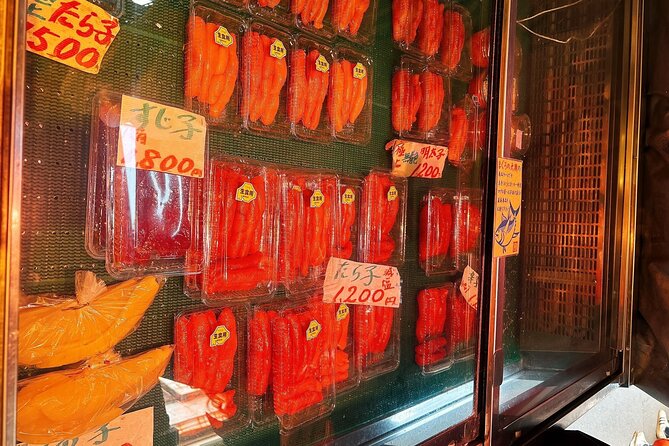
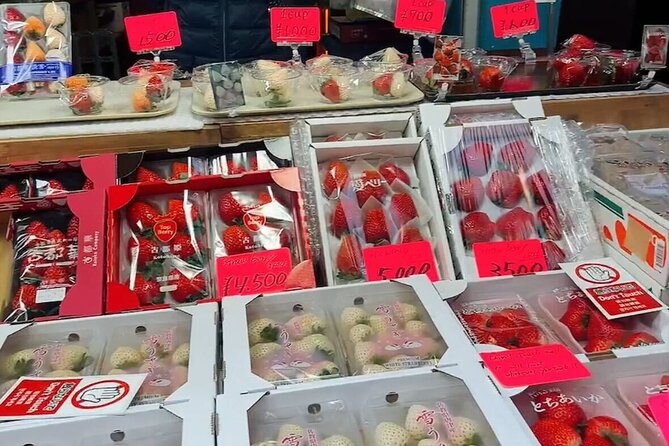
You spend about an hour at Tsukiji Jogai Market, the food-focused part of the route. The market’s broad selection is what makes a guide useful. You may see seafood, produce, and other ingredients, but a short visit cannot cover everything.
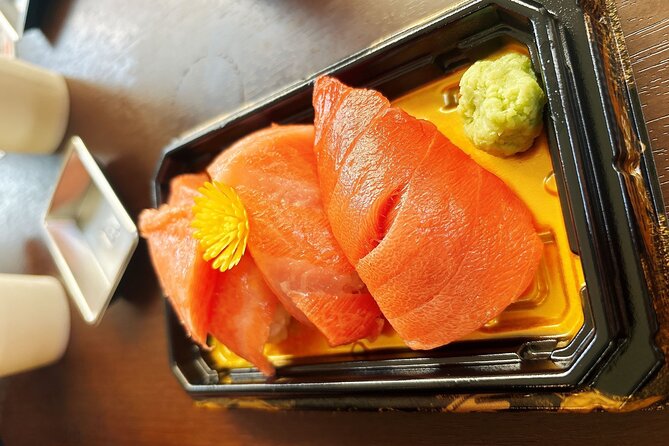
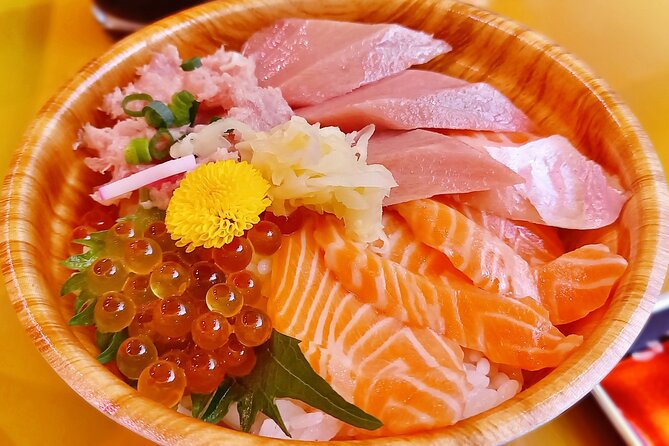
Food is not included, so you decide how much to spend and what to try. This setup suits you if you want choice. You might choose sushi, wagyu beef, fresh fruit, snacks, or drinks, depending on what catches your eye and what is available during your visit.
That flexibility is also the tour’s biggest limitation. The $32.32 price does not cover lunch or tasting portions. You should bring extra money if you want to eat, and you should not expect the guide to provide a fixed list of samples.
I see this as a better arrangement for curious eaters than for people who want a carefully planned tasting course. You can buy only what interests you, share the experience with family, or skip food and focus on the market itself. The tradeoff is that your total cost depends on your appetite.
A morning booking makes the most sense. The tour’s own guidance points people toward a morning start, and market visits generally work better earlier in the day than after a long afternoon of sightseeing. The exact food selection and stall activity can vary, so keep your expectations flexible.
The guide’s role is important here. Masumi has been praised for combining historical explanation with current information, while Yuko has guided visitors through Tsukiji and received particular praise for her French. Miyuki has led a relaxed walk and adjusted the experience to match different interests. These details suggest that the human side of the tour can shape the day as much as the route itself.
There is some variation in guiding style. Erica was described as kind and helpful, though not especially detailed in explanation. That is worth keeping in mind if your main goal is a long lecture on market history. The experience appears better suited to you if you want a local person to show you around, explain the basics, and help you navigate.
Walking from food stalls to garden paths
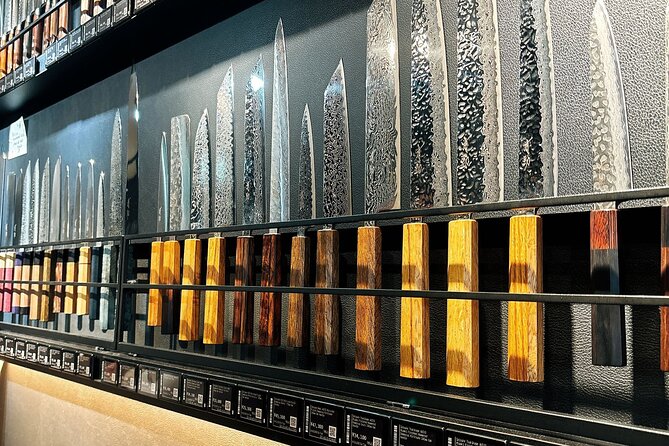
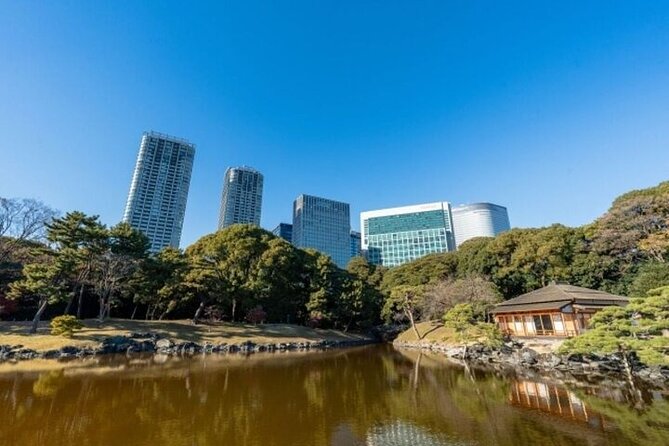
After Tsukiji, the route moves to Hama-rikyu Gardens. The garden dates from the Edo period and is more than 370 years old, giving the second half of the tour a very different pace.
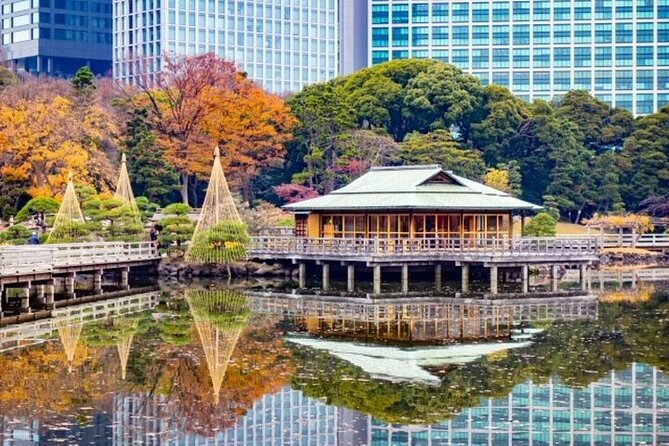
You spend about an hour here. Instead of selecting food, you look at the garden’s seasonal flowers and carefully arranged scenery. The visit offers a useful break after the market, particularly if you have eaten several small portions and want to walk.
The garden sits near Tsukiji and among Tokyo’s tall buildings. That setting creates one of the tour’s most memorable contrasts: older garden design below, modern Tokyo above. You get a tranquil place without leaving the center of the city.
Season matters. The flowers change during the year, so the garden will not look the same on every tour date. The description promises seasonal color, but it does not identify a particular bloom calendar. If you are booking mainly for flowers, check the season rather than assuming a peak display.
The garden admission fee, listed at 300 yen per person, is included. That gives the tour reasonable value, since you are paying for a guide as well as entry and a planned route through two major areas.
Matcha and wagashi at the tea house
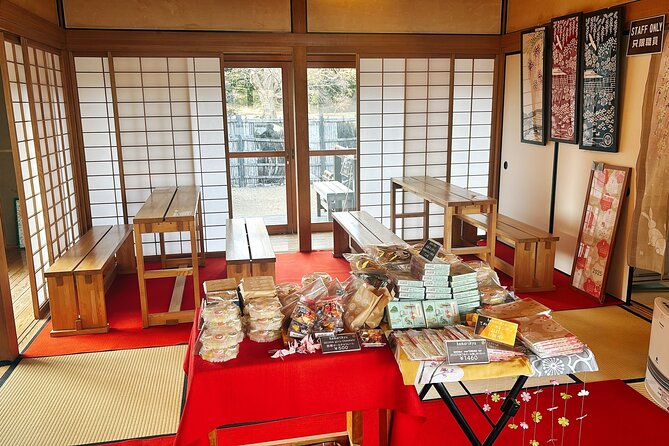
At Hama-rikyu, you can learn about Japanese etiquette while tasting matcha and wagashi, traditional Japanese sweets. This part is optional and costs about 1,000 yen, payable on site.
I like that the tea stop is not forced into the base price. You can decide based on your budget, interest, and energy. If you want a short introduction to tea customs, it adds a cultural layer to the garden visit. If you would rather save money for market food, you can skip it.
Do not treat this as an elaborate tea ceremony unless the guide tells you otherwise. The information provided describes an etiquette lesson with matcha and wagashi, not a formal, extended ceremony.
The tour finishes at the tea house. If you want help finding your way out, the guide can escort you to the garden entrance gate. That is a small but useful detail, especially if you plan to continue to another Tokyo sight.
Other walking tours we've reviewed in Tokyo
What the $32.32 price really buys
At $32.32 per person, this tour is priced as a guided orientation rather than an all-inclusive food outing. The fee covers a local guide and the 300-yen admission to Hama-rikyu Gardens. It does not cover lunch, snacks, or drinks.
The value depends on how much help you want. If you are comfortable wandering Tsukiji alone and reading your own map, you could visit the area without paying for a tour. But you would also need to plan the temple, market, garden, and route between them yourself.
For me, the strongest value is the combination. A guide can explain what you are looking at in Tsukiji, point out food choices, and then lead you to Hama-rikyu without wasting time on navigation. You also get a small group instead of a large crowd.
Keep your food budget separate. The total price could remain modest if you buy only a small snack, or rise quickly if you sample sushi, wagyu, fruit, and drinks. One account of the experience included all four and resulted in a very filling meal, so you have room to make this either a light walk or a substantial breakfast and lunch.
Group size, pace, and physical demands
The maximum group size is 12. That is small enough for a personal feel, though the market itself may still be crowded and noisy. You should expect to walk for the full 2.5 hours, with time on your feet at the temple, market, and garden.
The pace is described as leisurely by one guide account, but the tour remains a walking experience. Wear comfortable shoes and leave enough room in your schedule for the route. There is no suggestion of a bus or private vehicle.
Most people can participate, and service animals are allowed. The meeting point is close to public transportation at Tsukiji Station. The end point is Hama-rikyu Gardens, not the original meeting place, so plan your next stop from that side of central Tokyo.
Mobile tickets make entry and confirmation simple. Confirmation is received at booking, and free cancellation is available up to 24 hours before the start time. Changes or cancellations inside that 24-hour window are not accepted for a refund.
Who will enjoy this experience most
I would recommend this tour to you if you want a short, guided first look at Tsukiji and prefer to combine food with sightseeing. It is especially useful early in a Tokyo visit, when a local guide can help you understand the market and offer ideas for places to return later.
Families can also find the format manageable. The route is short enough to avoid the fatigue of a full-day excursion, and buying food individually lets each person choose what appeals to them.
Food lovers should book it if they value freedom more than a fixed menu. You can choose your own sushi, wagyu, fruit, or snacks, but you must pay for them separately.
The tour is less suitable if you want a detailed culinary class, a guaranteed list of tastings, or a long temple visit. It is also not the right pick if you dislike walking or prefer an evening food crawl.
Guide quality may vary by assignment. Masumi, Miyuki, Erica, Pepito, and Yuko have each led tours, with different strengths in history, local orientation, language, and personal attention. You should book for the route and format rather than expecting one specific guide unless the booking allows you to select one.
Should you book the Tsukiji and Hama-rikyu walk?
Book this tour if you want a well-shaped introduction to two contrasting Tokyo sights and like choosing your own food. The price is fair for a guide, garden admission, a small group, and a route that would take more planning to arrange alone.
Bring extra money for anything you eat and for the optional 1,000-yen tea stop. Choose a morning departure, wear shoes suited to steady walking, and leave the tour ready to continue from Hama-rikyu Gardens.
Skip it if your priority is an all-inclusive tasting tour or an in-depth temple and garden lecture. For most first-time visitors who want food, history, local guidance, and a peaceful finish in one compact outing, this is a practical choice.
FAQ
How long is the Tsukiji Food Strolling and Hama Rikyu Garden Walking Tour?
The tour lasts approximately 2 hours and 30 minutes.
What is the price of the tour?
The listed price is $32.32 per person.
What is included in the tour price?
The price includes a local tour guide and the 300-yen admission fee for Hama-rikyu Gardens.
Are food and drinks included?
No. Lunch, snacks, food, and drinks must be purchased individually.
How much does the optional matcha experience cost?
The matcha and wagashi tasting costs about 1,000 yen and is paid on site.
Where does the tour begin?
The meeting point is Starbucks Coffee near Tsukiji Station, at 2-chome 12-8 Tsukiji, Chuo City, Tokyo, on the first floor of the Taiko Building.
Where does the tour end?
The tour ends at the tea house in Hama-rikyu Gardens. Anyone who wishes can be escorted to the garden entrance gate.
How many people can join the tour?
The maximum group size is 12 people.
Is Hama-rikyu Gardens admission included?
Yes. The 300-yen admission fee per person is included.
Can I cancel for a full refund?
Yes. You can cancel up to 24 hours before the experience start time for a full refund. Cancellations and changes made less than 24 hours before the start time are not accepted for a refund.
More Food Experiences in Tokyo

More Walking Tours in Tokyo
More Tsukiji Market Tours in Tokyo

More tours in Tokyo we've reviewed











Tsukiji Market Tours, compared.
 ★ 5.0Tokyo Tsukiji Fish Market Food and Culture Walking TourFrom $99
 ★ 5.0Tokyo: Tsukiji Fish Market Food and Walking tourFrom $30
 ★ 4.9Tokyo: Tsukiji Fish Market Guided Walking TourFrom $222 hours
 ★ 5.0Tokyo Sushi Making Class in Tsukiji with Professional ChefFrom $49
 ★ 5.0Tsukiji Fish Market Guided Tour and Sushi Making with Pro ChefFrom $104
★ 4.7Tokyo: Tsukiji Fish Market Food and Culture Walking TourFrom $963 hours
★ 5.0Tsukiji Fish Market Guided Tour and Sushi Making with Pro ChefFrom $104
★ 4.7Tokyo: Tsukiji Fish Market Food and Culture Walking TourFrom $963 hours