
Reviewed · TOKYO FOOD TOURS
Tokyo: Shibuya Authentic Food Tour & Local Delights
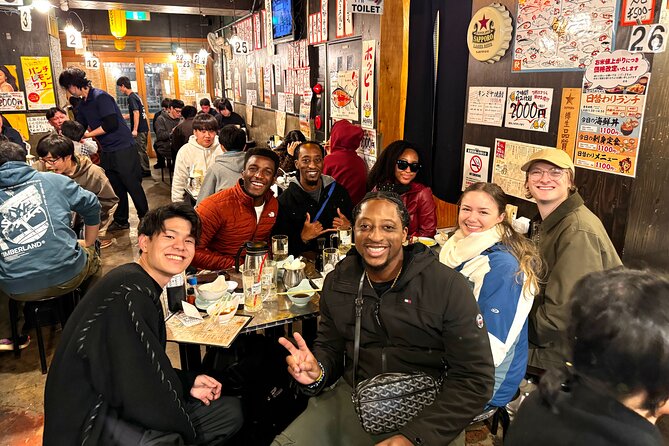
Shibuya after dark is more than the famous crossing. This three-hour food walk takes you from Shibuya Center-gai into Dogenzaka, where narrow lanes lead to izakayas and small local restaurants. You will eat at four food stops, with dishes that may include smoky yakitori, crispy tonkatsu, and sushi, plus two drinks.
I like the small-group format, capped at 15 people, and the useful local guidance. Guides such as Ryo, Guru, Haru, and Yo have been praised for their warmth, clear help, and ability to explain Japanese food and customs. I also like the 6 p.m. start, which fits neatly after a day of sightseeing.
The main caution is that this is a restaurant-based walking tour, not a street-food crawl. One past experience also found the timing a little untidy and the guide’s English difficult to follow, so the quality of the evening may depend on your assigned guide and how well the group moves together.
In This Review
- Key Points to Know Before You Book
- Starting at Shibuya Tsutaya at 6 p.m.
- From Hachiko to the Shibuya Scramble
- One Hour Around Shibuya Center-gai
- Dogenzaka and Its Local Izakayas
- Four Stops, From Yakitori to Sushi
- What the Guides Add to the Evening
- Is $90 a Fair Price in Tokyo?
- Who Will Enjoy This Shibuya Food Walk?
- Booking Flexibility and Simple Planning Tips
- Should You Book the Shibuya Authentic Food Tour?
- FAQ
- How long is the Tokyo Shibuya food tour?
- What time does the tour start?
- Where does the tour meet?
- Where does the tour end?
- How many food stops are included?
- Are drinks included?
Key Points to Know Before You Book
- Four food stops: Expect enough food for a full local dinner, not just small tastes.
- Two drinks included: You can choose alcoholic or non-alcoholic drinks.
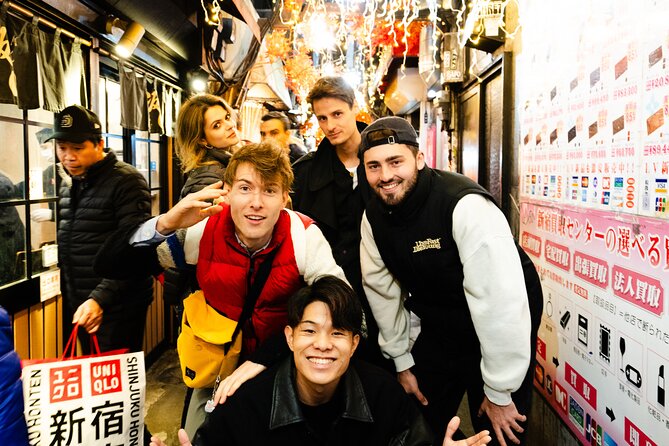
- Two classic Shibuya areas: The route includes Center-gai and Dogenzaka, with a pass by Hachiko and a crossing of Shibuya Scramble.
- English-speaking local guide: Ryo, Guru, Haru, and Yo are among the guides associated with especially warm, helpful visits.
- Evening start at 6 p.m.: This works well after daytime sightseeing and puts you in Shibuya at its most atmospheric.
- $90 price point: The value depends on how much you eat, but the included dinner, drinks, guide, and neighborhood orientation make it more than a simple restaurant meal.
Starting at Shibuya Tsutaya at 6 p.m.
The meeting point is Shibuya Tsutaya, at Q Front near the Scramble Crossing. Your mobile ticket makes check-in simple, and the location is close to public transportation. You will meet the guide at 6 p.m. and return to this same meeting point when the walk ends.
That central start matters in Shibuya. The district can feel like a maze of bright signs, department stores, side streets, and train exits. Beginning beside a well-known landmark gives you a clear point to return to, though you should still allow enough time to find the right part of the building and meeting area.
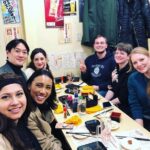
The group can include up to 15 people. That is small enough for a guide to manage a shared meal, but it is not a private tour. If you want long personal conversations with the guide, a smaller group would be better. If you enjoy meeting other people while eating, this size should feel social without being enormous.
The evening schedule is one of the tour’s best practical features. You can spend the day at places such as Meiji Shrine, Harajuku, or the Tokyo Metropolitan Government Building, then head to Shibuya for dinner. The tour lasts about three hours, so you should have the rest of the night free afterward.
A few more Tokyo tours and experiences worth a look

From Hachiko to the Shibuya Scramble
The route passes by Hachiko before heading across Shibuya Scramble Crossing. Hachiko is one of Tokyo’s most familiar meeting points, while the crossing gives you an immediate sense of Shibuya’s scale and energy.
This portion is not a long sightseeing visit with a formal stop and entry. Think of it as a quick orientation before the meal begins. Your guide can help you understand where you are, then lead you away from the major junction and into the streets where local dining takes place.
The crossing itself can be crowded, especially around the evening start time. Stay close to the guide and note the meeting point before the group moves on. Comfortable shoes are important, since the tour covers the neighborhood on foot and includes several restaurant stops.
One Hour Around Shibuya Center-gai
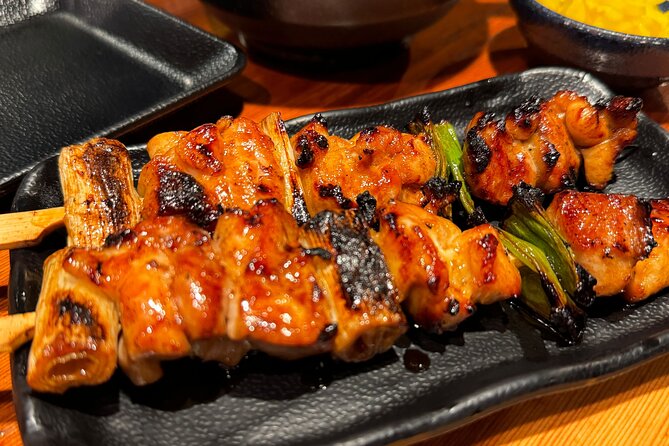
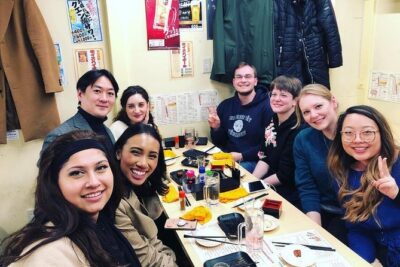
The first main area is Shibuya Center-gai, a busy pedestrian zone packed with restaurants, izakayas, shops, and entertainment venues. After walking across the crossing, you head into its narrower streets, where your guide stops at a local izakaya.
Izakaya are casual Japanese drinking and dining places. You usually order several dishes for the table rather than one large plate per person, which makes them a good setting for sampling different foods. Here, the appeal is not only the meal. You also get a look at a common Japanese way of eating with friends, colleagues, or family.
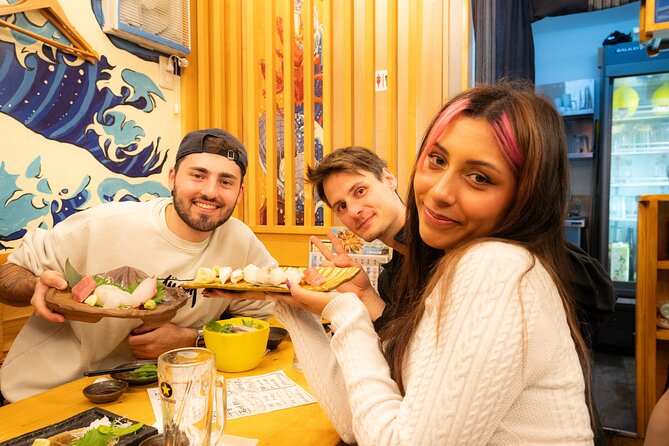
The food may include smoky yakitori, grilled chicken served on skewers. Yakitori is simple food, but a good plate gives you a direct taste of charcoal cooking, seasoning, and the small-plate style that makes izakaya dining so enjoyable.
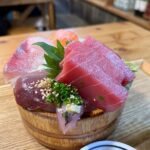
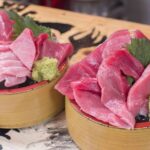
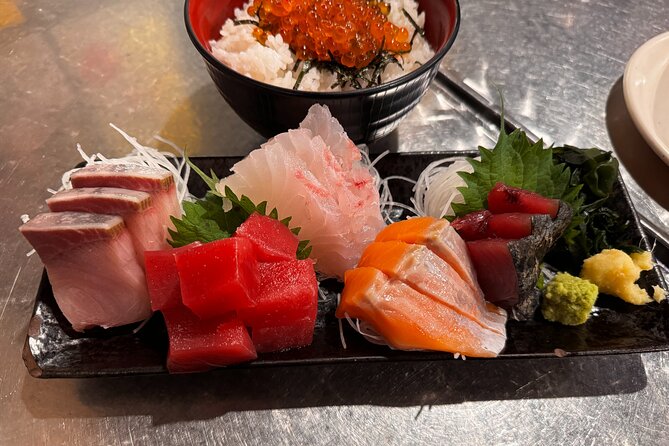
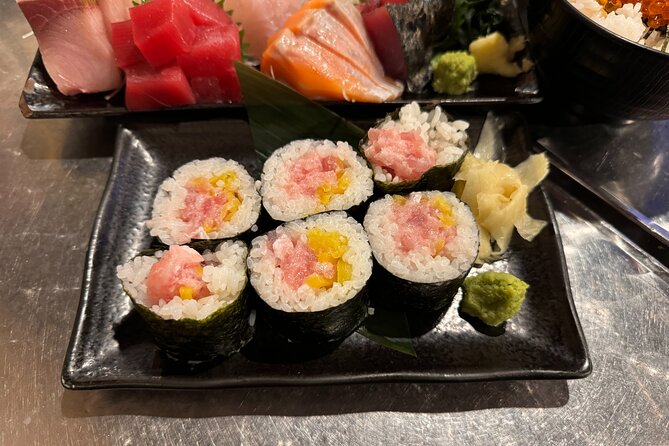
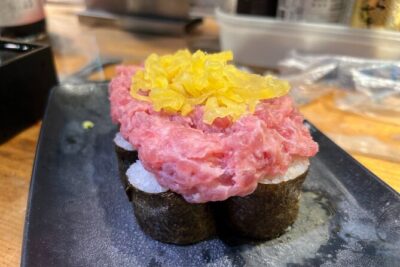
The tour also highlights tonkatsu and sushi. Tonkatsu is breaded, fried pork with a crisp coating, while sushi brings a different texture and flavor profile. The exact order and dishes can vary, so you should treat the advertised foods as examples of what you may taste rather than a guaranteed fixed menu.
I like this first stop because it gets you eating quickly instead of spending the opening hour on a long lecture. The tradeoff is that an izakaya can be lively and close-packed, and conversation may not always be easy if the room is noisy or the guide’s English is less fluent than expected.
Dogenzaka and Its Local Izakayas
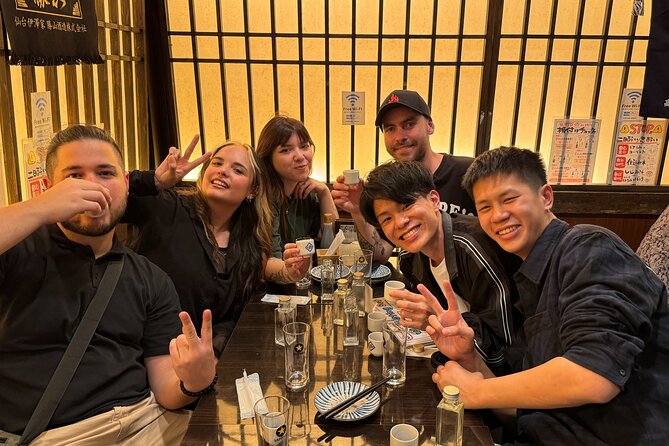
The walk then continues toward Dogenzaka, an area known for its wide choice of restaurants and izakayas. It is popular with local people of different ages, and the route aims to avoid the most obvious tourist traps.
Dogenzaka is a useful place for a guided food walk because the choices can be hard to sort out on your own. Bright signs and menus may not tell you much if you cannot read Japanese, and some restaurants are tucked into buildings or side lanes. A local guide can take you directly to selected places instead of having you gamble on the first open door.
This part lasts about an hour and a half, making it the longest section of the stated route. You will visit more food stops here, building the meal into a sequence of tastes rather than sitting in one restaurant for the whole evening.
The strongest practical advantage is the chance to see how the neighborhood changes as the night develops. You begin with the famous public face of Shibuya, then move into dining streets where the focus shifts from sightseeing to eating and socializing.
There is one useful qualification. Although the tour description highlights local foods, the experience is not strictly street food. At least one stop may involve taking food to go, and there may not be a carefully planned place to sit and eat it. If you want a tightly choreographed meal with a seat at every stop, ask yourself if a walking food tour is the right match.
Four Stops, From Yakitori to Sushi
The tour includes four local food stops and enough food for a satisfying dinner. That is important when judging the $90 price, since you are not paying only for a guide who points out restaurants. Your fee covers the food, two drinks, the walking route, and cultural explanation.
The meal is designed for variety. You may move from grilled food to fried food, then to sushi or other local dishes. This gives you a broad first taste of Japanese dining rather than a single specialty meal.
Yakitori offers a smoky, savory start or mid-meal bite. Tonkatsu gives you something crisp and filling. Sushi adds a cooler, more delicate contrast. The information provided does not give a guaranteed menu, so anyone with strict dietary needs should confirm the food details before booking.
Two complimentary drinks are included. Both alcoholic and non-alcoholic choices are available, which makes the tour workable for people who do not drink. The drinks also fit the izakaya setting, where food and beverages are often ordered together.
I would not book this mainly to save money on dinner. Tokyo has many inexpensive places where you can eat well. I would book it for the combination of a full meal, a guide who can handle the local setting, and the chance to sample four stops without having to plan every choice yourself.
A few more Tokyo tours and experiences worth a look


What the Guides Add to the Evening
Food tours rise or fall on the guide. The best moments here come from the human side of the experience: explanations of local customs, help with the restaurants, and a relaxed sense that you are being shown around rather than processed through a schedule.
Ryo is described as friendly and kind, with a talent for making the group feel comfortable. Guru has been praised for his easygoing manner and clear introduction to Tokyo’s food scene, even in rainy weather. Haru is described as a strong guide for first-time visitors who want help making sense of Shibuya. Yo is associated with four good food stops and explanations of Japanese culture and cuisine.
Those names do not guarantee who will lead your tour. Your assigned guide may be someone else, and English ability can vary. One experience found conversation awkward because the guide’s English was not fluent. That is worth keeping in mind if detailed discussion is the main reason you are booking.
Still, the guide’s role is valuable even when conversation is brief. You get help finding the stops, ordering or understanding food, and moving through a complicated entertainment district. You also receive tips for the rest of your Tokyo stay, which can be useful beyond the three-hour tour.
Is $90 a Fair Price in Tokyo?
At $90 per person, this is not a bargain dinner. The value is strongest if you would otherwise spend time researching restaurants, worry about ordering, and miss the smaller izakayas that are easy to overlook.
You receive four food stops, two drinks, a local English-speaking guide, and enough food for dinner. The walking route also includes two well-known Shibuya areas, so the price combines dining and neighborhood orientation.
The value is weaker if you mainly want street snacks or a cheap meal. You may prefer to explore Shibuya independently and spend the difference on a restaurant of your choice. This tour also does not include hotel pickup or drop-off, though the meeting point is near public transportation and the route ends where it began.
The current rating is 5 out of 5 from 225 ratings, with 99 percent recommending the experience. Those figures suggest a strong level of satisfaction, but they should not hide the practical limits: the group may be as large as 15, the guide can vary, and the food may be served in sit-down settings rather than as a pure street-food crawl.
Who Will Enjoy This Shibuya Food Walk?
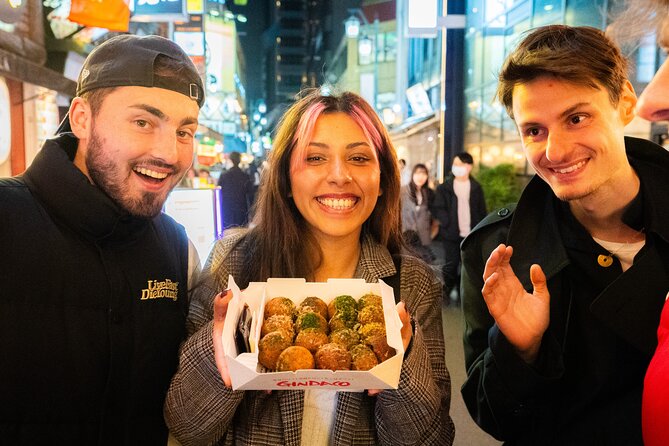
I think this tour suits you best if you are visiting Japan for the first time and want an easy introduction to Japanese food customs. It is also a good fit if you feel unsure about choosing izakayas on your own or want a social first night in Tokyo.
You will likely enjoy it if you:
- Want a full dinner made up of several Japanese dishes
- Like walking between restaurants instead of staying in one dining room
- Want two drinks included with the meal
- Prefer local guidance over reading menus and guessing
- Have an evening free after daytime sightseeing
- Enjoy learning about food and culture while you eat
It is less suited to you if you want a private tour, a fixed menu, a quiet restaurant, or mostly outdoor street food. It may also be frustrating if you need detailed explanations in fluent English or have food restrictions that require advance menu confirmation.
Most people can participate, and the activity is near public transportation. You should still wear shoes suitable for three hours of walking and keep your phone handy for the mobile ticket and meeting details.
Booking Flexibility and Simple Planning Tips
You can cancel for a full refund if you do so at least 24 hours before the 6 p.m. start time. Changes or cancellations made inside that window are not accepted for a refund, and the cut-off follows Tokyo local time.
The tour requires a minimum number of participants. If that minimum is not reached and the activity is canceled, you will be offered another date or experience, or receive a full refund.
Because the tour is commonly booked about 29 days ahead, planning early is sensible if your Tokyo dates are fixed. The maximum group size is 15, and the mobile ticket is convenient, but you should still arrive with enough time to locate Shibuya Tsutaya and the exact meeting area.
Should You Book the Shibuya Authentic Food Tour?
I would book this if you want a guided introduction to Shibuya that ends with a proper dinner. The combination of four food stops, two drinks, and a local guide gives you more than a list of restaurant addresses, especially on a first visit to Tokyo.
I would skip it if your main goal is street food, a low-cost meal, or complete control over what and where you eat. For everyone else, the tour offers a useful first evening in Shibuya, with enough food to leave you satisfied and enough neighborhood context to make later independent eating easier.
FAQ
How long is the Tokyo Shibuya food tour?
The experience lasts approximately three hours.
What time does the tour start?
The tour starts at 6 p.m.
Where does the tour meet?
You meet at Shibuya Tsutaya, Japan, 150-0042 Tokyo, Shibuya, Udagawacho, 216 Q Front.
Where does the tour end?
The activity ends back at the same meeting point.
How many food stops are included?
The tour includes visits to four local food stops.
Are drinks included?
Yes. Two complimentary drinks are included, with alcoholic and non-alcoholic options available.
More Food Experiences in Tokyo

More Tokyo Food Tours in Tokyo
More Shibuya Tours in Tokyo
More tours in Tokyo we've reviewed




Tokyo Food Tours, compared.
 ★ 5.0Tokyo: Shinjuku Food Tour (13 Dishes at 4 Local Eateries)From $86
 ★ 4.9Tokyo: Shinjuku Food Tour (15 Dishes and 4 Eateries)From $853 hours
 ★ 5.0Best of Shinjuku: Izakaya Food Tour (4 Stops, 14+ Tastings)From $92
 ★ 5.0Tokyo Night Foodie Tour in Shinjuku – Seasonal Sushi, Wagyu BeefFrom $111
 ★ 5.0Eat and Drink Like a Local: Tokyo Ueno Food Tour-Taverns&RamenFrom $95
 ★ 5.0Tokyo: Shibuya Food Tour (13 dishes and 4 Eateries)From $77