
Reviewed · TOKYO FOOD TOURS
Tokyo: West-Side Cycling and Food Tour with Guide
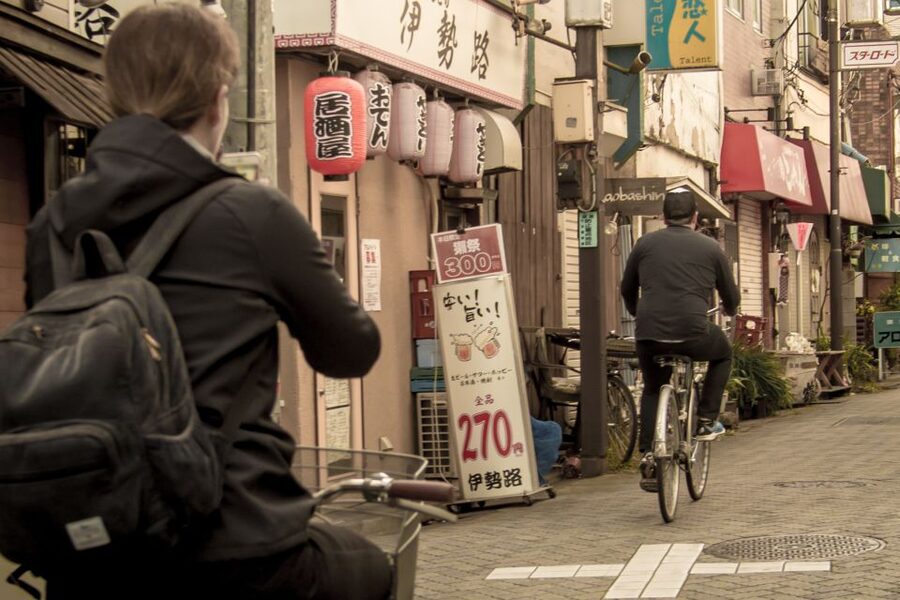
Tokyo looks different from the seat of a mamachari bicycle, the sturdy, slightly old-fashioned bikes used by local residents. This 3.5-hour ride takes you through Nakano, Koenji, and Asagaya, where narrow lanes, neighborhood shops, riverside paths, and everyday food replace the usual Tokyo postcard sights.
I like the way guide Andy explains small details that are easy to miss, from bicycle parking systems to vending-machine drinks and local customs. I also like the food plan: two street eats, a simple local lunch, and one bottled drink are included, so you can focus on the ride instead of hunting for meals. The main drawback is that you need to be comfortable cycling 12 to 15 kilometers through occasional crowds, tight streets, and uneven surfaces, often in weather that may not be dry.
In This Review
- Key points at a glance
- Why cycling west Tokyo changes the view
- Meeting Andy at Koenji Station
- Getting used to the mamachari
- Nakano, Koenji, and Asagaya by bicycle
- Food stops that make the ride worthwhile
- Tokyo cycling culture in plain sight
- What the pace and weather really mean
- Who gets the most from this tour
- Is $110 a fair price?
- Booking and practical details
- Should you book the west-side cycling and food tour?
- FAQ
- Where does the Tokyo cycling and food tour start?
- How far is Koenji Station from Shinjuku and Shibuya?
- How early should I arrive?
- How long does the experience last?
- How far will I cycle?
- What food and drinks are included?
- Are bicycle parking and insurance included?
- Can people with food allergies or vegan diets join?
- What happens if it rains?
Key points at a glance
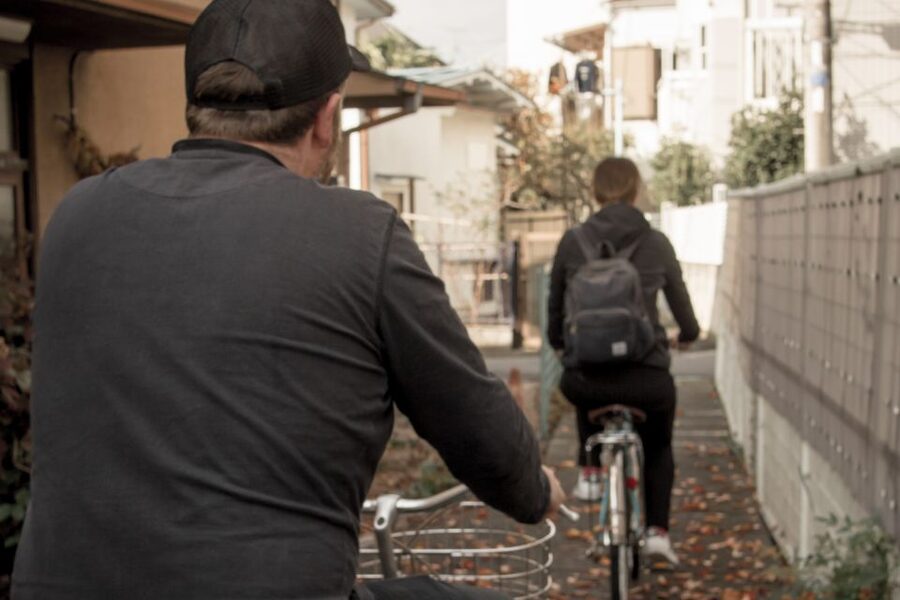
- Ride a real mamachari bike: These practical city bicycles have front baskets and are maintained for the tour, though some may feel creaky or squeaky.
- See three west Tokyo neighborhoods: Nakano, Koenji, and Asagaya offer a more residential view of the city than the major central districts.
- Eat like a local: The tour includes two street food items, a simple lunch, and a bottled drink.
- Learn how Tokyo works: Andy focuses on ordinary habits, cycling rules, food customs, architecture, and neighborhood life.
- Expect a steady but active outing: The ride covers about 7.5 to 9.5 miles at a leisurely pace, with walking and food stops mixed in.
- Start at Koenji Station: The meeting point is just outside the JR ticket gates, and the tour leaves on time.
Why cycling west Tokyo changes the view
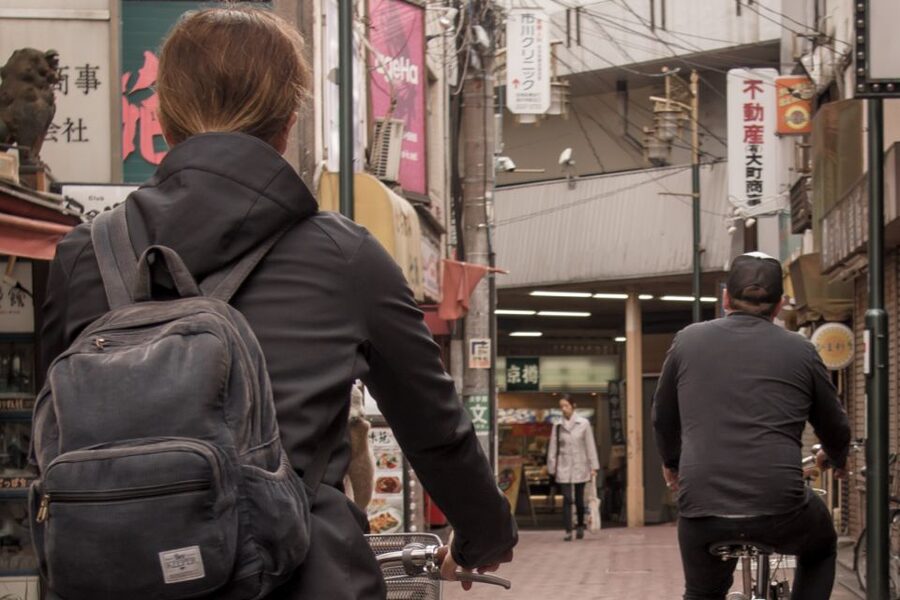
Central Tokyo can feel like a city of famous crossings, department stores, towers, and packed train stations. West Tokyo gives you a different rhythm. The streets twist. Houses sit close to small shops. A quiet lane can appear just beyond a busy activity hub. You are still in one of the world’s largest cities, but the scale drops to the level of bicycles and pedestrians.
That is the real value here. You are not simply being transported between attractions. You are moving through the spaces where ordinary city life happens. The guide can point out details that would otherwise pass in a blur, then explain why they matter.
The route uses back streets, riverside bike paths, and local areas around Nakano, Koenji, and Asagaya. These districts are known in the tour for their distinct local character, but the experience is not built around a long list of formal sights. It is about how the neighborhoods fit together and how people use them.
I especially like this approach for a second or third day in Tokyo, once you have seen the big sights and want to understand the city at ground level. It also works well near the beginning of a Japan trip because Andy can help you make sense of small customs and everyday food.
A few more Tokyo tours and experiences worth a look
Meeting Andy at Koenji Station
The tour begins outside the ticket gates at Koenji Station, on the JR train network. Koenji is six minutes from Shinjuku and about 18 minutes from Shibuya, so the meeting point is easy to reach from major parts of Tokyo.
You should arrive early. The guide waits directly outside the gates five minutes before departure, wearing a baseball cap, and the tour leaves on time. This is not a flexible hop-on experience. If you are late, the group may already be cycling away.
Andy is an English-speaking guide and an Australian transplant with a long connection to the area. That background gives the tour an appealing mix of local insight and clear explanation. He can answer questions about Japanese habits and society without assuming you already understand the context.
The group may be private or small, depending on the booking. That matters on a bicycle tour. A smaller group is easier to keep together on narrow streets, and it should give you more chances to ask about the things you notice.
Getting used to the mamachari
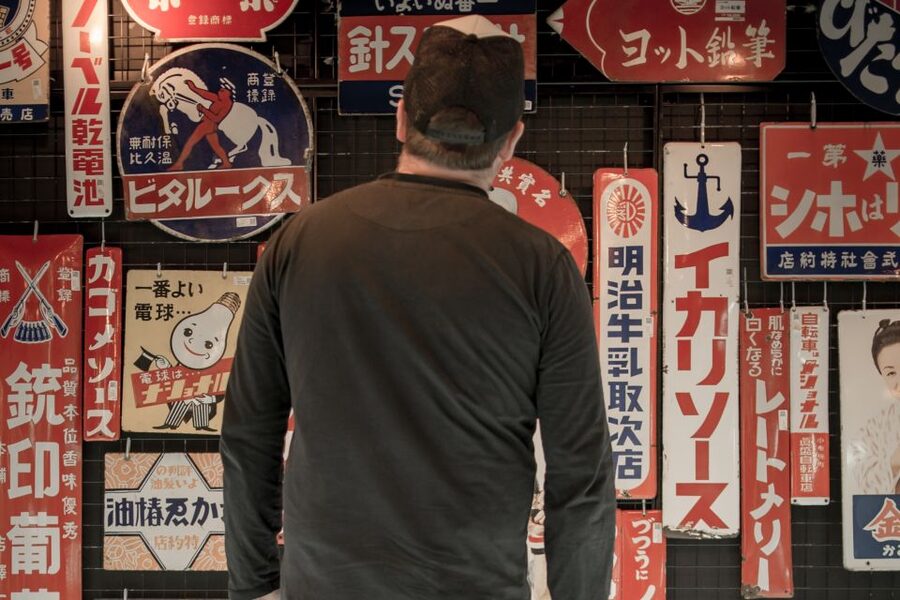
The bicycle is part of the experience, not just a way to cover ground. A mamachari is a practical Japanese city bike, usually with an upright riding position and a basket at the front. The bikes used here are salvaged but carefully maintained, according to the tour details and firsthand descriptions of the ride.
You should not expect sleek road bikes or high-performance cycling equipment. That is a good thing for this route. The upright design suits a slow ride through neighborhoods, and the basket is useful for small personal items. Still, the occasional squeak or creak is part of the character.
The tour expects competent bicycle handling. You may ride on narrow and crowded streets, uneven surfaces, and paths where quick turns are needed. One account of the outing described sharp turns, while another specifically praised the bikes as easy to ride even in very small alleys.
I would not choose this activity if you are nervous on a bicycle or have not ridden in traffic for years. You do not need to be a serious cyclist, but you should be able to steer, stop, and stay alert without constant help. The listed minimum height is 140 centimeters, and children under 10 are not accepted.
Nakano, Koenji, and Asagaya by bicycle
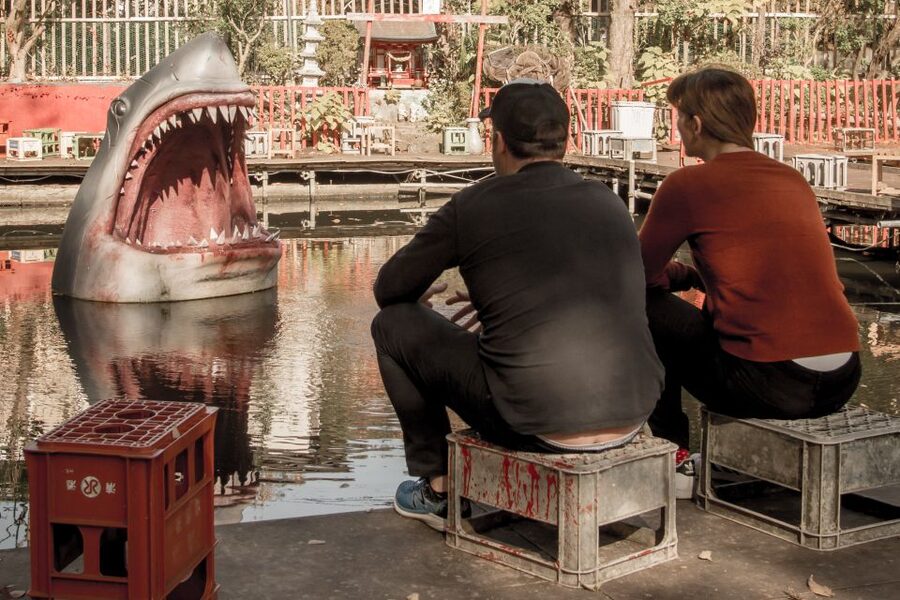
The route connects three west-side neighborhoods, each offering a slightly different look at local Tokyo. The experience does not promise a fixed menu of monuments, and that is part of its charm. You are looking at streets, shops, architecture, food, and patterns of daily life.
Nakano gives you a busy local activity center before the route turns into quieter streets. Koenji has a more informal feel, with side roads and neighborhood life close to the station area. Asagaya adds another layer of residential Tokyo. Together, the three districts show how quickly the city can change from crowded to calm.
The back streets are the main attraction. You might pass modest homes, small businesses, local cycling facilities, and places that have little reason to appear in a standard sightseeing program. Andy’s commentary helps turn these ordinary scenes into useful cultural information.
The tour also includes local architectural points of interest. No full architectural list is provided, so you should think of these as discoveries along the route rather than major buildings with formal admissions. The benefit is that you see how the neighborhoods are shaped, not just a single celebrated structure.
The route is leisurely, but 12 to 15 kilometers is still a meaningful distance. The cycling is balanced with walking, food, and conversation, yet your legs will know you have spent the morning or afternoon moving. Wear comfortable clothing and shoes, and bring tissues or hand sanitizer as advised.
Food stops that make the ride worthwhile
Food is not an afterthought. The package includes two popular street food items, a simple local lunch, and one bottled drink. The exact food selection is not specified, so you should come ready for the guide’s chosen local options rather than expecting to select from a menu.
The lunch stop may be a small noodle bar, where you sit at limited counter space alongside local workers. That setting is valuable because it shows how everyday meals happen in Tokyo. You are not being served a special performance of Japanese food culture. You are taking a practical break in the middle of a neighborhood ride.
The street food adds variety. Sweet treats are included among the possible stops, and the experience also gives you a chance to ask about familiar but confusing items. Andy has been particularly helpful with vending-machine drinks, including the small choices that can puzzle a first-time visitor.
There is an important limitation: the tour does not cater to personal tastes, dietary requirements, or allergies. It is not suitable for vegans or people with food allergies. If you have strict food needs, this is a reason to skip the tour rather than hope the menu can be changed.
The included food improves the value of the $110 price, especially in Tokyo, where separate snacks, lunch, and drinks can add up. You are also paying for the bicycle, parking fees, insurance, and a guide for three and a half hours. It is not the cheapest way to see a neighborhood, but it is a fairly complete half-day activity.
A few more Tokyo tours and experiences worth a look



Tokyo cycling culture in plain sight
One of the more unusual parts of the experience is learning how bicycles fit into Tokyo’s urban system. You will see and use bicycle parking arrangements, with the parking fees included in the ticket price.
That detail may sound minor, but it helps explain a city where space is carefully managed. Tokyo cycling is not about racing through traffic. It is a practical way to connect homes, stations, shops, and local streets. The mamachari lets you take part in that system for a few hours.
The guide can also explain how everyday rules and habits shape the ride. You learn by doing: slowing for tight corners, sharing space, parking correctly, and moving through streets designed for many kinds of users.
Cycling gives you more control than a bus and more range than walking. You can cover three neighborhoods while still noticing small details. The trade-off is that you must pay attention. This is active sightseeing, not a ride where you sit back and let someone else handle every movement.
What the pace and weather really mean
The tour operates year-round and generally continues in the rain. This is important. Tokyo weather can change, and the experience is outdoors for most of its 210 minutes. Bring clothing that can handle getting wet, and do not book this as a backup plan for a stormy day unless you are comfortable with that possibility.
The pace is described as leisurely, but the route can still feel demanding in heat, humidity, or rain. The tour mixes cycling and walking, which gives you some variation, but there is no promise of a climate-controlled break.
The best preparation is simple: wear shoes that work for both pedaling and walking, carry only what you need, and bring tissues or hand sanitizer. You are also asked to bring a garbage bag, likely so you can keep personal waste with you during the ride.
This outing suits people who want contact with the city and do not mind a little physical effort. It is less suited to anyone seeking a polished, weather-proof sightseeing program.
Who gets the most from this tour
I would recommend it to curious first-time visitors who want more than the main Tokyo districts. It is also a strong choice for repeat visitors who have already seen the major sights and want a closer look at residential neighborhoods.
Food-focused travelers will appreciate the built-in lunch and street snacks, provided they have no dietary restrictions. People interested in Japanese social customs will get plenty from Andy’s explanations, especially if they ask questions.
The tour is a good match for couples, friends, and small groups who enjoy informal conversation. Families should note the age and height rules: children must be at least 10, and riders should be over 140 centimeters tall.
I would avoid booking it if you dislike bicycles, struggle with narrow streets, need guaranteed food substitutions, or want a tour centered on famous landmarks. The experience is strongest when you value local atmosphere over a checklist of sights.
Is $110 a fair price?
At $110 per person, the cost is not trivial. Tokyo has many inexpensive ways to explore a neighborhood, including walking and using the train. If you only want transportation from point A to point B, you can spend less.
The price makes more sense when you count the pieces together. You get a bicycle, bicycle parking, cycling liability insurance, an English-speaking guide, two street foods, a local lunch, and a bottled drink. You also get three and a half hours of route planning and cultural explanation in districts that can be difficult to approach with confidence on your own.
The strongest value is the access to context. A bicycle rental alone will not tell you why a parking system works a certain way, which local foods to try, or how the neighborhoods connect. Andy’s role is to make those details usable.
For me, the tour earns its price if you want a guided introduction to everyday west Tokyo. It is less good value if your main goal is exercise or if you already know these districts well.
Booking and practical details
Cancellation is free up to 24 hours before the start for a full refund, and you can reserve now and pay later. Check the available start times when booking because the duration is fixed at 210 minutes.
Bring your passport or another ID card. The tour includes liability insurance, but that does not remove the need to ride carefully. The guide speaks English, and private or small-group formats are available.
Most important, reach Koenji Station before the meeting time. Find the guide outside the ticket gates, look for the baseball cap, and introduce yourself. A punctual start matters because the group cannot wait indefinitely on a bicycle tour.
Should you book the west-side cycling and food tour?
Book it if you want to see Tokyo through ordinary streets, eat a simple local meal, and learn how the city works from an engaging guide such as Andy. The combination of cycling, walking, snacks, and conversation gives you a useful sense of Nakano, Koenji, and Asagaya that is hard to gain from a train window.
Skip it if you need vegan or allergy-friendly food, dislike cycling in tight spaces, or want a major-sights tour. For an active visitor who values local detail, the included food and equipment make $110 reasonable, and the experience can become one of the more memorable ways to understand Tokyo beyond its famous center.
FAQ
Where does the Tokyo cycling and food tour start?
It starts outside the ticket gates at Koenji Station on the JR train network.
How far is Koenji Station from Shinjuku and Shibuya?
Koenji Station is about six minutes from Shinjuku and 18 minutes from Shibuya by train.
How early should I arrive?
The guide waits outside the ticket gates five minutes before the start. The tour departs on time, so arrive early enough to find the meeting point.
How long does the experience last?
The tour lasts 210 minutes, or three and a half hours.
How far will I cycle?
You should be prepared to ride roughly 12 to 15 kilometers, or about 7.5 to 9.5 miles, at a leisurely pace.
What food and drinks are included?
The price includes a simple local lunch, two popular street food items, and one bottled drink.
Are bicycle parking and insurance included?
Yes. Bicycle parking fees and cycling liability insurance are included.
Can people with food allergies or vegan diets join?
No. The tour does not cater to personal tastes, dietary requirements, or allergies, and it is not suitable for vegans or people with food allergies.
What happens if it rains?
The tour generally proceeds in the rain, so you should be prepared to get wet. It is an outdoor activity and may be affected by weather conditions.
More Cycling Tours in Tokyo
More Food Experiences in Tokyo
More Tokyo Food Tours in Tokyo
More tours in Tokyo we've reviewed




Tokyo Food Tours, compared.
 ★ 5.0Tokyo: Shinjuku Food Tour (13 Dishes at 4 Local Eateries)From $86
 ★ 4.9Tokyo: Shinjuku Food Tour (15 Dishes and 4 Eateries)From $853 hours
 ★ 5.0Best of Shinjuku: Izakaya Food Tour (4 Stops, 14+ Tastings)From $92
 ★ 5.0Tokyo Night Foodie Tour in Shinjuku – Seasonal Sushi, Wagyu BeefFrom $111
 ★ 5.0Eat and Drink Like a Local: Tokyo Ueno Food Tour-Taverns&RamenFrom $95
 ★ 5.0Tokyo: Shibuya Food Tour (13 dishes and 4 Eateries)From $77