
Reviewed · SHIBUYA TOURS
Tokyo Walk through: Shinjuku, Harajuku, Omotesando & Shibuya
Tokyo can feel like several cities stitched together, and this four-hour walk gives you a useful introduction to four of its most distinctive districts. You move from the huge transport hub of Shinjuku to youthful Shibuya and Harajuku, then into the polished streets of Omote Sando. The real value is not simply seeing famous places. It is learning how these areas fit together and how to use Tokyo with more confidence.
I like the small group of up to eight, since it gives the guide room to adjust the walk. I also like the personal touch reported by several guests: Hiroshi explained train use and daily life, while Tina helped a couple order ramen before leaving them to continue their evening. The main caution is the pace. Four hours on foot across several districts is a lot, and the activity notes both wheelchair access and that it may not suit people with mobility impairments. Ask for clarification before booking if that matters to you.
In This Review
- Key points to know before you book
- Starting at Shinjuku’s Gucci meeting point
- Shinjuku after the war: shops, food, and city scale
- A quiet hour at Shinjuku Gyoen
- Shibuya and Tokyo’s modern youth culture
- Harajuku and Takeshita-dori
- Omote Sando: polished avenues and backstreet style
- What the four-hour format does well
- Walking demands, group size, and practical advice
- Who should book this Tokyo walk?
- Should you book it?
- FAQ
- How long does the Tokyo walk last?
- Where does the tour begin?
- Which Tokyo areas are included?
- Is Shinjuku Gyoen included?
- What language is the tour conducted in?
- How large is the group?
- Are food and drinks included?
- How much walking is involved?
- Can I cancel for a refund?
Key points to know before you book
- Four districts in four hours: Shinjuku, Shibuya, Harajuku, and Omote Sando each offer a different side of Tokyo.
- A flexible walking route: Guides can shape the outing around food, shopping, culture, trains, or daily life.
- Shinjuku Gyoen included: Weather permitting, you get a quiet garden break amid central Tokyo.
- Small group format: The maximum of eight people is better for questions and route changes than a large coach tour.
- English-speaking guides: Past bookings were led by Hiroshi, Tina, Renault, and Scott, depending on the date.
- Bring good shoes: The tour covers a lot of ground, and meals, drinks, shopping, and transport to the meeting point cost extra.
Starting at Shinjuku’s Gucci meeting point
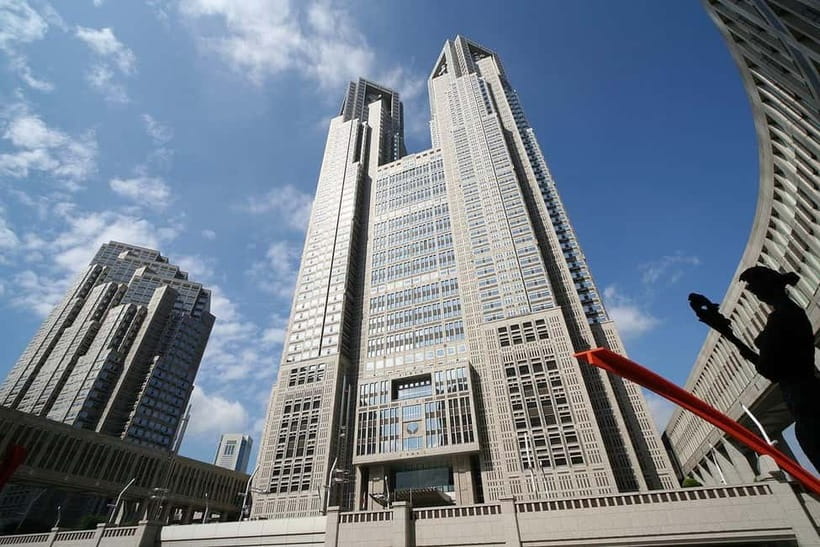
The walk begins in front of the Gucci Shinjuku M Square Store. This is a clear urban meeting point, but Shinjuku is enormous, so give yourself time to reach it. You will not want to arrive breathless after navigating Tokyo’s famously busy rail corridors.
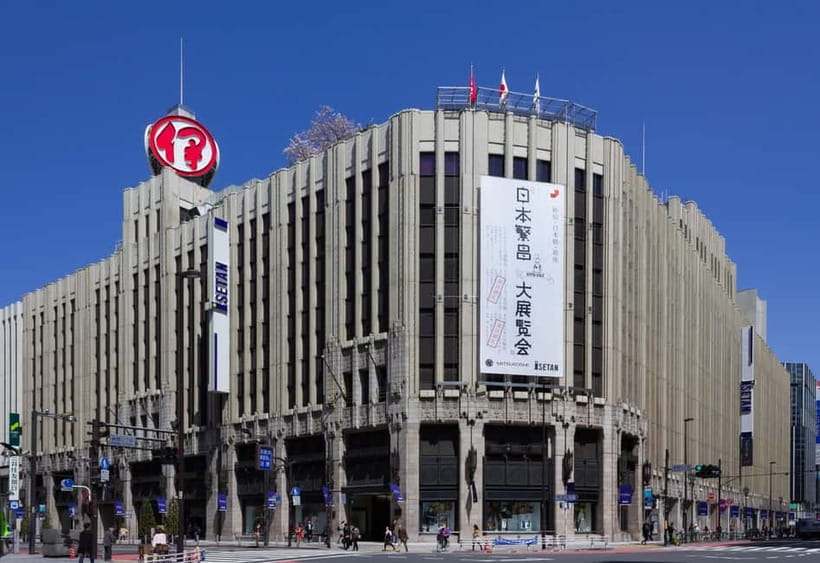
Shinjuku is a smart place to begin because it shows Tokyo at full volume. Its station is widely known as the busiest in the world, and the surrounding district mixes department stores, chain shops, restaurants, bars, entertainment, office towers, and side streets. A guide can help you read this apparent disorder instead of merely leading you through it.
The tour also gives useful postwar context. As Tokyo grew, planners developed major hubs such as Shinjuku and Shibuya to handle a larger population and changing city life. That background helps explain why these districts feel less like traditional neighborhoods and more like linked centers of work, shopping, transport, and leisure.
I would pay close attention here if this is your first day in Tokyo. The guide may help you understand train entrances, station habits, and the basic rhythm of the city. Hiroshi was specifically praised for explaining how to use the train, which can be worth the price by itself if Tokyo rail maps still look like colorful spaghetti.
A few more Tokyo tours and experiences worth a look



Shinjuku after the war: shops, food, and city scale
The Shinjuku portion lasts about an hour. Expect a guided walk through the district’s main streets and eating and drinking areas, with time for art and cultural details that are easy to miss when you are focused on traffic signals and station signs.
This is not a quiet, old-Tokyo experience. Shinjuku is modern, commercial, and energetic. You will see mainstream shopping alongside food streets and entertainment zones. The appeal is range: in a short span, you can get a sense of how Tokyo combines ordinary errands, high-end retail, nightlife, and public transport.
The guide’s role matters here. A simple route through Shinjuku can become a succession of large signs and crowded crossings. A good guide gives those sights meaning by pointing out how the district functions and where local life is tucked into the larger commercial center.
You may also get advice about places to eat later. Tina helped guests order ramen at the end of the walk, a practical service that turns sightseeing into a usable evening plan. Still, meals are not included, so you should budget separately for food and drinks.
A quiet hour at Shinjuku Gyoen
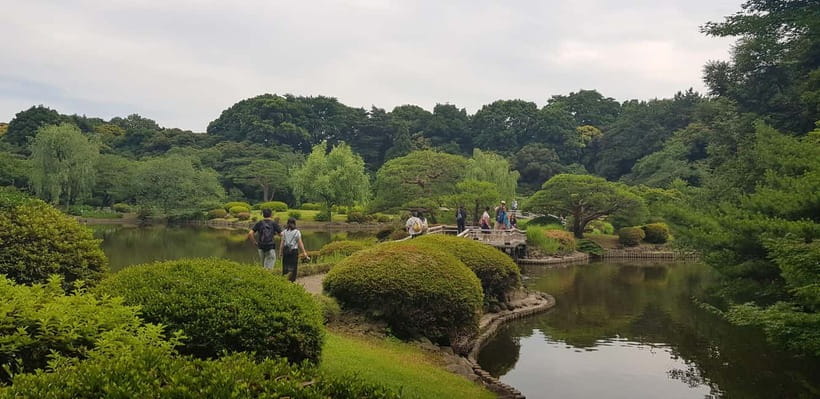
When the weather is decent, the walk includes Shinjuku Gyoen. This garden is one of the tour’s best contrasts. After the hard edges, signs, shops, and rail traffic of Shinjuku, you enter a slower setting with several garden styles and different approaches to planting and design.
The visit is weather dependent, so treat it as an intended stop rather than an absolute guarantee. Rain, poor conditions, or timing may change the route. Wear clothing suited to the forecast and bring shoes you can use comfortably for several hours.
Shinjuku Gyoen also gives the guide a chance to explain another side of Tokyo. The city is not only towers and shopping arcades. Parks and gardens offer breathing room, and this stop lets you see how carefully planned open spaces sit within central Tokyo.
If gardens are a major reason you book, keep your expectations measured. The tour is not a dedicated garden visit, and the full four-hour route must also cover other districts. You get an introduction and a restful pause, not an extended botanical tour.
Shibuya and Tokyo’s modern youth culture
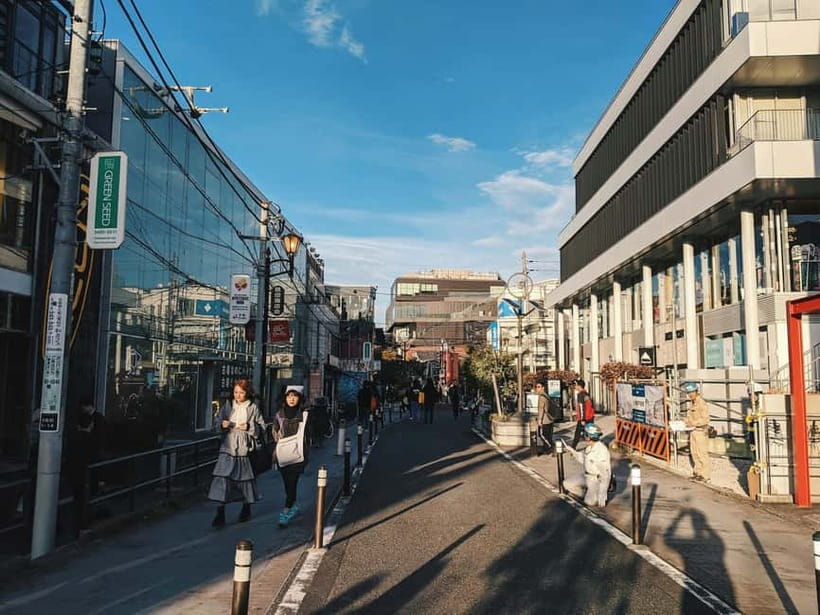
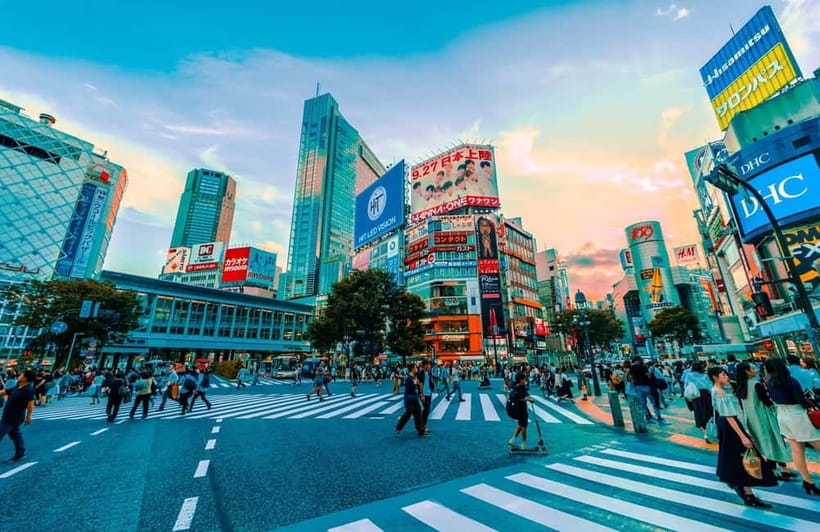
The route continues toward Shibuya, a center of modern Japanese culture and youth style. The area is known for its strong visual energy, fashion, music, food, and constant movement, but this tour aims to show more than the most obvious photo stop.
The description of Shibuya points to a mild avant-garde feel rather than anything extreme. That is useful framing. You can expect contemporary Tokyo with a playful edge, but not necessarily a night of clubbing or a specialist fashion lecture. The guide may point out smaller places and everyday details that help explain why young Tokyo residents gather here.
This is one of the places where a tailored tour earns its keep. Tell the guide what interests you. If you care about clothing, ask for more style-focused stops. If you want food, say so early. If you are trying to understand daily life, make that clear. Past guides adjusted the outing to personal interests, and that flexibility is a core strength.
The route may also help you connect Shibuya with the other districts rather than treating each as an isolated attraction. Shinjuku feels like a major urban hub. Shibuya leans younger and more fashion-conscious. Harajuku is more openly pop-oriented. Omote Sando presents a controlled, polished version of style. Seeing them in one walk makes those differences easier to grasp.
Harajuku and Takeshita-dori
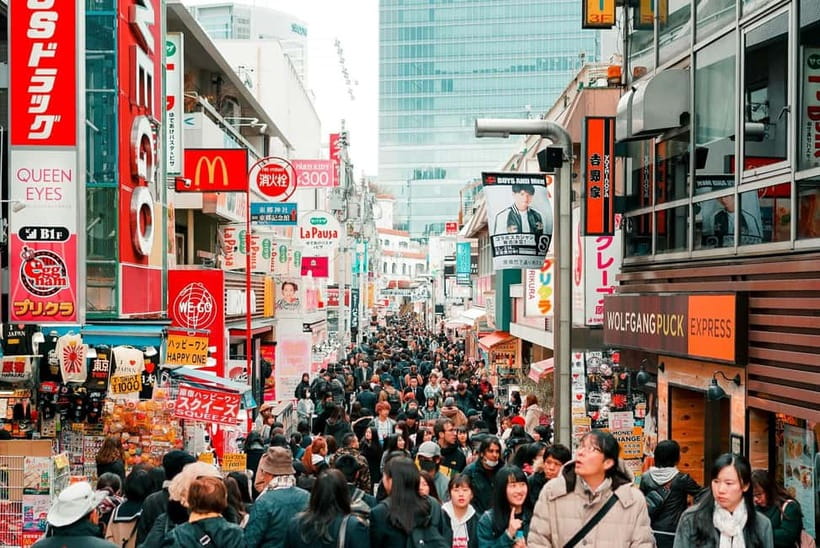
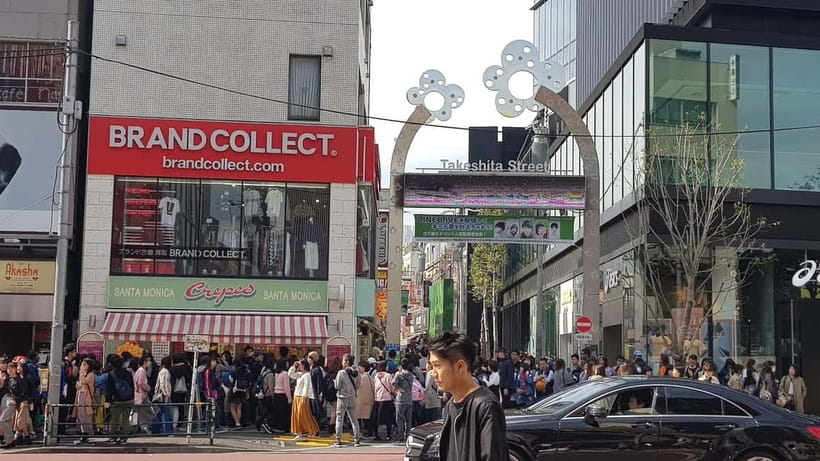
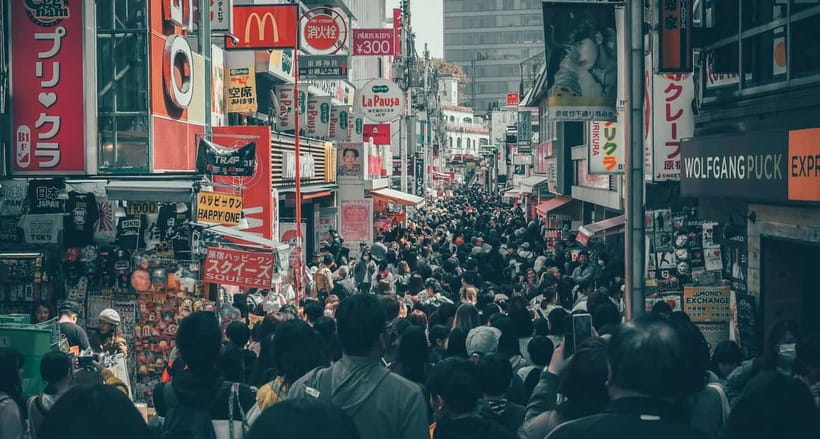
Harajuku brings a sharper change in tone. Takeshita-dori is aimed largely at the 12 to 16 age market and presents Japanese pop culture in an unusually direct form. Expect youthful fashion, bright storefronts, novelty goods, and a sense of experimentation that can feel far removed from the more restrained luxury of Omote Sando nearby.
The attraction is not only shopping. Takeshita-dori shows how Japan’s youth culture gets packaged, sold, and displayed in public. If you are interested in pop culture, fashion, or the way teenagers shape commercial districts, this is an important stop.
It can also be intense. The street is designed for browsing and buying, not for quiet reflection. The tour includes cultural and shopping exploration, but your personal purchases are not covered. I would avoid planning a major shopping haul during the walk unless you are comfortable carrying bags for the rest of the route.
Families should also think about fit. The area may be entertaining for some children and teenagers, while adults seeking temples, old wooden homes, or traditional crafts may find it more commercial than expected. The guide can help add context, but the neighborhood’s appeal is firmly modern.
A few more Tokyo tours and experiences worth a look





Omote Sando: polished avenues and backstreet style
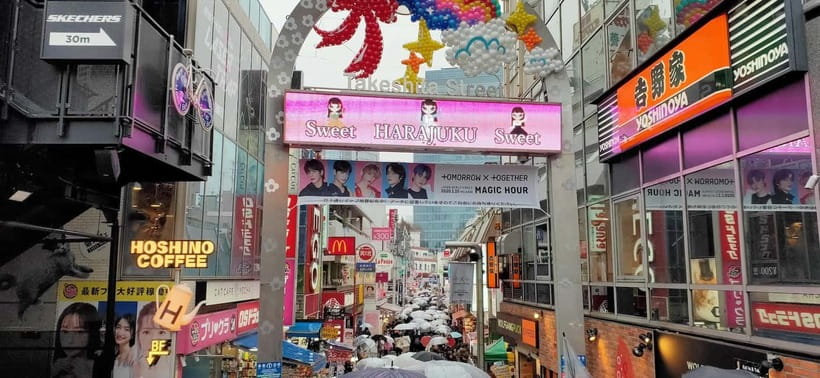
Just across from Harajuku’s youthful retail scene, Omote Sando offers a calmer and more expensive face of Tokyo. The main avenue is associated with luxury brands and understated wealth, while the surrounding lanes can hold smaller fashion shops and more individual finds.
That contrast is one of the strongest reasons to choose this route. In a single afternoon, you can see pop culture aimed at teenagers, high-end retail aimed at affluent shoppers, and the ordinary streets connecting them. Tokyo’s style is not one fixed thing. It shifts block by block.
I like the fact that the walk does not stop at famous storefronts. The backstreets are part of the appeal, especially if you want a feel for how the district works beyond its broad avenue. Do not expect personal shopping expenses to be included, and remember that the guide’s suggestions are not a substitute for your own budget planning.
Omote Sando can also be a useful final district because it is less frantic than the busiest parts of Shinjuku and Shibuya. You may finish with ideas for shopping, food, or further exploration. Tina’s help with a ramen order shows how the guide may also help you turn the end of the tour into a practical dinner plan.
What the four-hour format does well
At $67 per person, this is not the cheapest way to walk around Tokyo. You can visit public streets and many districts without paying a tour fee. The question is what you want the fee to accomplish.
For that price, you receive four hours with an English-speaking guide, a small group capped at eight, a route through four major districts, cultural explanation, and a visit to Shinjuku Gyoen when conditions allow. That is fair value if you want orientation, local context, and a flexible introduction rather than a list of photo stops.
The format is especially useful at the start of a Tokyo visit. You can learn how the districts connect, ask about train use, get food suggestions, and then return to the places that interest you most. Seanathon described the walk as a good way to begin a Tokyo stay, and I can see why. A first-day guide can remove some of the friction from a very large city.
There are limits. Four hours is short for four districts, particularly when walking, explanations, photographs, and occasional stops all compete for time. You will get a broad introduction, not an exhaustive tour of each neighborhood. If you prefer slow museum visits or long meals, this is not the right structure.
The informal style may also vary by guide. Renault was described as friendly and willing to shape the outing around personal interests. Scott was thanked for sharing his time and knowledge after a rough start. The overall experience appears to depend partly on the individual guide and how clearly you explain what you want.
Walking demands, group size, and practical advice
Wear comfortable shoes. That is not a polite suggestion here. The walk covers several districts and includes busy urban streets, garden paths, and likely station-area walking. Weather can change, so bring clothing suited to the day.
Photography is allowed, but you should follow restrictions in particular places. Ask before photographing people, shops, or areas where signs request privacy. Your guide can help you avoid awkward mistakes.
The group size is limited to eight, which is a useful middle ground. You get more personal attention than on a large group outing, but you may still share the route with other people. The experience is described as tailored, not fully private, so do not assume the guide can follow every individual request.
The activity information calls the tour wheelchair accessible but also says it is not suitable for people with mobility impairments. That is a meaningful contradiction. If you use a wheelchair, walk slowly, or need step-free access, contact the provider before paying and ask exactly which streets, garden areas, and facilities are included.
Cancellation is flexible up to 24 hours before the start for a full refund, and you can reserve now and pay later. Those terms help if your Tokyo plans are still shifting, but they do not change the physical demands of the outing.
Who should book this Tokyo walk?
I would recommend it to first-time Tokyo visitors who want a broad introduction without spending a full day on a bus. It also suits you if you enjoy asking questions, comparing neighborhoods, and getting practical tips about trains, food, and local customs.
It is a good match for shoppers who want several styles in one route: mainstream Shinjuku, youthful Harajuku, contemporary Shibuya, and luxury-focused Omote Sando. Food lovers may also benefit from guide suggestions, though meals and drinks are extra.
I would hesitate if you dislike city walking, want a traditional Tokyo focus, or prefer to explore one district slowly. The route is modern and commercial, with a garden break rather than a long temple or museum visit. It is also less suitable if mobility is a concern unless the provider confirms the exact access arrangements.
Should you book it?
Book this walk if you want Tokyo explained as a living city rather than simply photographed. The strongest features are the small group, flexible guide-led format, useful train and daily-life advice, and sharp contrast between Shinjuku, Shibuya, Harajuku, and Omote Sando.
Skip it if you already know these districts well or would rather spend $67 on shopping and meals. For a first or second day in Tokyo, though, the combination of orientation, culture, gardens, food advice, and neighborhood comparison makes the price reasonable. Tell the guide your priorities at the start, wear serious walking shoes, and treat Shinjuku Gyoen as weather dependent.
FAQ
How long does the Tokyo walk last?
The tour lasts four hours.
Where does the tour begin?
You meet in front of the Gucci Shinjuku M Square Store.
Which Tokyo areas are included?
The guided walk covers Shinjuku, Shibuya, Harajuku, and Omote Sando.
Is Shinjuku Gyoen included?
Yes, the tour includes a visit to Shinjuku Gyoen Garden when the weather is suitable.
What language is the tour conducted in?
The live tour guide speaks English.
How large is the group?
The group is limited to eight participants.
Are food and drinks included?
No. Meals and drinks are not included, and personal shopping expenses are also separate.
How much walking is involved?
The tour involves a fair amount of walking, so comfortable shoes are recommended.
Can I cancel for a refund?
Yes. You can cancel up to 24 hours in advance for a full refund. You can also reserve now and pay later.
More Walking Tours in Tokyo



More Shibuya Tours in Tokyo
More Shinjuku Tours in Tokyo


More tours in Tokyo we've reviewed








Shibuya Tours, compared.
 ★ 5.0Official Street Go-Kart in ShibuyaFrom $76
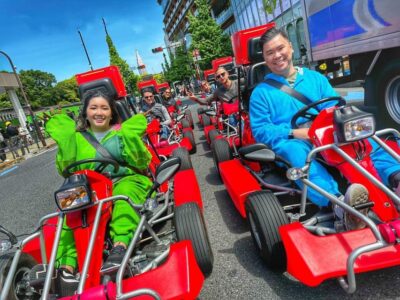 ★ 4.9Tokyo: Street Kart Experience in ShibuyaFrom $741 hour
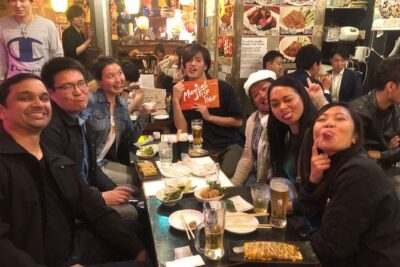 ★ 5.0Shibuya Meltdown Nightlife Tour: All-You-Can-Drink Bar HoppingFrom $106
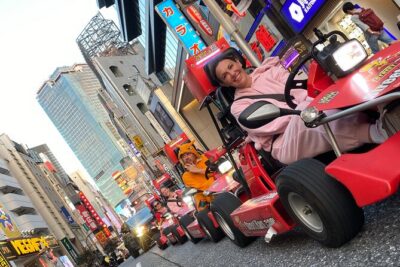 ★ 5.0Shibuya Official Street Go-Kart in Shibuya AnnexFrom $69
 ★ 5.0Tokyo: Shibuya Food Tour (13 dishes and 4 Eateries)From $77
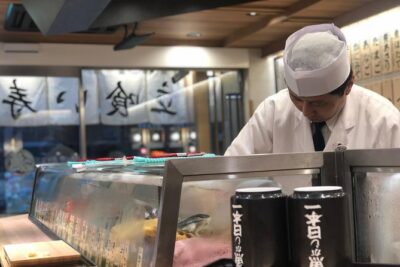 ★ 5.0Best of Shibuya Food TourFrom $217