
Reviewed · TOKYO
Outdoor Escape Room in LA – Little Tokyo
The city becomes the escape room here. You and up to five teammates search Little Tokyo for real-world clues, study landmarks, solve codes, and enter answers into an app that sends you to the next point. I like the mix of puzzle-solving and neighborhood discovery, plus the private format, which lets your group set its own pace. The main catch is simple: if your team dislikes walking, phone-based clues, or getting stuck on a puzzle, this may feel more demanding than a standard indoor escape room.
I also like the value. One $75 booking covers a group of up to six, so a full team pays about $12.50 per person before any booking fees. You will not get a guide walking beside you, and the non-refundable booking policy calls for careful planning, but the game offers a playful way to see Little Tokyo that is more active than a standard sightseeing walk.
In This Review
- Key points at a glance
- A secret-agent mission across Little Tokyo
- Why the Little Tokyo setting adds value
- How the two-hour route unfolds
- The physical box and app partnership
- What the puzzles feel like in practice
- A family outing with enough challenge
- What to know about walking and timing
- Is $75 a good deal?
- Who will enjoy this most?
- Should you book the Little Tokyo mission?
- FAQ
- Where does the outdoor escape room begin?
- Where does the activity end?
- How long does the experience last?
- How much does the activity cost?
- Do I need to buy a ticket for each person?
- Is this a private activity?
- Do I need to use an app?
- Are hints available if my group gets stuck?
- Is the activity refundable or changeable?
Key points at a glance
- The streets are the game board: Solve clues at real locations around Little Tokyo instead of sitting in one escape-room venue.
- One ticket covers six people: The $75 group price works best for families and friend groups.
- A physical box works with the app: You use both hands-on materials and phone-based answers during the mission.
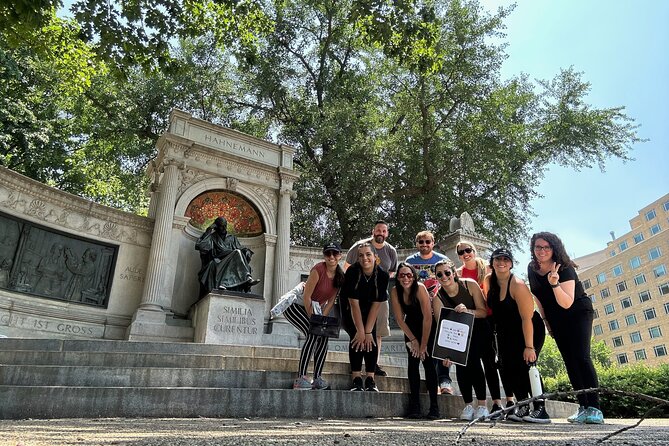
- The route includes local landmarks: The game can bring you to places such as Biddy Mason Memorial Park and other spots you might otherwise pass.
- Hints keep the game moving: The puzzles range from easy to challenging, and help is available if your group stalls.
- Plan about two hours: The route is described as a manageable walk, but your time depends on experience and how long you explore.
A secret-agent mission across Little Tokyo

The story sends your group undercover for the Chronos Agency. A ring of double agents has infiltrated the agency, and your job is to expose them before the operation fails.
That plot gives the walk a clear purpose. You are not simply following a list of directions or checking off sights. Each location becomes part of the mission, and each solved puzzle should point you toward the next one. The theme is playful rather than heavy, so it works for a family afternoon as well as a group of adults who already enjoy escape rooms.
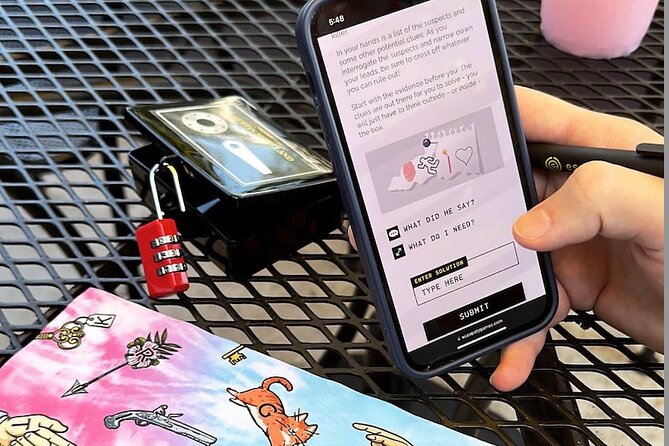
The game begins in Little Tokyo and ends back at the meeting point. You receive a physical box of clues and use an app to enter solutions and find out where to go next. This combination matters. The box gives you something tangible to handle, while the app keeps the route and answers organized.
You should expect to spend much of the experience looking carefully at your surroundings. A sign, memorial, building detail, or public feature may matter in a way it normally would not. That habit of looking closely is one of the best parts of the design.
Why the Little Tokyo setting adds value
Little Tokyo works well for this kind of activity because the route turns ordinary city details into puzzle material. A place you might normally photograph and walk past can become the answer to a code. That gives you a reason to slow down and notice things.
One location specifically connected with the experience is Biddy Mason Memorial Park. The game uses landmarks as part of its clues, and the route can introduce you to places you have never seen, even if you already know Downtown Los Angeles.
That makes this more than an indoor escape room with a scenic backdrop. The neighborhood itself provides the material. You may also learn new facts about locations you have visited before, since the puzzles encourage you to inspect them rather than glance and move on.
There is a tradeoff. The game depends on real public places, so the experience is not as controlled as a room built for puzzles. City noise, pedestrians, distractions, or a missed detail can slow your group down. That uncertainty is part of the outdoor format, but it means you should bring patience and pay attention to your surroundings.
How the two-hour route unfolds
The exact sequence of stops is not provided in advance, and that is part of the game. You start at the Little Tokyo meeting point with the physical materials, then work through the opening clues before heading to the next real-world location.
Early puzzles can help your group learn the system. You may need to decide who reads the instructions, who studies the box, who checks the surroundings, and who enters answers into the app. A group that shares those jobs will usually move more smoothly than six people all staring at the same clue.
As the mission develops, the puzzles use a mix of difficulty levels. One experienced escape-room player rated the game highly for its variety of easy, medium, and challenging puzzles, along with puzzle mechanisms that felt different from those in many indoor rooms.
That range is useful for mixed groups. A beginner can enjoy quick wins, while an experienced player may have to stop and think when a harder mechanism appears. The risk is that a difficult clue can hold up the whole group. Hints are available throughout, so use them before frustration takes over. Asking for help is not failure here. It keeps the story moving and lets you see more of Little Tokyo.
The walk remains manageable and the full activity takes about two hours for many groups. Your time can vary with experience and with how much time you spend looking around. If you are new to escape rooms, allow the full two hours. If you solve quickly, you may have extra time to explore the neighborhood after finishing.
The physical box and app partnership

The two-part setup is worth understanding before you book. This is not only a phone game, and it is not only a box of locks and riddles.
The physical box gives the group a shared object to examine. You may sort clues, test ideas, and compare observations around it. That creates the familiar teamwork of an indoor escape room, but the answer usually connects to something outside the box.
The app handles the responses and directs you onward. It tells you if a solution works and reveals where to go next. This keeps the group from needing a guide at every stop, but it also makes a working phone and a charged battery important practical concerns.
The app-led format gives you privacy. Since this is a private activity, only your own group participates. You do not have to solve puzzles beside strangers or match another group’s pace. Six people can also divide attention across the box, the app, and the location.
Two people can play, too, but the value changes. At $75 per group, a pair pays more per person than a full group. Couples who enjoy escape rooms may still like the focused teamwork, while families and friend groups get the strongest financial value.
What the puzzles feel like in practice
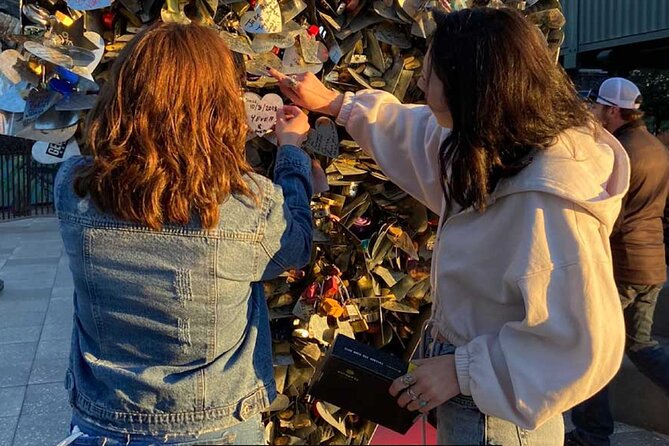
The puzzles are designed to make you pause and think without leaving you stuck for too long, though your results will depend on how comfortable you are with this type of game. Some clues should feel clear once you notice the right detail. Others may require trial and error, discussion, or a hint.
The best moments come when different skills meet. One person might spot a pattern, another might interpret the story, and someone else might connect the answer with a landmark. This is why the activity suits a group better than a solo player.
The mission theme also gives the group permission to play along. One group even used the Mission Impossible theme song while walking between locations. You certainly do not need to do that, but the secret-agent setup is strong enough to make the route feel like a shared caper rather than a worksheet.
Expect an ending with a twist. The final turn in the story surprised one group, which suggests that the game does not simply fade out after the last code. Avoid looking up solutions or detailed play-throughs before you go. The ending works best if the story remains unknown.
A family outing with enough challenge
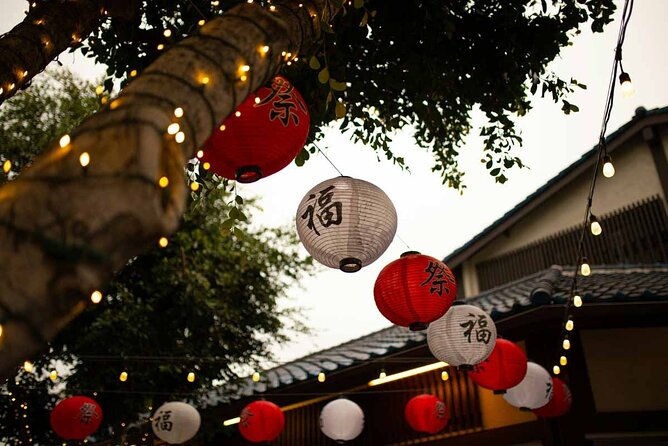
The activity has worked for a family group that included a grandmother, parents, and an 11-year-old daughter. Everyone took part in solving clues, and the child especially enjoyed the puzzles.
That does not mean every child will find it easy. Reading, pattern recognition, and patience matter, and the group needs to help younger players follow the story. Still, the format gives children a real role rather than asking them to stand quietly while adults sightsee.
For adults, the family-friendly label does not mean the game is simplistic. An avid escape-room player who had completed 50 to 100 rooms found the puzzle mechanisms fresh and the overall game excellent. That is a useful sign for experienced players who worry about outgrowing the challenge.
The best group includes people with different strengths. A sharp observer, a patient code-breaker, a strong reader, and someone who keeps the team organized can all contribute. Six people is the maximum, but more people do not automatically make the game better. Too many voices can make a clue harder to manage.
What to know about walking and timing

The activity lasts approximately two hours and takes place around Little Tokyo. The walk has been described as manageable, but this is still an outdoor activity, not a seated attraction.
Wear shoes you can comfortably use for a couple of hours. Keep your group together while moving between clues, and allow time to examine each location carefully. If you rush from point to point, you may miss the detail that makes the next puzzle work.
The listed operating hours run from 7:00 AM to 8:00 PM daily. That broad window gives you flexibility, though daylight may make outdoor clues easier to inspect than a late start. The supplied information does not promise a specific preferred start time, so check the available booking time when you reserve.
The route begins and ends at the same Little Tokyo meeting point. That makes it easy to continue exploring the neighborhood afterward or return to your starting point without arranging a separate pickup.
Little Tokyo is near public transportation, which helps if you are staying elsewhere in Los Angeles. No transportation is supplied as part of the activity, so plan your own way to the meeting point.
Is $75 a good deal?
At first glance, $75 may look high for an activity without a guide. The calculation changes when you fill the group. Six people bring the cost to about $12.50 each, which is a reasonable price for two hours of organized entertainment plus a self-guided neighborhood route.
A family of four pays about $18.75 per person. A couple pays $37.50 each, so the value is weaker for two people unless you particularly enjoy escape-room games and want a private challenge.
You are also paying for a format that combines several elements: a storyline, physical puzzle materials, app support, a designed route, and clues tied to actual city locations. You are not paying for a traditional historical tour with a guide explaining every stop. The value lies in active discovery and teamwork.
The price works best for people who would otherwise pay for an indoor escape room, a self-guided city game, or a family activity. If you want a quiet walk or a formal account of Los Angeles history, this is not the right comparison.
Book carefully because the experience is non-refundable and cannot be changed for any reason. Confirmation arrives at booking, service animals are allowed, and most people can participate. Those details help, but the lack of refunds is the main reason to confirm your date and group before paying.
Who will enjoy this most?
I would recommend it most strongly to:
- Families with children old enough to read clues and discuss answers
- Couples or friends who already enjoy escape rooms
- Local residents who want to see Little Tokyo with fresh eyes
- Visitors who prefer an active neighborhood experience to a standard sightseeing route
- Groups that like teamwork, codes, stories, and a little theatrical fun
It may be less suitable for anyone who dislikes phone-based activities, prefers a guide, or has difficulty walking for roughly two hours. The route is described as manageable, but the supplied information does not give a precise distance or detailed terrain information, so ask the provider if you need those specifics.
Because the game is private, you can choose your own teammates. That is especially helpful for families and friends who already know how to communicate under pressure. It also means your group is responsible for keeping the energy up and deciding when to use hints.
Should you book the Little Tokyo mission?
Book it if you want an unusual way to explore Downtown Los Angeles and your group enjoys solving problems together. The strongest reasons are the landmark-based clues, the private format, the manageable two-hour length, and the fact that one $75 ticket covers up to six people.
Choose an indoor escape room instead if you want a tightly controlled setting, a guide on hand, or puzzles that never depend on public surroundings. Choose a regular walking tour if your main goal is detailed commentary rather than solving codes.
For most families and friend groups, this is a smart-value outing when shared across four to six people. Bring a charged phone, wear comfortable shoes, read every clue carefully, and do not hesitate to use hints. The best reward is not simply reaching the final answer. It is seeing Little Tokyo with the alert eyes of a detective.
FAQ
Where does the outdoor escape room begin?
It begins in Little Tokyo, Los Angeles, California.
Where does the activity end?
The activity ends back at the Little Tokyo meeting point.
How long does the experience last?
Plan for approximately two hours. The exact time depends on your experience level and how long you spend exploring along the route.
How much does the activity cost?
The price is $75 per group of up to six people.
Do I need to buy a ticket for each person?
No. One ticket covers a private group of up to six people.
Is this a private activity?
Yes. Only your group participates.
Do I need to use an app?
Yes. You use the app to enter puzzle solutions and find out where to go next. The activity also includes a physical box and clues to find in the real world.
Are hints available if my group gets stuck?
Yes. Hints are available throughout the game.
Is the activity refundable or changeable?
No. The experience is non-refundable and cannot be changed for any reason.