
Reviewed · TSUKIJI MARKET TOURS
Tokyo: Tsukiji walk & sushi private tour with Uni Students
Tsukiji is best understood with someone who knows its lanes, stall owners, and food customs. This private walk pairs you with a Tokyo university student, sometimes even a guide with family ties to the market, for temple worship, market tasting, and easy conversation about Japan today. The local connection is the main event.
I like the small private format, which makes it easy to ask questions and change the pace. I also like that tamagoyaki and sushi are included, not left as vague promises. The main consideration is that your guide is still studying English, so communication may be uneven at times, especially with detailed questions.
In This Review
- Key points
- Why a university student makes Tsukiji different
- Starting at Tsukiji Hongwanji Temple
- Walking the Tsukiji Outer Market
- Namiyoke Inari Jinja and the market’s spiritual side
- Tamagoyaki, sushi, and a proper lunch
- What the private format is worth at $87
- Language, pace, and the people who will enjoy it most
- Timing, weather, and small practical details
- Who should book this Tsukiji walk
- FAQ
- Where does the Tsukiji tour meet?
- How long does the activity last?
- What food is included?
- Is raw food part of the tour?
- What languages are available?
- What should I bring?
Key points
- Family ties to Tsukiji: Some guides, including Nonoka, have family stores in the market and know local stall owners.
- A useful three-hour route: Begin at Tsukiji Hongwanji Temple, walk the Outer Market, visit Namiyoke Inari Jinja, then eat sushi.
- Food is included: Tamagoyaki and a sushi lunch are part of the price, while drinks and extra snacks cost more.
- A real cultural exchange: You can discuss Japanese customs and how young people in Tokyo see the world.
- Private and flexible: The group is private, so questions and conversation can shape the walk.
- Come hungry: The food stops add up quickly, and the tour recommends arriving with an empty stomach.
Why a university student makes Tsukiji different
Tsukiji is easy to visit on your own, but the market can feel like a maze of food counters, narrow lanes, and queues. A young local gives you a person to follow and a reason to stop. You are not simply looking at seafood and kitchen tools. You can ask what people actually eat, how the market works, and how Japanese traditions fit into modern Tokyo.
The guides are university students in Tokyo. That matters because the conversation is not limited to old customs or tourist facts. You can talk about university life, Japan, food, and how young Japanese people view the world around them.
The English level varies. The guides are practicing, and some visitors found that enthusiasm and preparation made up for occasional language limits. I would treat this as a friendly exchange rather than a polished lecture. If you want a perfectly scripted history lesson, another tour may suit you better. If you enjoy patient conversation and a more personal meeting, this setup has real appeal.
The private format helps. You can ask why a particular dish is eaten, pause when a food stall catches your eye, or spend more time on a subject that interests you. You are not competing with a large group for answers.
A few more Tokyo tours and experiences worth a look



Starting at Tsukiji Hongwanji Temple
Meet at the main gate of Tsukiji Hongwanji Temple, where your guide will hold a sign with your name. The temple is just outside Exit 1 of Tsukiji Station on the Tokyo Metro Hibiya Line, so the meeting point is straightforward if you arrive by subway.
The first guided visit lasts about 30 minutes. Tsukiji Hongwanji is an important place of worship, not just a quick photo stop before the food begins. You will learn how to approach the temple and have the chance to worship there.
Take this part at a respectful pace. The tour is about culture as well as eating, and the temple gives you a useful setting for understanding Japanese religious practice before entering the market. You will not need to turn the visit into a formal ceremony. Follow your guide’s lead, observe quietly, and ask questions at suitable moments.
The temple also gives the tour a calmer opening. Afterward, Tsukiji’s food lanes feel more intense by comparison. Wear comfortable shoes from the beginning, since the route continues on foot and includes time in crowded market areas.
Walking the Tsukiji Outer Market
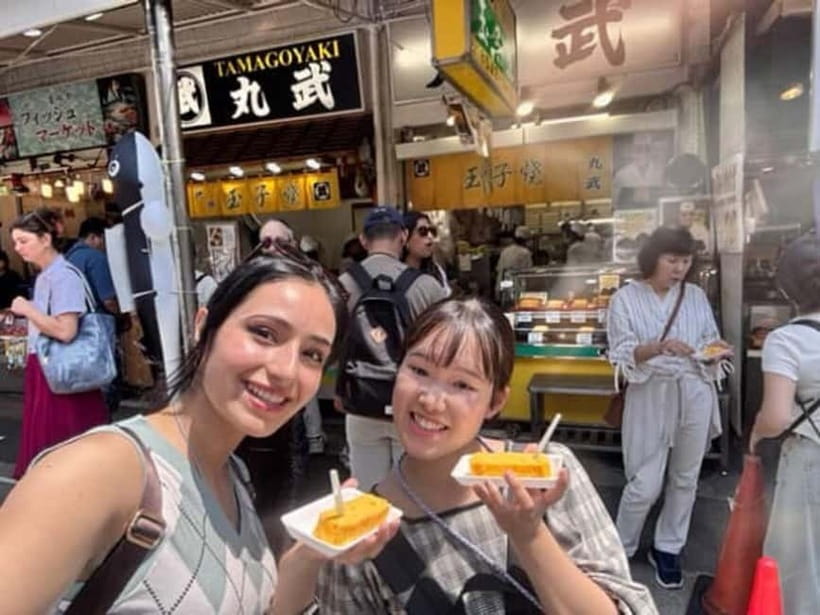
The Outer Market is the heart of the tour. This is where you walk among food professionals, small shops, counters, and vendors selling ingredients and prepared foods. The route lasts about an hour and a half, which gives you enough time to do more than pass through the main street.
Your guide can explain what you are seeing and help you understand the market’s daily role. The most useful part is the connection between food and local life. You can ask which foods are common, how ingredients are used, and what makes one stall worth waiting for.
Some guides have unusually close ties to Tsukiji. Nonoka, for example, grew up around her family’s market store, which has been connected to the area for three generations. That sort of background can change the walk. A guide with family connections may recognize stall owners, explain family businesses, and help you feel less like a person wandering through a food court.
Past visitors on this tour have also been taken to a guide’s family store and introduced to other vendors. In some cases, the guides waited in line or helped the group get food from a popular counter. These are not guaranteed features for every departure, but they show what local access can add when the right guide is leading your walk.
The market is not a quiet museum. Lanes can be narrow, lines can be long, and shoppers and workers are moving with purpose. Keep your bag close, stay with the guide, and avoid blocking shop entrances while taking photos. You will get more from the market if you watch how people use it instead of treating every stall as a display.
Namiyoke Inari Jinja and the market’s spiritual side
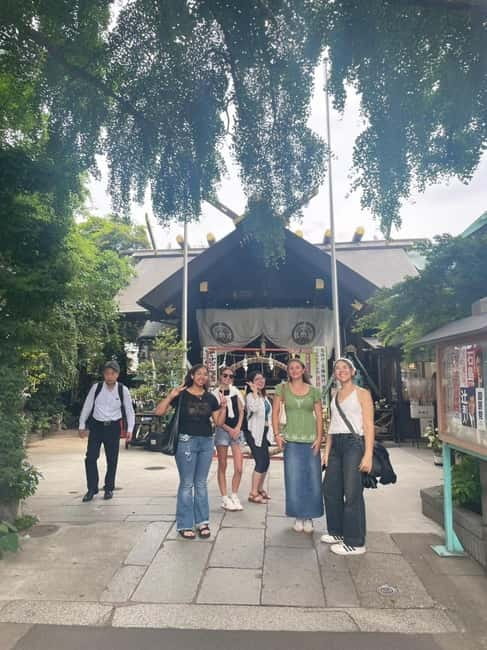
The route includes Namiyoke Inari Jinja, a small shrine connected to Tsukiji’s working community. It provides another chance to see how religious places fit alongside food businesses and everyday commerce.
The shrine stop is guided, but the supplied schedule does not give a fixed length. Expect it to fit into the market walk rather than function as a separate major attraction. Your guide can help you understand how to behave at the shrine and explain the local importance of the site.
This stop is valuable because it keeps the tour from becoming a simple tasting crawl. Tsukiji is known for seafood, sushi, and queues, but the area also has religious customs and long ties to the people who work there. The temple and shrine frame the food experience with a stronger sense of place.
Tamagoyaki, sushi, and a proper lunch
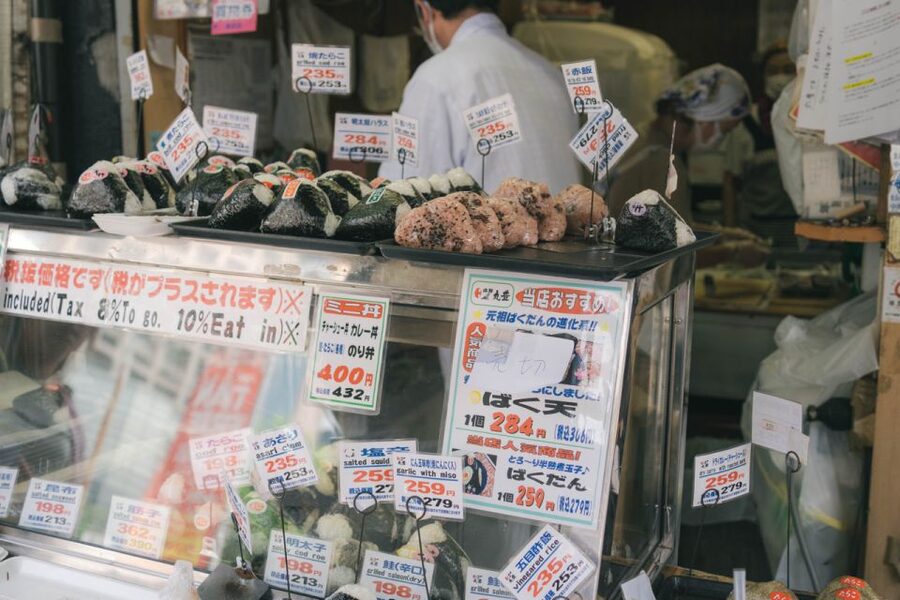
The included food is one of the clearest reasons to consider this tour. You receive tamagoyaki, the sweet rolled omelet often associated with Japanese breakfast and sushi shops, along with sushi for lunch.
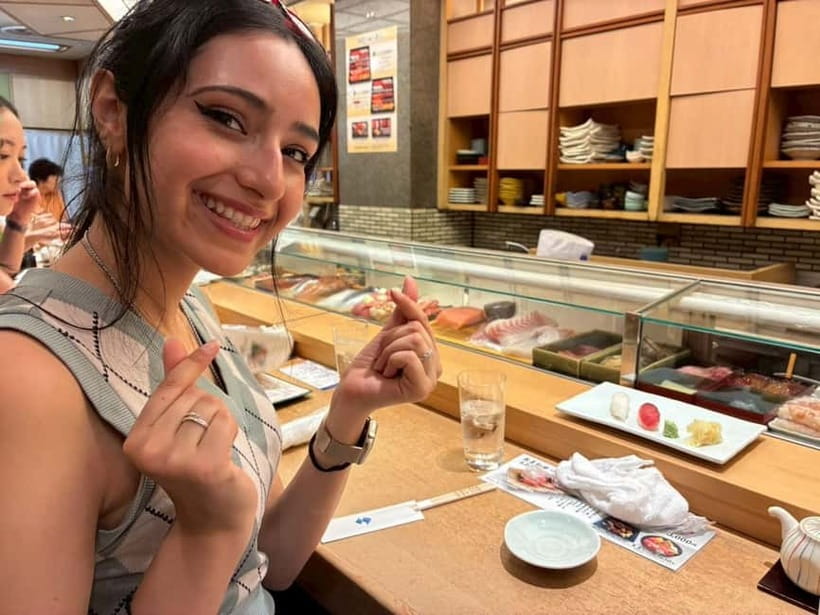
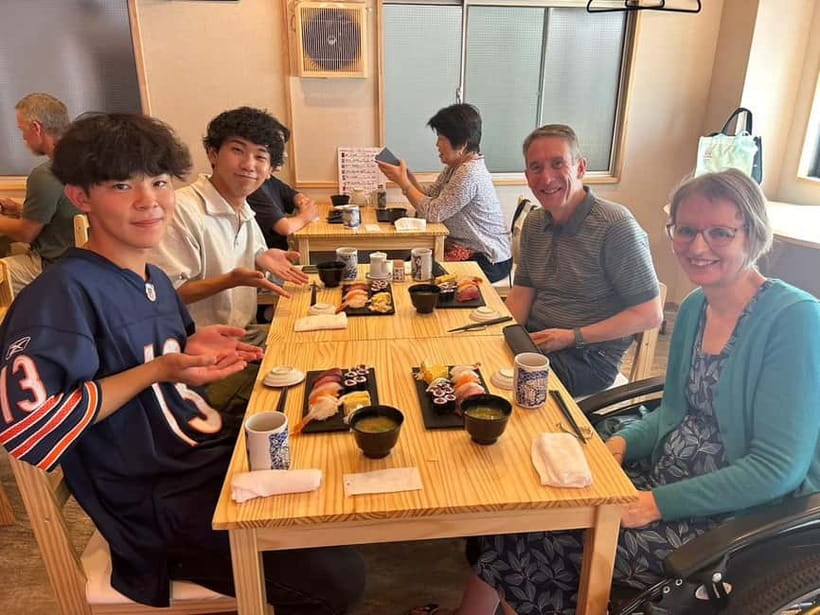
The sushi is served in the traditional style of a Japanese sushi restaurant. This is not simply a snack sampled while walking. You will have a sit-down food stop within the market visit, giving you time to eat and talk with your guide.
The exact selection can vary. Some departures have included sashimi, with one group choosing high-quality chutoro, along with drinks, red bean fish cake, and other tastings. The official inclusions guarantee tamagoyaki and sushi lunch, not every extra item mentioned by previous participants, so plan your budget around the guaranteed food only.
You should arrive hungry. The market offers many tempting extras, but food beyond tamagoyaki and the sushi lunch is not included. Drinks are also excluded in the formal details, even though an individual departure may include one. Carry some yen or another accepted payment method for anything additional, but do not assume every stall takes the same form of payment.
Raw food is part of the tour. If you avoid raw fish, have an allergy, or follow a restricted diet, ask before booking. The available information does not promise substitutions or special menus.
A few more Tokyo tours and experiences worth a look




What the private format is worth at $87
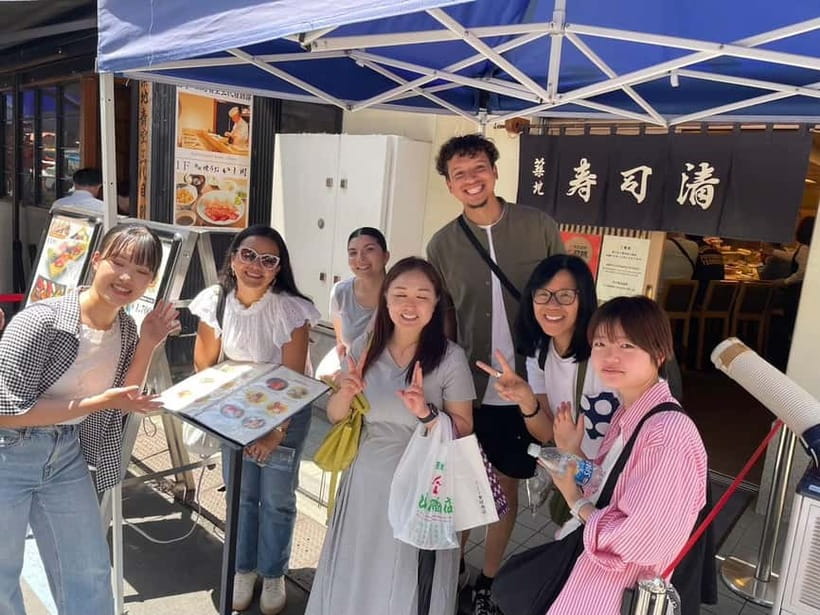
At $87 per person, this is not the cheapest way to walk through Tsukiji. You can visit the market without a guide, buy individual snacks, and see the temple at no charge. The question is what you are paying for beyond the food.
You are paying for three hours of company, interpretation, navigation, and a private conversation with a Tokyo student. You also receive tamagoyaki, a sushi lunch, photos taken during the walk, and guided visits to Tsukiji Hongwanji Temple, the Outer Market, and Namiyoke Inari Jinja.
The value improves if you want help choosing food. Tsukiji has plenty of choice, but a first visit can involve guesswork and long queues. A local guide may point out good options, explain what you are ordering, and help with the practical side of moving through the market.
The price is less attractive if you only want a quick sushi meal or already know Tsukiji well. It also may not suit someone who wants a formal food expert, professional interpreter, or highly polished presentation. This tour’s strength is personal access and conversation, not luxury service.
For a private three-hour activity in central Tokyo with lunch included, the cost is reasonable for many first-time visitors. I would compare it with the price of buying a full sushi lunch, several market snacks, and a separate guided walk. The tour saves you the trouble of organizing those pieces, while adding the student exchange.
Language, pace, and the people who will enjoy it most
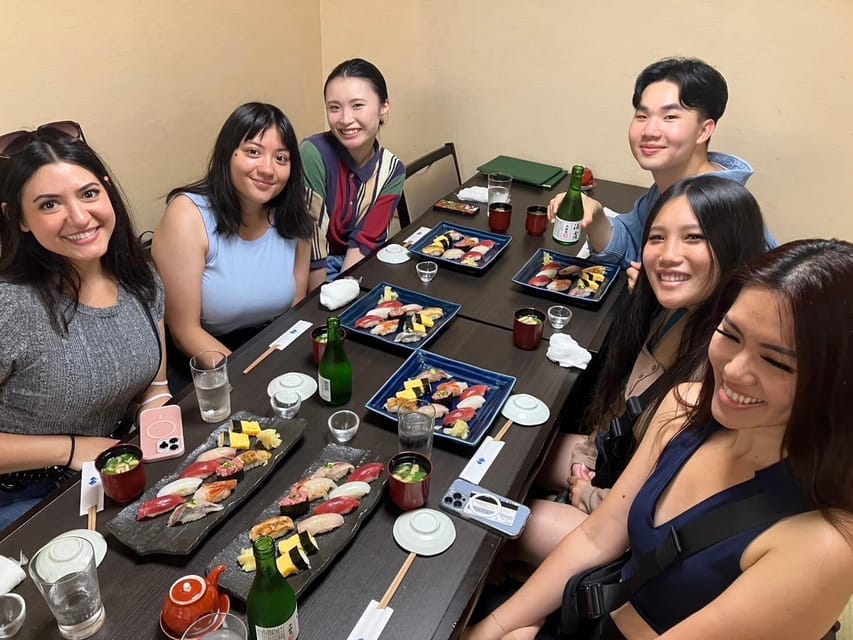
The guides speak English and Japanese, but they are still studying English. You should use clear sentences, avoid rushing, and be willing to repeat a question. In return, you may get a warmer exchange than you would from a standard commercial guide.
Several guides are named in the tour’s recent feedback, including Teddy, Nonoka, Kiko, Yuri, Risa, Kaho, and Yuta. You cannot request that every particular student will lead your departure, but knowing the names helps explain the character of the program. Some guides work in pairs or small teams, and some are doing their first tours.
The best match is someone who enjoys talking with local people and does not need every detail delivered in perfect English. Families, couples, and solo visitors can all fit the private setup. It can be especially good for people who want food guidance without giving up the chance to ask broader questions about Japanese culture.
You should think twice if you dislike raw food, have trouble walking for three hours, or want a quiet and spacious dining experience. The market is active, and the tour is on foot. Comfortable shoes and weather-appropriate clothing are essential.
Timing, weather, and small practical details
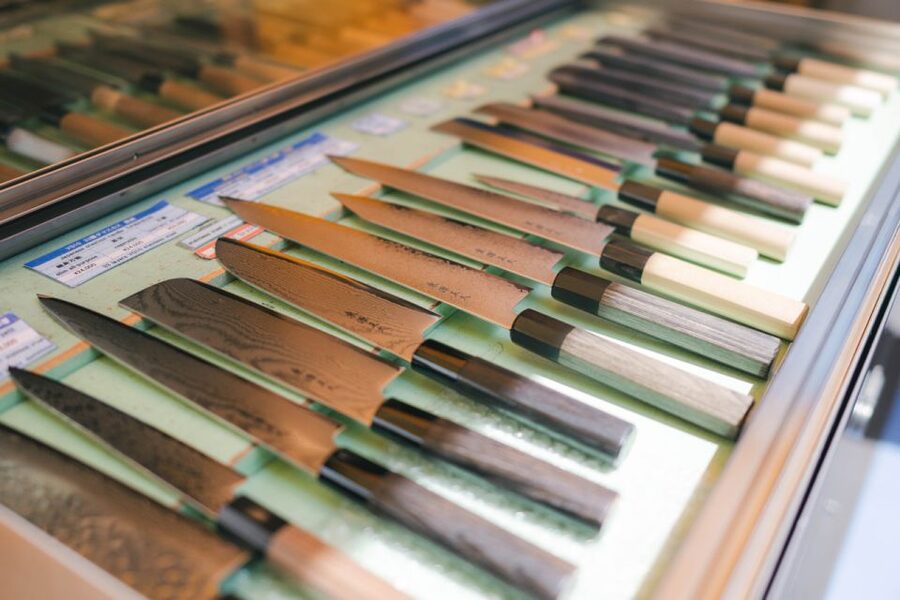
The activity lasts three hours, with starting times based on availability. The published schedule allows roughly 30 minutes at the temple, 1.5 hours in the Outer Market, a visit to Namiyoke Inari Jinja, and about one hour for lunch.
Arrive at the temple’s main gate with enough time to find the sign bearing your name. The meeting point is close to Tsukiji Station, outside Hibiya Line Exit 1, but Tokyo station areas can still be confusing if you are rushing.
Light drizzle does not automatically cancel the tour. The route may change if it rains, and severe weather can alter the plan. You will be notified by email about the tour status in serious weather, so check your messages before leaving.
There is free cancellation up to 24 hours before the start time, and you can reserve while paying later. Those policies are useful when your Tokyo schedule is still moving, but they do not change the need to check the start time and arrive at the correct temple entrance.
Bring an appetite, comfortable shoes, weather-appropriate clothing, and patience around food queues. Photos are taken during the tour, which is a nice extra if you want a record of the walk without stopping constantly to photograph yourself.
Who should book this Tsukiji walk
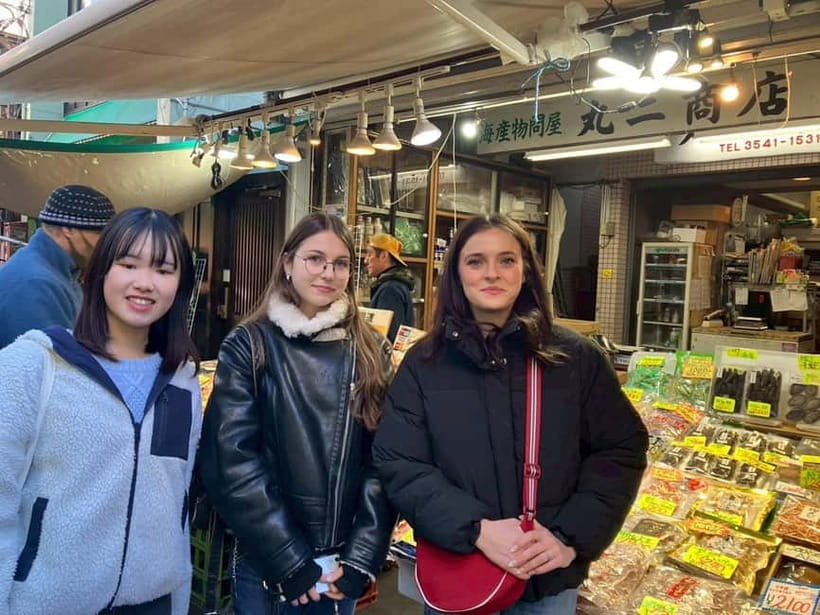
Book it if you want to see Tsukiji with a young local rather than simply wander through the market. The combination of temple, shrine, food, and conversation gives the morning or afternoon more shape than a list of snack stops.
It is particularly appealing if you value family connections. A guide such as Nonoka, whose family has operated a market store for three generations, can offer a viewpoint that a general city guide may not have.
Skip it if you already know Tsukiji well and prefer to choose every meal yourself. You may also want another option if you need guaranteed language fluency, do not eat raw food, or want a larger historical tour with a formal presentation.
For most first-time visitors who enjoy sushi and personal conversation, I would book it. Come hungry, keep your questions ready, and view the English practice as part of the exchange rather than a flaw. At $87, the meal helps justify the cost, but the real value is having a local student guide you through the market’s human side.
FAQ
Where does the Tsukiji tour meet?
Meet your guide at the main gate of Tsukiji Hongwanji Temple. The guide will hold a sign with your name. The temple is just outside Exit 1 of Tsukiji Station on the Tokyo Metro Hibiya Line.
How long does the activity last?
The tour lasts three hours. The listed schedule includes about 30 minutes at Tsukiji Hongwanji Temple, 1.5 hours in the Outer Market, a visit to Namiyoke Inari Jinja, and about one hour for lunch.
What food is included?
Tamagoyaki and sushi lunch are included. Food other than those items and drinks are not included. Some departures may offer additional tastings, but these are not guaranteed inclusions.
Is raw food part of the tour?
Yes. The tour includes raw food items. If you have allergies, dietary restrictions, or avoid raw fish, check whether the activity is suitable before booking.
What languages are available?
The tour is offered in English and Japanese. The guides are university students who are currently studying English, so you should expect a friendly cultural exchange rather than fully professional interpreting.
What should I bring?
Wear comfortable shoes and clothing suitable for the weather. Arriving with an empty stomach is recommended because the tour includes tamagoyaki and sushi and may offer opportunities to buy additional market foods.
More Walking Tours in Tokyo
More Sushi Making Classes in Tokyo
More Tsukiji Market Tours in Tokyo
More tours in Tokyo we've reviewed





Tsukiji Market Tours, compared.
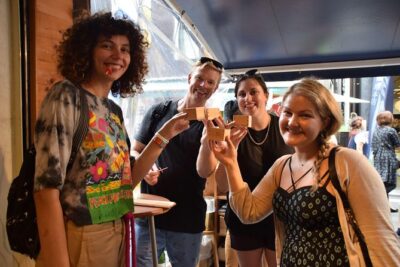 ★ 5.0Tokyo Tsukiji Fish Market Food and Culture Walking TourFrom $99
 ★ 5.0Tokyo: Tsukiji Fish Market Food and Walking tourFrom $30
 ★ 4.9Tokyo: Tsukiji Fish Market Guided Walking TourFrom $222 hours
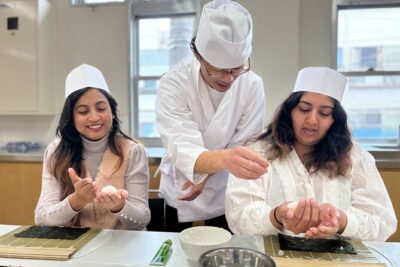 ★ 5.0Tokyo Sushi Making Class in Tsukiji with Professional ChefFrom $49
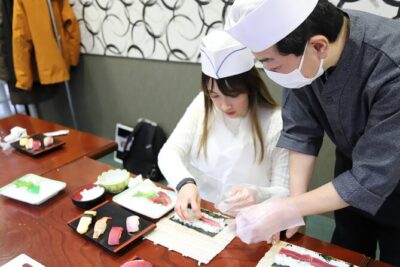 ★ 5.0Tsukiji Fish Market Guided Tour and Sushi Making with Pro ChefFrom $104
★ 4.7Tokyo: Tsukiji Fish Market Food and Culture Walking TourFrom $963 hours
★ 5.0Tsukiji Fish Market Guided Tour and Sushi Making with Pro ChefFrom $104
★ 4.7Tokyo: Tsukiji Fish Market Food and Culture Walking TourFrom $963 hours