
Reviewed · PRIVATE
Private 6hr Tokyo Essentials Tour of Tradition and Modernity
Tokyo makes more sense when you connect its very different parts. This private six-hour tour moves from Tsukiji’s seafood stalls to Ueno, Asakusa, and Akihabara, giving you old Tokyo, everyday shopping streets, temple culture, and anime in one well-packed day. I like the flexible morning start and the chance to ask a guide anything without slowing down a group. I also like that the route uses walking and public transit rather than keeping you behind a vehicle window.
The main drawback is the pace. Four stops at about 90 minutes each leave little room for lingering, and public transportation, food, lunch, and any attraction fees cost extra. Still, for a first look at Tokyo, the route is unusually efficient, especially with a private guide such as Satoshi, who is described as bringing personal stories, local connections, and plenty of historical detail to the day.
In This Review
- Key points at a glance
- Four sides of Tokyo in one morning
- Tsukiji begins with food and movement
- Ueno brings culture and local shopping
- Asakusa and Senso-ji supply the old Tokyo mood
- Akihabara closes the day with anime and games
- Walking and subway travel are part of the lesson
- Private guiding changes the feel of the day
- Is $215 per person a fair price?
- Who should book this experience?
- Practical details before you reserve
- Should you book the Tokyo Essentials Tour?
- FAQ
- How long does the Tokyo Essentials Tour last?
- Which areas does the tour visit?
- Is hotel pickup included?
- What time can the tour start?
- Are transportation and lunch included?
- Is this a private tour?
Key points at a glance
- Four very different Tokyo neighborhoods: Tsukiji, Ueno, Asakusa, and Akihabara show distinct sides of the city.
- A private English-speaking guide: You get room for questions, adjustments, and a more personal pace than on a shared tour.
- Hotel or Airbnb pickup: The tour begins at your location, with departure available from 9 AM to 11 AM.
- A walking and subway experience: Public transportation is part of the day, but its cost is not included.
- Food opportunities at Tsukiji: Sushi, grilled seafood skewers, and Japanese street food are available to buy as you go.
- Strong fit for first-time visitors: The route helps you get your bearings in a huge city during one focused six-hour outing.
Four sides of Tokyo in one morning
Tokyo can feel like several cities stitched together. The polished shopping districts, quiet temple grounds, seafood lanes, arcades, and commuter stations do not always connect easily on your own, especially during a first visit.
This tour gives you a useful first map. You begin at Tsukiji, continue to Ueno, move into historic Asakusa, and finish in Akihabara’s world of games, electronics, and anime. The order creates a clear contrast between Tokyo’s food culture, neighborhood life, religious traditions, and pop culture.
I would not book this expecting a slow, scholarly tour of one district. I would book it to get oriented quickly, learn how the city fits together, and identify places you may want to revisit later.
The private format matters here. You can ask why a temple custom works a certain way, where to buy a particular kind of snack, or how to use the subway without worrying that you are holding up 20 other people. The guide can also spend more time on the parts that interest you most, though the four-stop plan means major changes should be agreed on at the start.
Other private tours in Tokyo


Tsukiji begins with food and movement
The first 90-minute stop is Tsukiji Fish Market, once famous worldwide as Tokyo’s main wholesale seafood market. The wholesale auction and inner market moved to Toyosu, but Tsukiji remains a strong place to sample food, browse specialist shops, and feel the energy of a traditional market district.
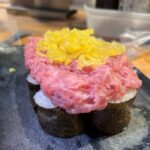
You can stroll among stalls offering fresh sushi, grilled seafood skewers, and Japanese street food. The admission cost is free, but food purchases are not included, so bring money for anything you want to taste. Since lunch is also excluded, Tsukiji can serve as an early meal stop if you prefer small bites over a formal restaurant.
I like this part of the route because it gives you something to do right away. You are not simply looking at a landmark and listening to dates. You can smell the food, watch vendors work, and ask your guide how the market fits into Japanese eating habits.
The tradeoff is that market lanes can be crowded and the experience is built around walking and browsing. You will not have unlimited time to stop at every stall. If one food purchase or shop matters to you, tell the guide early so the schedule can bend where possible.
Ueno brings culture and local shopping
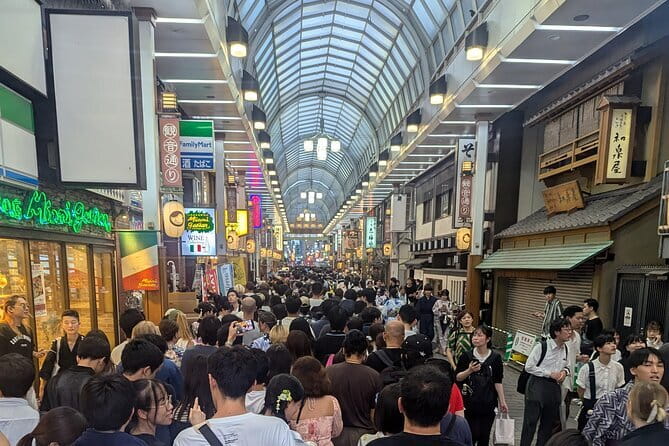
After Tsukiji, the tour heads to Ueno for another 90-minute visit. Ueno is known for its large park, historic temples, and Ameya-Yokocho, a postwar shopping street packed with food vendors and small stores.
This stop gives the day a useful middle ground. Tsukiji is strongly tied to food, while Ueno shows a more general side of city life. You can move between open park space, religious sites, and a busy shopping street without needing a long transfer to another part of Tokyo.
Ameya-Yokocho is especially useful if you want to see where ordinary shopping and snack-buying happen. The street has a lively, informal feel and gives your guide plenty to explain about postwar Tokyo and neighborhood commerce. I would use this time to ask for practical suggestions, such as where to look for food gifts or what kind of local snack is worth trying.
The 90-minute limit means you should not expect to cover every corner of Ueno Park or visit several major museums. Attraction entry fees are not included, and the tour does not promise museum admission. Treat Ueno as a guided introduction, not a full cultural day.
Asakusa and Senso-ji supply the old Tokyo mood
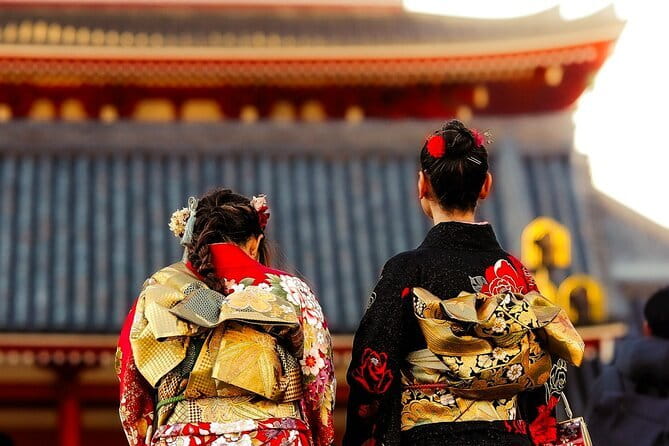
Asakusa is the most traditional-feeling stop on the route. The centerpiece is Senso-ji, Tokyo’s oldest and most famous temple, reached through Nakamise Street.
Nakamise is lined with traditional snacks and souvenirs, making the approach part of the experience rather than just a path to the temple. You can pause for a small sweet, browse gifts, and watch the movement around one of Tokyo’s best-known religious sites.
This is where a private guide can add real value. A guide can explain what you are seeing and help you approach the temple with some understanding rather than treating it as a photo stop. You can ask about customs, the meaning of the grounds, and the way Asakusa connects present-day Tokyo with the Edo period.
I would allow yourself a little breathing room here. Senso-ji and Nakamise can be busy, and a 90-minute visit passes quickly if you want photographs, snacks, shopping, and explanations. The tour gives you a solid introduction, but you may want to return to Asakusa later if you prefer a quieter look at the area.
Among the four stops, Asakusa is likely to appeal most to anyone seeking historic buildings, temple culture, and traditional food. It also balances the modern energy of Akihabara, which comes next.
Akihabara closes the day with anime and games
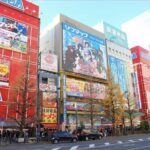
The final 90-minute stop is Akihabara, Tokyo’s neon-lit center for anime, gaming, and technology culture. You can browse multi-story arcades, look through retro gaming shops, and enter themed cafés for an introduction to the district’s unusual character.
Akihabara can be confusing if you do not already know what you are looking at. The district has stores for different interests, and a guide can help you spend your limited time in places that match your tastes. If you are interested in anime, gaming, electronics, or Japanese pop culture, tell the guide what you want before arriving.
This stop also helps explain why the tour is called a meeting of tradition and modernity. The day begins with seafood and market customs, moves through temples and old shopping streets, and ends with arcade floors and pop culture. The contrast is not forced. It is one of the clearest ways to understand how Tokyo holds very old and very new habits side by side.
The limitation is depth. Akihabara rewards browsing, and 90 minutes is enough for an introduction but not an extended shopping session. The tour also does not include purchases or café costs. If your main goal is collecting anime goods or playing games for hours, book this as a scouting visit and return on your own.

Walking and subway travel are part of the lesson
This is not a private car tour. The experience is described as a walking tour that also uses Tokyo’s subway system, with public transportation fees paid separately.
That arrangement has two benefits. First, you see more of the city at street level. Second, you learn how to move between major districts using the same system you will likely use for the rest of your trip. Several people specifically appreciated that the subway ride became part of the experience, rather than an invisible transfer between attractions.
You should wear comfortable shoes and keep your belongings easy to manage. The tour covers six hours and four districts, so the day involves regular walking, station movement, and time on your feet. Most people can participate, but the pace is worth considering if walking for several hours is difficult for you.
Your guide can help with the route, but your transport fares remain your responsibility. The supplied information does not give a fixed transit cost, so budget separately for subway rides. The same goes for snacks, lunch, and any paid attraction or café visit.
Private guiding changes the feel of the day
The tour is limited to your own group. That makes it easier to ask direct questions, pause briefly at a shop, or tell the guide that you want more time with temples, food, or anime.
The guide is fluent in English, and Satoshi is specifically named in the feedback connected with this experience. His approach is described as highly personal, with historical facts, personal experiences, and friendly relationships with shop owners. That may mean a more informal introduction to the city than you would get from a guide who simply follows a script.
I would still keep expectations sensible. A private guide cannot turn six hours into a full study of Tokyo, and access to particular shop owners or café experiences is not guaranteed by the tour details. The useful promise is personal attention and local explanation, not a fixed list of special encounters.
Pickup is offered from a hotel, Airbnb, or another location. You choose a start between 9 AM and 11 AM, which helps if you have jet lag, a late arrival, or a fixed afternoon plan. Confirm the exact meeting point carefully when booking, since the tour depends on starting at your chosen location.
Is $215 per person a fair price?
At $215 per person, this is not a budget sightseeing option. You are paying for a private six-hour experience, an English-speaking guide, pickup, and a route that links four major areas without requiring you to plan the transfers yourself.
The value is strongest for first-time visitors, families, and small groups who want a focused introduction. A private guide can save planning time and reduce the stress of figuring out Tokyo’s neighborhoods and subway connections on your first full day.
The value is weaker if you already know Tokyo well or mainly want free time. The four stops are included, but transportation, lunch, food, shopping, and entry fees are not. A solo visitor on a tight budget may prefer to build a similar route independently.
Group discounts are offered, so the per-person cost may work better for a family or group of friends. Since the tour is private, the price buys control and attention rather than a long list of admissions. Think of it as paying for orientation, local context, and an efficient route.
Who should book this experience?
I would recommend it most to first-time visitors who want to understand Tokyo quickly. You get an early look at four districts that are different enough to help you decide where to spend your remaining days.
It also suits families. A private guide can keep the day moving and answer different questions from adults and children. Akihabara may appeal to younger visitors, while Asakusa and Tsukiji give the day broader cultural range.
Food-focused visitors should like the opening stop, though this is not a dedicated food tour. Anime and gaming fans get a useful introduction to Akihabara, but not enough time for a full shopping or arcade session.
I would be cautious if you dislike walking, want a slow pace, or hope to enter several museums and attractions. This is an overview with substance, not an unhurried district-by-district exploration.
Practical details before you reserve
Confirmation is provided when you book. The tour runs for about six hours and offers pickup from your hotel, Airbnb, or another agreed location.
Plan for the following extra costs:
- Subway or other public transportation fares
- Lunch and food purchases
- Paid attraction entries
- Purchases at markets, shops, arcades, or cafés
Free cancellation is available if you cancel at least 24 hours before the local start time. Changes or cancellations made within 24 hours are not accepted for a refund.
The experience is offered by Hinomaru One. Since the route is private, discuss your interests at the beginning. A short conversation about food, temples, shopping, anime, or family needs can make the fixed four-stop plan work better for you.
Should you book the Tokyo Essentials Tour?
Book it if you want a private first-day orientation that covers Tokyo’s traditional and modern sides without the strain of building the route yourself. The combination of Tsukiji, Ueno, Asakusa, and Akihabara is practical, and the private format lets you ask questions in a relaxed way.
Skip it if your priority is low cost, long museum visits, or several hours in one neighborhood. At $215 per person, the experience makes the most sense when you value personal guidance and efficient movement around a complicated city.
For many first visits, I would place this early in the trip. Use it to learn the city’s basic shape, note the places you want to revisit, and ask your guide for practical advice before you tackle Tokyo on your own.
FAQ
How long does the Tokyo Essentials Tour last?
The tour lasts approximately six hours, with about 90 minutes planned for each of the four stops.
Which areas does the tour visit?
The route includes Tsukiji Fish Market, Ueno, Asakusa, and Akihabara.
Is hotel pickup included?
Yes. Pickup is offered from your hotel, Airbnb, or another location.
What time can the tour start?
You can choose a departure time between 9 AM and 11 AM.
Are transportation and lunch included?
No. Public transportation fees and lunch are not included. Attraction entry fees are also separate.
Is this a private tour?
Yes. Only your group participates, with a fluent English-speaking private guide.
More Private Tours in Tokyo

More tours in Tokyo we've reviewed






Private, compared.
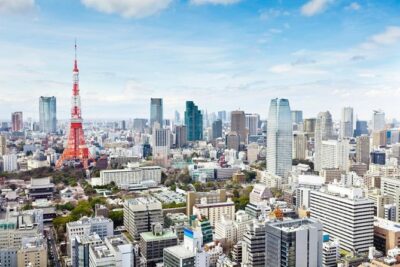 ★ 5.0Tokyo 6hr Private Tour with Government-Licensed GuideFrom $155
 ★ 5.0Private Tour to Mt. Fuji and Hakone (Fully Licenced Operator)From $497
 ★ 5.0Tokyo Customized Private Tour (Must See Places in 1 Day)From $145
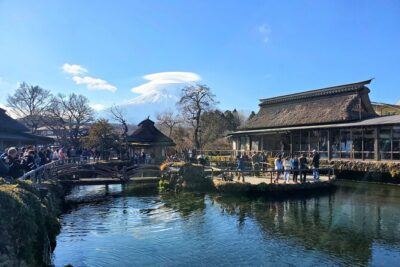 ★ 4.9Mount Fuji Full-Day Private Tour from Tokyo (Customizable)From $393
 ★ 4.8Tokyo: Private City Highlights Tour with Local GuideFrom $1064 - 8 hours
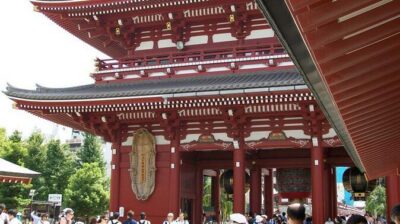 ★ 5.0Private Custom Tour: Tokyo in a DayFrom $159