
Reviewed · TSUKIJI MARKET TOURS
Tokyo Tsukiji Food & Culture 4hr Private Tour with Licensed Guide
Tsukiji is still one of Tokyo’s finest places to eat your way through Japanese food culture, even after the wholesale market moved to Toyosu. This private four-hour tour lets you choose two or three stops with a licensed English-speaking guide, so you can focus on sushi, street food, temples, kitchenware, or old Tokyo streets.
I like the personal food guidance, especially for first-time visitors who want help choosing unfamiliar treats. I also like the flexible routing and hotel pickup on foot, with guides such as Hiromi, Nori, Maki, Koji, and Koba helping with train navigation and local customs.
The catch is important: this is not an all-eight-stops tour. Four hours usually allows two sites, or three at most, and transportation time can eat into your sightseeing. Also, an 8:00 start may be too late for the fish auction and some Toyosu activity.
In This Review
- Key things to know before booking
- Why Tsukiji still earns a place on your Tokyo schedule
- Toyosu Market and the limits of an early start
- Tsukiji Outer Market: come hungry, but keep your pace sensible
- Ameyoko gives you a different kind of market
- Senso-ji and Nakamise: Tokyo’s classic cultural pairing
- Kappabashi Street is made for cooks and curious shoppers
- Tsukishima Monjayaki Street brings local comfort food
- Yanaka Ginza shows Tokyo’s old-town side
- How the private format changes the day
- The guides make the difference
- Price, timing, and what you actually receive
- Who should choose this Tokyo food tour
- Should you book it?
- FAQ
- How long is the Tokyo Tsukiji Food and Culture Tour?
- Is the tour private?
- How many places can I visit during the tour?
- Does the tour include hotel pickup?
- Is transportation included?
- Is food included?
- Is Toyosu Market open every day?
- Can I cancel for a full refund?
Key things to know before booking
- Choose only two or three stops: The long list of possible places is a menu, not a promise to visit them all.
- Tsukiji is mainly an outer-market food stop: Expect stalls, snacks, seafood, and shopping rather than the former wholesale market.
- Toyosu has closure days: It is closed Wednesdays, Sundays, and occasionally on irregular dates.
- Your guide can shape the day: Past itineraries have included Tsukiji with Asakusa, Hamarikyu Garden, Ginza, Tokyo Station, or Shibuya.
- Transportation costs extra: The guide meets you on foot, and train fares, food, entry fees, lunch, and personal purchases are not included.
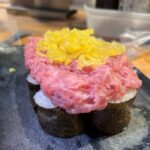
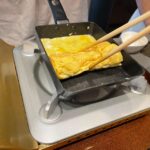
- The food is a highlight: Guides have helped visitors try sushi, sea urchin, wagyu beef, crab, tamagoyaki, oysters, and other market specialties.
Why Tsukiji still earns a place on your Tokyo schedule
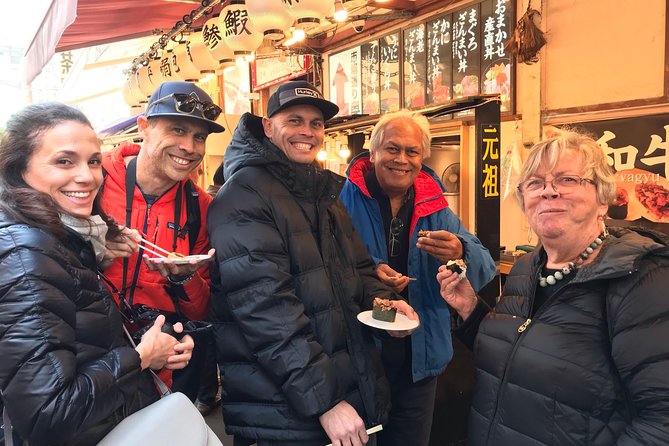
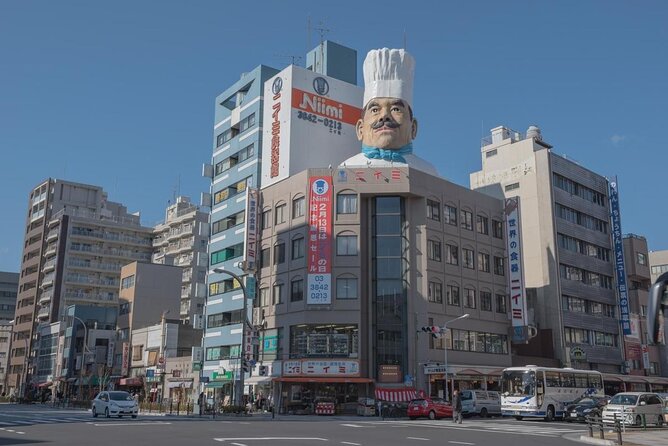
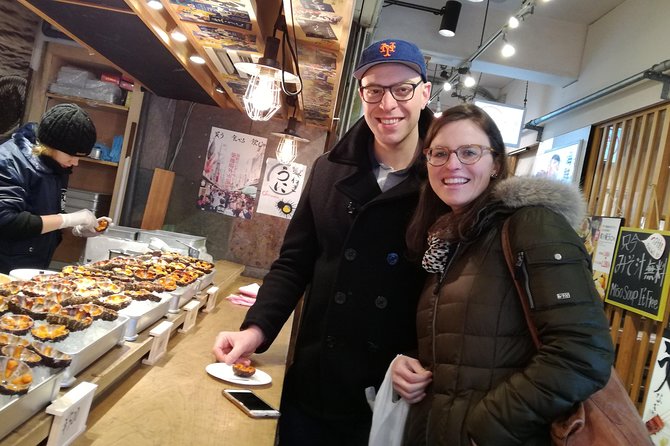
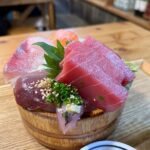
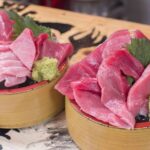
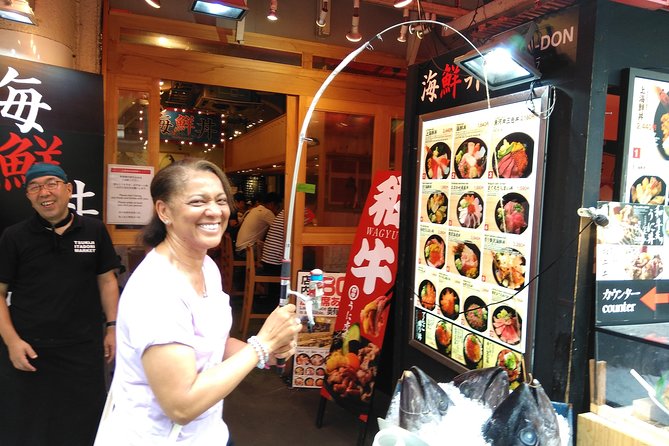
Tsukiji’s wholesale fish market moved to Toyosu in 2018, but the old outer market remains a lively food district. The narrow lanes are lined with vendors selling seafood, grilled items, egg rolls, fruit, sweets, knives, and cooking goods.
I like Tsukiji because it gives you a close look at how food fits into daily Japanese life. You are not simply looking at displays. You can ask what something is, how it is prepared, and whether it makes sense to eat it on the spot.
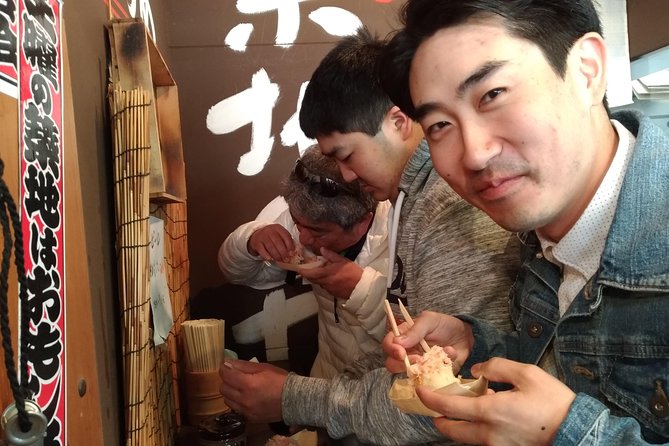
That is where a private guide helps. Maki, for example, has guided visitors toward different types of food and explained how each is used or prepared. Other guides have helped groups sample many stalls, with one guide leading a couple to 13 different foods, including sushi, sea urchin, wagyu beef, beef bowls, egg rolls, crab, and oysters.
You should not expect a formal sit-down tasting menu. Food purchases are your responsibility, and the experience depends on which stalls are open and what you want to try. The guide can point you toward suitable choices, but you pay as you go.
A few more Tokyo tours and experiences worth a look

Toyosu Market and the limits of an early start
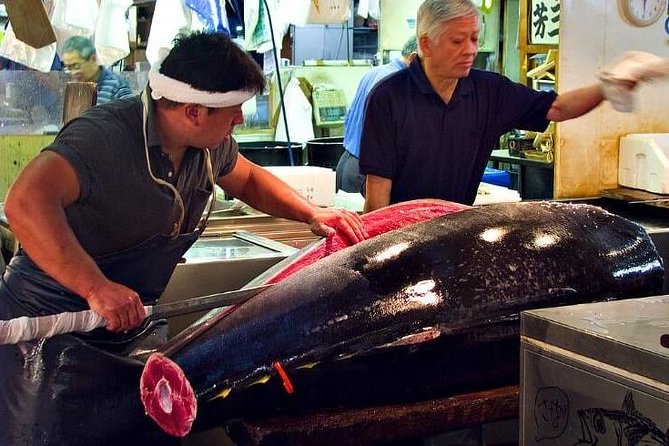
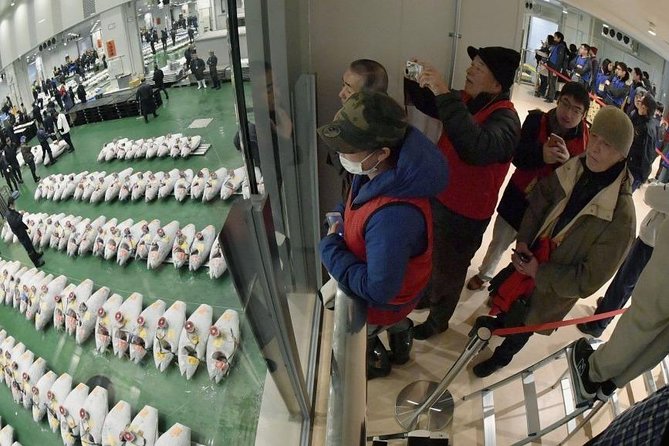
Toyosu is Tokyo’s modern wholesale market, and it is the logical choice if you want to understand what replaced Tsukiji’s former wholesale operation. The tour allocates about 30 minutes here, with admission not included.
The timing deserves careful thought. One disappointing outing began at 8:00, after the fish auction had finished and many shops had closed. If seeing the auction is your main goal, ask the provider about the exact start time and what you will realistically see that day. Do not assume that a morning market tour includes the auction.
Toyosu is also closed on Wednesdays and Sundays, along with occasional irregular closure dates. The tour information notes that many Tsukiji shops may also close due to Toyosu’s closure, so a closed Toyosu day can affect more than one stop.
For many people, Toyosu works best as a short orientation stop, especially when paired with Tsukiji. If you mainly want to eat and browse, Tsukiji may deserve the larger share of your four hours.
Tsukiji Outer Market: come hungry, but keep your pace sensible
The Tsukiji stop is listed at roughly 30 minutes, but that is a tight window if you want to sample several foods and shop. Your guide may adjust the pace, but the more time you spend eating, the less time remains for another neighborhood.
This is a place where your priorities matter. Tell your guide before starting if you care most about sushi, cooked seafood, unusual ingredients, Japanese sweets, knives, or gifts. That simple conversation can prevent the tour from becoming a rushed march between unrelated places.
I would choose Tsukiji as one of your two main stops rather than treating it as a quick photo stop. You will get more from the market if you can pause at a few stalls, learn basic food etiquette, and buy something you would not have chosen on your own.
The market also rewards practical preparation. Wear comfortable shoes, expect to walk, and leave room in your budget for food. Lunch is not included, and neither are personal purchases.
Ameyoko gives you a different kind of market
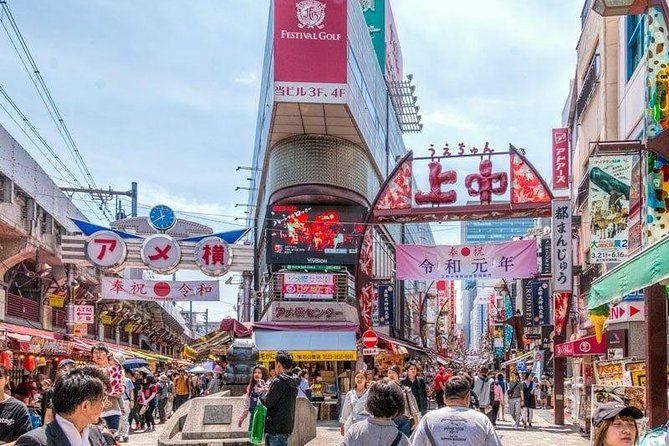
Ameyoko Shopping Street is another possible 30-minute stop. It is a shopping district known for deals, souvenirs, food shops, and a less polished commercial feel than upscale Ginza.
I see Ameyoko as a useful choice if you want edible gifts or a quick look at Tokyo shopping outside the department-store world. It can also suit families and groups with different interests, since the area offers more than one type of shop.
Thirty minutes will only give you an introduction. If you want to browse seriously, ask your guide to make Ameyoko one of the main two stops rather than adding it as a third place after a long market visit.
Senso-ji and Nakamise: Tokyo’s classic cultural pairing
Senso-ji is one of Tokyo’s most famous temples, with a history reaching back about 1,300 years. Its Kaminarimon entrance gate is marked by a large red lantern, making it one of the city’s easiest landmarks to recognize.
The nearby Nakamise Shopping Street leads toward the temple for about 250 meters. Shops sell traditional souvenirs, snacks, and small gifts. The two places naturally belong together, and choosing both gives you a clear half-day focus in Asakusa.
A guide can add useful context here, especially if temple customs are new to you. Sally has arranged visits around visitors’ wishes at Senso-ji, while other guides have paired Asakusa with food stops and nearby shrines.
The limitation is crowding and time. Senso-ji, Nakamise, and Tsukiji are not next door to each other, so combining both areas in four hours requires train travel and firm choices. If you want a relaxed temple visit, do not also try to squeeze in Toyosu, Ameyoko, Kappabashi, and Yanaka.
A few more Tokyo tours and experiences worth a look

Kappabashi Street is made for cooks and curious shoppers
Kappabashi Street, also called Kappabashi Dogugai, runs between Ueno and Asakusa. Its shops sell equipment used by restaurant operators, making it one of Tokyo’s most interesting places for kitchen-focused souvenirs.
You might find cooking tools, restaurant supplies, and other practical items here. The tour description does not promise specific stores or purchases, so use your guide’s help to explain what is useful, what is decorative, and what will travel well.
I would choose Kappabashi over a general shopping street if you cook, collect tableware, or want a souvenir tied to Japanese food rather than a standard tourist item. It also pairs sensibly with Asakusa because the neighborhoods are close enough to connect, though the exact route and travel time still depend on your starting point.
Tsukishima Monjayaki Street brings local comfort food
Tsukishima is associated with monjayaki, a loose, hot dish made with flour and dashi. It is not the prettiest food in Tokyo, but appearance is not the point. The dish offers a look at a local specialty that differs from the sushi and seafood most visitors expect from a market tour.
The stop is listed at about 30 minutes, and admission is not included. Food costs are also extra, so budget for the meal if you choose this option.
I would pick Tsukishima when you want a food experience with a neighborhood focus rather than a long list of samples. Ask your guide how much time is needed to eat properly, since a brief stop may not allow much more than an introduction.
Yanaka Ginza shows Tokyo’s old-town side
Yanaka Ginza Shopping Street offers a quieter old-town atmosphere. Yanaka is described as a calm neighborhood with a well-preserved Shitamachi character, giving you a different view of Tokyo from the major markets and temple precincts.
This is a good choice if you have already seen the city’s major sights and want everyday shopping, local snacks, and a slower walk. Koba guided a couple through Yanaka Ginza after Tsukiji, where they bought practical daily-use items.
Yanaka makes less sense if your top priority is seafood. It is a culture and neighborhood choice, not a fish-market substitute. The reward is a more relaxed view of Tokyo, but you will need to accept that a four-hour tour cannot cover every major district.
How the private format changes the day
The tour is for your group alone, rather than a shared group. That matters because you can tell the guide what you eat, what you want to buy, and how much walking feels reasonable.
The guides have also helped with the Tokyo train system. Hiromi, Shuji, Masa, and others have guided visitors through station connections and ticket questions, which can save time and reduce stress. Transportation is not included, and there is no private vehicle, so you will generally move by foot and public transit.
Pickup is offered, but it is a walking pickup within the designated Tokyo area. This is not a car service that collects you at the hotel and drives between markets.
The private format is especially useful for families. Shuji adapted a day for two adults and two teenagers, combining market time with other Tokyo sights. It also helps couples who want to sample food at their own speed rather than follow a fixed tasting route.
The guides make the difference
Guide quality matters more here than a fixed attraction list. You are buying local help with decisions, language, food choices, and navigation.
Several guide names appear in the available information. Hiromi has helped visitors sample treats at Tsukiji and visit Hamarikyu Garden. Nori has combined Tsukiji with shrines, temples, and the Kabuki Theatre area. Maki has explained ingredients and preparation methods. Koji has helped shape itineraries around both fish markets and a temple.
Hideki has shared historical background and practical Tokyo advice. Koba has carried useful small supplies such as wet wipes, chopsticks, and maps. These details suggest the strongest guides treat the outing as a personal walking day, not simply a sequence of stops.
Still, your guide may vary. Send your priorities before the tour and confirm the plan at the start. One weak experience involved too much time on trains and only two places visited, while another involved a guide who failed to arrive and a delayed response from the provider. The provider issued a refund in that case, but the lost morning could not be recovered.
Price, timing, and what you actually receive
At $109.01 per person, this is not the cheapest way to walk through Tsukiji. You also pay separately for trains, food, entrance fees, lunch, and personal purchases.
The value comes from private attention. If you are unsure what to eat, nervous about navigating Tokyo, or traveling with children who need a flexible pace, the guide can make four hours far more productive. A private guide can also help you avoid wasting money on food or souvenirs that do not suit your interests.
The value drops if you expect a full-day sightseeing program. The tour lasts about four hours, and the provider recommends two or three sites. A plan involving Toyosu, Tsukiji, Asakusa, Ameyoko, Kappabashi, Tsukishima, and Yanaka is not realistic in that time.
I would also book with the market calendar in mind. Toyosu’s closure days are Wednesday and Sunday, with occasional irregular closures. If your date is fixed, confirm which markets and shops are operating before you commit.
Free cancellation is available when you cancel at least 24 hours before the start time. Changes or cancellations made inside that window are not accepted for a refund.
Who should choose this Tokyo food tour
I would recommend it most strongly to first-time Tokyo visitors who want help with markets and public transportation. It also suits food-focused couples, families, and anyone who prefers a private guide over a large coach group.
Choose Tsukiji and Asakusa if you want the clearest mix of food and culture. Choose Tsukiji and Kappabashi if cooking and kitchenware matter most. Choose Tsukishima for a local dish, Yanaka for old Tokyo streets, or Ameyoko for shopping.
I would be cautious if you want the fish auction above all else. The 8:00 start described in one experience was too late for the auction and left many stalls closed. Confirm the schedule directly rather than relying on the word market.
Should you book it?
Book this tour if you value a flexible private guide, want help tasting unfamiliar Japanese foods, and are happy to pay extra for transport and purchases. The strongest version of the day is focused: Tsukiji plus Asakusa, or Tsukiji plus Kappabashi, with a clear plan agreed before pickup.
Skip it if you expect all eight listed places, a private vehicle, or guaranteed auction access. At this price, the tour makes sense as a guided introduction to two or three carefully chosen areas, not as a whirlwind tour of Tokyo.
FAQ
How long is the Tokyo Tsukiji Food and Culture Tour?
The tour lasts approximately four hours.
Is the tour private?
Yes. Only your group participates in the private tour or activity.
How many places can I visit during the tour?
The included tour is customizable for two or three sites from the available choices. Four hours is generally suited to two sites, or three with a tightly planned route.
Does the tour include hotel pickup?
Pickup is offered on foot within the designated area of Tokyo. There is no private vehicle.
Is transportation included?
No. Transportation fees are not included, and the tour does not provide a private vehicle.
Is food included?
No. Lunch, food purchases, and other personal expenses are not included.
Is Toyosu Market open every day?
No. Toyosu Market is closed on Wednesdays, Sundays, and occasionally on other irregular closure days.
Can I cancel for a full refund?
Yes, if you cancel at least 24 hours before the experience start time. Cancellations or changes made less than 24 hours before the start time are not accepted for a refund.
More Guided Tours in Tokyo

More Food Experiences in Tokyo
More Tsukiji Market Tours in Tokyo
More tours in Tokyo we've reviewed




Tsukiji Market Tours, compared.
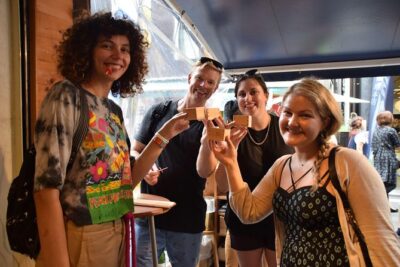 ★ 5.0Tokyo Tsukiji Fish Market Food and Culture Walking TourFrom $99
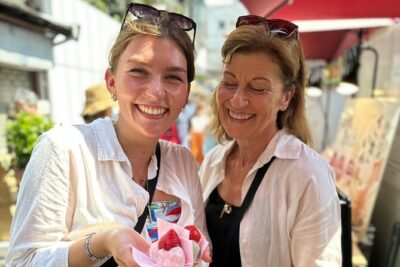 ★ 5.0Tokyo: Tsukiji Fish Market Food and Walking tourFrom $30
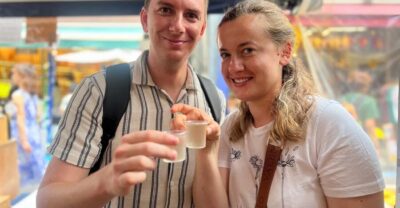 ★ 4.9Tokyo: Tsukiji Fish Market Guided Walking TourFrom $222 hours
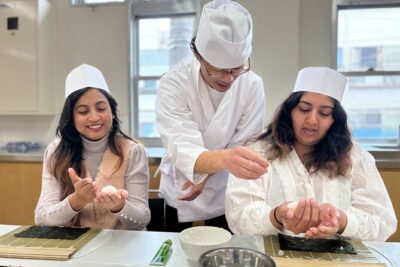 ★ 5.0Tokyo Sushi Making Class in Tsukiji with Professional ChefFrom $49
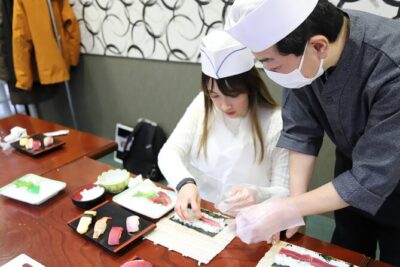 ★ 5.0Tsukiji Fish Market Guided Tour and Sushi Making with Pro ChefFrom $104
★ 4.7Tokyo: Tsukiji Fish Market Food and Culture Walking TourFrom $963 hours
★ 5.0Tsukiji Fish Market Guided Tour and Sushi Making with Pro ChefFrom $104
★ 4.7Tokyo: Tsukiji Fish Market Food and Culture Walking TourFrom $963 hours