
Reviewed · SHIBUYA TOURS
Shibuya: Pachinko Gaming Experience
Pachinko is Japan’s noisy, flashing answer to pinball, but it is more than a quick arcade stop. In Shibuya, this one-hour experience explains how the machines work, where the game came from, and how to avoid looking completely lost when you take the controls. You’ll meet near Hachiko Statue, then enter a pachinko parlor with a guide who can translate the rules and help you get started.
I like two things right away. First, the small group is limited to three people, so you should have room to ask questions instead of standing behind a crowd. Second, the price is only $19 per person, making this a low-cost way to try a distinctly Japanese pastime. The main catch is that your actual pachinko play and drinks cost extra, and one poor communication experience makes meeting instructions especially important.
In This Review
- Key points at a glance
- Why pachinko makes a good Shibuya experience
- Meeting the guide beside Hachiko
- The one-hour route through Shibuya
- What the pachinko lesson is really worth
- How the guide affects your experience
- The sound, pace, and feel inside a parlor
- Who should book this experience
- Practical details that matter
- Should you book the Shibuya pachinko experience?
- FAQ
- Where does the pachinko experience meet?
- How long does the activity last?
- Is the tour offered in English?
- Is pachinko gaming included in the $19 price?
- How many people can join the group?
- Is the activity suitable for children?
- Can I cancel for a refund?
Key points at a glance
- A one-hour introduction to pachinko: Learn the game’s background, basic rules, and controls without giving up half a day in Tokyo.
- Small group of three: The limited size should make it easier to ask questions and receive help at the machine.
- English guide and interpretation: The guide explains the rules and translates the unfamiliar parts of the experience.
- Start at Hachiko Statue: Meet beside the famous statue, in front of the lottery ticket booth, where the guide holds a blue tablet.
- Gaming money is extra: The $19 covers the guided experience, not the pachinko balls or any drinks.
- Adults only: This activity is not suitable for anyone under 18.
Why pachinko makes a good Shibuya experience
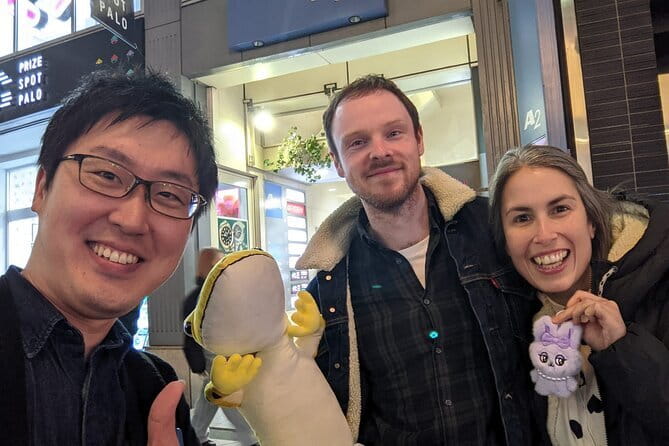
Shibuya is famous for its crossing, fashion, music, and late-night energy. Pachinko adds another side of the district, one built around sound, flashing screens, rows of machines, and regular players concentrating on a small stream of metal balls.
The game began in the early 20th century as a mechanical amusement inspired by Western pinball. Over time, it became a high-tech Japanese pastime found in dedicated parlors across the country. You will not simply hear that background in a classroom. The tour connects the story to the places where pachinko is played today.
That context matters because a first visit can be confusing. The machines may look like slot machines crossed with pinball tables, but the controls, ball flow, and prize system are not obvious to a newcomer. A guide gives you a way in before you start pressing buttons at random.
I especially like this kind of short activity for a first visit to Japan. You get a look at a local leisure habit without needing to commit an entire afternoon. It also gives you something to talk about beyond the usual Shibuya photographs.
A few more Tokyo tours and experiences worth a look


Meeting the guide beside Hachiko
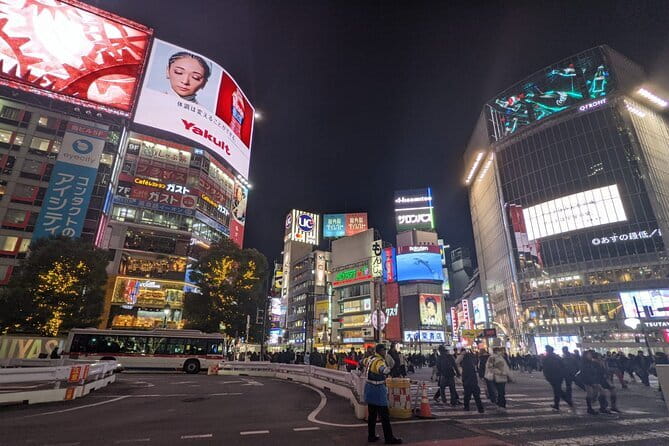
The meeting point is close to the Hachiko Memorial Statue, one of Shibuya’s easiest landmarks. Stand at the right side of the statue and look for the lottery ticket booth. The guide waits in front of that booth and holds a blue tablet.
Arrive five minutes before the scheduled start. Shibuya can be crowded, and the statue area has plenty of people meeting friends, taking pictures, and moving toward the station. The precise landmark helps, but you still want a few minutes to match the statue, the booth, and the guide.
The instructions say that a no-show may be recorded after 20 minutes. If you cannot find the meeting point, contact the provider directly rather than waiting silently. One poor experience in the booking feedback involved a participant who could not reach the provider while lost, so this is one part of the experience where careful planning pays off.
The tour returns to the same Hachiko meeting point after the hour. That makes it easy to continue sightseeing in Shibuya, meet your group elsewhere, or catch a train without arranging a second pickup location.
The one-hour route through Shibuya
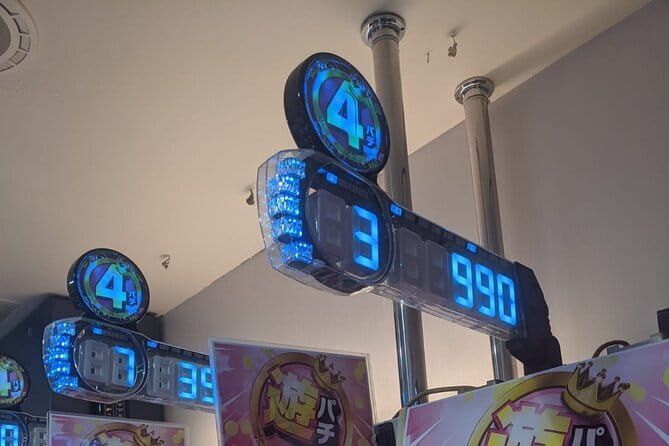
The tour begins with an introduction to pachinko and its place in Japanese culture. You will learn how the game developed from a simple mechanical form into the electronic machines found in modern parlors.
This opening is useful because pachinko is not self-explanatory. You need to understand what the balls do, how they move through the machine, and what you are trying to achieve before the lights and sounds take over. The guide also explains the rules in English and provides translation and interpretation during the activity.
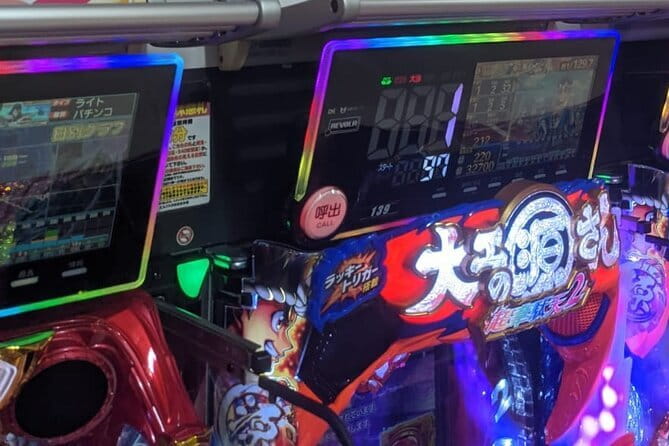
After the explanation, you enter a traditional pachinko parlor. Expect a strong visual and audio change from the street. The machines are designed to attract attention, and the combined sound of many games can feel intense. If you are sensitive to noise, keep that in mind before booking.
The practical lesson starts with purchasing your first set of metal balls. That purchase is not included in the $19 tour price, so bring extra money for the gaming portion. The supplied information does not set a required gaming budget, so you decide how much to spend.
Your guide then shows you how to launch the balls into the machine. This is the part where a little help makes a real difference. The basic action may look simple, but aiming and controlling the flow can feel awkward during your first few minutes.
The guide also offers tips intended to help you aim for the jackpot and make the most of your play. Treat these as an introduction to the machine rather than a promise of winnings. Pachinko is still a game of chance, and no short tour can guarantee a particular result.
What the pachinko lesson is really worth
At $19, the guided portion is reasonably priced for Shibuya, especially if you want an explanation rather than a quick, unsupported attempt at a machine. The fee buys you a structured introduction, an English-speaking guide, translation, and help with the rules.
The value depends on what you want. If you already understand pachinko and simply want to play for an hour, you may prefer to enter a parlor on your own and spend the full budget on gaming. If you have never seen pachinko before, the guide can save you from wasting your first few minutes trying to figure out the controls.
Remember the second cost. The activity price does not include the pachinko gaming fee or drinks. You should view the advertised amount as the cost of access to the lesson and guided experience, not as an all-inclusive entertainment budget.
The small group also affects the value. With no more than three participants, you should get more direct help than on a large group walk. One of the strongest patterns in the available feedback is that the guide explains the game clearly, gives people time for questions, and remains patient while beginners learn.
How the guide affects your experience
The guide’s role is central here. Pachinko parlors can be hard to understand if you do not read Japanese or know the local routine. English explanation and interpretation turn the visit from a visual spectacle into an activity you can actually follow.
Several comments praise the clarity and patience of the instruction. One participant specifically noted having enough time for questions. Another described the guide as positive and encouraging when the participant began winning. The guide named in one comment is Ing, who was praised for explaining this unusual game clearly.
That personal support is important because you will likely need help at more than one point. You may need the rules repeated, assistance choosing or operating a machine, or a quick explanation of what is happening on the display. A three-person maximum gives the guide a fair chance to notice when you need help.
Still, the experience depends on the person leading it and on clear communication at the meeting point. If you have trouble locating the guide, use the blue tablet and lottery booth as your visual checks, then contact the provider promptly if needed.



The sound, pace, and feel inside a parlor
A pachinko parlor is not a quiet museum. The appeal comes partly from the lights, electronic displays, metal balls, and constant machine noise. That makes the setting feel authentic, but it can also be tiring if you prefer calm sightseeing.
The tour lasts one hour, which is a sensible length for a first encounter. You have enough time to hear the background, learn the rules, practice launching balls, and try the game without letting the activity take over your day.
The short format is also helpful if you are planning a packed Shibuya schedule. You can meet at Hachiko, complete the activity, and return to the same point. The tour does not require a long transfer or a separate trip to an outlying neighborhood.
The experience is best approached with curiosity rather than a serious gambling goal. You are paying to understand a piece of Japanese popular culture and to try the mechanics under guidance. Any winning is a bonus, not the reason to book.
Who should book this experience
I would recommend this for adults who are curious about Japanese gaming culture, enjoy hands-on activities, or want something different from Shibuya’s usual sights. It is also a good choice if you want a short activity that fits between shopping, food, and neighborhood walks.
First-time pachinko players are the clearest match. You receive an explanation before playing, and the guide can help you avoid the most embarrassing beginner mistakes. The English support is especially useful if you do not speak Japanese.
Small groups, couples, and solo visitors should also consider it. A maximum of three participants makes it easier for a solo participant to receive attention, while a couple can share the novelty without being lost in a large group.
This is not suitable for children under 18. It may also be a poor fit if you dislike loud arcades, flashing machines, or paying an additional gaming fee after the tour price.
Practical details that matter
The activity is wheelchair accessible, which makes it more usable than many older entertainment venues. You should still confirm any personal access needs when booking, since the provided information does not describe the parlor’s exact layout.
The guide speaks English, and translation and interpretation are included. The group is limited to three participants, and the guided portion takes one hour.
You can cancel up to 24 hours before the start for a full refund. A reserve-now, pay-later option is also available, so you do not need to pay at the time of booking. Check the available start times before planning your Shibuya schedule.
The published rating is 4.4 from 14 ratings. Most of the detailed comments praise the explanation, patience, and fun of the activity, while one five-star comment simply describes it as informative and fun. The main warning concerns communication before the start, so save the provider’s contact details and arrive early.
Should you book the Shibuya pachinko experience?
Book it if you want a guided first look at pachinko and value clear English instruction more than a long playing session. For $19, the short tour gives you cultural context, practical help, and a small-group setting near one of Tokyo’s best-known meeting points.
Skip it if you already know pachinko, want to spend your full budget on the game itself, or dislike loud gaming halls. Also remember that the machine fee is extra.
For most curious adults, I think the strongest reason to book is simple: pachinko is easy to misunderstand from the outside. This experience gives you the rules, the setting, and a chance to try it without having to figure out the whole system alone.
FAQ
Where does the pachinko experience meet?
Meet near the Hachiko Memorial Statue in Shibuya. At the right side of the statue, look for the lottery ticket booth. The guide waits in front of the booth and holds a blue tablet.
How long does the activity last?
The guided experience lasts one hour and returns to the Hachiko Memorial Statue.
Is the tour offered in English?
Yes. The live guide speaks English, and translation and interpretation are included.
Is pachinko gaming included in the $19 price?
No. The pachinko gaming fee is separate. Drinks are also not included.
How many people can join the group?
The group is limited to three participants.
Is the activity suitable for children?
No. The activity is not suitable for children under 18.
Can I cancel for a refund?
Yes. You can cancel up to 24 hours in advance for a full refund. A reserve-now, pay-later option is also available.
More Shibuya Tours in Tokyo


More tours in Tokyo we've reviewed




Shibuya Tours, compared.
 ★ 5.0Official Street Go-Kart in ShibuyaFrom $76
 ★ 4.9Tokyo: Street Kart Experience in ShibuyaFrom $741 hour
 ★ 5.0Shibuya Meltdown Nightlife Tour: All-You-Can-Drink Bar HoppingFrom $106
 ★ 5.0Shibuya Official Street Go-Kart in Shibuya AnnexFrom $69
 ★ 5.0Tokyo: Shibuya Food Tour (13 dishes and 4 Eateries)From $77
 ★ 5.0Best of Shibuya Food TourFrom $217