
Reviewed · NIKKO DAY TRIPS
Private Nikko Early Morning Tour with English-Speaking Guide
Nikko’s power is in the contrast: one stop is a dazzling memorial to shogun Tokugawa Ieyasu, the other is a quiet forest shrine tied to more than 1,200 years of mountain worship. This four-hour private tour gives you both, with an English-speaking guide to explain what you are seeing rather than leave you guessing at rows of carvings and sacred symbols.
I like the focused route and the private format. You spend about 90 minutes at Toshogu, where gold details, elaborate gates, and the famous three monkeys reward careful looking, then about an hour at Futarasan Shrine, where old trees and mountain beliefs create a calmer mood. I also like that the guide can shape the storytelling around your group. Amane, one guide named in the experience feedback, was praised for being patient, funny, and personable.
The main consideration is cost beyond the advertised $54.73 per person. A transportation fee of ¥700 per person is not included, and food and drinks are extra. The four-hour visit also covers only two sites, so this suits you best if you want a clear history-focused introduction rather than a full day in Nikko.
In This Review
- Key points at a glance
- Why this short Nikko tour works
- Meeting at Tobu-Nikko Station
- Reading Toshogu’s grand design
- Finding quiet at Futarasan Shrine
- What the private guide changes
- Is $54.73 a fair price?
- Who should book this experience?
- Booking, cancellation, and practical details
- Should you book the Nikko Morning History Tour?
- FAQ
- Where does the tour begin?
- Where does the tour end?
- How long does the tour last?
- Which sites are included?
- Is Toshogu Shrine admission included?
- Is there an admission fee for Futarasan Shrine?
- Is the tour private?
- Is an English-speaking guide included?
- Is transportation included in the price?
- Can I cancel for a full refund?
Key points at a glance
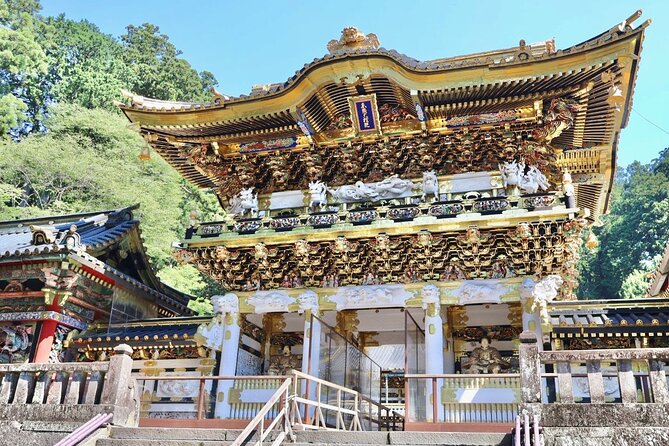
- Two very different shrines: See the lavish Toshogu Shrine and the quiet, forested Futarasan Shrine in one morning.
- Private group experience: Only your party takes part, so the guide’s explanations can stay focused on your interests.
- Tokugawa Ieyasu connection: Toshogu is the burial shrine of the founder of the Tokugawa Shogunate.
- Mountain worship at Futarasan: Learn about the sacred role of Mt. Nantai, Mt. Nyoho, and Mt. Taro.
- English-speaking guidance: The tour adds context to carvings, legends, rituals, and shrine design.
- Simple station meeting point: Begin and finish at Tobu-Nikko Station, with mobile ticketing and free cancellation up to 24 hours before departure.
Why this short Nikko tour works
Nikko can feel like a lot to take in. The shrines are close enough to visit together, yet they tell very different stories. Toshogu presents political power through lavish decoration. Futarasan presents an older, quieter form of worship linked to mountains and nature.
That contrast gives this tour a useful shape. You are not simply walking from one famous gate to another. You are comparing two sides of Nikko’s identity: the authority of the shogunate and the spiritual pull of the mountains.
I also like the tour’s length. Four hours is enough time to reach the two central sights without making the day feel overpacked. If you have only a morning in Nikko, this route gives you a solid introduction. If you have several days, it leaves room for other parts of the area afterward.
The private setup matters here. Shrine grounds can contain a lot of visual information, and a guide can point out details you might otherwise pass without noticing. You can also ask why a carving matters, how the shrine relates to Shinto practice, or how Tokugawa Ieyasu fits into Japanese history.
The tour description gives an early morning focus, but it does not state the exact departure time. Check that detail when booking, especially if you are coordinating trains or accommodation.
A few more Nikko tours and experiences worth a look
Meeting at Tobu-Nikko Station
The tour begins at Tobu-Nikko Station, at 4-3 Matsubaracho, Nikko, Tochigi 321-1406. This is a practical meeting point because you can arrive there by train and meet the guide before heading to the shrine area.
You also return to the same meeting point when the activity ends. That makes planning easier than a tour that finishes at a different site. You can then continue exploring Nikko, return to your accommodation, or arrange your next train connection.
A transportation fee of ¥700 per person is extra. The supplied details do not explain exactly what this fee covers, so I would confirm the transport arrangement and payment method before the tour begins. The advertised price covers the guide and the included Toshogu admission, but not this added transportation charge.
Bring a phone with your mobile ticket available. Confirmation is sent at booking, and the mobile ticket feature saves you from carrying printed paperwork.
Reading Toshogu’s grand design
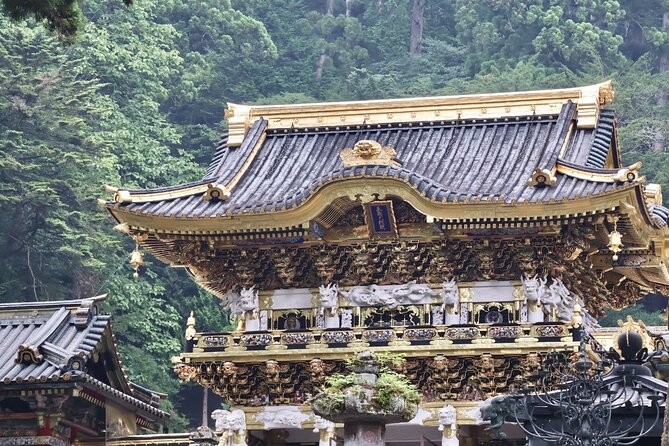
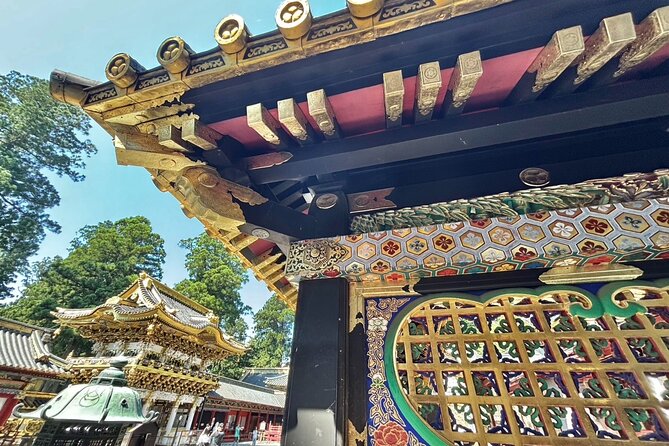
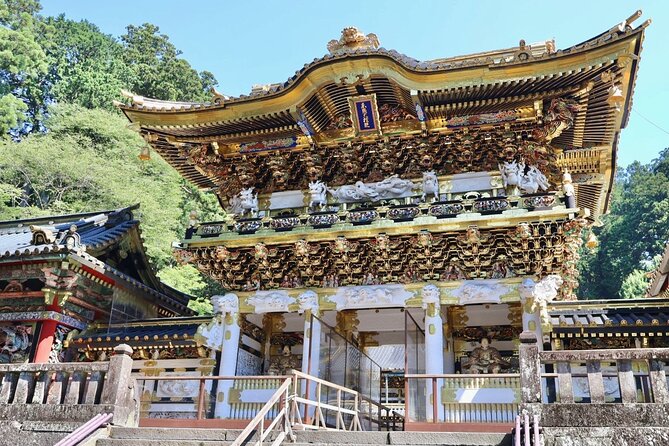
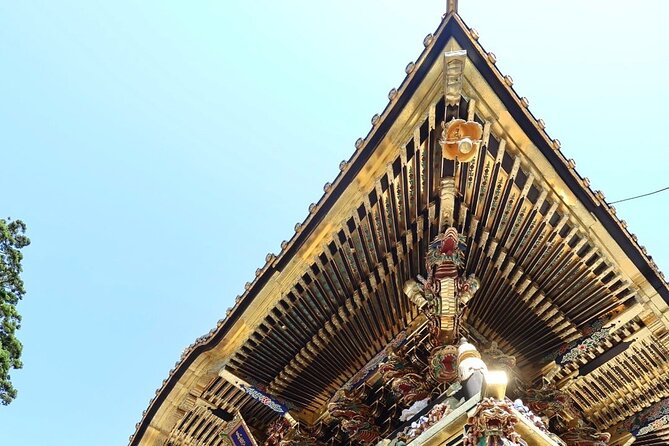
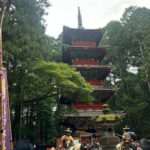
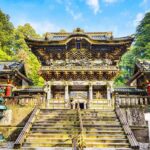
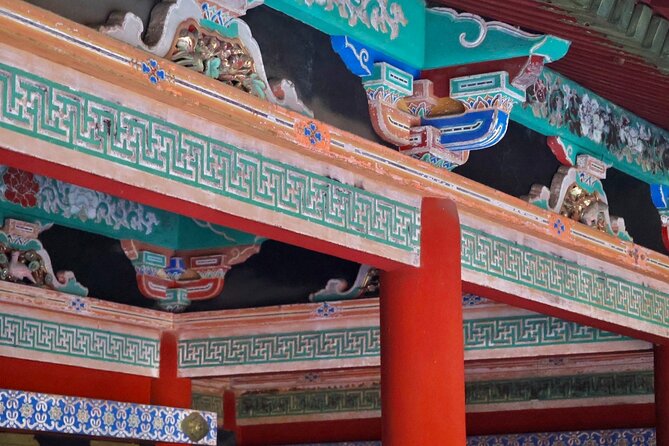
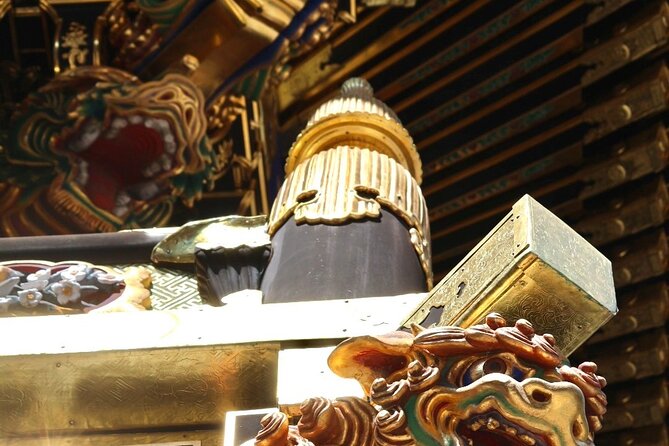
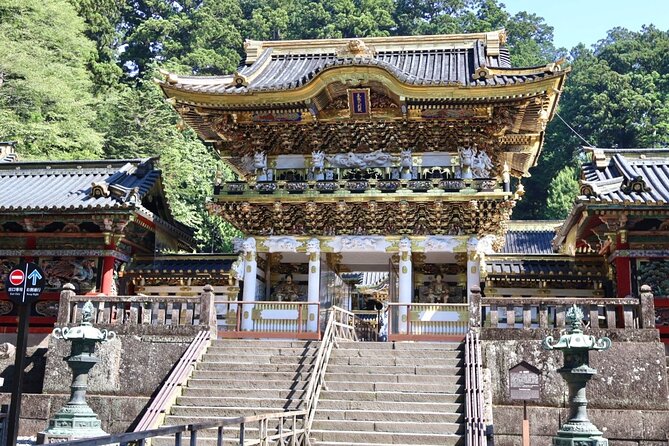
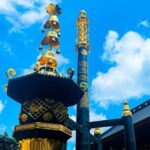
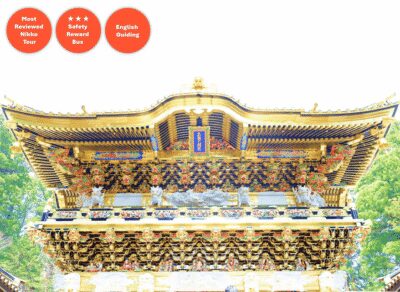
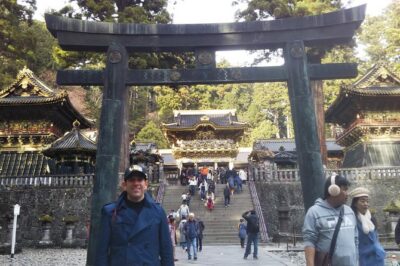
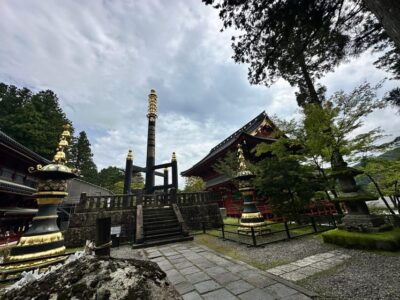
Toshogu Shrine receives about 90 minutes of the tour, and that is the right kind of time for a first visit. The shrine is not a plain, restrained Shinto site. It is highly decorated, with gold leaf details, colorful carvings, large gates, and an imposing scale.
The shrine honors Tokugawa Ieyasu, the founder of the Tokugawa Shogunate. That connection gives the architecture a political meaning. You are looking at a sacred site, but also at a powerful memorial to the man whose government shaped Japan for more than two centuries.
This is where an English-speaking guide adds real value. The carvings are easy to admire as decoration, but harder to understand without context. Your guide can explain the meanings behind the images, the stories connected with the shrine, and the way the site combines religious practice with samurai-era authority.
The famous three monkeys are among Toshogu’s best-known details. They represent see no evil, speak no evil, and hear no evil. They are memorable, but they are only one part of the shrine’s visual program. Look closely at the gates, buildings, and carved figures rather than treating the monkeys as the entire visit.
Toshogu is also a good place to consider how unusual its style is. Many Shinto shrines are associated with simplicity and natural materials. Toshogu takes another route, using decoration and grandeur to honor Ieyasu. That difference is one of the most interesting things your guide can help you notice.
The possible drawback is that the site may feel visually crowded in the mental sense, even if your group is small. There is a great deal to absorb in 90 minutes. You will get more from it if you pause and let the guide explain selected features instead of trying to inspect every carving.
Finding quiet at Futarasan Shrine
After Toshogu, the tour turns to Futarasan Shrine for about an hour. Founded in 767, Futarasan is one of the oldest sacred sites in the Nikko area. Its purpose is tied to mountain worship, and it is dedicated to the deities of Mt. Nantai, Mt. Nyoho, and Mt. Taro.
The mood shifts quickly. Toshogu is a statement of authority and ceremony. Futarasan is more restrained, with forest surroundings, sacred trees, and a sense of quiet. This second stop prevents the morning from becoming only an architecture tour.
I find the spiritual context especially useful here. Futarasan shows that Nikko’s importance does not begin with the Tokugawa family. The area had been a center of religious life for centuries before Toshogu was built. The mountains themselves are central to the story, not just a scenic backdrop.
Your guide can also help connect the two shrines. Both are part of Nikko’s UNESCO World Heritage area, but they express different traditions and priorities. At Futarasan, you have more space to consider ritual, nature, and the long relationship between Japanese worship and sacred peaks.
The one-hour visit is enough for an introduction, though it is not a full exploration of every religious site in Nikko. If your main interest is hiking, mountain worship, or detailed temple and shrine architecture, you may want more time in the area after the tour.
What the private guide changes
A private tour is not automatically better than a group tour, but it can be a smart choice at a historic site like Nikko. Only your group participates, so the pace does not have to suit strangers. You can spend longer on the carvings that interest you and move faster through details that do not.
The guide is English-speaking, which is important at Toshogu. Written signs can identify a building or motif, but they rarely explain why a detail matters in the larger story. A live guide can connect Ieyasu, the shogunate, shrine ritual, and mountain worship in a way that makes the two stops easier to remember.
The strongest personal quality associated with the guide Amane is not just information. The guide was described as patient, funny, and personable. That combination matters during a history tour. Patience helps when you have questions, while humor keeps a serious subject from becoming a stream of dates and names.
Of course, your exact guide may differ. The experience is operated by GuideMe Japan, and the published details identify Amane through the guide feedback, not as a guaranteed assignment. If having Amane matters to you, ask the operator before booking.
You should also expect to walk and remain on your feet around shrine grounds. The tour asks for a moderate level of physical fitness. No detailed accessibility information is supplied, so contact the operator if you need specific information about surfaces, stairs, or mobility support.
Other guided tours in Nikko
Is $54.73 a fair price?
At $54.73 per person, the tour is priced as a guided private introduction rather than a simple entrance visit. Toshogu admission is included, and the English-speaking guide is the main part of what you are paying for. Futarasan Shrine has no admission charge according to the supplied details.
The value depends on how much help you want with interpretation. If you are happy to read about the sites on your own, you could spend less by visiting independently. If you want someone to explain the three monkeys, Tokugawa Ieyasu, sacred mountain worship, and the differences between the shrines, the price is easier to justify.
The private format improves the value for couples, families, or a small group of friends. The per-person price may feel less attractive if you are alone, since the experience does not list a lower solo rate. Still, a private guide gives you a more flexible morning than a large scheduled group.
Remember the additional ¥700 transportation fee per person. Food and drinks are also excluded, though the tour lasts only about four hours. The total cost is therefore clear enough for budgeting, but you should add the transport charge before comparing it with other options.
The tour has a rating of 5 from eight posted evaluations, and the most specific praise centers on Amane’s patience, humor, and personal approach. That is useful evidence about the guide style, though eight evaluations are still a small sample. I would treat the rating as encouraging rather than as a guarantee of every tour.
Who should book this experience?
I would choose this tour if you want a compact introduction to Nikko’s major shrine heritage and prefer explanations in English. It is especially suitable if you enjoy history, religious sites, Japanese art, or the connection between political power and sacred places.
It also fits a first visit when your schedule is tight. The route covers the two main contrasts in the supplied plan without asking you to commit an entire day. Starting and finishing at Tobu-Nikko Station keeps the plan simple.
Families and small groups may appreciate the private setting. Children who respond well to stories may find the monkeys, shogun connection, and mountain deities more interesting when a guide explains them in plain language.
I would think twice if you want a long, unhurried day in Nikko or plan to focus on nature rather than shrine history. The tour includes forest surroundings at Futarasan, but its main purpose is cultural explanation at two religious sites. It is not presented as a hiking tour, food tour, or broad sightseeing circuit.
Wear shoes suited to walking and allow enough time to reach the station. Since the physical requirement is listed as moderate, ask the operator about the route if stairs or extended walking may be difficult for you.
Booking, cancellation, and practical details
Confirmation arrives at the time of booking, and the activity uses a mobile ticket. The tour starts and ends at Tobu-Nikko Station, so keep that location in your day plan.
Free cancellation is available when you cancel at least 24 hours before the local start time. Cancellations made less than 24 hours ahead are not refunded, and changes inside that window are not accepted.
The exact start time is not provided in the tour details. Confirm it before booking train connections. Also confirm how the ¥700 transportation fee is handled, since it is listed separately from the headline price.
Should you book the Nikko Morning History Tour?
Book it if you want Toshogu’s ornate memorial architecture and Futarasan’s mountain spirituality explained in one focused morning. The combination is strong, and the private English-speaking format gives you room to ask questions and set the pace.
Skip it if you prefer to explore independently, need a fully accessible route with confirmed details, or want a full-day Nikko program. For a short first look at the area’s spiritual and political history, though, this is a well-shaped choice. The guide’s friendly style, especially the qualities associated with Amane, is an added reason to consider it, but confirm your guide assignment if that matters to you.
FAQ
Where does the tour begin?
The tour begins at Tobu-Nikko Station, located at 4-3 Matsubaracho, Nikko, Tochigi 321-1406, Japan.
Where does the tour end?
The activity ends back at the meeting point at Tobu-Nikko Station.
How long does the tour last?
The tour lasts approximately four hours.
Which sites are included?
The tour visits Nikko Toshogu Shrine and Nikko Futarasan Shrine.
Is Toshogu Shrine admission included?
Yes. Admission to Nikko Toshogu is included.
Is there an admission fee for Futarasan Shrine?
The supplied details list admission to Futarasan Shrine as free.
Is the tour private?
Yes. Only your group participates in this private activity.
Is an English-speaking guide included?
Yes. An English-speaking guide is included.
Is transportation included in the price?
A transportation fee of ¥700 per person is not included. Food and drinks are also not included.
Can I cancel for a full refund?
Yes, if you cancel at least 24 hours before the experience start time. Cancellations made less than 24 hours before the start time are not refunded.
More Private Tours in Nikko

More Guided Tours in Nikko
More Nikko Day Trips in Nikko
More tours in Nikko we've reviewed
Nikko Day Trips, compared.
 ★ 4.6Nikko: Kegon Falls, Lake Chuzenji & Toshogu TempleFrom $8911 hours
 ★ 4.5Tokyo: Nikko Toshogu Shrine and Kegon Waterfall TourFrom $8410h 30m
 ★ 5.0Nikko Full-Day Private Tour with Government-Licensed GuideFrom $155
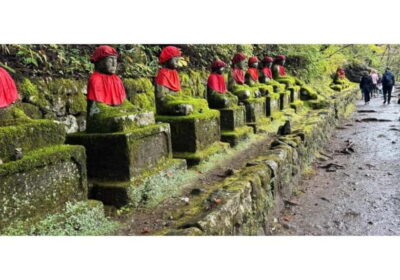
 ★ 4.9From Tokyo: Nikko World Heritage Site Private Full-Day TripFrom $4831 day
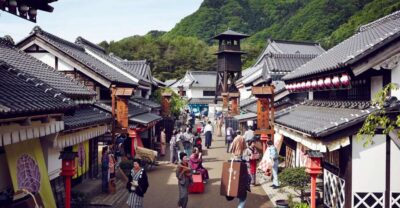 ★ 4.3Nikko: Edo Wonderland Edomura Cultural Theme Park TicketFrom $351 day
 ★ 4.8Tokyo: Nikko World Heritage Private Day Trip Hotel Pick-upFrom $39011 hours - 1 day