
Reviewed · SAMURAI & NINJA EXPERIENCES
Tokyo:Samurai Training : Swords, Bushido & Mental Discipline
Tokyo’s samurai class takes you beyond costume photos and staged sword shows. At a small dojo in historic Kojimachi, you learn etiquette, breathing, wooden-sword drills, and one real combat kata before testing your focus in one-on-one sparring. The hands-on training is the main draw, and the quiet matcha break gives the two-hour session a nice change of pace.
I like the mix of mind and body work, from meditation and silent ninja-style walking to heavy-stick strength drills. I also like the small group, limited to six, which gives you more direct time with the instructor. The main consideration is physical: pregnant people and those with a cold should not take part, and the English instruction may not always be fully fluent.
In This Review
- Key Points
- A Dojo in Tokyo’s Old Castle District
- Beginning With Bushido and Proper Etiquette
- Wooden Swords, Heavy Sticks, and Quiet Feet
- Learning One Samurai Combat Kata
- One-on-One Sparring With an Instructor
- Matcha, Sweets, and a Calm Break
- Samurai Clothing, Photos, and the Scroll Certificate
- What $83 Buys You in Two Hours
- Who Will Enjoy This Most
- Booking Details That Matter
- Should You Book the Tokyo Samurai Training?
- FAQ
- Where does the samurai training take place?
- How long does the experience last?
- How much does the experience cost?
- Is the training conducted in English?
- How many people can join the class?
- Is prior samurai or martial arts experience required?
- Is samurai clothing included?
- What is included besides the training?
- Who should not take part?
Key Points
- Kojimachi setting: Train at a dojo in an area once connected with Edo Castle’s inner grounds.
- Real participation: Learn sword basics, a combat kata, and spar one-on-one with an instructor.
- Bushido practice: Breathing, meditation, etiquette, and silent walking are part of the lesson.
- Small English-language class: Groups are limited to six, with instruction in English and Japanese.
- Traditional extras: Wear samurai attire, drink matcha, taste Japanese sweets, and receive a named scroll certificate.
- Simple planning: The class lasts two hours, costs $83 per person, and requires at least two participants.
A Dojo in Tokyo’s Old Castle District
The class takes place in Tokyo’s Kojimachi district, an area described as part of Edo Castle’s inner grounds in the samurai era. That setting matters. You are not watching a sword routine in a theater or posing beside a decorative suit of armor. You are entering a working training space where the lesson begins with conduct, posture, and attention.
A samurai waits at the dojo entrance. Look for the samurai nobori flag, which serves as the meeting marker. Transportation is not included, so plan your route to the dojo separately and allow enough time to arrive before the class begins.
Shoes are not allowed indoors. Wear footwear you can remove easily, and tell the provider everyone’s height and size in advance so the samurai uniforms are ready. Sizes are listed as S, M, and L.
The class is limited to six people. That is a useful number for this kind of activity. Sword work needs correction, and one-on-one practice is more useful when the instructor does not have a large crowd to manage. You still share the dojo with other participants, but this is not a packed group lecture.
A few more Tokyo tours and experiences worth a look
Beginning With Bushido and Proper Etiquette
The lesson starts with samurai etiquette and the spirit of Bushido. This gives the sword practice some context before you pick up a weapon. You learn that samurai training was not only about force. It also involved discipline, controlled behavior, focus, and respect for the training space.
The instructor also introduces breathing techniques and meditation. This may be the quietest part of the class, but it is important. The goal is to settle your mind before the physical exercises begin. If you arrive from Tokyo’s busy streets, a few minutes of controlled breathing can help you shift from sightseeing mode into practice mode.
I like this opening because it keeps the experience from becoming a simple sword-themed photo session. You are asked to pay attention to how you stand, move, and respond. That makes the later exercises feel connected rather than like a series of unrelated tricks.
The English instruction is designed for beginners, with Japanese also available. Oedo and Yukikaze are identified as instructors, and the teaching style is friendly and encouraging. The English may not always be fluent, so demonstrations and repeated practice are likely to carry part of the lesson. That is not a problem for basic physical movements, but you should be ready to watch carefully and ask for clarification when needed.
Wooden Swords, Heavy Sticks, and Quiet Feet
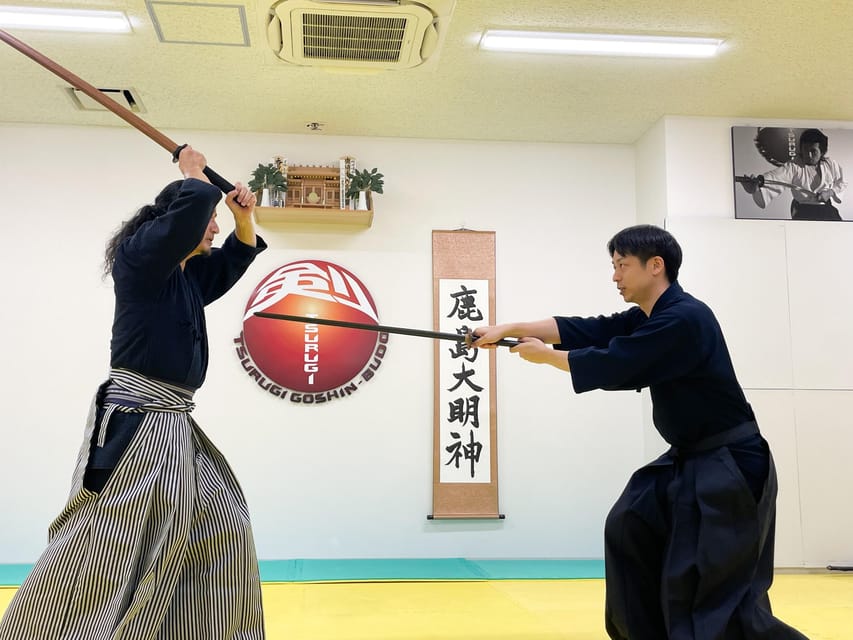
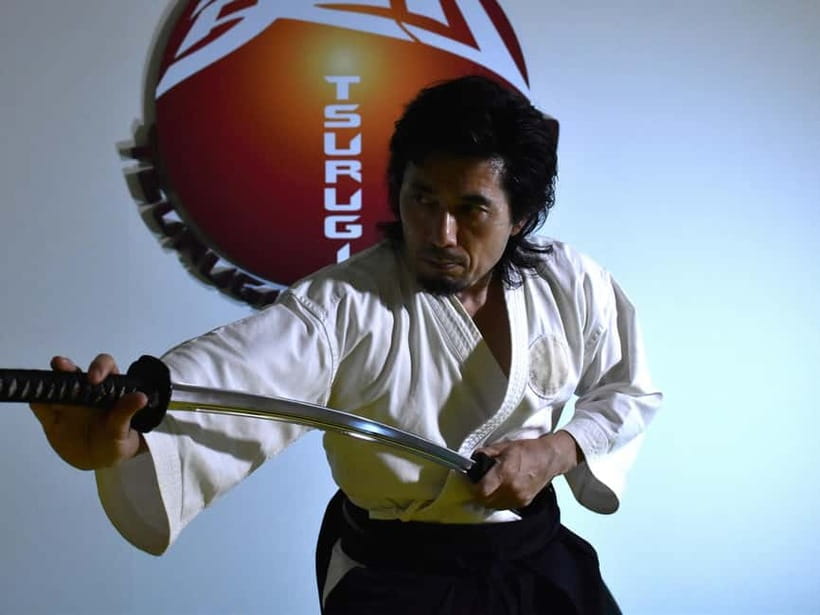
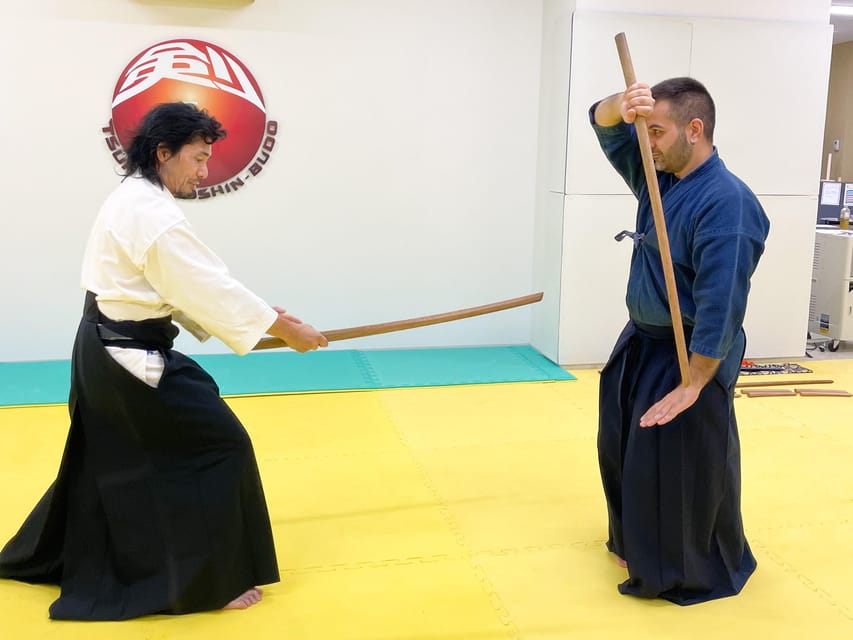
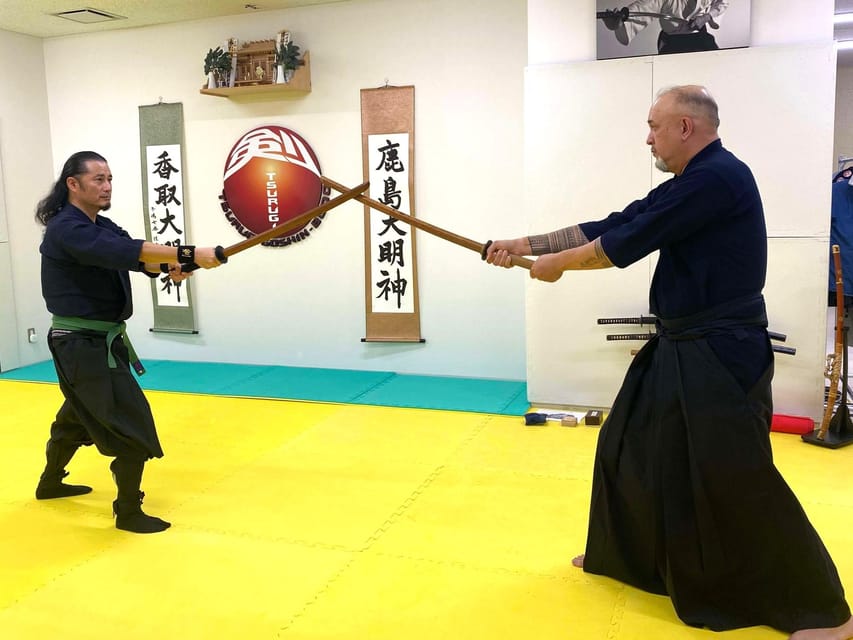
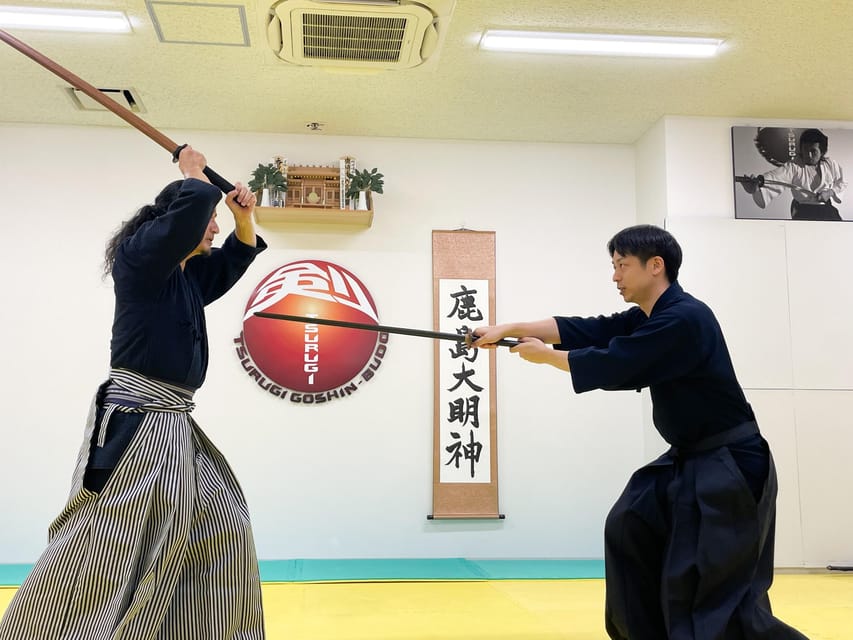
Once the introduction is complete, you move into wooden-sword basics. The instructor provides a live sword demonstration, then guides you through beginner movements with a practice sword. The point is not to turn you into a movie swordsman in two hours. It is to teach safe handling, basic form, and the disciplined movement behind the technique.
The class also uses a heavy practice stick for strength training. This adds a different challenge. Sword work asks for control and posture, while the heavier stick tests your arms, shoulders, and general endurance. You may find this section more tiring than expected, especially if you are not used to repeated drills.
Next comes silent walking, described as a ninja-style exercise. You work on balance, posture, and awareness while trying to move quietly. It sounds simple, but quiet movement quickly shows where your weight is going and how much unnecessary motion you make.
This section is one of the class’s more unusual features. Many cultural activities focus on a costume, a craft, or a short demonstration. Here, you practice how a trained person moves through space. The exercise also breaks up the sword work and gives your body a different problem to solve.
Learning One Samurai Combat Kata
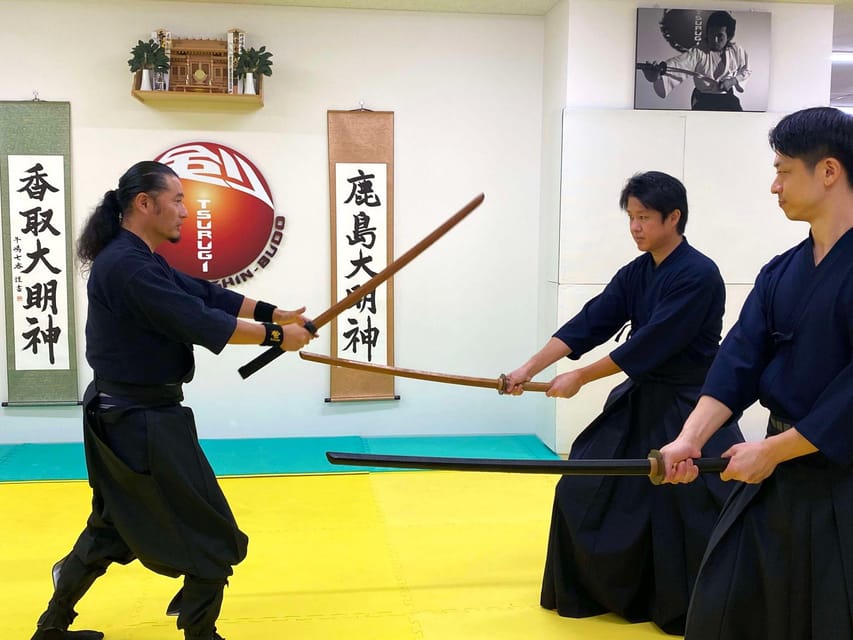
The class then shifts toward practical combat sword skills. You learn one authentic samurai combat kata, a set sequence of movements practiced in a specific order. In two hours, mastering one kata makes more sense than racing through several. You have time to repeat the pattern and understand the connection between stance, movement, and the sword.
The instructor demonstrates the technique before you practice it. Pay attention to the details rather than trying to look dramatic. The value of a kata comes from precision and repetition. Your posture, timing, and awareness matter more than speed.
This is also where the class benefits from a small group. The instructor can watch your movement and offer corrections. You should not expect a full martial arts course, but you will get a clear introduction to how a formal combat sequence is learned.
The phrase real combat skills should be understood in context. This is a beginner session using wooden practice weapons, not a military course or a full professional training program. It offers a controlled introduction to samurai techniques. The class is educational and physical, but it is still designed for visitors with limited or no previous experience.
One-on-One Sparring With an Instructor
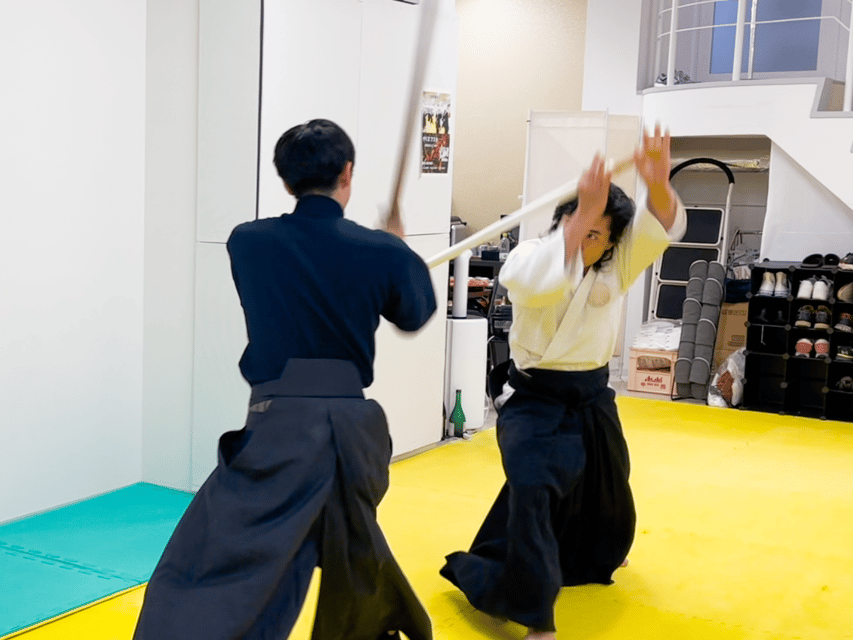
The most active part of the class is one-on-one sparring with an instructor. You apply the basic skills and kata in a controlled exchange rather than simply repeating movements in the air.
This is where your concentration gets tested. It is one thing to remember a sword position while standing still. It is another to respond to a moving partner and keep your balance, form, and attention at the same time.
The sparring is a strong reason to choose this activity over a standard samurai demonstration. You are not just observing a professional. You are asked to use what you have learned, with an instructor guiding the session.
The experience is beginner-friendly, but it is still physical. You should be comfortable with light training, standing, and repeated movement. The published restrictions specifically exclude pregnant people and people with a cold. Those limits are worth taking seriously, since the class includes strength work and sparring rather than only seated instruction.





Matcha, Sweets, and a Calm Break
During the break, you receive matcha green tea and traditional Japanese sweets. This pause gives you time to catch your breath and shifts the mood from physical training to quiet hospitality.
The tea is not the main reason to book, but it fits the setting well. After the focus and exertion of the drills, sitting down with matcha gives the class a more complete cultural shape. You are learning a martial tradition, then taking part in a small Japanese tea moment inside the dojo.
The break may also be useful for families and mixed-age groups. Not everyone has the same stamina for sword drills, and a quiet pause helps keep the two-hour session comfortable. One family described the activity as a strong bonding experience, and I can see why: you train together, watch each other attempt the movements, then share the tea break.
Samurai Clothing, Photos, and the Scroll Certificate
Samurai uniform rental is included. Wearing the clothing changes the feel of the class, especially once the practical training begins. It is not merely a costume for the final photo. You wear it while learning etiquette, handling a wooden sword, and practicing the kata.
At the end, you receive a personalized scroll-style certificate with your name and the techniques you learned. This is a thoughtful souvenir because it records the specific class rather than simply marking your visit to Tokyo.
You also get a commemorative photo with the samurai. The photo opportunity is included, so you do not need to treat it as a separate paid add-on. Bring your camera or phone if you want additional pictures, but follow the instructor’s directions inside the dojo.
The certificate and photo are pleasant extras, but I would not book this class for those alone. Their value comes from having trained first. After two hours of drills, the scroll feels like a record of participation instead of a generic souvenir.
What $83 Buys You in Two Hours
At $83 per person, this is not the cheapest cultural activity in Tokyo. The price makes more sense when you count what is included: a two-hour lesson, an English guide, samurai uniform rental, a live sword demonstration, instruction in Bushido and sword skills, matcha and sweets, a personalized certificate, and a photo.
The small group also affects the value. With a maximum of six participants, you have a better chance of receiving direct attention during the kata and sparring. A larger class might cost less per person, but it would likely give you less individual practice.
This is a good use of money if you want participation rather than a performance. It is less suitable if you only want to see a polished sword show or take a quick costume photo. The physical training, not the souvenir package, is what carries most of the value.
The class also works well as a special family activity or a memorable break from temples, shopping, and museums. It is short enough to fit into a Tokyo itinerary, though you still need to arrange your own transportation to the dojo.
Who Will Enjoy This Most
I would recommend this class to first-time visitors who want a cultural activity with real participation. You do not need prior martial arts training, and the instruction is intended for beginners.
It is especially suitable for:
- Couples looking for something more active than sightseeing
- Families who want a shared activity
- Small groups interested in Japanese martial traditions
- Solo visitors who enjoy structured physical lessons
- People who want a samurai photo with some substance behind it
You should think twice if you dislike physical activities, have a current cold, or are pregnant. The class includes meditation and cultural explanation, but it also includes wooden-sword drills, a heavy stick, silent walking, and sparring.
The English support is good enough for a beginner-focused lesson, but the instructors may not speak fluent English at all times. Demonstration is part of the teaching, and you may need to rely on watching closely as well as listening.
Booking Details That Matter
The experience lasts two hours, with starting times based on availability. At least two participants are required, so this is not an activity for a single person booking alone with no other participant confirmed.
You can cancel up to 24 hours in advance for a full refund. A reserve-now, pay-later option is available, which helps if your Tokyo schedule is still changing.
Tell the provider everyone’s height and clothing size, S, M, or L, before the session. Wear comfortable clothing beneath the uniform and shoes that come off easily. Indoor smoking is not allowed, and all shoes must be removed inside.
The language options are English and Japanese. Transportation is not included, so check the dojo location and plan your route before the day of the class.
Should You Book the Tokyo Samurai Training?
Book it if you want to learn by doing. The best parts are the Bushido introduction, the unusual silent-walking drill, the focused kata, and the chance to spar directly with an instructor. Oedo and Yukikaze have been praised for their friendly teaching and positive attitude, even when English communication is not completely fluent.
Skip it if you want a passive show, a short photo stop, or a completely gentle cultural activity. This class asks you to stand, concentrate, practice, and take part.
For $83, it is a fair value for a small, English-language session with training, clothing, tea, a certificate, and a photo included. The strongest reason to book is not that you will become a samurai in two hours. It is that you will gain a clearer feel for the discipline, posture, and attention behind the image.
FAQ
Where does the samurai training take place?
The activity takes place at a traditional dojo in Tokyo’s Kojimachi district, an area once connected with Edo Castle’s inner grounds.
How long does the experience last?
The training lasts two hours.
How much does the experience cost?
The listed price is $83 per person.
Is the training conducted in English?
Yes. The instructors use English and Japanese, and the experience is designed to be beginner-friendly.
How many people can join the class?
The class is limited to six participants.
Is prior samurai or martial arts experience required?
No. The activity is beginner-friendly and teaches etiquette, sword basics, combat skills, and one combat kata during the session.
Is samurai clothing included?
Yes. Samurai uniform rental is included. You should provide everyone’s height and size, S, M, or L, before the activity.
What is included besides the training?
The experience includes a live sword demonstration, English guidance, matcha green tea, traditional Japanese sweets, a personalized scroll-style certificate, and a commemorative photo.
Who should not take part?
The activity is not suitable for pregnant women or people with a cold. Smoking indoors is not allowed, and shoes must be removed inside the dojo.
More Samurai & Ninja Experiences in Tokyo
More tours in Tokyo we've reviewed











Samurai & Ninja Experiences, compared.
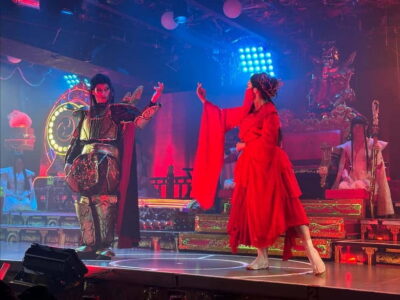 ★ 4.5Tokyo: Samurai Restaurant Show Ticket with 2 DrinksFrom $551h 30m
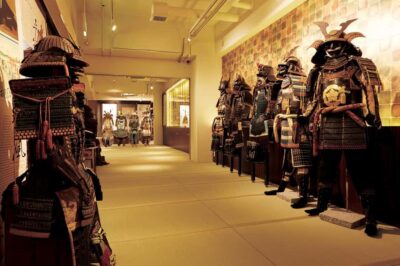 ★ 4.6Tokyo: Samurai Ninja Museum Guided tour and ExperienceFrom $27
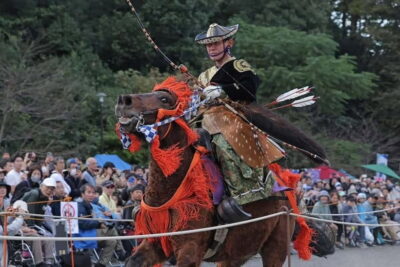 ★ 5.0Tokyo: Samurai Sword & Archery Class from Samurai DescendantFrom $1933 hours
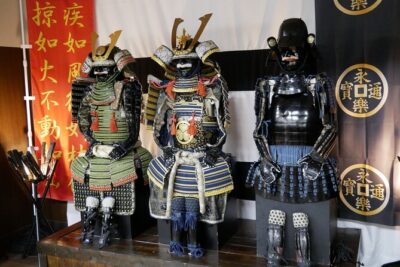 ★ 5.0Best Samurai Experience in TokyoFrom $65
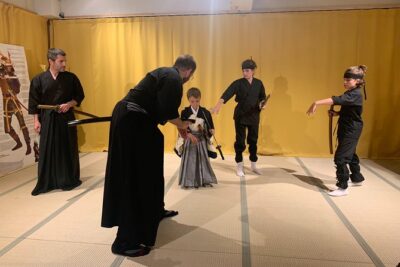 ★ 5.0Ninja Experience (Family Friendly) at Samurai Ninja Museum TOKYOFrom $47
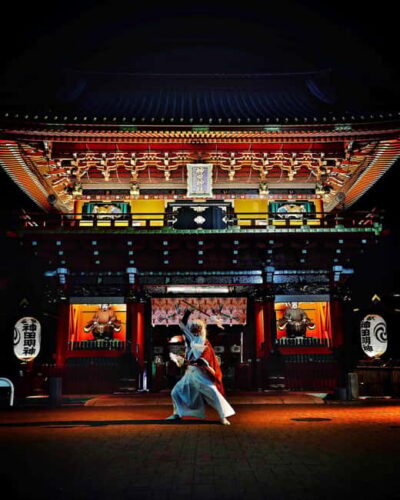 ★ 4.6Tokyo: Samurai Entertainment Night Show in Kanda ShrineFrom $412 - 3 hours