
Reviewed · GINZA TOURS
Tokyo: Art Aquarium Museum GINZA Entry Ticket
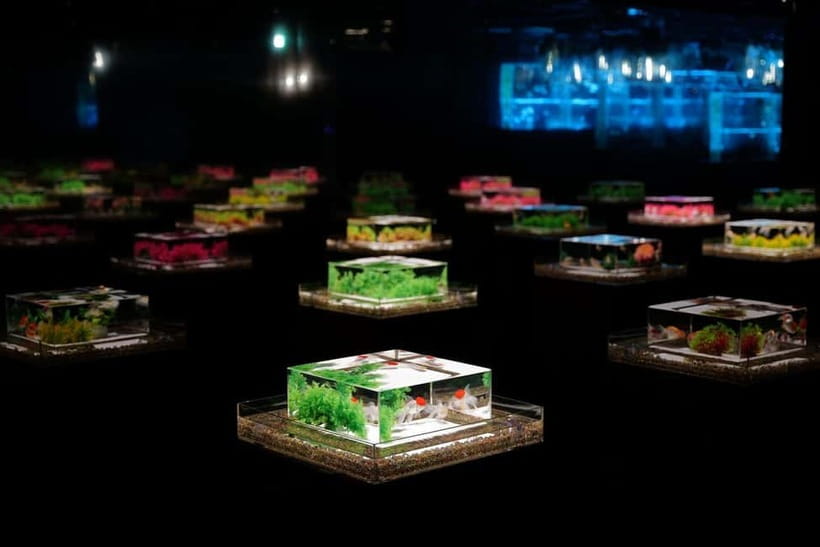
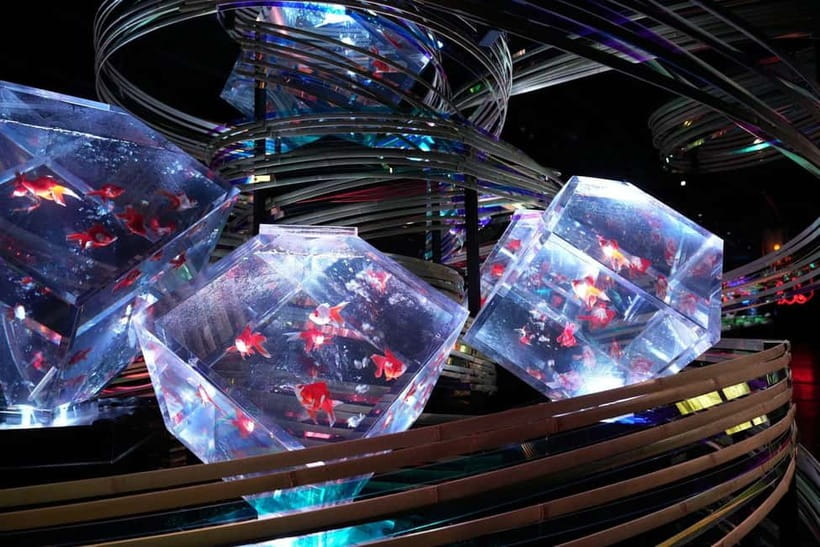
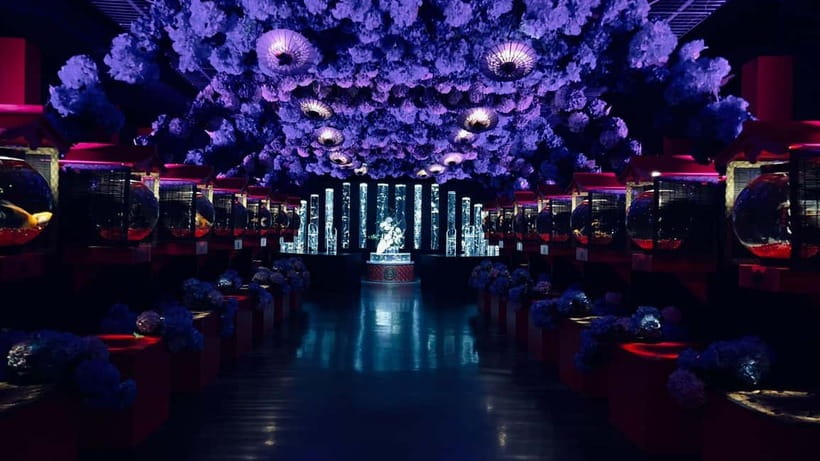
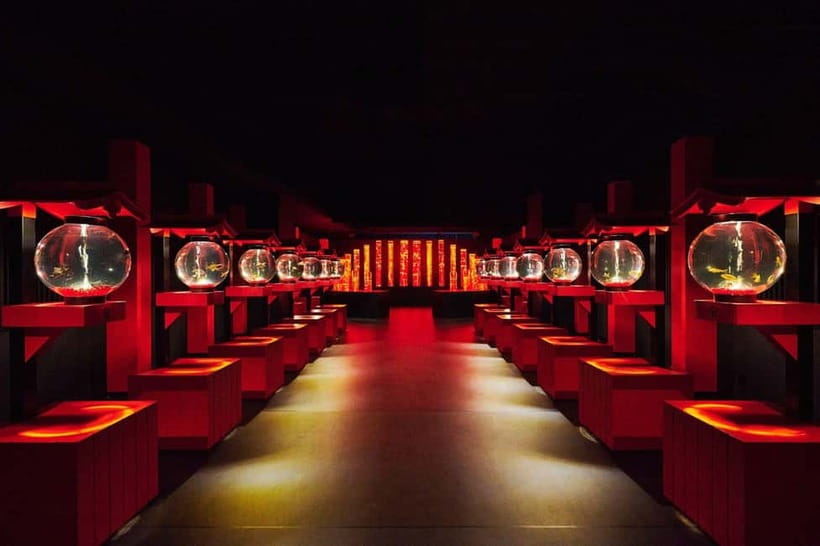
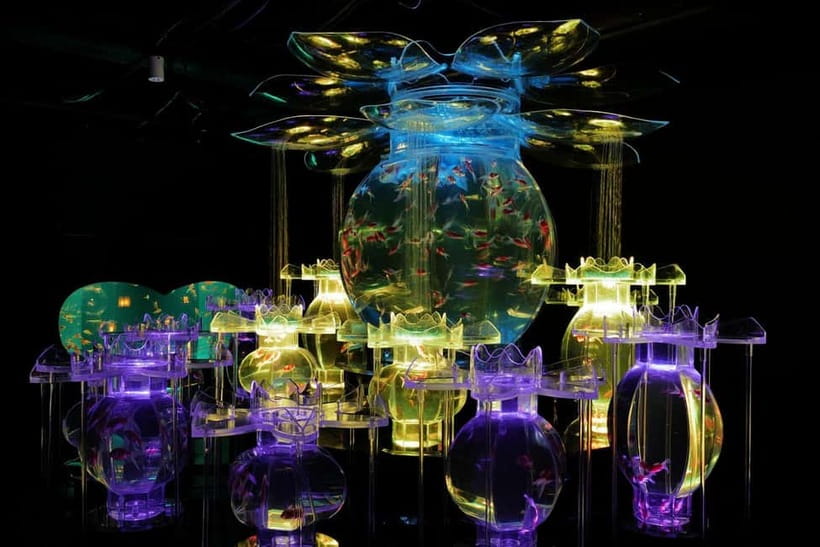
At Art Aquarium Museum GINZA, goldfish become the center of a carefully staged art show. Colored light, calm music, scent, and unusual aquarium shapes turn a simple fish display into something closer to a small theater production.
I like the beautiful photography opportunities and the way each display gives goldfish a different visual setting. I also like the Edo-period connection, since the museum updates an old Japanese fondness for ornamental goldfish rather than presenting a standard aquarium.
The main drawback is size. You can see the museum in roughly 45 minutes to an hour, and some people may feel $17 is high for such a short visit. Also, fish welfare may concern you, as one visitor felt some of the goldfish appeared poorly treated.
In This Review
- Key points to know before you go
- Goldfish as living art in central Ginza
- What the one-hour visit feels like
- The aquarium displays and seasonal design
- Why photography is such a big part of the visit
- Finding the museum inside Ginza Mitsukoshi
- Is $17 a fair price for an hour?
- Who will enjoy this most
- How to fit it into a Ginza day
- Practical tips for a smoother visit
- Should you book Art Aquarium Museum GINZA?
- FAQ
- Where is Art Aquarium Museum GINZA located?
- How do I reach the museum from Ginza Station?
- How close is it to Higashi-Ginza Station?
- How long should I spend at the museum?
- What does the $17 ticket include?
- Can children enter for free?
- Can I take photographs inside?
- Are the exhibits the same throughout the year?
- Is the ticket refundable?
- Does the museum have information in English?
Key points to know before you go
- Goldfish are the main attraction: This is an art venue built around the shape, color, and movement of goldfish, not a large aquarium with many kinds of sea life.
- The setting changes with light and sound: Music, scent, and colored lighting shape the mood as you move through the displays.
- Plan on about one hour: The museum is compact, making it easy to fit into a Ginza shopping day.
- Photography is welcome: You can take pictures, but tripods, monopods, strobes, and extra lighting are not allowed.
- The exhibits change with the seasons: A return visit may include noticeably different displays, with one repeat visitor finding more than half the art had changed over two years.
- It is inside Ginza Mitsukoshi: Admission reception and same-day ticket sales are on the ninth floor of the new building.
Goldfish as living art in central Ginza
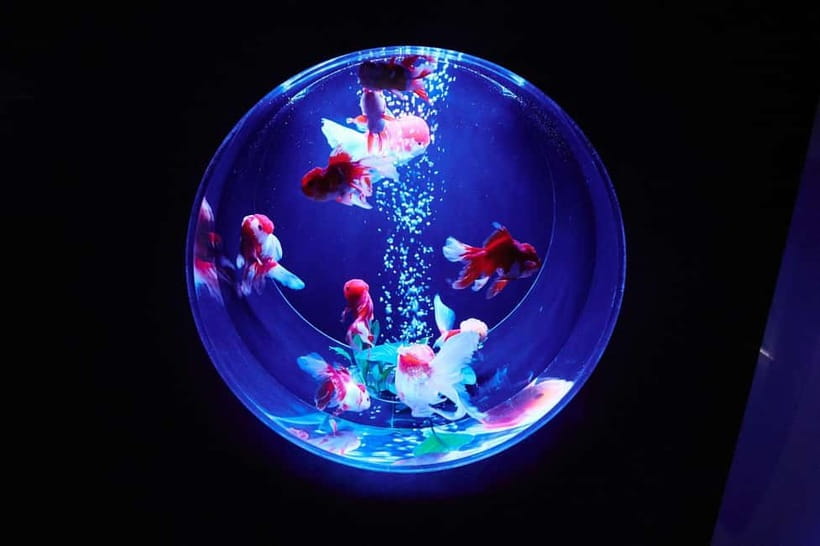
The Art Aquarium Museum GINZA takes a familiar animal and presents it in an unfamiliar way. Instead of focusing on scientific information or a broad collection of species, the museum asks you to watch how goldfish move through space, light, and color.
This idea has roots in the Edo period, when ornamental goldfish became objects of appreciation in Japan. The museum gives that tradition a modern setting, using large and unusual aquarium displays to make the fish part of a visual composition.
You will see goldfish swimming through arrangements designed for shape and movement. The fish are not simply placed in tanks along a wall, as they might be at a conventional aquarium. The displays are meant to be viewed as complete scenes, with the water, lighting, sound, scent, and surrounding structures working together.
That makes the experience especially appealing if you enjoy design, photography, fashion, or contemporary art. If you came hoping to see sharks, penguins, coral reefs, or a broad range of aquatic life, this is not the right choice.
A few more Tokyo tours and experiences worth a look

What the one-hour visit feels like
The listed viewing time is about one hour, though the exact pace depends on how long you spend taking pictures. A quick walk through may take around 30 minutes, while a slower visit can fill 45 minutes to an hour.
You do not need a full day for the museum itself. That is useful in Tokyo, where you can pair it with shopping, a meal, or a walk through Ginza without giving up a large part of your schedule.
The experience is arranged as a series of visual displays rather than a guided tour with a named guide. You move through at your own speed and stop where a particular tank or lighting effect catches your eye.
The atmosphere is quiet and theatrical. Several people particularly enjoyed the background music, which gives the rooms a calm, dreamlike feel. Aromatic scent is also part of the presentation, so this is not only a visual visit.
The music and scent may be a plus for you, but they are also worth knowing about in advance. If you prefer a plain aquarium setting, the sensory effects could feel like a distraction from the fish.
The aquarium displays and seasonal design
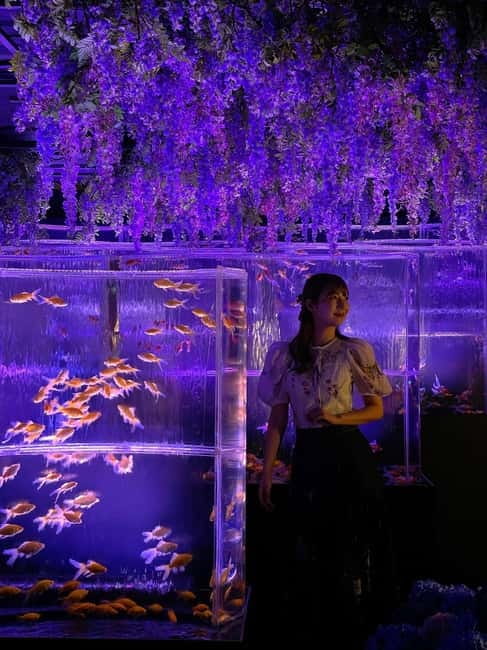
The museum’s strongest feature is the variety of ways it presents the goldfish. The exact arrangement can change, so you should expect the visual experience to shift during the year.
Seasonal changes are part of the permanent venue’s appeal. A visit during one part of the year may not look exactly like a visit several months later, and repeat visitors have found substantial changes over time.
That gives the museum more staying power than a fixed exhibition. I would not plan a return visit solely for the fish, but the changing artwork gives you a reason to stop in again if you are back in Tokyo.
The colored lighting is carefully tied to each display. It can make the fish appear jewel-like, shadowed, or almost abstract. The effect is strongest when you pause rather than rush from room to room.
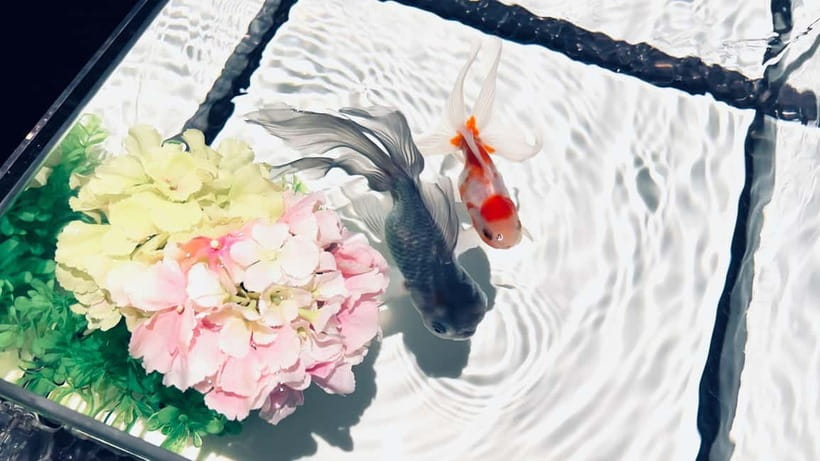
You will also notice that the fish themselves are part of the visual appeal. Their rounded forms, flowing fins, and shifting colors create movement inside what can otherwise be a still arrangement.
Why photography is such a big part of the visit
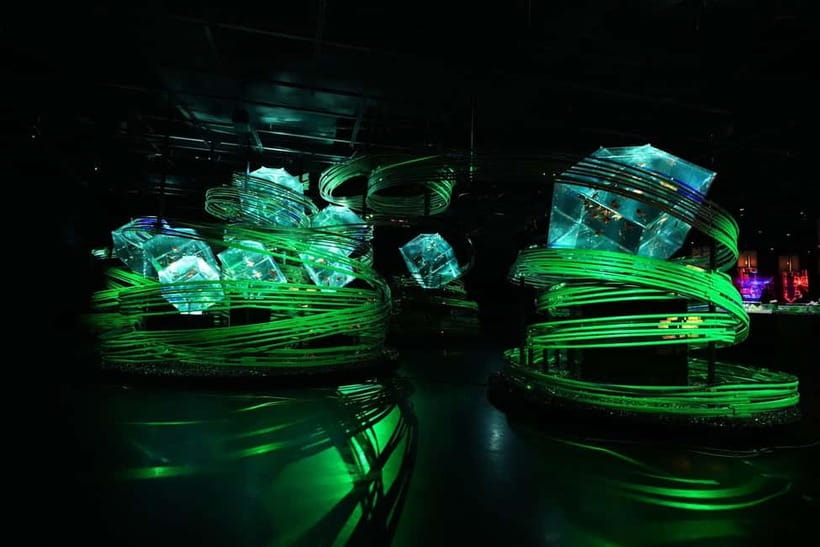
Art Aquarium Museum GINZA is built for photographs. The illuminated tanks and dark surroundings create strong contrasts, and the displays are arranged so that even a short stop can produce striking images.
You may find it easier to take good pictures during a quieter time. One midweek morning visitor arrived around 10:30 and found only a few other people in the museum, making it easier to frame photos without blocking anyone else.
Photography is allowed, but the rules are firm. You cannot use a tripod, monopod, strobe, or separate lighting equipment. Bring a handheld camera or phone and be ready to work with the available light.
I would keep your visit moving even if you are photographing every display. The museum is compact, and one person who spends about 30 minutes taking pictures still had enough time to see the main art.
The gift shop adds another reason to leave a little time at the end. It offers souvenirs connected to the museum and goldfish theme, making it a useful stop if you want a small reminder of the visit rather than a standard department-store purchase.
Finding the museum inside Ginza Mitsukoshi
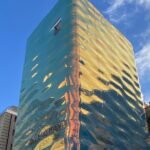
The museum is located at Ginza Mitsukoshi, a major department store in the Ginza district. The admission reception and same-day ticket counter are on the ninth floor of the new building.
From Ginza Station, use Exit A7 on the Tokyo Metro Ginza, Marunouchi, or Hibiya lines. This is the simplest route if you are already sightseeing around the main Ginza shopping streets.
You can also walk about five minutes from Ginza 1-chome Station Exit 9. From Higashi-Ginza Station, the museum is about two minutes away through the underground passage toward Ginza Station.
The department-store location makes the museum easy to combine with other plans, but it can take a moment to get your bearings. You are not entering a separate street-level museum building with a large exterior sign. Follow the signs inside Ginza Mitsukoshi and head to the ninth floor.
The address is Ginza Mitsukoshi, 4-6-16 Ginza, Chuo-ku, Tokyo, postal code 104-8212. If you have a timed starting slot, check the current hours before setting out because closing days and business hours can change.
A few more Tokyo tours and experiences worth a look


Is $17 a fair price for an hour?
At $17 per person, the ticket is not a bargain in the sense of a full-day attraction. You are paying for a compact art presentation, not several hours of exhibits.
The value depends on what you want from Tokyo. If you enjoy striking interiors, visual design, and taking photographs, the ticket can make sense as a polished one-hour stop in Ginza. Several people found the presentation worth the price, especially because the displays feel unlike a normal aquarium.
If you are comparing it with a major science museum or a large public aquarium, the short visit may seem expensive. You should also remember that the ticket is non-refundable, so check your schedule before booking.
The location helps the value. You can place the museum between shopping and lunch, or use it as a short indoor break during a day in central Tokyo. You do not need to reserve half a day for it.
Up to two children under elementary school age may enter free with one paying adult. That can make the price more reasonable for a family with young children, though the museum’s dark rooms, sound, and scent may not suit every child.
Who will enjoy this most
I would recommend the museum to you if you like:
- Contemporary art with a strong visual focus
- Japanese cultural ideas presented in a modern form
- Photography and unusual indoor settings
- Quiet, atmospheric rooms
- Short activities that fit around a city itinerary
- Shopping and department-store locations
- Returning to a Tokyo attraction at different times of year
It also works well for couples, solo visitors with a camera, and families who want a brief indoor activity. The free admission for up to two young children can help, although the museum is not designed as a hands-on children’s attraction.
You may want to skip it if your priority is marine biology, a large variety of aquatic animals, or a long museum visit. You should also think carefully if you are uncomfortable with ornamental fish displays or have concerns about how the goldfish are kept.
One visitor specifically felt that some fish looked maltreated. That is not a detail to brush aside. The museum’s visual style is beautiful, but you should decide for yourself whether the presentation fits your standards for animal care.
How to fit it into a Ginza day
The museum works best as one part of a larger Ginza plan. Since the visit normally lasts around an hour, you can schedule it before shopping at Ginza Mitsukoshi or after exploring nearby streets.
An early visit may be useful if photography is important to you. A midweek morning around 10:30 was reported as relatively quiet, with enough room to take pictures without interrupting other people.
A later stop may work if you want to see the displays after a busy day, but you should check the closing time rather than assume the museum follows a fixed daily schedule. Business hours and closing days may vary.
The museum’s central location is convenient, though one person found the area less full of additional activities than expected. I would not travel across Tokyo for the museum alone unless this style of art strongly appeals to you.
Instead, treat it as a planned Ginza stop. The department store setting makes it easy to combine with food and shopping, even if the museum itself is your main reason for visiting.
Practical tips for a smoother visit
Book only after checking the date and time that suit your schedule. The activity is valid for one day, but the admission is non-refundable.
Allow at least 45 minutes if you want to appreciate the displays rather than simply walk through. Add a little extra time if you care about photography or want to browse the gift shop.
Use a phone or handheld camera. Tripods, monopods, strobes, and lighting equipment are not permitted, and extra lights would change the mood for everyone else in the rooms.
Keep your expectations focused. This is an art museum centered on goldfish, not a conventional aquarium, and the experience is more about presentation than education. English information about the goldfish is available, which helps you understand what you are seeing.
Finally, check the seasonal program before you go if you are making a special trip. The venue is permanent, but the art can change, and the seasonal element is one of its better reasons to visit.
Should you book Art Aquarium Museum GINZA?
Book it if you want a short, unusual Tokyo experience that combines goldfish with lighting, music, scent, and design. At $17, it offers good value for a photography-minded visitor or anyone already planning to spend time in Ginza.
I would be more cautious if you want a large museum, a long itinerary, or a traditional aquarium. The visit is compact, and concerns about fish welfare deserve consideration.
For most people who enjoy art and atmospheric spaces, this is an easy one-hour addition to a Ginza day. Choose a quieter morning if you want better photographs, check the hours before leaving, and give yourself time to decide whether the presentation feels right to you.
FAQ
Where is Art Aquarium Museum GINZA located?
It is inside Ginza Mitsukoshi at 4-6-16 Ginza, Chuo-ku, Tokyo. Admission reception and same-day ticket sales are on the ninth floor of the new building.
How do I reach the museum from Ginza Station?
Use Exit A7 from the Tokyo Metro Ginza, Marunouchi, or Hibiya lines. Ginza Mitsukoshi is also about five minutes from Ginza 1-chome Station Exit 9.
How close is it to Higashi-Ginza Station?
The museum is about a two-minute walk from Higashi-Ginza Station using the underground passage toward Ginza Station.
How long should I spend at the museum?
The estimated viewing time is about one hour. A quicker visit may take around 30 minutes, while photography can extend your stay to 45 minutes or longer.
What does the $17 ticket include?
The ticket includes admission to Art Aquarium Museum GINZA. Up to two children under elementary school age may enter free with one adult.
Can children enter for free?
Yes. Up to two children under elementary school age may enter free of charge with one adult.
Can I take photographs inside?
Yes, photography is permitted. Tripods, monopods, similar equipment, strobes, and lighting equipment are not allowed.
Are the exhibits the same throughout the year?
No. The permanent venue includes seasonal changes, and the displays may change over time.
Is the ticket refundable?
No. The activity is non-refundable, so check your date and schedule before booking.
Does the museum have information in English?
English information about the goldfish is available inside the museum.
More Tickets in Tokyo



More Tickets & Passes in Tokyo
More Ginza Tours in Tokyo


More tours in Tokyo we've reviewed






Ginza Tours, compared.
 ★ 4.8Chopstick Making Workshop in GinzaFrom $251 hour
 ★ 4.5Official Japan Go-Kart Through Tokyo Bay / Ginza (IDP Required)From $85
 ★ 5.0Private Ginza Architecture Walking TourFrom $132
 ★ 4.5【SUMO FESTIVAL】Tokyo Ginza: Sumo Show & Photo ExperienceFrom $63
 ★ 4.8Tokyo GINZA: KONPARU Japanese Cabaret Show with DrinkFrom $502 hours
 ★ 4.9Tokyo: Discover the Art of Kintsugi in GinzaFrom $751h 30m